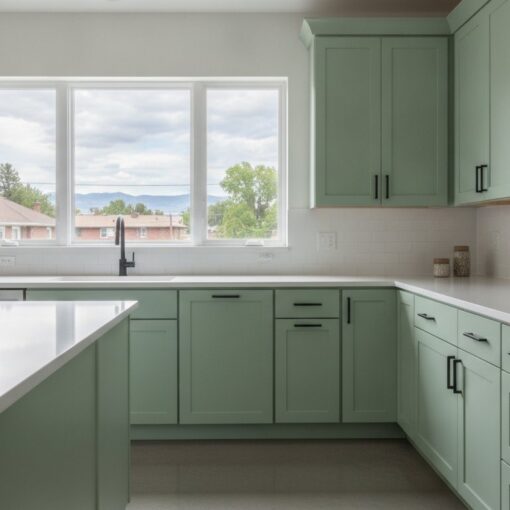

Homeowners who opt for a minor kitchen remodel in 2026 can recoup up to 95 percent of their costs, whereas those who commit to a major upscale overhaul often see that return drop to as low as 30 percent. You likely want a modern kitchen that appeals to the regional Denver real estate market, but the fear of overspending on a full renovation is a valid financial concern. This article provides a detailed analysis of cabinet painting roi, comparing the financial impact of professional painting against the high cost of replacement to help you build home equity efficiently.
Professional cabinet painting serves as a strategic financial decision for savvy homeowners who prioritize asset value. You’ll gain a data-backed understanding of how factory-grade spray systems preserve surfaces better than standard brush applications. We will also review actionable strategies for choosing popular 2026 finishes, such as “Transformative Teal” and “new not-white” neutrals, that maximize property resale value. This framework ensures your kitchen update meets both aesthetic goals and rigorous durability requirements without the excessive costs associated with a full cabinet replacement.
Key Takeaways
- Learn how to calculate cabinet painting roi by measuring recovered equity against project costs to ensure a high-impact renovation.
- Compare the capital requirements of professional refinishing versus full cabinet replacement to identify the most cost-effective path for your kitchen.
- Analyze the relationship between modernized kitchen surfaces and reduced days on market to accelerate a potential property sale.
- Select neutral color palettes and factory-quality finishes that align with current buyer preferences to maximize resale value.
- Understand the technical benefits of industrial off-site spray applications compared to standard brush painting for long-term durability and asset protection.
Understanding Cabinet Painting ROI in Modern Home Renovations
In the context of residential real estate, return on investment is the ratio of recovered property equity to total project expenditure. For homeowners in 2026, cabinet painting roi represents one of the most efficient methods to increase a home’s market price without the financial burden of a full demolition. By focusing on the visual surface, you preserve the underlying structural assets of the home while updating its aesthetic appeal to meet current buyer demands.
Utilizing existing cabinetry allows you to avoid the high costs of new materials and labor. This strategy directly inflates net renovation returns by minimizing upfront capital expenditures. To better understand the technical aspects of this process, watch this helpful video:
The Role of the Kitchen in Property Valuation
Modern buyers prioritize kitchen aesthetics more than any other room during property evaluations. A dated kitchen often leads to lower offers or increased days on market. However, there is a distinct financial risk in over-improving a kitchen relative to neighborhood comparables. Spending $100,000 on custom cabinetry in a mid-range Denver neighborhood rarely yields a dollar-for-dollar return. Cosmetic modernization through professional painting provides the most efficient path to increasing perceived home value because it addresses visual priorities at a fraction of the cost.
Defining Return on Investment for Cosmetic Upgrades
Investors distinguish between structural remodeling returns and targeted cosmetic renovation returns. Structural changes involve moving walls or plumbing; these carry high costs and lower recoup rates. In contrast, cosmetic upgrades focus on high-visibility surfaces. Reducing project costs directly safeguards your net equity gain. The baseline math for high-yielding projects relies on the durability of the original Kitchen cabinet construction. If the boxes are structurally sound, painting them allows you to capture the 70 to 95 percent recoup rates typically seen in minor kitchen remodels in 2026. This approach ensures your cabinet painting roi remains high by avoiding the diminishing returns associated with major, upscale renovations.
Financial Comparison: Cabinet Painting vs. Full Replacement Costs
Evaluating a kitchen renovation requires a strict analysis of capital requirements. A standard cabinet replacement project involves extensive expenditures, including the purchasing of new factory boxes, hardware, and delivery logistics. These upfront costs significantly lower your net returns when compared to professional refinishing. To understand how these expense structures function in the current market, review the Cabinet Painting Cost: A Full 2026 Price Breakdown. By maintaining the existing layout, homeowners capture a much higher cabinet painting roi because they avoid the compounding costs of structural replacement.
The total cost of new cabinetry extends far beyond the physical wood components. Demolition requires significant labor hours, disposal fees, and structural site management. Furthermore, removing existing cabinet boxes introduces severe risks of damaging adjacent surfaces. Countertop removal often results in stone fractures, requiring completely new slab purchases. Plumbing lines must be disconnected and re-hooked up by licensed professionals, adding unexpected line-item expenses to the final invoice.
Capital Expenditure Breakdown for Kitchen Remodeling
The cost of raw materials for new custom cabinetry installations vastly exceeds the price of industrial coating compounds used in professional refinishing. Labor dynamics also differ dramatically between the two methods. A full replacement requires multiple days of structural demolition, framing adjustments, and precise leveling. Professional kitchen cabinet painting focuses labor hours entirely on targeted surface preparation, cleaning, and off-site spray applications. This optimization creates a favorable cost-to-value ratio, allowing homeowners to preserve their primary budget for other high-value property updates.
The Impact of Ancillary Expenses on Total Renovation Costs
Replacing cabinet boxes frequently forces the costly replacement of intact tile backsplashes, as the old tile rarely aligns perfectly with new cabinet dimensions. If you alter the kitchen footprint, you also face electrical relocation fees to meet modern building codes. Data from the NAR Remodeling Impact Report indicates that project complexity directly correlates with budget overruns. Avoiding these cascading ancillary expenses protects the project’s net return, ensuring that your home equity remains intact rather than being absorbed by unnecessary structural modifications.
How Professional Cabinet Refinishing Impacts Home Resale Value
Professional surface transformations directly influence buyer perception during property listings by presenting a cohesive, turn-key environment. When a kitchen looks dated, potential buyers often view the space as a liability that requires a full demolition. Professional finishes eliminate this negative perception and remove buyer negotiation leverage. Instead of requesting significant price reductions to cover a future remodel, buyers see a modernized space that justifies a higher asking price. According to the Cost vs. Value Report, minor kitchen updates consistently outperform major renovations in terms of the percentage of cost recouped at sale.
A high cabinet painting roi is achieved not just through initial cost savings, but through the preservation of home equity during the closing process. By presenting a move-in-ready kitchen, you reduce the psychological friction that prevents buyers from making premium offers. To understand the standards required for a market-ready look, you should consult Cabinet Painting Denver: Your Ultimate Guide to a Flawless Finish. This resource details the regional quality expectations that Denver buyers demand in 2026.
Buyer Expectations in the Denver Real Estate Market
The regional Denver, Colorado real estate market is highly competitive. Buyers in this area prioritize clean, modern aesthetics that reflect a contemporary lifestyle. Properties that feature dark, heavy oak or dated honey-maple cabinets often struggle to compete with modernized listings. Professional kitchen cabinet painting allows you to match local neighborhood standards without the six-figure price tag of a custom installation. Matching these aesthetic preferences is essential to secure optimal appraisal values, as appraisers look for finishes that align with recent high-value sales in the immediate area.
Accelerating Time-on-Market Through Aesthetic Modernization
Turn-key kitchens capture immediate buyer interest and lead to faster contract signings. A property that sells quickly saves the homeowner thousands of dollars in carrying costs, including mortgage interest, property taxes, and utility payments. When a kitchen is aesthetically modernized, it stands out in online listing photos, which is where most buyer evaluations begin. Prioritizing high-impact visual improvements before listing ensures your home doesn’t sit stagnant on the market. Reducing total days on market is a critical component of a successful cabinet painting roi, as it prevents the need for successive price drops that erode your net profit.

Maximizing Your Return: Color Choices and Quality Standards
Achieving a high cabinet painting roi requires a systematic approach to both design and technical execution. Homeowners must realize that cosmetic updates only add value if the final finish mimics factory production. Subpar applications fail quickly under daily kitchen use, which destroys the asset value you attempted to build. To guide your material selection and understand industrial application standards, read The Best Paint for Cabinets: A Professional Painter’s Guide. Proper planning ensures your investment remains durable and attractive to future buyers.
Coating durability plays a critical role in preserving property value for future owners. If a finish chips or wears away within a year, the project transforms from an asset into a future expense for the buyer. If you want to secure a factory-grade finish for your property, you can schedule a professional service with Cabinet Painting Denver to ensure long-term durability.
Selecting High-ROI Color Palettes for Broad Appeal
Timeless neutrals, sophisticated grays, and classic whites capture the widest buyer demographic in the modern real estate market. These colors enhance the overall spatial perception of the kitchen, making the room feel larger and more illuminated. Conversely, using overly personalized or hyper-trendy accent colors on fixed woodwork introduces severe financial risks. While a specific bright hue might appeal to your personal taste, it often alienates mainstream buyers who calculate the future cost of repainting the space, thereby reducing your net return.
Substrate Preparation and Application Standards for Longevity
Rigorous cleaning, degreasing, and mechanical sanding are mandatory steps to ensure proper finish adhesion. Kitchen cabinets accumulate heavy oils, cooking residues, and physical wear that prevent standard paint from bonding to the wood substrate. Professional-grade primers prevent tannin bleed-through and finish failure by creating an impenetrable chemical barrier on the wood surface. A long-lasting, chip-resistant surface maintains property value long after project completion, protecting your initial investment and supporting a strong appraisal valuation during a property sale.
Securing Your Investment with Professional Denver Cabinet Painters
While the potential for high cabinet painting roi is significant, realizing those gains depends entirely on execution quality. Subpar DIY attempts or low-tier brush applications often result in visible textures that actively destroy home equity. In a sophisticated market like Denver, buyers expect a factory-smooth finish that rivals new installations. If the finish looks amateur, the renovation becomes a liability rather than an asset. To ensure you follow expert installation practices, review Hiring Professional Cabinet Painters: The Ultimate 2026 Guide before beginning your project.
Working with a licensed, localized specialist ensures predictable project timelines and adheres to regional quality standards. Denver’s real estate market moves quickly; delays in a kitchen refresh can lead to missed listing windows and increased carrying costs. Professional teams possess the technical expertise to handle the older housing stock found in many Denver neighborhoods, ensuring that the underlying wood is properly stabilized before any coatings are applied.
The Financial Risks of Imperfect DIY Execution
Visible brush marks, drips, and uneven coating surfaces serve as red flags to home inspectors and prospective buyers. These imperfections suggest a lack of professional maintenance, which often leads buyers to question the integrity of other home systems. Stripping improperly applied consumer-grade paint is a labor-intensive process that carries high corrective costs. If a buyer sees a poor paint job, they’ll likely subtract the full cost of cabinet replacement from their offer. Framing professional execution as an essential insurance policy protects your home renovation budget from these avoidable financial pitfalls.
Specialized Equipment and Factory-Quality Execution
Industrial off-site spray applications utilize dedicated high-volume, low-pressure (HVLP) systems to achieve a level of precision that manual tools can’t match. This technical superiority is what creates the factory-quality finish required to maximize cabinet painting roi. By processing removable components like doors and drawer fronts at a specialized facility, professional kitchen cabinet painting services minimize in-home disruption. This approach also eliminates the risk of overspray on your floors or appliances. If you’re ready to secure a professional consultation and protect your property value, contact Cabinet Painting Denver to discuss your specific renovation requirements.
Strategic Equity Building Through Professional Refinishing
Maximizing your home’s equity in 2026 requires a focus on high-impact, cost-effective updates. By choosing professional kitchen cabinet painting over a full replacement, you protect your budget from unnecessary demolition and ancillary expenses. This targeted approach ensures a superior cabinet painting roi by aligning your kitchen’s aesthetic with the specific preferences of the Denver real estate market. You’ll avoid the diminishing returns of major structural overhauls while delivering the move-in-ready look that modern buyers demand.
Cabinet Painting Denver provides specialized off-site factory spray finishing to ensure doors and drawers receive a durable, showroom-quality surface. Our team utilizes comprehensive surface preparation and strict warranty standards to safeguard your investment. With dedicated regional expertise in the Denver, Colorado market, we help you navigate design trends and technical requirements with professional clarity. You can Request a Professional Cabinet Painting Consultation from Cabinet Painting Denver to start your revitalization project today. Investing in quality refinishing is a reliable way to modernize your space and increase your property’s long-term value.
Frequently Asked Questions
What is the average return on investment for professional cabinet painting?
The average return on investment for professional cabinet painting is high, often aligning with the 70 to 95 percent recoup rate associated with minor kitchen remodels in 2026. This project maximizes cabinet painting roi by updating the room’s visual appeal without the capital-intensive costs of structural changes. By targeting the most visible surface in the home, you capture significant equity gains while spending a fraction of the budget required for a full renovation.
Does painting kitchen cabinets increase home appraisal value?
Yes, painting kitchen cabinets increases home appraisal value by modernizing the aesthetic to match regional market standards. Appraisers evaluate the condition and style of fixed assets like cabinetry. A dated kitchen often leads to lower valuations, whereas a professional spray finish provides a clean, updated look that supports higher comps. In the Denver real estate market, clean neutrals and factory-quality surfaces are essential for securing optimal appraisal figures during a property sale.
How much money do you save by painting cabinets instead of replacing them?
Homeowners typically save a substantial percentage of total renovation costs by choosing refinishing over replacement. While full cabinet replacement in 2026 often ranges from $10,000 to $30,000, professional painting avoids the steep capital requirements of new factory boxes. These savings occur because you don’t pay for structural demolition, disposal fees, or the replacement of intact countertops and backsplashes. This financial gap directly contributes to a more efficient cabinet painting roi for savvy investors.
Is it better to paint or replace cabinets before selling a house?
It’s generally better to paint cabinets before selling if the existing boxes are structurally sound. Major upscale remodels often recoup only 30 to 45 percent of their costs, whereas minor cosmetic refreshes yield much higher returns. Painting provides the move-in-ready aesthetic that modern buyers demand without the risk of over-improving for the neighborhood. This approach accelerates time-on-market by presenting a modernized kitchen that eliminates buyer negotiation leverage regarding outdated interiors.
How long does a professional factory spray finish typically last?
A professional factory spray finish typically lasts between 8 and 15 years depending on usage and maintenance. Unlike standard brush painting, industrial-grade coatings are formulated for high-traffic environments and resist chipping, peeling, and staining. The specialized off-site spray process used by Cabinet Painting Denver ensures a smooth, hard surface that bonds permanently to the wood substrate. This long-term durability is a key factor in preserving property value for future owners.
Will home buyers notice the difference between DIY and professional cabinet painting?
Home buyers and professional inspectors will definitely notice the difference between DIY and professional execution. DIY projects often exhibit visible brush marks, drips, and uneven sheen, which signal low quality and can lead to lower offers. In contrast, professional applications utilize specialized off-site spray systems to achieve a factory-smooth result. A flawless finish justifies a higher asking price, whereas a poor DIY job may require costly stripping and repainting by the new owner.
Can all types of cabinet materials be successfully painted for a high ROI?
Most cabinet materials, including solid wood, oak, maple, and even high-quality MDF, can be successfully painted. The key to success lies in the specific preparation and priming steps tailored to each substrate. For example, oak requires grain filling to achieve a smooth look, while laminate requires specialized bonding primers. Ensuring the coating adheres properly to the existing material is mandatory for a durable finish that supports a high cabinet painting roi.