
Matching every metal in a room isn’t the goal; making your choices look deliberate is. If you’re wondering how to choose cabinet hardware finish, start with your cabinet color and the finishes already in the room. Then check how your options look in your home’s lighting. A finish that seems warm in a showroom or online photo can look different beside your faucet, appliances, or under evening lights.
It makes sense to want pulls and knobs to coordinate with nearby fixtures, and mixing metals can feel risky if you’re concerned the result will look accidental. But you don’t have to match everything. Choose a finish that works with your cabinets and the room, then repeat any contrasting metal with intention.
This guide explains how to compare popular finishes, coordinate them with cabinet colors and existing fixtures, and decide when mixing metals works. You’ll also learn how to test options at home and consider cleaning and maintenance before buying. If your current cabinet color limits the look you want, professional cabinet painting may open up more options for your hardware.
Key Takeaways
- To decide how to choose cabinet hardware finish, consider cabinet undertones and the room’s fixed finishes rather than relying on finish names alone.
- Compare finishes beside your cabinets, countertop, backsplash, and nearby fixtures to see how they look together at home.
- Matching every metal is optional. Choose a consistent look, coordinated variation, or a deliberate high-contrast combination.
- Use samples to compare shortlisted finishes in context before committing.
- Selecting hardware alongside a cabinet color update can help the overall design feel cohesive. Cabinet painting and hardware selection are separate decisions.
How to Choose a Cabinet Hardware Finish That Fits Your Room
Finish names can sound precise, but “brushed brass” doesn’t guarantee that two manufacturers’ hardware will look the same. Online photos add more uncertainty because screens, lighting, and nearby colors affect how a finish appears. Start with the room, not the name on a product listing.
A cabinet hardware finish is the visible surface appearance of a knob, pull, or related piece of hardware. It is separate from the hardware’s shape, size, and placement. A simple bar pull and a rounded knob can share a finish but create different visual effects. The broad category of door and drawer hardware includes pieces such as handles and knobs. Your finish choice affects how those details balance with the room, while daily function and personal preference matter too.
What cabinet hardware finishes are commonly available?
Common appearances include polished chrome, brushed nickel, brass, bronze, and matte black. Polished surfaces reflect more light, while brushed or matte surfaces are less reflective. These descriptions are useful starting points, not universal standards. One maker’s brass may look yellow or bright; another’s may appear muted or warm.
Compare physical samples where possible. Look at the actual pieces rather than assuming a finish name or online image predicts the exact color. Consider how the surface looks against your cabinet color and whether its sheen suits the room.
Which room details should guide the first choice?
Before narrowing your options, take stock of the visual context: cabinet color, countertop, backsplash, faucet, lighting, and appliance surfaces. Decide what role you want the hardware to play. Should it blend into the cabinets, coordinate quietly with nearby fixtures, or create noticeable contrast?
Separate features that are difficult or costly to change from accents that are easier to update. Cabinets, counters, and backsplash materials may set the room’s overall color direction. Decorative accessories are easier to switch, so they don’t necessarily need to guide a lasting hardware decision. A dark pull against pale cabinets creates a different effect from the same pull against dark cabinetry. Neither is automatically right; the surrounding tones and your preferred level of contrast determine whether the result feels balanced.
Make a short list of finishes that work with the room’s fixed features, then compare them in context. This gives you a practical starting point for how to choose cabinet hardware finish without treating any single metal as a rule for every cabinet color.
How Cabinet Color, Existing Fixtures, and Lighting Affect Finish Choice
The same hardware finish can look bold on one cabinet color and subdued on another. Its appearance also shifts with surrounding undertones and light, so a finish that seems neutral on a sample card may look warmer or cooler in the room. These details matter more than rules that assign one metal to each cabinet color.
How do cabinet colors change the look of hardware?
On white or pale painted cabinets, dark bronze or matte black can create a clear outline, while a lighter metal may blend in more quietly. Against dark green, navy, or deep brown cabinets, the same dark hardware may recede; brass or another lighter finish can stand out. Wood tones have golden, red, or muted undertones of their own, which can make a metal seem more or less compatible.
Use these effects as options, not prescriptions. Hold each sample against the actual cabinet surface and compare the undertones side by side. Memory and online photos are unreliable substitutes for seeing the materials together.
How should hardware relate to faucets and lighting?
Faucets and light fixtures are useful reference points because they occupy visible positions in the room. They don’t need to match cabinet hardware exactly. For example, brass pulls can work with a black faucet if the combination feels deliberate and another detail, such as a light fixture, repeats one of those finishes.
Consider appliance surfaces, countertop edges, backsplash materials, and nearby room finishes as part of the same visual picture. A polished appliance surface may introduce a bright reflection, while a warm backsplash can affect how a cooler metal looks. Assess the whole arrangement, not one fixture in isolation.
Check finish samples in the room’s actual lighting, because daylight and artificial light can change how their color and sheen appear beside your cabinets and fixtures. View samples near a window during the day, then check them under your usual evening lighting. Warm bulbs may make a metal look more golden; cooler light may emphasize blue or gray notes. Move samples around if the light varies across the cabinets.
If you’re planning a cabinet color update, assess the proposed color and hardware finish together before settling on either. A color change may create new options if the current surface limits the contrast or coordination you want. Professional kitchen cabinet painting may be worth considering as part of that planning.
Do Cabinet Hardware Finishes Have to Match? Compare Options
No. Cabinet pulls, faucets, lighting, and appliances don’t have to share an identical metal finish. Matching is one option, but coordinated variation and deliberate contrast can work too. The combination should feel considered in the room, not like a set of unrelated choices.
Use this comparison to decide which direction suits your space and preferences:
| Approach | How it looks | Best fit when |
|---|---|---|
| Consistent matching | Hardware and prominent fixtures use the same or a closely related finish. | You prefer an orderly, unified look or existing finishes already work well together. |
| Coordinated variation | Finishes differ, but share a compatible undertone or level of sheen. | You want visual variety without making any one metal dominate. |
| High contrast | A distinct finish stands out against cabinets or other room details. | You want hardware to act as a visible accent and have a plan for balancing it. |
When does matching hardware and faucet finishes work well?
Matching is straightforward if you value consistency or want to keep the decision simple. It can also make sense when the faucet and other prominent finishes already suit the cabinets. Still, matching labels don’t guarantee an exact match. Products may differ in tone, reflectivity, or texture, so compare the actual pieces before expecting them to look identical side by side.
How can you mix metal finishes without visual clutter?
Give the room a visual hierarchy. Choose one finish as the primary presence, then use a contrasting finish more selectively, such as on an island or feature area. If appropriate, repeat that secondary finish in another detail to connect it to the rest of the room. Repetition helps establish intention; it doesn’t require every metal to appear in every area.
Assess sheen and undertone as carefully as color. A highly reflective surface may draw more attention than a brushed one, even if both are similar in hue. Two finishes that appear close in a product photo may look noticeably different together. Place samples near the cabinets and fixtures to judge their relationship in context.
There’s no fixed number of finishes that works for every room. Scale, prominence, and surrounding materials all affect the balance. As you consider how to choose cabinet hardware finish, give each metal a clear visual role, then check that the combined effect feels cohesive to you.

How to Test Cabinet Hardware Finishes Before You Commit
A finish that looks right on a screen or small display can read differently beside your cabinets. Test samples in the room before buying a full set. This lets you compare appearance, everyday use, and care requirements in the conditions that matter.
- Shortlist a few finishes. Choose options that suit your cabinets and existing room details. A focused comparison makes differences easier to assess.
- Obtain samples. Ask the hardware supplier whether samples are available, and confirm they represent the finish on the specific hardware you’re considering. Finish names alone may not tell you how the actual item will look.
- Place them in context. Set each sample against the cabinet surface, then view it beside the countertop, backsplash, faucet, and nearby light fixtures. Check more than one cabinet area if the room’s colors or lighting vary.
- Observe at different times. Compare samples in daylight and under your usual evening lighting. Look from the standing and seated viewpoints you normally use, not only up close.
- Compare appearance and upkeep. Handle the samples, note their texture and sheen, and consider whether fingerprints, water spots, or splashes are likely to show where the hardware will be installed.
What should you check on a finish sample?
Look beyond the color label. Compare the sample’s undertone, reflectivity, and surface texture with the cabinet and surrounding materials. A finish may appear warmer or cooler depending on what sits beside it. Check it from typical viewpoints in the room, since a detail that looks subtle up close may stand out across the kitchen. If you’re comparing suppliers, verify that each sample corresponds to the finish offered for the hardware you plan to buy.
How do maintenance and everyday use affect the decision?
Think about where hands, cooking splashes, and water are most likely to reach the hardware. Frequently used drawers may need more wiping than cabinets used occasionally. Care requirements vary by material and finish, so check the manufacturer’s cleaning instructions before choosing. Don’t assume any finish is maintenance-free; select one your household is comfortable caring for.
Testing samples is a practical part of how to choose cabinet hardware finish with confidence. If you’re also considering a cabinet color update, compare finish samples with the proposed color before making either decision. Explore professional kitchen cabinet painting as one option when the existing cabinet color limits the direction you want.
Coordinate Hardware Finish with a Cabinet Painting or Refinishing Project
A cabinet color update changes the backdrop against which knobs and pulls are seen. A finish that blended with the old color may stand out against a new one, or become less noticeable. Consider cabinet color and hardware finish together so you can assess their contrast and undertones as a pair. Hardware selection is separate from cabinet painting: you choose and purchase the hardware, while the cabinet project addresses the existing cabinet surfaces.
When should you choose the hardware finish during a cabinet update?
Compare cabinet color samples and hardware finishes before finalizing either choice. Place them side by side with the countertop, backsplash, and nearby fixtures, then view them in the room’s lighting. This helps you decide whether the hardware should blend in, coordinate with other metals, or provide contrast.
You may be able to reuse existing hardware if its size, condition, and appearance work with the updated design. If you’re replacing it, confirm measurements and installation details before ordering. Check the distance between mounting holes and whether the new pieces will suit the existing holes rather than relying on appearance alone. Planning ahead helps prevent choosing a finish before confirming that the hardware will fit the cabinets.
How can professional cabinet painting support a finish update?
Painting existing cabinets can change the color behind the hardware, which may open up options that didn’t work with the previous cabinet color. For example, if your current cabinets make a preferred finish seem too similar in tone, compare it against a considered cabinet color to see whether the contrast feels right. This is one reason to evaluate samples together before setting the project direction.
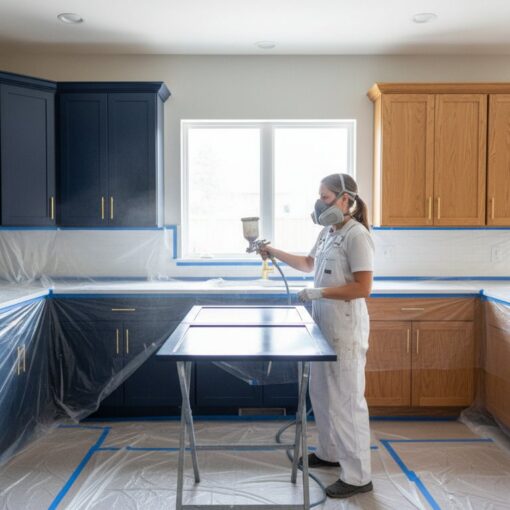
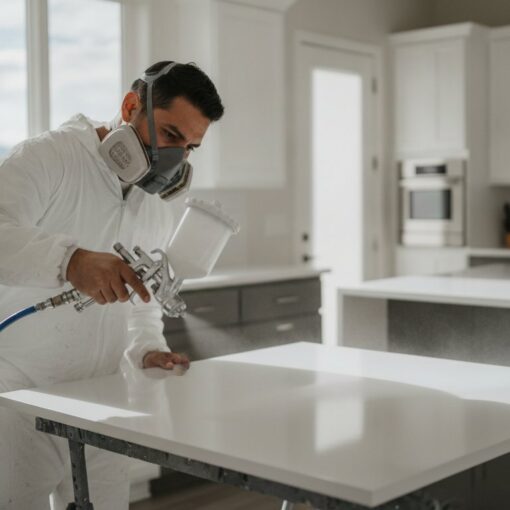
Cabinet Painting Denver’s process includes detailed preparation, professional spraying, and reinstallation of the hardware and doors. The business paints existing kitchen and bathroom cabinets; it does not sell hardware. If you’re coordinating a color update with a hardware decision, keep the two choices clear and confirm which pieces you plan to reuse or replace.
For Denver homeowners considering a cabinet color change, discuss your Denver cabinet painting project with Cabinet Painting Denver. A conversation about your existing cabinets and design direction can help you consider painting as part of the overall update.
Make Your Finish Choice with Confidence
The right hardware finish is the one that works with your cabinets, nearby fixtures, and the light in your room. To decide how to choose cabinet hardware finish, compare real samples in context, consider undertones and upkeep, and choose between a quiet match and intentional contrast. Every metal doesn’t need to be identical for the room to feel cohesive.
If a cabinet color update is part of the plan, consider the color and hardware together. Cabinet Painting Denver’s process includes detailed preparation and professional spraying. Doors and drawer fronts may be sprayed off-site while cabinet frames are painted in the home, and hardware and doors are reinstalled as part of the process. Hardware selection remains a separate choice.
Denver homeowners considering a change to existing kitchen or bathroom cabinets can discuss a Denver cabinet painting project with Cabinet Painting Denver. With a clear color direction and a few samples to compare, you can move forward knowing your hardware choice has been considered as part of the whole room.
Frequently Asked Questions
Do cabinet hardware finishes have to match the faucet?
No, cabinet hardware and faucet finishes don’t have to match exactly. Treat the faucet as a reference point, then decide whether you want a consistent look, a quiet variation, or deliberate contrast. For example, brass pulls can work with a black faucet if the finishes feel balanced with the cabinets and other room details. Compare their undertones and sheen in the actual space before choosing.
What is the most popular finish for cabinet hardware?
There isn’t one finish that suits every room or homeowner. In 2026, warm finishes such as brushed brass and champagne bronze are leading trends, while matte black remains a popular option. Trends can help you build a shortlist, but they shouldn’t decide for you. Consider your cabinet color, existing fixtures, lighting, and upkeep preferences, then compare samples to see which finish works best in your home.
Should cabinet hardware match stainless steel appliances?
No. Stainless steel appliances don’t require matching cabinet hardware. Their surfaces can still influence the room’s overall balance, particularly if they’re prominent against the cabinets. Compare the hardware sample with the appliance, faucet, countertop, and backsplash. A cooler metal may coordinate quietly, while a warmer or darker finish can provide contrast. Judge the combination in your room’s lighting instead of relying on a finish label or online photo.
How do I choose cabinet hardware for dark cabinets?
Decide whether you want the hardware to stand out or blend in. A lighter finish, such as brass or brushed nickel, can create contrast against dark cabinets; a dark finish may recede for a subtler effect. Neither is automatically the right choice. Check cabinet undertones and compare physical samples against the actual surface. Look at them in daylight and evening light before selecting a finish.
Is brushed nickel a good finish for kitchen cabinet hardware?
Brushed nickel can be a suitable option if its tone and lower-reflection appearance work with your cabinets and nearby fixtures. It may coordinate with cooler colors, but there’s no rule that limits it to a particular cabinet shade. Compare the sample with your faucet, appliances, and countertop. Also check the manufacturer’s care instructions, since cleaning needs depend on the specific hardware and finish.
Can you mix gold and silver cabinet hardware finishes?
Yes, gold and silver finishes can work together if the combination looks intentional. Choose which finish will be more prominent, then use the other selectively as an accent. Repeating the accent in a nearby fixture or room detail can help connect the choices. Compare samples for undertone and sheen as well as color, since differences in reflectivity or warmth can make finishes feel mismatched.
How can I tell if a cabinet hardware finish will show fingerprints?
Check a sample rather than assuming a finish will hide marks. Handle it, inspect it under different lighting, and consider where it will be installed. Frequently touched drawers or cabinets near cooking and sink areas may collect fingerprints, splashes, or water spots. Reflectivity and texture can affect how visible marks appear. Ask the hardware manufacturer for care guidance and choose a finish you’re willing to clean.
Should I choose cabinet hardware before or after painting cabinets?
Consider hardware and cabinet color together, then confirm the finish against the final color before ordering. This is a practical way to decide how to choose cabinet hardware finish when the cabinet backdrop is changing. Existing hardware may be reused if its size, condition, and appearance fit the plan. For replacement pieces, verify measurements and installation details. Cabinet Painting Denver’s process includes preparation, professional spraying, and hardware and door reinstallation.