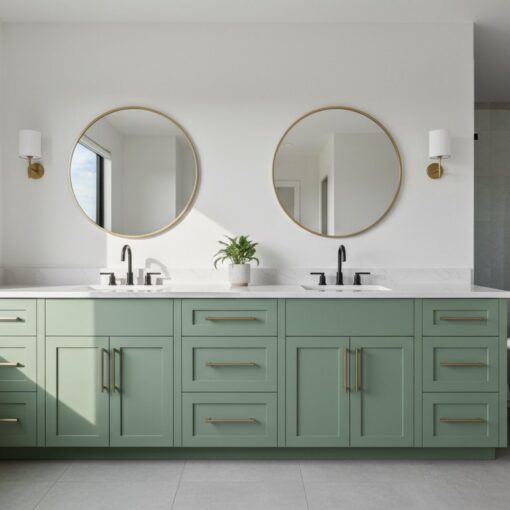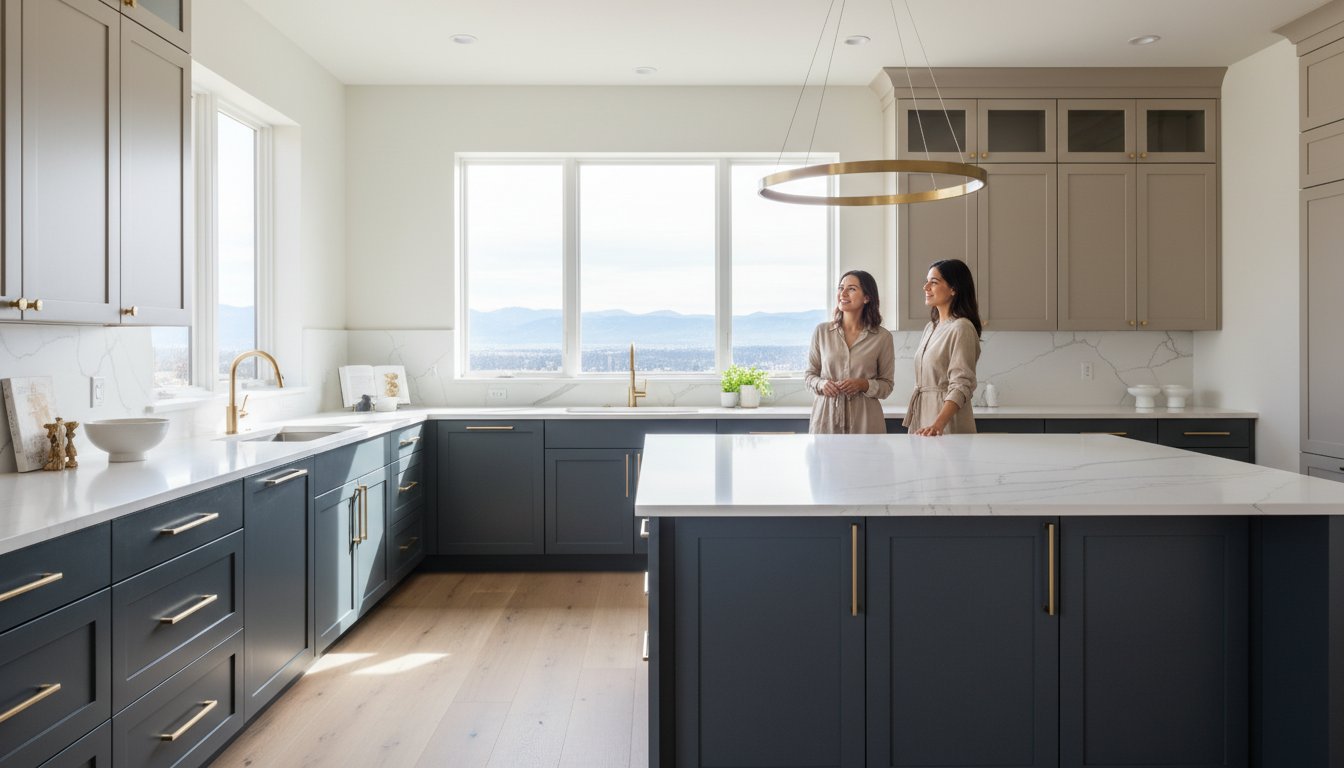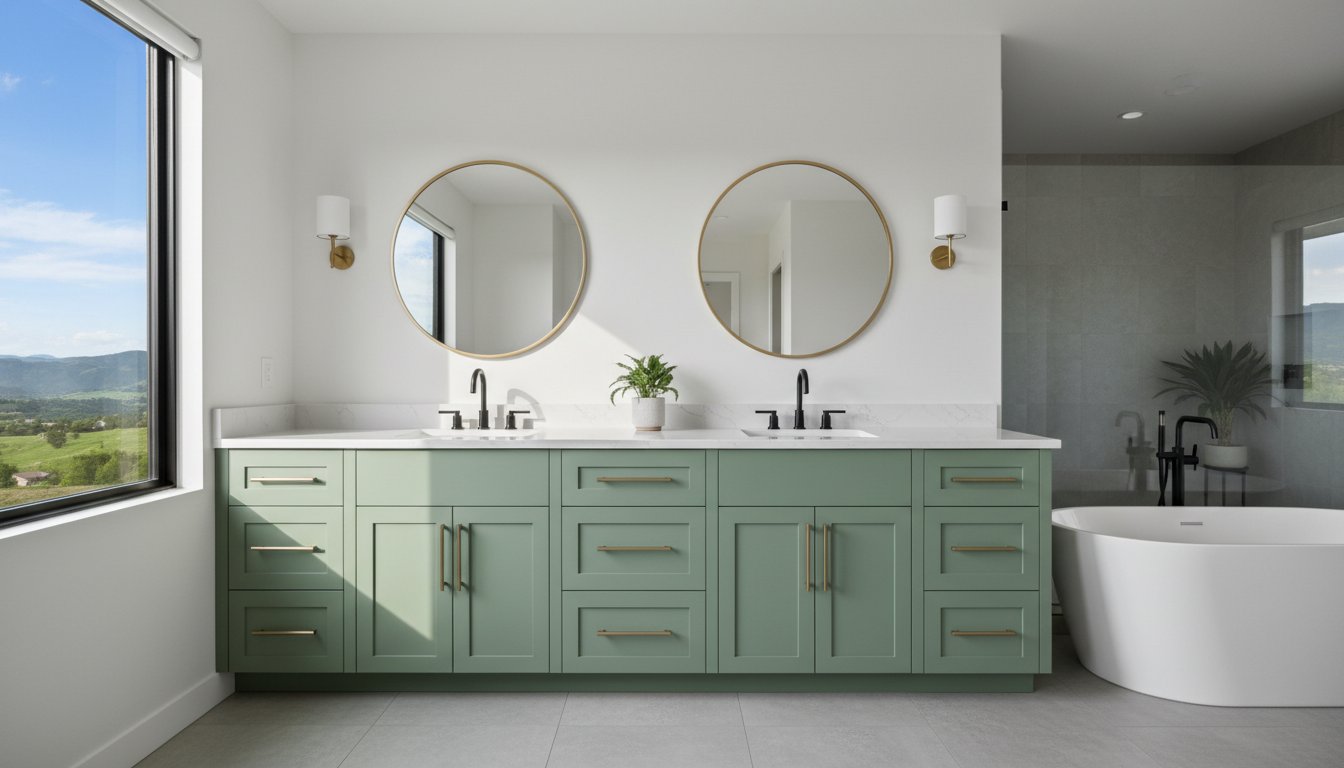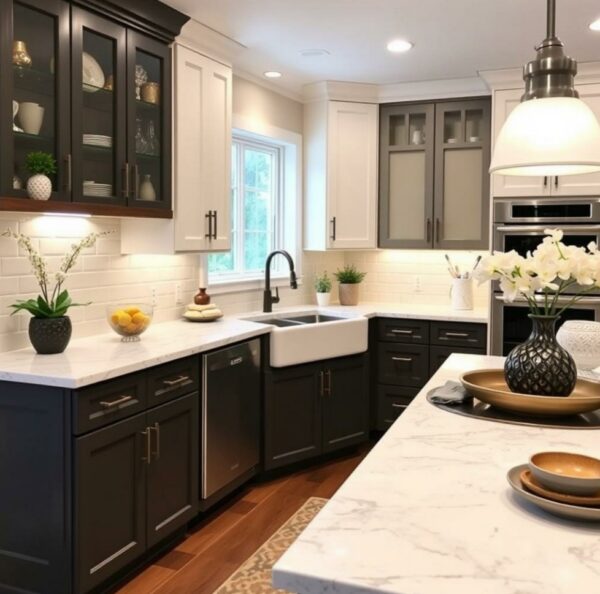

Yes, for most Front Range homeowners, factory finish cabinet painting is worth it because it delivers a sprayed, factory-quality coating that holds up for 10 or more years at roughly one-third the cost of replacing cabinets. A factory finish means a sprayed, catalyzed coating cured in a dust-controlled environment, not brushed or rolled latex. Cabinet Painting Denver delivers this finish in 5 to 7 days.
Table of Contents
- What is a true factory finish for cabinet painting in Denver?
- Why does standard house paint fail on cabinets in Denver's dry climate?
- How is a factory finish different from house paint on cabinets?
- What does the 6-step factory finish process look like?
- How much does factory finish cabinet painting cost in Denver and Aurora in 2026?
- How does Cabinet Painting Denver deliver a factory finish in 5–7 days?
- How do Denver and Aurora homes change what finish you need?
- How long does a factory finish last, and what does the warranty cover?
- Key Takeaways
- References
What is a true factory finish for cabinet painting in Denver?
A true factory finish is a sprayed pre-catalyzed lacquer or acrylic satin topcoat applied in a dust-controlled environment, not a brushed or rolled latex coating, according to Cabinet Painting Colorado. The finish has three markers homeowners can check. First, zero texture means no brush strokes, roller stipple, or lap marks anywhere on the surface. Second, uniform sheen means every door, drawer front, and cabinet box reflects light the same way. Third, a hard, durable film resists chipping, moisture, and daily kitchen wear.
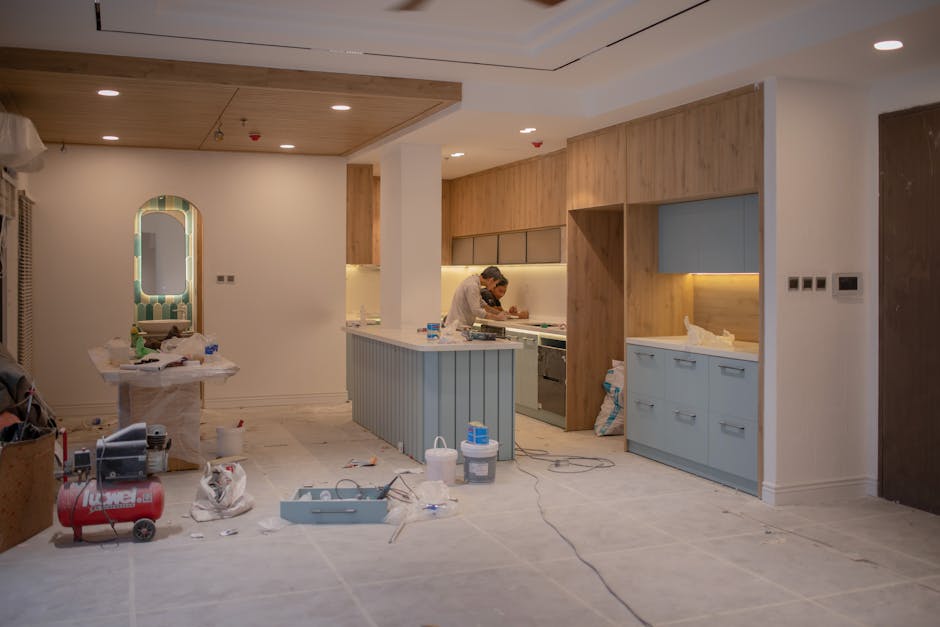
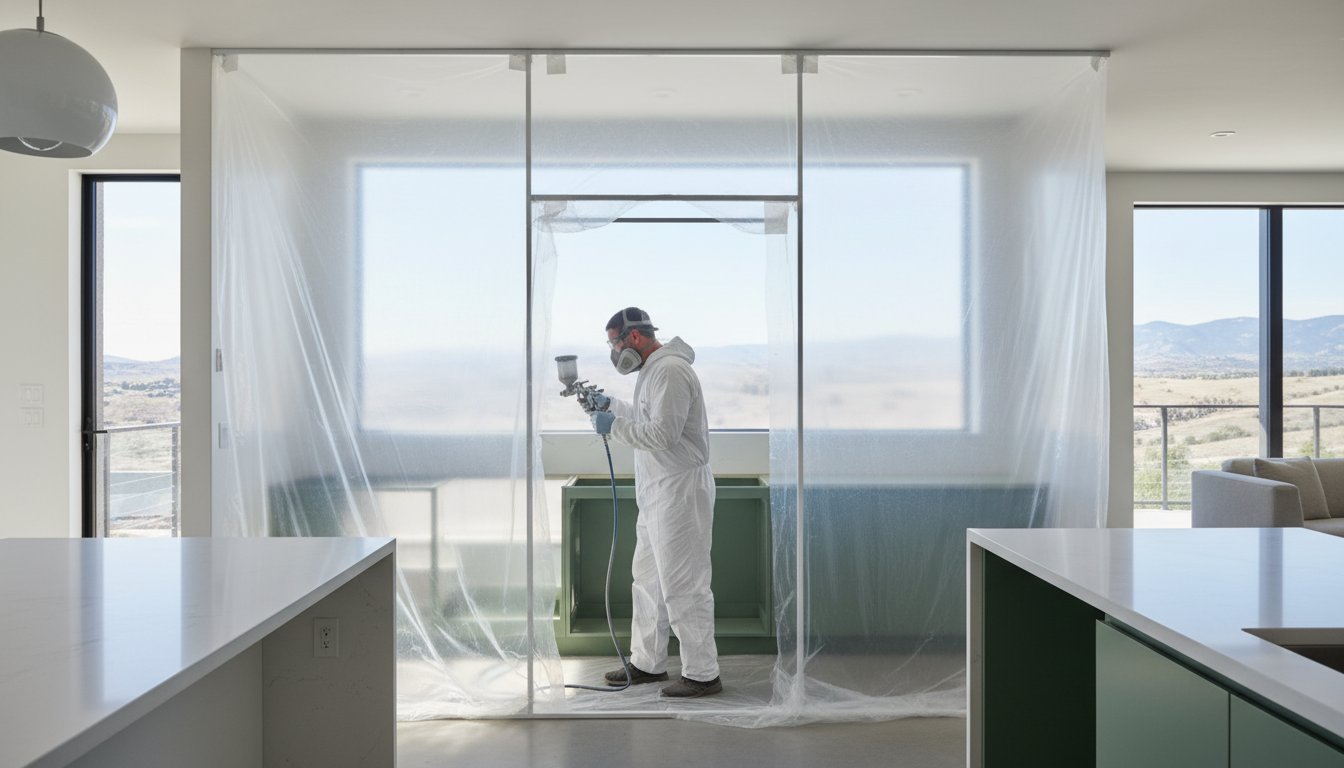
Cabinet Painting Denver uses an industrial waterborne acrylic primer plus 2 topcoats sprayed in satin, according to Cabinet Painting Denver. The difference is something homeowners can see and feel. A sprayed factory finish produces a smooth, even, furniture-grade surface. A brushed or rolled latex job leaves a stippled texture that catches light unevenly and wears faster. The controlled spray environment is what makes the difference possible, because dust settling into wet paint creates tiny bumps that ruin the glass-smooth result.
Why does standard house paint fail on cabinets in Denver’s dry climate?
Standard house paint fails on cabinets in Denver because the dry climate and wide temperature swings stress latex coatings, causing them to dry too fast, cure brittle, and chip. Brushed latex often shows chipping within 6 to 12 months, while a proper pre-catalyzed finish holds for 10 or more years, according to Cabinet Painting Colorado. Denver's low humidity pulls moisture out of latex paint before the film can form properly. The result is a coating that sits on the surface without fully bonding.

Kitchen grease, steam, and daily handling accelerate wear on soft latex films. Cabinet doors near the stove take heat and oil splatter. Doors under the sink face moisture and cleaning chemicals. High-altitude dry air affects cure time and adhesion, which is why a bonding primer and controlled spray environment matter more in Denver than in humid markets. Paint drying can take up to 24 hours depending on the paint used, according to Two Painters and a Brush. Rushing that cure or letting dust settle into it produces a weaker finish.
How is a factory finish different from house paint on cabinets?
A factory finish is different from house paint because industrial 2K poly and pre-catalyzed coatings from Milesi, Renner, and Envirolak chemically bond to the substrate rather than sitting on top like latex. These coatings cure to a harder film with better chemical, heat, and moisture resistance. Cabinet Painting Denver uses an industrial waterborne acrylic primer plus 2 topcoats sprayed in satin, according to Cabinet Painting Denver. The chemical bond means the coating becomes part of the cabinet surface instead of a flexible skin stretched over it.
Application method is the second major difference. Factory finishes are applied with HVLP or airless spray equipment in a controlled booth. House paint is typically brushed and rolled in the kitchen, where dust, pet hair, and uneven pressure create texture. Sheen consistency is a giveaway. Factory finishes hold uniform satin across all surfaces, while rolled latex shows lap marks and uneven gloss. A sprayed pre-catalyzed lacquer or acrylic satin topcoat applied in a dust-controlled environment is what separates a factory finish from a repaint, according to Cabinet Painting Colorado.
What does the 6-step factory finish process look like?
The factory finish process follows six steps that move from on-site preparation to controlled spraying and curing. Step 1 is on-site prep and masking of cabinet boxes, counters, and floors. Step 2 is degreasing with a TSP solution, then sanding for adhesion. Two Painters and a Brush lists cleaning with a degreaser and trisodium phosphate solution, sanding, priming, and painting as its cabinet painting process steps, according to Two Painters and a Brush. Step 3 is applying a high-adhesion bonding primer.
Step 4 is removing doors and drawers and transporting them to a controlled spray booth. N-Hance of Denver refinishes cabinet frames on-site while transporting doors and drawer fronts to its facility, according to N-Hance of Denver. Step 5 is HVLP or airless spray application for a brush-free finish, with sanding between coats. Colorado Cabinet Painting states cabinet doors in the shop each get one coat of primer and 2 coats of paint, front and back, with sanding between each coat, according to Colorado Cabinet Painting. Step 6 is controlled cure before reinstallation. Cabinet Painting Denver completes the full process in 5 to 7 days, according to Cabinet Painting Denver.
How much does factory finish cabinet painting cost in Denver and Aurora in 2026?
Factory finish cabinet painting in Denver and Aurora typically costs $100 to $200 per piece, with an average full kitchen landing between $3,000 and $5,000. Replacement cabinets run roughly three times that cost. Cabinet Painting Colorado states most Denver kitchens cost $3,500 to $7,500 to spray with factory lacquer, while replacement runs $20,000 to $45,000, according to Cabinet Painting Colorado. That provider also cites typical savings of $15,000 to $30,000 versus replacing cabinets.
Cost drivers include the number of doors and drawers, cabinet condition, finish sheen, and whether swollen doors need repair. Laminate and painted-over finishes may add prep time and cost because they require extra bonding steps. Cabinet Painting Denver offers free estimates and project scheduling, according to Cabinet Painting Denver. The per-piece range gives homeowners a quick way to estimate, but the final number depends on how much prep each cabinet needs before spraying.
How does Cabinet Painting Denver deliver a factory finish in 5–7 days?
Cabinet Painting Denver delivers a factory finish in 5 to 7 days by combining 50-plus years of cabinet painting experience with a controlled spray process. The shop uses an industrial waterborne acrylic primer plus 2 sprayed satin topcoats for a uniform, durable finish, according to Cabinet Painting Denver. The primer bonds to the cabinet surface, and the two satin topcoats build a hard film that resists chipping and moisture.
Services include kitchen cabinet painting, cabinet refinishing, cabinet staining, bathroom cabinet painting and refinishing, and swollen cabinet door repair. Color matching and consultation plus low-VOC and non-toxic coating options are available for homeowners who want a safer finish. Free estimates and project scheduling keep timelines clear from day one. The 5 to 7 day window matters in Denver because homeowners want their kitchens back quickly without sacrificing the cure time that makes a factory finish durable.
How do Denver and Aurora homes change what finish you need?
Denver and Aurora homes change what finish you need because the cabinet stock varies widely by neighborhood and era. 90s oak and maple cabinets are common in Aurora suburbs and take primer and sanding well. The open grain in oak needs grain filling or extra primer to achieve a smooth sprayed finish. Maple is denser and takes paint evenly, but still needs degreasing and sanding for adhesion.
Laminate and thermofoil fronts need extra bonding prep and are the most common "will it stick?" question from homeowners. Cherry Creek bungalows often have original wood cabinets where staining or a furniture-grade sprayed finish makes more sense than paint. Older homes may need swollen door repair before spraying, because moisture damage prevents a clean finish. Cabinet Painting Denver offers swollen cabinet door repair as part of its service list, according to Cabinet Painting Denver. Colorado Cabinet Painting states Bondo is applied after primer to cover imperfections, according to Colorado Cabinet Painting.
How long does a factory finish last, and what does the warranty cover?
A proper pre-catalyzed or 2K finish holds for 10 or more years with normal use. Cabinet Painting Colorado states brushed latex often shows chipping within 6 to 12 months, while a proper pre-catalyzed lacquer finish holds for 10 or more years, according to Cabinet Painting Colorado. One Denver provider backs its finish systems with a 3-year warranty, according to Cabinet Painting Colorado. Warranty terms vary by provider, so homeowners should ask what is covered before signing.
Cleaning matters for longevity. Use mild soap and water, and avoid abrasive pads and ammonia-based cleaners that dull the finish. Touch-ups are simple with sprayed finishes because the sheen matches across surfaces. A small chip can be filled and resprayed without repainting the whole door. N-Hance of Denver offers finishes in matte, satin, semi-gloss, and gloss, according to N-Hance of Denver. The satin sheen Cabinet Painting Denver uses is a practical middle ground that hides fingerprints while still reflecting enough light to look clean.
Key Takeaways
- A true factory finish is a sprayed, catalyzed coating cured in a dust-controlled environment, not brushed or rolled latex.
- Brushed latex on cabinets often chips within 6 to 12 months in Denver's dry climate, while a proper factory finish lasts 10-plus years.
- Cabinet Painting Denver completes factory finish cabinet painting in 5 to 7 days using an industrial waterborne acrylic primer and 2 sprayed satin topcoats.
- 2026 Denver and Aurora pricing runs $100 to $200 per piece, or roughly $3,000 to $5,000 for an average kitchen.
- Industrial 2K poly and pre-catalyzed coatings from Milesi, Renner, and Envirolak chemically bond to cabinet surfaces for a harder, more durable film.
- Denver and Aurora cabinet stock varies widely, including 90s oak, maple, laminate, and Cherry Creek bungalow wood, and each needs different prep.
- Cabinet Painting Denver offers low-VOC and non-toxic coating options, color matching, swollen door repair, and free estimates at 720-219-9716.
References
- Cabinet Painting Denver | 50 Years Factory Finish in 5-7 Days — date unknown
- Colorado Cabinet Painting | Denver, CO — date unknown
- Cabinet Refinishing in Denver CO — date unknown
- Kitchen Cabinet Painting & Refacing Service — date unknown
- What is a true factory finish for cabinet painting in Denver? — date unknown