
Kitchen cabinet painting in Denver has settled into a fairly predictable range, and most of Douglas County sits inside the same band. Homeowners in Parker, Highlands Ranch and Roxborough are usually quoted between $3,500 and $7,500 for a sprayed factory finish, while replacing those same cabinets lands between $20,000 and $45,000. That spread is the reason repainting has become the default kitchen update for sellers and long-term owners alike.
What changes from house to house is not the concept. It is the door count, the wood underneath, the condition of the existing finish and how much masking the layout demands. Below is what actually moves the number in 2026, why certain neighborhoods cost more than others, and how painting compares with refinishing, refacing and full replacement.
Average cabinet painting cost in Denver and Douglas County in 2026
Denver-area kitchens commonly fall in the $3,500 to $7,500 range for cabinet spraying with a factory lacquer or catalyzed finish. Quotes below that range usually signal a brush-and-roll job, thin prep or a single-component paint that will not hold up in a working kitchen. Quotes well above it usually include door replacement, new hardware, added cabinetry or a much larger footprint.
Replacement, for comparison, runs $20,000 to $45,000 for the same kitchen. That is not a small difference, and it explains why cabinet painting Denver homeowners book is so often framed as a value decision rather than a cosmetic one.
What pushes a quote toward the top of the range:
- Door and drawer front count. A 20-door kitchen takes roughly twice the finishing time of a 12-door kitchen.
- Layout complexity. Islands, peninsulas, corner runs and glass-front doors all add masking and handling time.
- Existing finish condition. Grease film, chipped lacquer, peeling thermofoil or heavy grain all require extra prep.
- Wood species. Oak and maple behave differently under primer and topcoat.
- Number of colors. Two-tone kitchens and painted islands add a second setup.
- Hardware changes. Filling old pull holes and drilling new ones is slow detail work.
- Access and schedule. Stairs, tight kitchens and occupied homes slow a crew down.
None of those factors are guesswork. A reputable Denver cabinet painter will measure the job, count the doors and inspect the existing finish before quoting, rather than giving a firm number over the phone.
Breakdown: doors, boxes, drawers, primer, 2K topcoat and hardware
Almost every cabinet painting quote you receive breaks down into the same parts. Knowing what each one covers makes it much easier to compare two bids that look similar on the surface.
| Part of the job | What it covers | Why it affects the price |
|---|---|---|
| Doors | Removal, labeling, sanding, priming and spraying both faces and all edges | Highest labor item; more doors means more time |
| Boxes and frames | Degreasing, sanding, masking the interior and spraying on site | Masking a full kitchen interior takes real hours |
| Drawer fronts | Same prep and spray schedule as doors | Counted into the door total but finished separately |
| Primer | Bonding primer matched to the existing surface | Maple and previously varnished cabinets often need a specialty primer |
| 2K topcoat | Two-component catalyzed finish applied in thin, even coats | Higher material cost, far better hardness and moisture resistance |
| Hardware | Removal, bagging, hole filling, re-drilling and reinstallation | Detail work that has to happen before the final coat cures |
A one-component acrylic or enamel topcoat is cheaper to buy and easier to apply. A 2K catalyzed topcoat costs more and demands proper spray equipment and safe handling, but it cures into a harder film that resists cooking grease, cleaning sprays and the humidity swing Colorado kitchens see between winter and summer.
Why Parker and Highlands Ranch kitchens cost different
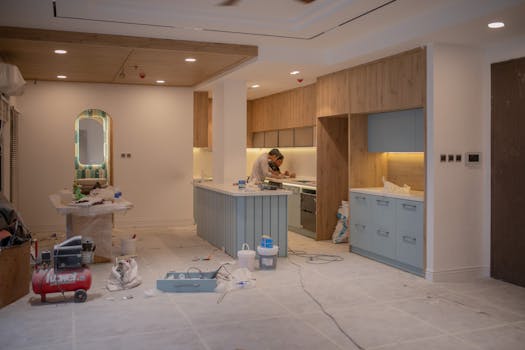
A quote in Parker or Highlands Ranch often lands higher than a quote for a smaller Denver bungalow, and it usually has nothing to do with the zip code. It comes down to how those kitchens were built.
Subdivisions across Douglas County filled in heavily from the 1990s through the 2010s. Kitchens from that stretch tend to be larger than older Denver kitchens, with longer cabinet runs, more doors, and frequently an island or a built-in desk area that also gets painted. More surface area means more doors to remove, more edges to spray and more interior masking.
The other variable is the wood. Maple and oak were the two dominant cabinet species in that building window.
- Oak has an open grain. Skip the grain control step and the texture telegraphs straight through the topcoat, which is rarely the look a homeowner wants on a clean white kitchen.
- Maple is dense and closed. It takes a finish beautifully, but it also holds onto oils and resists adhesion, so primer choice matters more than paint choice.
- Both species often sit under a factory lacquer or varnish that has to be scuffed and bonded rather than simply painted over.
Homes in Roxborough, Castle Pines and Lone Tree follow the same pattern. Larger footprints, more doors, and a mix of maple, oak and previously finished cabinets that each need a different prep approach. That is why cabinet painting Parker CO homeowners book should always start with an on-site look at the actual doors, not an estimate based on square footage.
Painting vs refinishing vs refacing vs replacement cost table for Douglas County homes
Four options come up in almost every Douglas County kitchen conversation. They are not interchangeable, and the cost gap between them is wide.
| Option | Typical local cost signal | What you get | Typical timeframe |
|---|---|---|---|
| Cabinet painting and refinishing | $3,500 to $7,500 for most Denver kitchens | Existing doors and boxes cleaned, prepped, primed and sprayed with a factory-grade finish | About 5 to 7 days on many jobs |
| Refacing | Local refacing providers advertise savings of about 50% compared with a full remodel | New door and drawer fronts over the existing boxes, with frames re-finished or re-veneered | Varies by scope; confirm with the provider |
| Replacement | $20,000 to $45,000 | New cabinets, new boxes, new doors, plus demolition and installation | Varies by scope; confirm with the provider |
The practical difference is where the money goes. Painting and refinishing spend it on labor and coating quality while keeping the cabinet boxes you already own. Refacing spends it on new doors and veneer. Replacement spends it on materials, demolition, disposal and installation labor, which is why the number jumps so far.
If your boxes are solid and square, refinishing usually preserves the most value. If the boxes are damaged, out of square or the layout itself is the problem, fresh paint will not fix that, and refacing or replacement deserves a closer look. For cabinet refinishing Douglas County homeowners are weighing, an honest contractor should tell you which category you fall into rather than quoting painting for every kitchen.
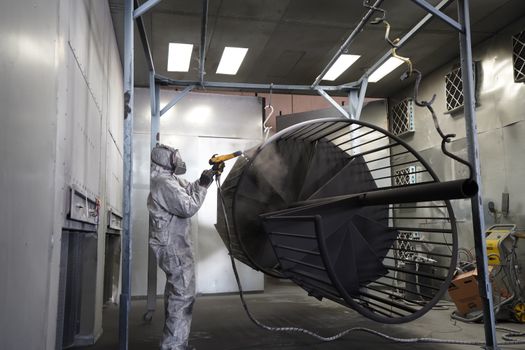
What our process includes to prevent chipping and peeling in Colorado’s dry climate
Colorado is hard on paint films. Indoor humidity drops through the winter, kitchens swing between cold and hot, and cooking grease settles on every surface near the range. A finish that survives here is built in layers, not sprayed on in one afternoon.
- Degreasing. Surfaces are cleaned with a degreaser, with extra attention around the range, hood and handles where hand oils and cooking film collect. Paint applied over grease fails, no matter how good the product is.
- Sanding and scuffing. Existing finishes are sanded to give the primer a mechanical bite. Glossy factory lacquer and varnish cannot be painted directly without this step.
- Bonding primer. A primer matched to the substrate goes on next, sealing the wood and giving the topcoat something to grip. This is the step most commonly skipped on cheap quotes.
- Doors and drawer fronts off site. Doors and fronts come off, get labeled by location, and are finished at a facility in a spray booth. A controlled booth means even coverage, no dust nibs and no overspray drifting through your house.
- Frames sprayed on site. Cabinet frames stay in place and are masked and sprayed in the kitchen so the finish matches the doors exactly.
- 2K topcoat. The catalyzed topcoat goes on in thin coats with proper cure time between them, finishing hard enough to handle daily wiping and household cleaners.
- Reassembly and touch-up. Hardware goes back on, doors are rehung in the correct positions, and handling marks are touched up before the job is called complete.
Every job is backed by a 3-year workmanship warranty. That covers the finish we applied and the prep underneath it, which is the part that actually determines whether a kitchen still looks good in year five.
Best colors that sell in Denver and Douglas County
Color is the one decision you make that affects both daily enjoyment and resale. Across the Denver metro and Douglas County, a few palettes consistently perform well and a few date a kitchen quickly.
- Warm white and soft white. The safest resale choice and the most requested finish on kitchens being prepped for market. Reads clean without looking sterile.
- Greige. The gray-beige middle ground has been a steady local favorite and continues to appear in 2026 color guidance for Denver kitchens. It pairs with both warm and cool countertops.
- Navy and deep blue. Blue lowers with white uppers remain one of the most photographed two-tone combinations, and the look works in larger Parker and Highlands Ranch kitchens where a dark run does not close the room in.
- Sage and muted green. A softer alternative to blue that reads warmer under Colorado’s bright natural light.
- Two-tone with a painted island. A straightforward way to add interest without committing the whole kitchen to a strong color.
What to avoid: heavy yellow-toned creams that read dated against modern counters, and colors chosen to match a countertop that is itself being replaced in a couple of years. If you plan to sell within two years, staying in the white, greige and soft neutral family is the lower-risk decision.
Getting a free cabinet painting estimate in Denver and Douglas County
cabinetpaintingdenver.net serves the Denver metro and Douglas County, including Parker, Highlands Ranch, Roxborough, Castle Pines and Lone Tree. Estimates are free, and the visit includes a door count, a close look at your existing finish, and a straight answer about whether painting is the right call for your kitchen or whether refacing or replacement makes more sense.
Frequently Asked Questions
How long does cabinet painting take?
Many Denver cabinet painting jobs finish in about 5 to 7 days, with doors picked up early in the week and the kitchen put back together by the end of it. Larger Douglas County kitchens with more doors, an island or a two-tone color scheme can run longer. Your estimate should include a start date and a completion window before you commit.
Can I live at home while my cabinets are painted?
Yes, most homeowners do. The kitchen is unusable for a few days while doors are off and surfaces are curing, so plan on setting up a temporary kitchen elsewhere in the house. Crews mask the work area, but expect some noise, some foot traffic and limited access to the room.
Are the paints and primers low-VOC?
Low-odor and low-VOC products are available and are commonly used on interior cabinet work. That said, any sprayed finish produces some smell during application and curing. Ask your contractor which primer and topcoat they plan to use, and what ventilation they recommend for the days that follow.
Is there a warranty on cabinet painting?
Cabinet Painting Denver backs its cabinet painting and refinishing work with a 3-year workmanship warranty covering the applied finish and the preparation underneath it. Coverage generally applies to defects in the finish, not to physical damage from impact, abrasive cleaners or misuse. Get the warranty terms in writing with your estimate.
How long does cabinet paint last?
A properly prepped and sprayed 2K finish on kitchen cabinets typically holds up for many years, and with careful cleaning it can last considerably longer. The variables that shorten that life are thin prep, the wrong primer over maple or oak, harsh abrasive cleaners, and heavy grease exposure that is never wiped down. Prep quality determines lifespan more than the paint brand does.