
Factory finish cabinet painting is the best option for Denver families who want a smooth, durable finish without harsh fumes.
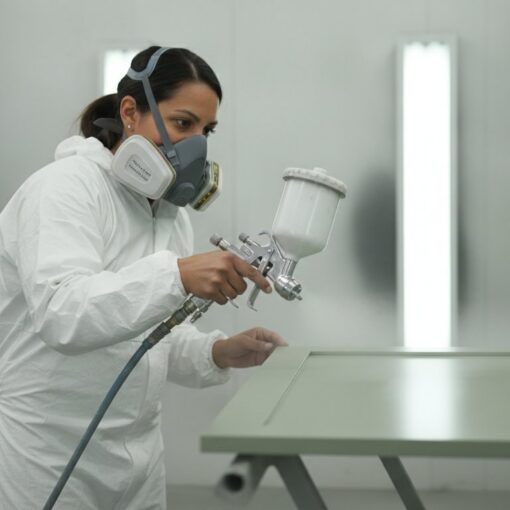
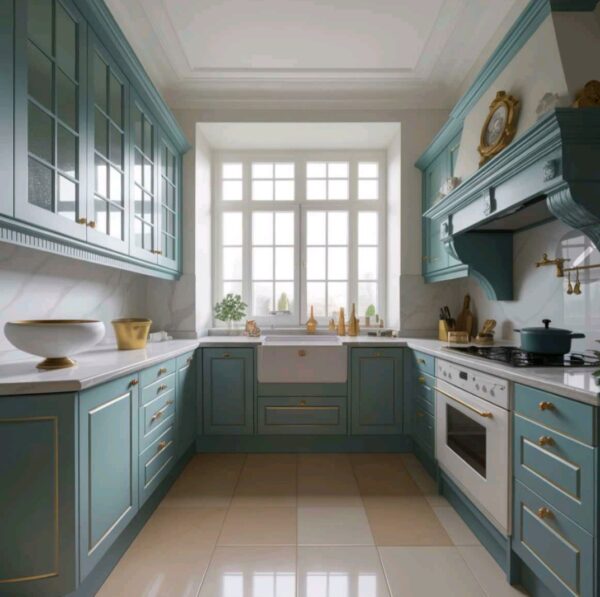
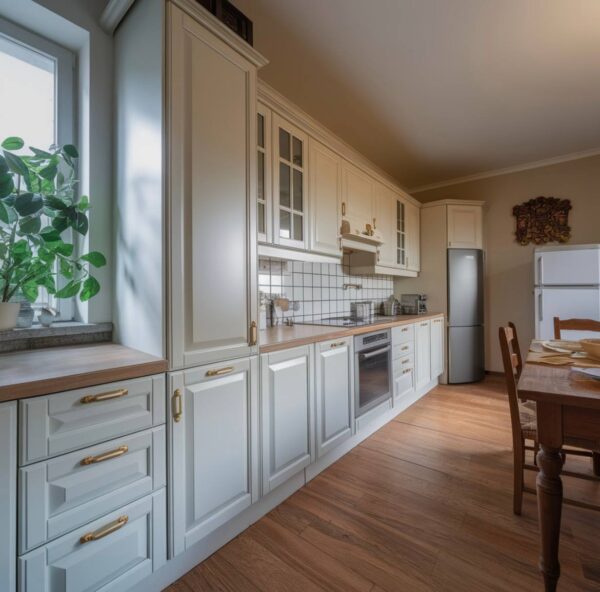
With factory finish cabinet painting, your kitchen is sprayed with a hard, water-based coating that looks like it came straight from the factory.
Many Denver homeowners choose factory finish cabinet painting because it looks like new cabinets for a fraction of the cost of replacement.
Factory finish cabinet painting also holds up better to daily life with kids and pets, since the coating resists chips, grease, and scrubbing.
If you want a kitchen that is easy to clean and safe to live in, factory finish cabinet painting is the smart upgrade..If you have kids or pets, factory finish cabinet painting gives you peace of mind because it is low VOC and easy to clean. Yes, a true factory finish sprayed with low-VOC waterborne acrylic enamel is safe for kids and pets when a professional shop controls dust, fumes, and cure time. The real risk in any cabinet project is high-VOC solvent lacquer applied in an occupied kitchen. Cabinet Painting Denver, family-owned since 1984, sprays doors and drawers off-site and boxes on-site with sealed containment, so Denver-area families can stay in their homes through a 5-7 day project with a 10+ year finish.
Table of Contents
- What does “low VOC” actually mean for cabinet paint in 2026?
- Is a factory finish safer for kids and pets than lacquer sprayed in my kitchen?
- How does Cabinet Painting Denver keep the air clean during a cabinet project?
- When can kids and pets safely be back in the kitchen after each phase?
- How much does low-VOC factory finish cabinet painting cost per opening?
- Does a low-VOC finish hold up in Lakewood, Arvada, Wheat Ridge, and Golden homes?
- What should you ask a cabinet painter before they work in a home with kids and pets?
- Key Takeaways
- References
What does “low VOC” actually mean for cabinet paint in 2026?
Low VOC means the coating releases fewer volatile organic compounds, the chemicals that evaporate into the air as paint dries and cures. Colorado’s Front Range air-quality rules push cabinet finishes toward waterborne chemistry because the region has strict ozone limits. According to Cabinet Painting Denver, waterborne acrylic alkyds meet Colorado VOC limits and are available as GreenGuard Gold certified finishes.
Low-VOC, zero-VOC, and VOC-exempt are not the same labels. Low-VOC means the product stays under a regulatory threshold. Zero-VOC means the formula contains very little measurable VOC content. VOC-exempt refers to solvents that do not contribute to ground-level ozone but may still have an odor. Reading the spec sheet matters more than trusting a label.

Low VOC is not the same as low odor or fast cure. A low-VOC coating can still have a mild scent during application, and full cure takes days even after the surface feels dry. Both factors matter in a household with kids and pets.
The applicator’s process affects exposure as much as the product itself. A spray booth, zip-wall containment, and active ventilation reduce the amount of coating chemistry that reaches living space. According to Cabinet Painting Denver, HEPA vacuum systems capture 99.97% of particulates at the source during sanding and prep.
Is a factory finish safer for kids and pets than lacquer sprayed in my kitchen?
Yes, a factory finish sprayed with waterborne acrylic systems is safer than high-VOC solvent lacquer sprayed on-site in an occupied kitchen. Solvent lacquer releases stronger fumes during application and cure, and those fumes can linger in a closed home. Waterborne acrylic systems that meet Colorado VOC limits release far less chemistry into the air while still delivering a hard, catalyzed finish.
Off-site spraying removes most of the exposure from your home. According to Cabinet Painting Denver, approximately 70% of total cabinet surface area consists of doors and drawers. When those components are sprayed in a dust-free shop, the majority of the coating work never happens inside your living space.

Paint fumes that are heavier than air settle near the floor. Pets and small children breathe in that lower zone, which is why their exposure risk is higher. According to Cabinet Painting Denver, pets are more vulnerable to chemical exposure due to smaller lung capacity and faster respiratory rates.
The finish still delivers factory-level durability, not a compromise. A sprayed, catalyzed waterborne system bonds to the cabinet surface and hardens into a coating that resists chipping and wear. You are not trading safety for a weaker finish.
How does Cabinet Painting Denver keep the air clean during a cabinet project?
Cabinet Painting Denver keeps the air clean through a 5-step process that controls dust and fumes at every phase. The process includes HEPA-filtered sanding, off-site spray booth work for doors and drawers, zip-wall containment, sealed HVAC vents, and a final wipe-down. According to Cabinet Painting Denver, HEPA vacuum systems capture 99.97% of particulates at the source during sanding and prep.
The Professional Kitchen Cabinet Painting with Factory Finish – Denver service removes every door and drawer to a dust-free shop. There, the team degreases, sands, repairs, and applies pre-catalyzed lacquer primer followed by industrial water-borne acrylic enamel in 2-3 coats. Boxes and frames are sprayed on-site with sealed containment.
The operating facts are consistent across every project. The work takes 5-7 days total, the kitchen stays usable, and the finish carries a 10+ year durability expectation in Colorado’s dry climate. Cabinet Painting Denver is family-owned since 1984 and uses W-2 crews, no subs, no app workers.
When can kids and pets safely be back in the kitchen after each phase?
Kids and pets can return to the kitchen on a phase-by-phase timeline that matches the work being done. During prep and on-site box spraying, the kitchen is contained with zip walls and sealed HVAC vents. Light cooking is possible after Day 2, according to Cabinet Painting Denver, because the box spraying phase is controlled and localized.
Off-site door and drawer finishing creates no exposure in the home. Those components are sprayed in a dust-free shop and returned only after the coating has cured enough for transport. The reinstall phase brings the finished doors and drawers back into the kitchen, and dishes return 24-48 hours after reinstall.
Ventilation helps during the days when any coating is applied on-site. Keep pets off freshly sprayed surfaces and watch for scent sensitivity in both kids and animals. If a child or pet shows eye irritation or unusual tiredness, increase airflow and keep them out of the area.
Cure time, not dry time, determines when the finish is fully hard. A surface can feel dry within hours but continue to cure for days. The full hardness and chemical resistance arrive after the cure window closes, which is why the 5-7 day project timeline matters.
How much does low-VOC factory finish cabinet painting cost per opening?
Low-VOC factory finish cabinet painting costs $89-$149 per opening, which lets you size your own kitchen instead of guessing. An opening is one door or drawer front, and the price includes degrease, sand, repair, primer, 2-3 coats of finish, and reinstall with hardware. According to Cabinet Painting Denver, most Denver kitchens cost $3,500-$7,500 to spray with factory lacquer versus $20,000-$45,000 to replace.
Most Denver-area kitchens fall in the 15-40 door and drawer range. That maps directly to the per-opening price and gives you a clear way to estimate total cost before committing. The per-opening model removes the guesswork from quotes.
The 5-7 day timeline is part of the value. You keep your existing cabinet boxes, avoid demolition, and get a finish that lasts 10+ years in Colorado’s dry climate. The savings versus replacement are substantial without sacrificing durability.
Does a low-VOC finish hold up in Lakewood, Arvada, Wheat Ridge, and Golden homes?
Yes, a low-VOC finish holds up in Lakewood, Arvada, Wheat Ridge, and Golden homes when it is sprayed as a catalyzed system. Colorado’s dry climate and temperature swings test any coating, but a sprayed, catalyzed finish expands and contracts with the cabinet substrate better than a brushed-on coating. According to Cabinet Painting Denver, house painters using brushed coatings see chipping in 6-12 months, while sprayed precatalyzed lacquer lasts 10+ years.
The cabinet types common in these suburbs take a factory finish well. Golden oak grain-cover, laminate, and MDF cabinets all respond to proper sanding, priming, and spray application. The grain-cover work on golden oak is a specialty that requires the right primer and build coats.
The 10+ year durability expectation is backed by a warranty. Cabinet Painting Denver states it offers a 3-year warranty on its work, according to Cabinet Painting Denver. That warranty covers the finish against premature failure when the coating is applied through the full degrease, sand, prime, and spray process.
What should you ask a cabinet painter before they work in a home with kids and pets?
Ask what product line and VOC rating the painter uses, and request the spec sheet. Ask where doors and drawers are sprayed, because off-site spraying removes most fume exposure from your home. Ask how dust and HVAC are contained during on-site box spraying. Ask for the return timeline for kids, pets, and dishes after each phase.
Ask what the warranty covers and for how long. According to Cabinet Painting Denver, a 3-year warranty is available on its sprayed factory finish work. Ask whether the crew consists of W-2 employees or subcontractors, and what the cleanup protocol includes.
Answers that should raise concern include solvent lacquer sprayed in an occupied kitchen with no containment, no off-site door spraying, and vague return timelines. A painter who cannot name the product line or VOC rating is not prepared for a household with kids and pets.
Text photos of your kitchen to 303-591-2089 for a same-day exact quote, or email factoryfinishcabinet@gmail.com. Cabinet Painting Denver serves Denver, Littleton, Centennial, Englewood, Roxborough, Ken Caryl, and Highlands Ranch.
Key Takeaways
- A factory finish sprayed with low-VOC waterborne acrylic enamel is safe for kids and pets when containment and cure time are controlled.
- About 70% of cabinet surface area is doors and drawers, so spraying them off-site removes most fume and dust exposure from your home.
- HEPA vacuum systems capture 99.97% of particulates at the source during sanding and prep.
- Paint fumes that are heavier than air settle near the floor, which is why pets and small children face higher exposure.
- Cabinet Painting Denver is family-owned since 1984 and uses W-2 crews, no subs, no app workers.
- Pricing runs $89-$149 per opening, with most projects finished in 5-7 days while the kitchen stays usable.
- Service area includes Denver, Littleton, Centennial, Englewood, Roxborough, Ken Caryl, and Highlands Ranch.