Searching for the average cost of kitchen cabinet refinishing usually produces a pile of numbers that refuse to agree. One source says a job can start near $1,000. Another says it starts at $2,000 and climbs. A third throws out a national average that sounds like a different project entirely. The confusion is not your fault. Most cost guides blend three different services, refinishing, painting, and refacing, into a single headline number.
Here is the honest version. A national ballpark for refinishing exists, and it starts around $2,000 for a typical kitchen and rises from there. What that number becomes in Denver depends on how many doors and drawers you have, what finish you pick, and how much repair work your boxes need. Below is how the published figures fit together, plus the factors that move a Denver quote up or down.
Why the “average” number keeps shifting
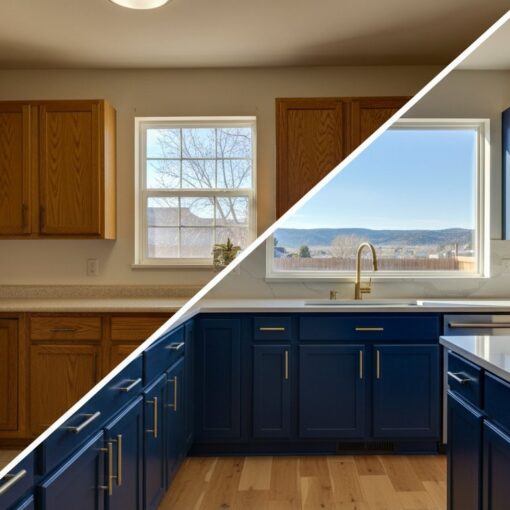
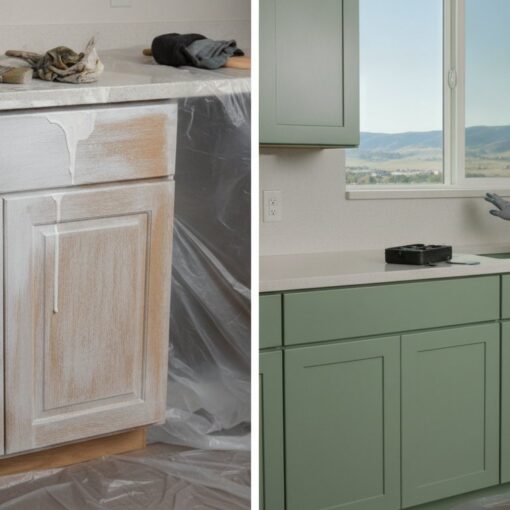
Refinishing, painting, and refacing get quoted as if they were the same service, and they are not. Refinishing generally means cleaning, sanding, and applying a new finish to the existing cabinet surfaces while keeping the original wood. Painting is a similar process with a pigmented coating on top. Refacing replaces the doors and drawer fronts and applies a new veneer to the boxes. Each one carries a different labor load and a different material cost, so quoting a single average across all three is not useful.
Geography matters too. Published examples show how wide the gap can run. One cost breakdown lists an average kitchen at $2,000 to $6,500 for professional work, with high-end projects going past $8,000, and notes that a city like Memphis falls in the $3,000 to $5,000 range. That same source flags that upgraded 2K coatings add to the total. Denver pricing lives inside that same logic, so treat any national figure as a starting point rather than a quote.
National benchmark numbers you can start from
The table below pulls together the published ranges from the research behind this article. Read the second column carefully, because the scope of work changes dramatically between rows.
| Scope of work | Published figure |
|---|---|
| Refinishing, typical job | Starts as low as $2,000 and goes up |
| Refinishing, independent woodworker estimate | $1,000 to $4,000 depending on factors |
| Cabinet painting, DIY materials and tools | $200 to $600 |
| Cabinet painting, professional, average kitchen | $2,000 to $6,500 |
| Cabinet painting, high-end | $8,000 and above |
| Refacing, national average | $6,684 (HomeAdvisor) |
| Refacing, full range | $3,000 to $13,500, national average $8,250 |
| Full cabinet replacement | Often tens of thousands of dollars |
Notice the spread between the lowest DIY figure and the highest replacement figure. That gap is the entire reason refinishing stays popular. You are buying a new look without paying for new boxes, new doors, and the labor to tear out and rebuild a kitchen.
What actually drives a Denver quote up or down
Four variables explain most of the difference between two quotes for what sounds like the same job.
Door and drawer count
Pricing tracks surface area and piece count. A galley kitchen with a dozen doors is a different project than a large kitchen with forty doors, deep drawers, and glass inserts. Every additional piece needs the same prep, the same spray passes, and the same cure time. This is the single biggest reason one homeowner hears a number in the low thousands and a neighbor in a larger home hears something well above it.
Finish type and coating system
Standard coatings and upgraded systems do not cost the same. Published cost breakdowns note that 2K coatings add to the bottom line, and that upgrade buys a harder, more chemical-resistant film. If you want a factory-grade sprayed finish that holds up in a working kitchen, expect the coating choice to show up as a line item rather than being buried in the total.
Condition of the boxes and frames
Refinishing assumes the existing cabinetry is structurally sound. Cracked frames, water damage near the sink, loose hinges, and deep scratches all add labor before a single coat goes on. Scratch and damage repair is a separate skill from spraying, and it is often where an estimate changes after the crew sees the cabinets in person rather than in photos.
Access, layout, and site protection
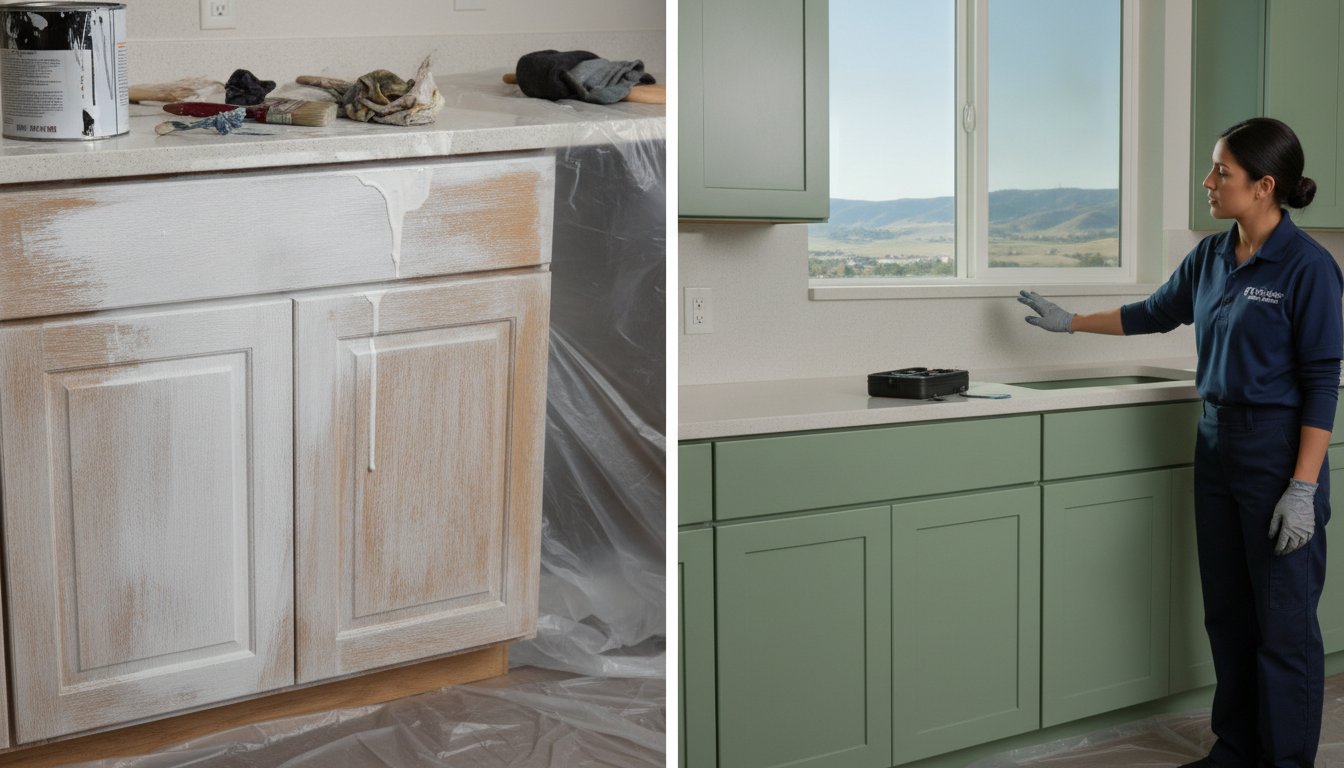
Spraying requires masking floors, counters, and appliances, plus ventilation and a clean path for equipment. A tight kitchen in an older Denver home with limited parking and a narrow stairwell takes longer to set up than an open floor plan with easy access. Setup and protection time is real labor, and it is the easiest thing for a low bid to leave out.
Refinishing, refacing, or replacement: the cost gap
The three options sit on very different rungs. Refinishing keeps your existing doors and boxes and applies a new finish, which is why published figures put it at roughly $2,000 and up for a typical job. Refacing swaps the doors and drawer fronts and covers the box faces, with a national average of $6,684 according to HomeAdvisor and a wider range of $3,000 to $13,500 with a national average of $8,250 in other published guides. Full replacement often runs into the tens of thousands.
Refacing does not fix an outdated layout, and neither does refinishing. If your complaint is that the kitchen workflow is wrong, no finish will solve it. If your complaint is that the cabinets look tired, dated, or the wrong color, refinishing addresses the actual problem at the lowest cost of the three.
DIY versus hiring a professional
DIY cabinet painting looks cheap on paper, and it is. Materials and tools run $200 to $600. What that number leaves out is the part most homeowners underestimate: sanding every profile, degreasing years of kitchen grease, priming correctly, and spraying or rolling a finish without brush marks, drips, or peeling edges.
Professional painting for an average kitchen lands at $2,000 to $6,500, with high-end work going past $8,000. That range covers labor, prep, masking, coatings, and the equipment needed for an even sprayed finish. A local provider also backs the work with a workmanship warranty, which a weekend DIY job does not have. If your goal is resale, that warranty and the finish quality are part of what a buyer is looking at.
What belongs in a written estimate
A ballpark number becomes useful only when you can see what is inside it. Ask for these items in writing before you compare bids:
- Door and drawer count, listed individually rather than described as “a standard kitchen”
- The specific coating system being used, including whether an upgraded 2K product is included
- Prep scope: degreasing, sanding, filling, and repair of scratches or dings
- Masking and protection of floors, counters, and appliances
- Whether the boxes, frames, and interiors are included or excluded
- Hardware handling, including whether existing hinges and pulls are reused or replaced
- Warranty terms on workmanship
Two bids that look $1,500 apart often differ because one includes repair and masking and the other does not. Compare scope, not just the total at the bottom.

Turning a national ballpark into a real Denver number
Published ranges put refinishing around $2,000 and up, refacing at a $6,684 national average, and replacement in the tens of thousands. Those figures tell you what order of magnitude to expect. They cannot tell you what your kitchen costs, because they do not know how many doors you have, what condition your frames are in, or which coating you want.
The practical move is to get an on-site estimate with the scope written out, then compare that scope against the national ranges above. If a bid lands far below the published floor, ask which steps were removed to get there. If it lands far above, ask which upgrade or repair pushed it up. Free estimates and an on-site consultation are the fastest way to replace a guess with a number you can actually plan around.
Frequently Asked Questions
Is $2,000 enough to refinish kitchen cabinets?
Published figures show a typical refinishing job can start as low as $2,000 and go up from there, so yes, it can be a realistic entry point for a smaller or simpler kitchen. Larger kitchens with more doors, damaged frames, or an upgraded coating system will land higher. Ask for a written scope so you know what that starting figure actually covers.
How much does refinishing save compared with replacing cabinets?
Full cabinet replacement often runs into the tens of thousands of dollars, while refinishing typically starts around $2,000 and professional painting for an average kitchen sits between $2,000 and $6,500. The savings come from keeping your existing boxes and doors and paying only for prep, labor, and coatings instead of new cabinetry and installation.
Why did my neighbor’s cabinet quote come in so much lower?
Piece count is usually the reason. A smaller kitchen has fewer doors and drawers, which means less prep, fewer spray passes, and less masking. Coating choice matters too, since upgraded 2K systems add to the total. Without both scopes in writing, two quotes for the same neighborhood can describe two very different jobs.
Does refacing cost more than refinishing?
Yes, generally. Published refacing figures show a national average of $6,684, with ranges from $3,000 to $13,500 and another national average of $8,250. That higher cost reflects new doors, drawer fronts, and box veneer. Refinishing keeps your existing doors, which is why its published starting point is closer to $2,000.
What should I check before signing a refinishing estimate?
Confirm the door and drawer count, the exact coating system, whether repair work and masking are included, and the warranty on workmanship. A provider that offers a written scope, an on-site consultation, and a multi-year workmanship warranty gives you something concrete to compare against other bids and against published national ranges.