
If you have been typing “kitchen cabinet refinishing near me” into a search bar, you are probably standing in a kitchen that works perfectly well but looks tired. The boxes are solid. The layout is fine. The finish is the problem. Refinishing exists to solve exactly that, giving your cabinets a fresh, new look without the expense of replacing them. Across the Denver metro, homeowners choose refinishing for the same basic reason: it keeps the cabinetry they already own and changes only the part everyone sees.
What separates a pro-level result from a disappointing one is not the color card. It is preparation, products, and process. Here is what actually happens when a professional crew refinishes kitchen cabinets, and how to tell the difference before you sign anything.
Refinishing, Painting, and Refacing Are Not the Same Job
These terms get used interchangeably in search results, and that causes real confusion for homeowners comparing quotes. Refinishing and painting both work with the cabinets you already have. Refacing swaps out the visible surfaces. Replacement removes everything. Understanding which one you are being sold is the first step toward an accurate comparison.
| Service | What actually happens | Best suited for |
|---|---|---|
| Cabinet painting | Existing boxes and doors are cleaned, prepped, and sprayed or brushed with a new color | Homeowners who like their cabinet doors and just want a color change |
| Cabinet refinishing | Worn, stained, or damaged finish is repaired and renewed, with stain or paint applied over the existing wood | Solid cabinets with good structure but a dated or failing finish |
| Cabinet refacing | Doors and drawer fronts are replaced and exposed cabinet boxes are covered with new material | Homeowners who want a different door style; refacing refreshes a kitchen in a matter of days with little to no mess |
| Full replacement | Cabinets are removed and new ones are installed | Layouts that need to change, or boxes that are structurally beyond saving |
Quality contractors offer both refinishing and painting services, so the makeover you want is available without forcing your cabinets into a service that does not fit them. If a company only sells one of the two, ask why.
The Prep Work You Never See Is the Finish You Always See
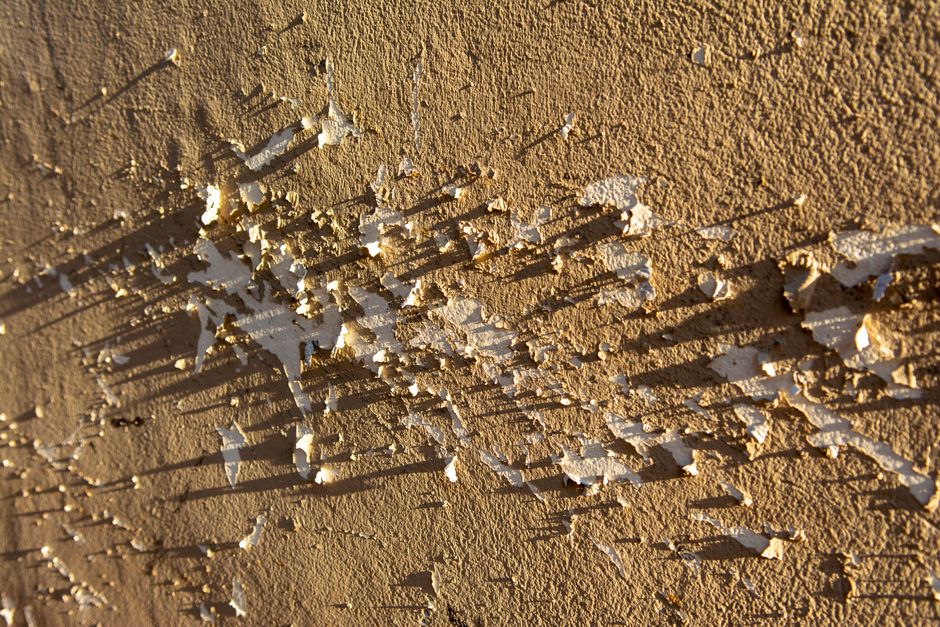
A sprayed cabinet finish can look flawless in a photo and fail within a year if the surface underneath was not handled correctly. Grease, cooking residue, and old wax are the usual culprits. So is skipped sanding. A pro-level process almost always includes the following, and it happens before a single drop of finish goes on.
- Doors, drawer fronts, and hardware are removed and labeled so everything returns to the right opening.
- Cabinet surfaces are degreased and cleaned to remove cooking film that repels coatings.
- Existing finishes are sanded or chemically deglossed so the new coating has something to grip.
- Scratches, dents, and small damage are repaired and sanded smooth.
- The surrounding kitchen is masked and protected, including counters, appliances, and flooring.
- A bonding primer is applied where bare wood, stain, or factory finish requires it.
Cabinet scratch and damage repair is worth asking about specifically. Sanding a scratch does nothing if the dent underneath still catches light, and old hardware holes need filling before a new pull layout goes on.
Why a Sprayed Finish Looks Different From a Brushed One
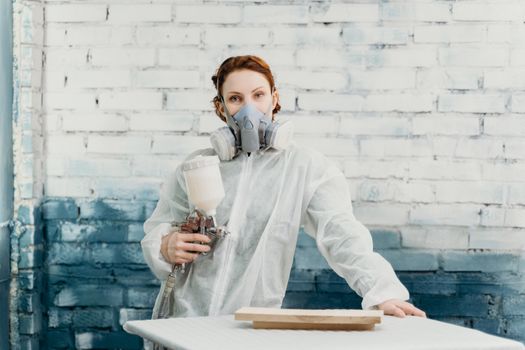
Brush and roller marks are the tell. A sprayed finish, applied with an HVLP system, lays down thin, even coats that level out into a smooth surface without the texture of brush strokes or roller stipple. That is what people mean when they describe a factory-grade finish: consistent sheen across every door face, no visible lap lines, and edges that read as crisp rather than thick.
Spraying also handles the parts of a cabinet that are hardest to paint well, including recessed panel profiles, inside corners of door frames, and the narrow edges of drawer fronts. Those are exactly the areas where a homeowner-applied finish tends to look uneven, because a brush cannot reach them cleanly.

How a Refinishing Project Moves From Quote to Finished Kitchen
The sequence matters, because the order of operations is what keeps a kitchen usable and the finish clean. A typical professional project follows a recognizable path.
- Free estimate and consultation, either in your home or virtually, covering cabinet condition, door style, and your color goals.
- Color and finish selection, including sheen level and whether you want to preserve visible wood grain through staining or cover it with paint.
- Removal of doors, drawer fronts, and hardware, followed by cleaning, sanding, and repair.
- Priming and spraying, either on site with the kitchen masked or in a controlled shop environment for the doors and fronts.
- Cure time, which is when the finish hardens and when touching or reinstalling too early causes the most avoidable damage.
- Reinstallation of doors, drawer fronts, and hardware, with alignment adjustments so gaps and reveals are even.
- A final walkthrough where you inspect the work under real kitchen lighting before the job closes out.
Ask any contractor where the spraying happens. Doors and drawer fronts sprayed in a dust-controlled shop generally come out cleaner than doors sprayed in a working kitchen, though on-site spraying can produce excellent results when the space is properly masked and ventilated.
What Denver Conditions Mean for Your Cabinets
Denver’s dry air and wide seasonal temperature swings affect how coatings dry and cure, and they affect wood movement over time. That does not make refinishing a bad idea here. It does make a few questions worth asking before work starts.
- How will indoor temperature and humidity be managed during application and curing?
- Are the products specified for the conditions in this home?
- What is the plan for cabinets that get strong afternoon sun?
- How much time should pass before the kitchen returns to normal use?
Homes in Arvada, LoHi, RiNo, Cherry Creek, and Park Hill bring different cabinet ages and finishes to the table, and so do nearby cities like Aurora and Lakewood. Older painted cabinets and original stained wood need different prep than factory-finished boxes from a recent build, and a contractor who has worked across the metro will recognize the difference on sight.
Comparing Kitchen Cabinet Refinishing Companies Near You
Search results for local cabinet refinishing are crowded, and review platforms rank companies by how many reviews they have collected and how their neighborhood community rates them. That is a useful starting filter, not a final answer. Volume tells you a company completes work; recency and detail tell you how they handle problems.
Read the three-star reviews before the five-star ones. Complaints about scheduling, cleanup, or a finish that failed after a season tell you more than a hundred short praise posts. Then ask for references from projects completed in the Denver area within the past couple of years, and actually call one.
What to Have Ready for a Free Estimate
Estimates move faster when the contractor can see the real scope of the job. Before the visit, clear enough space to open cabinet doors, and gather the details that shape the work.
- Approximate number of doors and drawers being refinished
- Photos of any water damage, peeling finish, or failing joints
- Whether you want paint or stain, and any colors you are considering
- Current hardware and whether it will be reused or replaced
- Any changes you want made, such as filling old hardware holes
- Your target timing and whether you need the kitchen usable throughout
Get the Warranty in Writing
A finish is only as good as the company standing behind it. Cabinet Painting Denver backs its sprayed finishes with a 3-year workmanship warranty, which is the kind of protection worth confirming in writing before work begins. Ask what the warranty covers, what voids it, and who performs the repair if something fails. Cleaning products, abrasive scrubbing, and standing water near sinks and dishwashers are common exclusions, and those exclusions should be spelled out clearly rather than mentioned after the fact.
When Refinishing Is the Wrong Choice
Refinishing is not a universal fix. If cabinet boxes have soft spots from long-term water exposure, if doors are warped or delaminating, or if the whole point of the project is to change the kitchen layout, then refinishing will not deliver what you want. A straight answer on that from a contractor is a good sign, not a lost sale. Refinishing should be recommended when the boxes are sound and the problem is cosmetic, and replacement should be recommended when the structure itself is failing.
Frequently Asked Questions
Is refinishing cheaper than replacing kitchen cabinets?
Refinishing is generally the lower-cost path because you are keeping the existing cabinet boxes and doors rather than buying and installing new ones. Replacement also brings demolition, disposal, and often countertop and backsplash work along with it. For solid cabinets with a dated or worn finish, refinishing gives you a new look without the expense of replacing them.
How do I know if my cabinets can be refinished?
Start with structure. If the boxes are solid, doors close properly, and there is no soft or swollen wood from water damage, refinishing is usually a candidate. Scratches, dents, and old hardware holes can typically be repaired before finishing. Damaged areas that have compromised the wood itself are the main disqualifier, and an on-site estimate will confirm it.
Do I need to empty my kitchen during the project?
Plan to clear counters and remove items from cabinets that will be worked on, since doors and drawer fronts come off and surfaces need to be masked and sprayed. Many homeowners keep the sink and refrigerator accessible throughout. Your contractor should walk you through exactly what needs to move and when, based on whether spraying happens on site or in a shop.
Will refinishing my cabinets make a mess?
A properly run refinishing project should not. Sanding creates dust, so professional crews mask cabinets, counters, and floors and control dust at the source rather than cleaning it up afterward. Shop-based spraying of doors and drawer fronts keeps the messiest part of the process out of your home entirely, which is one reason refacing and refinishing are often described as low-disruption options.
How should I choose between painting and refinishing?
Painting is a color change. Refinishing is a renewal of the existing finish, which can include repairing damage, restoring wood grain through staining, or applying a new painted finish over properly prepared surfaces. If your cabinets are in good shape and you simply want them lighter, darker, or a different hue, both paths can work, and many contractors offer each.
Whichever route you choose, judge the company on preparation, product quality, and what happens after the last door goes back on. Those three things decide whether your kitchen looks newly finished in five years or needs to be redone.