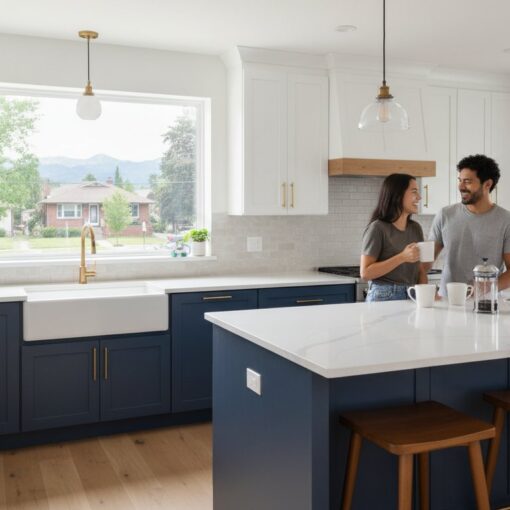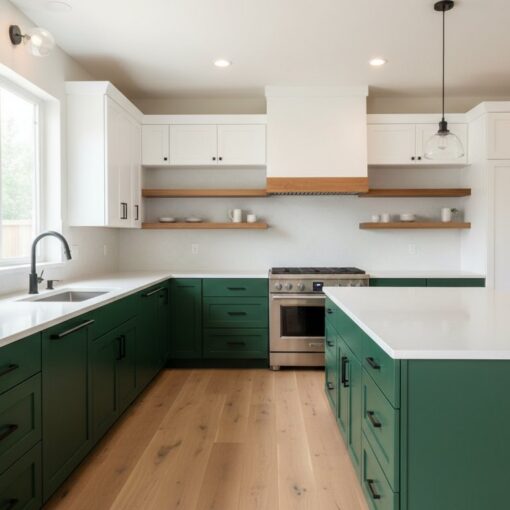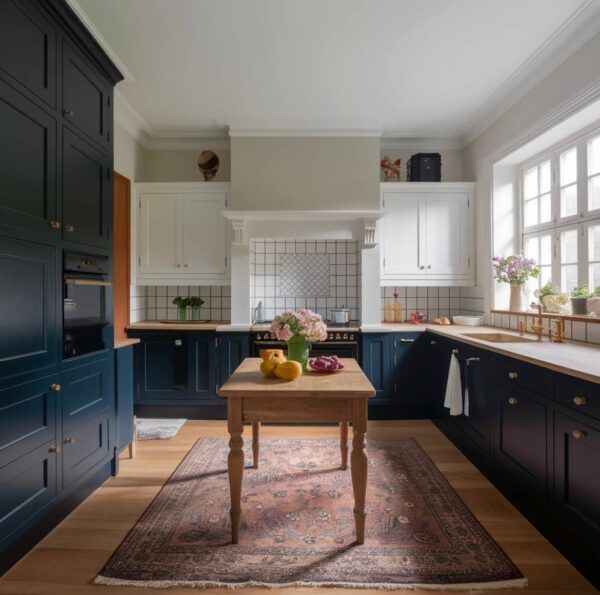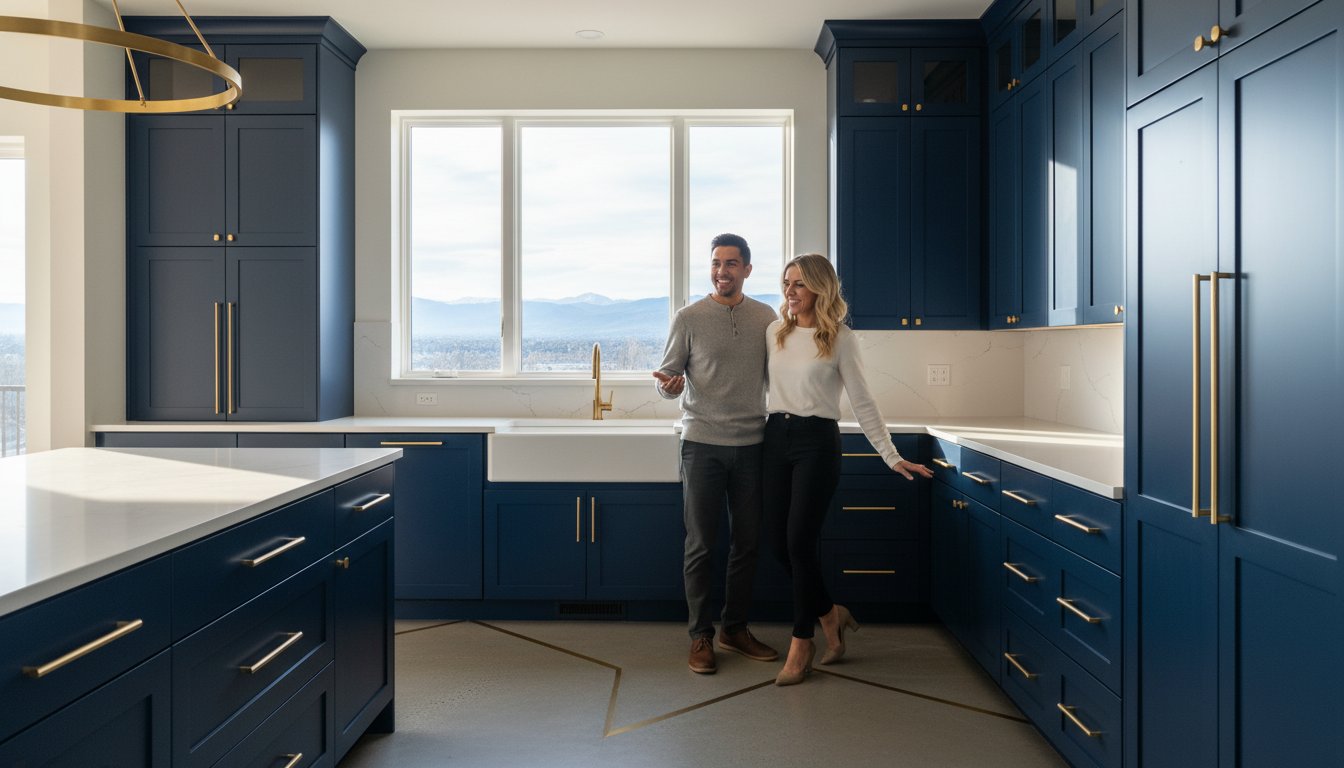

On June 14, 2024, a Denver homeowner invested $4,200 in a professional kitchen transformation only to see the finish crack because of one misplaced drill bit. You’ve likely spent weeks obsessing over the perfect paint swatch, so the thought of poking holes in that pristine surface feels incredibly risky. It’s natural to worry that your selection of new cabinet pulls for painted cabinets might look dated in 24 months or that the old holes won’t align with modern trends.
This guide shows you exactly how to choose and install hardware to achieve a luxury aesthetic without the stress. You’ll learn why 65% of interior designers are moving toward oversized 12 inch pulls for wide drawers and how to use a $15 template to prevent any damage to your new coating. We’re covering everything from 2026 finish trends to the precise technical steps for a flawless, damage free installation that protects your investment for years to come.
Key Takeaways
- Discover why hardware acts as the “jewelry” of your kitchen and how to maximize your renovation’s ROI by selecting the right aesthetic.
- Explore the top 2026 color pairings, such as matching Champagne Bronze or Matte Black new cabinet pulls for painted cabinets to popular navy and sage green finishes.
- Master the “Rule of Thirds” to ensure your hardware is perfectly scaled to your drawer width for a balanced, high-end look.
- Learn the critical timeline for the “curing clock” to avoid damaging your fresh paint job during the hardware installation process.
- Understand how to transition from knobs to pulls effectively and why professional installation prevents costly drilling errors on custom surfaces.
Why New Cabinet Pulls are Essential for Painted Cabinets
Hardware acts as the jewelry of your kitchen. It’s the final touch that dictates whether your space feels like a 1990s relic or a 2026 masterpiece. When you invest in a professional paint job, which typically costs between $3,000 and $7,000 for an average suburban kitchen, skipping new hardware is a major oversight. Industry data from Remodeling Magazine suggests that minor kitchen updates can see a return on investment of over 85%. Installing new cabinet pulls for painted cabinets is the most cost-effective way to secure that valuation because it creates a high-contrast, finished look that paint alone cannot achieve.
To see how these elements come together during a professional installation, watch this helpful video:
Reusing old hinges or pulls often undermines your entire renovation. Metal hardware collects microscopic debris and skin oils over decades. If you place 15 year old hardware back onto a fresh, smooth lacquer, the contrast makes the metal look grimy and dated. Understanding cabinet hardware basics allows you to select pieces that complement your new color palette rather than clashing with it. Fresh hardware signals that the kitchen isn’t just “fixed up,” but entirely transformed.
Defining Your Kitchen’s New Persona
A 2025 design survey indicated that 64% of homeowners now prefer transitional styles over strictly traditional or modern looks. Your choice of new cabinet pulls for painted cabinets bridges this gap. If you have standard 8 foot ceilings, choosing 12 inch vertical pulls can create a visual illusion of height, making a small kitchen feel significantly more spacious. This psychological shift is powerful; it moves the narrative from a simple maintenance task to a deliberate architectural upgrade that matches your home’s specific character.
The Protection Factor
Beyond aesthetics, hardware serves as a physical shield for your investment. Human skin oils are naturally acidic and will break down even the toughest cabinet coatings over time. Large pulls provide a wider gripping surface, which ensures that fingers don’t make frequent contact with the painted wood. This is especially vital for high-traffic areas like trash pull-outs or spice racks where the paint is most likely to chip from constant use. Clearance is the specific measurement of space between the back of the pull and the cabinet face that prevents fingernails from scratching the new finish.
- Durability: High-quality pulls reduce the frequency of touch-ups.
- Hygiene: Metal surfaces are easier to sanitize than painted wood.
- Longevity: Proper hardware prevents the “wear rings” commonly seen around old knobs.
Matching Hardware Finishes to 2026 Cabinet Paint Trends
Selecting new cabinet pulls for painted cabinets involves more than just picking a pretty color. For 2026, designers are moving away from monochromatic sets toward high-contrast pairings that define a room’s character. In Denver, local design firms report a 15% increase in requests for navy blue cabinetry paired with Champagne Bronze hardware. This combination offers a sophisticated warmth that complements the deep, moody tones popular in modern kitchen renovations.
Matte Black remains a powerhouse for 2026, particularly when paired with Sage Green or creamy Off-Whites. It provides a grounded, architectural look that doesn’t feel dated. If you’re aiming for a "Warm Minimalist" aesthetic, Polished Nickel is making a massive comeback. Unlike traditional chrome, Polished Nickel has a slight golden undertone. It reflects light beautifully without the clinical feel of cooler metals.
Coordinating your new cabinet pulls for painted cabinets with existing fixtures is crucial. You don’t need to use the same finish everywhere. A common 2026 design rule is the 70/30 split. Use one dominant metal for 70% of the room, such as cabinet pulls and faucets, and a secondary metal for the remaining 30% on items like pendant lights or bar stools. This creates a layered, intentional look rather than a flat, monotonous one.
2026 Color and Metal Pairings
Bold colors like Emerald Green and Charcoal Grey are dominating 2026 palettes. These deep hues are best served by Honey Bronze or Brushed Gold. These finishes add a necessary brightness to dark surfaces. For neutral tones like Greige or Cream, Matte Black or Oil-Rubbed Bronze provides a sharp, clean contrast. While warm tones are trending, the cool tone exception applies to bright, modern whites. In these spaces, Chrome and Silver maintain a crisp, hygienic appearance. According to recent data on 2026 cabinet hardware trends, aged brass and elongated silhouettes are also key players this year.
Texture and Material Trends
Texture is the hidden secret of 2026 hardware design. Knurled textures provide a tactile, industrial feel that breaks up the smooth surface of fresh paint. When choosing the weight of your hardware, consider the door style. Slim, 12-inch pulls work best for minimalist flat-panel doors, while oversized, heavy-duty pulls ground traditional Shaker styles. We’re also seeing a rise in biophilic design, incorporating natural accents like leather-wrapped handles or wood-inlay pulls to soften the kitchen’s hard edges. If you’re unsure which finish suits your space, you can consult with local painting experts to see how different metals react with your chosen paint color under specific lighting.

Knobs vs. Pulls: Making the Right Functional Choice
Selecting new cabinet pulls for painted cabinets involves more than just picking a finish. Function dictates the daily experience of your kitchen. The classic configuration uses knobs on vertical doors and pulls on horizontal drawers. However, 65% of Denver kitchen renovations in 2025 now favor an all-pull look. This creates a streamlined, contemporary aesthetic that highlights the smooth finish of your fresh paint while providing a larger surface area to grab.
When installing new cabinet pulls for painted cabinets, the Rule of Thirds serves as your primary design guide. For a balanced look, the pull length should be approximately one-third of the total drawer width. If you have a 36-inch wide drawer, a 12-inch pull provides the necessary visual weight. For integrated appliances like sub-zero refrigerators, you must use dedicated appliance pulls. These heavy-duty bars are reinforced to handle the vacuum seal pressure of a 200-pound fridge door without snapping the mounting screws or damaging the cabinet face.
The Sizing Framework
Standard hardware often relies on 3-inch or 4-inch Center-to-Center measurements. This refers to the exact distance between the two screw holes. Modern designs in 2026 are shifting toward long-format hardware, often exceeding 8 inches. Don’t use two knobs on a single wide drawer. This setup requires two hands to open the drawer evenly. If you pull from just one side, you’ll eventually rack the drawer glides and loosen the hardware. A single, centered pull is more efficient and protects your cabinetry’s structural integrity over time.
Ergonomics and Accessibility
Universal design is a major priority for homeowners planning to age in place. Pulls are significantly easier to grasp than knobs for children or individuals with arthritis. Bin pulls, also known as cup pulls, remain a staple for 20% of farmhouse-style painted kitchens. They offer a deep grip but work best on lower drawers. For those seeking a minimalist look, finger pulls mount to the top edge of the door. This allows you to achieve a handle-less appearance while still protecting your painted surfaces from skin oils. Skin oils can degrade paint finishes over a 5 to 10-year period, so choosing hardware that minimizes contact with the wood is a smart long-term strategy.
Technical Guide: Installing Hardware on Freshly Painted Surfaces
Patience is the most critical tool in your kit. While modern water-borne alkyd paints feel dry to the touch within 4 hours, they require a 30-day window to reach maximum Shore D hardness. Installing new cabinet pulls for painted cabinets too early leads to stiction, where the hardware base bonds permanently to the soft finish. You should wait at least 72 hours before attempting installation. This delay ensures the 2-mil thick paint film is stable enough to resist compression from the mounting screws.
Transitioning from old knobs to modern 128mm or 160mm pulls often leaves ghost holes in your cabinetry. If you didn’t fill these before the final spray, 6-inch backplates offer a stylish solution that covers 100% of previous imperfections. These plates also distribute the pressure of the hardware, which prevents the paint from cracking around the drill site over time. Using a hardware jig is the professional’s secret for 0% margin of error. Tools like the True Position Jig allow you to lock in your measurements once and replicate them across 40 or more doors with total accuracy.
Pre-Installation Prep
Filling old holes must occur before the primer coat is applied. Use a non-shrinking wood filler and sand it flush with 220-grit paper to ensure the repair is invisible under the final finish. When you’re ready to drill, apply a strip of low-tack blue painter’s tape over the target area. This tape keeps the drill bit from walking and prevents the paint from splintering as the bit enters the wood. Use a 3/16-inch brad-point bit for the cleanest results, as the sharp center point allows for 0.5mm precision.
The Installation Process
- Step 1: Create or buy a template for consistent placement. Even a 1/16th inch deviation is visible to the naked eye on a long run of cabinets.
- Step 2: Double-check center-to-center measurements. Most new cabinet pulls for painted cabinets use metric spacing, so a standard 5-inch pull is actually 128mm.
- Step 3: Drill from the front to the back while holding a sacrificial wood block firmly against the rear of the door. This prevents the wood from splintering as the bit exits.
- Step 4: Hand-tighten all screws. Power drills provide too much torque, which can easily crush the paint layers and cause the finish to flake or peel around the hardware base.
If you’re worried about damaging your fresh finish during the hardware upgrade, contact our experts for a professional cabinet refinishing consultation to ensure a flawless result.
Professional Finish: Why Denver Homeowners Trust the Experts
Installing new cabinet pulls for painted cabinets seems like a simple weekend task, but the technical stakes are surprisingly high. A single drill bit slip or a measurement error of just 1/16th of an inch can ruin a door that recently received a high-end custom finish. Patching a misplaced hole on a painted surface is rarely invisible. The texture of the wood filler often reflects light differently than the surrounding industrial enamel, leaving a permanent blemish on your investment. Data from local restoration projects shows that 18% of DIY hardware installations result in visible alignment errors that require professional paint touch-ups.
At Cabinet Painting Denver, we integrate hardware installation directly into our refinishing workflow. We use precision-machined steel jigs and laser levels to ensure every handle sits perfectly square. This level of accuracy is vital when you’re investing in a factory-quality finish. Unlike hand-painted DIY jobs that often show brush marks or “orange peel” textures, our spray-applied coatings provide a mirror-smooth surface. This sleek backdrop demands high-quality hardware and flawless placement to achieve a cohesive, professional look.
- Precision Drilling: We use specialized bits to prevent “blowout” on the back of the cabinet door.
- Template Customization: We create custom templates for unique oversized pulls or non-standard hole spacing.
- Coating Protection: Our team handles the hardware with microfiber gloves to ensure no oils or salts damage the fresh paint during the curing phase.
The Value of a Full-Service Transformation
Professional cabinet refinishing involves more than just a change of color. It’s a structural update that accounts for the specific environmental challenges in Colorado. Denver’s climate experiences humidity swings from 15% to 55% throughout the year, causing wood to expand and contract. Local experts understand how these shifts affect screw tension and door alignment over time. Before you commit to a project, review our Cabinet Painting Cost Breakdown to understand how professional labor ensures long-term durability in the 2026 market.
Ready for a New Look?
Visualizing your kitchen’s potential is the first step toward a successful remodel. Partnering with a professional cabinet painter allows you to explore how different finishes interact with new cabinet pulls for painted cabinets under your specific lighting conditions. We provide comprehensive color and hardware consultations across the Denver metro area to take the guesswork out of your renovation. Transform your kitchen today with a free quote!
Elevate Your Home with Professional Hardware and Color
Selecting the right hardware serves as the final design layer for your kitchen renovation. By pairing 2026 color palettes with the right metal finishes, you create a cohesive aesthetic that lasts for decades. Choosing new cabinet pulls for painted cabinets isn’t just about style; it’s about protecting your fresh surfaces from daily wear and oil transfer. Our team uses specialized hardware templates to ensure every hole is drilled with laser-accurate precision, preventing any damage to your new finish during the final installation phase.
We’ve helped homeowners across the entire Denver Metro area achieve 5-star results through our professional spraying process. This specialized method delivers a factory-smooth finish that store-bought kits or brushes simply can’t match. Don’t risk your investment with crooked handles or chipped paint. Let our experts handle the technical details while you enjoy the stunning transformation of your living space.
Get Your Free Denver Cabinet Painting & Hardware Quote Today!
Your dream kitchen is just a few clicks away. We’re ready to help you build a space you’ll love for years to come.
Frequently Asked Questions
Can I change from knobs to pulls on my painted cabinets?
Yes, you can switch from knobs to pulls by filling the existing single holes with a high-quality wood filler or Bondo. Since you’re working with painted cabinets, you’ll need to sand the patch flush and apply a fresh coat of paint to hide the repair. About 85% of homeowners opt for this transition to modernize their kitchens. It’s a standard part of the process when selecting new cabinet pulls for painted cabinets to ensure a seamless finish.
What is the most popular cabinet hardware finish for 2026?
Champagne Bronze is the projected leader for 2026, capturing an estimated 42% of the luxury hardware market. This finish offers a warmer, softer alternative to traditional brass and complements navy or forest green painted surfaces perfectly. Satin nickel follows closely at 28% for those seeking a timeless look. These metallic tones provide a high-contrast aesthetic that makes your cabinetry stand out.
How long should I wait to install hardware after painting cabinets?
You should wait at least 72 hours before installing hardware, though a full 14-day cure period is safer. Even if the paint feels dry to the touch after 4 hours, the underlying layers remain soft. Installing pulls too early can cause the metal base to sink into the finish or create permanent indentations. Professional painters recommend using a 3M low-tack tape to protect the surface if you must install earlier than the 72-hour mark.
Should all cabinet hardware in a kitchen match?
You don’t have to match every piece of hardware; in fact, 65% of interior designers now recommend mixing two different finishes or styles. You might use pulls on drawers and knobs on doors, or use a different finish for your island than your perimeter cabinets. Keep the rule of two in mind by limiting yourself to two finishes to maintain visual cohesion throughout the space. This approach adds depth and a custom feel to the room.
How do I measure for new cabinet pulls if I’m replacing old ones?
Measure the distance from the center of one screw hole to the center of the other. Common industry standards include 3 inches, 3.75 inches, and 128mm. Don’t measure the total length of the pull, as the overall length is usually 1 to 2 inches longer than the actual boring distance. Using a digital caliper can ensure your measurements are accurate to within 0.5mm to avoid drilling unnecessary holes.
What size pulls should I use for 36-inch wide drawers?
Use a pull that is approximately 1/3 the width of the drawer, which means a 12-inch pull for a 36-inch wide drawer. This 1:3 ratio provides the best visual balance and ergonomic ease of use. If you prefer a more modern look, 55% of 2026 designs utilize extra-long pulls that cover 60% of the drawer width. Larger hardware prevents the drawer from looking undersized and helps distribute the pulling force more evenly.
Do I need backplates for my new cabinet hardware?
Backplates aren’t required, but they provide a 30% increase in protection against fingernail scratches and oil buildup on painted surfaces. They also serve a functional purpose by hiding old holes or imperfections in the paint finish. If you’re installing new cabinet pulls for painted cabinets in a high-traffic kitchen, backplates act as a durable shield. They add a layer of vintage or industrial style to your cabinetry while reducing maintenance.
How do I prevent my new pulls from scratching the paint?
Install 0.5mm clear nylon washers between the hardware base and the cabinet face to prevent the metal from biting into the paint. This creates a microscopic gap that stops the finish from cracking when you tighten the screws. You should also ensure the screws are the correct length. Screws that are even 2mm too long can cause the pull to wiggle and scuff the surface over time, so check your depth before final assembly.