

A sprayed cabinet finish gets judged in about three seconds. A hand runs along a door edge, light catches the surface at an angle, and the homeowner either sees a factory-smooth panel or a finish with texture and brush marks. That moment is why cabinet refinishers keep talking about two-part coatings, and why two European names come up again and again in those conversations: Milesi and Renner.
Both sit in a category called 2K waterborne. The label is short, but it carries real meaning about how the coating is mixed, how it cures, and how it holds up in a kitchen that gets used every day. Here is what the terms actually mean, what these specific products are known for, and what a Denver homeowner should ask before approving a finish schedule.
What a 2K Waterborne Cabinet Coating Actually Is
A 2K coating is a two-part product. One part carries the resin and color, and a second part, usually called the hardener or catalyst, gets mixed in shortly before spraying. Once the two are combined, they begin reacting with each other. The film that forms on your cabinet doors cures through that chemical crosslinking rather than by simply drying out. This is why a two-component finish behaves differently from an ordinary single-component paint.
Waterborne describes the carrier, not the chemistry. In a waterborne 2K, water does most of the work of moving the coating through the spray gun instead of a heavy solvent blend. You still get two-part chemistry on the substrate, but the liquid in the cup is a different animal from a solvent-based two-pack.
Why Two Components Instead of One
Single-component, or 1K, coatings are simpler to handle. You open the can, pour it into the cup, spray, and clean up. Two-component systems demand measurement, a pot life to respect, and tighter process control overall. The payoff is a film that manufacturers can formulate for resistance properties a one-part product usually cannot match.
The distinction is not always absolute. Some manufacturers build products that can be run either way. Centurion’s 2K Polyurethane Topcoat 2800 Series is one example, with product documentation noting it can also be used as a 1K. That flexibility is useful for a shop that wants one inventory item for two kinds of jobs, though the performance ceiling sits with the two-part mix.
Milesi 2K Acrylic Water-Borne Urethane
Milesi’s water-borne urethane line shows up regularly in finisher discussions, and it tends to arrive with the same framing: water-borne coatings are among the least understood and most maligned products on the market. That reputation problem is not really about performance. It comes from a long stretch when early waterborne products were genuinely harder to spray and less forgiving than the solvent-based finishes they replaced.
Milesi’s 2K acrylic water-borne urethane represents a later generation of that technology. Acrylic chemistry, crosslinked with a hardener, delivered in a water carrier. Shops that have moved past the early waterborne era tend to talk about these products as an entirely different category from the thin, fussy water-based paints of years past.
Renner and the Solvent Look
Renner 688 has a specific reputation among finishers, and it comes down to appearance. In wood finishing circles the water-based versus solvent-based argument is often not about durability at all. It is about how the finish reads on the wood. Solvent-based two-part products have a depth and warmth that many people associate with high-end furniture and stained cabinetry. The recurring question in finisher groups is whether any water-based 2K can produce that same solvent look.
Renner 688 is one of the names that comes up in that conversation. For shops doing stain-grade cabinet work, the appeal is straightforward: chase the visual character customers expect from a solvent finish while working with a waterborne product. Other brands surface in the same discussions, including Ilva’s waterborne 2K poly for stain-grade cabinets.
The Homeowner-Friendly Side of Waterborne
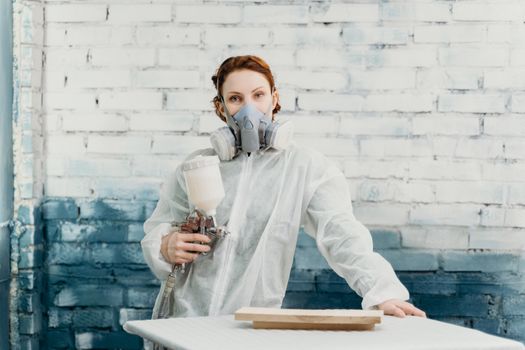
One reason cabinet painters steer toward waterborne 2K systems is the working environment. Modern urethanes, and water-based ones in particular, are generally described as more environmentally friendly and more homeowner-friendly than lacquers or solvent-based two-part polyurethanes. In a kitchen remodel where the family is still living in the house, that difference is not abstract. Odor, drying behavior, and how quickly a room can be used again all shape the schedule.
Denver-area refinishing work usually happens in occupied homes rather than in a factory spray booth. Cabinet doors come down, get prepped and sprayed, and go back up while people are still sleeping two rooms away. Odor tends to come up early in those conversations. A coating that lets a crew keep the work area contained and the rest of the house livable is worth a lot on a real project.
What a 2K Urethane Film Is Built to Resist
Manufacturers of two-component polyurethane topcoats typically build their data sheets around three forms of resistance: chemical, moisture, and UV. The Centurion 2K Polyurethane Topcoat 2800 Series, for instance, is described as having excellent chemical, moisture, and UV resistance along with superior protection against scuffing.
Those properties map onto kitchen reality. Chemical resistance covers spills, cleaning products, and the occasional splash of something acidic. Moisture resistance covers steam from a dishwasher or a kettle sitting near a cabinet run. UV resistance matters for finishes that face window light all day and tend to fade or yellow over time. Scuff resistance matters most around the edges, where hands, rings, and appliance doors make contact dozens of times a day.
Application Behavior: Recoat Windows and Workflow
One of the practical complaints about early waterborne finishes was scheduling friction. Products dried in ways that forced awkward timing between coats. In some current 2K waterborne systems, that has changed. Market copy for the Acquaduro 2K Polyurethane Waterborne Clear Topcoat emphasizes ease of application and the absence of a recoat window.
No recoat window sounds like a small technical detail. On a job site it changes how a spray day gets planned. Instead of watching a clock to hit a narrow opening, a finisher can coat, assess, and coat again in a rhythm that fits the job. Fewer timing mistakes means fewer finish defects, and finish defects are what most cabinet complaints are actually about.

Where Waterborne Skepticism Is Still Fair
Target Coatings published a piece in July 2021 that is worth reading before assuming water-based means risk-free. The company noted how popular 2K polyurethanes had become on social media and raised concerns about how these products are being marketed, specifically the ones described as safer because they are water based.
Water is the carrier, not the chemistry that crosslinks into the film. Any two-part coating, waterborne or not, involves reactive components that deserve proper handling: correct mixing ratios, appropriate respiratory protection, ventilation, and cleanup discipline. Waterborne technology improves the working environment compared to solvent-heavy products. It does not turn an industrial coating into a craft paint. Homeowners should expect a professional crew to treat these materials with the same care they would give any two-part system.
How Coating Choice Plays Out in Denver Kitchens
Two-part waterborne finishes also fit the practical realities of residential refinishing along the Front Range. Cabinet painting happens in occupied houses from Arvada and Park Hill to LoHi, RiNo, and Cherry Creek, and out toward Aurora and Lakewood. Crews spray on site, inside masking and containment, while the rest of the household keeps functioning around them.
A coating system that a crew can spray indoors without driving a family out of the house has an advantage that has nothing to do with marketing language. That is a big part of why high-performance waterborne products have moved from specialty woodworking shops into mainstream kitchen refinishing work.
Comparing the Main Finish Categories
| Finish Type | What It Is | Where It Fits |
|---|---|---|
| 1K waterborne or single-component urethane | One part, ready to spray, no hardener to measure and no pot life to watch | Straightforward jobs where process simplicity matters more than peak resistance |
| 2K waterborne polyurethane, including Milesi, Renner 688, Ilva and Acquaduro lines | Two parts mixed before spraying with water as the carrier; manufacturers list chemical, moisture and UV resistance plus scuff protection on topcoat products | Occupied homes, stain-grade cabinet work where a solvent-style look is the goal |
| Solvent-based 2K polyurethane | Two parts in a solvent carrier; the reference point finishers use for depth and warmth on stained wood | Shops already set up for solvent finishing and ventilation |
| Lacquer | Traditional wood finish chemistry, generally described as less environmentally friendly than modern urethanes | Traditional woodworking operations with dedicated finishing rooms |
Questions to Ask Before Approving a Coating
- Which exact product and product line will be sprayed on my cabinets?
- Will it be mixed as a true 2K, or run as a 1K where the manufacturer allows both?
- How will the two components be measured, and what mixing ratio does the data sheet specify?
- What does the manufacturer say about recoat timing and full cure before cabinets are loaded and used?
- What is the pot life of a mixed batch, and what happens if a batch sits too long?
- How will odor and overspray be contained in an occupied home?
- What does the workmanship warranty cover, and for how long?
Cabinet Painting Denver backs its sprayed finish with a 3-year workmanship warranty, which is the kind of commitment worth comparing against any other estimate you collect.
Common Misconceptions About 2K Waterborne
- Waterborne means weak. In a two-part system, the crosslinking reaction, not the carrier, determines how the film performs. Mills and shops that switched report the finish behaving like a high-performance coating, not a basic water-based paint.
- Anything labeled 2K is the same. Products vary widely in resin chemistry, mix ratio, recoat behavior, and appearance on stained wood. Renner 688 built its reputation specifically on delivering a solvent look, which is not a claim every 2K product can make.
- Water-based means no safety gear. Target Coatings raised this exact concern about marketing. Two-part chemistry still calls for the right mask, ventilation, and handling procedures.
- Any painter spraying a 2K gets the same result. Mix ratio errors, worn spray tips, rushed recoat timing, and contaminated air lines all show up in the final film.
What This Means for Your Kitchen Project
The coating a painter chooses is one of the few decisions on a cabinet refinishing job that is genuinely hard to change after the fact. Milesi and Renner occupy the high-performance end of the waterborne market for a reason, and the technical reasons behind that reputation are the same ones that matter in a working kitchen: resistance to chemicals, moisture, light, and daily contact. None of it matters if the application is sloppy, so the real value sits in the combination of a proven coating system and a crew that measures, mixes, and sprays it correctly.
Ask what is going on your cabinets. Ask to see samples on your wood and in your color. Then judge the answer against what the manufacturer’s own documentation says, not against what a sales pitch claims.
Frequently Asked Questions
What is the difference between 1K and 2K cabinet coatings?
A 1K coating comes ready to spray as a single component. A 2K coating is two parts, typically resin and a hardener or catalyst, mixed before use so the film cures through chemical reaction. The two-part route demands measuring, pot life management, and tighter process control, but it gives manufacturers more room to build in resistance properties. Some products, like Centurion’s 2800 Series, can run either way.
Are Milesi and Renner coatings the same thing?
No. Milesi’s 2K acrylic water-borne urethane and Renner 688 are different products from different manufacturers, though both sit in the two-part waterborne category. Renner 688 carries a reputation for delivering a solvent-style look on stained wood, which is why it surfaces in stain-grade cabinet discussions. Milesi’s waterborne urethane line is often framed around moving past outdated assumptions about water-based finishes.
Does a waterborne 2K coating still require safety precautions?
Yes. Target Coatings raised concerns in 2021 about two-part products being marketed as safer simply because they are water based. Water is the carrier, not the reactive chemistry. Proper mixing ratios, ventilation, respiratory protection, and cleanup still matter with any two-part system. Waterborne products generally improve the working environment compared to solvent-heavy finishes, but they are not equivalent to a casual craft paint.
Will a 2K waterborne finish look like a solvent finish?
It depends on the product. That question is exactly why Renner 688 gets mentioned so often in finishing groups, and why finishers ask which other water-based 2K products can produce a solvent look. Solvent-based two-part products remain the reference point for depth and warmth on stained wood. If appearance on stained cabinetry matters to you, ask to see finished samples before work begins.
Why do Denver cabinet painters use two-component coatings at all?
Kitchen cabinets take more abuse than almost any other painted surface in a house. Manufacturers of 2K polyurethane topcoats list chemical, moisture, and UV resistance plus scuff protection, which maps directly onto spills, steam, window light, and daily hand contact. In occupied homes, waterborne versions also mean less solvent odor during spraying. Cabinet Painting Denver backs its sprayed finish with a 3-year workmanship warranty.


