The most recognizable brand name in the industry isn’t always the best fit for your specific kitchen project. You likely want a space that looks brand new without the high cost of a full remodel, yet the variety of service levels in the Denver area often leads to confusion. Deciding between kitchen tune-up vs local painters requires understanding whether you’re paying for a technician’s specialized skill or simply covering a corporation’s marketing overhead. You deserve a finish that lasts, especially given how Colorado’s arid climate impacts wood cabinets over time.
Cabinet Painting Service Areas in Denver & Surrounding Cities, Cabinet Refinishing in Denver County, Boulder CO,
Arvada, CO, Wheat Ridge, CO,
and Castle Pines CO. Englewood CO. Castle Rock CO, Centennial CO.
Cabinet Painting in Arapahoe County, CO
Including Centennial, CO, Greenwood Village, CO,
Cherry Hills Village, CO,
and Aurora, CO.
This guide clarifies the critical differences in quality, cost, and operational process between national franchises and local specialists. We’ll examine why a specialized focus on kitchen cabinet painting often yields superior results compared to the rotating staff found in larger organizations. You’ll learn how to identify transparent pricing structures and ensure your contractor uses professional spraying techniques for a factory-smooth finish. This analysis provides the objective data you need to choose the right partner for your Denver home renovation.
Key Takeaways
- Compare the operational differences of kitchen tune-up vs local painters to understand how staff consistency and overhead impact your home.
- Identify why professional kitchen cabinet painting offers a more durable result than surface-level cosmetic updates.
- Learn how specialized spraying techniques achieve a factory-quality finish that’s impossible to replicate with brushes or rollers.
- Discover how local specialists provide transparent pricing by prioritizing labor and material quality over national franchise royalties.
- Understand why it’s vital to hire a contractor who knows how Denver’s low humidity affects paint curing and wood stability.
National Franchise vs. Local Independent Painter: Understanding the Models
Choosing between a national brand and a local expert is the first decision in any kitchen project. Denver homeowners often weigh the pros and cons of kitchen tune-up vs local painters when planning a cabinet refresh. National chains rely on massive marketing budgets to build trust through familiarity. Local specialists build trust through technical mastery and neighborhood reputation. Understanding the underlying business structures helps you decide which model aligns with your quality expectations and project goals.
When comparing kitchen tune-up vs local painters, the difference usually comes down to the choice between a standardized product and a customized service. One model prioritizes volume and brand recognition, while the other focuses on the technical nuances of the trade. Both have distinct impacts on the final look and longevity of your kitchen cabinets.
The Franchise System: Consistency vs. Flexibility
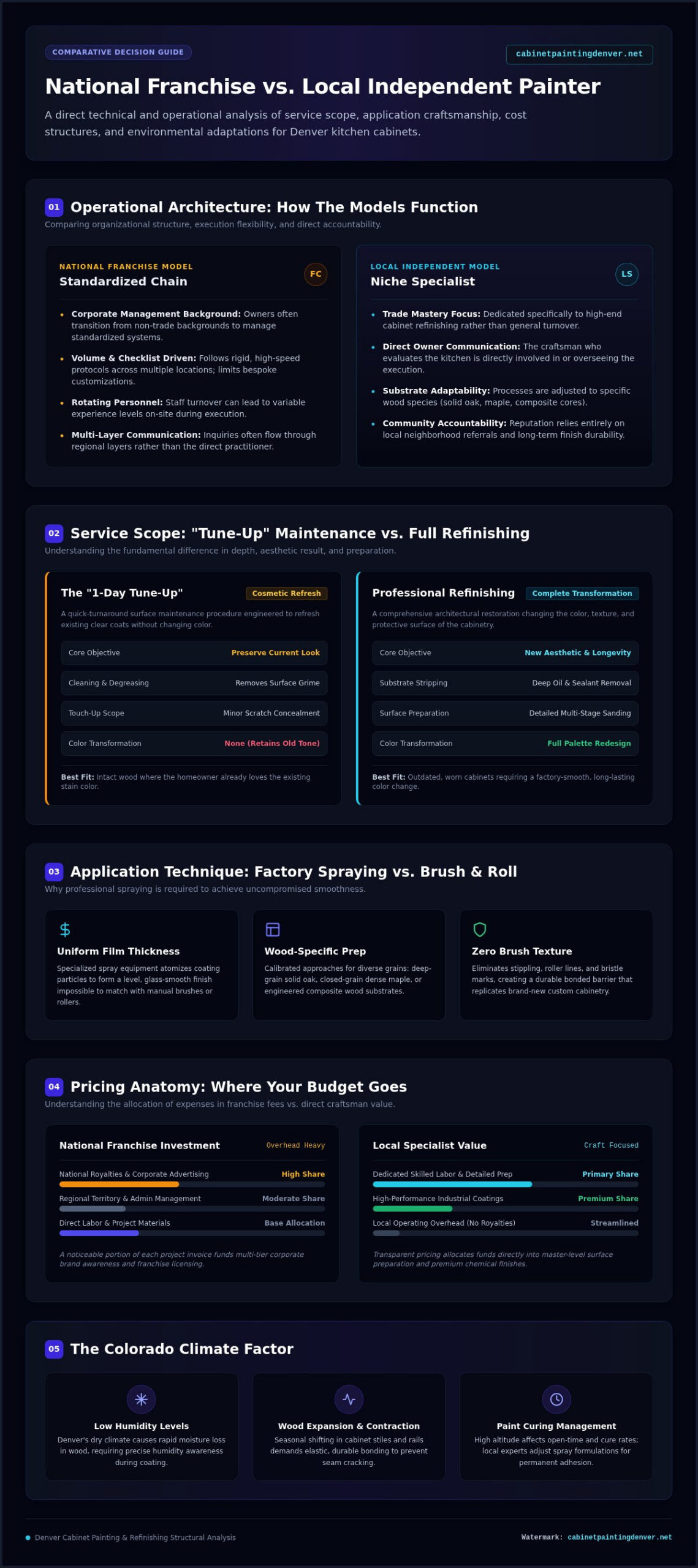
The franchise business model prioritizes scalability and standardized systems. This means a franchise owner might come from a corporate management background rather than a professional painting background. They follow rigid protocols designed for speed and volume across hundreds of locations. While this provides a predictable experience, it often limits flexibility for custom projects. Franchise staff often rotate frequently, and their training focuses on specific trademarked service levels like basic "tune-ups." These services are often cosmetic and might not address the deep material needs of your specific cabinet wood. If your goal is a complete transformation, a standardized checklist might fall short of your vision.
The Local Independent: Specialized Skill and Ownership
Local independent painters operate with a different set of priorities. They typically focus on a niche, such as high-end Kitchen Cabinet Painting, rather than a broad range of general home services. You usually speak directly with the owner or a lead painter who has years of hands-on experience in the field. This direct line of communication ensures that your specific requirements aren’t lost in a corporate chain of command. There is no middleman or regional manager to consult; the person doing the work is often the person who provided the quote.
Local experts understand Denver’s environmental challenges intimately. They know how our dry air affects wood expansion and paint adhesion. Because their business survives on local referrals, they maintain a high level of accountability within the community. They can pivot their preparation and professional spraying techniques based on whether your cabinets are solid oak, maple, or a composite material. This personalized approach often results in a more durable, factory-smooth finish than a standardized franchise package can provide. For homeowners seeking a boutique experience with specialized knowledge, the local model offers clear advantages in craftsmanship and long-term value.
Service Depth: "Tune-Ups" vs. Professional Cabinet Refinishing
Understanding the scope of work is vital before signing a contract. When homeowners evaluate kitchen tune-up vs local painters, they often compare two fundamentally different services. A "tune-up" is typically a maintenance procedure designed to refresh existing wood. In contrast, professional refinishing is a comprehensive restoration that changes the color and texture of the cabinetry entirely. One choice focuses on preserving the current look; the other creates a brand-new aesthetic.
The 1-Day Tune-Up: What Is It Really?
The trademarked "tune-up" service usually focuses on wood reconditioning. This involves a deep cleaning to remove grease and grime, followed by minor touch-ups on scratches and a fresh coat of clear finish. It works well if you already love your cabinet color and the wood is in excellent condition. However, it doesn’t provide a color change. Because franchises must account for franchise fees and consumer costs, these quick services are often priced to prioritize speed over depth. If your cabinets have significant wear or outdated finishes, a surface-level cleaning won’t solve the underlying aesthetic issues.
Professional Refinishing: A Permanent Style Transformation
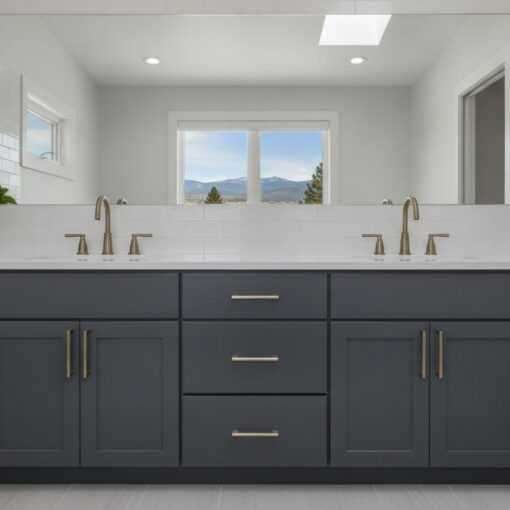
Professional cabinet refinishing goes far beyond a simple cleaning. This process involves detailed preparation, including stripping away old oils and sanding the surface to ensure a mechanical bond. Local specialists then apply industrial-grade primers and coatings that are significantly more durable than standard consumer paints. This method is the only way to achieve a true color transformation, such as moving from dated oak to a modern charcoal or white finish. It’s a technical process that requires specialized equipment and controlled environments for drying.
Longevity is the primary differentiator in the kitchen tune-up vs local painters debate. A touch-up might look acceptable for a year, but it won’t withstand the daily friction and moisture of a busy kitchen. A professional paint job uses specialized materials designed for the high-traffic nature of cabinet doors and drawers. This ensures the finish doesn’t chip or peel under Denver’s dry conditions. If you want a result that lasts for a decade rather than a season, investing in professional kitchen cabinet painting is the more cost-effective choice in the long run. The procedural clarity of a full refinishing project provides the factory-new look that a 1-day service simply cannot replicate.
The Technical Finish: Spraying vs. Brushing and Rolling
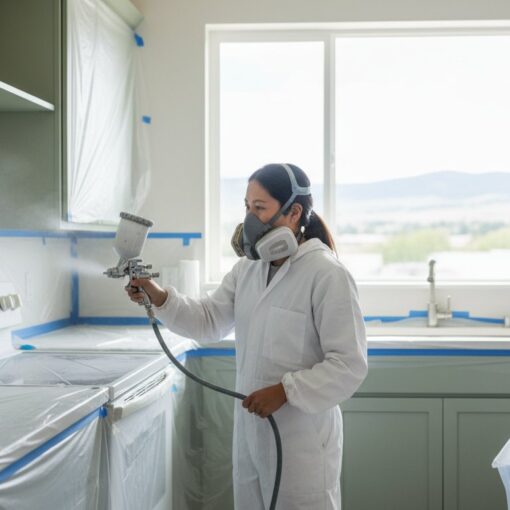
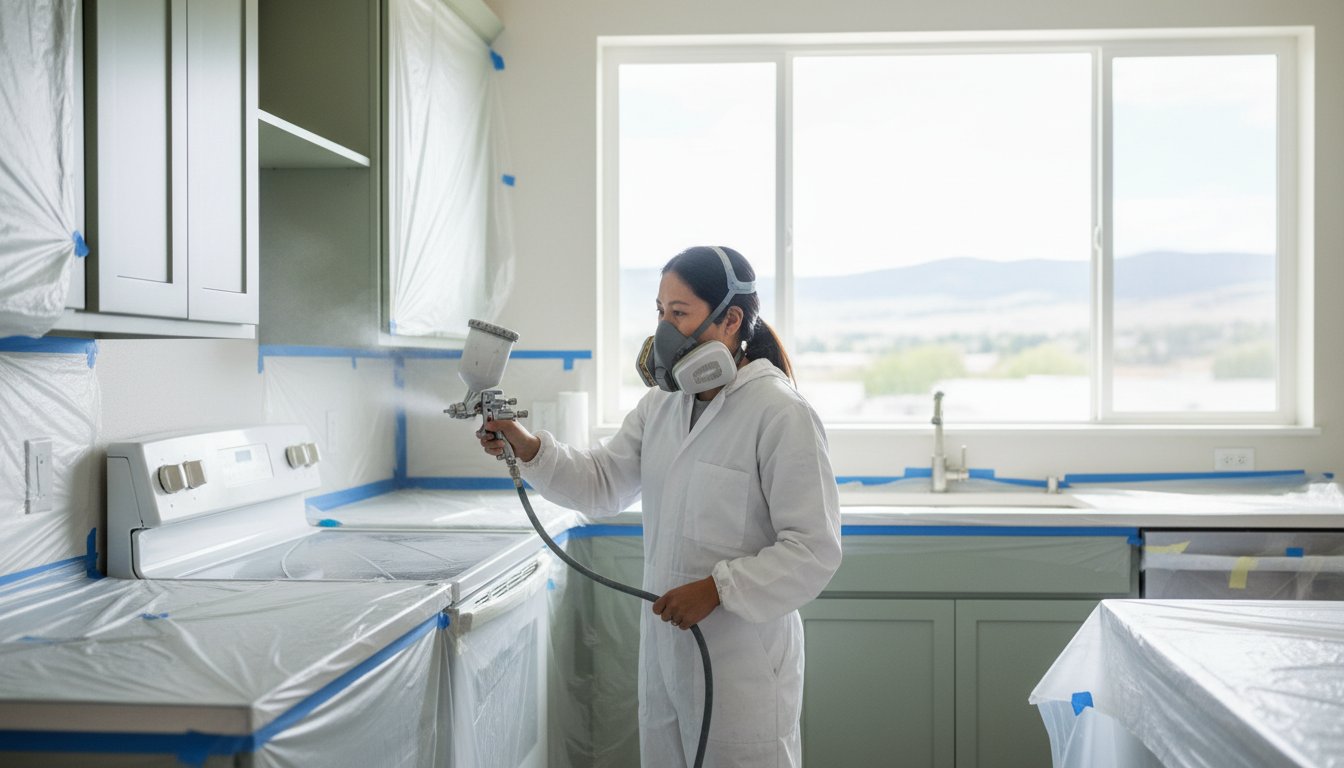
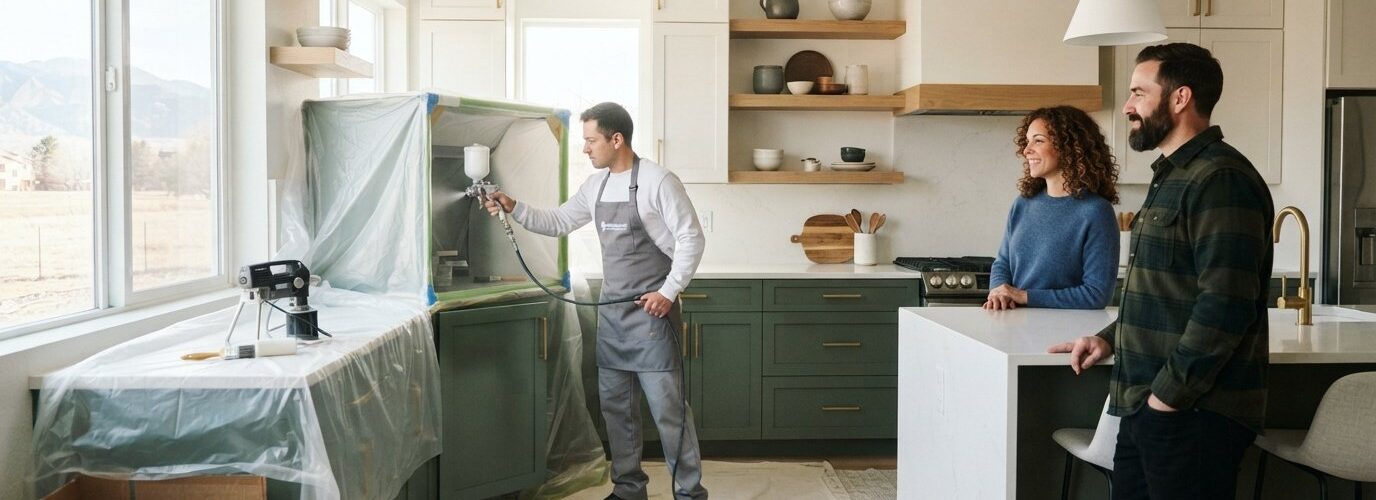
The method of application determines the final texture and durability of your kitchen. In the comparison of kitchen tune-up vs local painters, the technical approach varies significantly. Many franchise models prioritize speed. This sometimes results in the use of brushes or rollers for on-site work. This approach often leaves visible texture, such as brush strokes or "stipple" from rollers. A local specialist typically utilizes professional spraying as the primary method. This technique atomizes the paint into a fine mist. It creates a grain-free, factory-smooth surface that mirrors the original look of high-end cabinetry.
Achieving this level of quality requires a controlled environment. While the cabinet boxes are masked and sprayed on-site, the doors and drawers should be processed off-site in a dedicated shop. This prevents dust contamination and allows for optimal drying conditions. It also minimizes the impact of VOCs in paints and indoor air quality within your living space. Professional shops use specialized drying racks and ventilation systems to ensure every surface cures evenly without interference from household activity.
Factory-Quality Finish Standards
Professional spraying is not just about the tool; it’s about the science of atomization. High-volume, low-pressure (HVLP) or airless systems allow for precise control over the coating thickness. A local expert ensures the paint levels out perfectly before curing. This prevents common defects found in lower-tier services, such as "orange peel" texture, drips, or uneven sheen. A factory-smooth finish is essential for the modern, sleek styles currently popular in Denver homes. It provides a hard, durable shell that resists the daily wear of a kitchen environment. This standard is difficult to achieve with the high-volume, standardized models used by many national chains.
The Preparation Phase: Where Quality is Won
A superior finish is impossible without meticulous preparation. This phase involves more than just a quick wipe-down. It requires a multi-step process of cleaning to remove grease, sanding to create a profile, and de-glossing to ensure the new coating adheres permanently. High-adhesion primers are necessary to bond with the existing wood or laminate. Without these steps, the paint will likely peel or chip within months. For a deeper look at these technical requirements, consult this ultimate guide for homeowners. Proper preparation ensures that the investment in your kitchen cabinets yields a result that looks and performs like a professional installation for years to come. This attention to detail is what separates a long-lasting finish from a temporary cosmetic fix.
Analyzing the Cost: Franchise Fees vs. Local Specialist Value
Pricing transparency is a fundamental requirement for any home improvement project. When you evaluate kitchen tune-up vs local painters, it’s important to understand where your money actually goes. A national franchise operates on a model that requires every local branch to pay significant royalties and national marketing fees to a parent corporation. This "Franchise Premium" is inevitably baked into your final estimate. You are essentially paying for the brand’s visibility and corporate structure. In contrast, a local specialist directs your investment toward the project itself. This ensures the majority of your budget pays for skilled labor and high-end materials.
Breakdown of Cabinet Painting Costs
Several technical factors influence the cost to paint kitchen cabinets. These include the total door count, the current wood species, and the level of preparation required. Local specialists often have lower administrative overhead; this allows them to source higher-quality materials without inflating the price. For example, a local expert might use specialized industrial coatings or high-solids primers that a franchise model avoids to keep material costs low. This focus on material quality ensures a more durable surface that resists the grease and heat common in busy kitchens. You receive a direct, itemized quote that reflects the actual labor and materials needed for your Denver home.
ROI and Long-Term Value
The financial advantage of painting versus a full remodel is clear. You can achieve a complete style transformation for a small percentage of the cost of new cabinetry. However, the long-term value depends entirely on the longevity of the finish. A lower-tier "tune-up" might appear cost-effective initially; however, if the finish chips or peels, the cost of remediation is high. Stripping a failed paint job is a labor-intensive process that often costs more than the original work. A professional finish from a local expert ensures the job is done correctly the first time, protecting your investment for years.
In the Denver real estate market, a high-end kitchen finish is a major selling point. Prospective buyers recognize the difference between a DIY-style brush finish and a professional spray application. Investing in a factory-quality look increases your home’s equity and appeal. To understand the specific value for your home, you should get a local cabinet painting quote today. This direct request for information is the best way to compare service levels and find the most cost-effective solution for your renovation.
The Denver Advantage: Why Local Expertise Wins for Colorado Homes
Denver’s atmospheric conditions are unique. The high altitude and extremely low humidity levels create a challenging environment for architectural coatings. When evaluating kitchen tune-up vs local painters, homeowners must consider who understands these local variables. A national franchise often follows a standardized manual written for a different climate zone. A local expert in cabinet painting Denver understands that Colorado wood behaves differently than wood in more humid regions. This specialized knowledge ensures the finish doesn’t just look good on day one but remains stable through the seasons.
Choosing a local specialist also means working with someone familiar with the diverse architectural styles found across the Front Range. Whether you own a mid-century modern home in Harvey Park or a mountain rustic property in the foothills, a local painter understands the aesthetic expectations of the neighborhood. This cultural and geographic context allows for better design advice and a final product that complements the home’s existing character.
Climate-Specific Painting Techniques
The lack of moisture in Denver’s air causes paint to dry rapidly. This often prevents the coating from "leveling" properly. If the paint dries too fast, it leaves behind visible texture or a rough surface. Local specialists adjust their formulas and application speeds to account for this rapid evaporation. They also address the significant wood expansion and contraction that occurs during our dry winters. Without the right high-adhesion primers and flexible topcoats, cabinet joints will likely show "bridge cracking" as the wood moves. Proper on-site ventilation is also managed specifically to ensure dust doesn’t settle on the finish in our arid environment.
The Final Verdict: Making Your Choice
The choice between a national franchise and a local specialist depends on your specific project goals. A franchise "tune-up" is a valid option if your cabinets are in near-perfect condition and you only need a superficial cleaning. However, if you want a complete color change and a surface that looks like it came from a high-end showroom, local cabinet painters are the logical choice. They provide the technical depth and personalized service that a volume-based business model cannot match.
Supporting a local Colorado business also keeps your investment within the community. You aren’t paying for national advertising campaigns or out-of-state corporate salaries. Instead, you’re paying for a craftsman who stands by their work and understands the specific requirements of Denver homes. To begin your transformation, the next step is to schedule a local consultation. This allows a professional to assess your wood type and provide a transparent, fixed-price quote tailored to your kitchen’s specific needs.
Transform Your Kitchen with Denver Expertise
Choosing between kitchen tune-up vs local painters involves more than just comparing brand names. You’ve learned that local specialists prioritize professional spray finishes and specialized wood preparation over standardized corporate checklists. By eliminating franchise royalties, your budget goes directly toward high-quality materials and Denver-based expertise that understands our unique climate. This ensures your cabinets won’t just look better; they’ll withstand the arid conditions of the Front Range for years without cracking or peeling. Choosing the right partner means prioritizing long-term durability over short-term convenience.
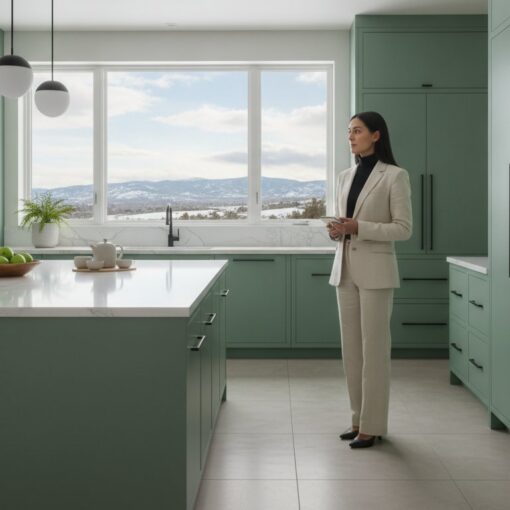
You deserve a transparent process and a factory-smooth result that lasts. It’s time to move beyond surface-level fixes and invest in a durable style transformation that increases your home’s equity. Experience the difference of direct communication and task-oriented professionalism with a contractor who treats your home like their own. Get Your Free Local Cabinet Painting Quote in Denver to start your project with a specialist who values craftsmanship over corporate volume. Your dream kitchen is closer than you think.
Frequently Asked Questions
What is the main difference between Kitchen Tune-Up and a local cabinet painter?
The primary difference lies in the organizational structure. Kitchen Tune-Up operates as a national franchise with standardized corporate protocols and rotating staff. A local specialist, like Cabinet Painting Denver, focuses on niche expertise and personalized project management. When comparing kitchen tune-up vs local painters, you’ll find that local experts prioritize technical craftsmanship and direct accountability over the high-volume business models and national marketing requirements typical of large franchises.
How much does it cost to paint cabinets in Denver compared to a franchise?
Pricing structures vary based on overhead. Franchise estimates include corporate royalties and national advertising fees that don’t directly improve the quality of your kitchen. Local specialists typically offer more value for your investment because your budget pays for high-end materials and skilled labor. A local quote provides transparency, ensuring you aren’t paying a premium for a national brand name while receiving a finish tailored to your home’s specific needs.
Does Kitchen Tune-Up spray or brush the cabinets?
Application methods vary by service level. Some franchise models utilize brushes or rollers for quick cosmetic updates, which can leave visible texture or marks. In the kitchen tune-up vs local painters debate, technical quality is a major factor. Local specialists use professional spraying systems for both on-site boxes and off-site doors. This method atomizes the paint to create a grain-free, factory-smooth surface that is impossible to achieve with manual application tools.
How long does a local cabinet painting project typically take?
A standard professional project usually requires about five to seven business days. This timeline accounts for meticulous on-site preparation, including masking and cleaning, as well as off-site spraying in a controlled shop environment. Proper curing time is essential to ensure the finish is durable enough for daily use. Unlike 1-day cosmetic services, this comprehensive schedule prioritizes long-term adhesion and a high-end aesthetic for your kitchen or bathroom cabinets.
Will a local painter provide a factory-quality finish?
A local specialist using professional spraying techniques can deliver a finish that matches or exceeds original factory standards. Achieving this result requires industrial-grade coatings and a multi-step preparation process. This includes deep cleaning, sanding, and the application of high-adhesion primers. When these steps are performed in a dust-controlled environment, the final surface is smooth, durable, and resistant to the grease and heat common in busy Denver kitchens.
Can a local specialist handle both painting and refinishing?
Specialized local contractors often provide both services to meet different aesthetic goals. Kitchen Cabinet Painting offers a complete color transformation with a solid finish, while refinishing can involve staining or applying a new clear coat to revitalize the wood grain. Both processes require the same level of technical skill and professional equipment. These services allow homeowners to update their style and extend the life of their cabinetry without the cost of replacement.
Why does Denver’s climate matter for my kitchen cabinets?
Colorado’s arid climate and high altitude significantly impact wood stability and paint curing. Low humidity causes wood to contract, which can lead to bridge cracking at cabinet joints if the wrong materials are used. Local experts understand these environmental challenges and adjust their techniques accordingly. They use flexible, high-durability coatings that can withstand wood movement and ensure the paint levels properly despite the rapid evaporation rates found in Denver.
Is a franchise more reliable than a local independent contractor?
Reliability is often higher with a local specialist who has a direct stake in their community reputation. Franchises frequently deal with rotating staff and rigid corporate protocols that may not suit custom needs. An independent contractor provides direct communication with the business owner and specialized knowledge of the local market. This accountability ensures your project receives the technical attention required for a high-quality finish that lasts for years in your Denver home.