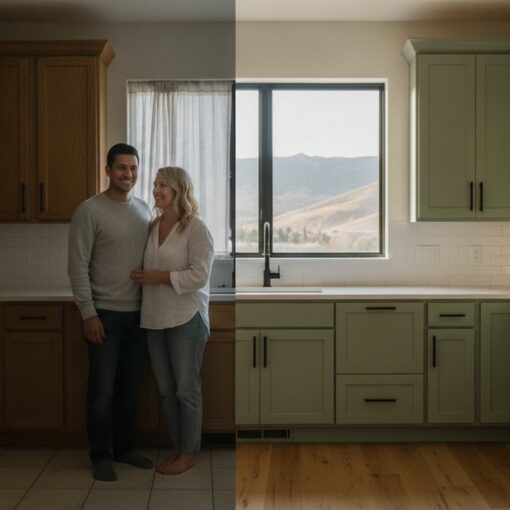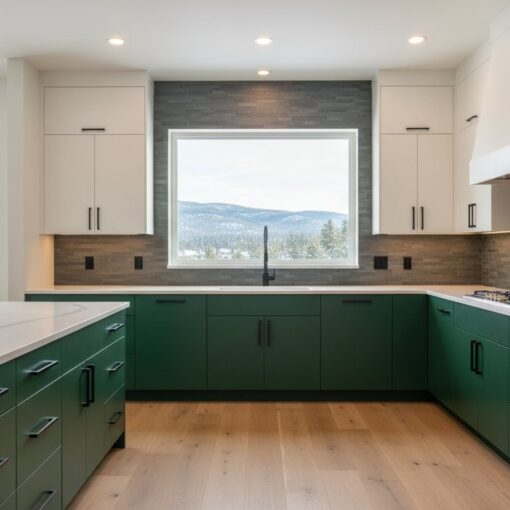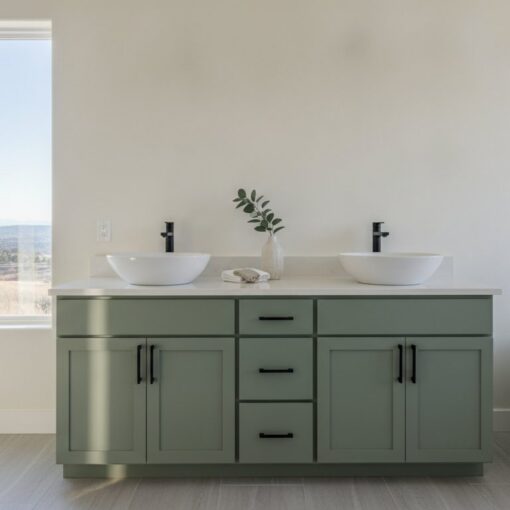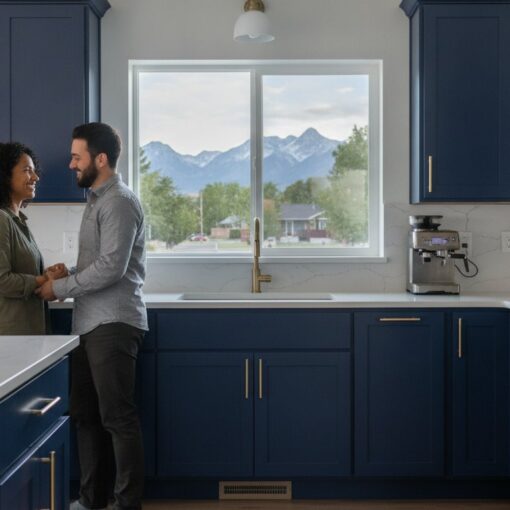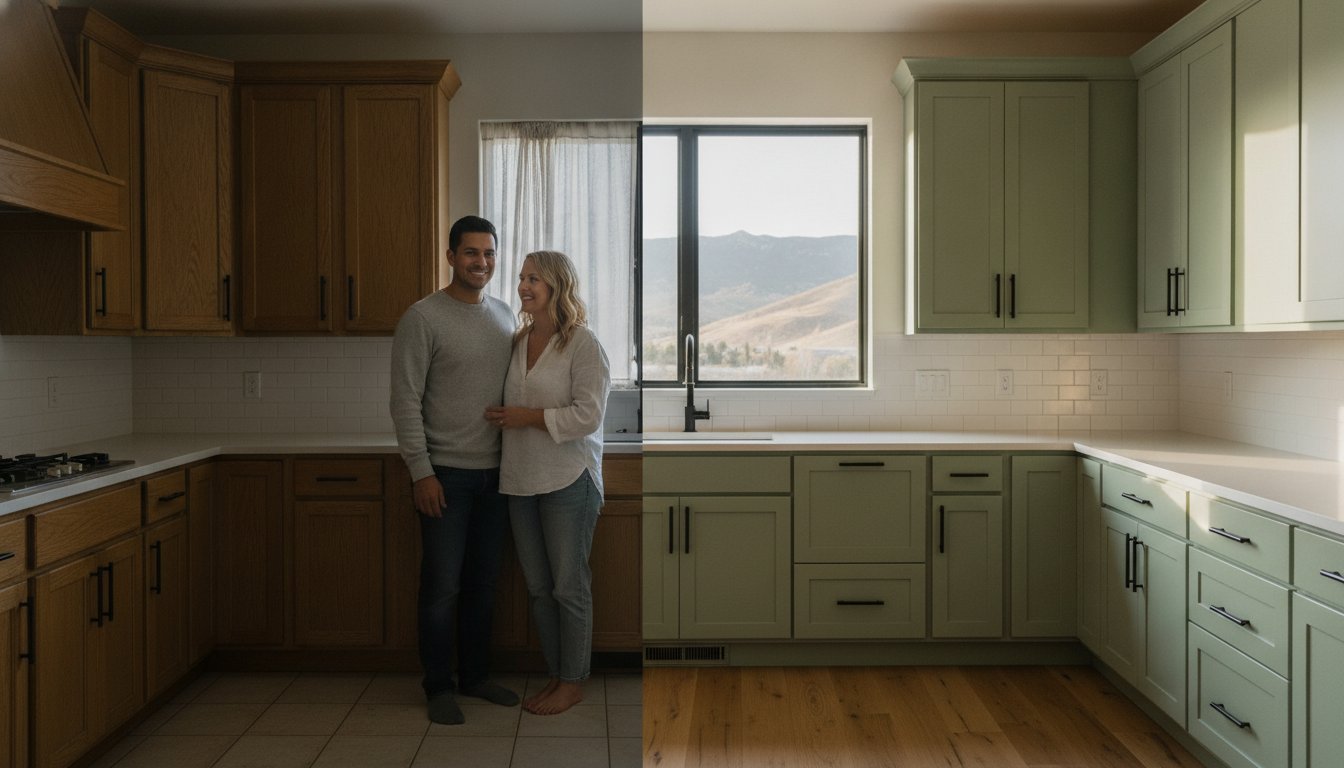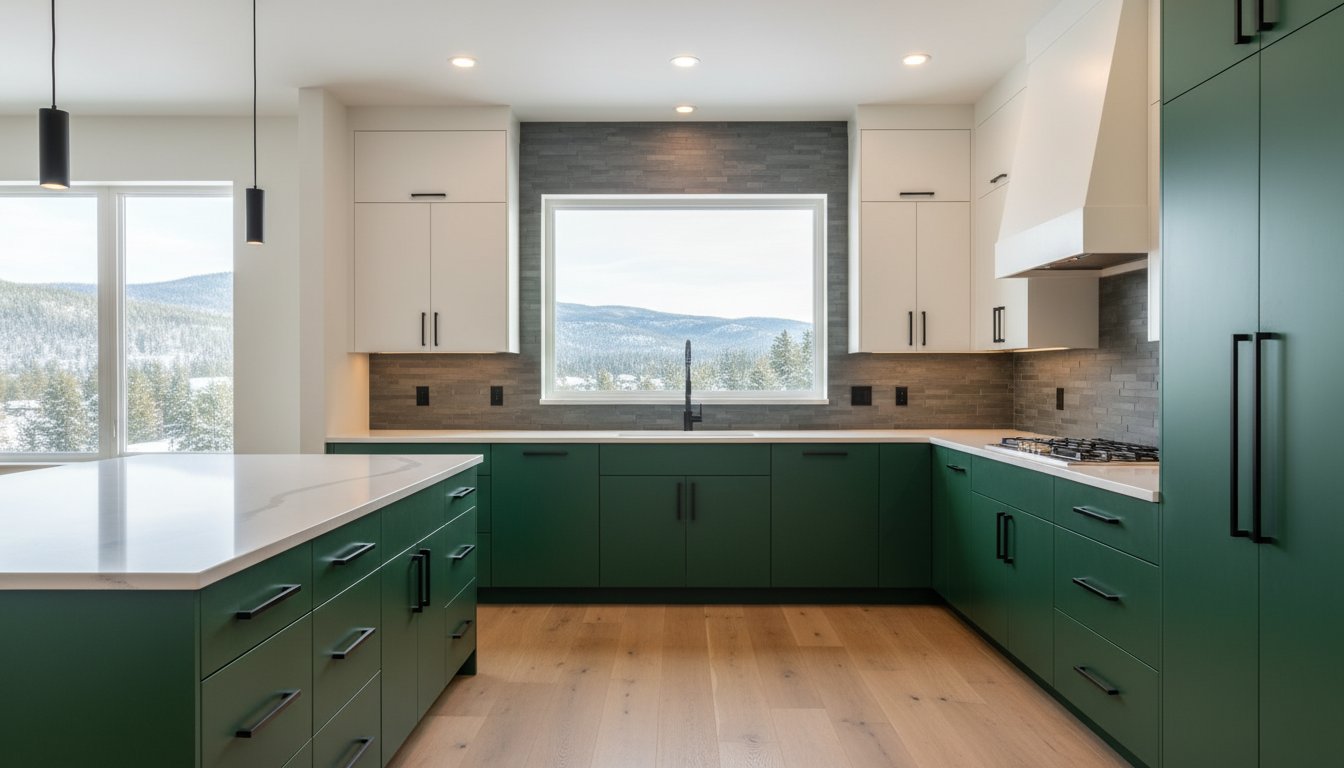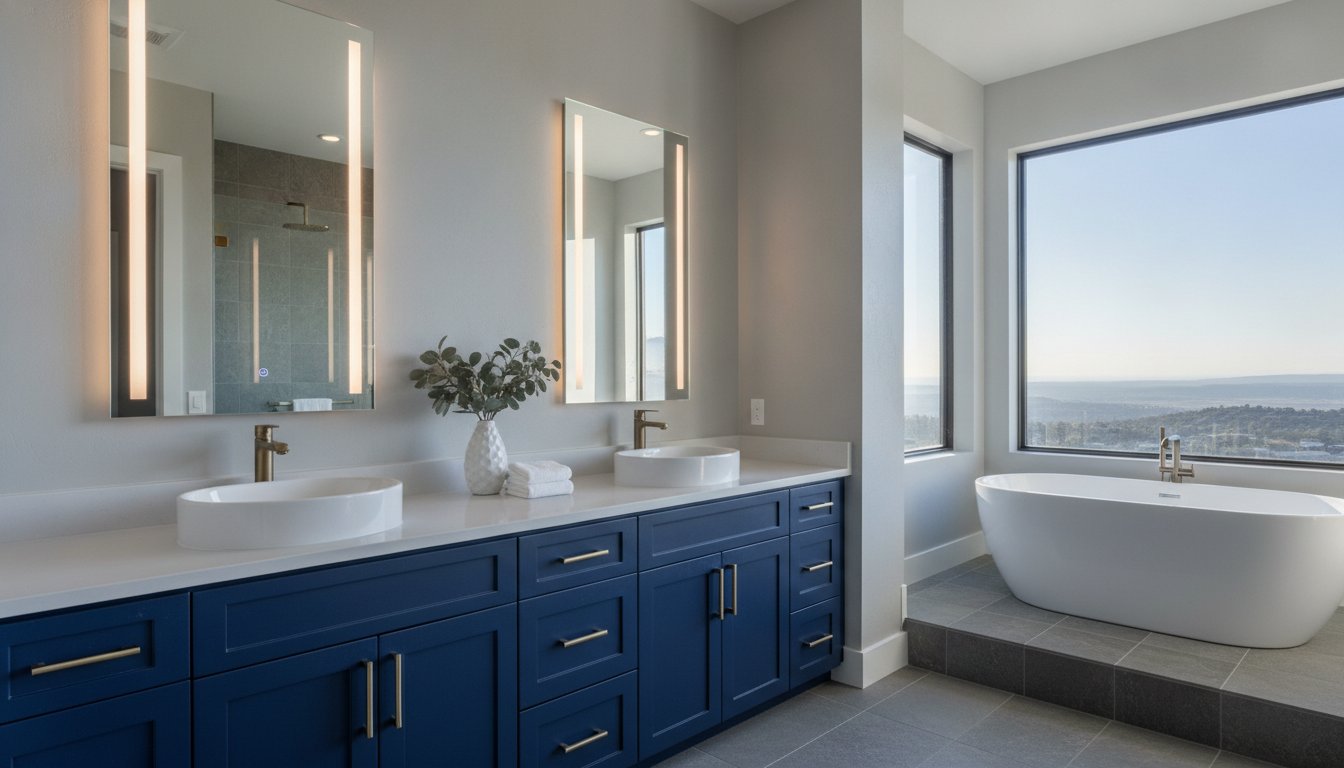
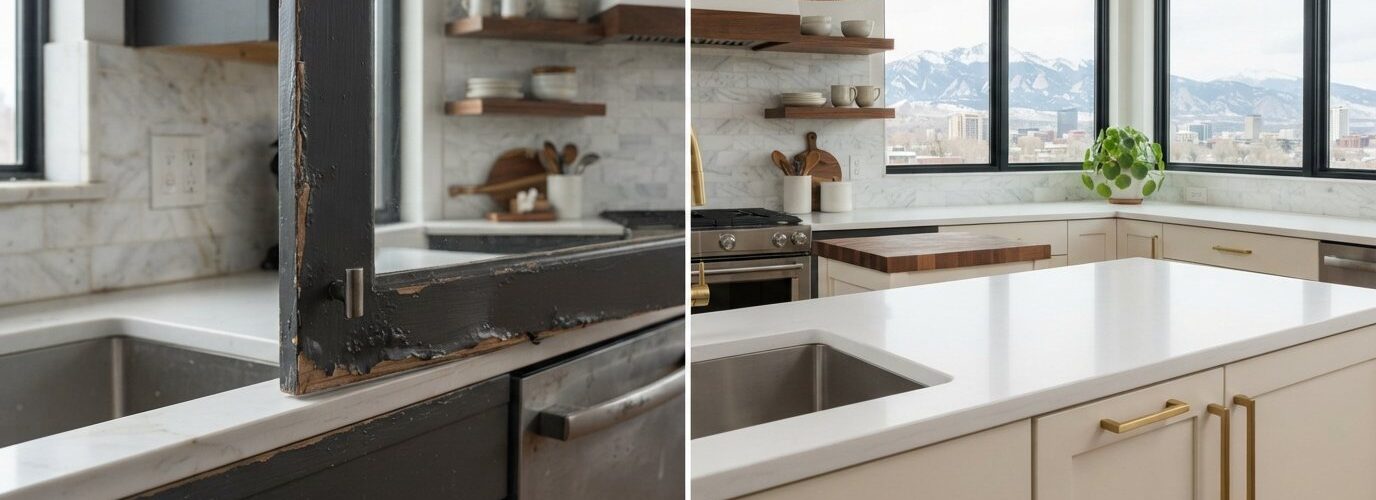
The fastest cabinet makeover often becomes the quickest route to peeling surfaces and costly rework. Many homeowners choose rapid-cure ultraviolet systems because they want minimal kitchen downtime and immediate results. However, recurring problems with n-hance cabinet finish applications, such as edge chipping, delamination in high-moisture zones, and clear-coat failure, frequently leave property owners frustrated within just two years. You deserve a finish that balances project efficiency with true, long-term durability.
This guide examines the technical limitations behind proprietary UV coatings, explaining how thin film builds and shortcut preparation methods compromise coating adhesion. You will also discover how professional kitchen cabinet painting, utilizing multi-step mechanical sanding and off-site spray application, produces a resilient, factory-grade finish. We compare laboratory performance standards, field repairability, and contractor quality controls so you can protect your investment with confidence.
Key Takeaways
- Understand how rapid UV-curing methods prioritize drying speed over mechanical bonding, creating structural vulnerabilities in high-traffic kitchen spaces.
- Identify the core causes behind recurring problems with n-hance cabinet finish projects, including premature chipping, thin film build, and edge delamination near moisture sources.
- Learn why professional kitchen cabinet painting with high-build industrial coatings provides superior depth, chemical resistance, and long-term repairability.
- Discover the critical questions to ask contractors regarding mechanical profile sanding versus chemical deglossers to ensure lasting adhesion.
- See how climate-controlled, off-site spray application delivers an authentic factory-grade finish backed by local Denver accountability.
Understanding the N-Hance Process: Why Homeowners Have Concerns
Homeowners exploring cabinet updates often encounter franchised systems marketing turnaround times of just a few days. The core selling point centers on convenience. Rather than waiting for traditional coatings to undergo an extended cure cycle, clients are promised a functional kitchen almost immediately. This rapid timeline drives high interest, but speed introduces substantial trade-offs in film build and durability.
Because these operations rely on independent franchise licenses, execution quality, technician training, and warranty follow-through vary dramatically by region. While one crew might take the time to clean properly, another may rush the preparation stage to hit daily production quotas. This variance accounts for many reported problems with n-hance cabinet finish projects across the country.
The Lightspeed UV Method Explained
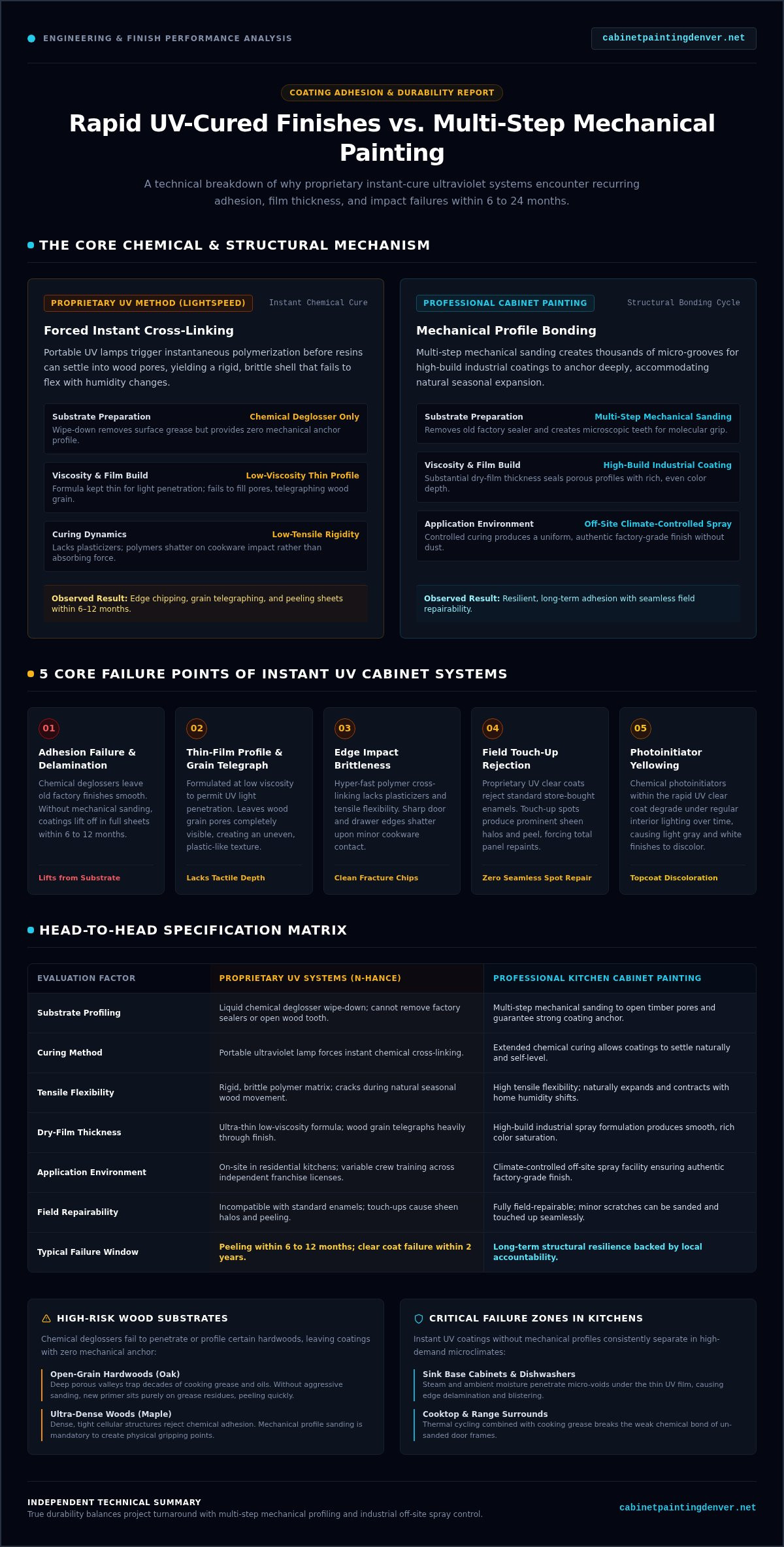
The proprietary Lightspeed UV system applies a specialized topcoat that hardens when exposed to a portable ultraviolet lamp. Drying refers to solvent or water evaporation, whereas curing involves chemical cross-linking that creates structural strength. The UV lamp forces instantaneous cross-linking, letting technicians pack up quickly. However, instant curing restricts the coating from settling naturally into the wood profile, creating a rigid, low-flexibility shell that struggles to expand and contract with natural seasonal humidity changes.
Why Search for “Problems” is Trending
Consumer inquiries regarding problems with n-hance cabinet finish failures focus primarily on film brittleness and thinness. When applied too rapidly, these proprietary topcoats exhibit common performance flaws:
- Impact brittleness: Highly cross-linked, instant-cure layers lack tensile flexibility. Sharp impacts from cookware or fingernails cause clean fracture chips along sharp door edges.
- Telegraphing grain: The low-viscosity, thin-film formula fails to fill open grain pores, leaving prominent wood texture exposed beneath the color layer.
- Poor field repairability: UV coatings cannot simply be sanded smooth and touched up with standard store-bought enamels. The proprietary clear coat rejects standard touch-up paints, creating noticeable sheen halos and adhesion peeling around repaired spots.
5 Common Problems with N-Hance Cabinet Finishes
When investigating real-world failures, recurring problems with n-hance cabinet finish jobs stem from mechanical adhesion limits and thin coating profiles. Five distinct failure points frequently appear after normal kitchen use:
- Adhesion failure: Chemical wipe-downs cannot match mechanical sanding. Coatings lift in sheets when applied over old factory finishes.
- Thin-film profile: The low dry-film build fails to provide rich color saturation or tactile depth.
- Impact brittleness: Instant-cured polymers lack plasticizers, causing them to shatter rather than absorb impacts along drawer edges.
- Field touch-up barriers: Proprietary resins prevent seamless touch-ups with standard architectural paints, requiring total panel repainting to fix minor scratches.
- Topcoat yellowing: Photoinitiators in rapid UV clear coats can degrade under interior lighting, causing white or light-gray coatings to discolor over time.
The Adhesion and Peeling Issue
Delamination is the separation of the new finish from the original wood substrate. Kitchen surfaces absorb microscopic layers of cooking oils, hand greases, and cleaning chemicals over decades. Liquid deglossers only remove surface grime; they cannot create the mechanical anchor profile that durable coatings require.
Open-grain hardwoods like oak and dense woods like maple present severe adhesion hurdles. Without aggressive profile sanding, the new primer relies strictly on chemical bonding. Cooking grease near ranges and moisture around sink bases easily penetrate microscopic voids. The coating lifts, resulting in severe peeling within 6 to 12 months. Choosing dedicated kitchen cabinet painting ensures comprehensive mechanical profiling that prevents these bonding failures.
Aesthetic Limitations: Depth and Sheen
A durable cabinet finish relies on adequate dry-film thickness. Standard architectural sprayed systems build substantial thickness that softens sharp timber grain and seals porous profiles. In contrast, rapid UV formulations rely on low-viscosity chemistry to allow instant light penetration. This produces an extremely thin finish.
Wood grain telegraphs directly through this thin layer, leaving an uneven, plastic-like texture. Passing a handheld UV light wand across vertical surfaces also introduces human error. Slight variances in exposure speed and distance create flashing, resulting in alternating bands of matte and semi-gloss sheens across large cabinet doors.
Proprietary UV Systems vs. Professional Cabinet Painting
Homeowners evaluating cabinet transformations must choose between quick turnaround and lasting durability. Franchised UV approaches emphasize speed through instant light-curing chemistry. In contrast, professional spray applications focus on mechanical bonding and multi-coat film build. Understanding how these systems perform over years of daily kitchen usage highlights the root causes behind recurring problems with n-hance cabinet finish installations.
Preparation represents the primary technical difference. A franchise model relies heavily on liquid deglossers to bypass orbital profile sanding, allowing technicians to complete jobs in three to five days. True professional painting involves mechanical sanding, complete door removal, and controlled off-site spraying over a standard five to eight business-day turnaround. Taking the time to build a proper mechanical profile prevents edge peeling near steam vents and dishwashers.
Film Thickness and Impact Resistance
Paint durability is measured in mils, which represent thousandths of an inch of dry film thickness. High-performance industrial coatings typically achieve three to five dry mils across primer and topcoats. Rapid UV topcoats, by design, deposit a much thinner film so ultraviolet rays can penetrate completely through the resin layer.
A thicker profile provides the structural bulk needed to resist dents and blunt impacts. Investing in expert kitchen cabinet painting creates a resilient shield across every profile edge. In the Denver metro area, where interior relative humidity often drops below 15% in winter, wood cabinets continually expand and contract. Thin, hyper-rigid UV coatings struggle with this movement, developing microscopic hairline fractures that lead to premature flaking.
Repairability and Longevity
Accidents happen in active kitchens. Heavy pans strike drawer faces, and utensils nick cabinet doors. When an impact damages a proprietary UV finish, repairing that single door panel presents severe technical hurdles. Standard architectural paints will not bond smoothly to the cured resin, and blending local sheen requires the original proprietary formula and handheld light equipment. This limitation remains one of the most frustrating problems with n-hance cabinet finish ownership.
Industrial sprayed coatings offer superior ten-year longevity. When small scratches occur, a technician or homeowner can feather-sand the affected area and apply color-matched touch-ups without flashing. Over a decade, professional spray systems withstand daily chemical exposure and mechanical wear, whereas ultra-thin UV coatings often require total strip-downs to correct localized damage.
How to Evaluate Cabinet Refinishing Quality Before You Buy
Evaluating cabinet contractors requires looking past sales demonstrations and marketing buzzwords. Many homeowners discover late that problems with n-hance cabinet finish projects trace back to chemical shortcuts rather than skilled craftsmanship. In the Denver metro area, high elevation and intense seasonal temperature shifts cause substantial wood movement. You must verify how a contractor plans to manage adhesion, film flexibility, and environmental prep before committing your budget.
Begin by requesting physical door samples. Examine the corners and profile edges for uniform coating build. A factory-grade finish shows no cloudy overspray, runs, or pinholes along deep cuts. Ask whether they use closed proprietary chemicals or open, industrial-grade coatings engineered specifically for architectural cabinetry.
The Prep Work Checklist
Detailed preparation determines whether a finish lasts a decade or peels within months. Ask these procedural questions before signing any agreement:
- Do you spray doors off-site? Premium finishes require climate-controlled spray booths to eliminate household dust, pet dander, and airborne fibers during application.
- How do you clean grease? True bonding requires heavy-duty degreasers to extract embedded cooking oils before primer touches the timber.
- Do you sand or wipe? Liquid deglossers cannot create the microscopic mechanical profile necessary for durable bonding. Insist on orbital and hand profile sanding.
Analyzing the Warranty
Examine the fine print on contractor warranties carefully. Franchise contracts frequently exclude regular wear zones like trash pullouts and sink bases, labeling localized delamination as unpreventable moisture damage or homeowner misuse. If a local franchise operator closes or sells their territory, corporate headquarters rarely steps in to resolve service disputes.
Working with established local cabinet painters who stand behind their mechanical preparation provides direct, reliable accountability. When you want enduring durability without franchise shortcuts, consult with Cabinet Painting Denver to inspect professional finish samples firsthand.
Why Cabinet Painting Denver is the Superior Choice
Cabinet updates require proven coatings and meticulous craftsmanship rather than expedited assembly lines. Many homeowners contact us after experiencing problems with n-hance cabinet finish projects, seeking durable solutions for chipped door edges and failing clear coats. We operate as an independent local team, not a national franchise bound to rigid corporate quotas. Every project receives dedicated oversight tailored specifically to Denver’s arid, high-altitude climate.
Our focus centers entirely on providing durable Kitchen Cabinet Painting, Bathroom Cabinet Painting, and Bookshelves cabinet painting. We treat cabinet finishing as a precise wood-coating trade rather than a rapid cosmetic cover-up.
Our Professional Spraying Process
Factory-quality results demand an uncompromising, multi-step application workflow. We remove all cabinet doors and drawer fronts, transporting them to our climate-controlled facility for comprehensive mechanical profile sanding and industrial spray application. In-home face frames receive identical isolation, rigorous degreasing, and meticulous preparation.
Selecting the correct paint for cabinets is central to our method. We utilize professional-grade coatings engineered to build adequate mil thickness while maintaining tensile flexibility. While franchise operators push rapid turnarounds, our standard five to eight business-day schedule provides the essential cure window required for lasting impact defense. This disciplined technique eliminates the thin-film brittleness that leads to premature flaking.
Transforming Denver Kitchens
Front Range homes experience extreme indoor humidity shifts, with winter levels regularly dropping below 15%. This dry air forces solid wood and composite panels to contract constantly. Thin, instant-cured UV coatings crack under these environmental stresses. Our industrial-grade coatings flex naturally alongside substrate movement, preventing checking and delamination around busy sink bases and dishwashers.
Denver homeowners trust our direct, transparent process to deliver lasting quality. We bring extensive hands-on experience with cabinet painting in Denver, delivering factory-grade finishes that elevate the value of your property. If you want a resilient finish completed without franchise shortcuts, Get your free cabinet painting quote in Denver today!
Choose Long-Term Durability Over Rapid Shortcuts
Selecting the right finishing method protects your cabinetry investment for years to come. Rapid turnaround times often seem attractive, but the documented problems with n-hance cabinet finish applications demonstrate that instant cures cannot replace mechanical preparation. A thin, brittle coating simply cannot withstand heavy kitchen use or Denver’s dry climate.
Achieving an authentic factory-grade finish requires patience, mechanical profile sanding, and dedicated spray environments. Cabinet Painting Denver provides local Denver owner-operated service focused on high-durability professional coatings. By handling doors and drawer fronts in a specialized off-site spray booth, our team ensures uniform adhesion that resists chipping, moisture, and daily wear.
Give your home the craftsmanship it deserves. Request a Professional Quote from Cabinet Painting Denver to secure a resilient, factory-quality transformation built to last.
Frequently Asked Questions
Why do N-Hance finishes sometimes chip or peel?
Chipping and peeling usually occur because rapid chemical degreasing replaces mechanical profile sanding. Without proper scuffing, coatings fail to form a mechanical anchor profile on existing lacquer. Cooking oils, grease, and sink steam break down the weak chemical bond, causing the brittle, rapidly cured clear coat to lift along sharp drawer edges and high-moisture face frames.
Is UV-cured cabinet refinishing better than traditional painting?
No, UV curing prioritizes drying speed rather than coating durability. While ultraviolet lamps harden clear coats instantly, the resulting finish lacks structural mil thickness and elasticity. Professional spray applications using industrial coatings take five to eight business days, but they deliver superior impact absorption, moisture tolerance, and long-term repairability that outlasts proprietary rapid systems.
Can I repair a scratched N-Hance finish myself?
Repairing these finishes yourself is exceedingly difficult. Proprietary UV formulations resist bonding with standard retail paints, leading to peeling around touch-up areas. Blending clear coat scratches requires the original resin and handheld ultraviolet equipment. Minor repairs often leave noticeable sheen differences, frequently forcing homeowners to strip and repaint entire doors.
How long should a professional cabinet painting finish last?
A properly applied professional spray finish should last eight to fifteen years under normal kitchen use. Achieving this longevity requires comprehensive disassembly, industrial degreasing, mechanical profile sanding, and dedicated spray booth application. High-performance coatings resist standard household chemicals and repetitive handling far better than thin, rapid-cure franchise coatings.
What is the “thin-film” problem in cabinet refinishing?
The thin-film problem refers to coatings applied at low dry-film builds to facilitate instant ultraviolet light penetration. Because the coating remains exceptionally thin, it fails to fill wood grain pores or cushion impacts. This limitation contributes to frequent problems with n-hance cabinet finish jobs, leaving visible timber texture, dull color depth, and sharp corners vulnerable to chipping.
Does N-Hance work on all types of wood cabinets?
No, rapid systems struggle significantly on open-grain or tannin-rich hardwoods like oak, cherry, and knotty alder. Without heavy-duty stain-blocking primers and grain filling, tannins bleed through light topcoats. Dense species like maple also require aggressive mechanical abrasion rather than liquid wipe-downs to prevent topcoats from flaking under routine friction.
Why is prep work more important than the curing technology?
Prep work creates the mechanical foundation required for lasting adhesion. Curing technology only solidifies the top layer; it cannot compensate for contaminants beneath the primer. If grease remains or old finishes are not profiled with orbital sanders, even an instantly cured resin will delaminate. Thorough preparation accounts for the majority of long-term finish success.
How does Denver’s climate affect cabinet paint durability?
Denver’s semi-arid, high-altitude climate causes indoor relative humidity to plunge during winter months. This severe dryness forces natural timber components to shrink and flex. Brittle, rapid-cure coatings cannot stretch with wood movement, leading to hairline fractures and flaking. Addressing problems with n-hance cabinet finish failures in Colorado requires flexible, industrial-grade coatings engineered to handle seasonal thermal expansion.