
Is your kitchen feeling a little tired, with dated cabinets that drag the whole room down? You dream of a fresh, modern space, but the thought of a full-scale renovation-and its massive price tag-is daunting. The great news is that a stunning transformation is within reach without the chaos of a complete remodel. The secret lies in resurfacing cabinets, a powerful and cost-effective way to completely reinvent your kitchen’s style. But with so many terms like ‘refacing’ and ‘refinishing’ thrown around, it’s easy to feel confused and worried about making a costly mistake.
In this ultimate guide, we’ll demystify the entire process. You’ll learn the clear differences between painting, refinishing, and refacing, get a realistic idea of how much each option costs, and gain the confidence to decide which method is the perfect choice for your home. By the end, you’ll be ready to take the next step toward the beautiful kitchen you’ve always wanted.
What Does Resurfacing Cabinets Actually Mean?
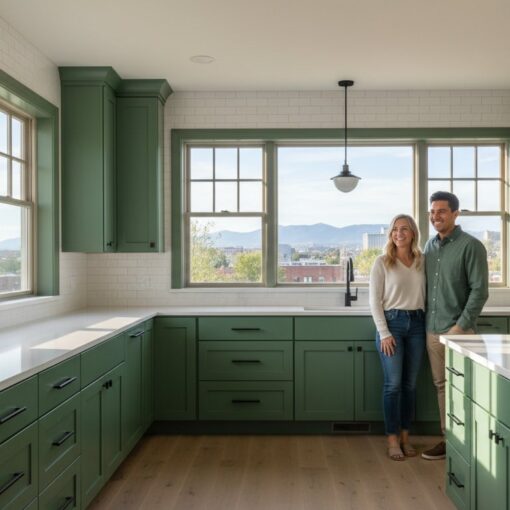
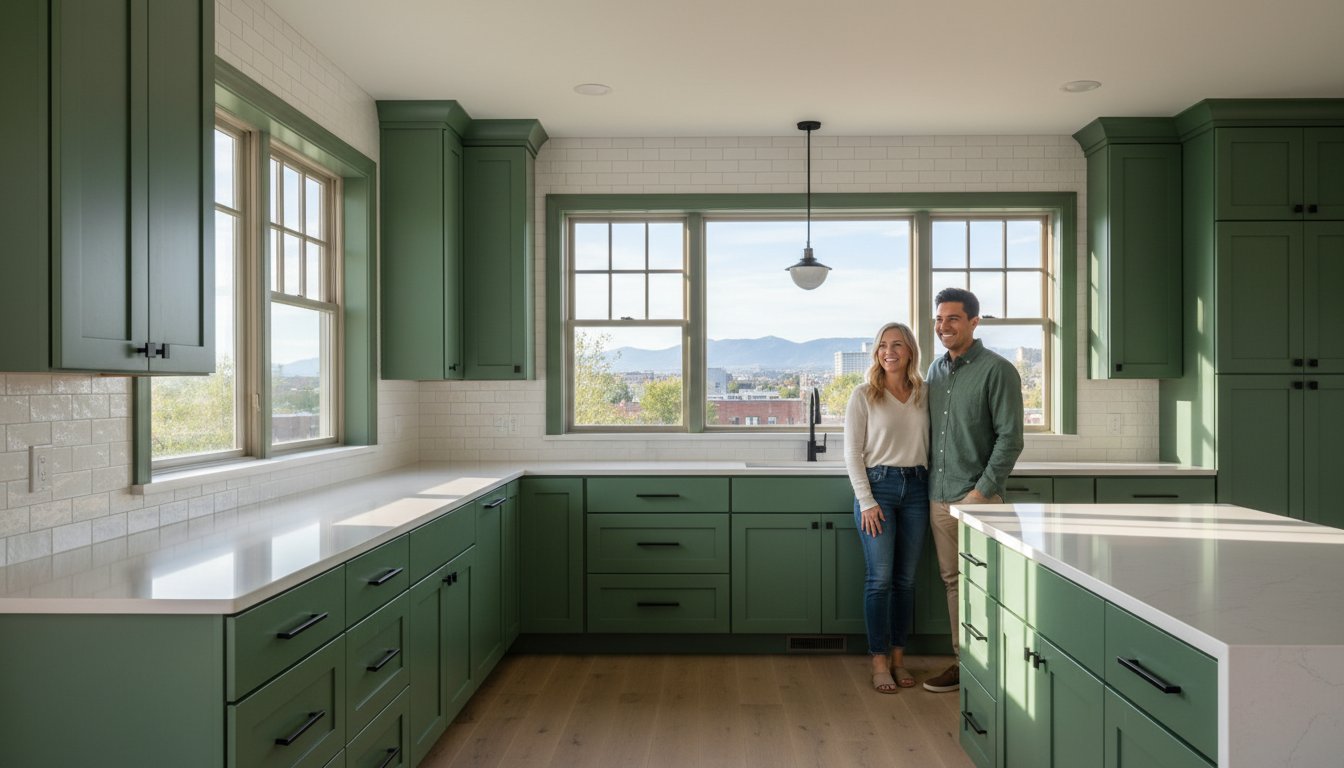
Think of resurfacing cabinets as a comprehensive cosmetic facelift for your kitchen. Instead of the costly and disruptive process of tearing out your entire cabinet system, resurfacing focuses on transforming the exterior. The core concept is simple yet powerful: you keep your existing cabinet boxes-the sturdy framework already in your kitchen-and give them a completely new look on the outside. This approach delivers the dramatic visual impact of a remodel for a fraction of the cost and time.
The primary benefit is achieving that “brand-new kitchen” feel without the brand-new price tag. Because you’re not changing your kitchen’s layout or installing new cabinet structures, the project is faster, cleaner, and significantly more budget-friendly than a full-scale renovation.
To better understand this concept, watch this helpful video:
Resurfacing as an Umbrella Term for Cabinet Renewal
The term “resurfacing” actually covers a few different techniques, each tailored to different cabinet materials, conditions, and desired outcomes. The three main methods you’ll encounter are:
- Painting: Applying a durable, professional-grade paint to change the color and finish completely. This is ideal for a modern, clean look.
- Refinishing: Stripping the existing finish from wood cabinets and applying a new stain and protective topcoat to enhance or alter the natural wood grain.
- Refacing: Applying a new veneer to the cabinet boxes and replacing all cabinet doors and drawer fronts with brand-new ones.
The Key Goal: A Fresh Look Without a Full Remodel
Ultimately, the goal of resurfacing cabinets is to update your kitchen’s style, color, and finish without the headache of a complete tear-out. This method avoids the mess, expense, and weeks of disruption associated with a full remodel. It’s also a more sustainable, eco-friendly choice, as it prevents perfectly functional cabinet boxes from ending up in a landfill.
What Stays and What Goes During the Process?
During any resurfacing project, the structural “skeletons” of your cabinets remain fixed to the wall. These cabinet boxes are the foundation of your kitchen’s Cabinetry and, if they are in good condition, there’s no need to replace them. The transformation happens on all the visible surfaces. The doors, drawer fronts, and hardware are removed to be worked on or replaced, giving your kitchen its stunning new appearance.
The 3 Main Types of Cabinet Resurfacing Explained
When it comes to resurfacing cabinets, the term covers a few distinct methods, each with its own process, cost, and ideal outcome. Understanding the differences is the first step toward a successful kitchen transformation. Your choice will depend on the current condition of your cabinets, your budget, and whether you want to preserve the natural wood or introduce a bold new color.
To help you decide at a glance, here’s a quick comparison:
- Painting: Most affordable, offers endless color options, ideal for a modern update.
- Refinishing: Mid-range cost, enhances natural wood grain, best for high-quality wood.
- Refacing: Highest cost, provides a completely new style, perfect for structurally sound but dated cabinets.
Method 1: Cabinet Painting (The Most Popular Choice)
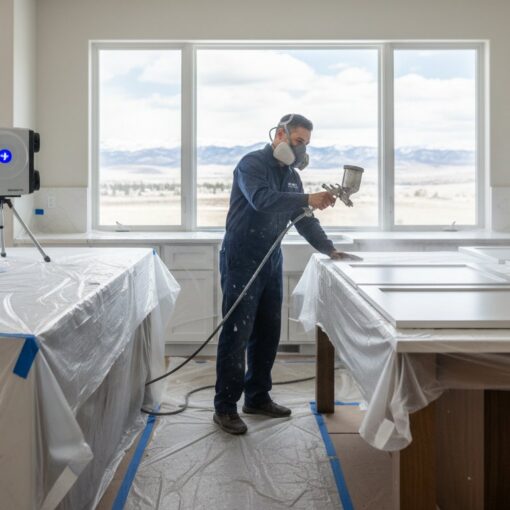
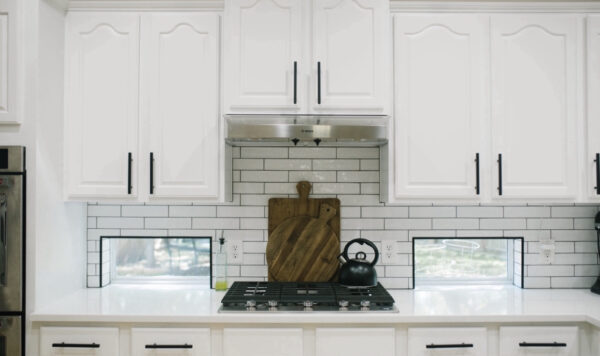
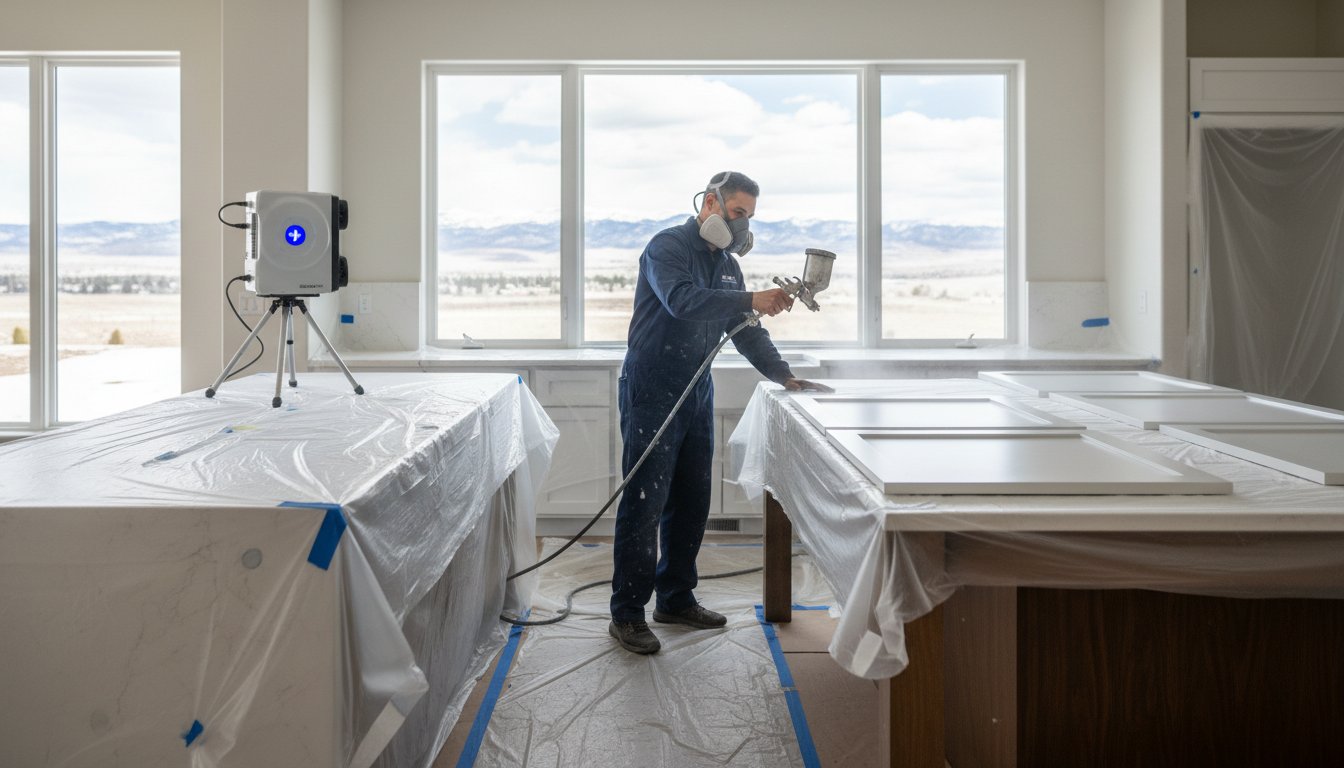
Cabinet painting is the go-to choice for homeowners seeking a dramatic and cost-effective change. The process involves meticulously cleaning, sanding, and priming the cabinet surfaces before applying a durable, high-quality paint. It’s best for solid wood or previously painted cabinets that are in good structural condition. A professional spray finish is highly recommended to achieve a smooth, factory-like surface free of brush marks and drips, giving your kitchen a clean, contemporary look.
Method 2: Cabinet Refinishing (Enhancing Natural Wood)
If you love the quality and grain of your existing wood cabinets but they look worn or dated, refinishing is the perfect solution. This method involves chemically stripping the old finish, sanding the wood smooth, and then applying a new stain and protective clear coat. Refinishing can change the tone of your wood from golden oak to a rich walnut, for example, or simply restore its original luster. It’s more labor-intensive than painting but beautifully preserves the wood’s natural character.
Method 3: Cabinet Refacing (Applying a New Skin)
Cabinet refacing is the most transformative of the three options. The process involves applying a new wood veneer or rigid thermofoil (RTF) laminate directly onto your existing cabinet boxes. More importantly, all your old cabinet doors and drawer fronts are replaced with brand-new ones, complete with new hardware. This is the ideal choice when you want a completely different wood type or door style without the expense of a full tear-out. While it’s the priciest resurfacing option, a detailed Cabinet Refacing Cost Breakdown shows it is still significantly more affordable than a total cabinet replacement.
Cabinet Resurfacing Cost: A Breakdown for Homeowners
One of the first questions every homeowner asks is, “How much will it cost?” While a full cabinet replacement can consume a massive portion of your renovation budget, resurfacing cabinets offers a stunning transformation for a fraction of the price. The final cost depends heavily on the method you choose and the unique characteristics of your kitchen.
To help you budget effectively, we’ve broken down the typical costs and the factors that influence them. Remember, these are industry averages; a professional estimate is the only way to get a price tailored to your home.
Average Costs for Painting, Refinishing, and Refacing
Each resurfacing method has a different price point, primarily driven by the materials and labor involved. Here are the common per-linear-foot estimates to expect:
- Cabinet Painting: Typically $75 – $150 per linear foot. As the most cost-effective option, professional painting involves thoroughly cleaning, sanding, priming, and spraying your existing cabinet boxes and doors for a smooth, durable, factory-like finish.
- Cabinet Refinishing: Typically $120 – $200 per linear foot. This mid-range option is ideal for high-quality wood cabinets. It involves chemically stripping the old finish, sanding the bare wood, staining it to your desired color, and applying a protective topcoat.
- Cabinet Refacing: Typically $200 – $450+ per linear foot. The most comprehensive option, refacing involves replacing your old cabinet doors and drawer fronts entirely and applying a new veneer to the cabinet boxes to match.
Key Factors That Influence Your Final Quote
Why can’t you get a flat rate over the phone? Because several key variables determine the scope of your project. An accurate quote for resurfacing cabinets must account for:
- Kitchen Size: The total number of cabinet doors and drawers is the single biggest factor. More surface area means more material and labor.
- Condition of Cabinets: Are your cabinets covered in grease, or do they have deep scratches and dings? Significant prep work to repair damage or deep clean surfaces will add to the overall cost.
- Cabinet Material: Working with solid oak, which has a deep grain that may need filling, is different from working with a smooth maple or a laminate surface.
- Layout Complexity: Intricate crown molding, decorative details, glass door inserts, and hard-to-reach areas all require more time and precision from our technicians.
How to Get an Accurate Quote for Your Denver Home
A ballpark estimate is a good starting point, but a detailed, in-person consultation is the only way to get a firm and reliable price. A true professional needs to see your kitchen to assess the cabinet condition, take precise measurements, and understand your goals. Be wary of any company willing to give a final quote without first inspecting the project.
Ready to see what a beautiful, updated kitchen will cost? Request your free, no-obligation estimate today.

Is Resurfacing the Right Choice for Your Cabinets?
Cabinet resurfacing offers a dramatic transformation, but it’s crucial to know if your kitchen is a suitable candidate. This decision hinges on the condition of your existing cabinet boxes and your overall renovation goals. By honestly assessing your kitchen’s “bones,” you can confidently decide whether to resurface or replace.
When to Resurface: The Green Flags
You are likely an excellent candidate for cabinet resurfacing if you find yourself nodding along to these points. This approach works best when the underlying structure is solid.
- You love your kitchen’s layout. If the current flow and appliance placement work for you, there’s no need to demolish a functional design.
- Your cabinet boxes are structurally sound. The frames and boxes should be solid wood or high-quality plywood, free from warping, water damage, or sagging.
- You’re working with a moderate budget. Resurfacing delivers a high-end look for a fraction of the cost and mess of a full cabinet replacement.
- You want a fast transformation. Most resurfacing projects are completed in just a few days, minimizing disruption to your home.
When to Replace: The Red Flags
On the other hand, a full replacement is the smarter long-term investment if you encounter any of these major issues. A new veneer can’t fix fundamental problems.
- The cabinet boxes are damaged. Widespread water damage, soft or crumbling particleboard, and structural failure cannot be fixed by a new surface.
- You want a new kitchen layout. If your goal is to add an island, move the sink, or change the footprint, you’ll need new cabinets built for that space.
- The cabinet interiors are failing. If shelves are sagging or the interior surfaces are severely worn, replacement is often the better choice.
Pros and Cons of Cabinet Resurfacing at a Glance
Still weighing your options? Here’s a quick summary to help you decide:
- Pros: Highly cost-effective, fast project turnaround, environmentally friendly with less landfill waste, and you get to keep your functional layout.
- Cons: Does not fix layout or workflow issues, cannot repair damaged cabinet interiors, and you are limited by your existing cabinet footprint.
Ultimately, the choice between resurfacing cabinets and replacing them depends on your specific situation. If you’re still unsure, a professional consultation can provide a clear assessment to help you make the best decision for your home.
DIY vs. Hiring a Professional: Achieving a Flawless Finish
The idea of a weekend DIY project to transform your kitchen is tempting, and saving money is a powerful motivator. However, when it comes to resurfacing cabinets, the gap between online tutorials and a real-world flawless finish is significant. A pristine, durable result requires more than just a can of paint and some sandpaper. Before you commit, it’s crucial to weigh the realities of a DIY job against the value of professional expertise.
The Reality of a DIY Cabinet Resurfacing Project
A DIY cabinet project is a major undertaking. It demands a dedicated, dust-free workspace for days, if not weeks. The most critical step, preparation, is also the most tedious-thorough cleaning, degreasing, sanding, and priming. Rushing this process guarantees a finish that will chip and peel. Furthermore, achieving a smooth surface with a brush or roller is incredibly difficult, often resulting in visible brush strokes, drips, and a finish that lacks durability. The costs of quality tools, primers, and paints can also quickly approach that of a professional service.
The Benefits of Hiring a Professional Cabinet Painter
Hiring a professional cabinet painter transforms the experience and the outcome. Professionals use specialized equipment, like High-Volume, Low-Pressure (HVLP) sprayers, to apply coatings in a controlled environment. This creates a perfectly even, factory-like finish that’s impossible to replicate by hand. They have access to commercial-grade primers and durable lacquers that cure to a hard, scrubbable surface designed to withstand daily kitchen use. A professional service handles the entire meticulous process, saving you time and ensuring a stunning, long-lasting result backed by a warranty.
What to Look For in a Denver Cabinet Resurfacing Company
When you decide to invest in your home, choosing the right partner is key. A reputable company will be transparent about their methods and confident in their results. When vetting a contractor, be sure to:
- Review Their Portfolio: Look for a detailed gallery of before-and-after photos that showcase crisp lines and a smooth finish.
- Ask About Their Process: They should be able to walk you through every step, from prep and sanding to their specific coating systems.
- Verify Credentials: Ensure they are fully licensed and insured for your protection and ask about the warranty they offer on their work.
Taking these steps ensures you partner with a true expert. See why Denver homeowners trust our professional process.
Your Kitchen Transformation Awaits
As we’ve explored, you don’t need a full-gut renovation to fall in love with your kitchen again. From understanding the key differences between painting and refacing to weighing the costs and deciding between a DIY project and a professional service, you now have the knowledge to make an informed choice. The right approach can completely transform your space for a fraction of the cost of new cabinetry, making it one of the smartest home improvement investments you can make.
This kind of targeted update often inspires homeowners to consider other high-impact renovations, like modernizing a bathroom. If you’re gathering ideas for other parts of your home, you can find out more about current trends and design inspiration.
For homeowners in Colorado, the path to a stunning new look is clear. Choosing to professionally handle the resurfacing cabinets process ensures a durable, factory-grade finish that DIY efforts simply can’t match. As specialists trusted by homeowners across the Denver metro area, we provide a cost-effective way to dramatically update your home.
Ready for a kitchen transformation? Get your free cabinet painting quote in Denver today! Your dream kitchen is closer than you think.
Frequently Asked Questions About Resurfacing Cabinets
How long does cabinet resurfacing take?
A professional cabinet resurfacing project typically takes between 3 to 5 days to complete. The process begins with removing old doors and drawer fronts, followed by preparing all surfaces. The new veneer is then applied to the cabinet boxes, and the brand-new doors, drawer fronts, and hardware are installed. This efficient timeline allows for a major kitchen transformation with minimal disruption to your daily life, unlike a full gut renovation which can take weeks.
Can you resurface laminate or thermofoil cabinets?
Yes, laminate and thermofoil cabinets are excellent candidates for resurfacing. As long as the underlying cabinet boxes are structurally sound, a professional can properly prepare the surfaces for new materials. This involves thorough cleaning and scuff-sanding to ensure the new wood veneer or paint finish adheres correctly. It’s a fantastic way to upgrade dated or peeling cabinets without the expense and hassle of a complete tear-out, giving them a modern and durable new look.
What is the most durable type of cabinet resurfacing?
For maximum durability, refacing with a high-quality wood veneer and solid wood doors is often the best choice. Materials like maple, cherry, or oak provide excellent resistance to daily wear and tear. Another highly durable option is rigid thermofoil (RTF), which is a vinyl laminate that is heat-fused to an MDF core. RTF is seamless, non-porous, and very easy to clean, making it incredibly resistant to moisture, chipping, and staining over time.
Do I need to empty my cabinets for resurfacing?
Yes, we strongly recommend emptying your cabinets and drawers completely before the project begins. This serves two important purposes. First, it protects your dishes, food, and other belongings from the dust and debris generated during the sanding and installation process. Second, it provides our technicians with clear, unobstructed access to all surfaces, ensuring a flawless and efficient application of the new finish. It’s a simple step that guarantees a cleaner, smoother result.
It’s also why many homeowners schedule a deep cleaning after the renovation is complete. All the fine dust from sanding can settle into carpets and upholstery throughout the house. For a truly fresh start, services like Lake Geneva Carpet Cleaning can professionally remove construction dust from your floors and fabrics, ensuring your entire home feels as renewed as your kitchen.
Is cabinet painting a better value than refacing?
The best value depends on your specific goals and cabinet condition. Painting is more budget-friendly and is a great option if you are happy with your existing cabinet door style and layout. However, if you want to change the style entirely-for example, from a traditional raised panel to a modern shaker door-then refacing is superior. While refacing costs more than painting, it provides a more dramatic transformation when resurfacing cabinets for a completely new aesthetic.
How do I care for my newly resurfaced cabinets?
Caring for your new cabinets is simple. For routine cleaning, use a soft, lint-free cloth dampened with water and a mild, non-abrasive soap solution. Always dry the surfaces immediately with another soft cloth. Avoid using harsh chemicals, ammonia-based cleaners, or abrasive scouring pads, as they can damage the new finish. Wiping up spills, especially from acidic foods or liquids, promptly will ensure your cabinets look beautiful for many years to come.