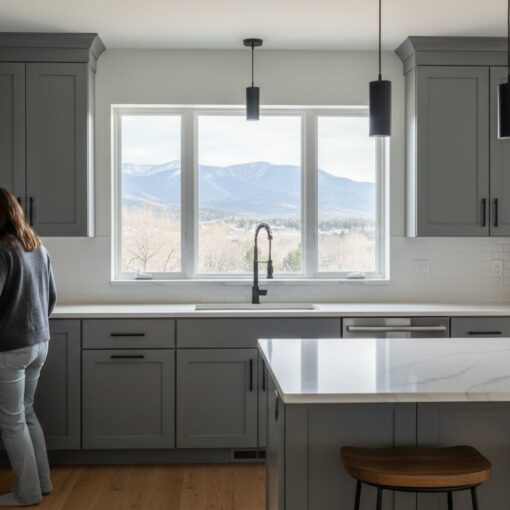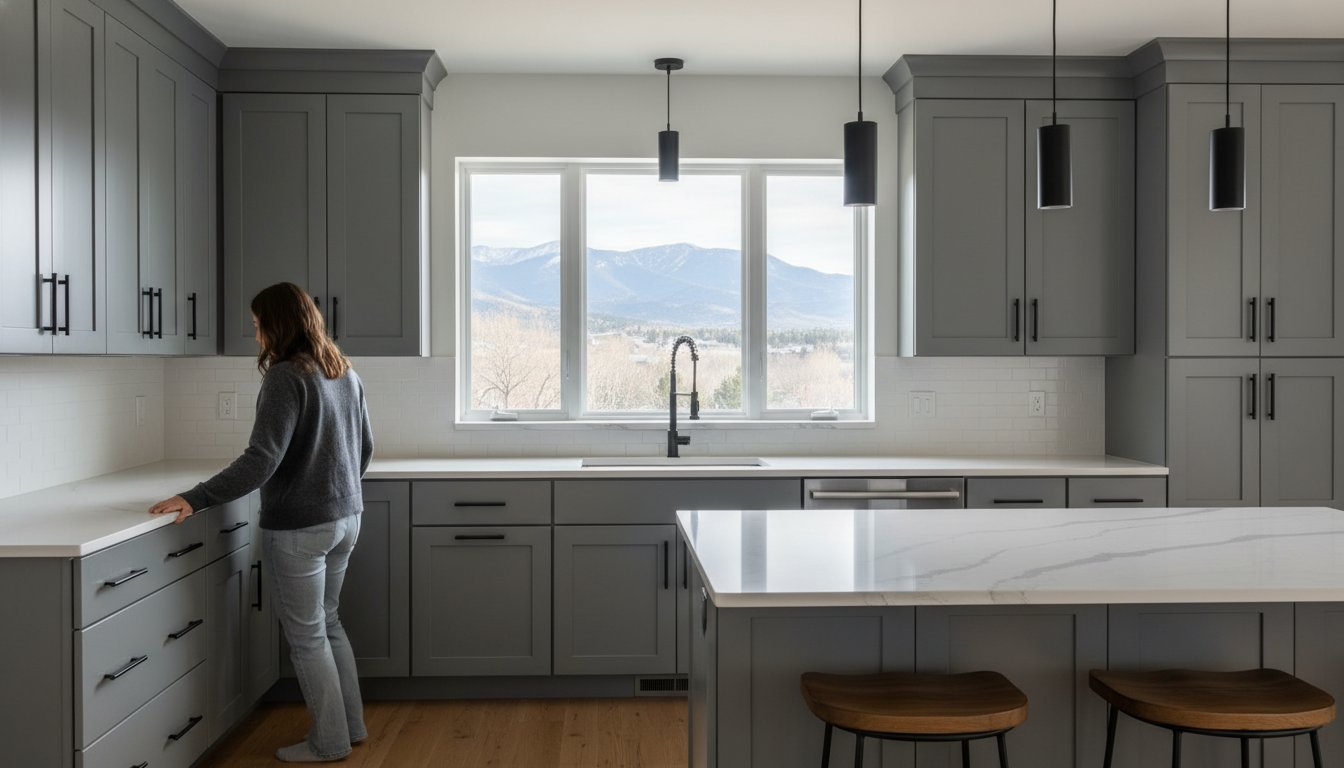

The most expensive component of a high-end kitchen remodel is likely already installed in your home, currently hidden beneath a dated orange oak finish. Many homeowners assume that builder-grade materials are synonymous with low quality, but these cabinets are typically structurally sound shells that simply lack a professional aesthetic. If you feel overwhelmed by the cost of a full kitchen replacement, you’re facing a common industry dilemma. Seeking an expert opinion on painting builder grade cabinets is the most efficient way to determine if your existing layout can support a modern transformation.
Cabinet Painting Service Areas in Denver & Surrounding Cities, Cabinet Refinishing in Denver County, Boulder CO,
Arvada, CO, Wheat Ridge, CO,
and Castle Pines CO. Englewood CO. Castle Rock CO, Centennial CO.
Cabinet Painting in Arapahoe County, CO
Including Centennial, CO, Greenwood Village, CO,
Cherry Hills Village, CO,
and Aurora, CO.
It’s natural to worry that a new finish might look like a cheap DIY project or fail to stand up to daily use. You deserve a kitchen that looks custom without the six-week construction timeline. This article explains how professional spraying achieves a factory-smooth finish that lasts 10 years or more. We will cover the technical steps required to hide heavy oak grain, the transition toward earthy 2026 color palettes, and how this investment increases home value in the Denver market.
Key Takeaways
- Identify why the structural integrity of your existing cabinet boxes makes them the perfect foundation for a high-end aesthetic upgrade.
- Understand the technical superiority of professional spraying over DIY methods to ensure a factory-quality finish that lasts 10 years or more.
- Learn the specific preparation protocols, such as grain filling and specialized priming, required to transform textured oak or porous MDF into a smooth surface.
- Leverage an expert opinion on painting builder grade cabinets to navigate the cost-benefit analysis of refinishing versus a full kitchen remodel.
- Explore 2026 design trends, including earthy palettes and hardware selections, that elevate standard cabinetry into custom-looking features.
The Expert Verdict: Is Painting Builder Grade Cabinets Worth It?
Builder-grade cabinets are the standard, mass-produced storage units installed by developers during initial construction. While they are often dismissed as low-quality due to their repetitive "honey oak" or basic white finishes, they usually consist of structurally sound boxes designed to last decades. The primary differentiator between builder-grade and custom cabinetry is the finish and door style, not necessarily the structural integrity of the box itself. Obtaining an expert opinion on painting builder grade cabinets is the first step in determining if your kitchen is a candidate for a high-end transformation or if it requires a total gut renovation.
For homeowners who decide that a full-scale redesign is the better path, Affordable Cabinets of Cape Cod serves as an excellent resource for comprehensive remodeling services that transform outdated spaces into modern, functional kitchens.
To decide if your cabinets are worth the investment, professionals use the "Box Test." If the cabinet boxes are level, securely fastened to the wall, and free from water damage or significant warping, they are prime candidates for refinishing. In many cases, the original installation quality of these units exceeds that of modern, flat-pack replacements found at big-box retailers. If the boxes are sturdy, there is no functional reason to tear them out.
Structural Integrity vs. Aesthetic Appeal
Assessing the "bones" of your kitchen requires looking past the dated orange hue. Many builder-grade cabinets from the 1990s and early 2000s were constructed using solid oak frames and plywood sides. These common cabinet materials are often more durable than the thin particle board used in modern budget-friendly replacements. There is a persistent myth that "expensive" automatically means "better built." However, a professionally painted builder-grade cabinet often outperforms a brand-new, mid-range replacement in both durability and visual appeal. By focusing on the structural foundation rather than the surface color, you can unlock a custom look for a fraction of the cost.
The Financial Logic of Refinishing
The financial argument for painting is compelling when compared to a full kitchen gutting. Research indicates that painting existing cabinets is typically 50-70% less expensive than a full replacement. In the Denver market, where home values remain high, an updated kitchen aesthetic significantly impacts appraisals. Professional refinishing allows you to reallocate your renovation budget toward high-impact upgrades such as stone countertops or modern lighting. While some homeowners may choose to explore General Contracting and Remodeling Services for a total overhaul, refinishing is far less invasive than a full remodel and allows you to avoid the logistical nightmare of a six-week construction zone. For Denver homeowners, this approach provides a modernized kitchen that aligns with 2026 trends while maintaining a realistic investment profile.
Why Professional Spraying Beats DIY for Lower-Grade Wood
Achieving a high-end look on basic cabinetry requires more than just a change in color. It requires a specific application method that eliminates the visual markers of a typical home renovation. An expert opinion on painting builder grade cabinets confirms that the "factory finish" standard is only possible through professional spraying. Brushes and rollers, regardless of the quality, can’t replicate the level of smoothness required to make basic wood look like custom cabinetry.
The Texture Problem: Brushes vs. Sprayers
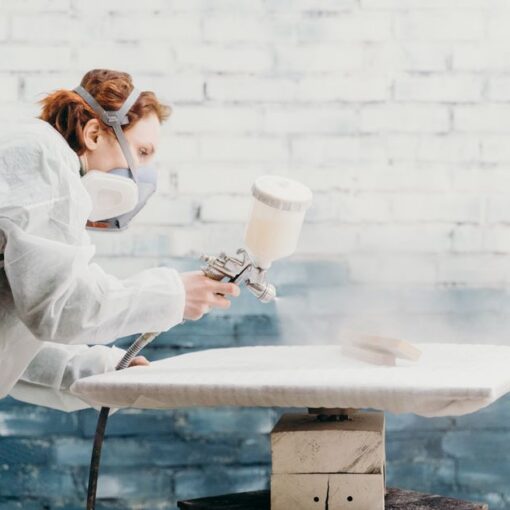
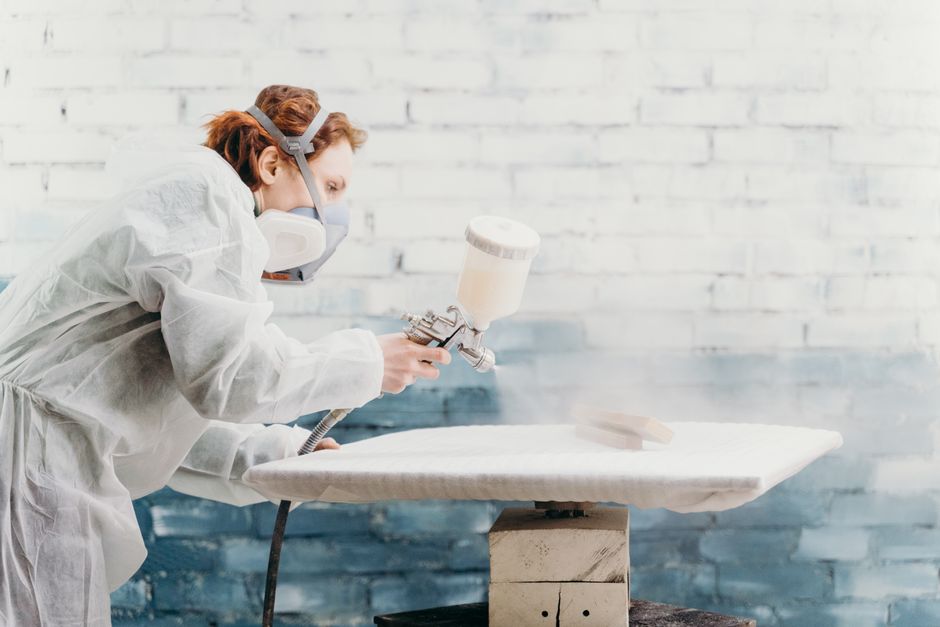
Brushes and rollers leave behind physical textures known as stipple or "orange peel." On builder-grade surfaces like flat-panel MDF or oak, these marks catch the light and immediately signal a DIY project. Professional High-Volume Low-Pressure (HVLP) spraying applies the coating in a fine mist that levels out before it dries. This process creates a mirror-smooth surface that’s impossible to achieve by hand. By removing doors and drawers for off-site spraying in a controlled booth, professionals also ensure that household dust and pet hair don’t settle into the wet finish. This environment is essential for maintaining the purity of the coating as it cures, preventing the microscopic imperfections that compromise a surface’s longevity.
Coating Chemistry: Industrial vs. Retail Paint
The durability of a kitchen transformation depends heavily on the chemical composition of the finish. Retail "cabinet paints" found at home improvement stores are typically modified acrylics. These products stay soft for long periods and lack the hardness needed for high-touch areas. The science of wood coatings demonstrates that industrial-grade 2K polyurethanes and acid-cured finishes provide superior adhesion and film strength. These coatings use a chemical hardener to create a cross-linked barrier that resists kitchen grease, moisture, and daily impacts. While retail paints might look acceptable for a few months, they often fail under the thermal and mechanical stresses of a working kitchen. Industrial finishes also offer better resistance to "blocking," which prevents doors from sticking to the frames in humid conditions. If you want a result that lasts, investing in professional cabinet painting ensures your kitchen uses these industrial-strength materials.
Solving the "Honey Oak" and MDF Texture Challenge
Honey oak cabinets are structurally resilient but visually dated. The deep, open grain of oak presents a significant challenge for homeowners seeking a contemporary aesthetic. An expert opinion on painting builder grade cabinets emphasizes that a simple coat of paint is insufficient for these surfaces. Without proper grain filling, the wood texture remains visible beneath the paint, resulting in an unfinished look. Achieving a smooth, modern surface requires a combination of high-solids primers and mechanical leveling that goes beyond standard DIY capabilities.
Grain Filling: The Secret to High-End Results
To transform textured oak into a smooth surface, professionals use specialized grain fillers. These products are designed to bridge the deep pores of the wood. The process involves applying the filler, allowing it to cure, and then sanding the surface perfectly flat. This cycle may be repeated multiple times depending on the depth of the grain. Professionals handle the labor-intensive sanding required to ensure the filler stays only in the pores and doesn’t create an uneven surface. This step is essential for converting dated cathedral-style oak doors into something that looks like modern, high-end millwork. Without this leveling, the "orange peel" effect of the wood grain will telegraph through even the most expensive industrial coatings.
Priming is the next critical phase in the grain-hiding process. Oak is notorious for tannins, which are natural chemicals that bleed through water-based paints, causing yellow or brown stains. Pros use shellac-based or high-quality oil-based primers to create a chemical barrier. These primers block tannins and provide a stable foundation for the topcoat. This technical approach prevents the discoloration that often ruins DIY kitchen projects within the first year.
Prepping Non-Wood Substrates
Many builder-grade kitchens utilize Medium-Density Fiberboard (MDF) or thermofoil. While these materials are often considered difficult to paint, a professional approach ensures a permanent bond. Thermofoil is a plastic laminate applied over an MDF core. If the thermofoil is peeling, it must be removed or repaired before any coating is applied. For intact thermofoil, professionals use ultra-high-adhesion bonding primers. These primers are chemically formulated to "bite" into non-porous surfaces, ensuring the paint doesn’t chip or flake off over time.
MDF edges also require specific attention. Because MDF is highly porous, the machined edges soak up paint faster than the flat surfaces. Professionals seal these edges with specialized products to prevent the fibers from swelling or creating a fuzzy texture. This level of preparation ensures that regardless of the original material, the final finish is uniform, durable, and indistinguishable from custom-made cabinetry. By addressing these substrate-specific challenges, you ensure the longevity of your kitchen’s new aesthetic.

Design Strategies to Elevate Basic Cabinetry
Painting alone changes the color, but design strategy changes the category of your kitchen. Any expert opinion on painting builder grade cabinets will highlight that the most successful transformations combine industrial-grade coatings with strategic aesthetic upgrades. By integrating architectural details like crown molding or light valances, you break the repetitive look of standard box layouts. These additions bridge the gap between the ceiling and the top of the cabinets, creating a built-in appearance that mimics high-end custom millwork. These small structural additions are inexpensive but fundamentally alter the silhouette of a basic kitchen.
Color and Sheen Selection
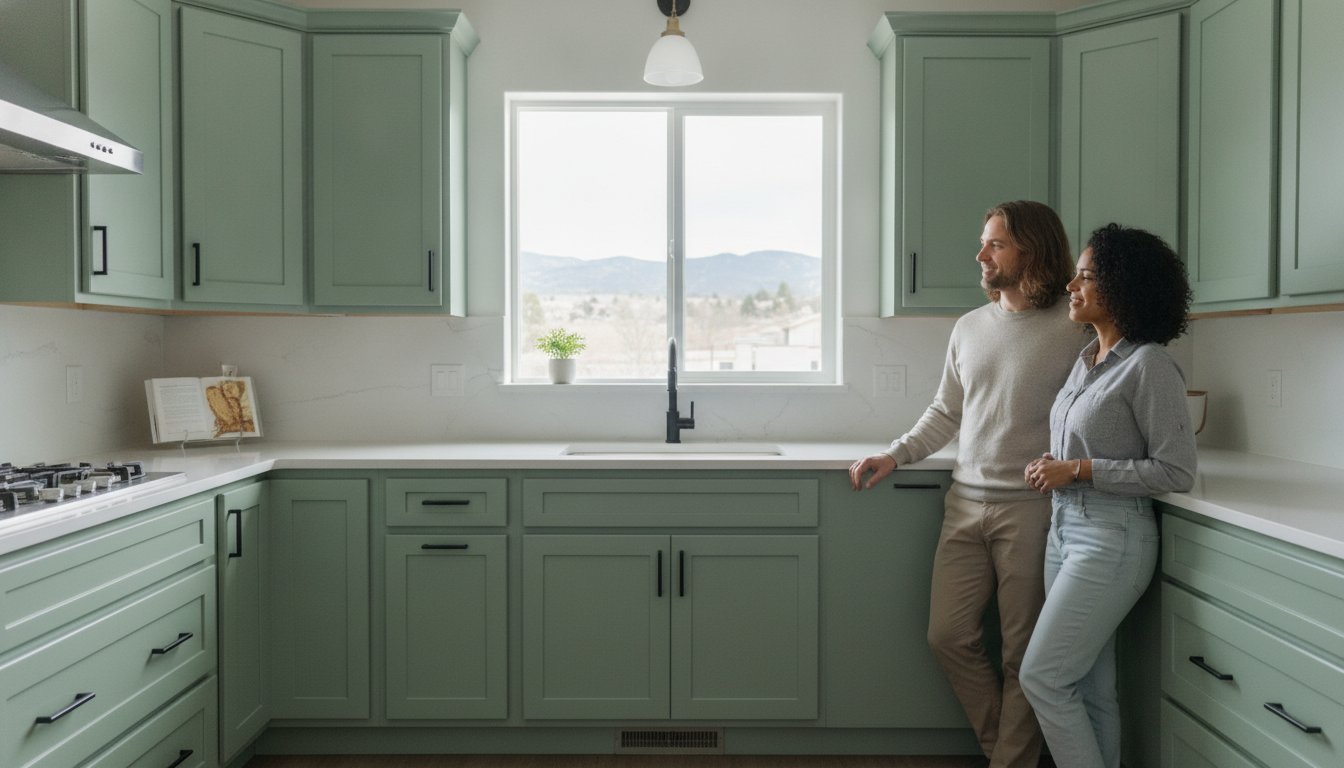
The 2026 design forecast indicates a shift toward nature-inspired neutrals, which are particularly popular in Denver mountain-modern homes. Palettes including sage green, mushroom, and warm creams help mask the dated profiles of older cabinets while reflecting a contemporary aesthetic. For smaller kitchens, a two-tone approach is highly effective. Using dark espresso or jade green on the lower units while keeping the upper cabinets in a warm white or cream expands the visual space. This technique also allows you to define a kitchen island as a distinct focal point. By painting the island in a contrasting earthy tone, you create the illusion of a standalone furniture piece. Regarding sheen, satin and semi-gloss remain the professional standard. These finishes provide the necessary durability for high-traffic areas while offering a subtle glow that highlights the factory-smooth surface.
Hardware and Accessory Upgrades
Hardware acts as the jewelry of the kitchen. Replacing basic, dated pulls with modern, oversized handles or minimalist knobs in brushed brass or matte black immediately elevates the finished product. When gathering an expert opinion on painting builder grade cabinets, professionals often suggest upgrading to soft-close hinges during re-installation. This functional improvement removes the clatter associated with builder-grade materials and provides a premium feel every time a door is closed. Finally, under-cabinet LED lighting can be installed to highlight the new finish and improve task lighting. These combined strategies ensure the final result looks like a planned custom renovation rather than a simple color change. If you are ready to modernize your space, consider the impact of professional kitchen cabinet painting paired with these high-end hardware selections.
Professional Cabinet Painting in Denver: The Local Advantage
Denver’s semi-arid climate presents unique challenges for cabinetry. The low humidity levels can lead to rapid drying, which, if not managed correctly, results in brittle finishes or poor leveling. An expert opinion on painting builder grade cabinets in the Mountain West emphasizes the need for climate-controlled curing environments. Industrial-grade coatings must be applied with precision to account for the natural expansion and contraction of wood in this environment. By choosing a local specialist, you ensure that the materials and application methods are specifically calibrated for Colorado’s atmospheric conditions. This local expertise prevents common issues like finish cracking or peeling that often plague generic DIY projects in high-altitude regions.
The Local Denver Refinishing Process
Our workflow is designed to provide a factory-quality finish with minimal disruption to your household. We utilize a hybrid approach that separates the labor-intensive spraying from your living space. All removable components, including doors and drawer fronts, are transported to our off-site facility. Here, they undergo a rigorous cleaning, sanding, and grain-filling process before being sprayed in a professional booth. This ensures a dust-free environment and a perfectly smooth surface that matches the standards of custom millwork.
Simultaneously, our team handles the on-site painting of the cabinet frames. We implement high-level masking and ventilation protocols to protect your home and maintain air quality. This dual-track process significantly reduces the time your kitchen remains out of commission compared to a full replacement. While a standard 2026 kitchen remodel in Denver can involve lead times of several months for new materials, our refinishing process is typically completed in a fraction of that time. For a deeper look at the technical requirements of this process, see our Kitchen Cabinet Painting: The Ultimate Guide for Homeowners.
Your Kitchen Transformation Starts Here
The transition from basic builder-grade units to custom-looking features begins with a professional assessment. During a consultation, we evaluate the structural integrity of your boxes and identify the specific preparation needs of your substrates. This transparent approach provides you with a clear project scope and a realistic timeline. Homeowners consistently choose our team for cabinet painting in Denver because we prioritize procedural clarity and functional results. We focus on delivering a durable product that stands up to the rigors of a busy kitchen while providing an immediate aesthetic upgrade.
An expert opinion on painting builder grade cabinets confirms that you don’t need to commit to a full-scale construction zone to achieve a modern aesthetic. We provide the factory-smooth finish of new cabinetry at a significantly lower cost than replacement. This allows you to modernize your home and increase its market value without the logistical burden of a six-week renovation. Contact us to schedule your consultation and discover the most efficient way to transform your kitchen into a high-end space.
Transform Your Kitchen Without the Renovation Chaos
Builder-grade cabinets represent a solid foundation rather than a limitation. By leveraging the structural strength of your existing boxes, you can bypass the significant expense and construction delays associated with a full replacement. The key to a successful transformation lies in the technical transition from basic wood to a factory-quality spray finish. This process requires industrial-strength coatings and a controlled environment that standard DIY methods cannot replicate. Professional application ensures that your "basic" cabinetry functions as a high-end custom feature.
Any expert opinion on painting builder grade cabinets emphasizes that professional refinishing is the most strategic investment for achieving a modern aesthetic. Our local Denver experts utilize professional off-site spray booths to address the unique challenges of honey oak and MDF substrates. This specialized approach ensures your kitchen receives a durable, smooth finish that stands up to daily use while increasing your home’s overall value. You don’t have to settle for a dated look when a factory-smooth update is within reach.
Ready to modernize your home? Get Your Free Cabinet Painting Quote in Denver to begin your kitchen’s transformation. You can achieve a high-end, custom look without the logistical burden of a six-week renovation.
Frequently Asked Questions
Is it better to paint or replace builder grade cabinets?
Painting is the superior option if your cabinet boxes are structurally sound. It typically costs 50% to 70% less than a full replacement. Since builder-grade units often feature solid wood frames or plywood sides, they provide a durable foundation for a modern finish. Choosing to refinish allows you to upgrade your kitchen’s aesthetic in roughly one week, avoiding the months of construction required for a total gut renovation.
Will paint stick to my cheap laminate or thermofoil cabinets?
Professional-grade bonding primers allow paint to adhere permanently to non-porous surfaces like thermofoil or laminate. If the substrate is intact and not peeling, we use specialized primers that chemically bond with the plastic surface. This creates a stable foundation for the industrial topcoat. If the thermofoil is already delaminating, it must be repaired or removed before the painting process begins to ensure a smooth, lasting result.
How long does professional cabinet painting last on builder grade wood?
A professional finish typically lasts between 8 and 12 years with standard household use. This longevity is the result of industrial-grade 2K polyurethanes that create a hard, moisture-resistant barrier. Unlike retail paints, these coatings don’t soften or become sticky over time. Seeking an expert opinion on painting builder grade cabinets ensures you receive a factory-quality finish that withstands the thermal and mechanical stresses of a busy kitchen environment.
Can you hide the wood grain on honey oak cabinets?
Yes, we use high-solids grain fillers and mechanical sanding to level out the deep, open pores of honey oak. This labor-intensive process transforms the dated, textured look into a smooth surface that mimics custom millwork. After filling the grain, we apply stain-blocking primers to prevent tannins from bleeding through the paint. This technical approach is essential for achieving the flat, contemporary look found in high-end modern kitchens.
How much does it cost to professionally paint builder grade cabinets in Denver?
Total project costs depend on the number of door and drawer fronts, the kitchen’s layout, and the amount of grain filling required. While national averages for professional painting range from $2,000 to $6,500, Denver homeowners should consider local material and labor standards. Because every kitchen has unique substrate challenges, we provide detailed estimates after an initial consultation. This investment remains the most cost-effective way to modernize a Denver home without a full remodel.
How long will my kitchen be out of commission during the painting process?
Most projects are completed within 7 to 10 business days. We remove your doors and drawers for off-site spraying, which allows you to maintain access to your kitchen for light use during the week. The on-site frame painting usually takes 2 to 3 days. This timeline is significantly faster than the months-long lead times currently associated with full kitchen renovations and new cabinet installations in the Denver area.
Do I need to empty my cabinets before the painters arrive?
You generally only need to clear your countertops and remove the contents of your drawers. Since we focus on the exterior surfaces and the front edges of the frames, the items inside your cabinet boxes can typically remain in place. We use high-level masking to protect your belongings from any overspray. If you have chosen to have the cabinet interiors painted, all items must be removed before our team arrives on-site.
Will the paint smell or be toxic for my family?
We minimize odors by performing the majority of the spraying at our off-site facility. For the on-site frame painting, we utilize advanced ventilation systems and masking to contain any fumes. Many of the industrial coatings we use are formulated to be low-VOC, which reduces the environmental impact. We recommend that children and pets stay out of the immediate work area while the frames are being coated and during the initial curing phase.