Replacing your kitchen cabinets in 2026 is no longer a simple home update; it’s a major capital expenditure that can easily exceed $35,000 due to recent tariffs and rising material costs. You likely want a modern aesthetic without the massive price tag, yet you might fear that a painted finish will chip or peel within just a few years. It’s a valid concern, especially since Denver’s low humidity and intense UV rays can degrade inferior finishes quickly. Understanding how to maintain painted cabinets is essential for any homeowner who wants to protect their investment and maintain high resale appeal in a competitive real estate market.
Professional Kitchen Cabinet Painting offers a strategic alternative that provides a factory-grade finish and a significantly higher return on investment than a full remodel. You can achieve a durable, nature-inspired look that remains stylish well into the next decade while adhering to the latest Colorado air quality regulations. This guide provides a clear analysis of the long-term value of professional coatings compared to refacing. You will discover how the right materials and application techniques ensure your cabinets remain a centerpiece of your home for eight to twelve years.
Key Takeaways
- Understand how professional Kitchen Cabinet Painting acts as a structural preservation tool that offers higher financial returns than full replacement or refacing.
- Learn why industrial-grade coatings and adhesion promoters provide a factory-grade finish that resists chipping for over a decade.
- Discover how to protect your wood surfaces from Denver’s semi-arid climate and low humidity levels to prevent cracking and dry-rot.
- Access a definitive guide on how to maintain painted cabinets by managing cure times and using appropriate cleaning techniques to preserve resale value.
- Analyze current 2026 Denver real estate trends to see why updated kitchen aesthetics are a requirement for high-value home sales.
Understanding the Long-Term Value of Professional Cabinet Painting
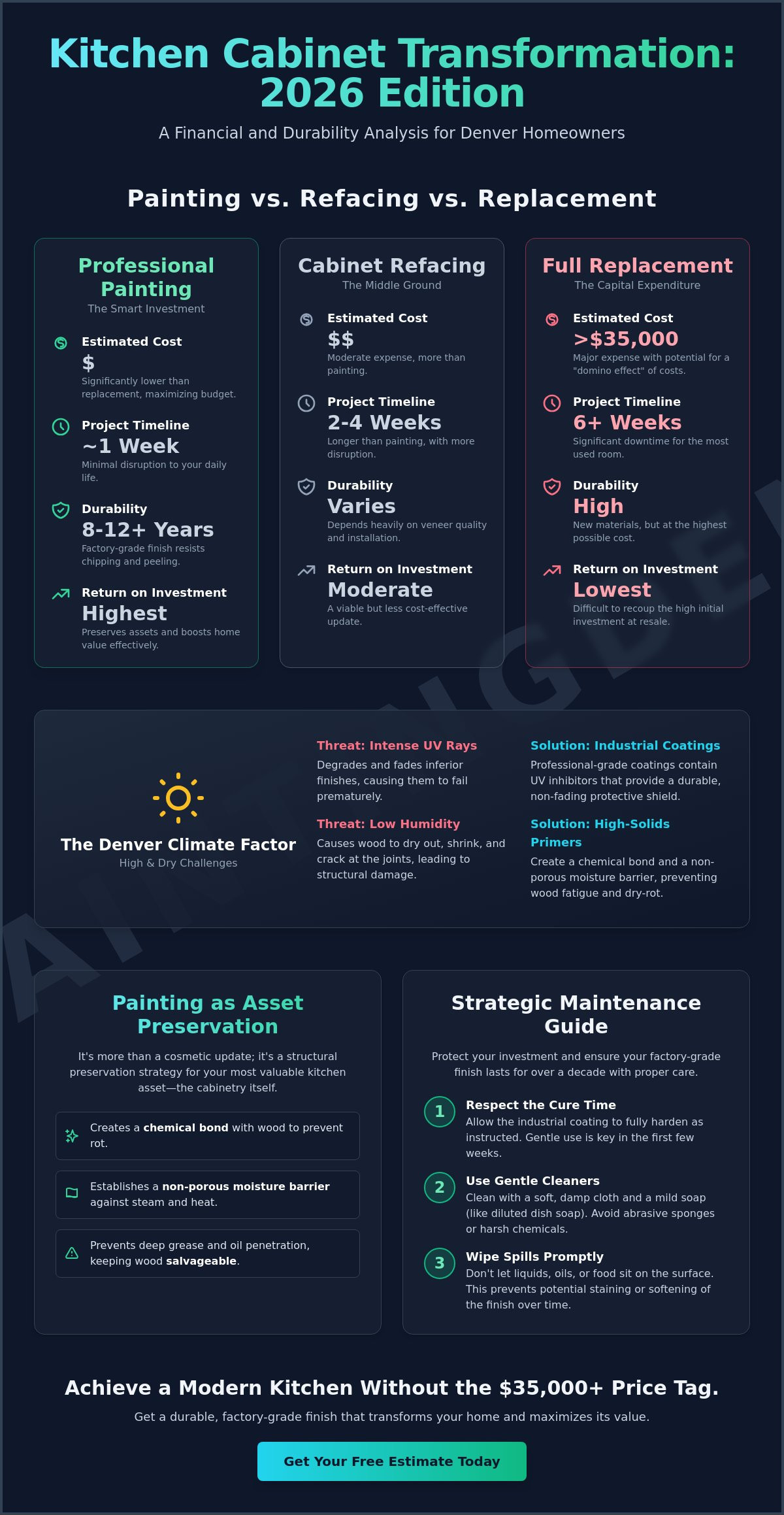
Long-term value in home improvement combines asset preservation, functional durability, and market appeal. While many homeowners view Kitchen Cabinet Painting as a simple color change, it functions as a structural preservation strategy. Professional coatings serve as a shield for the underlying wood. They prevent grease, moisture, and UV rays from compromising the material’s integrity. Neglecting these surfaces leads to wood fatigue and deep-seated oil penetration that eventually makes the wood unsalvageable. Unlike a DIY project that often results in a “cosmetic fix” prone to failure within 24 months, professional industrial spraying creates a factory-grade finish. This distinction is critical in high-value markets like Denver, where equity preservation depends on the quality and longevity of interior finishes.
Asset Preservation vs. Cosmetic Updates
Standard retail paints lack the chemical complexity required for high-traffic kitchen environments. Professional-grade primers are engineered to create a chemical bond with the wood, which prevents rot and delamination. High-solids coatings establish a non-porous moisture barrier that resists the steam and heat common in active kitchens. Professional Kitchen Cabinet Painting serves as a permanent protective seal for expensive wood assets. Understanding Cabinetry construction helps homeowners realize that the substrate is the most expensive component of the kitchen; protecting it is a financial necessity. Without this barrier, the constant expansion and contraction of wood in Colorado’s climate will eventually cause structural cracks at the joints.
The Aesthetic Lifecycle of a Kitchen
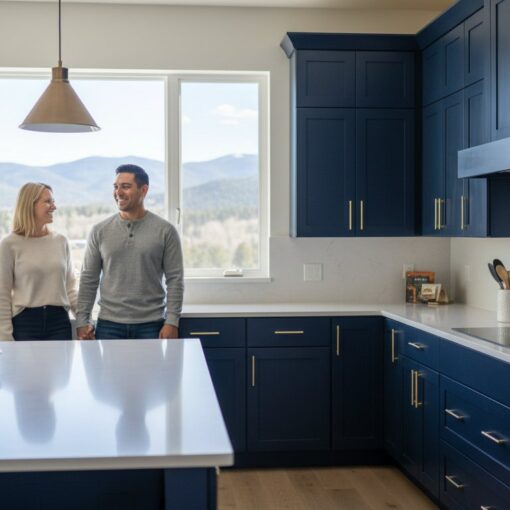
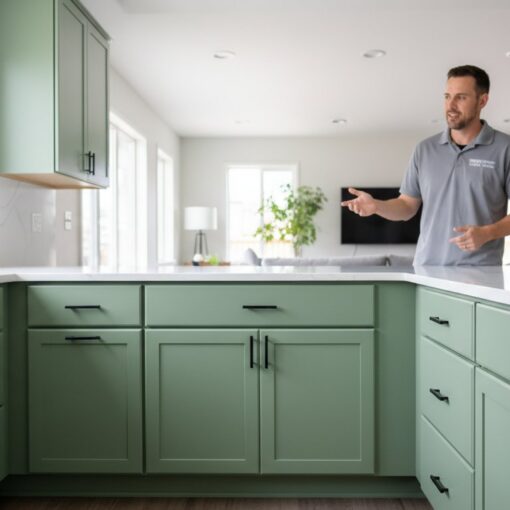
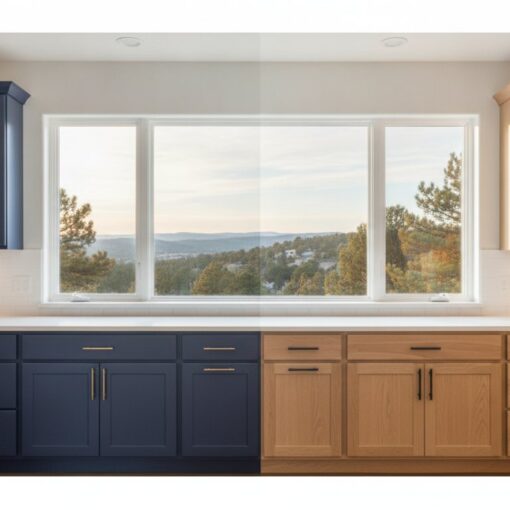
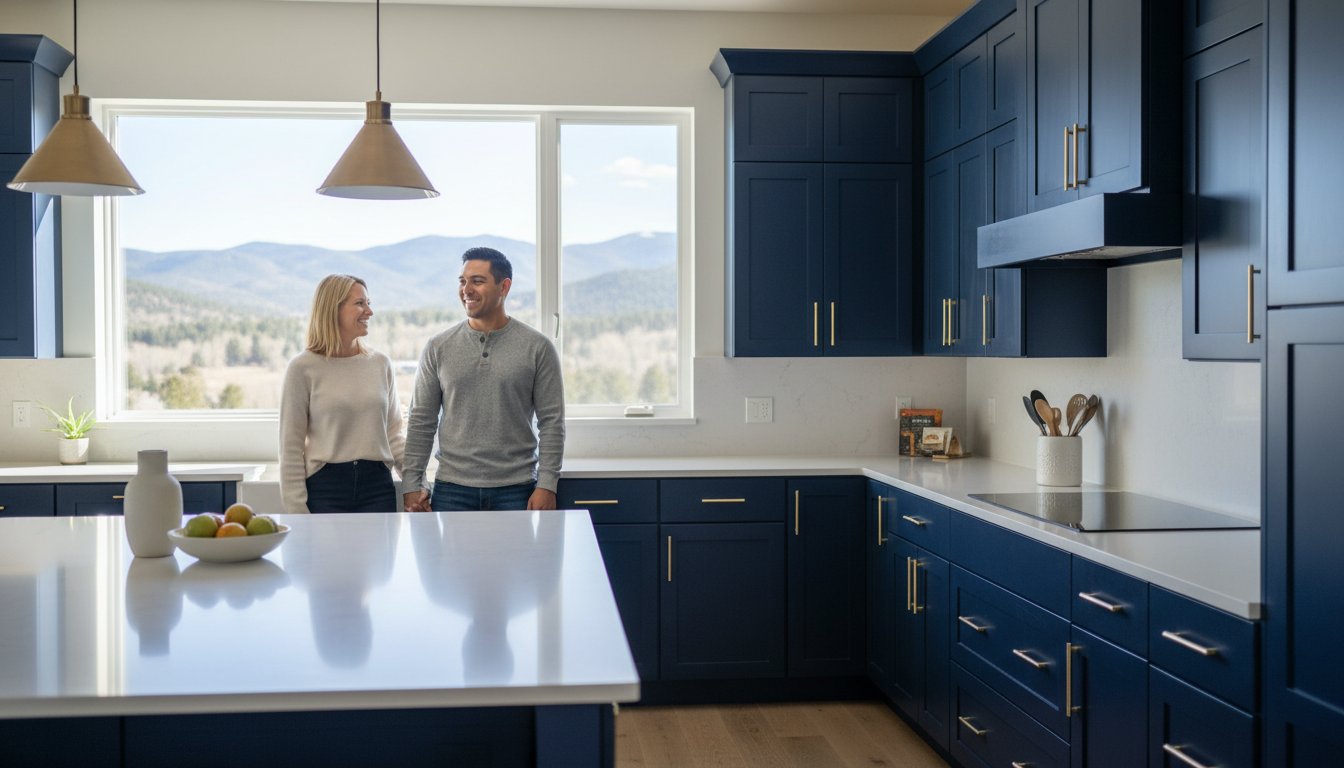
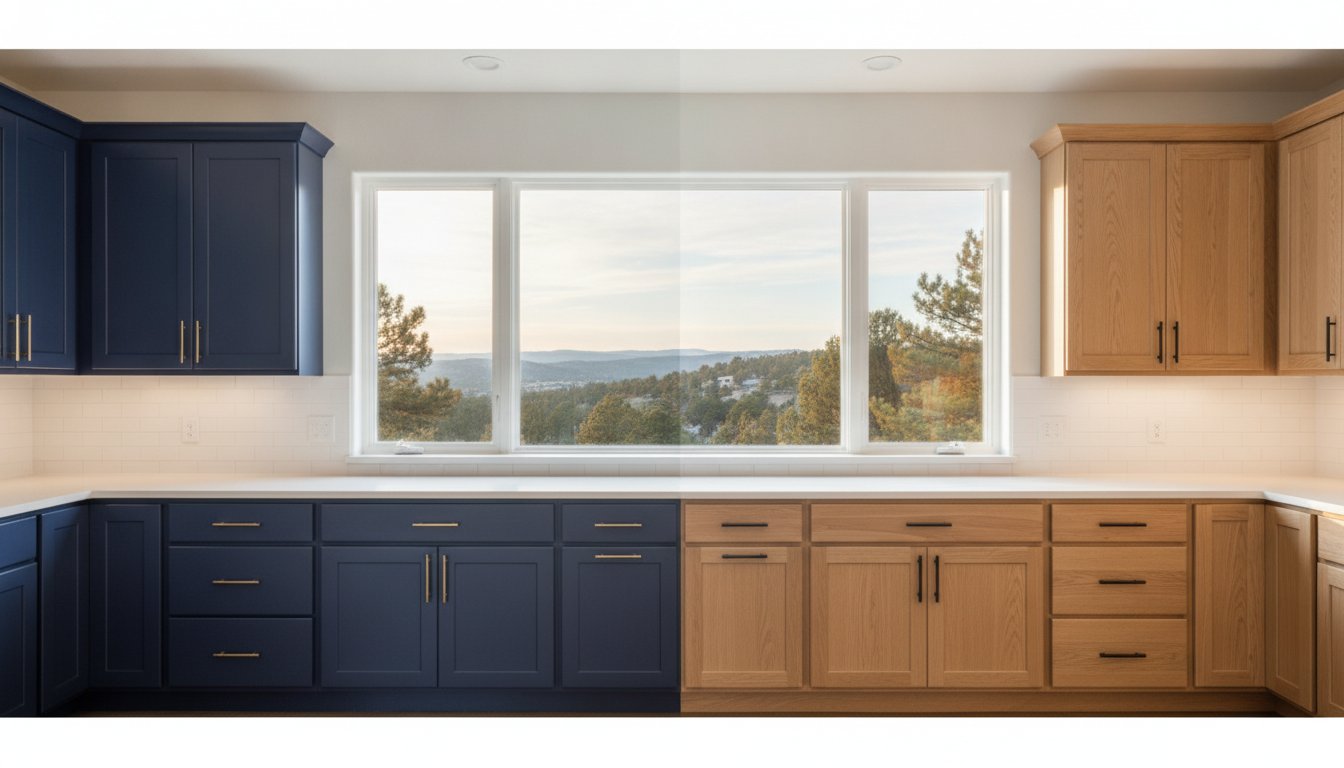
Market-correct finishes do more than follow trends; they ensure your home remains competitive for a decade or longer. Neutral, professional finishes currently favor warmer tones and nature-inspired hues that have broad appeal. A “turnkey” kitchen significantly influences buyer psychology, as it removes the immediate need for a $35,000 renovation. By opting for Bathroom Cabinet Painting or Kitchen Cabinet Painting, you eliminate the dated appearance of 1990s oak or honey maple. This update transforms a liability into a high-value asset. It ensures the home doesn’t look neglected, which is a primary concern for modern buyers who prioritize move-in-ready properties.
Maintaining this value requires a specific approach. Homeowners often ask how to maintain painted cabinets to ensure the finish doesn’t degrade over time. Consistent care prevents the accumulation of oils that can eventually soften even the most durable industrial coatings. Learning how to maintain painted cabinets is the final step in securing the ROI of your professional service. Proper maintenance ensures that the protective seal remains intact, allowing the cabinets to withstand daily use for eight to twelve years.
Financial ROI: Comparing Painting, Refacing, and Full Replacement
Home renovation decisions in 2026 are heavily influenced by rising material costs and supply chain fluctuations. Choosing Kitchen Cabinet Painting over replacement offers immediate “hidden savings” that many homeowners overlook. A full replacement requires structural changes, professional demolition, and often complex building permits. In contrast, painting utilizes the existing structurally sound frames. This approach eliminates the need for permit fees and the disposal costs associated with removing old cabinetry. By focusing on the surface finish, you maximize your budget without the logistical burden of a construction site.
The opportunity cost of a remodel is another critical factor for Denver homeowners. A full kitchen gut and replacement typically spans six weeks or longer, rendering the most important room in the home unusable. Professional Kitchen Cabinet Painting or Bathroom Cabinet Painting is usually completed within one week. For residents in high-demand markets, this rapid turnaround means less disruption and a faster path to listing a property. Investors and homeowners alike find that the speed of execution, combined with a high-performance finish, makes painting the most efficient use of a home improvement budget.
The Real Cost of Full Cabinet Replacement
Replacing cabinet boxes often triggers a “domino effect” of additional expenses. New cabinetry footprints rarely match the old ones perfectly. This discrepancy often forces homeowners to replace flooring, countertops, and backsplashes to hide gaps. Beyond the financial strain, the environmental impact is significant. Sending functional, solid wood frames to a landfill is wasteful when professional finishes last for over a decade with proper care. If your current layout works, replacement is often an unnecessary expenditure for assets that only need a surface update.
ROI Breakdown by Renovation Type
Market data for 2026 indicates that kitchen updates remain the primary driver for home value in Colorado. While a major mid-range kitchen remodel involving full replacement typically sees an ROI of about 50%, cabinet refacing can recoup 70-80% of its cost. However, the cabinet painting cost is significantly lower than both options, often providing the highest percentage of equity gain relative to the initial spend. This is especially true given the 25% tariff on imported cabinets that has inflated the price of new stock cabinetry. To protect this equity, homeowners must understand how to maintain painted cabinets to ensure the finish remains “market-ready” for years. If you want to see how these savings apply to your specific layout, you can request a professional assessment for your project.
The payback period for a professional paint job is nearly instantaneous. In a rental scenario, an updated kitchen allows for higher monthly rates and attracts long-term tenants. For those selling a home, a modern, nature-inspired kitchen color can be the difference between a quick sale and a stagnant listing. Learning how to maintain painted cabinets through simple, non-abrasive cleaning ensures that the high-performance coating retains its luster and durability, securing your financial return for the long haul.
Similar attention to detail in other high-utility areas, like the garage, can further differentiate a property in a competitive market; for example, The Garage RX offers strategies for integrating motorized overhead storage to create a premium, organized feel.
Durability Myths: Why Professional Finishes Last 10+ Years
A common objection to Kitchen Cabinet Painting is the fear that the finish will chip or peel within a few years. This concern usually stems from observing DIY projects that utilized improper materials or skipped essential preparation steps. When a finish fails, it’s almost always due to a lack of adhesion rather than the paint itself. Professional finishes are engineered systems designed to last a decade or more by creating a molecular bond with the wood substrate. This durability relies on industrial-grade adhesion promoters and application techniques that standard consumer-grade products cannot replicate.
The difference between a “cosmetic update” and a “factory-grade finish” often comes down to the application method. Brush-on methods used in DIY projects leave microscopic ridges and textures that are prone to catching grease and dirt. Professionals utilize high-volume, low-pressure (HVLP) spraying to create a perfectly smooth, non-porous surface. This glass-like finish isn’t just for aesthetics; it’s a functional requirement for longevity. When you understand how to maintain painted cabinets, you’ll find that a sprayed surface is much easier to clean because it lacks the crevices where contaminants typically accumulate.
The Professional Preparation Standard
Longevity is built during the preparation phase, which accounts for nearly 80% of the total labor in a professional project. Mechanical sanding and chemical degreasing are non-negotiable steps to ensure the new coating doesn’t fail. Professionals use specialized cleaners to strip away cooking oils and waxes that accumulate over years of use. Specialized primers then act as a chemical bridge, blocking tannins and oils from bleeding through the final color. Professional preparation ensures a factory-grade bond by creating a perfectly clean and profiled surface for the primer to grip. This rigorous process is why Bathroom Cabinet Painting can withstand high-moisture environments without delaminating.
Industrial Coatings vs. Consumer Paint
Standard house paint is designed for walls and lacks the “hardness” required for high-traffic cabinetry. Professionals use water-borne alkyds or urethane enamels that offer superior resistance to impact and abrasion. Hardness ratings are critical for areas like drawer pulls and door edges where physical contact is constant. It’s important to recognize that the best paint for cabinets is specifically formulated to remain flexible enough to accommodate wood movement while maintaining a rigid outer shell. This flexibility prevents the finish from cracking as the wood expands and contracts with seasonal changes. Learning how to maintain painted cabinets properly involves using the right cleaners to protect this specialized industrial coating from premature wear.
By investing in professional Kitchen Cabinet Painting, you’re choosing a finish that behaves more like a baked-on factory coating than a layer of paint. These industrial coatings are tested for chemical resistance against common household items like vinegar, lemon juice, and oils. This chemical resilience, combined with professional application, ensures your cabinets remain a high-value asset for the long term.
The Denver Climate Factor: Protecting Your Wood Investment
Denver’s semi-arid climate presents unique challenges for wood preservation that many national home improvement guides ignore. The region’s low humidity levels cause natural wood to contract significantly, especially during winter months. When wood shrinks, it puts immense pressure on the surface finish. If the coating is a standard, rigid consumer paint, it will inevitably crack at the joints. These micro-fissures allow moisture and oils to penetrate the wood substrate, leading to “dry-rot” and structural degradation. Professional Kitchen Cabinet Painting or Bookshelves cabinet painting serves as a necessary environmental sealant, protecting your home’s assets from Colorado’s harsh atmospheric conditions.
Humidity and Wood Movement in the Front Range
Wood is hygroscopic, meaning it “breathes” by absorbing and releasing moisture from the air. In the Front Range, the dramatic shifts between humid summer days and bone-dry winter nights cause constant movement in cabinet doors and frames. Rigid paints fail because they cannot stretch with the wood. Professional cabinet refinishing is superior to DIY methods in these low-humidity zones because it utilizes flexible, high-performance coatings. These industrial-grade materials are engineered to expand and contract without losing their bond. If you want to know how to maintain painted cabinets in this climate, the first step is ensuring the original finish is capable of handling these seasonal shifts without cracking.
UV Protection and Color Longevity
The high altitude in Denver means your kitchen is exposed to more intense UV radiation than homes at sea level. These rays are powerful enough to break down the chemical bonds in standard house paints, causing them to fade or “chalk” over time. UV exposure also causes old wood stains to yellow, which can bleed through inferior paint jobs. Professional cabinet painters in Denver utilize specialized UV-resistant topcoats that act as a sunscreen for your cabinetry. A sprayed application ensures a consistent, thick barrier that hand-brushing simply cannot achieve.
Protecting your investment requires more than just a high-quality finish; it requires ongoing care. Part of knowing how to maintain painted cabinets involves using cleaning agents that don’t strip away these protective UV layers. A gentle maintenance routine ensures the industrial seal remains intact for years. To ensure your kitchen is protected against the local environment, you can request a climate-specific assessment for your cabinets today.
Strategic Maintenance: Preserving Your Cabinets’ Resale Value
Maintenance is the final component of the asset preservation strategy discussed in previous sections. While professional Kitchen Cabinet Painting provides a durable, industrial-grade shell, its long-term performance depends on proper handling during the initial weeks. Homeowners must understand that a surface can be dry to the touch while still undergoing chemical changes. Mastering how to maintain painted cabinets ensures the finish remains pristine for the duration of its eight to twelve-year lifespan. This proactive approach protects the resale value of the home and prevents premature wear in high-traffic zones. Cleanliness prevents finish degradation.
The 30-Day Cure Period Rules
The first month after a professional application is the most sensitive time for the new coating. During this period, the finish is “curing,” which is a chemical process where the coating reaches its maximum hardness and adhesion. Curing is a molecular hardening process that continues long after the surface feels dry to the eye. You should avoid heavy scrubbing or the use of harsh chemical cleaners during this window. If you must reinstall hardware, do so with care to avoid marring the surface. Metal hardware can create pressure marks if tightened too quickly against a finish that hasn’t reached full hardness. Wait the full 30 days before using any rubber bumpers or adhesive felt pads, as the solvents in the adhesives can react with the curing paint.
Annual Care and Cleaning Schedule
Routine cleaning is straightforward once the finish has fully cured. Use a soft microfiber cloth and a mixture of warm water and mild dish soap. You must absolutely avoid cleaners containing ammonia, bleach, or abrasive scouring pads. These materials can dull the sheen or micro-scratch the protective topcoat. Inspect the areas around the dishwasher and sink every six months. Steam and standing water are the primary enemies of any wood finish. If you notice a small chip, address it immediately to prevent moisture from getting under the coating. Proactive inspection is a core part of knowing how to maintain painted cabinets and ensures the underlying wood remains dry and stable.
One significant advantage of painting is the ease of maintenance over time. If a door is accidentally gouged, a professional touch-up can seamlessly blend with the existing finish. This is nearly impossible with old wood stains, which often require full stripping to match a single damaged area. By hiring a professional cabinet painter, you often gain access to a warranty that covers specific failure points. This professional support provides peace of mind that your investment is protected by experts who understand the nuances of the Colorado climate. Consistent care preserves your kitchen’s aesthetic and its financial value.
Securing the Long-Term Value of Your Kitchen
Professional Kitchen Cabinet Painting is a strategic decision that preserves your home equity while avoiding the excessive costs of a full remodel. You now understand that factory-grade HVLP spray finishes provide the necessary durability to withstand Denver’s unique climate and humidity shifts. By mastering how to maintain painted cabinets through proper cleaning and care, you ensure that your kitchen remains a high-value asset for ten years or more. A successful outcome relies on a comprehensive preparation and cleaning process that consumer-grade projects simply cannot match.
Our team brings over 10 years of specialized experience in Denver to every project, delivering a finish that looks and performs like new cabinetry. We prioritize procedural clarity and professional-grade materials to ensure your investment is protected. Get Your Free Professional Cabinet Painting Quote in Denver to begin your transformation with confidence. Your path to a modern, durable kitchen starts with a professional assessment.
Frequently Asked Questions
Does painting kitchen cabinets really increase home value in 2026?
Yes, professional Kitchen Cabinet Painting provides a high return on investment by updating the kitchen’s aesthetic without the cost of a full replacement. Modern buyers prioritize move-in-ready homes with nature-inspired colors rather than dated wood tones. This update bridges the gap between 1990s oak and current market trends, making a home more competitive in the Denver real estate market.
How long will a professional cabinet paint job actually last?
A professional finish typically lasts between 8 and 12 years when applied correctly. This longevity depends on using industrial-grade coatings and following specific curing protocols. Knowing how to maintain painted cabinets through regular, gentle cleaning prevents oil buildup that can eventually soften the finish. DIY alternatives rarely last beyond 24 months due to inferior adhesion and improper preparation.
Is it better to paint or replace cabinets for long-term ROI?
Painting offers a superior ROI of approximately 70-80% compared to the 50% average for full replacements. Replacement is often unnecessary if the cabinet boxes are structurally sound. By choosing Kitchen Cabinet Painting, you avoid the additional expenses of needing new flooring or countertops. This approach maximizes your budget while providing a factory-grade aesthetic that appeals to future buyers.
Will painted cabinets chip if I have children or pets?
Industrial-grade coatings are designed to resist impact and abrasion from high-traffic household use. Unlike standard wall paint, these finishes have high hardness ratings that withstand daily contact with fingers, toys, and pets. While no finish is indestructible, professional application ensures a chemical bond that prevents the widespread peeling common in consumer-grade projects. Routine care ensures the coating remains intact over time.
What is the most durable finish for kitchen cabinets in Denver?
High-performance waterborne lacquers or urethane enamels are the most durable options for the local climate. These coatings remain flexible enough to accommodate the wood movement caused by Denver’s low humidity levels. They also provide a UV barrier against high-altitude sun exposure. Learning how to maintain painted cabinets in this environment involves using gentle cleaners that don’t strip away these specialized protective layers.
Can I change the color of my cabinets again in 5 or 10 years?
Yes, painted cabinets can be professionally recoated if your aesthetic preferences change in the future. The existing industrial finish provides a stable base for future updates, provided the surface is properly cleaned and scuff-sanded. This flexibility makes Kitchen Cabinet Painting a more adaptable long-term solution than refacing, which is much more difficult and expensive to alter once the veneers are applied.
How do I know if my cabinets are in good enough condition to be painted?
Cabinets are suitable for painting if the wood frames are structurally sound and free from significant water damage. Small surface scratches or minor dents can be repaired during the professional preparation phase. If the cabinet boxes are sturdy and the layout meets your functional needs, they are ideal candidates for an update. A physical inspection is recommended to check for wood fatigue or deep oil penetration.
What is the difference between cabinet painting and cabinet refinishing?
Cabinet painting involves applying an opaque, solid-color industrial coating over the wood surface to completely change its appearance. Cabinet refinishing is a broader category that can include staining or clear-coating to show the natural wood grain. We focus on Kitchen Cabinet Painting and Bathroom Cabinet Painting to provide a factory-grade solid finish that modernizes the room’s color palette and hides dated wood patterns.