
A minor kitchen remodel currently yields a national average return on investment of 112.9 percent. This data proves that you don’t need a six figure demolition to add significant value to your home. Many homeowners feel trapped between an outdated aesthetic and the high cost of new cabinetry. The prospect of losing access to your home’s hub for weeks often leads to decision fatigue and unnecessary stress. Upgrading a kitchen without a full gut remodel is the most efficient path to a designer look.
Cabinet Painting Service Areas in Denver & Surrounding Cities, Cabinet Refinishing in Denver County, Boulder CO,
Arvada, CO, Wheat Ridge, CO,
and Castle Pines CO. Englewood CO. Castle Rock CO, Centennial CO.
Cabinet Painting in Arapahoe County, CO
Including Centennial, CO, Greenwood Village, CO,
Cherry Hills Village, CO,
and Aurora, CO.
You can achieve a high end transformation through strategic updates and professional Kitchen Cabinet Painting. This guide provides a clear roadmap for achieving a modern aesthetic while maintaining a functional household. We detail our specialized process for creating factory quality finishes that provide the visual impact of a full renovation at a fraction of the cost. You will discover how to coordinate new hardware and countertops with professional painting to maximize your ROI. This approach ensures a transparent, professional result without the typical burdens of a total kitchen overhaul.
Key Takeaways
- Distinguish between structural demolition and cosmetic updates to determine if your current layout supports a surface-level renovation.
- Identify the three visual anchors that provide the highest aesthetic impact when upgrading a kitchen without a full gut remodel.
- Compare the logistical advantages of professional Kitchen Cabinet Painting over the multi-week disruption of full cabinet replacement.
- Follow a structured phase-by-phase checklist to manage your project timeline and ensure a factory-quality finish on all surfaces.
- Understand the 2026 Denver market trends and the specific criteria required to vet a professional refinishing company.
What is a Cosmetic Kitchen Upgrade vs. a Full Gut Remodel?
A cosmetic kitchen upgrade is a strategic surface-level renovation. This process focuses on refreshing the aesthetic environment without altering the existing footprint or utility lines. Upgrading a kitchen without a full gut remodel is the most efficient way to modernize a home while maintaining household stability. A full gut remodel requires total demolition, which is often an unnecessary expense if your cabinet boxes and layout remain structurally sound.
Demolition projects carry hidden financial burdens that extend beyond the contractor’s quote. In Denver, any project that moves plumbing or electrical systems requires specific permits and inspections. You might also face the cost of repairing flooring that was previously hidden under old cabinetry. Avoiding a full remodel means you won’t need to budget for temporary housing or several weeks of restaurant meals while your kitchen is a construction zone.
The ROI of Partial Upgrades in 2026
Minor kitchen remodels currently offer a national average ROI of 112.9 percent, according to the 2025 Zonda Cost vs. Value Report. This outperforms major renovations where the high initial investment is harder to recoup. Denver buyers in 2026 often look for move-in ready aesthetics rather than custom structural changes. By focusing on high-impact visual updates, you provide a fresh start for future owners without the stress of a six-month project.
Signs Your Kitchen is a Candidate for an Upgrade
Before committing to a plan, evaluate your space using fundamental Kitchen design principles. If your current layout is efficient, moving walls or gas lines offers a poor return on investment. Most kitchens with solid foundations don’t need a total teardown to look modern.
- Cabinet Box Integrity: Inspect your cabinet frames. If they’re solid wood or high-grade plywood without water damage, they’re ideal candidates for Kitchen Cabinet Painting.
- Layout Efficiency: Consider if your work triangle functions well. If you don’t find yourself frustrated by the distance between the sink and stove, keep the layout as it is.
- Infrastructure Health: Ensure your electrical and plumbing systems are up to code. Denver homeowners should remember that 2026 Colorado laws require specific Energy Star certifications for new gas appliances, but you can often avoid these triggers by keeping your existing setup.
The 80/20 Rule: High-Impact Upgrades for Maximum Transformation
Efficiency in home renovation often follows the Pareto Principle. This rule suggests that 80 percent of your visual results come from 20 percent of your changes. When upgrading a kitchen without a full gut remodel, you must identify the visual anchors that define the room’s character. Cabinets, countertops, and backsplashes occupy the most visual real estate and should receive the bulk of your attention and budget. Professional updates to these surfaces create a cohesive, high end look that masks the age of the underlying structure.
Modernization also requires attention to secondary elements like lighting and hardware. Older kitchens often suffer from inadequate task lighting or dated fluorescent fixtures. Replacing these with recessed LEDs or statement pendants immediately alters the room’s atmosphere. Small changes like swapping out builder grade faucets and drawer pulls for matte black or brushed gold finishes complete the professional aesthetic. For homeowners in the Knoxville area, American Handyman provides professional assistance with these types of essential home updates. These targeted updates provide a sense of luxury without the logistical nightmare of a total teardown.
Cabinetry: The Foundation of Your Kitchens Style
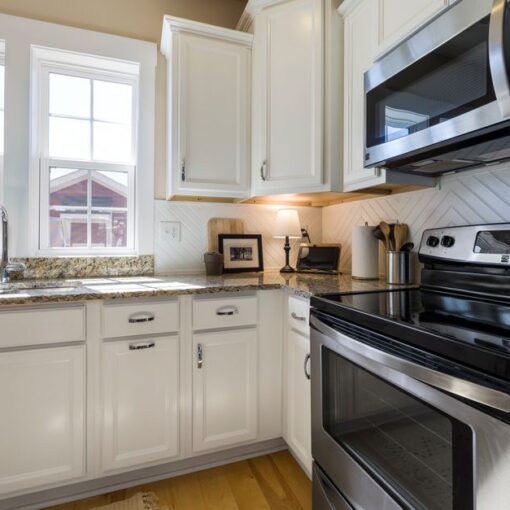
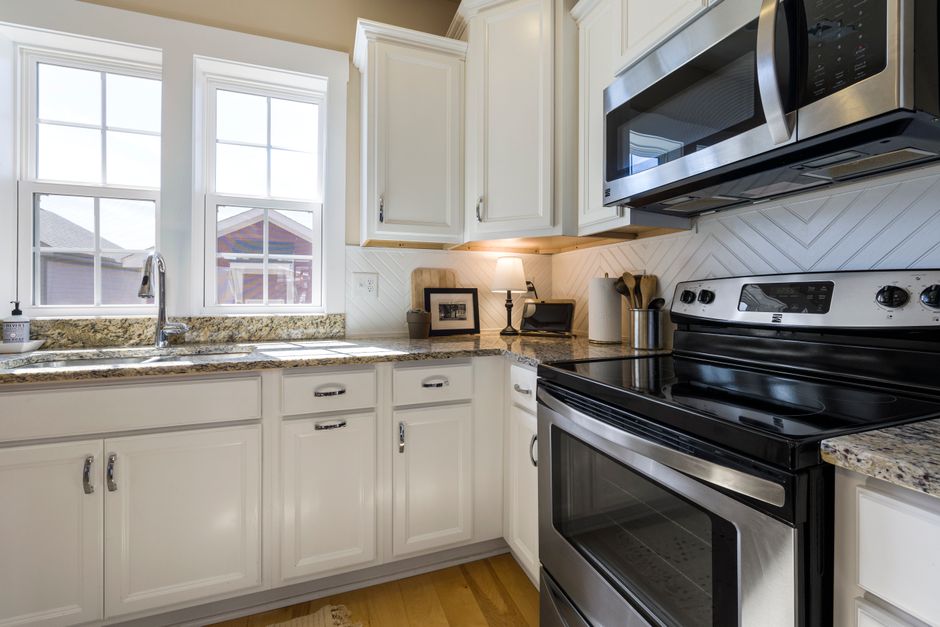
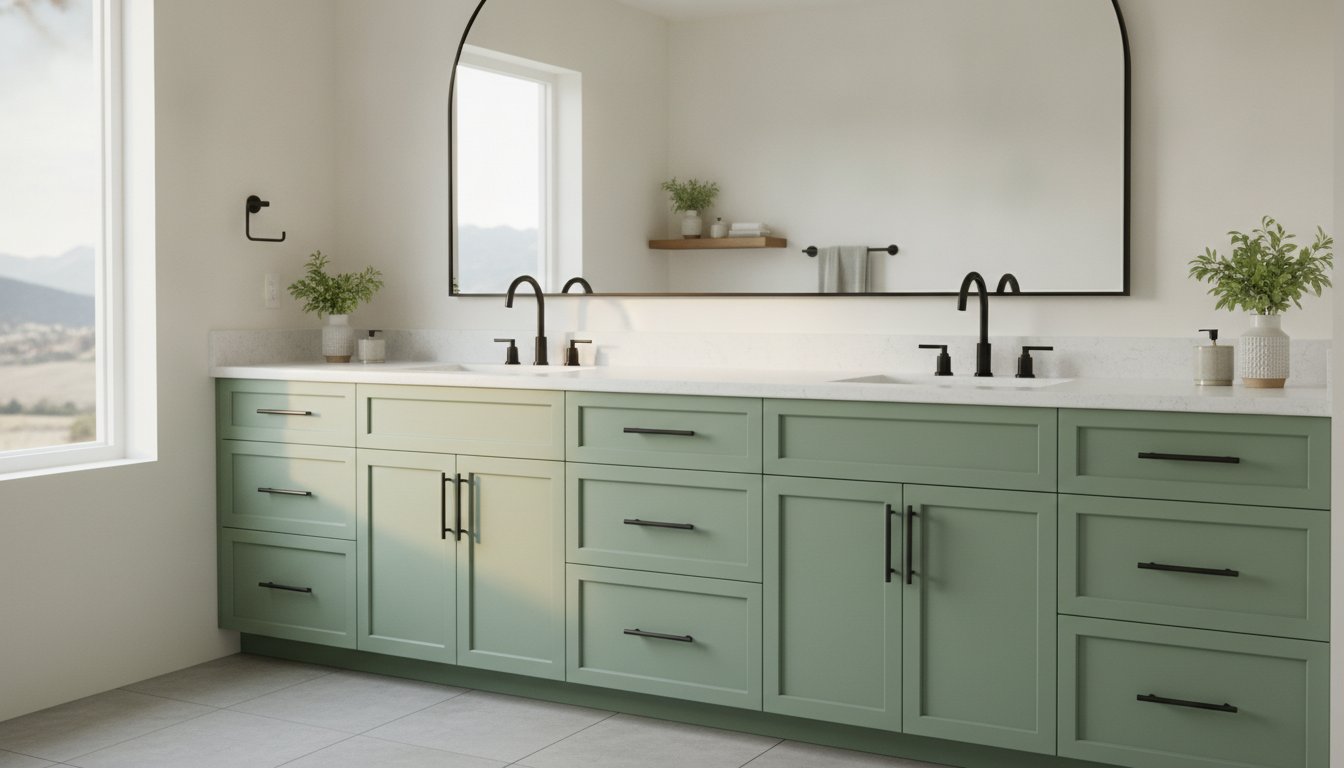
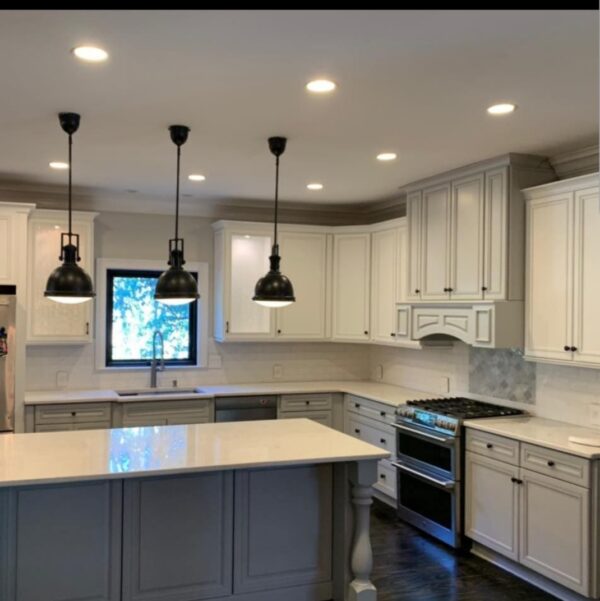
Cabinetry is the most influential element in any kitchen because it covers the majority of the vertical surface area. Changing the color of your cabinets is the most effective way to modernize the space instantly. There is a significant technical difference between standard painted cabinets and a professionally refinished surface. Our specialized process involves off-site spraying for doors and on-site frame painting to achieve a factory quality finish that resists chipping and wear. Consulting with experts in professional kitchen cabinet painting ensures these updates are durable and visually seamless.
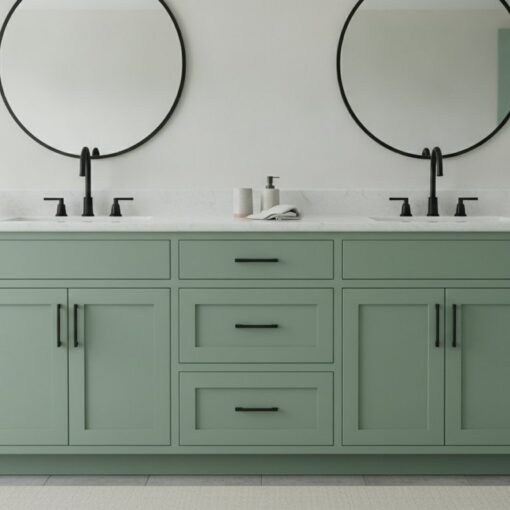
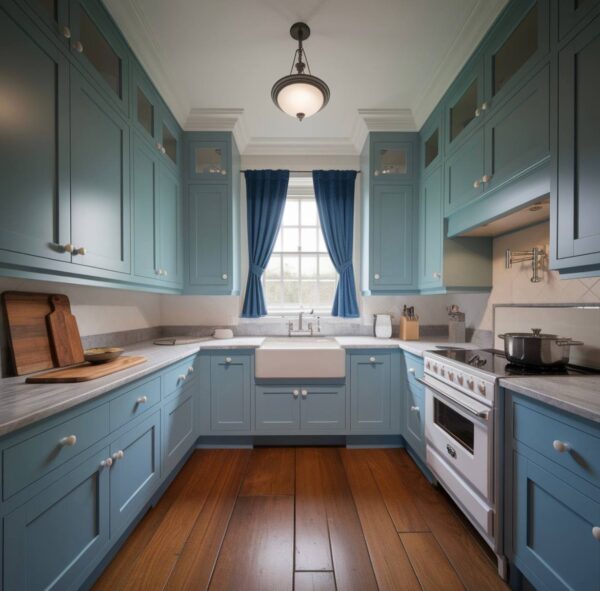
Current 2026 trends for Denver homes show a shift toward sophisticated, nature inspired palettes. While neutral palettes remain popular with 96 percent of designers according to the NKBA, many homeowners are choosing earthy neutrals and deep charcoals to add depth. For the first time in a decade, wood tones are also gaining traction, often used as an accent on islands to complement painted perimeter cabinets.
Countertops and Backsplashes: The Mid-Level Impact
Countertops are the most frequently upgraded element in a remodel, with Houzz reporting that 91 percent of projects include new surfaces. Pairing new quartz or natural stone with refinished cabinets creates a high contrast, modern look. When you aren’t buying new cabinet boxes, you can often reallocate those savings toward higher grade stone materials or more intricate edge profiles. This strategic budgeting allows for a premium feel on a mid-range budget.
Backsplashes follow closely as the second most updated feature at 85 percent of projects. The 2026 trend moves away from traditional subway tile toward continuous slab backsplashes that match the countertop. This creates a sleek, uninterrupted visual flow that is easier to clean and maintain. Coordinating the backsplash with your cabinet color ensures the entire kitchen feels like a singular, professionally designed unit rather than a collection of separate parts.
Cabinet Painting vs. Replacing: Making the Professional Choice
The decision between refinishing and replacing cabinetry often hinges on two factors: time and structural integrity. Upgrading a kitchen without a full gut remodel allows you to bypass the six week lead time typical of cabinet replacement. Professional painting projects generally conclude within one week. This timeline minimizes household disruption and prevents the need for long term temporary kitchen setups. Choosing to refinish also reduces environmental waste by keeping high quality wood out of Denver landfills.
Professional spraying is the only method for achieving a factory smooth finish. DIY attempts with brushes or rollers often leave visible textures and lack the durability required for high traffic areas. By opting for a professional service, you can reallocate significant savings toward high end appliances or premium stone surfaces. This cost benefit analysis makes refinishing the logical choice for kitchens with sound foundations.
The Professional Refinishing Process Explained
Achieving a durable result requires a technical, multi step approach. The process begins with a detailed preparation phase involving intensive cleaning to remove grease and oils. Technicians then sand all surfaces to ensure proper adhesion before applying specialized primers. Cabinet Painting Denver utilizes a specialized method where doors and drawer fronts are sprayed off-site in a controlled environment. This separation protects your home from excessive dust and fumes while ensuring a flawless application. Frames are painted on-site using the same high grade materials to create a seamless, unified appearance. The process concludes with the re-installation of all hardware and doors, ensuring the kitchen is fully functional immediately upon completion.
When Replacement is Actually Necessary
Refinishing is not a universal solution. If your cabinet boxes show signs of structural rot or extensive water damage, replacement is required. Similarly, if your current footprint is fundamentally "broken" and requires a layout change, you cannot rely on refinishing alone. Some homeowners choose a hybrid approach. This involves replacing only the doors with a more modern profile while painting the existing frames to match. This strategy is an excellent middle ground when upgrading a kitchen without a full gut remodel, providing a total style transformation at a lower price point than a full renovation.

Strategic Modernization: Your Step-by-Step Upgrade Checklist
Success in upgrading a kitchen without a full gut remodel depends on a logical sequence of events. A structured workflow prevents rework and ensures that delicate finished surfaces are protected during the more intensive phases of construction. Following a professional order of operations allows you to manage the project efficiently while avoiding the decision fatigue common in total demolitions.
- Phase 1: Planning and Consultation. Establish your color palette and material selections early. A professional consultation helps determine if your existing cabinet boxes are suitable for refinishing and identifies any necessary hardware adjustments.
- Phase 2: Painting and Refinishing. This is the "anchor" phase. Because it involves intensive cleaning, sanding, and spraying, it’s the most technical part of the process. We minimize disruption by spraying doors off-site, which keeps your home cleaner and more accessible.
- Phase 3: Countertop and Backsplash Installation. New surfaces should be installed after the cabinet frames are painted but before the doors are reattached. This prevents heavy stone slabs from damaging the freshly finished door surfaces.
- Phase 4: Hardware and Final Styling. The final phase involves installing new pulls, knobs, and lighting fixtures. This is when the individual elements unite into a cohesive designer look.
To ensure your project starts with a factory quality foundation, contact Cabinet Painting Denver for a professional assessment of your cabinetry.
Selecting Hardware and Fixtures
Hardware functions as the jewelry of your kitchen. In 2026, mixing metals has become a standard design practice for creating a curated, high end feel. You can successfully pair matte black cabinet pulls with a brushed gold kitchen faucet to add visual interest. When selecting new items, ensure the hole spacing matches your existing cabinetry to avoid the need for additional wood filling and drilling. For more technical details on coordinating these elements, see our guide on Choosing cabinet hardware to match your style.
Lighting and Appliance Updates
Lighting immediately alters the perception of space and color. Replacing dated builder grade pendants with modern statement lighting provides an instant aesthetic lift. Functionality is also improved by integrating under-cabinet LED strips, which highlight your new backsplash and improve task visibility. When updating appliances, remember that 2026 Colorado laws require new water heaters or furnaces installed during a remodel to be Energy Star-certified. Modern appliances are designed to fit standard cabinet openings, allowing you to improve energy efficiency without altering your kitchen’s structural footprint. For homeowners looking to maintain their current household units, Rhino Appliance Repair provides expert services to ensure your kitchen remains fully functional.
The Denver Homeowners Guide to a Professional Transformation
Denver’s real estate market in 2026 continues to reward homeowners who prioritize high impact aesthetic updates. While a mid-range remodel in Denver can cost between $45,000 and $85,000, many residents find that upgrading a kitchen without a full gut remodel provides a more immediate return on investment. Professional refinishing is particularly effective in established neighborhoods like Cherry Creek or Wash Park, where the original cabinetry often features high quality wood that outlasts modern, low grade replacements. By choosing a surface level renovation, you avoid the lengthy permitting process required for structural changes in the City and County of Denver.
Vetting a local cabinet painting company requires a focus on technical transparency. You should look for a provider that offers a "Factory Finish" guarantee, which is only achievable through professional spraying techniques. A standard quote should explicitly detail the preparation process, including degreasing, sanding, and the use of specialized primers. Avoid contractors who suggest on-site brush application for doors, as this won’t provide the durability needed for the Colorado climate. For more detailed insights into local standards, consult Cabinet Painting Denver: Your local expert guide.
What to Expect During Your Denver Cabinet Project
A standard project for a Denver kitchen typically takes five to seven business days. This timeline is significantly shorter than the multi month disruption associated with a full gut remodel. During the first phase, technicians remove all doors and drawer fronts for off-site processing. This ensures that the most visible parts of your cabinetry receive a flawless, dust free application in a controlled environment.
You can prepare your home by clearing all countertops and removing items from the top drawers to allow for frame access. You don’t usually need to empty every cabinet, which maintains your kitchen’s functionality during the week of work. The process concludes with the careful re-installation of all components. Our team ensures that every door is perfectly aligned and that all hardware is securely fastened, leaving you with a space that looks and functions like a custom installation.
Start Your Transformation Today
The first step in upgrading a kitchen without a full gut remodel is obtaining an objective statement of your cabinetry’s current condition. We provide a detailed assessment to confirm that your cabinet boxes are structurally sound and suitable for our specialized spraying process. This transparency ensures you don’t spend money on surfaces that require replacement due to underlying rot or structural failure. Once the assessment is complete, we provide a clear, professional quote that outlines every phase of the project from preparation to final installation. Contact us to Get Your Free Cabinet Painting Quote in Denver and begin your professional kitchen modernization.
Modernize Your Home with a Strategic Kitchen Refresh
Upgrading a kitchen without a full gut remodel is the most effective way to secure a high return on investment while avoiding the logistical burdens of a total demolition. By focusing on professional refinishing and high-impact surface updates, you can achieve a factory-quality aesthetic in a fraction of the time. This approach allows you to preserve structurally sound materials while modernizing your space to meet 2026 design standards.
Cabinet Painting Denver provides specialized off-site door refinishing and professional spraying to ensure a smooth, durable finish that DIY methods cannot replicate. We serve the entire Denver metro area with a transparent process designed to minimize household disruption. Transform your kitchen with a professional cabinet painting quote and experience a streamlined renovation process. You don’t need a total construction zone to create the kitchen of your dreams. With the right professional assistance, your home’s transformation is closer than you think.
Frequently Asked Questions
How long does a kitchen upgrade take without gutting the space?
A professional kitchen upgrade typically takes five to seven business days for completion. This timeline contrasts sharply with a full gut remodel, which usually requires six weeks or more of construction. Our specialized process involves removing doors for off-site spraying while painting frames on-site. This efficient workflow minimizes household disruption. You can have a fully functional, modernized kitchen in roughly one week without the stress of a long term construction zone.
Can you paint cabinets that are already painted or stained?
You can paint cabinets that currently have a painted or stained finish. Success depends on a rigorous preparation process involving deep cleaning, sanding, and the application of specialized primers. These steps ensure proper adhesion for the final coat. Professional refinishing techniques allow us to transform dark wood stains or outdated paint colors into a modern aesthetic. This approach is a core part of upgrading a kitchen without a full gut remodel.
Is it worth upgrading a kitchen if I plan to sell my house soon?
Upgrading your kitchen is highly beneficial if you plan to sell. Minor kitchen remodels currently yield a national average return on investment of 112.9 percent. Most Denver buyers in 2026 prioritize move-in ready aesthetics over custom structural changes. A fresh, professional cabinet finish makes the home more competitive on the market. It allows you to increase property value significantly without the high overhead costs of a total room demolition.
What is the most expensive part of a kitchen remodel if I keep my cabinets?
Countertops are typically the most significant expense when you retain your existing cabinetry. Houzz reports that 91 percent of homeowners choose to replace their surfaces during a renovation. High quality materials like quartz or natural stone require a larger budget than backsplashes or lighting. However, by choosing cabinet painting instead of replacement, you can reallocate those savings toward premium stone selections. This strategy ensures a high end look for the entire space.
How do I choose between cabinet painting and cabinet refacing?
Cabinet painting is the more cost-effective option for structurally sound cabinets. It provides a factory smooth finish while preserving your existing door profiles. Cabinet refacing involves replacing the doors and drawer fronts entirely, which is more expensive and time consuming. If you like your current door style but want a color update, professional painting is the logical choice. It offers the highest visual impact with the least amount of household disruption.
Do I need a permit for a cosmetic kitchen upgrade in Denver?
You don’t need a permit for cosmetic updates like painting cabinets or replacing countertops in Denver. Permits are only required if the project involves moving plumbing lines, altering electrical systems, or changing the structural layout of the kitchen. Since upgrading a kitchen without a full gut remodel focuses on surface level changes, you can avoid the city’s permitting process. Always check with the Denver Community Planning and Development department if you plan structural modifications.
Can I still use my kitchen while the cabinets are being painted?
You can maintain limited use of your kitchen during the painting process. Since we remove doors and drawer fronts for off-site spraying, your cabinet interiors remain accessible. We recommend clearing all countertops and removing items from top drawers to facilitate frame painting. While the kitchen won’t be a full construction zone, you should avoid heavy cooking during the on-site painting days. This ensures a dust free environment for the professional application of the finish.
How long will a professional cabinet paint job last?
A professional cabinet paint job typically lasts eight to ten years with proper maintenance. Our specialized process involves factory quality spraying and high grade primers that resist chipping and peeling. Unlike DIY projects, professional refinishing creates a durable surface that withstands daily wear in high traffic areas. Regular cleaning with non abrasive materials helps preserve the finish. This longevity makes professional painting a sustainable, long term solution for modernizing your home’s interior.