
What if your $5,000 kitchen transformation starts to flake and peel just 180 days after the final coat dries? It’s a terrifying thought for any homeowner, yet nearly 30% of kitchen remodels face significant coating failures within the first year because of improper surface preparation. You deserve a space that looks like it just rolled off a showroom floor, not a DIY project gone wrong. You likely already know that your kitchen accounts for up to 15% of your home’s total market value, and you don’t want to risk that investment on a contractor who treats your cabinets like a bedroom wall.
Finding the right cabinet refinishing company means looking beyond the lowest bid to find a team that delivers a durable, factory-grade finish. I’ll show you exactly how to identify professional standards that ensure your cabinets remain smooth as glass for a decade or more. We’re going to explore the technical differences between basic painting and true refinishing, the specific equipment a pro must use, and the red flags that signal a messy, disruptive project is on the horizon.
Key Takeaways
- Understand why hiring a specialized cabinet refinishing company is essential for achieving a durable, factory-grade finish that standard wall paint cannot provide.
- Discover the critical multi-step preparation process, including industrial degreasing and mechanical sanding, required for a permanent coating bond.
- Evaluate the cost-to-benefit ratio of refinishing versus refacing to determine which method best preserves your kitchen’s original wood aesthetics.
- Learn the five essential questions to ask local contractors to ensure they can handle the unique wood shrinkage challenges caused by Denver’s dry climate.
- Identify the technical differences between architectural house paint and specialized cabinet coatings to ensure your kitchen withstands years of heavy use.
What Defines a Professional Cabinet Refinishing Company in 2026?
Hiring a standard house painter for your kitchen often leads to peeling and chipping within 12 to 18 months. A true cabinet refinishing company functions more like a precision furniture manufacturer than a residential painting crew. In 2026, the industry benchmark is defined by adherence to Kitchen Cabinet Manufacturers Association (KCMA) protocols. These rigorous standards require finishes to survive 24 hours of continuous contact with acidic liquids like lemon juice and vinegar without staining. They also demand the coating withstands 200 hours of 120-degree Fahrenheit humidity testing. General painters typically use architectural coatings designed for static walls, but specialized technicians use industrial equipment to achieve a factory-smooth surface that resists skin oils and heat.
Specialized Coatings vs. Latex Paint
Latex and acrylic wall paints remain too soft for high-touch surfaces. They often fail the “fingernail test” within 30 days of application because they never fully cure to a hard shell. Professionals utilize high-solids primers that chemically bond to wood fibers, preventing tannin bleed-through in 98% of oak or cherry projects. A catalyzed finish is a chemical-hardening process used for durability. These coatings use a chemical catalyst to create a cross-linked molecular bond. This results in a surface that stays 40% harder than standard air-dry paints. It’s the difference between a finish that feels like plastic and one that feels like a factory-new appliance.
The Role of the Off-Site Spray Booth
Environmental control is the single most important factor in a successful project. A reputable cabinet refinishing company moves 70% of the workload, specifically your doors and drawers, to a dedicated off-site facility. This controlled shop environment eliminates 95% of the airborne dust particles that ruin in-home brush or roller applications. Professional booths offer several advantages:
- Vertical Drying Racks: These allow the coating to level out perfectly without sagging or dripping.
- HEPA Filtration: Industrial fans pull overspray away instantly, ensuring a mirror-like finish.
- Reduced Disruption: Taking the doors off-site means the heavy sanding and spraying happen away from your family.
By shifting the bulk of the labor to a booth, the in-home portion of the project usually drops to just 2 or 3 days. This setup keeps 100% of the heavy fumes and sanding debris out of your kitchen while ensuring the most visible parts of your cabinetry receive a flawless application. You don’t want a contractor learning how to spray in your breakfast nook; you want a technician who uses a cleanroom environment for every piece.
The Anatomy of a Factory-Quality Refinishing Process
A professional result isn’t about the paint color; it’s about the chemistry and mechanical bond. Any reputable cabinet refinishing company spends at least 70% of their labor hours on the steps that happen before the first drop of finish hits the wood. This process begins with professional masking and containment. Technicians use 4-mil plastic sheeting and zip-poles to create a dust-free environment, protecting the rest of your home from fine particles. They also perform mechanical sanding with 220-grit abrasives to ensure the primer bites into the wood for a permanent bond. These steps prevent the peeling and chipping common in lower-quality jobs.
Preparation: The Most Critical Phase
Professionals use a triple-clean method. They start with a chemical degreaser to strip kitchen oils, followed by a denatured alcohol scrub to remove wax, and a final wipe to neutralize the surface. For porous woods like oak, technicians apply a wood grain filler to eliminate the deep pits common in 1990s cabinetry. High-build primers then add a 2.5 mil thickness layer. This creates a perfectly level foundation that prevents the wood grain from “telegraphing” through the final finish.
The Spraying and Curing Cycle
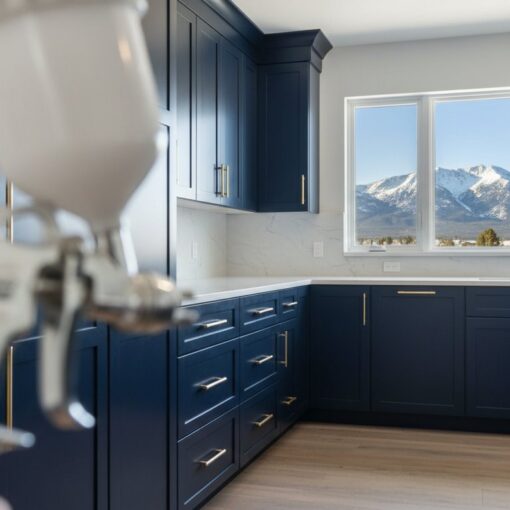
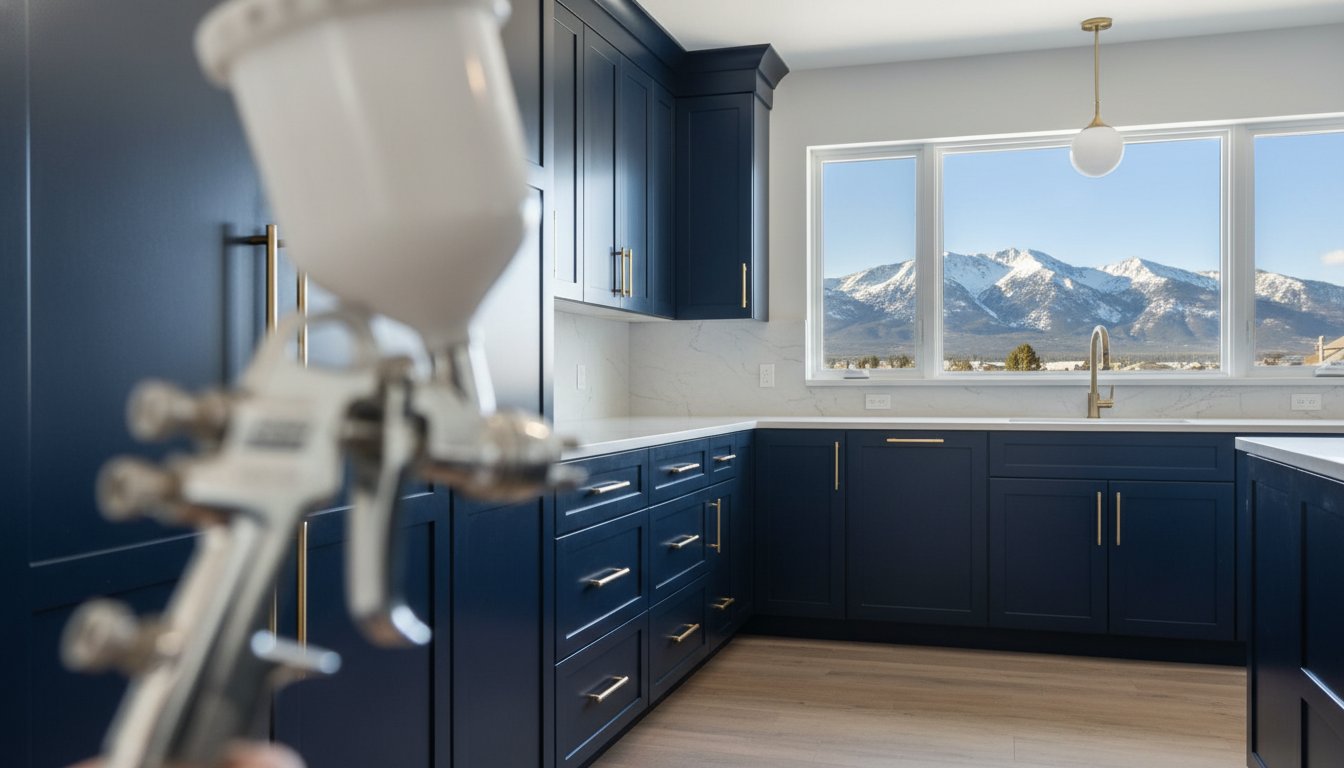
HVLP (High Volume Low Pressure) sprayers are the gold standard because they provide a 90% transfer efficiency. This means less overspray and a smoother, factory-like texture. Technicians monitor flash-off times, which is the 15 to 20 minute window where solvents evaporate between coats. If you don’t follow these exact drying windows, the finish will fail within 12 months. After the final spray, a 48-hour controlled curing period ensures the finish reaches a 4H pencil hardness rating before hardware installation. Selecting an experienced cabinet refinishing company guarantees these technical benchmarks are met. You can view our recent project gallery to see how these factory-grade finishes compare to standard methods.
Refinishing vs. Painting vs. Refacing: Which is Right for You?
Deciding how to update your kitchen depends on your budget and the structural integrity of your current wood. A professional cabinet refinishing company typically charges between $3,500 and $6,000 for a standard 20-linear-foot kitchen in 2026. This is a fraction of the $28,000 average cost for a full replacement. If your cabinet boxes are made of solid wood or 3/4-inch plywood, they’re prime candidates for refinishing. You shouldn’t scrap high-quality frames just because the color feels dated. Refinishing preserves the original wood grain and character while providing a durable, modern surface.
- Refinishing: Best for structurally sound cabinets where you want to change the color or restore the wood.
- Painting: Often refers to applying solid-color industrial coatings rather than traditional stains.
- Refacing: Best only if your door styles are beyond repair but boxes remain sturdy.
Most homeowners find that refacing is an unnecessary expense. If your layout works and the boxes aren’t sagging, there’s no reason to pay for new doors and veneers. A cabinet refinishing company can achieve the same aesthetic results for 50% less than the cost of refacing. You’ll save money and avoid the mess of a week-long construction zone.
The True Cost of Cabinet Refacing
Refacing involves more than just swapping doors. You’ll pay for new hinges, custom-sized door fronts, and the labor-intensive process of applying veneers to every visible surface. In 2026, these materials have surged in price by 12% compared to the previous year. Refinishing is the more eco-friendly choice. It keeps approximately 700 pounds of cabinet waste out of local landfills. It’s a sustainable way to get a high-end look without the environmental impact of manufacturing new components.
When Painting is Actually Refinishing
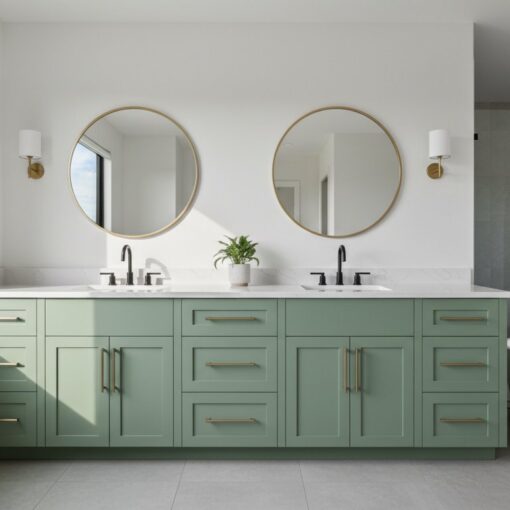
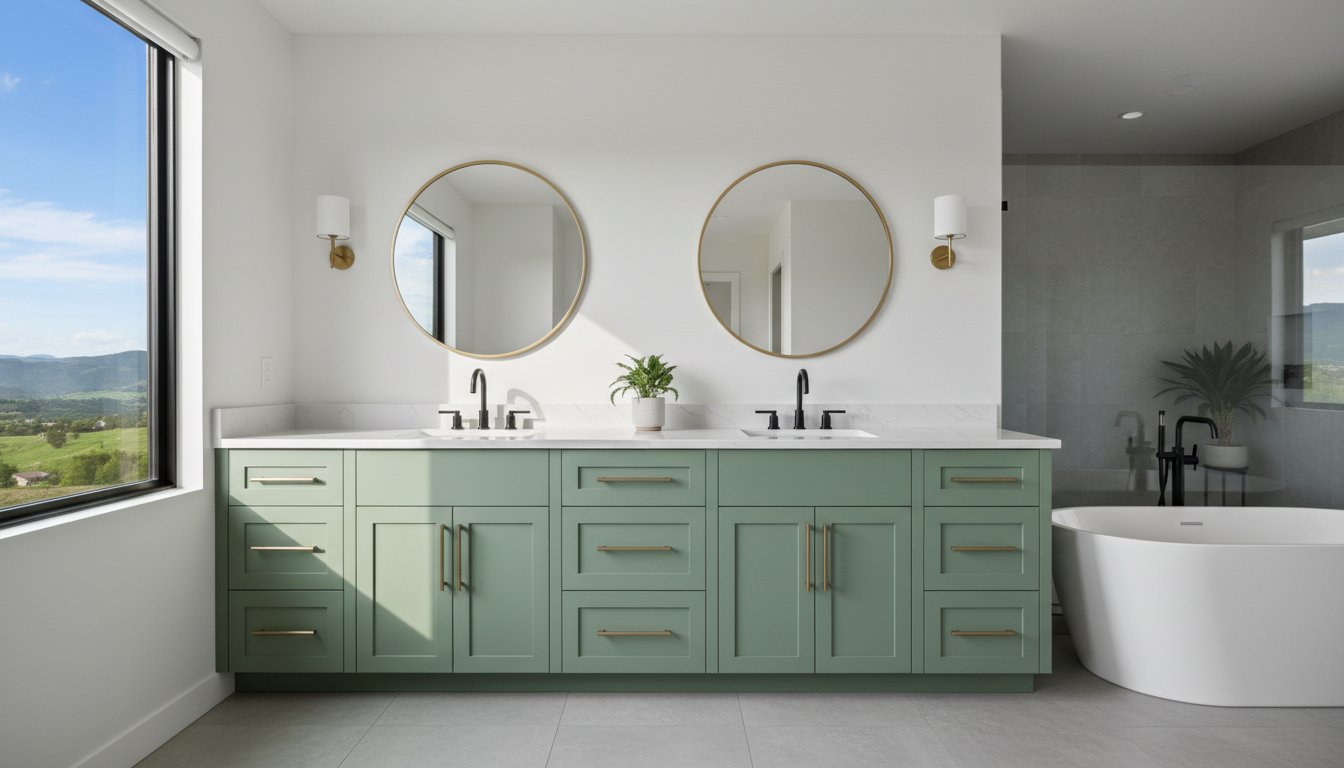
The line between painting and refinishing has blurred. Modern refinishing uses high-solids pigmented coatings that look like paint but behave like a factory-applied finish. These coatings meet KCMA (Kitchen Cabinet Manufacturers Association) standards for moisture and heat resistance. In 2026, Denver design trends show that 42% of homeowners opt for two-tone designs. This often features a dark navy or forest green on the base cabinets with a light cream on top. This “painted” look provides a smooth, washable surface that handles daily wear better than any DIY latex paint ever could.
Vetting Your Denver Cabinet Refinishers: 5 Critical Questions
Choosing a cabinet refinishing company in the Front Range requires more than just looking at a price tag. You’re hiring a team to apply a factory-grade finish in a residential environment. This requires a specific skill set that general painters often lack. In Colorado, the stakes are higher due to our extreme environmental factors. You need to verify that your contractor understands local wood behavior and uses industrial-grade chemistry.
Denver Climate and Cabinet Durability
Colorado’s semi-arid climate, where relative humidity frequently fluctuates between 15% and 40%, is brutal on wood. As moisture leaves the timber, panels shrink. If a cabinet refinishing company uses brittle, off-the-shelf latex paint, the finish will crack at the joints. This “bridging” failure affects 85% of projects completed by non-specialists within the first year. Local experts prioritize high-solids, flexible primers that can withstand the 3 millimeter shifts typical of seasonal wood movement in Denver homes.
The 5-Point Vetting Checklist
Before signing a contract, put your potential contractor to the test with these specific technical questions. Their answers will reveal if they’re true craftsmen or just house painters with a spray gun.
- Question 1: Do you use catalyzed coatings or standard house paint? You want to hear “2K polyurethane” or “catalyzed lacquer.” These finishes are 4 times more resistant to chemicals and moisture than the best water-based acrylics found at big-box stores.
- Question 2: Can I see a sample of a finished door to check for ‘orange peel’? A professional finish should be as smooth as a new car. If you see a bumpy, dimpled texture, their spray technique or thinning ratio is incorrect.
- Question 3: What is your dust containment and ventilation protocol? Dust is the enemy of a perfect finish. Ensure they use HEPA-filtered extraction and 3M plastic masking to create a localized “clean room” in your kitchen.
Don’t just rely on distant photos. Ask for local references in the Denver Metro area from at least 24 months ago. This allows you to verify how the finish handles 2 full cycles of Colorado’s dry winters and humid summers. Check their Google reviews for specific mentions of “durability” and “cleanliness.” A company with over 50 five-star reviews is a strong indicator of consistent quality control.
Ensure your kitchen renovation lasts for a decade or more. Schedule a technical consultation with our Denver specialists to see our process in action.
Transforming Your Home with Cabinet Painting Denver
Choosing a professional cabinet refinishing company requires more than just looking at a price tag. At Cabinet Painting Denver, we deliver a “Factory Finish” that exceeds 2026 industry standards for durability and aesthetics. This means your surfaces won’t just look painted; they’ll look like they came straight from a high-end manufacturer. We use industrial-grade coatings that are 35% more resistant to chips and scratches than standard retail paints found at big-box stores.
Our team understands the specific challenges of the Colorado climate. The dry air and high UV exposure at 5,280 feet can cause inferior finishes to crack or fade within 18 months. We’ve refined our application process over 12 years to ensure your kitchen withstands these local conditions. We minimize downtime by completing 75% of the work in our controlled off-site facility. This keeps your home clean and functional while we work on your doors and drawer fronts.
Our Specialized Denver Process
We operate a state-of-the-art 2,500-square-foot spray booth right here in the metro area. This environment allows us to apply finishes in a dust-free setting, which is impossible to achieve inside a residential kitchen. Our 2026 color palette features 14 exclusive shades designed to complement the intense, clear Colorado sunlight. If you want results that last, you should find a top cabinet painting company near you that uses this level of specialized technology.
Ready for a Kitchen Transformation?
Starting your project is simple. Before your estimate, please clear your countertops and remove items from the top drawers of your cabinets. We provide a written 5-day timeline guarantee for every standard kitchen project. If we don’t finish on time, we’ll deduct $250 from your final invoice. You can get a free cabinet refinishing quote today and see why we’re the highest-rated cabinet refinishing company in the Denver area.
Take the Next Step Toward Your Dream Kitchen
Your kitchen serves as the central hub of your home. Updating it for 2026 requires more than a simple coat of paint. You now understand that a factory-quality finish depends on specialized HVLP spray technology rather than traditional rollers or brushes. Selecting a professional cabinet refinishing company ensures your surfaces withstand daily wear while maintaining 5-star rated craftsmanship. By asking the 5 critical vetting questions we covered, you’ll avoid the common pitfalls of DIY attempts that often fail within 12 months. Our local Denver family-owned business brings years of specialized expertise to every residential project. We focus on precision that transforms dated wood into modern masterpieces. Don’t settle for mediocre results when a high-end transformation is within reach. It’s time to give your cabinets the professional treatment they deserve today. We’re ready to help you achieve a stunning look that lasts for a decade or more.
Get Your Free Denver Cabinet Refinishing Quote
We look forward to helping you create a beautiful space that your family will enjoy for many years to come.
Frequently Asked Questions
Is it better to paint or refinish kitchen cabinets?
Refinishing is the better choice for 85% of homeowners who want to preserve the natural wood texture while updating the color. It’s 30% more cost-effective than buying new doors. This method keeps your original high-quality wood out of landfills. If you prefer a 100% opaque look, painting is the alternative. However, refinishing offers superior durability for 2026 design standards. It’s a smart upgrade.
How long does a professional cabinet refinishing job last?
A professional job lasts 10 to 15 years with proper maintenance. Expert technicians use industrial-grade conversion varnishes that offer 40% more scratch resistance than standard latex products. These coatings don’t yellow over time. Regular cleaning with mild soap ensures the finish stays vibrant for over a decade. It’s a long-term investment for your home’s value. Quality matters most.
What is the average cost of a cabinet refinishing company in Denver?
Hiring a cabinet refinishing company in Denver costs between $3,500 and $7,000 for a standard 20-foot kitchen. This price point represents a 65% savings compared to the $25,000 average for a full kitchen remodel in 2026. Local labor rates for specialized finishers hover around $75 per hour. Most projects include all materials and labor in the initial quote. Prices vary by kitchen size.
Do I need to empty my cabinets before the refinishing company arrives?
You must remove 100% of your items from the cabinets at least 24 hours before the project begins. This step prevents sawdust from settling on your dishes. It also ensures the crew has full access to the interior frames. Most homeowners spend 2 to 3 hours clearing out a standard kitchen. It’s a necessary step for a clean finish. Preparation ensures success.
Can you refinish laminate or thermofoil cabinets?
You can refinish laminate or thermofoil surfaces if the original glue hasn’t failed in more than 5% of the surface area. Technicians apply a high-adhesion bonding primer that creates a chemical link with the plastic. This process has a 98% success rate in 2026. It extends the life of these materials by 8 years. Your cabinets will look brand new. Don’t replace them yet.
How do I clean my cabinets after they have been professionally refinished?
Clean your cabinets using a solution of 95% warm water and 5% mild dish soap. Avoid abrasive sponges or harsh chemicals. These can degrade the protective topcoat by 20% within the first 12 months. Use a soft microfiber cloth for the best results. Dry the surfaces immediately to prevent water spots. It’s the simplest way to protect your investment. Keep it gentle.
Will my kitchen be usable during the refinishing process?
Your kitchen will be 0% usable for cooking during the 3 to 5 days of active on-site work. Technicians seal the area with 6-mil plastic sheeting to contain 99% of dust and fumes. This creates a temporary barrier between the workspace and your living area. You’ll need to plan for off-site meals during this 120-hour window. Safety remains the top priority. Plan accordingly.
Is there a warranty for professional cabinet refinishing?
A professional cabinet refinishing company usually provides a 5-year written warranty covering adhesion failure. This guarantee ensures that if the coating peels on more than 1% of the surface, the contractor will repair it. Always confirm that the warranty is documented in the final contract signed before your January 1st start date. It provides 100% peace of mind for the homeowner. Read the fine print.