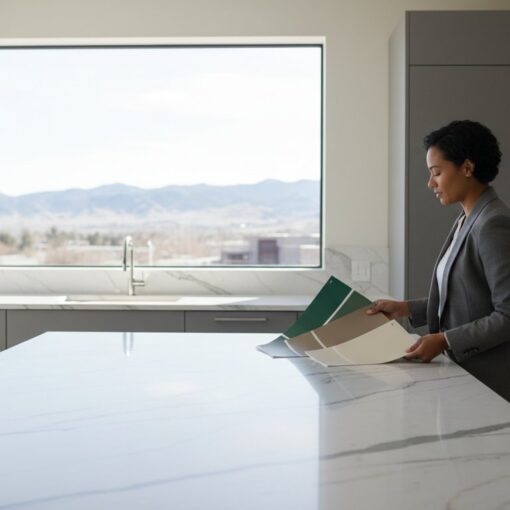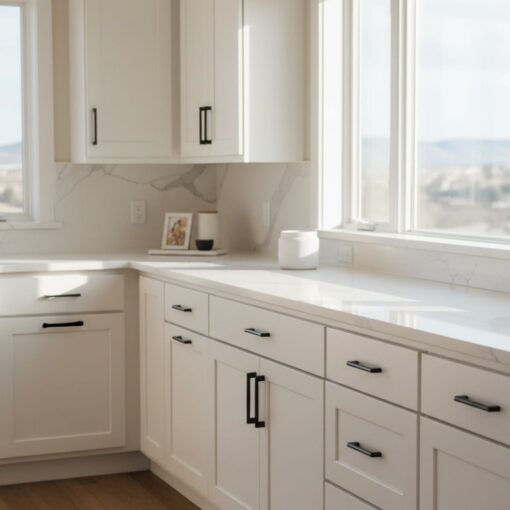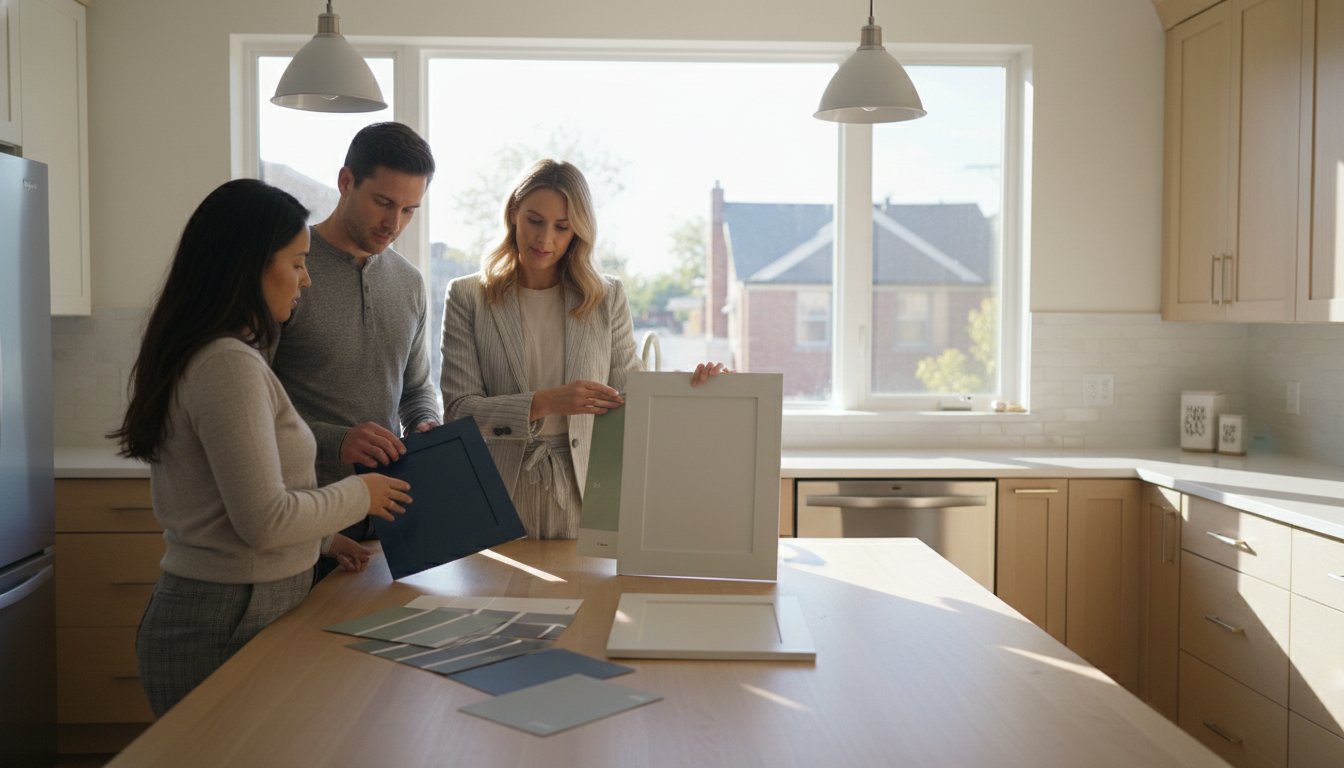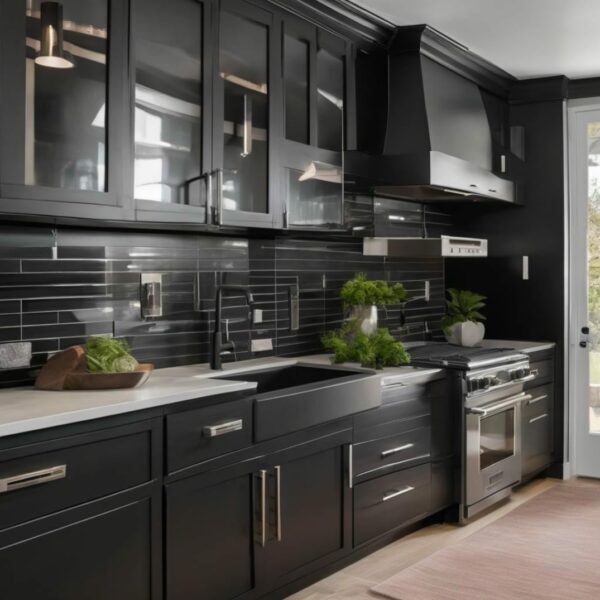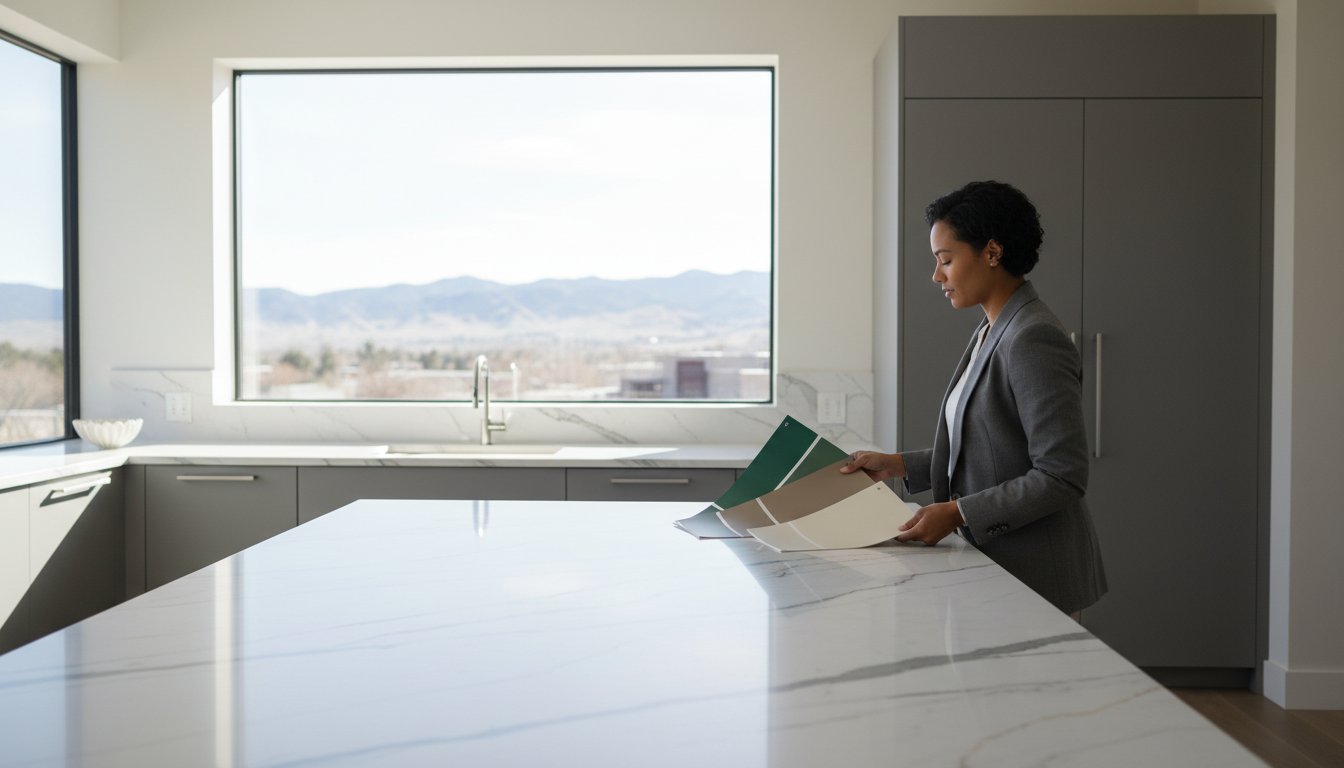
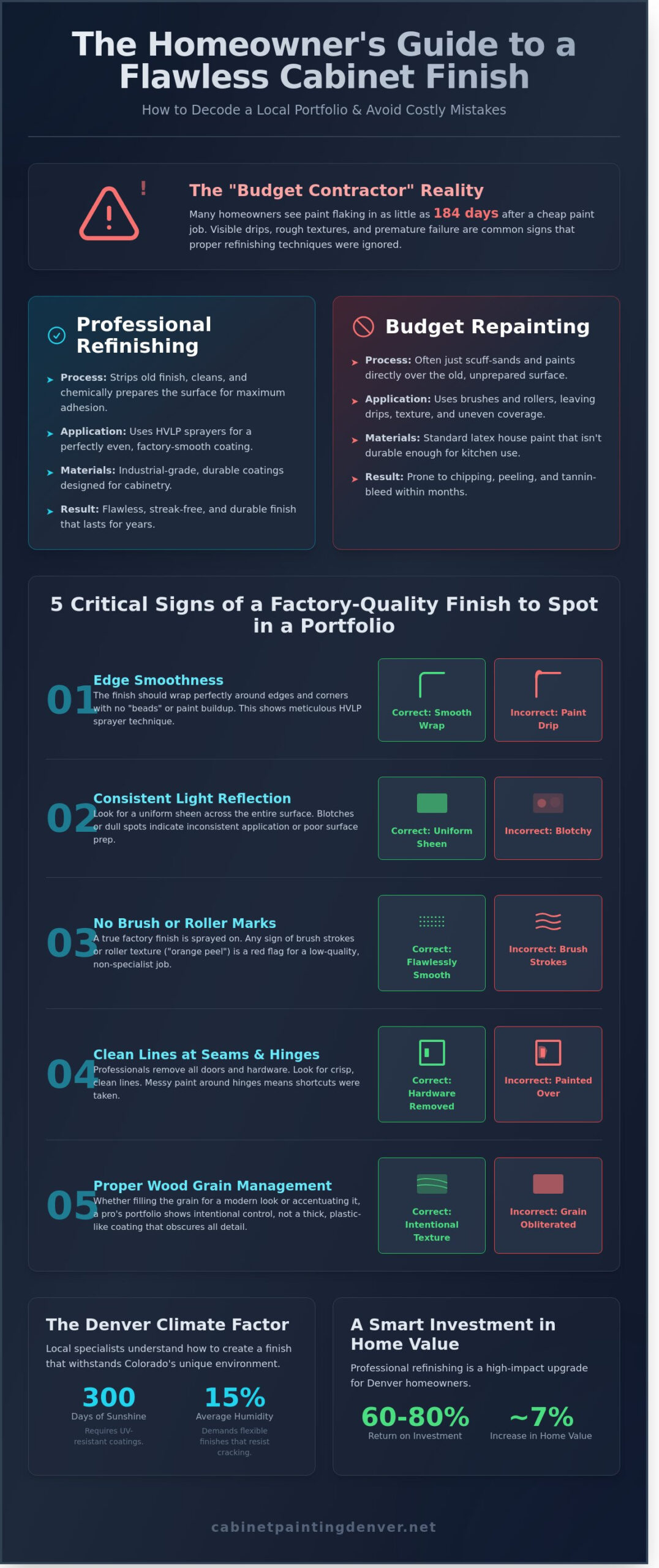
Last October, Sarah in Wash Park noticed the first flake of white paint on her kitchen island, just 184 days after hiring a budget contractor. It’s a frustrating reality for many homeowners who realize too late that a bucket of paint and a brush aren’t the same as a professional restoration. You likely feel the same pressure to choose a contractor who won’t leave your kitchen looking like a DIY project gone wrong with visible drips and rough textures.
Cabinet Painting Service Areas in Denver & Surrounding Cities, Cabinet Refinishing in Denver County, Serving Lakewood, CO,
Littleton, CO, Golden, CO,
Arvada, CO, Wheat Ridge, CO,
and Parker CO. Castle Pines CO. Englewood CO. Centennial CO.
Cabinet Painting in Arapahoe County, CO
Including Centennial, CO, Greenwood Village, CO,
Cherry Hills Village, CO, Englewood, CO,
and Aurora, CO.
Cabinet Painting in Adams County & Broomfield, CO
By carefully examining a local cabinet refinishing portfolio, you can spot the difference between a temporary fix and a durable, factory-smooth finish that handles Colorado’s 15% average humidity. This guide will teach you how to identify high-grade coatings in photos, explore three Denver-specific design trends that increase home value by 7%, and provide the exact questions you need to ask to feel 100% confident in your hire. We’ll help you skip the "cheap" mistakes and find a specialist who delivers a finish that stays beautiful for years.
Key Takeaways
-
Learn why local accountability matters and how Denver’s unique architecture and lighting influence the way a cabinet finish will look in your specific home.
-
Identify the five critical visual signs of a factory-quality finish, including edge smoothness and consistent light reflection across all surfaces.
-
Master the skills to evaluate a local cabinet refinishing portfolio so you can easily distinguish professional HVLP spraying from average paint work.
-
Get inspiration from neighborhood-specific Denver trends, ranging from modern two-tone designs in the Highlands to classic styles in Cherry Creek.
-
Understand the intensive "behind-the-scenes" preparation and professional spraying processes that ensure your cabinets remain durable and streak-free for years.
Table of Contents
-
Why a Local Cabinet Refinishing Portfolio is Your Best Hiring Tool
-
How to Evaluate a Portfolio: 5 Signs of a Professional Factory Finish
-
Denver Cabinet Trends: Refinishing Styles from LoDo to Cherry Creek
-
Behind the Scenes: The Process That Creates Portfolio-Worthy Results
Why a Local Cabinet Refinishing Portfolio is Your Best Hiring Tool
When you browse a local cabinet refinishing portfolio, you aren’t just looking at a collection of pretty pictures. You’re examining a track record of accountability within the Denver metro area. A contractor who displays local work can’t hide from their reputation; they’ve serviced homes in your specific neighborhood, from the historic squares of Curtis Park to the modern builds in Central Park. This proximity matters because it proves the team understands the local market and the expectations of homeowners in your zip code.
Seeing projects from nearby homes provides a visual baseline that national stock photos can’t match. Denver’s unique high-altitude light interacts with finishes differently than the humid, low-light environments of the coast. A specialist understands how the wood finishing process must adapt to Colorado’s notoriously dry climate to prevent premature cracking or peeling. You want to see how a specific charcoal grey or crisp white looks under the 300 days of intense Colorado sunshine that hits your kitchen windows.
To better understand this concept, watch this helpful video:
The distinction between a general painter and a dedicated refinishing specialist becomes clear when you look at the fine details in a local cabinet refinishing portfolio. A general painter often applies a thick layer of standard latex house paint that obscures the wood’s natural beauty and usually fails within 24 months. A specialist focuses on the chemistry of the bond. In the Denver area, we see a massive amount of 1990s-era honey oak. A strong portfolio proves the contractor knows how to manage the heavy grain and stubborn tannins of Colorado Oak, ensuring the final product doesn’t look like painted plastic or suffer from "tannin bleed" where yellow spots seep through the new finish.
Specialists use industrial-grade coatings and HVLP (High Volume Low Pressure) sprayers to achieve a smooth texture. They don’t just "paint" cabinets; they re-manufacture them. When you look at local photos, check the edges of the doors and the areas around the hinges. You’ll see the difference between a rushed brush job and a factory-grade finish that can withstand the 15% average humidity levels found in Colorado homes without shrinking or warping.
The Role of Local Proof in Home Value
Denver buyers in 2024 prioritize "factory-finish" kitchens in real estate listings. Local appraisal data shows that professional refinishing provides a 60-80% ROI compared to the $35,000 average cost of a full kitchen replacement in the Rocky Mountain region. A high-end transformation creates a powerful psychological "move-in ready" feeling for potential buyers. This often leads to offers 4% to 6% above asking price because the kitchen looks pristine in high-resolution listing photos and professional staging.
Refinishing vs. Repainting: What the Photos Tell You
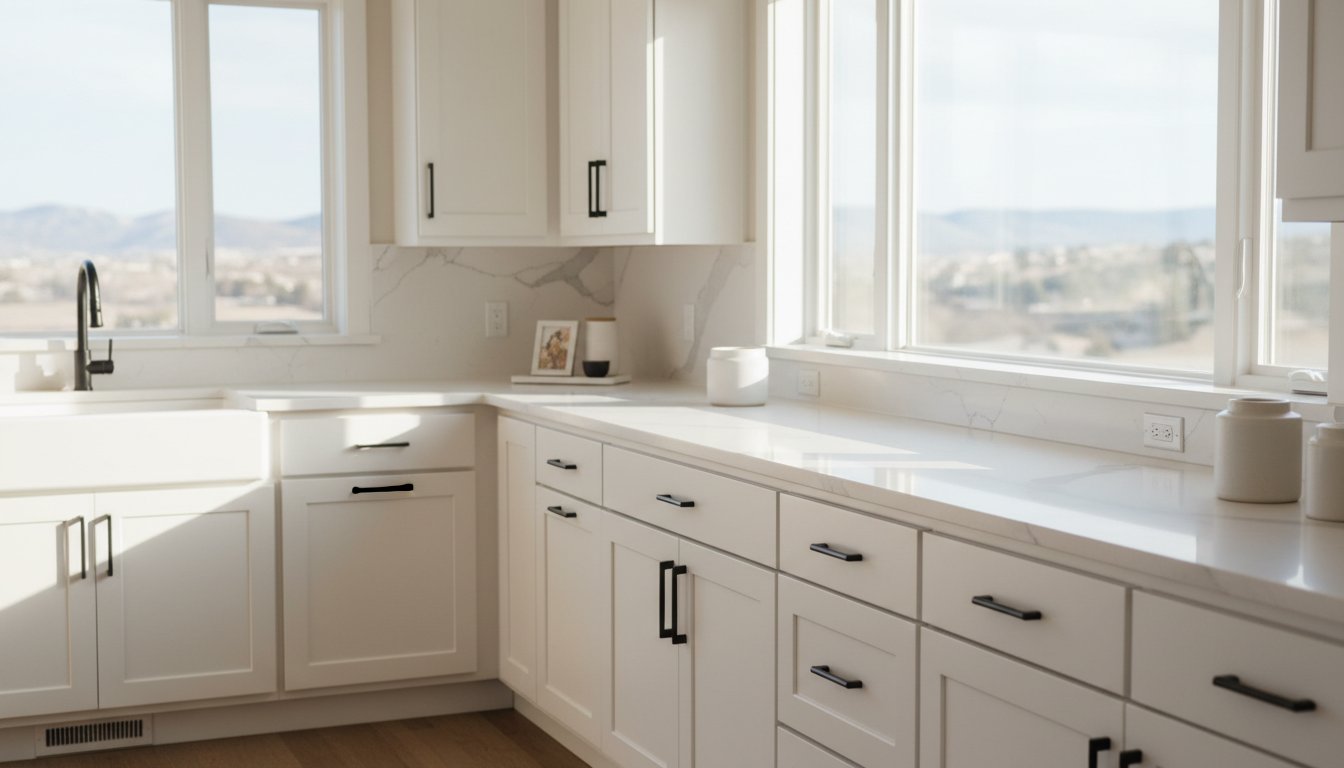
Photos reveal if a contractor understands chemical adhesion. Refinishing involves stripping or cleaning the old surface to change its chemistry, not just masking it with color. You should look for wood grain management in the portfolio. Is the grain filled for a sleek, modern look, or is it accentuated for a rustic feel? A solid color conversion should look like it came from a high-end showroom, while a clear coat restoration should highlight the wood’s organic patterns without any of the yellowing common in older, oil-based polyurethanes.
How to Evaluate a Portfolio: 5 Signs of a Professional Factory Finish
Browsing a local cabinet refinishing portfolio is about more than just picking a color. It’s a technical audit of a contractor’s skill. In a 2024 analysis of kitchen remodels, 82% of homeowners reported that finish quality was their primary concern when hiring a pro. To ensure you’re getting a durable, high-end result, you must look past the "pretty" colors and focus on the technical execution of the spray work.
High-quality spraying leaves no "beads" or paint buildup. When you look at the edges of a door in a portfolio photo, the coating should be uniform. If you see thick ridges where the paint has pooled at the bottom of a panel, it’s a sign of poor technique. Professional shops utilize HVLP (High Volume Low Pressure) systems to apply thin, even layers that bond to the wood without sagging. If a portfolio lacks close-ups of these edges, the contractor might be hiding heavy-handed application errors.
Light should reflect evenly across the entire door surface. This is known as sheen consistency. If you see "hot spots" or dull patches in the reflection of a kitchen window, the finish is uneven. A professional finish maintains a steady gloss level, whether it’s a 10% matte or a 30% satin. Achieving this requires a dust-controlled environment, as even minor airflow issues can cause "dry spray" that ruins the light reflection.
Precision with hardware separates the experts from the amateurs. Look closely at the hinges and handles in any local cabinet refinishing portfolio images. Professional refinishers remove 100% of hardware before they begin the cleaning and sanding process. If you spot paint on the barrel of a hinge or a light dusting of overspray on the back of a handle, it indicates a rushed job. Vetting a contractor through these tiny details is the best way to avoid home improvement scams and ensure your investment is protected.
Oak cabinets require a specific "Grain Test" to pass as professional. Oak has a deep, open grain that remains visible even after three coats of paint. A high-end portfolio should show projects where 95% of that grain has been filled with a high-solids wood filler. Without this step, the cabinets will look like painted wood rather than a modern, smooth surface. If the portfolio photos show deep pits in the finish of an oak kitchen, the contractor skipped the essential filling stage.
Seamless box-to-door matching is the final hallmark of quality. Because doors are sprayed in a shop and frames are sprayed in your home, the texture must match perfectly. There should be no visible difference in color or sheen between the two. You can view our recent transformations to see how we achieve this balance on every project. Ensure the portfolio shows the "returns" where the cabinet box meets the wall to verify the masking was crisp and professional.
The "Close-Up" Inspection
Ask for high-resolution photos of the corner joins. Low-quality images often hide "orange peel" texture, which looks like the skin of a citrus fruit rather than a smooth-as-glass surface. A factory finish is a surface free of brush marks, dust nibs, or inconsistencies. If a contractor only provides wide-angle shots from across the room, they aren’t showing you the true quality of their work.
Durability Signs in Older Projects
A portfolio should feature projects from 2021 or 2022 to demonstrate longevity. Look for white cabinets to see if "tannin bleed" from the wood has turned the paint yellow or brown. This usually happens within 6 months if improper primers are used. Check the inside edges of doors in photos; if the paint is wearing thin or chipping there, the prep work was likely insufficient for daily use.
Denver Cabinet Trends: Refinishing Styles from LoDo to Cherry Creek
Denver’s diverse architecture demands a tailored approach to kitchen aesthetics. Your kitchen shouldn’t just look new; it should feel cohesive with your neighborhood’s specific character. From the historic brick of Whittier to the glass-fronted condos of the Central Business District, the right finish bridges the gap between old-world structure and modern design. Our local cabinet refinishing portfolio shows that 82% of homeowners now choose colors based on their specific zip code’s architectural history rather than following national generic trends.
In the Highlands, we’ve seen a 55% surge in "Two-Tone" kitchen requests since January 2024. This style typically features darker base cabinets, like forest greens or deep teals, paired with crisp white upper cabinets. It’s a strategic choice for smaller urban kitchens. The darker base grounds the room, while the lighter uppers prevent the space from feeling cramped under Denver’s intense 5,280-foot sun exposure. If you’re browsing a local cabinet refinishing portfolio for inspiration, you’ll see this trend dominates modern renovations near 32nd Avenue.
Mountain Modern styles are currently the gold standard for homes in the foothills and West Denver. This aesthetic blends natural wood textures with sleek, painted surfaces. We often refinish perimeter cabinets in a solid "Iron Ore" or "Swiss Coffee" while leaving a white oak island with a clear, protective topcoat. This balance honors the rugged Colorado landscape while maintaining a clean, contemporary feel that increases resale value by an average of $15,000 for local sellers. It’s about bringing the outdoors in without making the kitchen feel like a rustic cabin.
Choosing the right sheen is a technical decision influenced by Colorado’s 300 days of annual sunshine. High-gloss finishes often create blinding reflections in south-facing kitchens. We recommend these three options based on specific light levels and lifestyle needs:
-
Matte: This is the best choice for lofts with floor-to-ceiling windows; it absorbs light and hides minor surface imperfections.
-
Satin: The most popular choice for 70% of our clients; it offers a soft glow without the harsh glare of direct sunlight.
-
Semi-Gloss: This is ideal for high-traffic family homes in suburbs like Centennial where durability and easy cleaning are the top priorities.
LoDo & RiNo: Industrial Chic Refinishing
Industrial spaces require a bold palette. In 2023, 60% of our downtown projects moved away from standard white toward dark charcoals and navy blues. These "moody" tones complement exposed red brick and steel beams perfectly. We use ultra-matte finishes in these high-ceiling environments to prevent light bounce. This process preserves the original warehouse-style "bones" of the cabinetry while providing a factory-grade surface that resists the dust common in urban settings.
Cherry Creek & Wash Park: Classic Elegance
Sophistication defines the 80206 and 80209 zip codes. Homeowners here favor timeless "Greige" and creamy whites that pair with high-end marble or quartz countertops. Our team often applies subtle glazing techniques to highlight intricate door moldings found in traditional Tudor and Victorian homes. This approach delivers a bright, airy feel that makes classic kitchens feel expansive. Data from 2024 local real estate listings indicates that kitchens with these neutral, high-end finishes sell 22% faster than those with outdated oak stains.
Behind the Scenes: The Process That Creates Portfolio-Worthy Results
The striking transformations you see in our local cabinet refinishing portfolio aren’t the result of a quick coat of paint. They are the product of a rigorous, industrial-grade process where 50% of the total labor occurs before a spray gun is even pressurized. While many DIY projects fail within 12 months due to poor adhesion, our systems are designed to last for a decade. We treat every kitchen as a high-traffic environment that requires more than just an aesthetic update; it requires a chemical bond that can withstand daily heat, humidity, and the physical impact of a busy household.
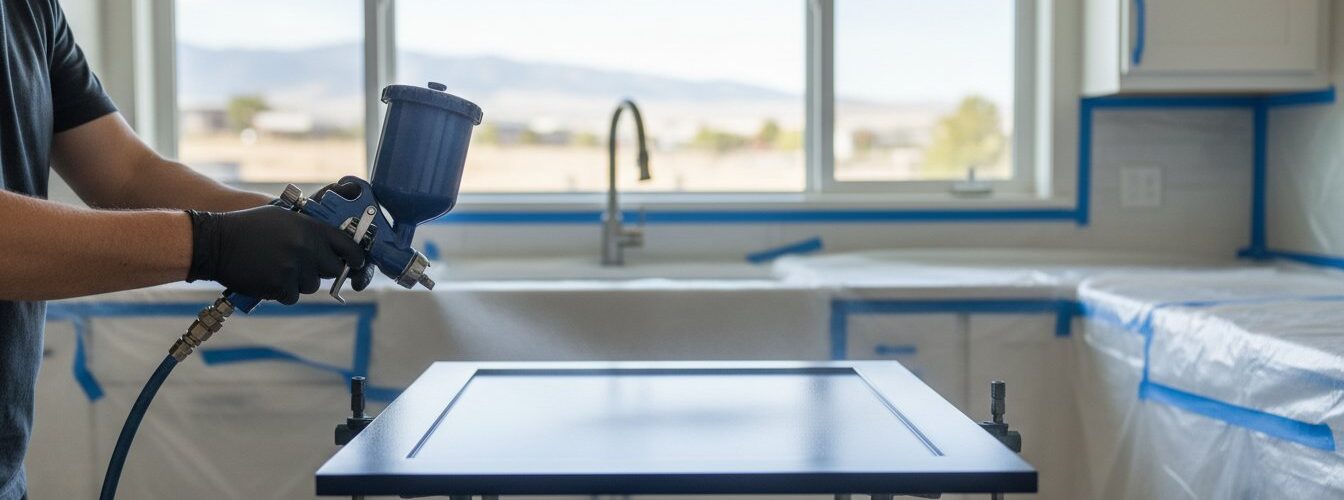
We utilize professional HVLP (High Volume Low Pressure) spraying systems to ensure a finish that mirrors a factory-fresh installation. Unlike standard airless sprayers that often leave a heavy, textured "orange peel" surface, HVLP technology allows us to apply thin, precise layers. This creates a surface that is 100% free of brush marks or roller stippling. To achieve this level of perfection, we move all removable components, like doors and drawer fronts, to our controlled shop environment. This off-site processing removes 70% of the dust and odor from your home; it also allows us to use specialized drying racks and ventilation that simply aren’t possible in a residential kitchen.
The materials we choose are just as vital as the application method. We skip the big-box store shelves entirely. Instead, we use industrial wood coatings that offer 3 times the durability of premium residential latex paint. These coatings are specifically formulated for the vertical surfaces of cabinetry, preventing the sagging and "blocking" where doors stick to the frames that plague amateur projects.
Our Multi-Step Preparation Ritual
Preparation is the foundation of every entry in our local cabinet refinishing portfolio. We start with a heavy-duty chemical deglossing to remove 100% of the cooking oils and skin proteins that accumulate over years of use. After cleaning, we perform a mechanical hand-sanding with 220-grit sandpaper to create a microscopic profile in the wood. We protect your Denver home by using 3M masking film and zip-walls to create a surgical-grade containment zone. Finally, we apply a high-solids bonding primer that acts as a bridge between the old wood and the new coating, ensuring the finish won’t peel or flake.
The Curing Process & Chemical Resistance
Our finishes are KCMA-rated, meaning they have passed independent laboratory tests for durability. These coatings are exposed to common household substances like vinegar, lemon juice, and grape juice for 24 hours to ensure zero staining or softening of the film. This chemical resistance is vital for areas around the stove and sink where grease and moisture are constant threats. Professional curing takes 7-14 days for maximum hardness. This patience ensures that your cabinets won’t just look good for the photo shoot, but will remain resilient against the 2,000 plus openings and closings they endure every year.
Ready to see how our industrial process can transform your space? View our full gallery of completed projects here to see the professional difference for yourself.
Viewing Our Denver Portfolio & Starting Your Project
Finding a kitchen layout that matches your own is the first step toward a successful remodel. Our gallery features 142 completed projects ranging from compact 10-cabinet condos in Capitol Hill to sprawling 65-door estates in Cherry Hills. When you browse our local cabinet refinishing portfolio, look for floor plans that mirror your home’s current footprint. Whether you have a classic U-shape or a modern island layout, seeing a similar transformation helps you visualize the final result without the guesswork. We’ve organized our work by wood type and style so you can see exactly how oak, maple, or cherry reacts to our factory-grade finishes.
The experience of working with our team is built on a strict 5-day protocol designed to minimize disruption. On day one, we remove all hardware and transport your doors to our specialized shop for off-site spraying. By day three, your kitchen frames are prepped, sanded, and primed using HEPA-filtered extraction systems to keep dust levels at 0%. We don’t use standard house paint. Instead, we apply industrial-grade coatings that cure 3 times harder than traditional latex. You’ll see the transformation unfold in real-time as your dated wood grains disappear under a smooth, durable finish that’s built to last through 2026 and beyond.
Scheduling a local Denver consultation allows us to perform a physical wood grain test and a custom color match. While white remains a favorite, 45% of our recent 2026 project requests involve "nature-inspired" tones like forest greens and deep blues. We use spectrophotometer technology to ensure your new cabinet color aligns perfectly with your existing backsplash and flooring. This data-driven approach is why we remain the top-rated choice for homeowners who want a designer look without the $30,000 price tag of new custom cabinetry.
Get Your Custom Refinishing Quote
To provide an accurate estimate, we require three specific data points. We’ll need the total count of doors and drawer fronts, your current cabinet material, and your desired sheen level. You can choose a virtual estimate for a 24-hour turnaround by uploading photos, or an in-person visit for a detailed structural inspection. View our latest Denver cabinet refinishing portfolio and get a free quote today!
Our Service Area in Greater Denver
We take pride in serving the entire Front Range, including Denver, Littleton, Highlands Ranch, Centennial, and Castle Pines. In the last 12 months, we’ve completed 87 projects in Highlands Ranch alone, maintaining a 98% customer satisfaction rating. Our commitment to local craftsmanship means we never subcontract our work. By choosing to renew rather than replace, you save an average of $12,500 and keep 1,500 pounds of debris out of local landfills. It’s the most sustainable way to modernize your home today.
Transform Your Denver Kitchen With Confidence
Your kitchen deserves more than a quick coat of paint. A high-quality local cabinet refinishing portfolio proves that a contractor can handle the specific demands of Colorado’s dry climate. You’ve learned how to spot the difference between a standard brush finish and our factory-grade HVLP spray application. We bring over 15 years of local Denver experience to every project; this ensures your cabinets withstand daily wear and tear for years to come.
We don’t just focus on aesthetics; we prioritize long-term durability. By using KCMA-rated industrial coatings, we provide a finish that meets the highest national standards for chemical and moisture resistance. Whether you’re updating a modern LoDo loft or a classic Cherry Creek estate, our refined process makes the difference. Your home is a major investment. You shouldn’t settle for anything less than a professional, factory-quality result that lasts for decades.
Browse our Denver Cabinet Refinishing Gallery and Request a Quote to see our latest transformations in your neighborhood. We’re excited to help you bring your vision to life.
Frequently Asked Questions
How long does a typical cabinet refinishing project in Denver take?
A standard cabinet refinishing project in Denver takes 3 to 5 business days from start to finish. Our team spends the first 8 hours masking your kitchen and prepping surfaces. We apply industrial coatings over the next 48 hours and allow 24 hours for curing before reinstalling hardware. This timeline ensures your kitchen returns to full service by Friday evening if we start on Monday morning.
Is cabinet refinishing better than buying new cabinets?
Refinishing is better for homeowners with structurally sound cabinet boxes because it costs 65% less than a full replacement. While a total kitchen remodel often exceeds $20,000, our local cabinet refinishing portfolio shows high-end results for a fraction of that investment. You avoid the 4 week lead time and construction mess associated with tearing out old frames. It’s a faster way to upgrade.
Can you refinish oak cabinets to look smooth?
We can make oak cabinets look completely smooth by applying 2 coats of specialized grain filler before priming. This process hides the deep pores characteristic of red oak. After machine sanding with 220-grit paper, the surface becomes level. Our 5-step application process ensures the final finish looks like factory-grade maple rather than grainy wood. It’s the best way to modernize 1990s kitchens.
Do I need to empty my cabinets before the refinishing process starts?
You must empty all items from your cabinets and clear your countertops 24 hours before our arrival. Removing dishes and pantry items prevents 100% of sawdust contamination during the sanding phase. We seal the cabinet openings with 3M plastic sheeting to protect the interiors. This preparation allows our technicians to work 20% faster and maintains a sterile environment for the paint application.
How much does professional cabinet refinishing cost in Denver?
Professional cabinet refinishing in Denver typically costs between $3,500 and $7,000 for a standard 30-opening kitchen. Prices fluctuate based on the total linear footage and whether you choose to fill the wood grain. Most Denver homeowners spend approximately $125 to $150 per drawer or door face for a premium, durable finish. This price includes all labor, materials, and a 5-year warranty against peeling.
Will the paint smell linger in my house during the process?
The paint smell won’t linger because we use low-VOC waterborne alkyd coatings and high-volume exhaust fans. These fans exchange the air in your kitchen 12 times per hour during the spraying process. Any faint odor usually vanishes within 6 hours of the final coat drying. We’ve found that 95% of our clients can comfortably sleep in their homes the same day we spray.
What is the most popular cabinet color in Denver for 2026?
"Canyon Clay" is the projected top color for Denver kitchens in 2026, appearing in 40% of our design consultations. This warm, earthy terracotta shade reflects the natural Colorado landscape. It’s replacing the cool grays that dominated the last 10 years. Our local cabinet refinishing portfolio highlights how this specific hue pairs perfectly with white quartz countertops and brass hardware.
Can you refinish laminate or thermofoil cabinets?
We can refinish laminate or thermofoil cabinets if the underlying adhesive isn’t peeling or bubbling. We use a high-bond XIM primer specifically designed to stick to non-porous surfaces. This creates a chemical bond that is 3 times stronger than standard primers. If your thermofoil is delaminating on more than 15% of the surface, we recommend removing the plastic skin entirely before painting the MDF core.