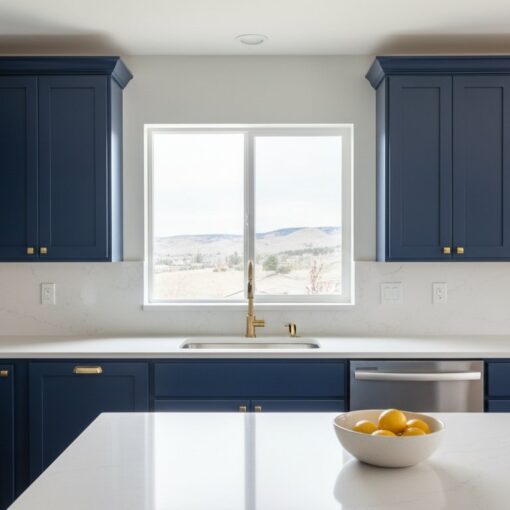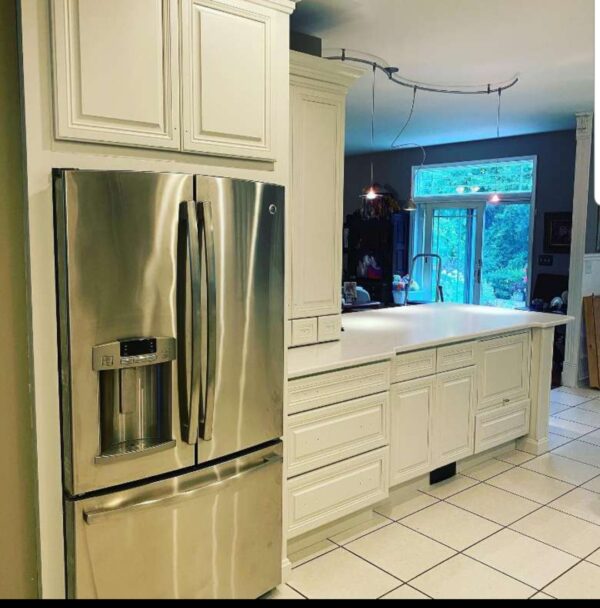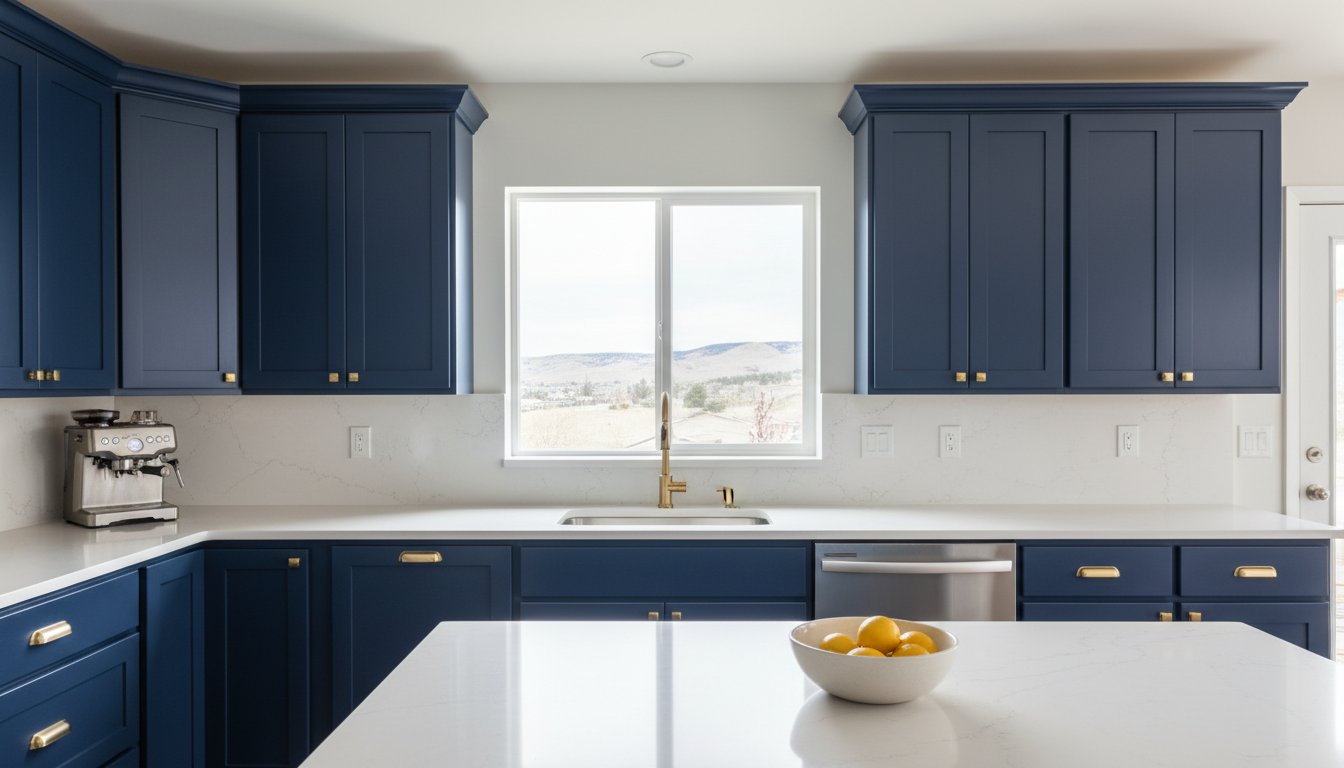
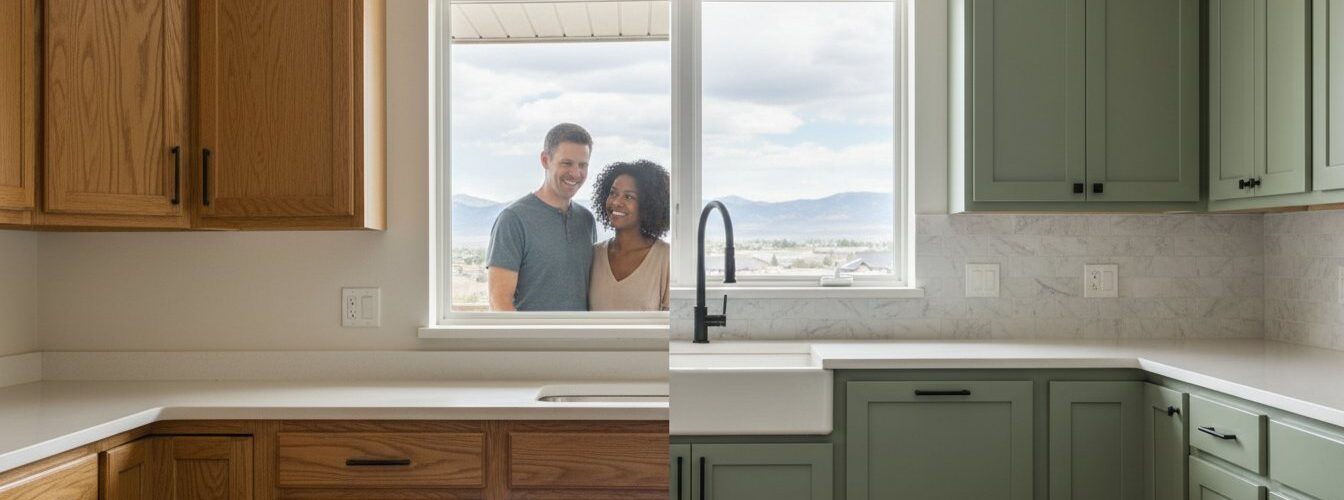
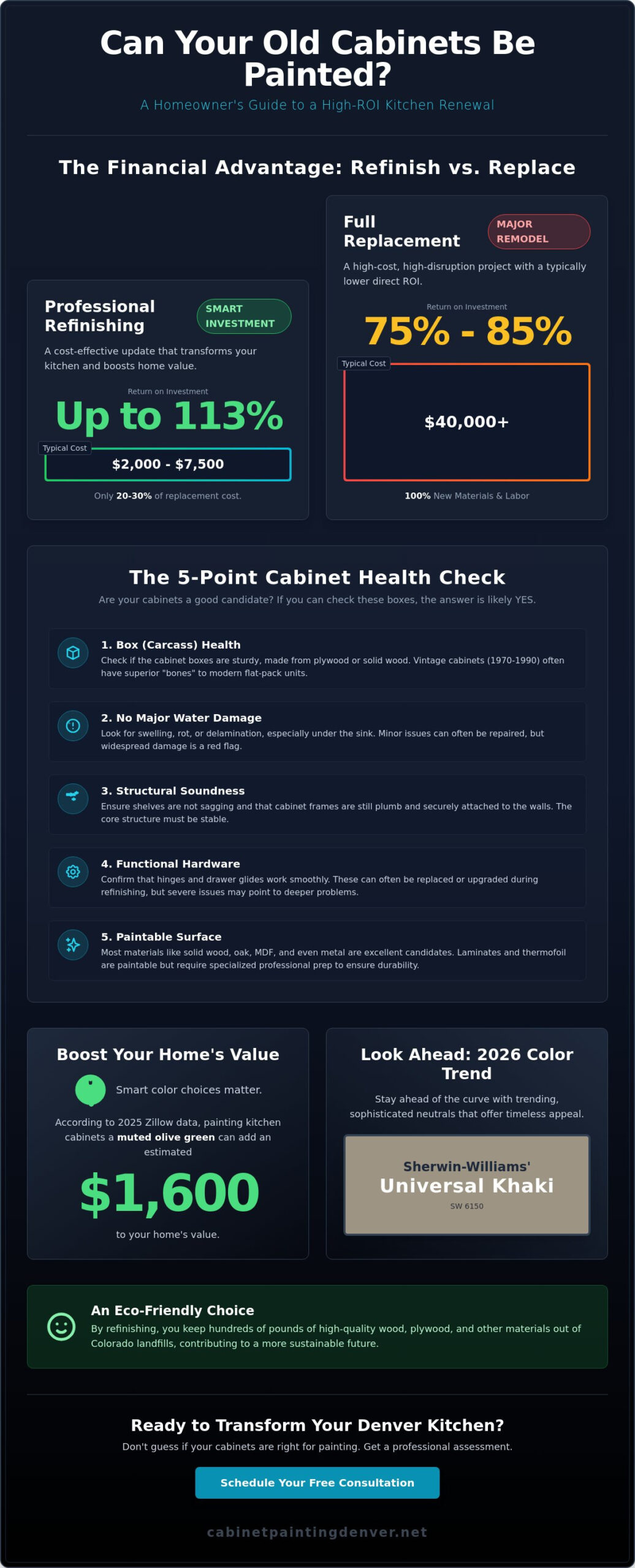
Did you know that a minor kitchen update like painting your cabinets can yield a return on investment of up to 113%? While a full replacement often costs upwards of $40,000, professional refinishing typically costs just 20% to 30% of that price. If you’re currently staring at outdated honey oak or worn finishes, you’re likely asking: can my old cabinets be painted or am I forced to live with a kitchen I’m embarrassed to show guests? It’s a common dilemma for homeowners who want a modern look without the stress of a total gut-remodel.
We understand the frustration of living with a kitchen that feels stuck in the past. This guide will help you determine if your cabinets are candidates for a professional transformation by looking at five specific health markers. You’ll learn how to identify structural red flags and see why 2025 Zillow data shows that the right color choice, like a muted olive green, can add $1,600 to your home’s value. We’ll also preview the top 2026 trends, including Sherwin-Williams’ “Universal Khaki,” to ensure your kitchen renewal looks like a million dollars without the heavy price tag.
Key Takeaways
- Identify which materials, from solid oak to high-quality laminate, offer the best surface for a long-lasting professional finish.
- Use our 5-point structural integrity test to answer the question, “can my old cabinets be painted,” by checking for sagging, water damage, and box health.
- Learn why industrial-grade degreasing and proper sanding techniques are the secret to preventing paint failure in high-traffic kitchen environments.
- Determine if your current hardware, such as hinges and drawer glides, is functional enough to support your kitchen’s modern transformation.
- Gain insights into how professional refinishing impacts home appraisals in the Denver area compared to the high cost of a full remodel.
The Short Answer: Can My Old Cabinets Be Painted?
The short answer is a resounding yes. If you’re wondering, “can my old cabinets be painted,” the answer depends on the structural foundation rather than the surface aesthetics. Most kitchens built with solid wood, metal, or high-grade laminate are excellent candidates for a professional update. Unlike a simple DIY project, professional cabinet refinishing acts as a functional reface. It transforms the kitchen’s atmosphere without the $40,000 price tag often associated with a full demolition and replacement.
Not every material is created equal on the paintability spectrum. Solid oak is a favorite because its deep grain provides excellent “tooth” for paint to grab onto. Conversely, materials like thermofoil require specialized bonding primers to prevent peeling. If your cabinet boxes are made of sturdy plywood or solid wood, they are likely better candidates for paint than brand-new, budget-friendly flat-pack units found in big-box stores today.
To better understand how the process looks in action, watch this helpful video:
Why Age is Just a Number for Quality Cabinets
Many homeowners assume their 1980s honey oak cabinets are too old to save. In reality, cabinets built between 1970 and 1990 often feature higher-quality “bones” than modern alternatives. These vintage units typically use thick plywood or solid wood for the box, also known as the carcass. If the box is plumb and the wood hasn’t rotted from water damage, age is simply a number. We focus on the integrity of the structural frame because doors can always be adjusted or even replaced, but a solid box is the heart of a successful renewal.
When Painting is Better Than Replacing
Choosing to paint instead of replace offers three distinct advantages. First, the financial savings are immense. You can save 60% to 70% compared to a full kitchen replacement. In Denver, professional painting often ranges between $2,000 and $7,500, while a full remodel can easily exceed $40,000. Second, the environmental impact is significant. By refinishing, you keep hundreds of pounds of high-quality wood out of Colorado landfills. Finally, when asking can my old cabinets be painted, consider the return on investment. Minor kitchen updates currently yield an ROI between 75% and 85.7%, making it a smart move for those planning to sell in 2026.
Understanding Your Cabinet Materials: What Works and What Doesn’t
Your kitchen’s material determines the chemical approach a professional must take. While you might wonder, “can my old cabinets be painted,” the answer depends on whether the surface can achieve a mechanical or chemical bond with the coating. Solid wood, such as oak, maple, and cherry, remains the gold standard for refinishing. These materials are durable, handle sanding well, and provide a stable foundation for industrial-grade alkyd paints. Plywood and Medium Density Fiberboard (MDF) are also excellent candidates, though they require moisture-controlled primers to prevent the fibers from swelling or “furring up” during the application process.
Metal cabinets, though less common in modern Denver homes, are surprisingly successful candidates for professional spraying. Because metal is non-porous, it requires a high-adhesion etching primer to ensure the finish doesn’t chip. According to the Remodeling Impact Report from the National Association of REALTORS®, kitchen upgrades like these provide some of the highest joy scores for homeowners, regardless of the underlying material. If you aren’t sure what your cabinets are made of, a professional cabinet assessment in Denver can help identify the substrate before you commit to a color.
The Oak Grain Challenge
Oak is perhaps the most common “old” cabinet material in the Denver metro area. Its heavy, porous grain is a signature of 1980s and 1990s design. The challenge isn’t the paint’s ability to stick; it’s the texture that remains visible after painting. To achieve a modern, smooth finish, professionals use high-solid primers or grain fillers that level the surface. If you prefer a more organic look, choosing a darker 2026 trend color like charcoal or forest green can actually highlight the wood’s natural character without the dated “honey” hue.
Can You Paint Laminate or Thermofoil?
Laminate and thermofoil present a different set of hurdles because they are essentially plastic shells over an MDF core. You can paint these, but you must first check for “the peel.” If the plastic coating is bubbling or pulling away from the corners, the bond has failed, and painting over it will only mask a structural problem. However, if the thermofoil is intact, a professional can use specialized bonding primers designed to “bite” into non-porous surfaces. This is where most DIY projects fail. Without the right chemical bond, the paint will simply peel off in sheets within six months. Professional-grade coatings ensure the new finish is just as durable as the original plastic wrap.
The 5-Point Structural Integrity Test: Is Your Kitchen a Candidate?
Before you pick a color from the 2026 palette, you must verify that your kitchen’s foundation is actually worth the investment. While the question of “can my old cabinets be painted” usually results in a yes, about 15% of kitchens we inspect have structural issues that paint simply cannot fix. Professional results require more than just a clean surface; they require a stable “carcass” or cabinet box. If the underlying structure is failing, even the highest quality industrial coating won’t prevent the wood from shifting or the finish from cracking.
Use this 5-point test to audit your kitchen’s health before making a decision:
- The Box Test: Inspect the bottom of the sink cabinet and the areas near the dishwasher. If the wood is soft, crumbling, or shows signs of active mold, the structural integrity is compromised.
- The Hardware Check: Open every drawer. If the glides are bent or the hinges have pulled out of the wood frame, you need to determine if the holes can be filled and redrilled or if the wood is too stripped to hold a screw.
- The Delamination Check: Run your hand along the edges of the doors. If the veneer or laminate is separating from the core, it requires professional regluing or door replacement before painting begins.
- The Layout Audit: Ask yourself if you hate the workflow. If you plan to move the stove or fridge in the next two years, painting now is a wasted expense because you won’t be able to match the new configuration later.
- The Smell Test: Cabinets in homes with heavy indoor smoking or decades of high-heat frying can absorb deep-seated odors. While most can be cleaned, severe cases might require specialized shellac-based sealers to lock in smells.
Signs You Should Replace Instead of Paint
If your cabinets are made of low-grade particle board that has swollen to twice its original thickness due to water damage, replacement is your only viable path. This type of damage is common in kitchens where a sink leak went unnoticed for months. Additionally, if the cabinet boxes are “racking,” meaning they are no longer square and lean to one side, the joints have likely failed beyond repair. A 2025 report on kitchen remodels suggests that if you need to move appliances to create a functional work triangle, you should invest in new cabinets rather than asking can my old cabinets be painted to hide a flawed layout.
The ‘Fixable’ Problems
Don’t let surface-level grime discourage you. Most of the “embarrassing” issues homeowners face are purely cosmetic. Heavy grease buildup, minor scratches, and outdated brass hardware are easily managed. Professional cabinet refinishing is specifically designed to strip away decades of kitchen wear and provide a factory-smooth surface. If your boxes are solid, even the most dated 1990s kitchen can be saved. Swapping out old hinges for hidden, soft-close versions during the painting process can make your old cabinets feel brand new for a fraction of the cost of a full remodel.
Professional Refinishing vs. DIY: Why Prep Determines Longevity
The longevity of your kitchen renewal depends entirely on the invisible work performed before the first drop of paint is applied. When homeowners ask can my old cabinets be painted, they’re often thinking about the final color, but the real question is whether the paint will stay attached for the next decade. Professional refinishing involves a rigorous degreasing process because even microscopic layers of cooking oil prevent paint from bonding. While DIY kits often claim no sanding is required, this is a misleading shortcut. Sanding creates a mechanical “tooth” that allows the primer to lock into the wood fibers, ensuring the finish doesn’t chip when bumped by a heavy pot or pan.
Achieving a factory-smooth finish also requires moving away from brushes and rollers. In a professional shop, every door is sprayed using high-volume, low-pressure (HVLP) systems that atomize the coating into a fine mist. This eliminates the brush marks and “orange peel” texture common in home projects. Additionally, the Denver climate adds a unique layer of complexity. Colorado’s low humidity, which often drops below 20%, causes wood to shrink and expand more aggressively than in coastal regions. Professionals account for this wood movement by using flexible, industrial-grade coatings that won’t crack at the joints when the seasons change. If you’re ready to see the difference professional equipment makes, you can get a professional quote for your Denver kitchen today.
The Chemistry of Bonding
Standard latex paint found at big-box stores is designed for walls, not the high-impact environment of a kitchen. These paints remain too soft, leading to a problem known as blocking. Blocking is a physical phenomenon where two painted surfaces stick together when pressed, often causing the paint to peel off when you try to open the cabinet door. Professionals instead use water-based alkyd paints or 2-component polyurethanes that cure into a hard, durable shell. These coatings provide the chemical resistance needed to withstand household cleaners and the daily friction of a busy kitchen.
Common DIY Regrets and How to Avoid Them
One of the most frequent issues DIYers face is “tannin bleed,” especially on old oak or cherry cabinets. Without a high-quality stain-blocking primer, the natural oils in the wood will seep through the paint, creating yellow or brown splotches that ruin a white or cream finish. Another hurdle is maintaining a dust-free environment. A single stray hair or dust particle stands out like a mountain on a freshly sprayed surface. For high-traffic kitchens where durability is the priority, hiring professional cabinet painters is often the most cost-effective choice. It prevents the need for a total do-over six months down the road when a DIY finish begins to fail under the pressure of daily use.
Modernizing Your Denver Home: The ROI of Cabinet Painting
In the competitive Denver real estate market, the kitchen remains the most influential room for potential buyers. If you’re asking, “can my old cabinets be painted to increase my home’s value,” the data provides a clear answer. A 2025 report found that minor kitchen updates, like professional refinishing, can yield a return on investment of 113%. This makes cabinet painting Denver one of the most strategic moves for local homeowners and property flippers alike. Instead of spending $50,000 or more on a full replacement, investing in a professional coating gives you a high-end aesthetic that appeals to modern buyers without draining your home equity.
The psychological impact of a bright, clean kitchen shouldn’t be underestimated. It’s the heart of the home where families gather and meals are shared. Removing the visual weight of heavy, dark wood or peeling thermofoil instantly makes an entire floor plan feel more open and inviting. Because Denver’s housing market often features older homes with solid construction, painting these units preserves the quality of the original materials while updating the style for 2026 standards. It’s a way to honor the “good bones” of your home while embracing a fresh look.
2026 Color Trends for Old Cabinets
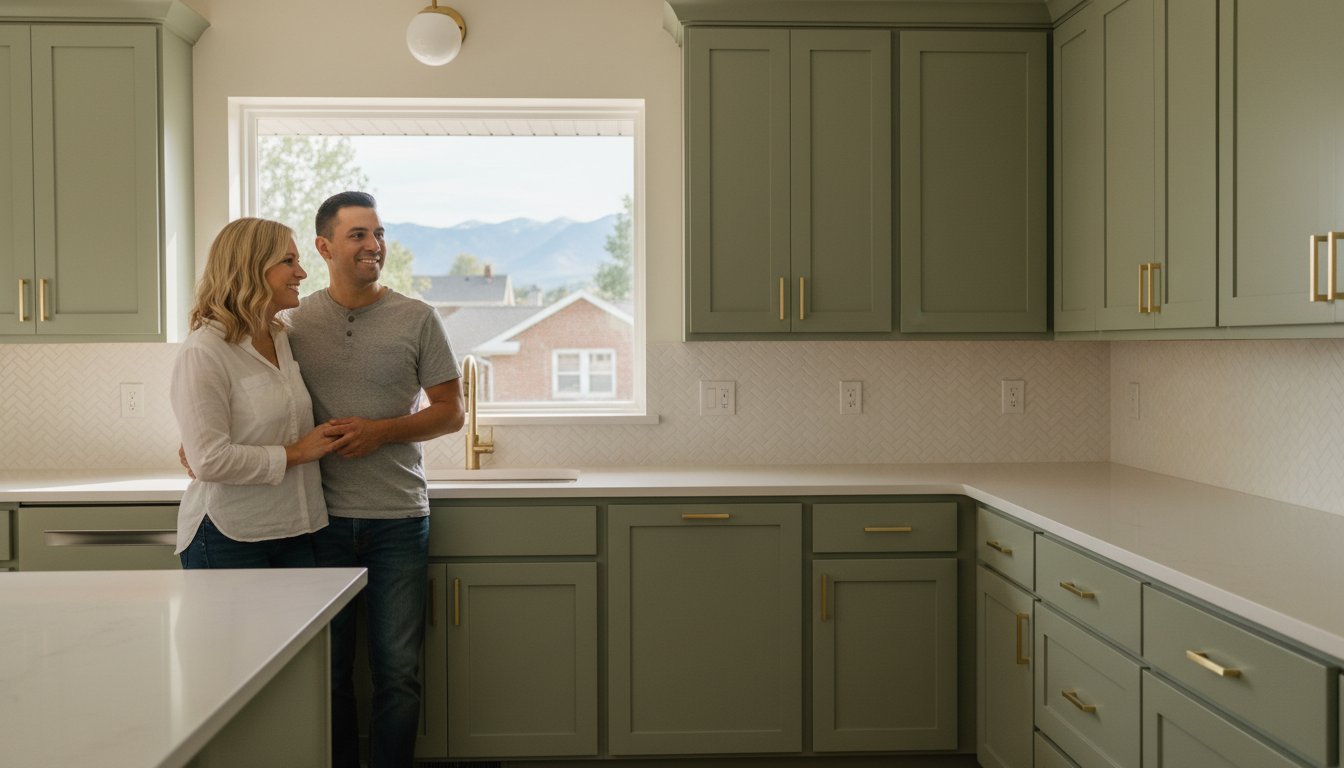
The trend landscape for 2026 has shifted away from the sterile, all-white kitchens of the past decade. Homeowners are now embracing nature-inspired tones like sage green, mushroom, and the Sherwin-Williams 2026 Color of the Year, “Universal Khaki.” A 2025 Zillow survey of 4,000 buyers revealed that kitchens with muted olive green cabinets sold for $1,600 more than those with white cabinets. To make smaller Denver kitchens feel more expansive, consider a two-tone design with darker, earthy lowers and lighter uppers. For a deeper look at specific products and finishes, check our guide on the top kitchen cabinet paint colors.
Getting Started with Cabinet Painting Denver
The professional process typically takes between 5 and 7 days, meaning you can have a completely transformed kitchen in less than a week. Most projects begin with a virtual or in-home estimate where a technician assesses the material of your boxes and doors to ensure they’re healthy candidates for paint. Before the crew arrives, you’ll simply need to clear your countertops and empty the contents of your cabinets. This streamlined timeline is a major reason why local residents prefer painting over the months of construction required for a full remodel. If you’ve been wondering can my old cabinets be painted, the 2026 market proves it’s the fastest way to achieve a modern look on a realistic budget.
Take the Next Step Toward Your Kitchen Renewal
Updating your home doesn’t require a $40,000 demolition or months of construction stress. You now have the tools to evaluate your kitchen’s health and understand that the answer to can my old cabinets be painted depends on structural integrity rather than the year they were built. With a potential 113% return on investment and a timeline of just 5 to 7 days, professional refinishing is the most efficient path to a modern aesthetic in 2026. Whether you’re refreshing 1980s oak or modernizing laminate, the right chemical bond and prep work make all the difference.
Our team brings over 15 years of experience to the Denver area, specializing in old-growth oak and laminate transformations. We use professional HVLP spray systems to ensure a smooth, factory-grade finish that is completely free of brush marks. We understand how Colorado’s low humidity affects wood movement and use industrial coatings designed to withstand the local climate. Don’t settle for a kitchen that feels stuck in the past. Get Your Free Cabinet Painting Quote in Denver Today and start your journey toward a bright, inviting space you’ll love for years to come.
Frequently Asked Questions
Can you paint cabinets that are already painted?
Yes, you can paint over previously painted surfaces as long as the existing finish is stable and not peeling. If the old paint is bubbling or chipping, a professional must sand it down to a solid layer or strip it entirely to prevent the new coating from failing. It’s a common scenario for homeowners wondering can my old cabinets be painted when a previous DIY attempt didn’t meet their expectations.
How long do professionally painted cabinets last?
A professional cabinet finish typically lasts between 8 and 15 years depending on the quality of the topcoat and daily kitchen activity. Industrial-grade alkyd urethanes are specifically designed to resist the oils and moisture found in cooking environments. Using these high-quality finishes ensures that the surface remains durable and easy to clean for over a decade without the need for major touch-ups.
Is it cheaper to paint cabinets or replace them?
Painting is substantially more affordable, typically costing just 20% to 30% of the price of a full cabinet replacement. While a complete kitchen remodel often reaches $40,000 to $70,000, professional refinishing allows you to achieve a high-end look for a fraction of that investment. This cost-effectiveness makes it a preferred choice for Denver homeowners working with strict budget constraints in 2026.
Do I need to empty my cabinets before they are painted?
You should empty all cabinets and drawers before the painting crew arrives. This protects your dishes and cookware from fine dust during the sanding phase and allows painters to access the interior frames without any obstruction. Most professional teams require the kitchen to be clear of all loose items to maintain a clean environment and ensure the best possible finish on the cabinet boxes.
Can you paint over thermofoil cabinets if they are peeling?
You cannot paint directly over peeling thermofoil because the bond between the plastic shell and the MDF core has already failed. If the thermofoil is intact, a specialized bonding primer works well. However, if it’s lifting, the plastic must be heat-stripped off first. Once the bare MDF is exposed and sealed with the correct primer, it becomes a perfect candidate for a professional spray finish.
What is the best paint to use on old wood cabinets?
The best choice for old wood is a water-based alkyd urethane, such as Benjamin Moore Advance or Sherwin-Williams Emerald Urethane. These products offer the durability of oil-based paint with the low odor and fast dry times of water-based formulas. They are engineered to level out smoothly, which helps answer the question can my old cabinets be painted with a factory-like appearance rather than showing brush marks.
How do I know if my cabinets are solid wood or laminate?
Check the back of the door and the edges to determine the material. Solid wood shows a continuous grain pattern that wraps around the edges, while laminate or thermofoil often has a visible seam or a perfectly smooth, plastic texture. You can also look for a “cathedral” grain on the front; if the pattern looks perfectly repeated or printed, it’s likely a laminate surface over a composite core.
Will painting my cabinets increase my home’s value?
Painting your cabinets can increase your home’s value by thousands of dollars. According to 2025 Zillow data, specific color choices like muted greens can add an average of $1,600 to a sale price. Minor kitchen updates currently show an average return on investment of 85.7%, making it one of the most profitable projects a homeowner can undertake before listing their property for sale.