Why Affordable Cabinet Painting Matters In Denver Kitchens
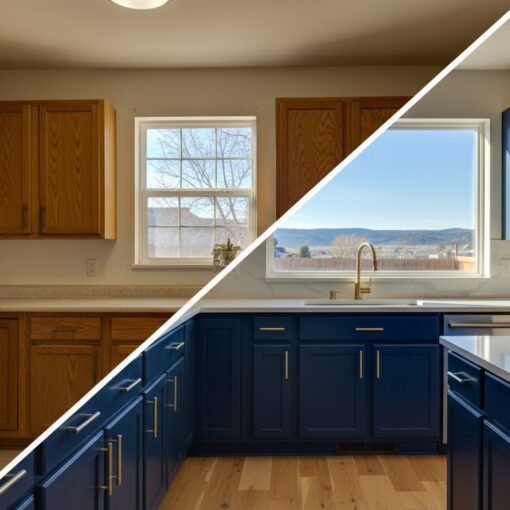
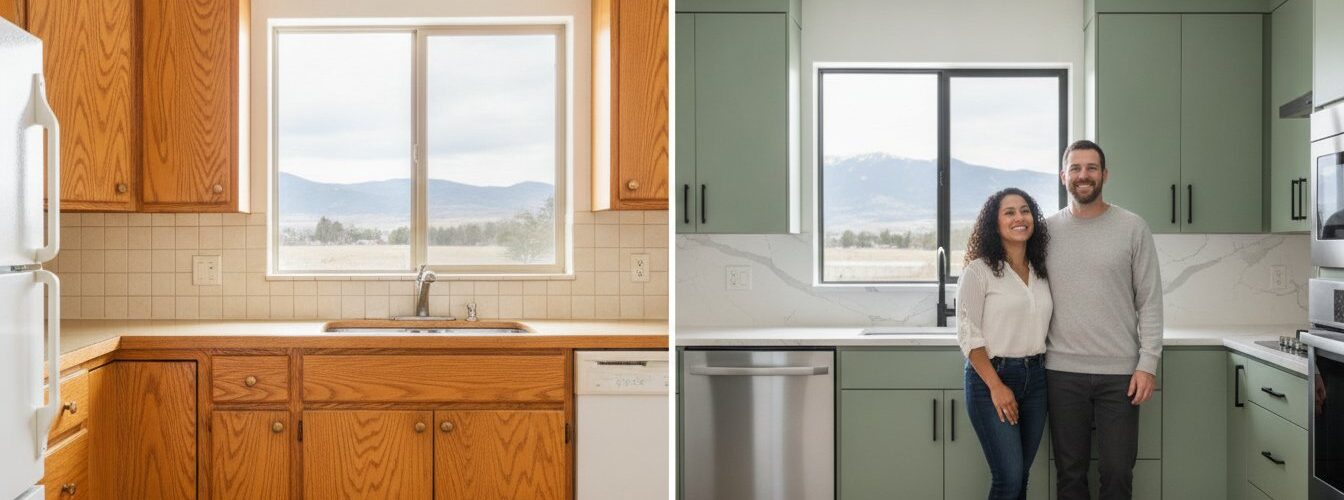
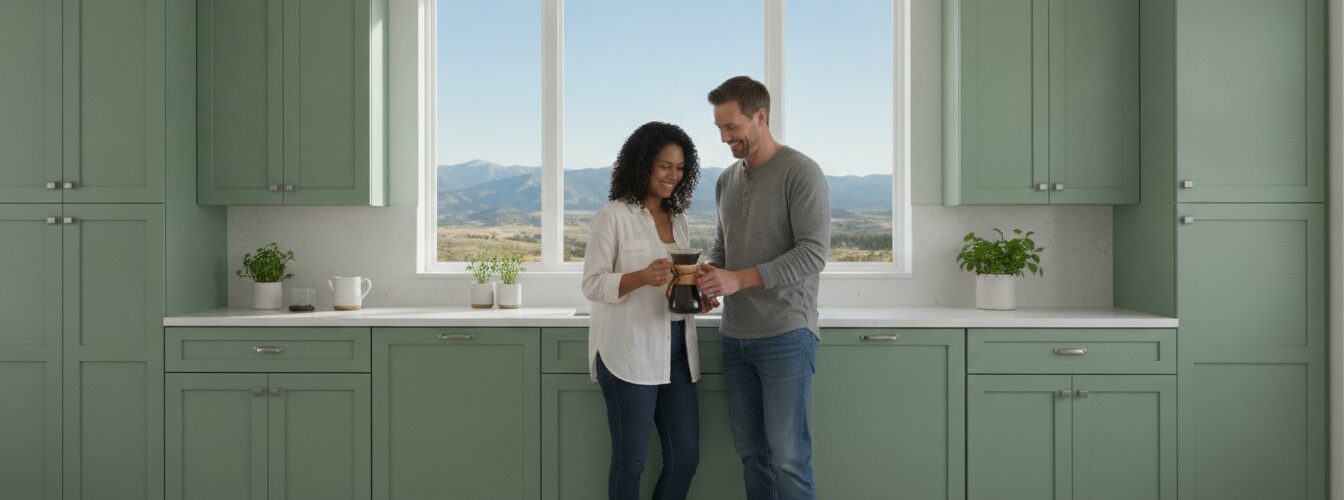
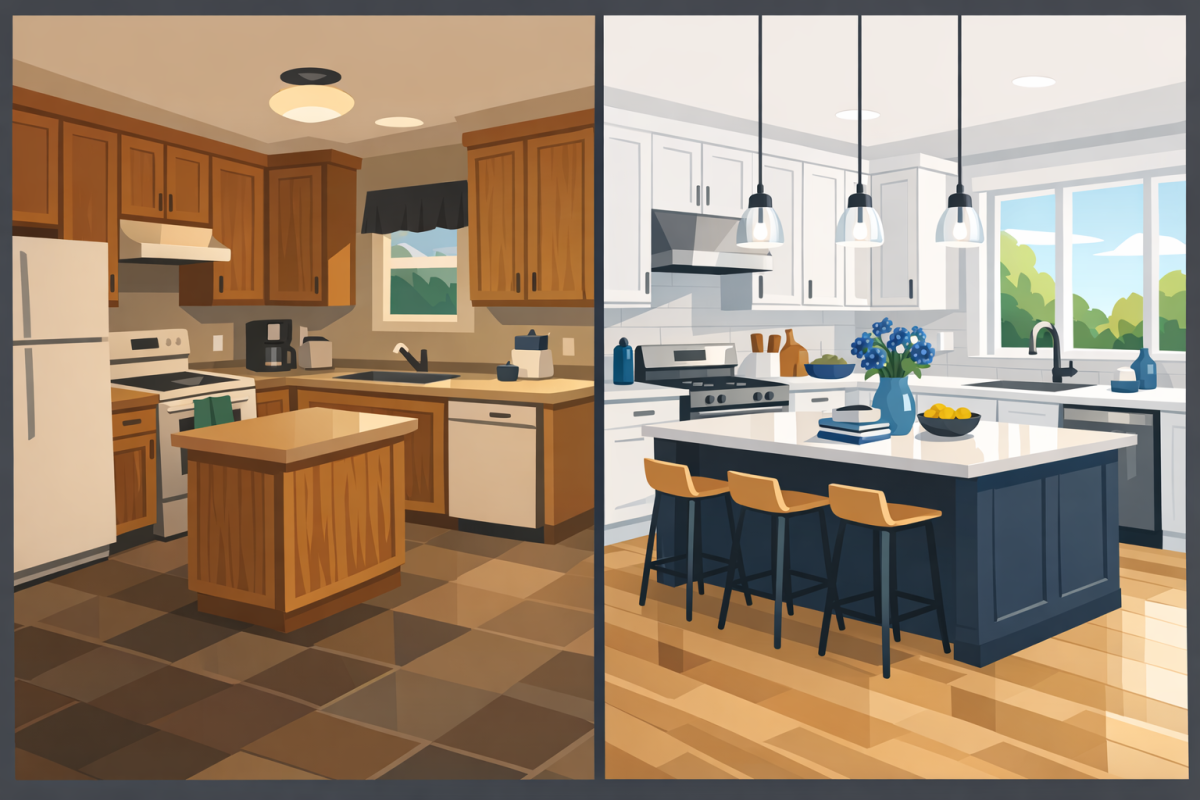
In Denver, a full kitchen remodel often starts above $35,000, which puts many projects on hold. Yet dated oak, orange maple, or dark cherry cabinets can drag down both your enjoyment and your home’s resale appeal. Affordable kitchen cabinet painting in Denver CO offers a way to modernize your space without committing to a full gut renovation.
For Denver-area homeowners, investors, and designers, cabinet painting typically delivers the most visible change for the lowest cost per dollar spent. You can shift a 1990s kitchen to a clean, modern look, prep a listing to stand out in Aurora or Highlands Ranch, or refresh a long-term home in Wash Park without replacing functional cabinetry.
This guide walks through real numbers, material comparisons, finish choices, and decision frameworks, so you can decide whether DIY or professional cabinet painting fits your goals, timeline, and budget in the Denver metro area.
What “Affordable” Cabinet Painting Really Costs In Denver
Before choosing products or contractors, you need realistic cost ranges for the Denver market. Prices here are affected by labor rates, cost of living, and high-altitude conditions that influence drying and curing.
Typical Cost Ranges In Denver Metro
| Option | Typical Cost Range* | Best For |
|---|---|---|
| DIY, small condo kitchen | $250 – $600 in materials | Handy homeowners with time |
| DIY, average single-family kitchen | $400 – $900 in materials | Budget-focused, willing to learn |
| Pro repaint, standard finish | $2,500 – $4,500 | Most homeowners and investors |
| Pro repaint, premium finish | $4,500 – $7,000+ | High-end homes, designers, complex kitchens |
| Full cabinet replacement | $12,000 – $30,000+ | Failing boxes, major layout changes |
*Ranges assume 25–45 cabinet doors, typical in Denver-area 1,600–3,000 sq ft homes.
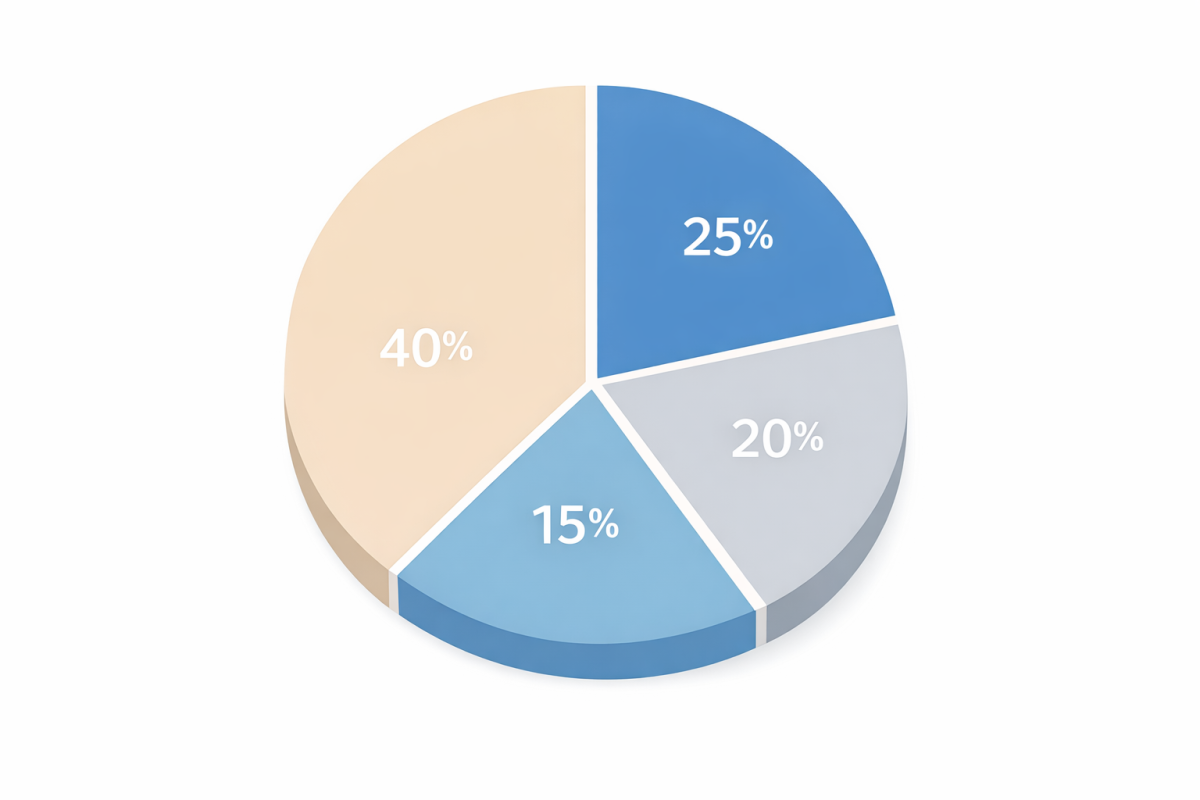
Key Takeaway: In Denver, quality cabinet painting usually costs 15 to 25 percent of a full replacement, especially in average-sized kitchens.
Factors That Push Costs Up Or Down
Key variables you should consider:
- Cabinet size and layout
Large island, double stack uppers, and butler’s pantries increase surface area and labor. - Existing finish
Heavy grain oak, dark stains, or heavy lacquer require more prep and often grain filling. - Paint system used
Budget acrylic vs premium pre-catalyzed or 2K urethane drastically affects durability and cost. - On-site vs spray shop
Doors sprayed in a shop with a controlled environment typically yield a smoother, more durable finish. - Repairs and modifications
Patching old hardware holes, adding soft-close hinges, or adjusting doors adds labor.
For a deeper look at project scope and pricing examples, see:
Transform Your Kitchen With Professional Cabinet Painting And Cabinet Refinishing In Denver Metro Area.
DIY vs Professional Cabinet Painting In Denver
Many Denver homeowners start by asking, “Can I do this myself?” The answer depends on your standards, schedule, and tolerance for risk.
When DIY Makes Sense
DIY is typically a good fit when:
- You have a smaller kitchen or townhouse galley layout.
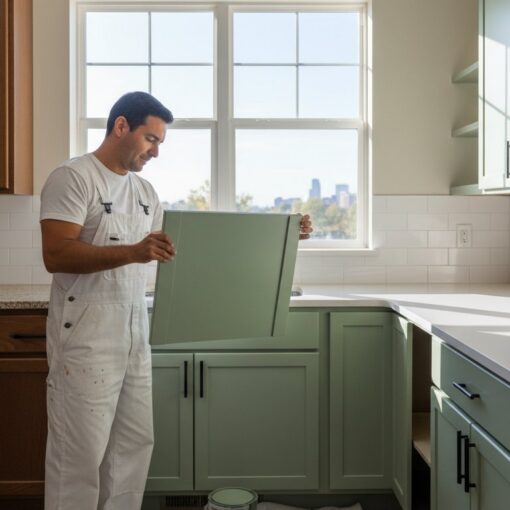
- You are comfortable with sanding, masking, and using a sprayer, or willing to brush and roll.
- You can live with your kitchen disrupted for 2–3 weeks.
- Your cabinets are structurally sound and fairly smooth to begin with.
DIY can save $2,000–$4,000 in labor but expect to invest 40–80 hours of work for an average Denver kitchen.
When A Pro Is The Smarter Investment
Consider hiring a professional when:
- You live in a higher value neighborhood where finish quality affects resale, for example Stapleton, Cherry Creek, or Greenwood Village.
- Your home is going on the market soon and you cannot risk a flawed finish.
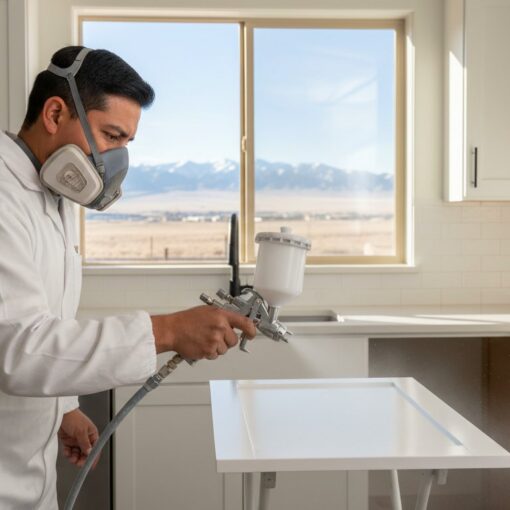
- You want a factory-like, glass-smooth look that generally requires spraying and pro-level products.
- You need low-VOC systems that still cure hard enough for heavy family use.
Professionals also manage dust control, masking, proper ventilation, and timing, which is especially important in winter or during Denver’s spring storms when temperature and humidity swing quickly.
Risk And Durability Comparison
| Aspect | DIY Approach | Professional Approach |
|---|---|---|
| Adhesion risk | Higher if prep or primer is poor | Low, pros match primer to existing finish |
| Brush marks/texture | Common with rollers and brushes | Minimal, especially from shop spraying |
| Durability | 2–5 years before noticeable wear | 8–15 years with pro-grade coatings |
| Time without doors | 1–3 weeks, variable | 5–10 working days for most jobs |
Pro Tip: If you plan to list your Denver home within 12–24 months, a professional finish generally generates a better return on investment than saving money with DIY.
Choosing The Right Paint And Finish For Denver Conditions
At altitude, Denver’s dry air and UV exposure from ample sunshine can be hard on coatings. The products you or your painter choose matter as much as the color.
Best Paint Types For Kitchen Cabinets
- Acrylic-alkyd hybrid enamel
Good balance of affordability, flow, and hardness. Popular for budget-conscious yet durable projects. - Pre-catalyzed lacquer or urethane
Used by many professional shops. Fast-drying, very smooth, and durable when applied correctly. - 2K urethane systems
Highest durability, best for luxury homes or heavy-use rental properties. More expensive and specialized.
Avoid basic wall paint or straight acrylic latex on cabinets. These typically remain softer, pick up grease, and can block-stick to face frames and doors.
Low-VOC And Eco-Friendly Choices
For environmentally conscious Denver homeowners, look for:
- Waterborne cabinet enamels with VOCs under 50 g/L.
- Products specifically labeled for “kitchen and bath” or cabinetry, which resist moisture and grease.
- Systems that can be sprayed with minimal off-gassing, especially if you have kids or are remodeling a long-term primary residence.
Expert Insight: Low-VOC does not always mean low performance. Many modern waterborne cabinet enamels rival older solvent systems in hardness and chip resistance.
Finish Sheen And Real-World Performance
Sheen affects both aesthetics and how much everyday wear shows:
- Matte / eggshell: Hides imperfections but can be harder to clean in high-use family kitchens.
- Satin: Most popular choice. Soft sheen, easy to wipe, works well for Denver’s mix of natural and artificial light.
- Semi-gloss: Brighter and more reflective, shows more imperfections but cleans very easily.
For investment properties and flips, satin often provides the best compromise of forgiveness and cleanability.
For more detail on finishes and color strategy, see:
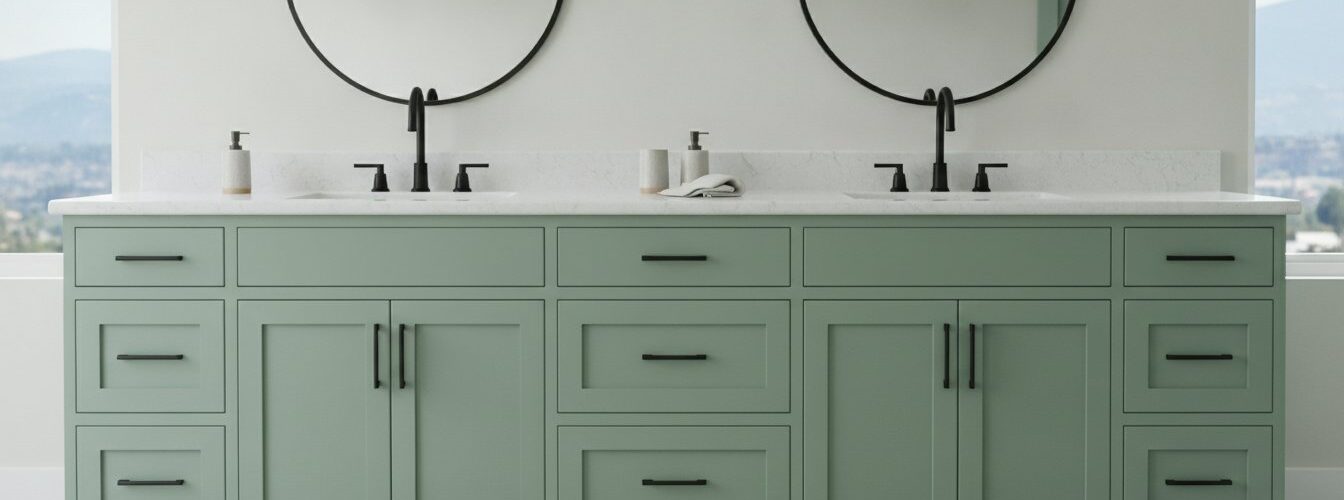
Transform Your Kitchen With Cabinet Painting In Denver A Rainbow Of Colors Awaits.
Color And Design Choices That Work In Denver Homes
Cabinet color is not just about taste. It should align with your home’s style, light levels, and target buyer profile if resale is on your mind.
Popular Color Strategies By Neighborhood Type
- Urban Denver bungalows and Tudors (e.g., Highlands, Platte Park)
- Soft white uppers with warm gray or greige lowers.
- Deep navy or charcoal islands with brass or brushed gold hardware.
- Suburban two-stories (e.g., Parker, Littleton, Arvada)
- All-over warm white or cream for a bright refresh.
- Two-tone combinations with light uppers and medium-tone lowers.
- Mountain-view or contemporary homes
- Cooler whites, soft blacks, or natural wood-and-paint mixes.
Coordination With Countertops And Backsplash
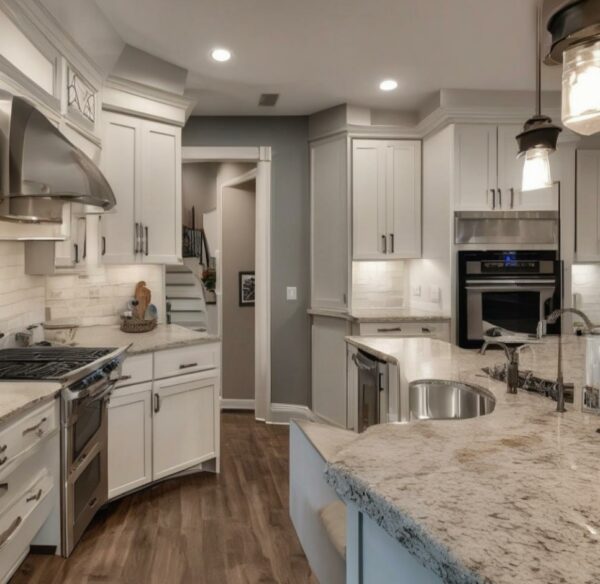
You can stretch your budget by painting cabinets while leaving existing counters. To make dated granite or laminate feel intentional:
- Pick a cabinet color that appears in the countertop veining or speckling.
- Use a backsplash that visually ties the two surfaces together.
- Avoid stark white with very yellow or busy granite, which can make the counters look older.
Resale-Focused Choices
If you plan to sell within a few years:
- Stay within neutral, buyer-friendly palettes that work with many decor styles.
- Avoid extremely dark colors in small, north-facing kitchens common in some Denver neighborhoods.
- Consider cabinet painting as part of a broader strategy that might include new hardware, lighting, and a modest backsplash update.
Real estate investors and flippers often combine cabinet painting with simple quartz or butcher block counters to re-position a kitchen for Denver buyers without over-improving for the neighborhood.
How Professional Cabinet Painting Actually Works
Understanding the process helps you compare quotes and avoid shortcuts that lead to peeling or chipping.
Typical Professional Workflow
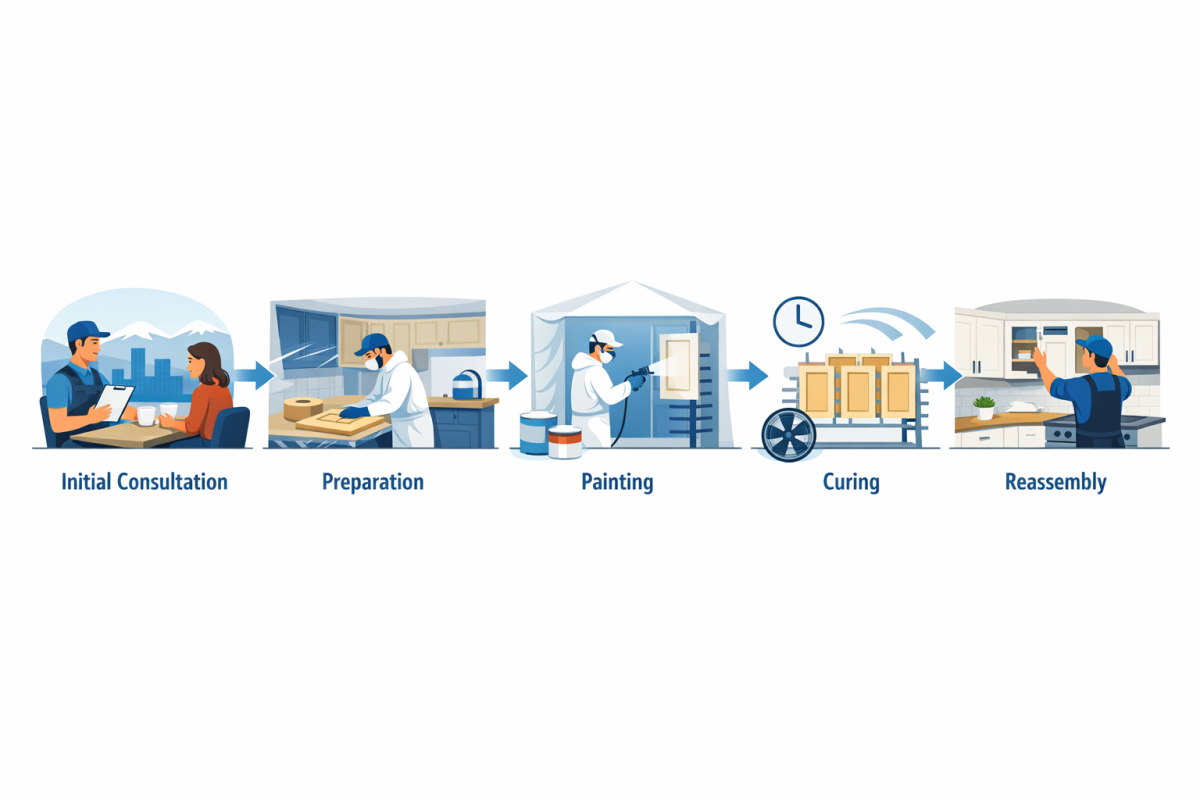
Although every company varies slightly, a solid Denver cabinet painter will follow a process similar to this:
- Assessment and color consultation
Evaluate cabinet condition, discuss color and sheen, confirm scope and pricing. - Labeling, removal, and setup
Doors and drawers are removed and labeled. Kitchen is masked off, floors protected, appliances covered. - Cleaning and degreasing
Critical in cook-heavy or rental properties, especially near the stove and hood. - Sanding and scuffing
Mechanical abrasion to help primer grip the existing finish. - Priming
Bonding primer chosen for your specific cabinet finish, particularly important over factory lacquer or stained oak. - Filling and caulking
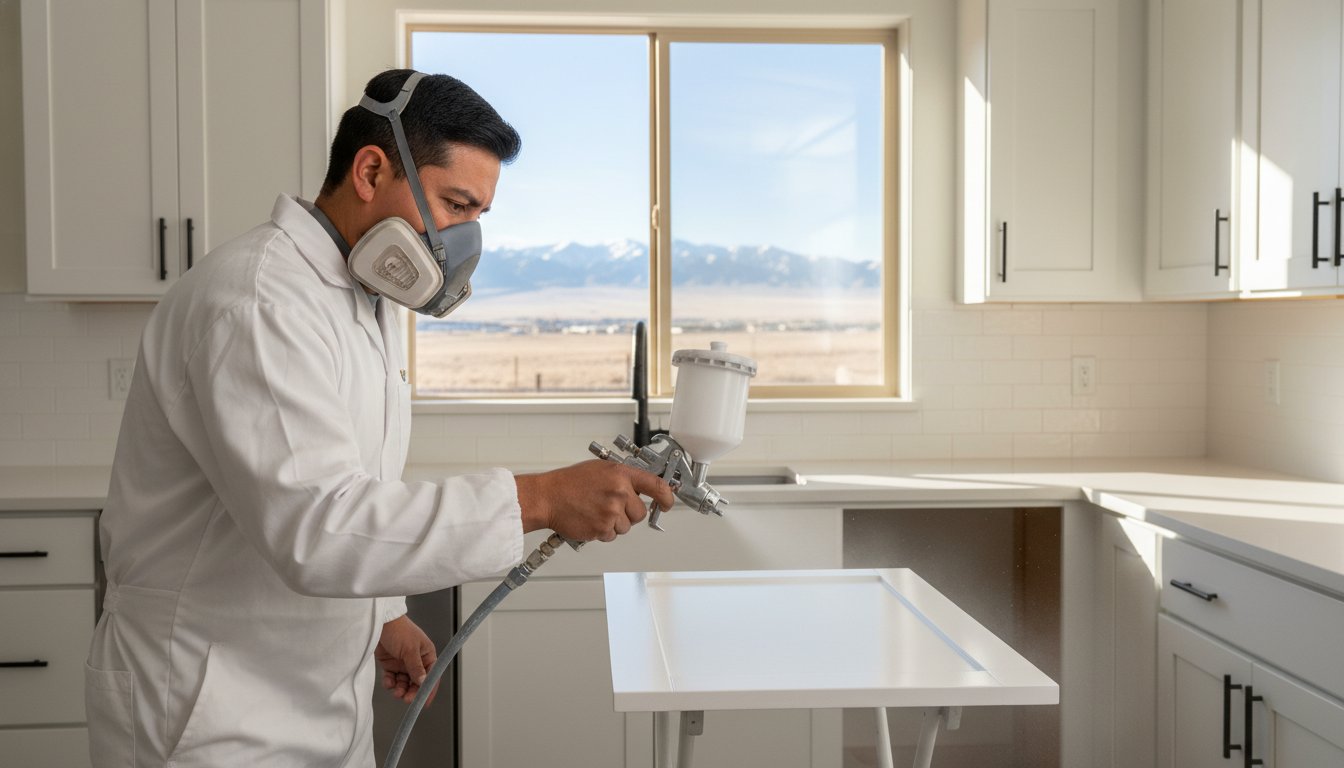
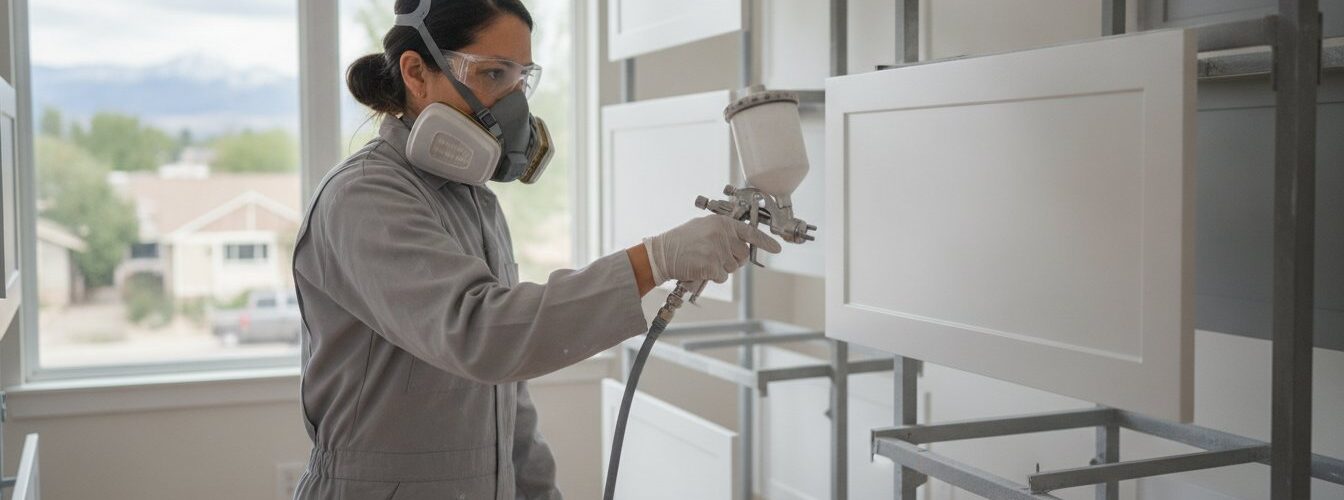
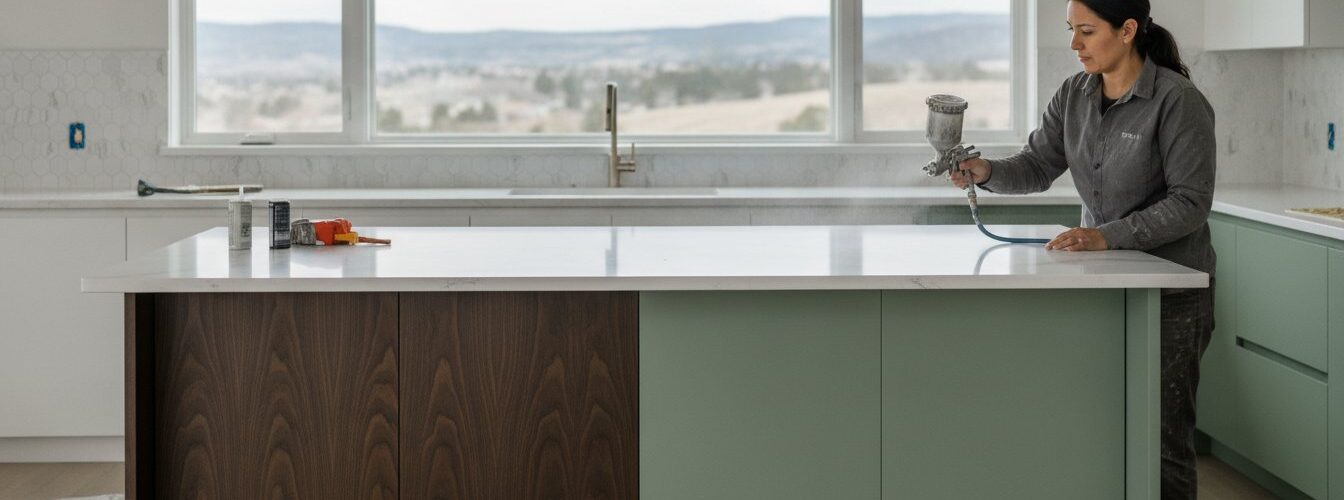
Grain filling (if requested), gap caulking, and patching of old hardware holes if you are changing knobs or pulls. - Spraying doors and drawers
Often done in a temperature-controlled shop to achieve a smooth, dust-free finish. - On-site painting of frames and panels
Frames and fixed panels are typically sprayed or rolled on-site with ventilation and masking. - Curing, reassembly, and adjustment
Doors reinstalled, hardware installed, and doors aligned.
Timelines And Living Through The Project
For an average Denver kitchen:
- On-site disruption: 3–7 working days, depending on complexity.
- Total project including off-site spraying: 7–14 days.
- Light use of cabinets: usually within 24–48 hours after final coat.
- Full cure: often 21–30 days for maximum hardness.
Important: Ask painters about cure time and how to treat doors during the first month. Early slamming, tape on doors, or scrubbing can damage even premium finishes.
To explore what a complete professional service package looks like, see:
Cabinet Painting Denver Transform Your Kitchen With Professional Cabinet Refinishing Services.
Budget-Stretching Strategies Without Sacrificing Quality
If you want an affordable kitchen cabinet painting project in Denver CO, focus on where to save and where not to cut corners.
Smart Ways To Save
- Keep your layout and boxes
Any structural changes or box replacements multiply costs. - Limit color changes
One cabinet color is more efficient than complex three-color schemes. - Reuse existing hardware layout
Filling and drilling new knob or pull locations adds labor. - Combine projects strategically
Painting cabinets and walls together can reduce setup and masking costs. - Handle minor demolition yourself
Removing wallpaper or patching simple wall damage before painters arrive can trim hours.
Places You Should Not Cut Costs
- Surface preparation and primer choice.
- Quality of topcoat, especially for families with kids or rental properties.
- Proper masking and dust control to protect counters, floors, and adjacent rooms.
Warning: The cheapest bid often comes from skipping prep or using wall paint on cabinets. Any savings up front can disappear when chips and peeling appear within the first year.
Local-Focused CTA: Get An Affordable, Durable Finish
If you want to modernize your Denver kitchen on a realistic budget, a targeted cabinet repaint is often the smartest move. The key is a process and product set tailored to Denver’s climate, your home’s style, and your long-term plans.
Cabinet Painting and Cabinet Refinishing Denver specializes in cabinet-specific finishes, low-VOC options for sensitive households, and detailed prep that keeps doors looking sharp for years, not months.
They can walk you through color options that fit your neighborhood, provide a transparent scope and pricing breakdown, and schedule projects around your family or listing timeline. My Review of Graco FFLP Tips for Spraying Cabinets .
Learn how to turn dated cabinets into a selling point instead of a liability:
https://cabinetpaintingdenver.net
Call to action: Learn more
Your Next Steps To An Affordable Denver Cabinet Refresh
To move from research to action, start by defining your priorities: budget ceiling, timeline, durability needs, and resale plans. Measure your kitchen, note the existing finish, and gather a few inspiration photos that fit Denver homes similar to yours.
Then, compare at least two professional quotes that specify prep steps, products, and timeline, or price out a realistic DIY materials list. Weigh savings against risk and inconvenience, not just line-item totals.
With a clear plan, affordable kitchen cabinet painting in Denver CO can deliver a dramatic visual upgrade, increase buyer appeal, and extend the life of your existing kitchen for many years.
Frequently Asked Questions
How much does it cost to paint kitchen cabinets in Denver CO?
Most professionally painted kitchens in the Denver metro area fall between $2,500 and $4,500 for standard layouts and finishes. Larger or more complex kitchens, heavy grain oak that needs extra prep, or premium coatings can push the range into $5,000 to $7,000. DIY projects typically run $400 to $900 in materials, but you should budget 40–80 hours of personal labor.
How long will painted cabinets last in Denver’s climate?
With proper prep and professional-grade products, painted cabinets in Denver often look good for 8 to 15 years before needing more than touch-ups. Durability depends on the coating system, how heavily the kitchen is used, and whether doors are treated gently during the first month of curing. DIY jobs using wall paint or limited prep may show wear within 2 to 5 years.
Is cabinet painting or refacing better for Denver homes?
For most Denver-area homes, painting is the better value if the cabinet boxes are sound and the door style is not severely outdated. Painting changes color and feel at a fraction of replacement cost. Refacing, which adds new doors and veneers, is useful when door styles are very dated or damaged, but it usually costs two to three times as much as a quality repaint.
Can I stay in my home while cabinets are being painted?
Yes, most Denver homeowners remain in place during cabinet painting projects. You can expect limited kitchen use, covered appliances, and some dust and odor. Waterborne, low-VOC systems reduce smells significantly. A typical project keeps the main kitchen in partial disruption for about 3 to 7 working days, so planning simple meals or temporary setups is wise.
What cabinet colors help resale in the Denver market?
Soft whites, warm greiges, and light taupes are consistent performers for resale in Denver. Two-tone schemes, such as white uppers with medium gray or navy lowers, also show well in listings and open houses. Extremely bold colors or very dark cabinets can work in designer-led projects but may narrow your buyer pool, especially in smaller or lower-light kitchens.