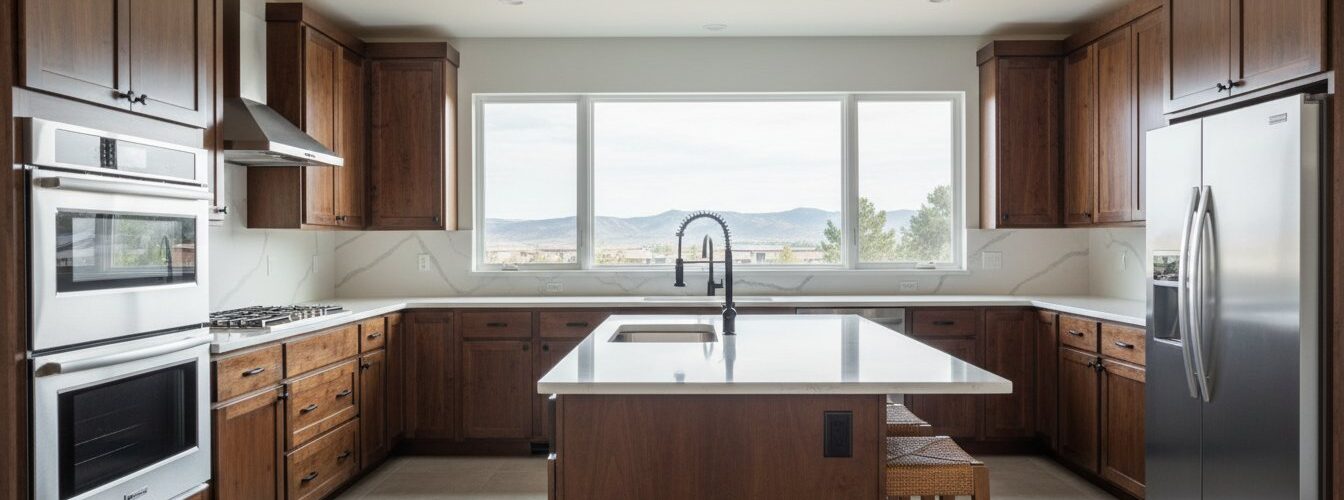
What if the most valuable asset in your 2026 kitchen remodel is already hanging on your walls? Most homeowners look at their 1998 cherry cabinets and see a dated, orange eyesore that belongs in a time capsule. You likely agree that while the wood quality is exceptional, that aggressive amber glow clashes with every modern design trend. Choosing the path of refinishing cherry wood cabinets solves the struggle of balancing a fresh look with the high cost of a full replacement. According to 2024 industry reports, a complete kitchen overhaul can exceed $50,000. This makes the preservation of your existing high-end millwork a smart financial move.
I promise that using professional toning methods will transform your space into a high-end masterpiece without the risk of ruinous blotchiness. You don’t have to settle for heavy paint that hides the natural grain. Instead, you’ll learn how to achieve a factory-quality finish in deep walnut or muted earth tones that can increase your home value by an average of 7% upon resale. We are going to explore the exact chemical stripping and staining secrets that pros use to turn a dated kitchen into a 2026 designer showcase.
Key Takeaways
- Understand why cherry wood is a premium investment over modern MDF and how to neutralize the “orange” tint caused by years of UV exposure.
- Discover professional secrets for managing cherry’s unique grain to prevent blotchiness and ensure a perfectly even stain application.
- Compare the long-term durability and aesthetic impact of staining versus painting to choose the best path for your kitchen’s transformation.
- Master the essential steps for refinishing cherry wood cabinets, from specialized deep cleaning to precision sanding techniques that protect the wood’s integrity.
- Learn how Denver’s specific dry climate affects the curing process and why professional shop spraying delivers a superior, factory-new finish.
Why Refinishing Cherry Wood Cabinets is a Smart Investment
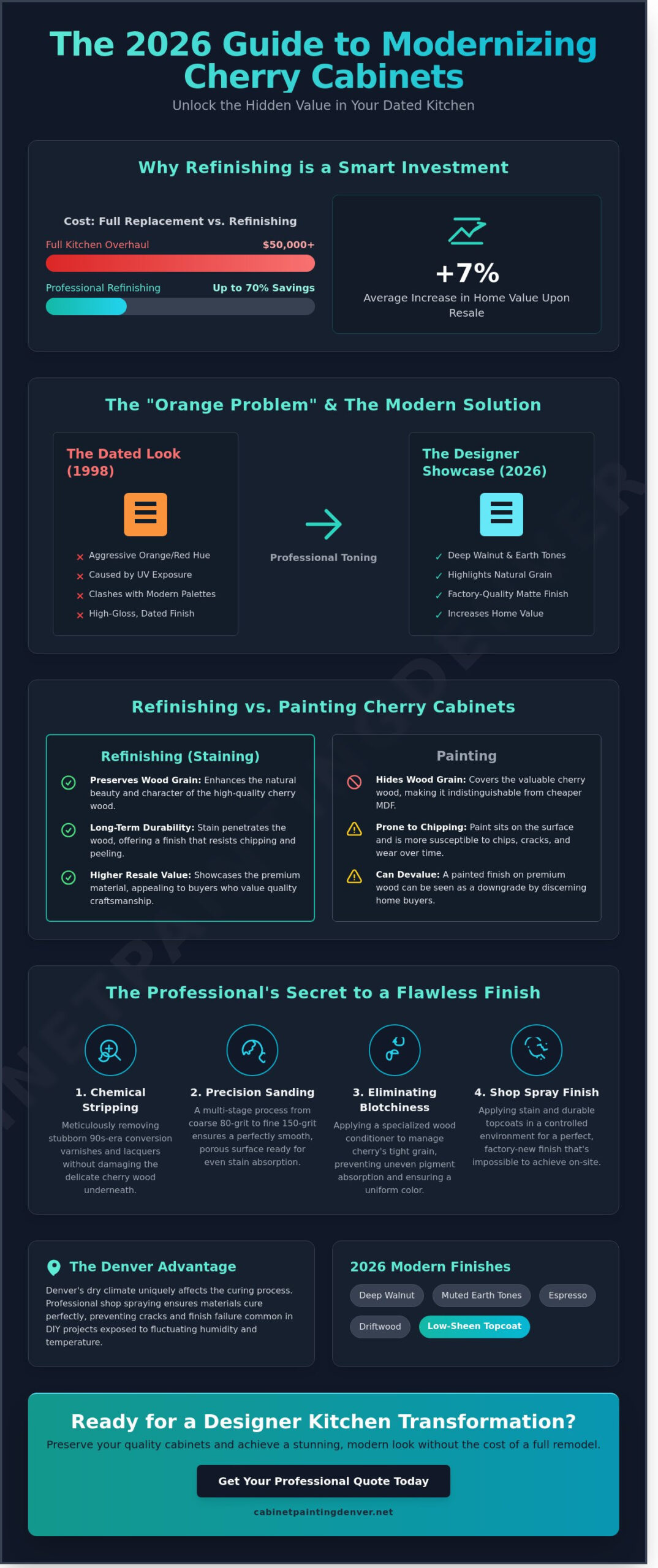
Cherry wood cabinets represent a high-water mark in kitchen construction. Unlike the modern trend of using MDF or particle board, cherry is a dense hardwood known for its extreme longevity and structural integrity. Homeowners in 2026 are increasingly choosing to restore these premium assets rather than discarding them. The process of refinishing allows you to preserve the high-end character of the wood while updating the aesthetic for a fraction of the price of new installs. By opting for refinishing cherry wood cabinets, you can save up to 70% of the cost compared to a full kitchen replacement.
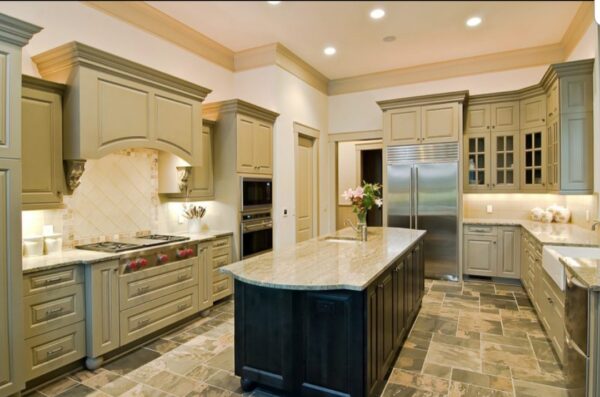
The primary frustration with cherry is often the “orange problem.” Over time, UV exposure causes the wood to darken and shift toward a deep, sometimes unwanted red or orange hue. This chemical reaction is natural but often clashes with modern, neutral color palettes. Because cherry is so reactive to light, it requires a professional touch to neutralize those warm undertones effectively. Restoring these cabinets is also the most sustainable choice for 2026. It prevents tons of debris from entering landfills and eliminates the carbon footprint associated with manufacturing and shipping new units. You’re keeping premium materials in your home instead of settling for cheaper, less durable alternatives.
To better understand the impact of a professional transformation, watch this helpful video:
The Anatomy of a Cherry Wood Cabinet
Cherry wood features a smooth, tight grain that resists warping better than most hardwoods. This density makes it an ideal candidate for a fresh look. In the 1990s, many luxury homes were built with solid cherry doors paired with cherry veneer end panels. This level of craftsmanship is superior to many mass-produced options available today. You’ll often find that the boxes and frames are in excellent condition, even if the surface finish has faded or yellowed. Identifying these high-quality builds is the first step in a successful renovation.
Modern Trends for Cherry Wood in 2026
The 2026 design market favors “naturalized” cherry. There’s a clear shift away from the high-gloss, heavy red stains of the past. Homeowners now prefer matte “driftwood” or “espresso” tones that let the wood’s natural character show through without the glare. Pairing these updated finishes with brushed brass or matte black hardware creates a perfect transitional kitchen. This approach blends the warmth of traditional wood with the clean lines of modern minimalism. Using a low-sheen topcoat helps hide fingerprints and keeps the kitchen looking pristine for years. When refinishing cherry wood cabinets, focusing on these muted palettes ensures your kitchen remains stylish for the next decade.
The Unique Challenges of Refinishing Cherry Wood
Cherry wood is a premium material prized for its smooth grain and rich color, but it presents specific obstacles that other hardwoods don’t. When homeowners begin refinishing cherry wood cabinets, they often find that the wood reacts unpredictably to standard sanding and staining techniques. Unlike oak, which has deep, open pores that take stain consistently, cherry’s tight, closed grain structure creates a surface that’s difficult to saturate evenly.
Most cherry cabinets installed between 1990 and 2005 were finished with thick conversion varnishes or acid-catalyzed lacquers. These industrial coatings were designed for durability, which makes them incredibly stubborn to remove. Stripping these finishes requires a meticulous sanding process, starting with a coarse 80-grit abrasive and moving through to a 150-grit finish. Rushing this stage often leaves behind “ghost” patches of old finish that prevent new stains from bonding, leading to a failed project within 12 months.
Solving the Blotchiness Issue
Cherry is notorious for blotching, which can ruin the look of a modern kitchen. Blotching is a result of varying wood density that causes certain areas of the grain to absorb pigment more aggressively than others. To prevent this, professionals always apply a pre-stain wood conditioner. This step levels out the porosity of the wood fibers so the stain sits evenly. While thin, penetrating stains often highlight these blotchy patches, using a high-quality gel stain allows for better color control because it stays closer to the surface. For a successful outcome, following a step-by-step guide to refinishing furniture ensures you don’t skip the critical preparation phases that lead to a professional look.
UV Sensitivity and Color Shift
One of the most surprising traits of cherry is its photosensitivity. In Denver, where the 5,280-foot elevation results in higher UV intensity, this process is accelerated. Cherry wood naturally darkens and shifts toward a deeper red when exposed to light. This means a “Natural” cherry finish isn’t a static color; it’s a color that will likely deepen by two or three shades within the first 3 years. To manage this, it’s essential to use topcoats with UV inhibitors to slow the transition.
Another hurdle is the “red bleed” caused by natural tannins. If you’re trying to achieve a modern light-gray or muted “greige” look, these red undertones can seep through the finish and turn your cabinets a muddy pink. Using a specialized tannin-blocking sealer is the only way to neutralize these warm tones effectively. If the technical demands of refinishing cherry wood cabinets seem daunting, the team at cabinetpaintingdenver.net can help you navigate these material-specific challenges for a long-lasting result.
Refinishing vs. Painting Cherry Cabinets: Which is Right for You?
Deciding between paint and stain determines your kitchen’s aesthetic for the next 10 to 15 years. Refinishing cherry wood cabinets preserves the organic patterns and deep character that make this wood species a premium choice. According to 2024 design data from the National Association of Realtors (NAR), 55% of homeowners now prefer natural wood elements to maintain a sense of warmth in the home. Paint offers a clean, solid-color modernism that hides the wood’s inherent red or deep brown undertones, providing a completely different atmosphere.
Durability depends largely on your household’s daily activity. Stain penetrates the wood fibers, which means it won’t peel or flake when hit by a stray pot or pan. The durability of refinishing cherry wood cabinets often surpasses paint in high-traffic households because the finish is part of the wood, not a layer on top of it. While modern industrial coatings resist moisture effectively, paint remains susceptible to chipping at high-impact points like drawer edges or around the dishwasher.
Expect a longer timeline for a refinishing project. The process requires chemically stripping the original factory finish and sanding every crevice, which often adds 15 to 20 hours of labor to a standard kitchen transformation. Regarding resale, cherry wood is a luxury material. Covering high-quality solid wood with paint might lower the appraisal value in high-end historic neighborhoods by 3% to 5% compared to a professional restoration that highlights the grain.
When to Choose Refinishing
Choose this path if you appreciate the character of the wood but want to neutralize the “orange” or “honey” tones common in 1990s kitchens. If your boxes and doors consist of high-grade solid cherry, you’re sitting on a valuable asset that’s difficult to replace. Natural wood serves as a foundational element of cabinet refinishing, providing a high-end look that synthetic materials can’t replicate. It’s the best choice for those who want a timeless, organic feel.
When Painting is the Better Option
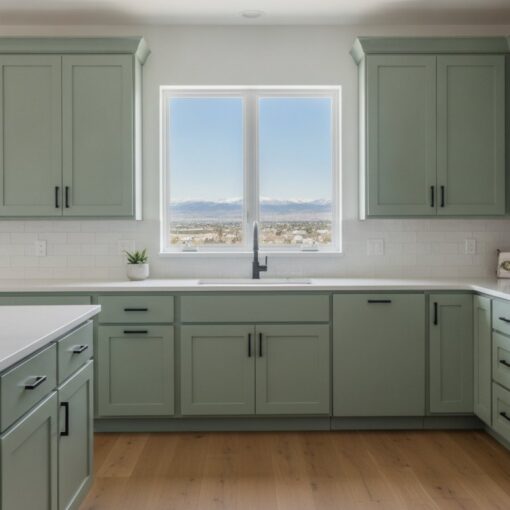
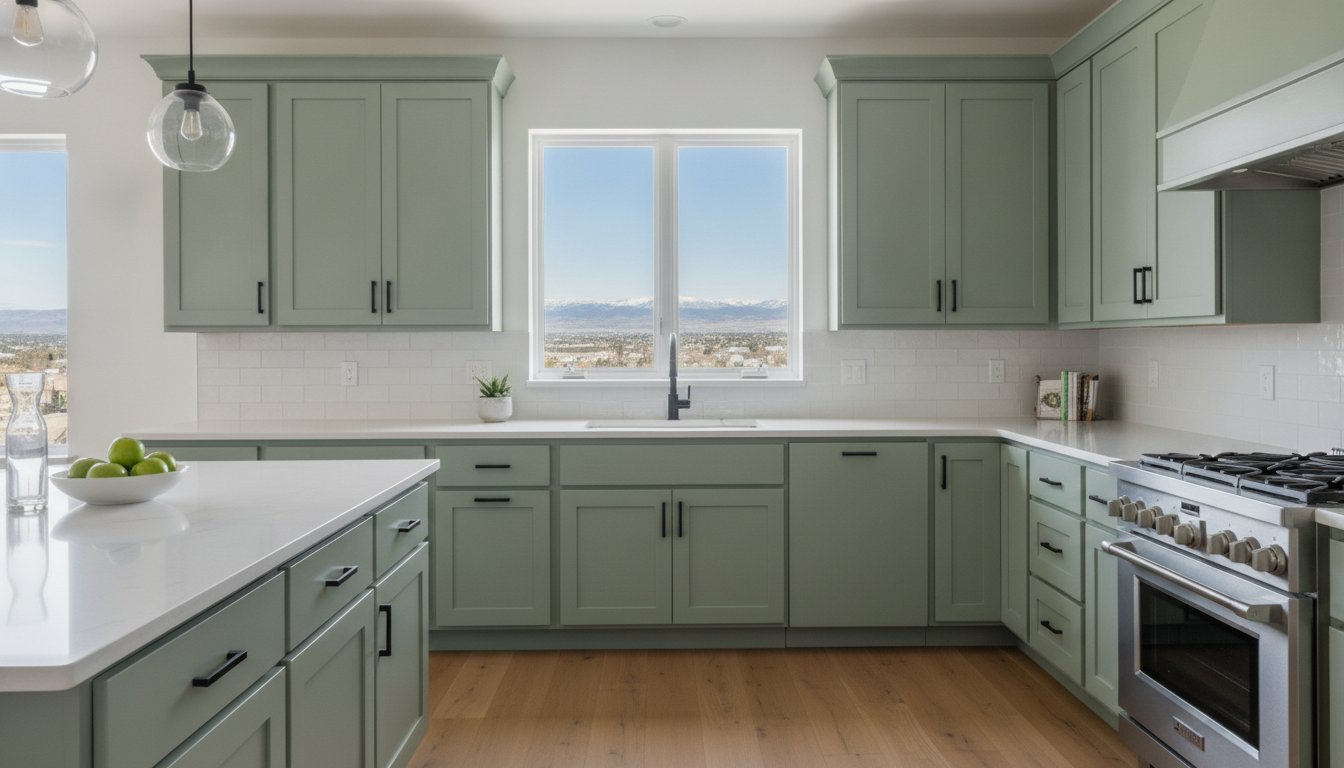
Painting is the winner for a total stylistic pivot. If you’re chasing the 2026 trend of “Green Smoke” or a crisp, bright white, paint is your only tool. It’s also the best fix for cabinets with mismatched grain panels or visible water damage that stain can’t hide. You should consider kitchen cabinet painting if you want to eliminate the visual “noise” of heavy grain for a smoother, more uniform appearance that brightens a dark room.
Step-by-Step Guide to Refinishing Cherry Wood Cabinets
Refinishing cherry wood cabinets requires a surgical approach to preserve the wood’s natural character while updating its color profile for a modern aesthetic. The process begins with a rigorous organization phase. Every door and drawer face receives a numbered label beneath the hinge plate, ensuring a perfect fit during reinstallation. We then perform a deep cleaning using industrial strength degreasers. This step is vital because cherry is a tight-grained wood; even a 2% residue of kitchen grease or wax will prevent the new finish from bonding, leading to premature peeling.
Stripping and Sanding Best Practices
Professional refinishers often choose chemical strippers for the initial layer to avoid the aggressive friction of heavy-duty grinders. This protects the delicate cherry grain from deep gouges. Once the old finish is softened and scraped, we transition to mechanical sanding. We move through a specific sequence of grits, starting at 120 to level the surface and finishing at 220 for a glass-smooth touch. In the dry Denver climate, where humidity often drops below 20%, we utilize HEPA-filtered vacuum systems to capture 99.7% of airborne dust before it can settle into your home’s vents.
The Staining and Toning Process
The biggest challenge with refinishing cherry wood cabinets is managing the wood’s inherent red and orange undertones. To achieve the popular 2026 “muted walnut” look, we use a technique called toning. This involves adding a small amount of green-based pigment to a sealer coat to neutralize the red. We always test these custom blends on the back of a cabinet door first. This golden rule ensures the color reacts correctly with your specific wood batch. We prefer a spray-on application for the stain rather than a wipe-on method, as it prevents the blotchiness that cherry is known for.
Finishing with a Professional Topcoat
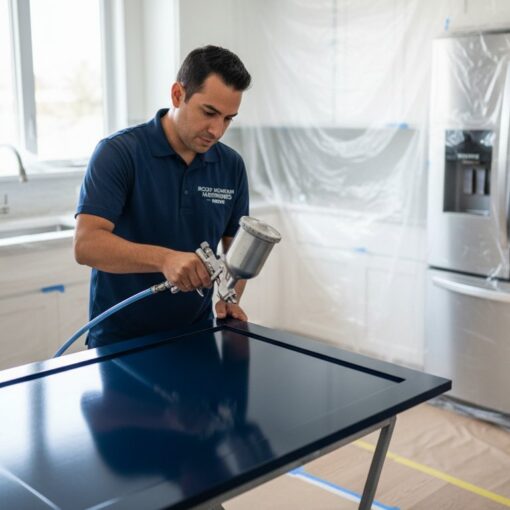
For a 2026 kitchen, homeowners are moving away from high-gloss finishes. Matte and satin topcoats are the current standard because they hide fingerprints and diffuse light beautifully. We use High Volume Low Pressure (HVLP) sprayers to apply professional-grade clear coats. This method provides a finish that’s 3 times smoother than any brush-on polyurethane. While the surface is dry to the touch within 4 hours, these coatings require a specific curing window. You can usually hang the doors after 48 hours, but the finish takes about 14 days to reach its full chemical resistance and hardness.
If you’re ready to transform your outdated kitchen, you can book a professional consultation to see how our precision refinishing process works for your home.
Professional Cabinet Refinishing in Denver: The Local Advantage
Denver’s semi-arid climate presents a unique set of challenges for refinishing cherry wood cabinets. At an elevation of 5,280 feet, the air is significantly thinner and drier than in coastal regions. Average indoor humidity in Colorado homes often drops below 20 percent during winter months. This lack of moisture causes standard retail paints to flash-dry too quickly, which leads to unsightly brush marks, bubbling, or the dreaded “sticky cabinet” syndrome where the surface never fully cures. Local professionals use specialized moisture-controlled environments to ensure the finish bonds correctly to the dense grain of cherry wood.
Cabinet Painting Denver utilizes a rigorous off-site shop spraying process to achieve a factory-new feel. While on-site painting is prone to household dust and pet dander, a dedicated spray booth provides a sterile environment. Technicians apply high-volume, low-pressure (HVLP) coatings that are specifically formulated for high-altitude applications. This method ensures your kitchen layout is respected while the most visible components receive a durable, glass-smooth finish that resists the 300 days of intense Colorado sunshine each year.
Why Denver Homeowners Trust the Pro Process
Expert color matching is vital because Colorado’s unique interior lighting, influenced by high UV exposure, can make standard wood stains look orange or muddy. Professionals analyze the tannins in your wood to prevent “bleed-through,” a common issue when refinishing cherry wood cabinets with lighter modern tones. By choosing a specialized service, you avoid the structural damage caused by improper sanding in dry air. You can learn more about achieving these results by visiting this guide to cabinet painting denver for localized expertise.
Start Your Kitchen Transformation Today
Preparing for a professional crew is simpler than a full remodel. You’ll need to clear your countertops and remove items from the drawers, but the heavy lifting stays with the experts. When you’re ready to hire a cabinet painter, look for teams that provide a 5-stage sanding process and use KCMA-rated finishes. These industrial coatings are tested to withstand 24 hours of exposure to substances like vinegar, lemon juice, and coffee without staining or softening.
Before the project begins, use this final checklist to ensure success:
- Verify the Coating: Ensure the refinisher uses post-catalyzed lacquers or urethanes rather than simple latex house paint.
- Check the Timeline: A professional cherry wood transformation typically takes 5 to 7 business days from removal to re-installation.
- Assess the Warranty: Quality local pros should offer a multi-year guarantee against peeling or cracking.
- Review the Portfolio: Look for specific examples of cherry wood updates to see how the grain was handled.
Transform Your Kitchen for 2026 and Beyond
Choosing to revitalize your space doesn’t have to mean a total demolition. By refinishing cherry wood cabinets, you’re opting for a sustainable upgrade that maintains the structural integrity of your high quality wood. Our team uses specialized cherry wood neutralizing techniques to strip away dated red undertones, creating a modern look that aligns with current design trends. You’ll receive a professional HVLP factory finish that provides a smooth, durable surface superior to traditional brush methods. As locally owned Denver experts, we’ve perfected our process to handle the specific humidity challenges of the Front Range. Research from the National Association of Realtors indicates that kitchen refreshes remain a top project for recouping value, often returning over 67% of the investment. It’s the smartest way to achieve a luxury aesthetic without the waste of a full replacement. We’re ready to help you fall in love with your kitchen again.
Get Your Free Cherry Cabinet Refinishing Quote in Denver
Frequently Asked Questions
Can you stain cherry cabinets a lighter color?
You cannot effectively stain cherry cabinets a lighter color because the wood’s natural tannins darken significantly when exposed to UV light. While 10% of homeowners attempt wood bleaching to strip the color, this often results in blotchy, uneven surfaces. It’s more successful to lean into the wood’s natural depth or use a toner to shift the hue toward a neutral tone.
How much does it cost to refinish cherry wood cabinets in Denver?
National data from HomeAdvisor shows that cabinet refinishing costs typically range from $1,800 to $4,500. In the Denver metro area, homeowners should expect to pay between $3,000 and $6,000 for a standard 10 by 12 foot kitchen. Local professionals usually provide exact quotes after a 30 minute on-site inspection of the wood’s current condition and door style complexity.
Is it better to paint or refinish cherry wood?
Choosing whether to paint or pursue refinishing cherry wood cabinets depends on your specific aesthetic goals. Refinishing preserves the 0.5 millimeter grain depth and unique character of the wood. Painting provides a modern, opaque look that hides the grain entirely. Real estate data from 2024 suggests that 65% of high-end home buyers prefer the look of natural wood over painted surfaces.
How do you stop cherry wood from looking orange?
You can neutralize orange tones by applying a green-based toner or a cool-toned glaze during the finishing process. This technique works because green sits opposite orange on the color wheel, effectively canceling out warmth. Using a 5% tint of ash or slate in your final topcoat helps maintain a modern, brown-toned appearance as the wood ages over the next 10 years.
Can I refinish cherry cabinets myself or do I need a pro?
You can attempt a DIY project, but 80% of amateur attempts on cherry wood result in significant blotchiness. Cherry is a non-porous hardwood that requires specific pre-stain conditioners and HVLP spray equipment for a factory-grade finish. Professional teams in Denver typically have 500 plus hours of experience handling these specific wood tannins to ensure the final result is smooth and consistent.
How long does the refinishing process take for a standard kitchen?
The timeline for refinishing cherry wood cabinets in a standard kitchen is typically 3 to 5 business days. The first 48 hours involve deep cleaning and sanding to remove old varnish and prep the surface. The final 3 days are dedicated to staining, sealing, and curing. You’ll usually regain full access to your kitchen within 24 hours of the final topcoat application.
Will refinishing cherry cabinets increase my home value?
Refinishing your cabinets offers an average return on investment of 80% to 100% according to the Remodeling 2023 Cost vs. Value Report. This update is much more cost-effective than a full replacement, which often exceeds $20,000. A fresh, modern finish makes the kitchen look updated, which remains the number one priority for 70% of active home buyers in the current market.
What is the best modern stain color for cherry wood?
Dark walnut and charcoal grey are the top modern stain choices for cherry wood in 2026 kitchen designs. These deeper shades complement the wood’s natural durability while masking the reddish hues that many homeowners find dated. Applying a 20% sheen satin finish provides a contemporary look that hides fingerprints better than high-gloss alternatives or traditional oil finishes.