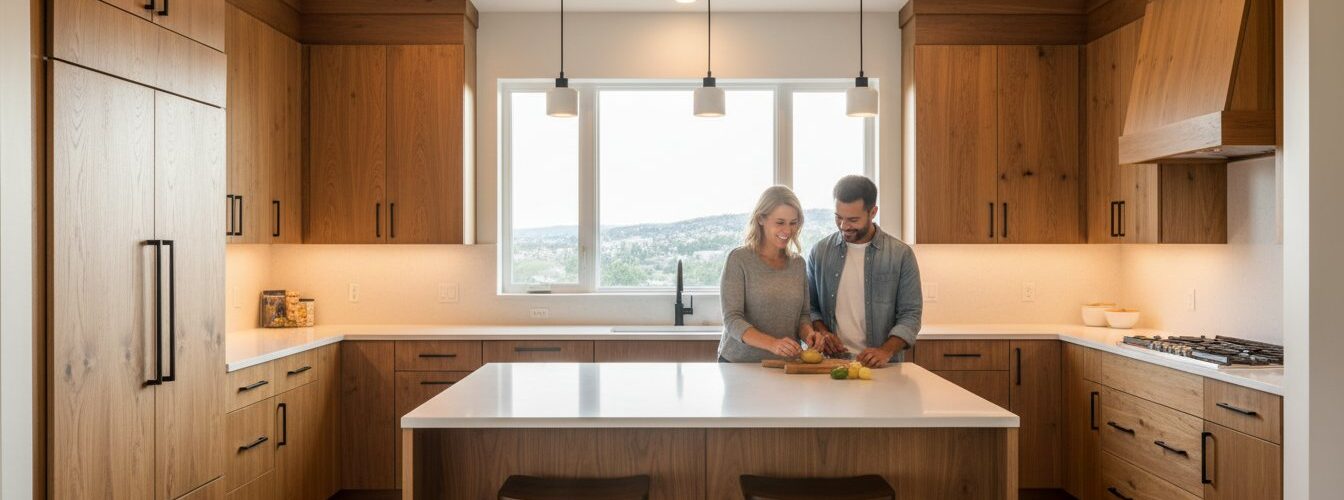
What if the honey-oak cabinets you’re ready to rip out are actually your kitchen’s most valuable asset? Many homeowners fear that covering solid wood with a thick layer of pigment will strip away the home’s character and resale value. If you’re searching for how to update wood cabinets without painting, you aren’t alone in wanting to preserve that natural texture. Industry data from 2023 shows that 42 percent of homeowners now prefer wood-forward kitchens over the stark, all-white trends that dominated the previous decade.
It’s frustrating when your cabinets are structurally sound but look tired because of dated hardware or those yellowing finishes from the late 1990s. You deserve a fresh, high-end look without the dust and mess of a full-scale renovation. This guide promises to show you how to transform your kitchen into a 2026-modern masterpiece while keeping your wood grain intact. We’ll walk through five expert strategies, including professional refinishing, hardware upgrades, and lighting tricks that make old wood look brand new.
Key Takeaways
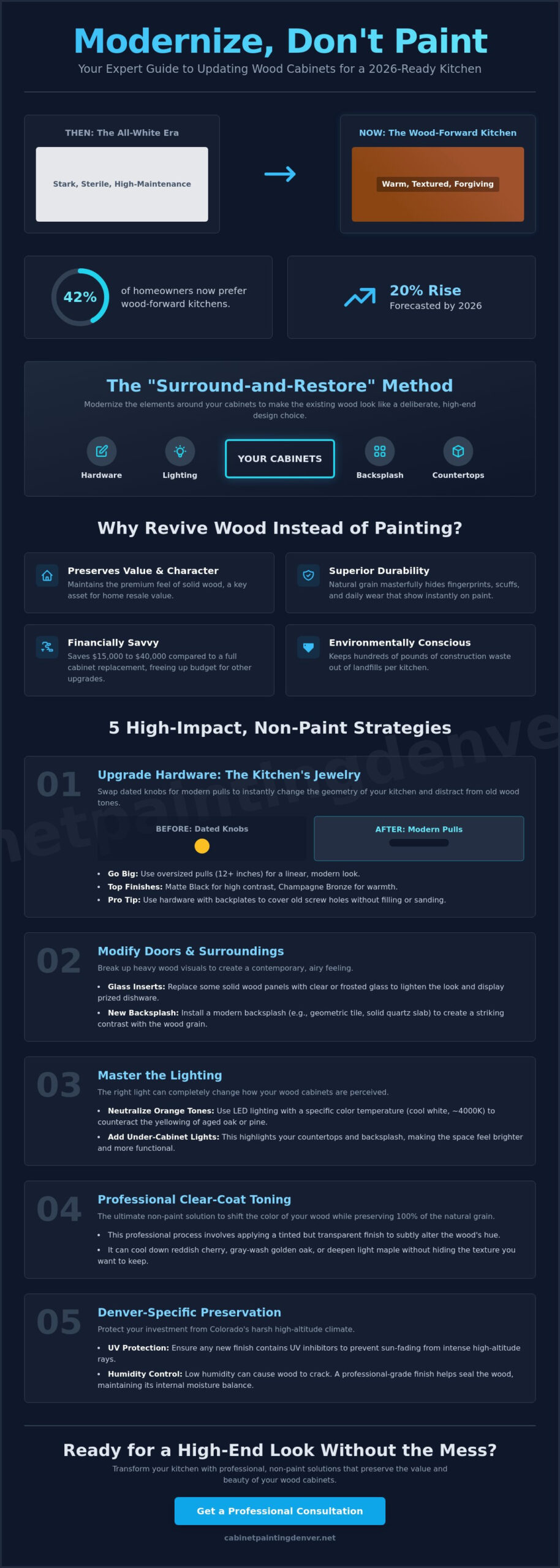
- Learn how the “Surround-and-Restore” method turns dated oak or alder into an intentional design feature by modernizing the elements around your cabinetry.
- Discover how to use high-impact hardware and specific lighting temperatures to neutralize unwanted “orange” wood tones and add a touch of modern luxury.
- Find out how simple modifications like glass door inserts and updated backsplashes can break up heavy wood visuals to create a contemporary, airy kitchen.
- Master the professional secret of how to update wood cabinets without painting by using clear-coat toning to shift wood colors while preserving natural grain.
- Understand the essential preservation techniques Denver homeowners need to protect their wood from high-altitude UV rays and low-humidity cracking.
Understanding Cabinet Modernization Without Paint
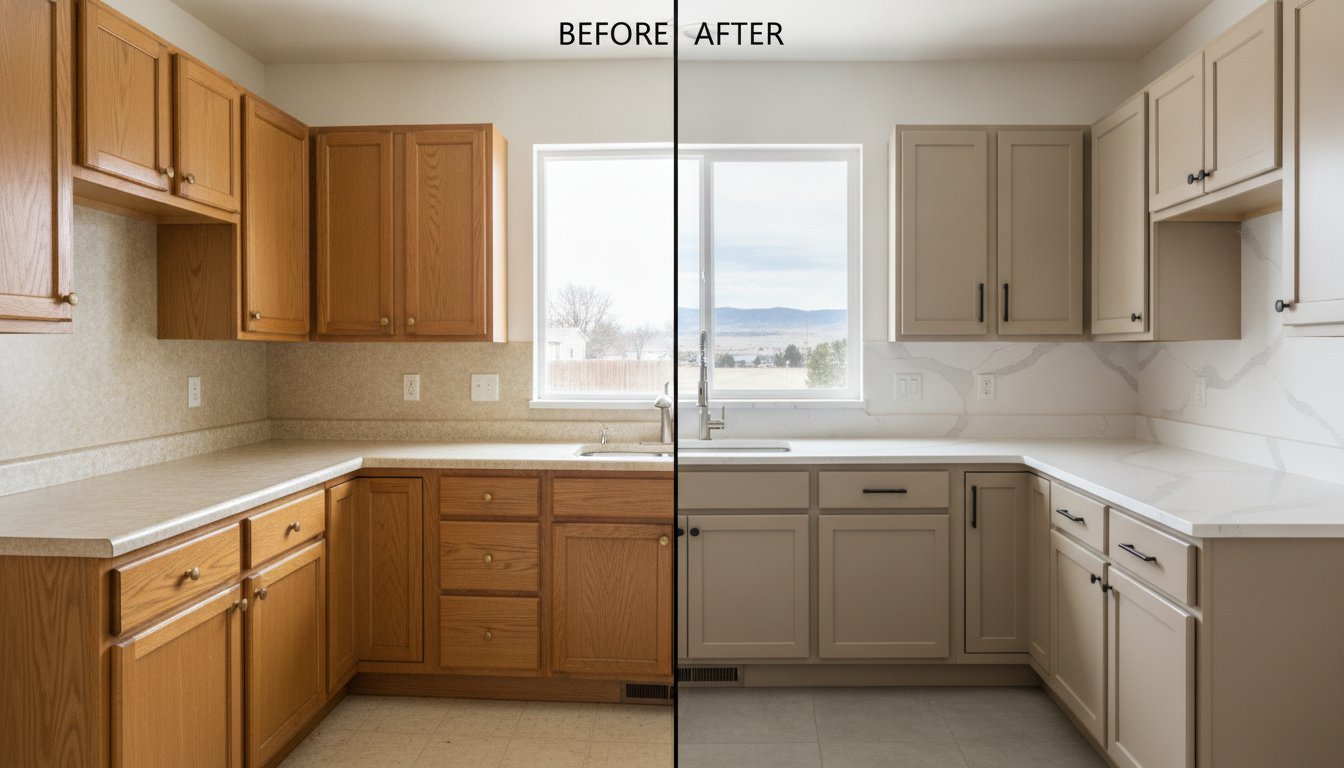
Interior design trends are shifting away from the sterile, all-white kitchens that dominated the last decade. By 2026, industry forecasts suggest a 20 percent increase in the use of natural wood tones like oak and alder in high-end renovations. Homeowners are rediscovering that the warmth and texture of real grain provide a soul that paint often masks. Learning how to update wood cabinets without painting allows you to lean into this trend while preserving the high-quality craftsmanship of your original cabinetry.
The “Surround-and-Restore” method is a strategic design approach that focuses on changing the elements around your cabinets rather than the wood itself. By updating backsplashes, lighting, and hardware, you make the existing wood look like a deliberate, modern choice. Understanding the fundamentals of Kitchen cabinet materials and construction helps you realize that older solid wood boxes are often superior to modern medium-density fibreboard (MDF) alternatives found in big-box stores.
To better understand the potential of your existing finish, watch this helpful video on the restoration process:
Choosing to keep your wood finish is both an environmentally conscious and financially savvy decision. Keeping your original cabinets out of landfills reduces construction waste by hundreds of pounds per household. Since a full cabinet replacement can cost between 15,000 and 40,000 dollars, a non-paint update preserves your budget for other high-impact upgrades like quartz countertops or professional-grade appliances.
Why Homeowners Choose Wood Over Paint
The 2026 “Natural Materials” trend emphasizes biophilic design, which connects indoor spaces to the outdoors. Wood grain is naturally forgiving; it hides the fingerprints, scuffs, and daily wear that show up instantly on flat-painted surfaces. Many homeowners realize that their existing hardwood is a premium asset. Replacing solid Cherry or Maple with modern laminate often feels like a step backward in quality, even if the new cabinets look “newer” initially.
Assessing Your Cabinets for a Non-Paint Update
Before you decide how to update wood cabinets without painting, you must evaluate their current state. Start by checking the structural integrity. Open every door and drawer to ensure the hinges aren’t sagging and the glides move smoothly. You should also identify the wood species. In Colorado homes, you’ll frequently find Alder, Oak, or Pine. Finally, look closely at the finish. If the surface is just dull and greasy, a professional cleaning might be all it needs. However, if the clear coat is peeling or “flaking” off, you may need a more intensive restoration rather than a simple surface refresh.
Strategy 1: High-Impact Hardware and Lighting Swaps
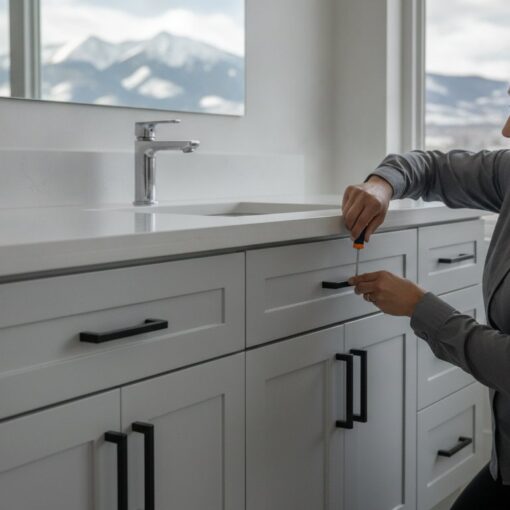
Updating the physical touchpoints of your kitchen is the fastest way to learn how to update wood cabinets without painting. Think of hardware as the kitchen’s jewelry. High-quality pulls and knobs distract the eye from dated orange or yellow undertones in older wood species. In 2026, designers are prioritizing oversized pulls, often 12 inches or longer, to create a linear, modern aesthetic that stretches the visual profile of the cabinetry. This shift from small, ornate knobs to sleek pulls instantly signals a contemporary update. It’s a low-cost strategy that yields a high return on visual appeal.
Choosing the Right Hardware Style
Swapping traditional round knobs for modern bar pulls changes the entire geometry of your cabinet doors. If your existing wood has visible wear or old screw holes, you don’t have to worry about sanding. Use hardware with backplates. These decorative plates cover imperfections and old drill marks without the need for wood filler or touch-up kits. For 2026, industrial black and champagne bronze are the leading finishes. Matte black provides a sharp, sophisticated contrast against honey oak, while champagne bronze warms up walnut grains without looking dated or brassy. If you are worried about the long-term integrity of your wood surfaces during these swaps, consulting a wood preservation guide can help you understand how to maintain the finish while hardware is removed. Choosing the right metal finish acts as a corrective lens for the wood’s natural color.
Modernizing with Under-Cabinet and Toe-Kick Lighting
Lighting temperature is the secret weapon for neutralizing “orange” wood casts that many homeowners find frustrating. Most older kitchens suffer from the “shadow problem,” where dark corners and poor illumination make wood look dingy and neglected. Installing LED strips with a color temperature between 3000K and 3500K provides a crisp, neutral white light. This specific Kelvin range cancels out the muddy yellow tones found in 1990s-era oak and cherry.
- 3000K LEDs: Best for maintaining a cozy feel while removing the “yellow” haze from the wood grain.
- 3500K LEDs: Offers a cleaner, more modern look that makes wood appear brighter and more expensive.
- Toe-Kick Lighting: Adds depth to the floor area, making the entire kitchen feel like a custom architectural install.
You can choose between hardwired systems for a seamless look or wireless, battery-powered options for a 20-minute DIY facelift. Proper illumination makes the wood grain look intentional rather than accidental. If the wood still feels too heavy or dark after a lighting upgrade, a professional cabinet refresh might be the next logical step to brighten the heart of your home. How to update wood cabinets without painting often starts with how you light them, as shadows are the primary enemy of natural wood beauty.
Strategy 2: Modifying Cabinet Doors and Surroundings
You don’t have to change the color of the wood to change the personality of the room. Modifying the physical components of your cabinetry often provides a more sophisticated result than a simple coat of paint. By focusing on transparency and surrounding materials, you can learn how to update wood cabinets without painting while maintaining the integrity of the original material. This approach relies on breaking up the visual density of the wood and introducing modern textures that provide a stylistic counterpoint.
The Glass Door Transformation
Replacing solid wood panels with glass inserts is a proven method to reduce visual weight in a kitchen. For 2026, reeded glass has emerged as a primary trend because it offers a blurred view of cabinet contents, which maintains privacy while adding linear texture. Frosted or clear glass paired with interior LED puck lighting also works well. If you choose clear glass, you’ll need to organize interiors using a consistent color palette, such as all-white ceramic dishes. While DIY routing is possible with a steady hand and a plunge router, professional glass installation ensures the structural joints of the cabinet frame remain intact. Industry data from 2024 suggests that adding glass to just two upper cabinets can make a small kitchen feel 15% larger by extending the line of sight.
Backsplashes that Complement Wood Tones
The backsplash acts as the visual bridge between your cabinets and countertops. If you’re struggling with dated honey oak, avoid warm beiges or browns. Instead, use cool-toned Zellige or subway tiles to neutralize the yellow or orange undertones in the wood. Large-format porcelain slabs are replacing mosaic tiles in 2026 designs because they offer a seamless, high-end look with fewer grout lines. When selecting grout, choose a shade that matches the tile exactly or one that picks up a subtle mid-tone from the wood grain. This creates a cohesive transition. According to 2025 design surveys, 60% of homeowners now prefer vertical stack patterns for tiles. This orientation draws the eye upward and makes standard 30-inch cabinets appear taller.
Structural changes like removing select cabinet doors entirely to create open shelving can also modernize the space. Removing the doors from a single section near a window creates an airy, breathable feel. This is one of the most cost-effective ways to figure out how to update wood cabinets without painting. Finally, look at your trim. Swapping ornate, 1990s-era crown molding for a simple, flat-profile trim can instantly shift the kitchen from traditional to transitional. This clean-lined approach focuses on the quality of the wood rather than the complexity of the carvings.
Professional Cabinet Refinishing: The Ultimate Non-Paint Solution
Professional refinishing is the most reliable way to solve the puzzle of how to update wood cabinets without painting while maintaining the home’s original architectural integrity. This process isn’t a simple cleaning; it involves stripping away the old, ambered finish and applying a modern, high-performance clear coat. If you’re researching how to update wood cabinets without painting, toning offers a sophisticated middle ground between raw wood and solid color.
Experts often use a technique called “toning” to achieve a modern look. By adding a precise amount of pigment to the clear topcoat, professionals can shift the wood’s color. This can turn a dated 1990s orange oak into a trendy white oak or a deep walnut shade without hiding the natural grain. Unlike DIY waxes or oils that evaporate or wear off within 12 months, professional-grade conversion varnishes meet KCMA (Kitchen Cabinet Manufacturers Association) standards. These finishes provide a hard, protective barrier that resists moisture and household chemicals for 10 to 15 years. For many homeowners, cabinet refinishing is the premier path to a high-end kitchen.
Refinishing vs. Painting: A Comparison
Choosing between these methods depends on your design goals. When you look at the cost to paint kitchen cabinets, you’re investing in a total color transformation. Refinishing often costs a similar amount but protects the home’s resale value by highlighting expensive wood species. The timeline is a major factor; refinishing can be 20% faster than painting since it bypasses the multiple primer and pigment stages. You’ll get a durable, natural finish that showcases the wood’s character rather than the flat, opaque look of paint.
The Professional Process for a Flawless Wood Finish
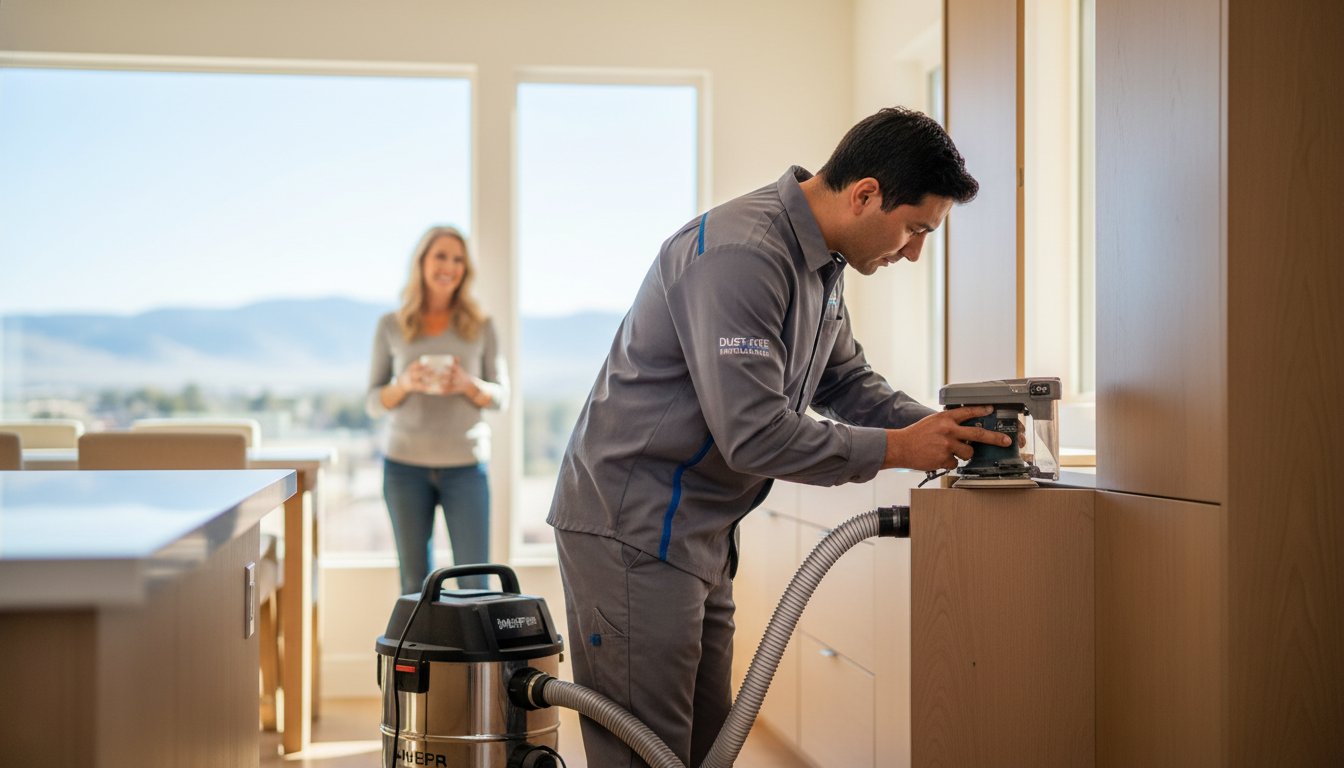
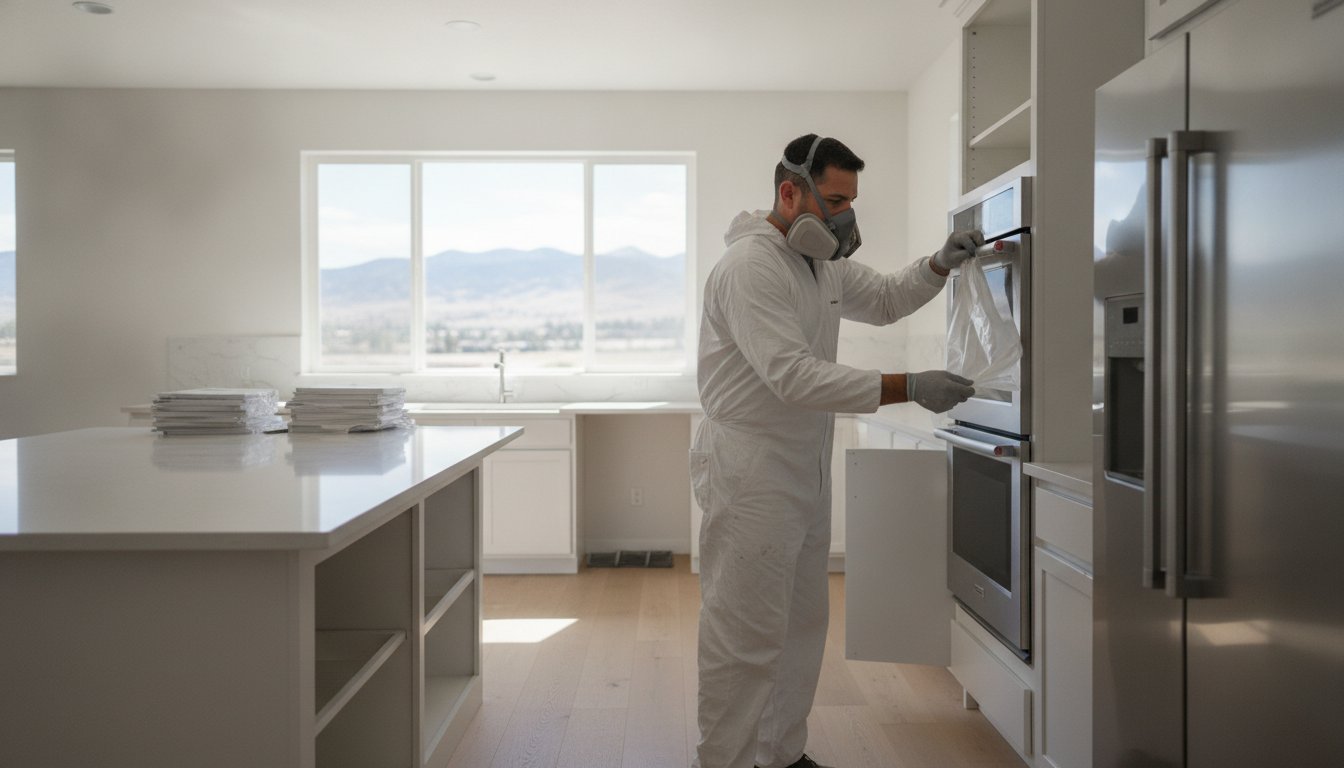
The professional process starts with a specialized de-greasing phase to remove 20 years of kitchen residue. This is a step most DIYers skip, which leads to finish failure. Experts then use professional sanding techniques to ensure the new topcoat bonds perfectly to the wood fibers. The final application uses HVLP (High Volume Low Pressure) sprayers. This technology provides a smooth, factory-level finish that doesn’t have the brush strokes or uneven texture found in home-refinishing kits.
The Denver Homeowners Guide to Wood Preservation
Denver’s unique geography creates a challenging environment for kitchen cabinetry. If you’re researching how to update wood cabinets without painting, you’ve got to account for the Mile High City’s atmospheric conditions. Our local climate features an average relative humidity that frequently dips below 20 percent during the winter. This lack of moisture causes wood to shrink, leading to unsightly gaps in door panels and structural joints.
High-altitude living also means your kitchen faces 25 percent more UV radiation than homes at sea level. These intense rays penetrate window glass and cause the chemical breakdown of factory finishes. This process, often called “ambering,” is why many Denver kitchens develop a dated, yellowed appearance over time. Understanding these local factors is essential for any successful cabinet refresh. Professional local expertise ensures you select finishes that remain flexible rather than becoming brittle in the thin Colorado air.
Combating the Dry Colorado Climate
Maintaining stable moisture levels is the first step in wood preservation. Denver homeowners should aim for a consistent indoor humidity level between 30 and 45 percent to prevent wood from becoming brittle. You can identify moisture loss by looking for “checking.” These are small, vertical cracks that follow the wood grain. If you spot these fractures, a simple cleaning isn’t enough. Professional sealants designed for high-altitude environments provide a flexible barrier that expands and contracts with the wood, preventing further structural degradation.
When to Stop DIY-ing and Call a Pro
DIY methods have limits. If your cabinet finish feels gummy, or if the clear coat is flaking off in large scales, you’ve reached the point of “failed finish.” Applying retail products like Briwax or oil-based “restorers” can actually cause long-term damage. These products contain silicones or waxes that soak into the grain. They create a contaminated surface that prevents professional-grade coatings from adhering in the future. This can turn a simple restoration into a costly stripping project.
Before you commit to a weekend of scrubbing, evaluate your goals against this checklist:
- DIY: Replacing hardware, deep cleaning with TSP, or adding shelf liners.
- Call a Pro: Repairing deep scratches, fixing “yellowed” finishes, or addressing peeling clear coats.
- The Risk: Avoid using wax-based products that ruin the wood’s ability to be professionally refinished later.
A local cabinet painting denver specialist can determine if your wood is a candidate for a professional clear-coat refresh. This often yields a more durable result than generic store-bought kits. To see how these professional options compare to your DIY plans, you can request a free quote from a cabinet painter to get an expert assessment of your kitchen’s specific needs. Knowing how to update wood cabinets without painting starts with recognizing when the wood needs more than just a surface-level cleaning.
Give Your Denver Kitchen a High-End Refresh
You don’t have to hide beautiful wood grain under layers of heavy paint to achieve a modern look. Swapping out dated hardware for contemporary pulls or installing glass door inserts creates an immediate visual shift. Learning how to update wood cabinets without painting allows you to honor the craftsmanship of your home while embracing modern design trends. Whether you choose to upgrade your lighting or invest in professional wood restoration, these strategies protect your property value without the permanent commitment of paint.
Since 2010, our team has served the Denver metro area by providing professional wood restoration services that stand the test of time. We utilize specialized HVLP spraying technology to deliver a factory-quality finish that’s impossible to mimic with a brush. Every project features eco-friendly, low-VOC finishes, ensuring your kitchen remains a safe environment for your family. It’s time to stop settling for dated cabinets and start enjoying a space that feels brand new.
Get your free Denver cabinet refinishing quote today!
Your dream kitchen is closer than you think, and we’re ready to help you bring that vision to life.
Frequently Asked Questions
Can I darken my wood cabinets without sanding or painting?
You can darken wood cabinets using a gel stain or a tinted polyurethane without the need for heavy sanding. These products sit on top of the existing finish rather than soaking deep into the grain. Apply a thin coat of a product like General Finishes Java Gel Stain to achieve a rich espresso tone. This method is a popular way for homeowners to learn how to update wood cabinets without painting while preserving the natural wood texture.
Is it cheaper to update wood cabinets or paint them?
Updating existing cabinets is typically 40% to 60% more affordable than a full professional paint job. Small changes like new hinges or deep cleaning with wood soap cost less than $150 for an average 10 by 12 foot kitchen. Professional painting involves intensive labor and high-grade primers that drive up the total project cost. Choosing a DIY refresh allows you to allocate funds to other areas like new appliances or quartz countertops.
How do I make honey oak cabinets look modern in 2026?
You can modernize honey oak cabinets in 2026 by pairing the orange undertones with matte black hardware and white backsplash tile. The warm minimalism trend predicted for 2026 focuses on balancing wood grains with clean, industrial lines. Designers suggest using 3000K LED bulbs to neutralize the yellow hues in the oak. This approach updates the space without losing the character of the original wood grain.
Does changing cabinet hardware really make a difference?
Swapping your hardware makes a massive difference because it changes the focal point of the cabinet doors. Replacing dated 1990s brass pulls with modern 5-inch T-bar handles can make the entire kitchen feel 10 years younger. Real estate experts note that simple hardware swaps offer a high return on investment for minimal effort. It’s one of the most effective strategies for how to update wood cabinets without painting in a single afternoon.
Can I use a “degallosser” instead of sanding my cabinets?
You can use a chemical deglosser like Klean-Strip to prep your cabinets instead of using a power sander. These liquid formulas remove the glossy topcoat and etch the surface so new stains or finishes can bond properly. It takes about 30 minutes to apply and wipe off the solution across a standard set of 20 cabinets. This chemical method prevents the mess of sawdust and reaches tight corners that traditional sanding blocks often miss.
What is the best lighting for a kitchen with dark wood cabinets?
The best lighting for dark wood cabinets is a combination of 3500K task lighting and 400-lumen under-cabinet LED strips. Darker woods absorb more light, so you need 20% more illumination than a white kitchen would require. Using bulbs with a Color Rendering Index of 90 or higher ensures the wood grain looks natural rather than muddy. This setup eliminates dark shadows and makes the workspace much more functional for daily cooking.
How long does professional cabinet refinishing last compared to DIY updates?
Professional refinishing typically lasts 12 to 15 years, while DIY surface updates often require a touch-up after 3 years. Professionals use catalyzed conversion varnishes that are significantly harder than the water-based stains found at local hardware stores. These industrial-grade coatings resist moisture and grease better than standard retail products. While DIY methods save money upfront, the professional route offers a finish that withstands daily kitchen traffic for over a decade.