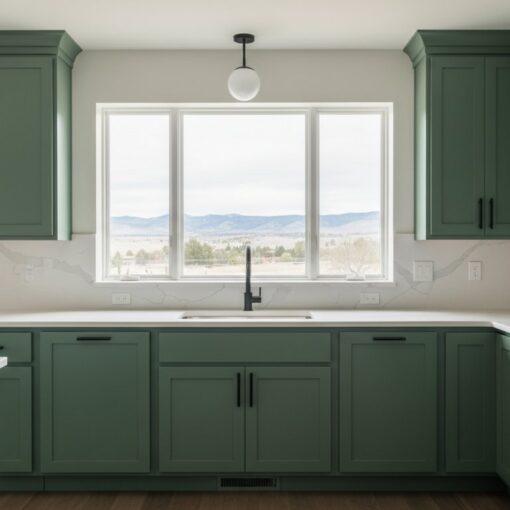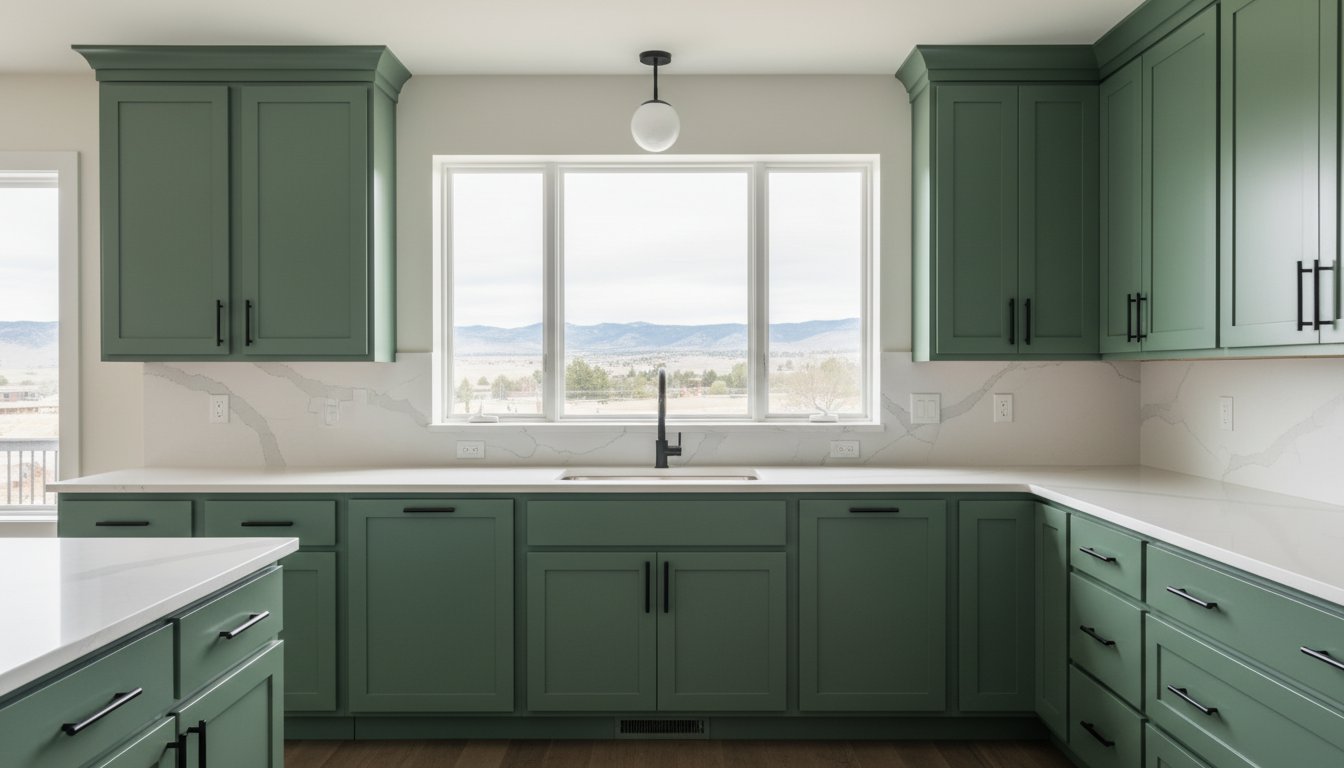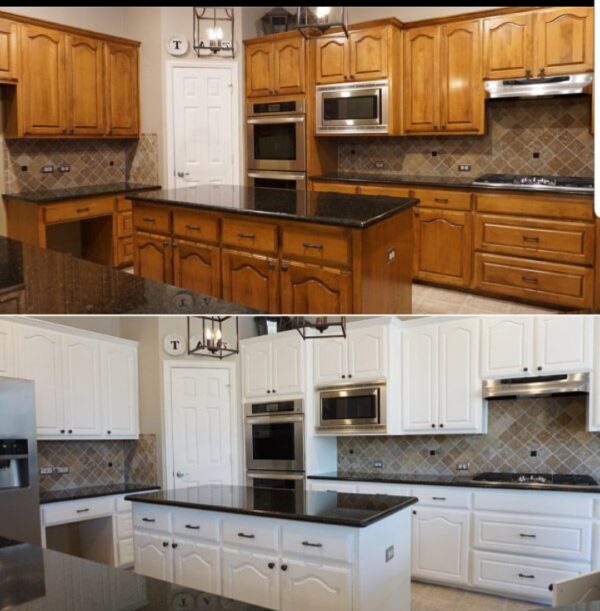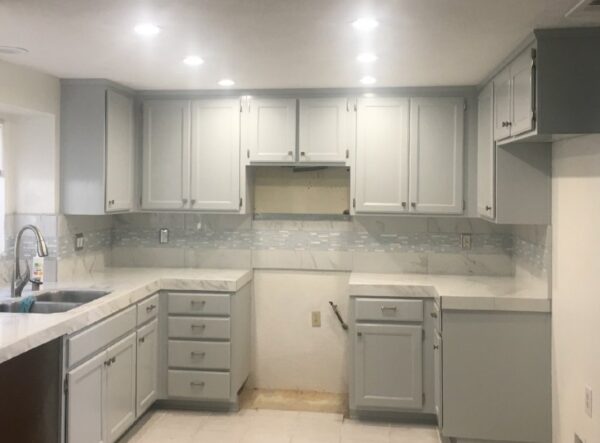
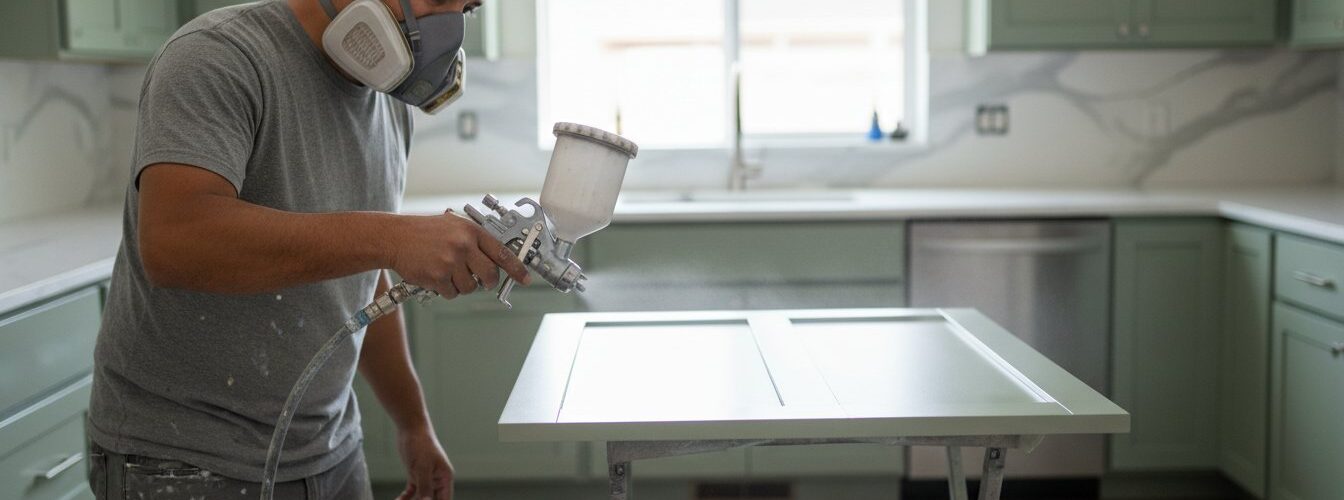
You’ve seen the horror stories: kitchen cabinets with glaring brush marks, a finish that starts chipping weeks after it’s done, and a dusty mess that takes over your home. The dream of a beautifully updated kitchen can quickly become a costly nightmare if you hire the wrong person for the job. The key to avoiding this disaster and achieving a stunning, durable result lies in knowing how to select from the many professional cabinet painting contractors available. It’s about finding a true specialist, not just a general handyman with a paintbrush.
This guide is your roadmap to a successful kitchen transformation. We’ll empower you with the essential knowledge to confidently vet potential painters, understand what a fair quote looks like, and ask the right questions to ensure you’re hiring an expert. Forget the fear of a sloppy job or a peeling finish. By the time you’re done reading, you’ll be ready to choose a contractor who can deliver that flawless, factory-like finish that will modernize your space and stand the test of time.
Why You Need a Specialist, Not Just a General Painter
You might think that anyone who can paint a wall can paint a kitchen cabinet, but the two tasks are worlds apart. Painting walls involves applying color to a large, static surface. Cabinet painting, however, is a highly specialized trade that requires the precision of furniture refinishing. It involves detailed knowledge of wood types, advanced surface preparation, and the chemistry of durable, high-performance coatings designed to withstand daily use.
To better understand what sets a professional process apart, watch this helpful video on hiring the right pro for the job:
The Risks of DIY Cabinet Painting
Tackling cabinet painting yourself can seem like a great way to save money, but it often leads to frustration and a subpar result. The biggest challenges homeowners face include:
- Intensive Preparation: Properly cleaning years of kitchen grease, sanding every surface, and applying the right bonding primer is tedious but absolutely essential. Skipping these steps guarantees paint failure.
- Achieving a Flawless Finish: It is extremely difficult to get a smooth, factory-like surface without brush strokes or roller marks. Professionals use HVLP sprayers to achieve this look.
- Choosing the Wrong Paint: Standard latex wall paint isn’t durable enough for cabinets. It will remain soft, feel sticky, and quickly chip or peel from the high-touch surfaces.
- The Time Commitment: A project that takes a professional crew 3-5 days can easily stretch into weeks, leaving your kitchen unusable.
General Painter vs. Cabinet Refinishing Expert
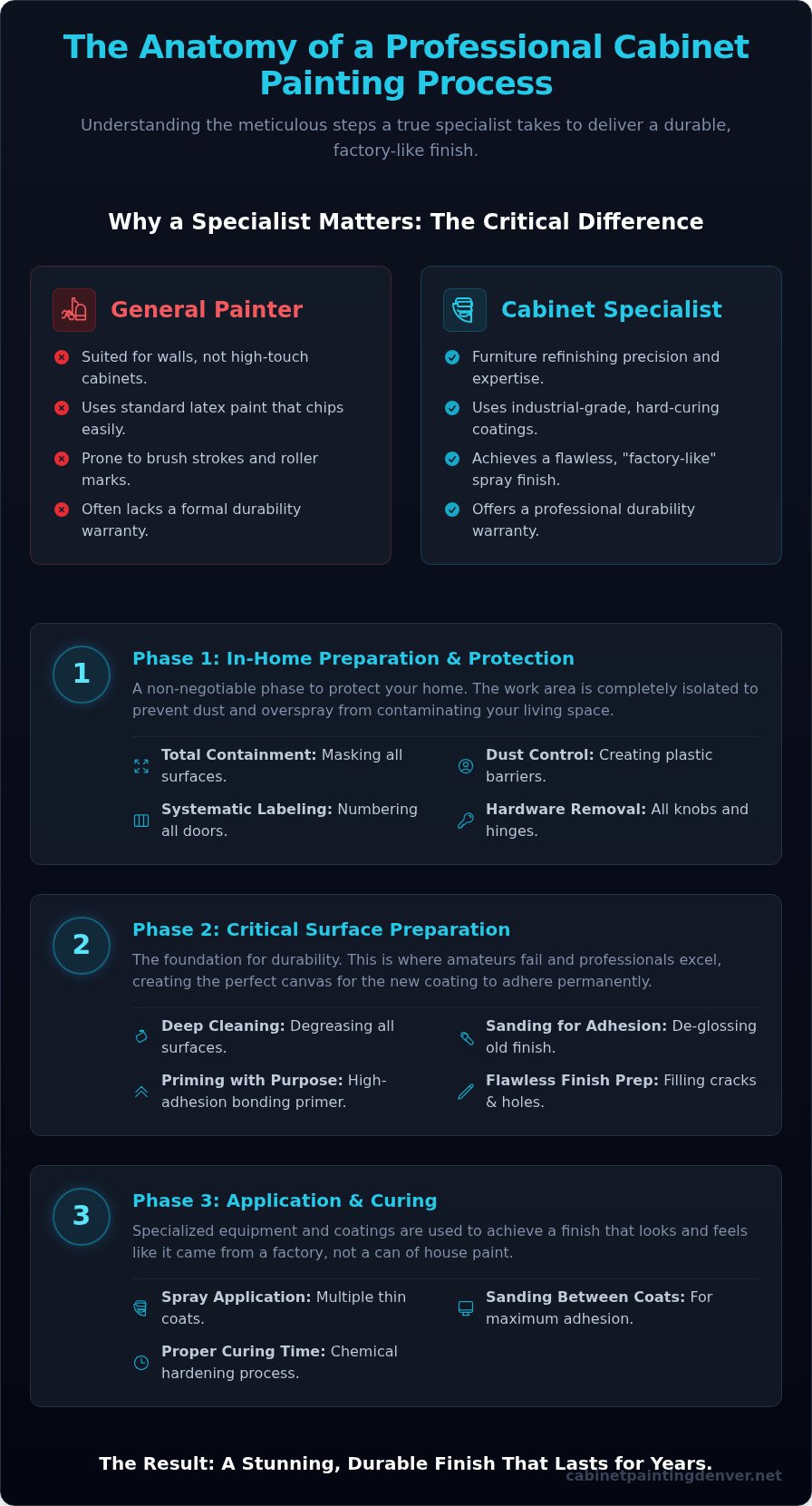
While a general painter is perfect for your walls, dedicated cabinet painting contractors bring a different level of expertise. A cabinet specialist understands how to properly degrease and prep kitchen surfaces for maximum adhesion. Their systematic process involves removing all doors and drawers to be sprayed in a controlled, off-site environment. This meticulous approach is a core part of The wood finishing process, ensuring the final coating is both beautiful and resilient. They use industrial-grade primers and hard-curing topcoats like urethane enamels, which are specifically formulated for the wear and tear of a kitchen. Most importantly, a reputable specialist will stand behind their work with a durability warranty-a guarantee you’re unlikely to get from a generalist.
The Anatomy of a Professional Cabinet Painting Process
A flawless, factory-like finish doesn’t happen by accident. True professional cabinet painting contractors follow a meticulous, multi-step process designed to protect your home and deliver a durable, long-lasting result. Understanding these steps is your best tool for vetting potential hires, as it allows you to see who cuts corners and who is committed to quality. This process should be clearly outlined in any quote you receive, serving as a critical part of your evaluation. According to official consumer guides on Hiring a Contractor, a detailed scope of work is essential for protecting yourself, and this professional process is exactly that.
Phase 1: In-Home Preparation and Protection
The first sign of a true professional is their respect for your home. Before any work on the cabinets begins, your kitchen should be transformed into a controlled work zone. This non-negotiable phase prevents paint overspray and dust from contaminating your living space.
- Total Containment: Thoroughly masking and covering all countertops, backsplashes, floors, and appliances with plastic and paper.
- Dust Control: Setting up a plastic containment barrier, often with a zippered entry, to isolate the kitchen from the rest of your home.
- Systematic Organization: Carefully removing, numbering, and labeling all doors and drawers to ensure they return to their exact original positions.
- Hardware Removal: Removing all hinges, knobs, and pulls to allow for a complete and seamless coating.
Phase 2: The Critical Surface Preparation
This is where the magic truly happens and where amateurs often fail. Proper surface preparation is the foundation for paint adhesion and durability. Skipping any of these steps guarantees a finish that will chip, peel, and fail prematurely. The goal is to create the perfect canvas for the new coating.
- Deep Cleaning: Using a powerful degreaser to meticulously clean every surface, removing years of accumulated grease, oils, and grime.
- Sanding for Adhesion: Sanding every square inch of the cabinet boxes, doors, and drawers to de-gloss the old finish and create a microscopic “tooth” for the primer to grip.
- Priming with Purpose: Applying a high-adhesion bonding primer specifically formulated for slick surfaces like cabinetry.
- Flawless Finish Prep: Caulking cracks, filling unwanted hardware holes, and addressing wood grain for a smooth, seamless appearance.
Phase 3: Application and Curing
With the prep work complete, the focus shifts to application. Top-tier cabinet painting contractors use specialized equipment and materials to achieve a finish that looks and feels like it came from a factory, not a can of house paint.
- Professional Spray Application: Spraying multiple thin coats of a high-performance cabinet coating-never standard wall paint-for a smooth, even finish without brush marks.
- Sanding Between Coats: Lightly sanding between each coat of paint to remove any minor imperfections and ensure the next layer adheres perfectly.
- Proper Curing Time: Allowing the coating to cure, a chemical hardening process that is much different and longer than simply drying to the touch.
- Precise Reassembly: Carefully re-installing all doors, drawers, and hardware, adjusting hinges for perfect alignment.
Your Vetting Checklist: 7 Critical Questions to Ask Every Contractor
Choosing the right contractor for your cabinet painting project goes beyond comparing quotes. The price only tells part of the story. To truly gauge a company’s quality, professionalism, and commitment to a lasting finish, you need to ask insightful questions. A confident, experienced professional will have clear, detailed answers, while a hesitant response can be a major red flag. Use this checklist to vet potential cabinet painting contractors and find the best team for your Denver home.
Questions About Their Process & Experience
A contractor’s process reveals their attention to detail. A high-quality, factory-like finish depends on meticulous preparation and proven techniques, not just a quick coat of paint.
- Can you walk me through your entire process, from prep to cleanup? Look for specifics like degreasing, sanding, masking, and dust containment.
- Do you spray the cabinet doors and drawers, and where do you do it? Spraying provides the smoothest finish, and an off-site, controlled environment is the professional standard.
- How long have you specialized in cabinet painting? This is a specialized trade; general house painters may lack the specific expertise required for a durable finish.
- Can I see a portfolio of your recent work and speak to references? A legitimate pro will be proud to share their work and connect you with happy clients.
Questions About Materials & Durability
The products used are just as important as the process. The right materials ensure your cabinets withstand daily use without chipping, peeling, or feeling tacky to the touch.
- What specific brand and type of primer and paint do you use? They should name high-quality, industrial-grade cabinet coatings, not standard latex wall paint.
- Is the paint a durable, non-blocking formula? This is crucial for preventing doors and drawers from sticking to the frames after curing.
- What kind of warranty do you offer on your work? A solid warranty shows they stand behind the durability of their finish.
Questions About Logistics & Professionalism
These questions confirm you’re hiring a legitimate, trustworthy business that will respect your time and your home. Don’t skip these crucial details.
- Are you licensed and fully insured? Can I see proof? For homes built before 1978, it’s also critical to confirm they are Lead-Safe Certified renovators to handle potential hazards safely.
- How long will the project take, and how long will my kitchen be out of commission? A clear timeline helps you plan accordingly.
- Who will be in my home-are they employees or subcontractors? Direct employees often provide more consistency and accountability.
By taking notes and comparing how different cabinet painting contractors answer these questions, you will gain the confidence to hire the right team for the job. Ready to ask the right questions? Get a no-obligation quote from us.
Decoding the Quote: How to Compare Cabinet Painting Bids
Once you’ve received several estimates, the temptation is to jump on the lowest price. However, when it comes to a lasting finish for your kitchen, the cheapest quote is rarely the best value. A professional bid is more than just a number; it’s a detailed project plan that reflects the contractor’s process, professionalism, and commitment to quality. Understanding how to read these documents is key to hiring the right team and avoiding costly surprises.
What a Detailed Quote Must Include
A transparent quote from reputable cabinet painting contractors empowers you to make an informed decision. It should leave no room for ambiguity and clearly outline every phase of the project. Look for a document that specifies:
- A Clear Scope of Work: It should explicitly list all surfaces to be painted, such as cabinet boxes, doors (both sides), drawer fronts, and any included trim or features.
- The Full Preparation Process: This is the most critical stage. The quote must detail the steps for degreasing, cleaning, sanding, caulking imperfections, and masking the work area.
- Specific Materials: Vague terms like “high-quality paint” are not enough. The bid should name the exact brand and product line for both the primer (e.g., INSL-X Stix Bonding Primer) and the topcoat (e.g., Benjamin Moore ADVANCE).
- Project Terms: This includes a clear payment schedule, an estimated start and completion date, and the details of any warranty offered on the workmanship and materials.
Red Flags to Watch Out For
Just as a detailed quote signals professionalism, a vague or rushed one can be a major warning sign. Be cautious if you encounter any of the following:
- Vague Descriptions: A one-line item for “paint cabinets” without a breakdown of the process is a sign of a contractor who may cut corners on crucial prep work.
- A “Too Good to Be True” Price: A quote that is significantly lower than others often indicates the use of inferior paint, a rushed process, or an inexperienced crew.
- High-Pressure Tactics: Beware of contractors who pressure you to sign immediately with a “today only” discount or demand a large upfront deposit (more than 20-30% is unusual).
- No Mention of Credentials: A professional bid should mention or be able to readily provide proof of liability insurance and any offered workmanship warranty.
Ultimately, a comprehensive quote protects both you and the contractor by setting clear expectations from the start. It’s a foundational document for a successful project. When you’re ready for a transparent and detailed estimate for your Denver home, we’re here to provide a quote you can trust.
Finding and Evaluating Contractors in the Denver Area
With your vision in mind, the final step is choosing the right team to bring it to life. The digital world offers a wealth of information, but it’s crucial to use it as a starting point, not the final word. The best indicator of a quality job is a strong local reputation backed by a portfolio of work right here in the Denver metro. Don’t rely on a single source; a multi-faceted approach will help you find a true professional.
Where to Look for Reputable Pros
A thorough search is the foundation of a successful project. To find the best local cabinet painting contractors, start by combining online research with community feedback. Here’s a proven strategy:
- Google Search: Use specific terms like “cabinet painting Denver” or “kitchen cabinet refinishing near me.” Pay close attention to companies with consistently high ratings and detailed reviews.
- Local Recommendations: Ask for suggestions in Denver-area community Facebook groups. You’ll often get unfiltered, honest feedback from your neighbors about their direct experiences.
- Contractor Websites: Once you have a shortlist, visit their websites. Look for detailed galleries showcasing a variety of local projects, not just a handful of stock photos.
- Google Business Profile: Check their profile for a steady stream of recent reviews, customer-uploaded photos, and accurate business information. This is a great source for candid, third-party validation.
Evaluating Their Online Presence
A contractor’s digital footprint speaks volumes about their professionalism and focus. A dedicated specialist will have a website that centers primarily, if not exclusively, on cabinet services. General painters who list cabinets as one of many offerings may not have the specialized equipment or processes required for a durable, factory-finish look.
Scrutinize their portfolio. Are the before-and-after photos high-quality? Do they showcase a variety of styles and projects from homes across the Denver area? Consistent, positive online reviews are also critical. Look for comments that mention punctuality, cleanliness, communication, and the durability of the finish. These details separate the amateurs from the experts.
See what a dedicated, professional finish looks like on local projects. View our Denver cabinet painting gallery.
Your Kitchen Transformation: Choosing the Right Partner
Transforming your kitchen with freshly painted cabinets is one of the most impactful home upgrades you can make. As we’ve explored, the key to a durable, factory-like finish lies in hiring a true specialist, not just a general painter. Their detailed process and understanding of proper preparation are what separate a stunning, long-lasting result from a job that peels in a year. By asking critical questions and carefully comparing quotes, you can confidently select the best cabinet painting contractors and ensure your investment is protected.
If you’re in the Denver metro area, our team specializes in creating that flawless, spray-finish look you desire. We are committed to a detailed and transparent quoting process, so you know exactly what to expect. Your dream kitchen is closer than you think. Ready for a flawless finish? Get your free, detailed quote from Denver’s cabinet painting specialists today!
Frequently Asked Questions
How much does it cost to hire a professional cabinet painting contractor?
The cost to hire professional cabinet painting contractors in the Denver area typically ranges from $2,500 to $7,000 for an average-sized kitchen. The final price depends on several factors, including the number of cabinet doors and drawers, the complexity of the layout, the current condition of the cabinets, and the type of paint and finish selected. An on-site consultation is the best way to get a precise quote for your specific project.
How long does a professional cabinet painting project typically take?
A professional cabinet painting project usually takes between 3 to 7 days to complete. This timeline includes a couple of days for on-site preparation, such as removing hardware, cleaning, and masking the kitchen area. The doors and drawer fronts are often taken off-site to be sprayed and cured in a controlled environment. The final day involves reinstallation of all components, hardware, and a final walkthrough to ensure your complete satisfaction.
Is a professionally painted cabinet finish durable enough for a kitchen?
Absolutely. A finish applied by a professional is extremely durable and designed to withstand the daily demands of a busy kitchen. Experts use high-quality, industrial-grade products like conversion varnish or catalyzed lacquers, not standard house paint. This, combined with meticulous prep work-including degreasing, sanding, and priming-and a spray application results in a hard, smooth, factory-like finish that resists chipping, scratching, and staining for many years.
What is the difference between cabinet painting, refinishing, and refacing?
Cabinet painting involves applying a new solid color of paint over the existing cabinet surfaces. Refinishing means stripping the current finish, sanding the bare wood, and then applying a new stain or clear coat to enhance the natural grain. Refacing is the most extensive option; it involves keeping the cabinet boxes but completely replacing all the doors and drawer fronts with new ones and applying a matching veneer to the box exteriors.
Do I need to empty my cabinets before the contractors arrive?
Yes, we strongly recommend emptying your cabinets and drawers before the project begins. This protects your dishes, food, and other belongings from the fine dust created during sanding and any potential paint overspray. It also gives our crew clear access to thoroughly clean, prep, and paint the interior edges of the cabinet frames. Clearing them out ensures a cleaner process and a more polished, professional result for your kitchen.
Can you paint any type of cabinet, like laminate or thermofoil?
Yes, most cabinet materials, including laminate and thermofoil, can be professionally painted. However, these non-porous surfaces require special preparation to ensure the paint adheres properly and doesn’t peel over time. Professional painters use specialized bonding primers designed to grip slick surfaces. This critical step creates a solid foundation for the topcoats, resulting in a durable and beautiful finish that will last for years, even on non-wood materials.