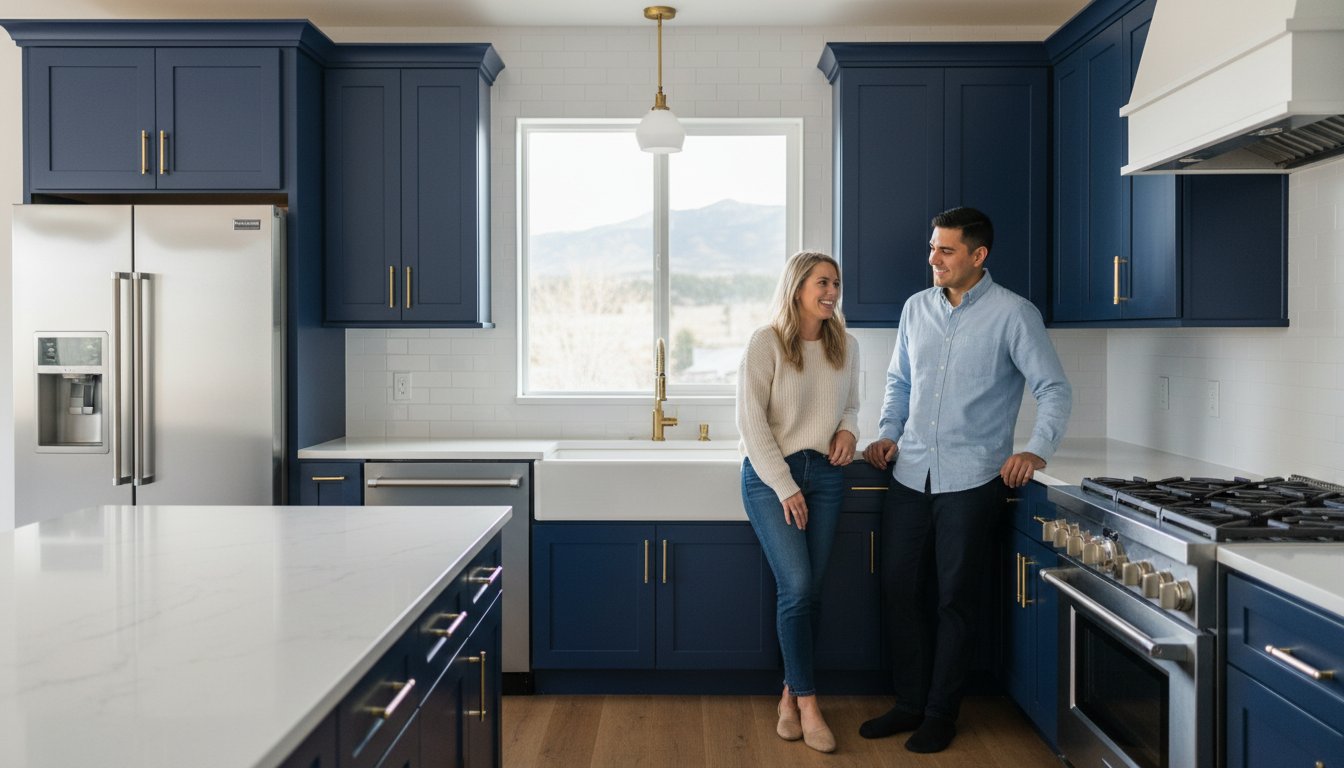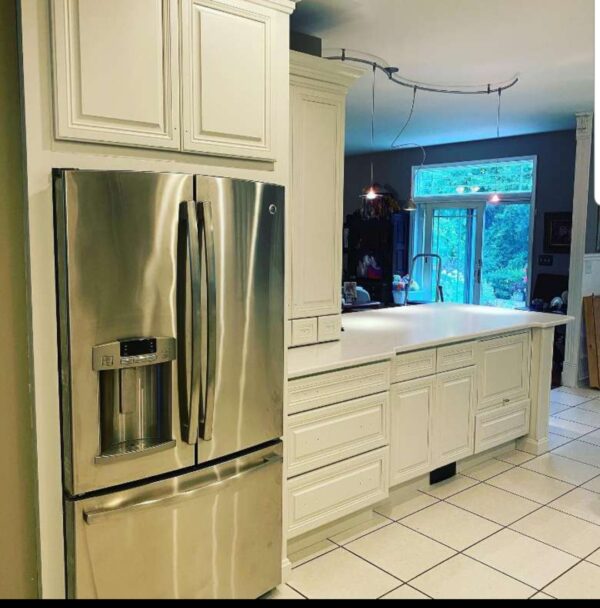
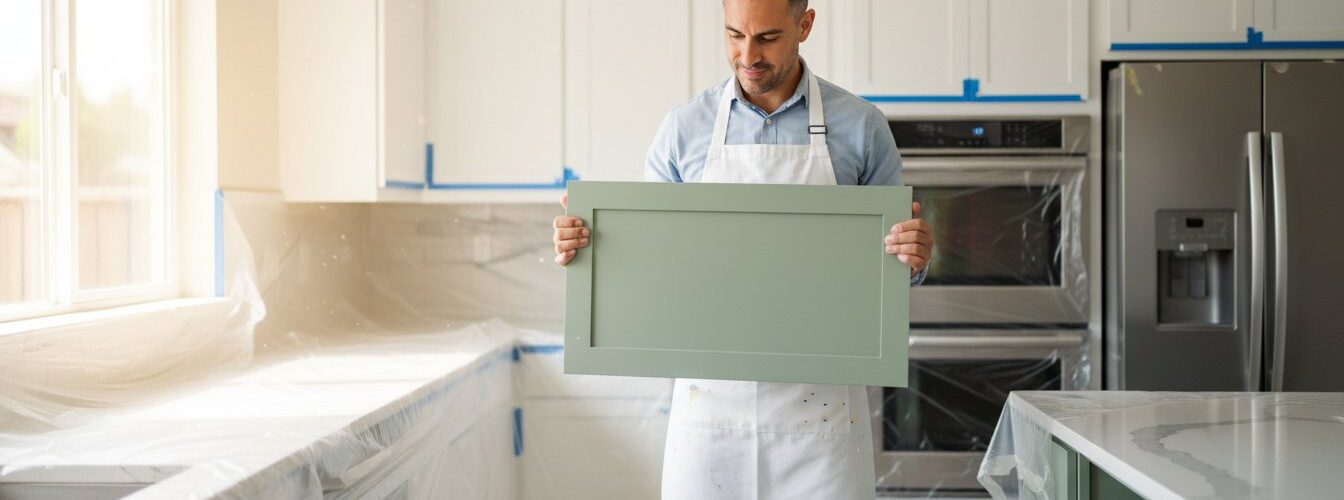
That beautiful, Pinterest-worthy kitchen seems within reach, but the fear of peeling paint, endless sanding, and a kitchen in chaos is holding you back. You wonder if the cost is truly worth it, or if you should just attempt it yourself. The truth is, achieving a durable, factory-smooth finish is far more complex than a simple weekend project. This is where the skill and precision of a professional kitchen cabinet painter transform a good idea into a stunning, long-lasting reality.
In this definitive guide, we’re pulling back the curtain to show you exactly what that professional process entails. We’ll walk you through the meticulous prep work, the specialized equipment used for a flawless spray finish, and why investing in an expert saves you from costly mistakes down the road. By the end, you’ll not only understand the incredible long-term value but also have the confidence to choose the perfect painter to bring your dream kitchen to life.
The Professional Process: More Than Just a Brush and Roller
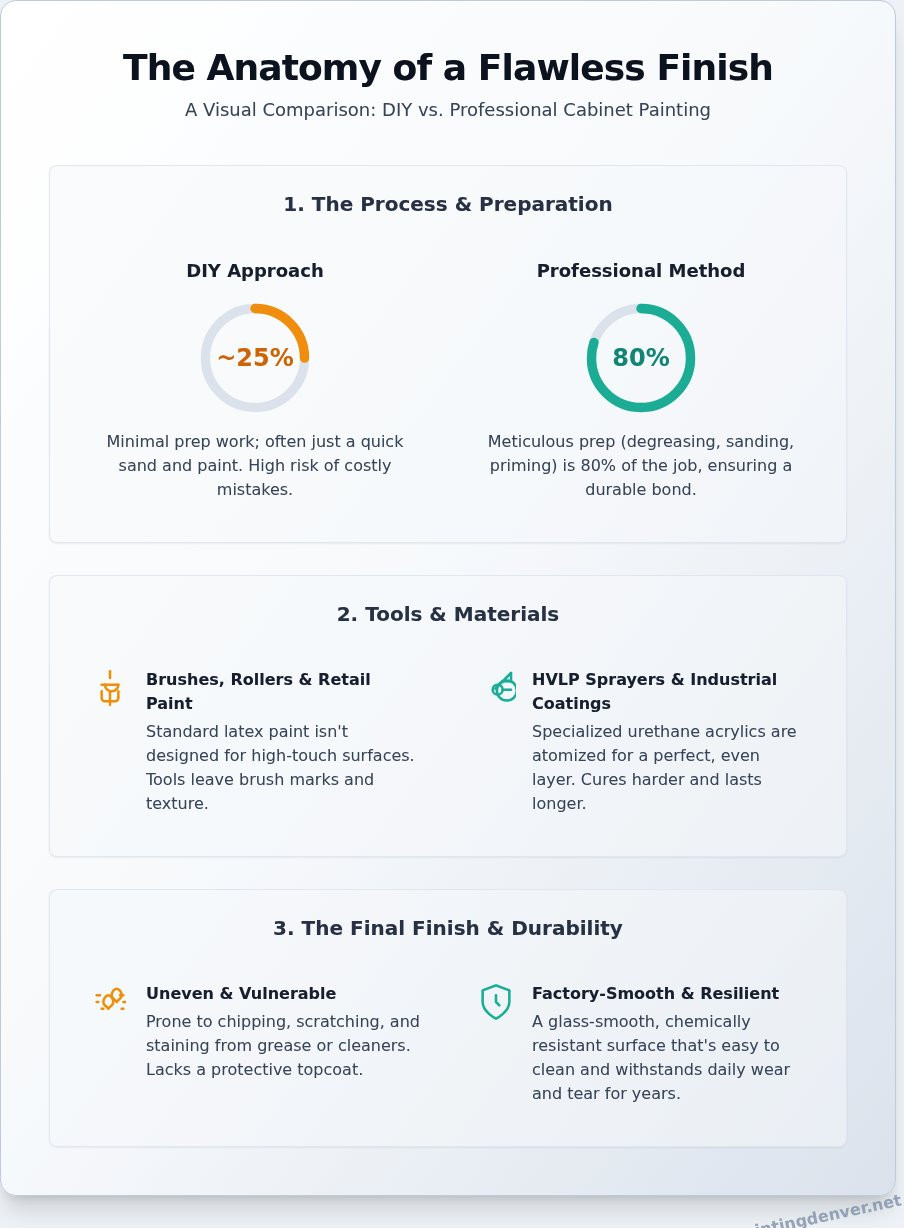
When you hire a professional kitchen cabinet painter, you’re not just paying for a new color; you’re investing in a meticulous, factory-quality finishing process. While a DIY approach might involve a quick sand and a coat of paint, a professional understands that about 80% of a flawless, durable finish is achieved long before the first finish coat is even opened. This systematic approach is designed to minimize disruption in your home and produce a result that looks and feels brand new.
To see the difference this level of detail makes, watch this comparison of a DIY job versus a professional one:
Step 1: Meticulous Preparation and Deconstruction
The process begins with a careful deconstruction of your kitchen. To minimize disruption, doors and drawer fronts are taken to an off-site workshop while the cabinet boxes are prepped in your home. The key steps include:
- Systematic Removal: Every door, drawer, and piece of hardware is carefully removed and labeled to ensure perfect reassembly.
- Thorough Degreasing: All surfaces are cleaned with professional-grade solutions to eliminate years of grease and grime that prevent paint adhesion. To understand the level of professional cleaning required for such a project, click here.
- Home Protection: Your countertops, floors, backsplash, and appliances are meticulously masked and protected with plastic and paper.
- Dust & Fume Control: A professional sets up proper ventilation and dust containment systems to keep your home clean and safe.
Step 2: Sanding, Priming, and Imperfection Repair
With a clean slate, the real prep work begins. All surfaces are scuffed and sanded to create a microscopic profile that allows the primer to grip tenaciously. Understanding the original kitchen cabinet construction and material-whether it’s solid wood, MDF, or laminate-is crucial for this step. Any dings, deep scratches, or old hardware holes are filled and sanded smooth. Finally, a high-adhesion bonding primer is applied. This isn’t just regular primer; it’s a specialized formula that creates an unbreakable bond with the surface, preventing the chipping and peeling common with poorly prepped cabinets.
Step 3: The Flawless Finish Coat Application
This is where artistry meets technology. Instead of brushes and rollers that leave streaks and texture, professionals use high-volume, low-pressure (HVLP) sprayers in a controlled environment. Multiple thin coats of professional-grade cabinetry paint are applied, with light sanding between each coat to remove any imperfections and achieve a perfectly smooth surface. The final step for a professional kitchen cabinet painter is applying a protective clear topcoat, which provides a resilient, factory-like finish that can withstand the daily wear and tear of a busy kitchen.
The Cabinet Painter’s Toolkit: Why Pro Equipment Matters
The secret to a flawless, durable cabinet finish isn’t just skill-it’s the specialized equipment and materials that professionals use. A DIY approach with a brush and a can of retail paint simply cannot replicate the smooth, resilient surface achieved by a dedicated kitchen cabinet painter. The difference lies in a combination of advanced application technology and industrial-strength coatings designed specifically for high-touch surfaces.
HVLP Sprayers vs. Brushes and Rollers
Professionals don’t use brushes for cabinet doors. Instead, they rely on High Volume, Low Pressure (HVLP) spray systems. This technology atomizes the coating into a fine, consistent mist, allowing for a perfectly even application. The result is a glass-smooth finish with no brush strokes, roller marks, or drips. Attempting this with manual tools inevitably leaves behind texture and an uneven build-up of paint, which cheapens the look and compromises durability. Operating an HVLP sprayer to achieve this factory-like quality is a craft that requires extensive training and experience.
Professional-Grade Coatings vs. Retail Paint
The latex paint you use on your walls is not formulated to withstand the daily abuse of a kitchen environment. Professional cabinet coatings are chemically engineered for superior performance. We use products like industrial urethane acrylics and conversion varnishes that cure to a much harder, more resilient finish. This commitment to quality materials aligns with Painting Contractors Association industry standards for creating long-lasting results. These specialized coatings offer:
- Extreme Hardness: Resists chipping, scratching, and denting from daily use.
- Chemical Resistance: Stands up to grease, food spills, and common household cleaners without staining or softening.
- Superior Washability: Allows for easy cleaning without dulling the sheen or wearing away the finish.
These products are not available in retail stores because they require precise mixing, specific temperature controls, and professional-grade ventilation for safe application-often in a dedicated, off-site spray booth to ensure a dust-free environment for curing.
This focus on specialized, high-performance coatings isn’t limited to cabinetry. Other home improvement experts, like the concrete coating professionals at Bajan Outdoor Living, use similar industrial-grade systems to protect and beautify surfaces like patios, garages, and pool decks, ensuring a finish that withstands heavy use.
DIY vs. Hiring a Pro: An Honest Cost and Quality Comparison
The allure of a DIY project is strong, but painting kitchen cabinets is a high-stakes job where the line between success and disaster is incredibly thin. Before you pick up a paintbrush, it’s crucial to understand the full scope of what’s involved in terms of cost, time, and the final quality of the finish.
Analyzing the True Cost
At first glance, DIY seems like the budget-friendly option. However, the costs add up quickly beyond a few cans of paint. A proper job requires a significant investment in materials and tools:
- High-quality primer and paint ($200-$500+)
- A professional-grade paint sprayer rental or purchase ($100-$400)
- Sandpaper, degreaser, wood filler, tape, and plastic sheeting ($100+)
This doesn’t account for the hidden costs. If your home was built before 1978, you must consider the risks of lead paint. Professionals are trained in EPA-compliant Lead-Safe Renovations, a complex process that most homeowners are not equipped to handle safely. A failed DIY attempt often results in hiring a professional to strip and repaint everything, costing far more than an initial pro job.
Time, Effort, and Disruption
A professional kitchen cabinet painter can typically transform your kitchen in 5-7 days. Their experienced crew works efficiently, containing the mess and minimizing disruption to your home. In contrast, a DIY project can easily stretch over several weeks or even months of lost evenings and weekends. The process of removing doors, cleaning, sanding, priming, and applying multiple coats of paint is physically demanding and has a steep learning curve. For most homeowners, living in a disassembled kitchen for a month is a major source of stress.
The Final Result: Durability and Aesthetics
The most significant difference lies in the finish. DIY projects are often plagued by brush strokes, drips, and an uneven texture that looks and feels unprofessional. Worse, improper surface preparation can lead to chipping and peeling within a year. A professional delivers a flawless, factory-like finish that is smooth to the touch, incredibly durable, and easy to clean. This high-end result not only enhances your daily enjoyment of the space but also adds tangible value to your home for potential buyers.
| Factor | DIY Project | Professional Service |
|---|---|---|
| True Cost | Lower initial outlay, but with many hidden material costs and the high financial risk of mistakes. | An all-inclusive price covering labor, premium materials, and a guaranteed, warrantied result. |
| Timeline | Weeks or months of disruption; kitchen is unusable for long periods. | Typically 5-7 days with a managed process to minimize household disruption. |
| Finish Quality | Often shows brush marks, drips, and uneven coverage. | Flawless, smooth, factory-like finish with no imperfections. |
| Durability | Prone to chipping and peeling due to consumer-grade products and improper prep. | Extremely durable, hard-curing finish designed to last for years. |
Don’t risk your home’s most important asset on a difficult DIY project. Get a no-obligation quote and see the professional difference.
How to Choose the Right Kitchen Cabinet Painter in Denver
Once you’ve decided to hire a professional, the next step is finding the right one for the job. The quality of the final product depends entirely on the skill, process, and professionalism of the team you choose. Asking detailed questions and verifying credentials will help you select a trustworthy kitchen cabinet painter who can deliver a flawless, lasting finish. Use this checklist to vet potential companies and ensure your project is in capable hands.
Questions About Their Process and Materials
The methods and products a painter uses directly impact the durability and appearance of your cabinets. A true professional will be transparent about their entire process, from prep work to the final coat. Don’t hesitate to dig into the details.
- Do you spray the doors and drawers or brush them? Spraying typically provides a smoother, factory-like finish free of brush marks.
- What specific type of primer and paint do you use? Look for high-adhesion primers and durable, high-quality cabinet-grade paints designed for high-traffic areas.
- Where will you be spraying the doors? Professionals often take doors and drawers off-site to a controlled spray booth for a dust-free finish, minimizing disruption in your home.
- How do you prepare the cabinet surfaces before painting? Proper prep is crucial. The process should always include thorough cleaning, degreasing, sanding, and caulking.
Checking Their Credentials and Reputation
A reputable company will have a proven track record and the necessary protections in place. Before signing anything, take the time to verify their standing and see what past clients have to say.
- Verify they have liability insurance. This is non-negotiable. It protects your home, property, and family in case of an accident.
- Request references from recent clients in the Denver area. Speaking to past customers can provide invaluable insight into their experience.
- Look for a detailed portfolio. High-quality before-and-after photos are the best evidence of their skill and craftsmanship.
- Check online reviews. Look for consistent positive feedback on platforms like Google, Yelp, and Houzz.
Understanding the Quote and Contract
A vague quote is often a red flag. A professional kitchen cabinet painter will provide a detailed, itemized contract that clearly outlines every aspect of the project, leaving no room for surprises.
- Ensure the quote is detailed. It should itemize all costs, including labor, materials, and each step of the prep and painting process.
- Clarify the project timeline and payment schedule. Know when the project will start, how long it will take, and what the payment terms are.
- Confirm the contract includes a warranty. A warranty on workmanship shows that the company stands behind its work.
Ready to see what a truly professional process looks like? See our professional process and get your free estimate today.
Your Dream Kitchen is Closer Than You Think
As we’ve explored, the difference between a weekend DIY project and a professional finish is monumental. It comes down to a meticulous preparation process and specialized equipment that create a durable, factory-smooth surface that simply can’t be replicated with a brush. While saving money is tempting, investing in an expert kitchen cabinet painter is an investment in your home’s long-term value and your daily enjoyment.
For homeowners in the greater Denver metro area, our fully licensed and insured professionals are ready to deliver that flawless result. We specialize in durable, factory-finish spraying that completely revitalizes your space. Don’t settle for anything less than a stunning, professional transformation.
Ready for a kitchen transformation? Get your free, detailed quote from Denver’s cabinet painting experts! Your beautiful new kitchen is just a click away.
Frequently Asked Questions
How long does professional kitchen cabinet painting typically take?
A standard professional kitchen cabinet painting project usually takes between 3 to 5 days from start to finish. This timeframe allows our team to properly remove and transport doors, meticulously clean and sand all surfaces, apply primer and multiple finish coats, and allow for adequate drying time. The final day is reserved for careful reassembly and hardware installation, ensuring a flawless and durable result for your kitchen.
Do I need to empty all of my kitchen cabinets before the painters arrive?
Yes, we require that you empty all cabinets before our work begins. This protects your dishes, food, and other belongings from dust and paint particles during the preparation and spraying process. Clearing the cabinets also gives our team full access to clean and paint the interior frames and edges properly. It’s a great opportunity to declutter and organize before your beautifully updated kitchen is complete.
Will my house have strong paint fumes for a long time?
We minimize odors by using high-quality, low-VOC (Volatile Organic Compound) cabinet-grade lacquers and paints. While some scent is unavoidable during the application process, it is not overwhelming. Our teams use professional ventilation systems to exhaust fumes from your home. Any residual smell typically dissipates completely within 24 to 48 hours, leaving your home safe and fresh.
How long will a professional cabinet paint job last?
When done correctly by professionals, a cabinet paint job can last for 8 to 15 years. The longevity depends on meticulous prep work-thorough cleaning, degreasing, and sanding-and the use of high-performance bonding primers and durable topcoats. This professional process creates a hard, resilient finish that stands up to daily wear and tear much better than a typical DIY project, preventing chipping and peeling for years to come.
Can you paint any type of cabinet, like laminate or thermofoil?
Yes, a professional kitchen cabinet painter can paint most cabinet surfaces, including wood, MDF, laminate, and thermofoil. The key to a lasting finish on non-wood surfaces is specialized preparation. We use specific cleaning agents and advanced bonding primers that are designed to adhere tenaciously to these slick, non-porous materials. This ensures the paint creates a durable bond that won’t fail over time.
Is it cheaper to paint my kitchen cabinets or reface them?
Painting your kitchen cabinets is almost always a more cost-effective option than refacing. On average, professional painting can cost 30-60% less than a refacing project. Refacing involves replacing all your cabinet doors and drawer fronts and applying a new veneer to the cabinet boxes. Painting achieves a similar dramatic, updated look by transforming your existing cabinets for a fraction of the cost and time.