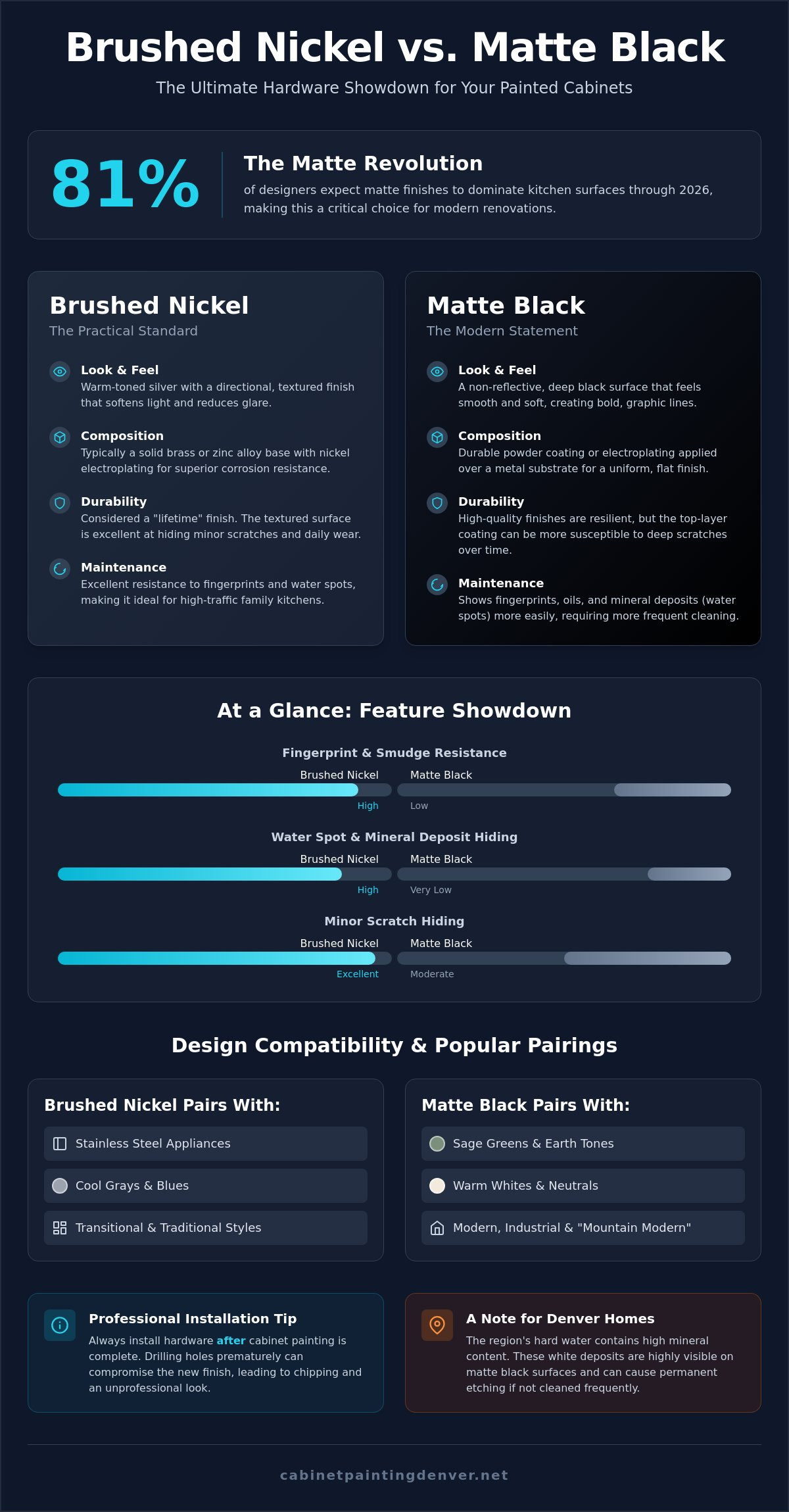
The most modern choice for your home might actually be the one you previously dismissed as traditional. While 81% of designers expect matte finishes to dominate kitchen surfaces through 2026, the debate between brushed nickel vs matte black hardware remains a central concern for homeowners updating their space. You want a finish that complements your kitchen cabinet painting project without creating a constant maintenance burden.
Choosing hardware is a high-stakes decision because these pieces serve as the functional jewelry of the room. It’s common to worry that matte black will show every oily smudge or that brushed nickel will appear dated against contemporary paint colors. This guide provides a professional comparison of durability, maintenance requirements, and aesthetic compatibility for these two leading finishes. You’ll gain the objective data needed to select hardware that enhances your cabinet color and protects your investment for years to come.
Key Takeaways
- Learn why brushed nickel remains the practical standard for high-traffic kitchens due to its superior resistance to fingerprints and water spots.
- Discover how to pair matte black hardware with 2026’s most popular cabinet colors, including sage greens and warm neutrals.
- Evaluate brushed nickel vs matte black hardware based on your specific home style, from Denver’s “Mountain Modern” to industrial urban lofts.
- Understand the critical timeline for hardware installation to ensure your kitchen cabinet painting project isn’t compromised by premature drilling.
- Gain professional strategies for aligning hardware with existing stainless steel appliances to create a cohesive, high-value design.
Analyzing Brushed Nickel vs Matte Black Hardware: The Professional Overview
Selecting cabinet hardware is the final functional requirement for a successful kitchen cabinet painting project. In the 2026 Denver market, homeowners prioritize finishes that offer both aesthetic longevity and procedural durability. Brushed nickel and matte black have emerged as the primary choices for modern renovations because they bridge the gap between traditional and contemporary styles. These finishes provide distinct visual profiles that influence the overall status of the kitchen design.
The comparison of brushed nickel vs matte black hardware involves evaluating material composition and light reflection. Brushed nickel is a warm-toned silver finish featuring a directional texture that softens the appearance of the metal. Matte black is a non-reflective, deep black finish typically achieved through industrial powder coating or electroplating. Both options provide a sophisticated contrast to painted surfaces, though their maintenance requirements vary significantly. Understanding these technical differences allows for a more informed decision during the final stages of a cabinet transformation.
To better understand this concept, watch this helpful video:
The Composition and Durability of Brushed Nickel
High-quality brushed nickel hardware typically utilizes a solid brass or zinc alloy base to ensure weight and durability. The surface undergoes a specific nickel electroplating process to ensure uniform coverage and long-term corrosion resistance. Manufacturers then use a wire brush or similar abrasive tool to create the signature matte, directional texture. This physical treatment is highly functional; it effectively hides small scratches and abrasions that occur during daily use. Because the finish is integrated into the metal surface rather than just sitting on top, designers often classify it as a “lifetime” finish. It maintains its structural integrity even in high-moisture environments or high-traffic family kitchens.
The Composition and Appeal of Matte Black
Matte black hardware has transitioned from a niche design trend to a permanent staple in modern architecture. This finish is usually applied as a durable top layer over a metal substrate using powder coating. The result is a completely flat, non-reflective surface that feels smoother and softer to the touch compared to traditional cold metallic finishes. This tactile quality adds a layer of sensory refinement to the cabinetry. While some homeowners worry about fingerprints, the flat sheen is intentionally designed to absorb light rather than reflect it. This characteristic makes it an ideal choice for creating bold, graphic lines against lighter paint colors like warm whites or the sage greens that are popular in 2026. It provides a clean, industrial look that remains versatile across various architectural styles.
Maintenance and Durability: Which Finish Stands the Test of Time?
Maintenance requirements dictate the long-term satisfaction of a kitchen renovation. When comparing brushed nickel vs matte black hardware, homeowners must prioritize the functional realities of their household. Daily interactions involve skin oils, food debris, and cleaning chemicals. These factors determine whether a finish remains pristine or degrades within a few years. Professional-grade hardware is designed to withstand these stressors, but each finish reacts differently to environmental conditions.
Denver’s semi-arid climate introduces specific challenges for hardware longevity. High mineral content in local water supplies often leads to visible calcium deposits. These white spots appear prominently on dark, non-reflective surfaces. Homeowners in the Rocky Mountain region often find that matte finishes require more frequent wiping to prevent permanent etching from mineral buildup. In contrast, lighter metallic finishes tend to mask these deposits until a deeper cleaning is performed.
Long-term wear is another critical requirement for hardware selection. High-quality pieces should maintain their appearance for at least a decade. While cheaper alternatives might show wear within 24 months, professional-grade finishes resist chipping and peeling. Electroplated finishes are the industry standard for durability. They create a molecular bond with the base metal, unlike simple spray-painted layers that fail under daily friction. Choosing a high-quality finish ensures that your Kitchen Cabinet Painting project maintains its professional status for years.
Living with Brushed Nickel: The ‘Low Maintenance’ Champion
This finish is the functional champion for busy households. Its directional texture acts as a camouflaging agent for micro-scratches and smudges. If you have children or cook high-volume meals daily, brushed nickel offers the most forgiving experience. It doesn’t require constant attention to look clean. It also tolerates occasional contact with stronger cleaners, though mild soap remains the professional recommendation. It’s the “set it and forget it” option for modern hardware.
Living with Matte Black: The ‘High Style, High Care’ Choice
This choice prioritizes high-style aesthetics over maintenance ease. Skin oils from fingers create glossy spots on the flat surface over time. To maintain the factory look, you’ll need a consistent cleaning protocol. Use a soft microfiber cloth with warm water. Don’t use vinegar or citrus-based cleaners. These acidic substances break down the matte coating, which leads to a patchy or cloudy appearance. While it requires more care, the visual impact of matte black is often worth the extra effort for design-focused homeowners.
Design Compatibility: Matching Hardware to Your Painted Cabinets
The visual success of a kitchen renovation depends on the relationship between your hardware and your selected paint for cabinets. Hardware acts as the final design layer, providing either a bold contrast or a subtle, monochromatic finish. When evaluating brushed nickel vs matte black hardware, you must consider the dominant color palette of the room. In 2026, 96% of designers expect neutral tones like warm whites and light browns to dominate kitchen palettes. Your choice of hardware finish determines whether these neutrals lean toward a traditional or a contemporary status.
Coordinating with appliances is a procedural requirement for a professional result. Brushed nickel naturally aligns with the cool tones of standard stainless steel appliances, creating a cohesive and safe design. However, the mixing of metals has become a major trend for 2026. Many homeowners now use matte black for cabinet pulls while maintaining brushed nickel for the faucet or light fixtures. This layered approach adds depth and prevents the kitchen from appearing overly uniform or sterile. If you have integrated paneled dishwashers, you have even more freedom to select hardware based purely on the cabinet paint color rather than the appliance finish.
The Best Cabinet Colors for Brushed Nickel
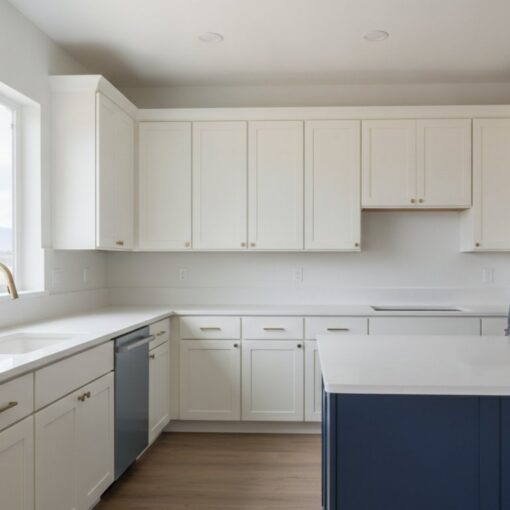
White and cream cabinetry remains the standard for creating a bright, timeless kitchen. Brushed nickel provides a low-contrast look on these surfaces, offering a clean aesthetic that doesn’t distract the eye. For those choosing navy or dark blue paints, nickel offers a sharp, cool-toned contrast that highlights the depth of the color. This finish also excels with mid-tone grays. It creates a sophisticated transitional aesthetic that feels updated without being overly aggressive. It’s the ideal choice for homeowners who want their cabinetry to remain the primary focus.
The Best Cabinet Colors for Matte Black
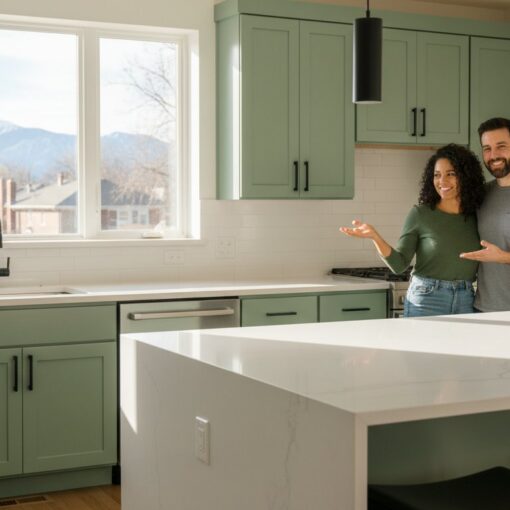
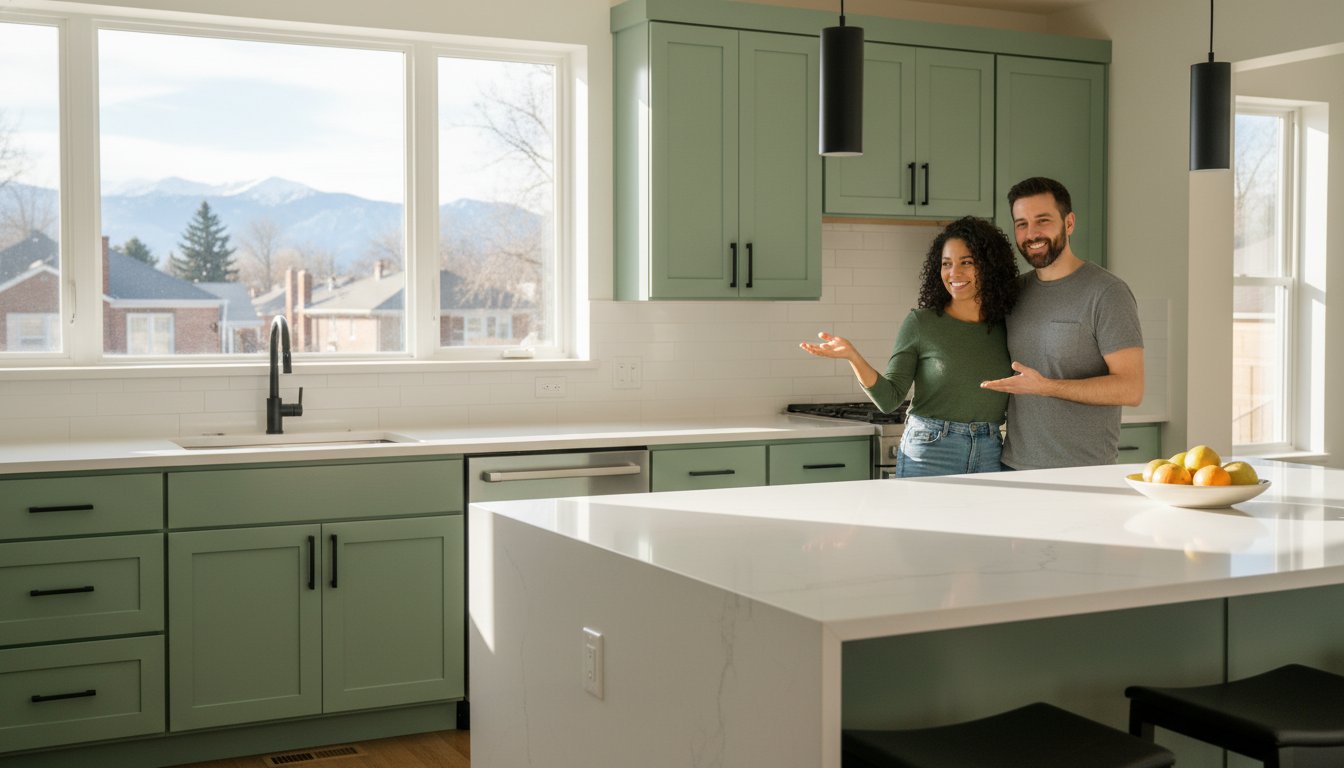
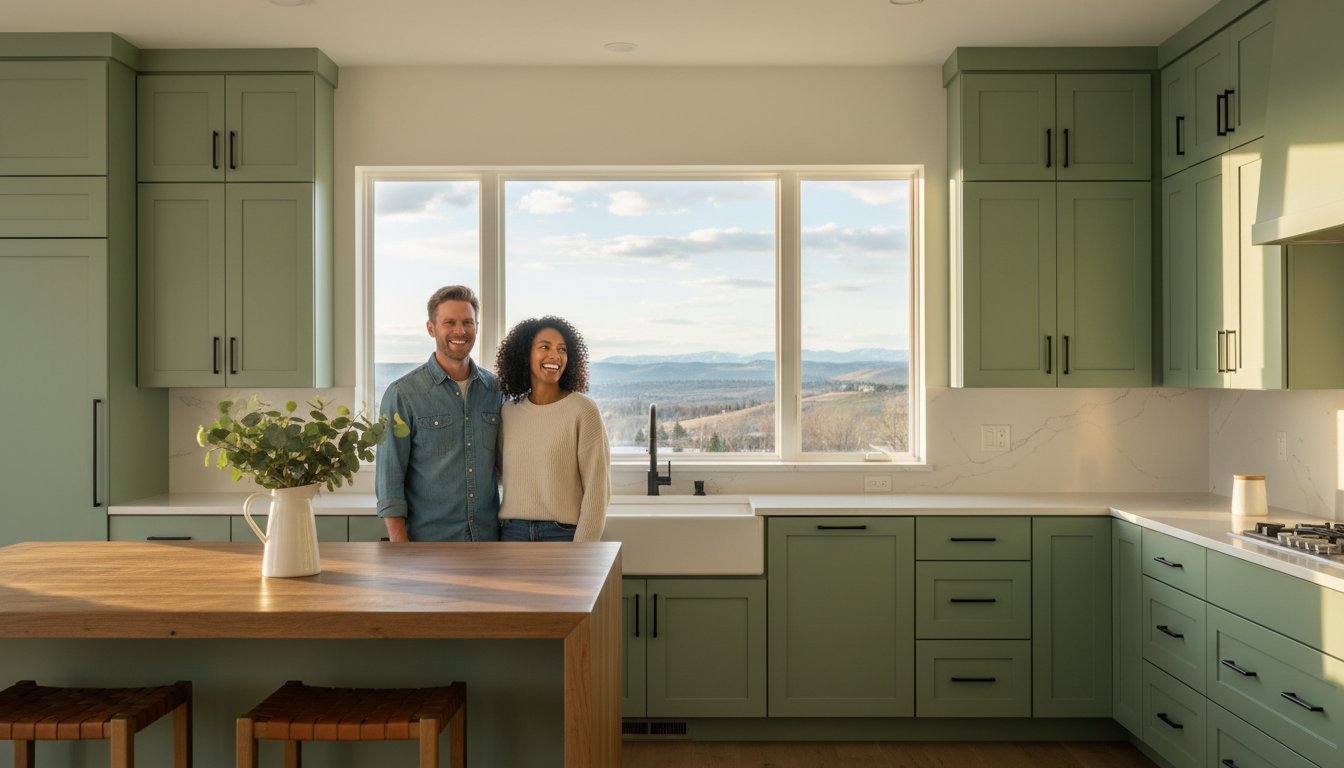
Matte black is the essential choice for 2026’s organic modern and “Mountain Modern” designs. Since 86% of designers predict an increase in green tones like sage and forest green, black hardware has become the preferred grounding element for these earthy hues. It also pairs exceptionally well with “greige” and light gray paints, providing sharp, graphic lines that define the cabinetry doors. On light-colored cabinets, matte black creates a high-contrast, modern look that feels intentional and bold. It’s a functional way to add a contemporary edge to traditional cabinet profiles.
Denver Home Trends: What’s Popular in Colorado Kitchens?
Hardware choices in Denver are heavily influenced by the surrounding landscape and regional architecture. While the national debate of brushed nickel vs matte black hardware continues, local homeowners often select finishes that reflect Colorado’s natural environment. In the Denver metro area, 2026 trends show a clear preference for earthy, organic palettes. These palettes require hardware that grounds the design without feeling out of place against natural stone or exposed architectural elements. Selecting the right finish is a procedural requirement for achieving a cohesive interior that respects the local aesthetic.
Modern Mountain Aesthetics and Hardware Selection
The “Mountain Modern” style has become the dominant aesthetic in Denver suburbs like Golden, Castle Rock, and Arvada. Matte black hardware is winning this market because it provides a clean, high-contrast look that complements natural wood, slate, and granite. Homeowners are moving away from the heavy, ornate feel of oil-rubbed bronze in favor of the sleeker profile that matte black provides. This shift toward simplicity aligns with the functional requirements of contemporary mountain living. Matte black hardware is the primary choice for cabinet painting denver projects in mountain-facing homes because it creates a sharp, graphic anchor against the soft, organic tones of the Colorado landscape.
In downtown Denver and RiNo, urban loft styles prioritize industrial finishes, a trend also embraced by luxury NYC-based contractors like Interior Design & Building Inc for high-end residential projects. Matte black hardware is frequently paired with exposed brick, concrete floors, and steel beams. The non-reflective surface of the hardware absorbs light in these often-bright spaces. This prevents unwanted glare while maintaining a rugged, functional appearance that suits an industrial status.
The Timeless Appeal of Brushed Nickel in Traditional Denver Homes
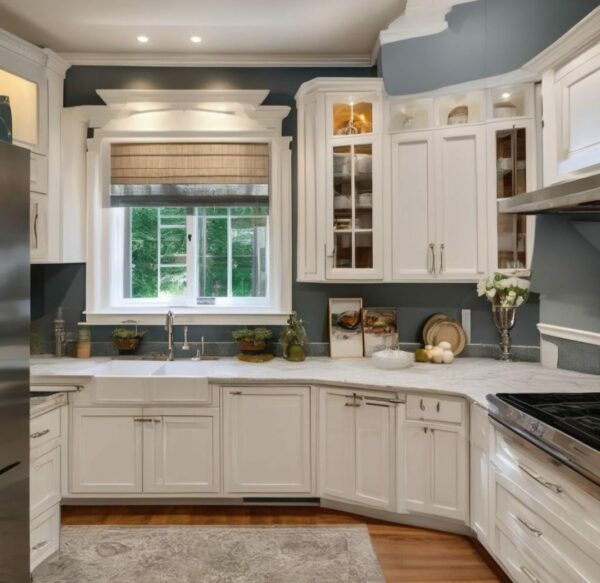
While modern styles lean toward black, brushed nickel remains the standard in classic neighborhoods like Washington Park and Cherry Creek. These areas often feature traditional architecture where marble countertops and white subway tiles are prevalent. Brushed nickel offers a sophisticated, low-contrast look that respects the historical status of these homes. It’s also considered the “safe” choice for rental properties or quick-turn flips in the local market. Buyers often perceive brushed nickel as a neutral, high-quality finish that won’t require immediate replacement if their personal style differs from the seller’s.
Hardware choice impacts resale value by contributing to the overall “finished” feel of a kitchen. A cohesive design using either finish can increase a home’s marketability in the competitive Denver metro area. High-quality hardware is readily available across the Front Range at specialty showrooms and local suppliers. Ensuring you have professional-grade pieces before starting your project is a procedural necessity for a long-lasting result.
To ensure your hardware choice matches a high-quality finish, contact the experts at Cabinet Painting Denver for a professional consultation on your next project.
Professional Installation: The Final Step in Your Cabinet Transformation
Hardware installation is a critical requirement that must occur only after the paint has fully cured. While surfaces may feel dry within hours, the coating requires several days to reach maximum hardness. Installing handles or knobs too early can cause the hardware to “sink” into the finish or create permanent indentations. A professional cabinet painter ensures that every piece of hardware is aligned using precision templates. This eliminates the risk of uneven pulls that compromise the kitchen’s visual status.
If you’re transitioning from single-hole knobs to dual-hole pulls, the process involves technical surface preparation. The original holes must be filled with a high-performance wood filler, sanded flush, and primed before the final color is applied. This ensures the old mounting points are invisible. Once the new paint is dry, new holes are drilled according to the exact specifications of your chosen hardware. This procedural precision is what separates a DIY attempt from a professional transformation.
The Re-installation Process After Painting
Protecting the fresh finish during re-installation is a procedural necessity. Professionals often use low-tack tape around the mounting area to prevent accidental tool slips. Torque management is also vital. Over-tightening can crack the paint film, while under-tightening leads to “spinning” knobs. These loose pieces rotate during use and create circular scratches on the door surface. Additionally, hinges should be inspected and adjusted. Modern, heavy-duty hardware can slightly shift the door’s weight, requiring minor hinge recalibration to maintain perfect gaps and smooth operation.
Final Decision Framework: A Quick Checklist
Choosing between brushed nickel vs matte black hardware ultimately depends on your lifestyle and design goals. Use this 3-question framework to finalize your decision:
- Does your household include young children or frequent high-volume cooking? If yes, brushed nickel’s maintenance ease is a significant advantage.
- Does your kitchen lack natural light? If yes, brushed nickel reflects light to brighten the space. If you have ample light, matte black provides a sophisticated, non-reflective anchor.
- Are you planning to sell your home within the next 24 months? If yes, brushed nickel is the safe, universally accepted choice for Denver buyers, while matte black is for those staying to enjoy a specific modern aesthetic.
Always order physical samples to test against your painted door in different light settings before committing to a full set. This step prevents costly returns and ensures the finish meets your expectations. Whether you prioritize the timeless, low-maintenance status of brushed nickel or the bold, modern appeal of matte black, the quality of the installation determines the project’s success.
Contact Cabinet Painting Denver for a professional consultation and quote to begin your cabinet transformation today.
Finalizing Your Cabinet Transformation Strategy
Selecting the ideal finish is the final procedural requirement for a successful kitchen update. Whether you prefer the low-maintenance reliability of brushed nickel or the high-contrast appeal of matte black, your hardware choice defines the functional status of your space. The debate of brushed nickel vs matte black hardware ultimately centers on your specific lifestyle needs and the architectural style of your home. Both finishes offer significant durability when sourced from professional-grade manufacturers and installed after the paint has fully cured.
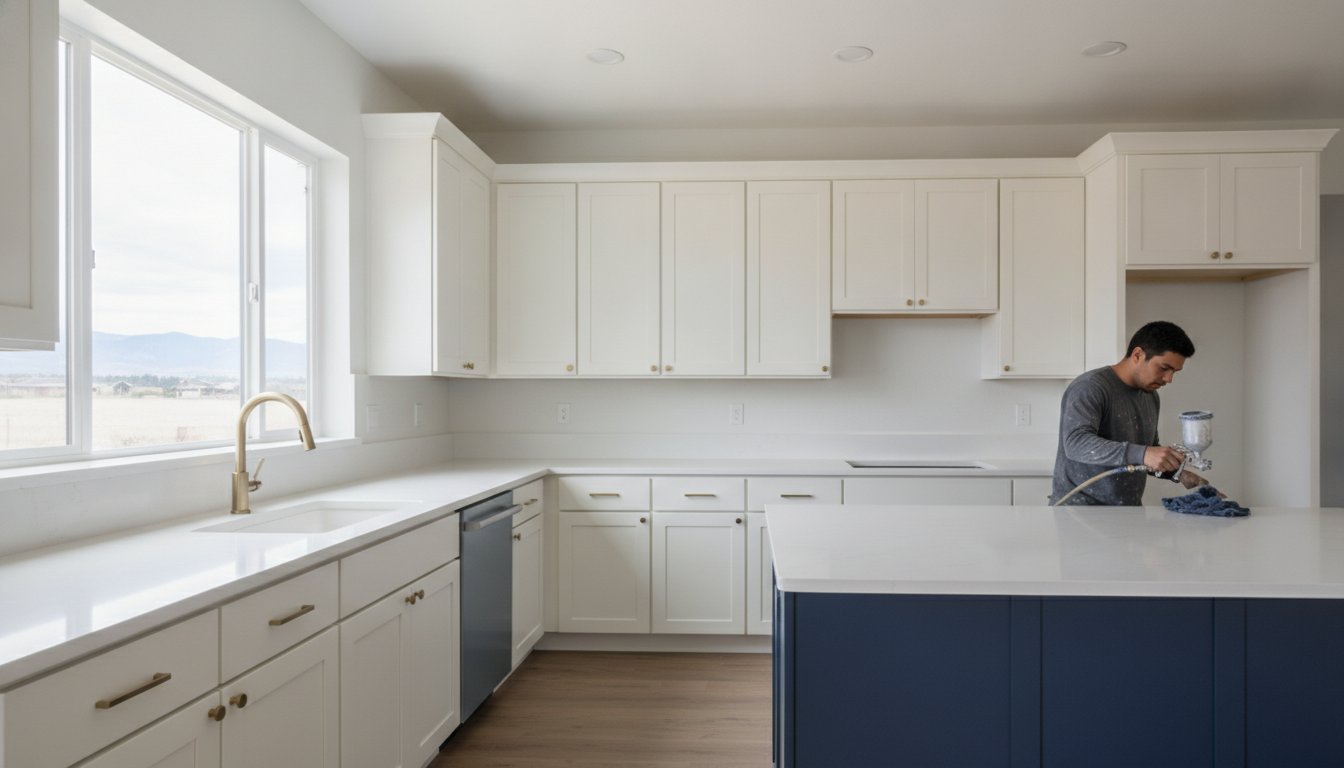
Achieving a factory-quality finish requires specialized professional spraying and meticulous preparation. Our local Denver experts provide years of refinishing experience to ensure your cabinets and hardware look pristine for a decade or more. We handle the entire process from full-service prep and painting to the precise re-installation of your new hardware pulls and knobs. Your kitchen’s aesthetic value depends on these final technical details being executed with precision.
Ready to transform your kitchen? Get a free cabinet painting quote in Denver today!
Take the next step toward a modernized kitchen with confidence that your hardware selection will stand the test of time.
Frequently Asked Questions
Does matte black hardware scratch easily?
High-quality matte black hardware is resistant to scratches because it uses an electroplated or powder-coated finish. These industrial processes create a hard surface that withstands daily contact with rings and fingernails. However, lower-end products that use simple spray paint will chip and show wear quickly. You should always verify the manufacturer’s finish process to ensure the hardware maintains its professional status over time.
Is brushed nickel going out of style in 2026?
Brushed nickel remains a timeless finish that is not going out of style in 2026. While matte black is currently a popular modern choice, nickel provides a versatile silver tone that complements traditional and transitional designs. It’s the preferred option for homeowners who want a safe, long-term investment that won’t require replacement as design trends shift. Its ability to hide wear makes it a permanent staple in kitchen design.
Which is more expensive: brushed nickel or matte black?
Cost differences depend primarily on the manufacturer and the quality of the base metal rather than the finish itself. When comparing brushed nickel vs matte black hardware, you may find that matte black carries a slight price premium due to the specialized powder-coating requirements. However, both finishes are available at various price points. Your selection should focus on the durability of the coating rather than the finish color alone.
Can I mix brushed nickel and matte black hardware in the same kitchen?
Mixing metal finishes is a significant design trend for 2026 that adds visual depth to a kitchen. You can use matte black for cabinet pulls while selecting brushed nickel for your faucet or light fixtures. This approach prevents the room from looking like a showroom set and creates a more personalized, custom status for your home. It’s a functional way to integrate existing stainless steel appliances with modern accents.
Does matte black hardware show water spots?
Matte black hardware is more likely to show white water spots and mineral deposits, particularly in regions with hard water like Denver. Because the surface is non-reflective, these deposits appear more prominent than they do on metallic finishes. Frequent wiping with a dry microfiber cloth is a procedural requirement to keep the hardware looking clean. This maintenance is essential for maintaining the flat, deep black aesthetic.
What is the best way to clean brushed nickel cabinet pulls?
The most effective cleaning method is using a soft cloth dampened with warm water and a drop of mild dish soap. Avoid using abrasive sponges or harsh chemical cleaners, as these can strip the protective coating and damage the brushed texture. This simple maintenance routine ensures your hardware remains a functional part of your kitchen cabinet painting project for years without losing its characteristic warm silver sheen.
How do I choose between a knob and a pull for my cabinets?
Base your choice on the weight of the door and your personal comfort requirements. Pulls provide a larger surface area and are better for heavy drawers or tall pantry doors where more leverage is needed. Knobs are a functional choice for smaller upper cabinets and offer a more traditional aesthetic. Many homeowners use a combination of both to balance style and utility throughout the kitchen.
Should my hardware match my kitchen faucet finish?
Your hardware does not need to match your faucet finish exactly. Coordinating finishes is often more visually interesting than a perfect match. For example, if you are deciding between brushed nickel vs matte black hardware, consider how each interacts with your stainless steel sink and appliances. If you are also planning to update or repair your home’s water lines, you can learn more about Pioneer Plumbing CDA for expert residential plumbing services. A cohesive palette that complements your paint color is more important than using identical finishes for every fixture.