Why cabinet painting is booming in the Denver metro areas
Kitchen remodels are expensive in the Denver metro areas, yet buyers expect bright, updated kitchens in every price range. Full cabinet replacement can easily run $15,000 to $40,000, which is unrealistic for many homeowners, investors, and even designers working within a client’s budget. My Review of Graco FFLP Tips for Spraying Cabinets
Cabinet painting and refinishing provide a high-impact alternative that works especially well in Denver’s competitive real estate market. You keep your existing cabinet boxes, avoid major demolition, and still walk away with a kitchen that photographs and lives like new.
Cabinet Painting Service Areas in Denver & Surrounding Cities, Cabinet Refinishing in Denver County, CO
Serving Lakewood, CO, Littleton, CO, Golden, CO,
Arvada, CO, Wheat Ridge, CO, Evergreen, CO,
and Morrison, CO. Parker CO. Castle Pines CO. Englewood CO. Centennial CO.
Cabinet Painting in Arapahoe County, CO
Including Centennial, CO, Greenwood Village, CO,
Cherry Hills Village, CO, Englewood, CO,
and Aurora, CO.
Cabinet Painting in Adams County & Broomfield, CO
For Denver homeowners planning to sell, stay long term, or modernize newly purchased older homes, cabinet painting can deliver 60 to 80 percent of the visual impact of a full remodel at a fraction of the cost, with far less disruption. The key is understanding how the process, products, and timeline change in our high-altitude, low-humidity climate.
This guide walks through what you need to know about cabinet painting in the Denver metro areas so you can decide whether to DIY, hire specialists, or combine both approaches.
How Denver’s climate affects cabinet painting success
Cabinet painting in the Denver metro areas is not the same as in sea-level, humid regions. Our altitude, temperature swings, and dryness affect adhesion, drying times, and long-term durability.
Altitude, low humidity, and dry times
At a mile high, products flash off faster. That can be good for project speed, but risky for finishes.
Key climate effects:
- Paint and primer dry faster, which can cause:
- Lap marks if you roll too slowly
- Brush marks that do not self-level
- Rough surfaces if dust settles before curing
- Solvent-based products off-gas more aggressively, which matters for indoor air quality
Pro approach:
- Work in smaller sections so paint stays wet while you work.
- Use high-quality leveling products designed for cabinetry, not generic wall paint.
- Maintain consistent temperatures indoors, ideally 60 to 75 degrees.
Pro Tip: In Denver’s climate, “dry to the touch” can happen in under an hour, but cure time is still 7 to 30 days. Avoid reinstalling heavy hardware or slamming doors until cures are complete.
Winter, summer, and seasonal scheduling
Denver’s winters are cold but sunny, and summers can be hot and dry. These swings influence when and how you should schedule cabinet painting.
Consider:
- Winter:
- Indoor work is fine if heating is stable and ventilation is managed.
- Garage spraying can be difficult without proper heating because lacquers and waterborne coatings can fail if they freeze or are applied too cold.
- Summer:
- Fast drying can cause overspray dust and orange peel if sprayers are not tuned correctly.
- Open windows help ventilation, but afternoon storms and pollen can contaminate finishes.
Many Denver-area pros plan cabinet projects for spring and fall, but with the right setup, work is possible year-round.
Cost, value, and ROI for Denver-area homeowners and investors
For Denver-area homeowners, move-up buyers, and real estate investors, cabinet painting is about ROI as much as aesthetics.
Typical cost ranges in the Denver metro areas
While pricing varies by scope and finish, you can use these ballpark figures:
| Scope / Project Type | Typical Price Range (Denver Metro) | Notes |
|---|---|---|
| Small condo kitchen (10–15 doors) | $1,800 – $3,000 | Often brush/roll or small spray setup |
| Standard single-family kitchen (20–30 doors) | $3,000 – $5,500 | Most typical projects |
| Large custom kitchen / high-end finishes | $5,500 – $9,000+ | Glazing, two-tone, specialty coatings |
| Adding island color change or accent only | $800 – $1,800 | Often part of broader paint job |
Compared to replacement:
- New mid-range cabinets: often $12,000 to $25,000 plus labor
- Full kitchen remodel in Denver: often $40,000 to $90,000, depending on finishes
For flippers and investors, cabinet painting often frees budget for countertops, lighting, and flooring that move appraisal values the most.
Resale value and market expectations
In Denver neighborhoods like Washington Park, Highlands, Centennial, and Parker, buyers consistently respond to light, updated kitchens:
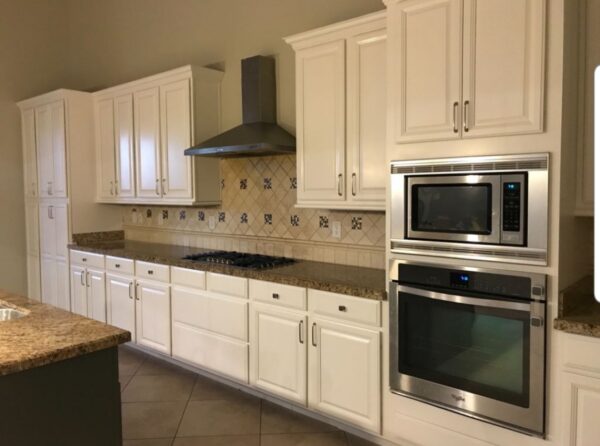
- Bright painted cabinets with modern hardware can make 1990s oak kitchens feel nearly new.
- Real estate agents often report faster offers and higher perceived value after cabinet painting, even when layout stays the same.
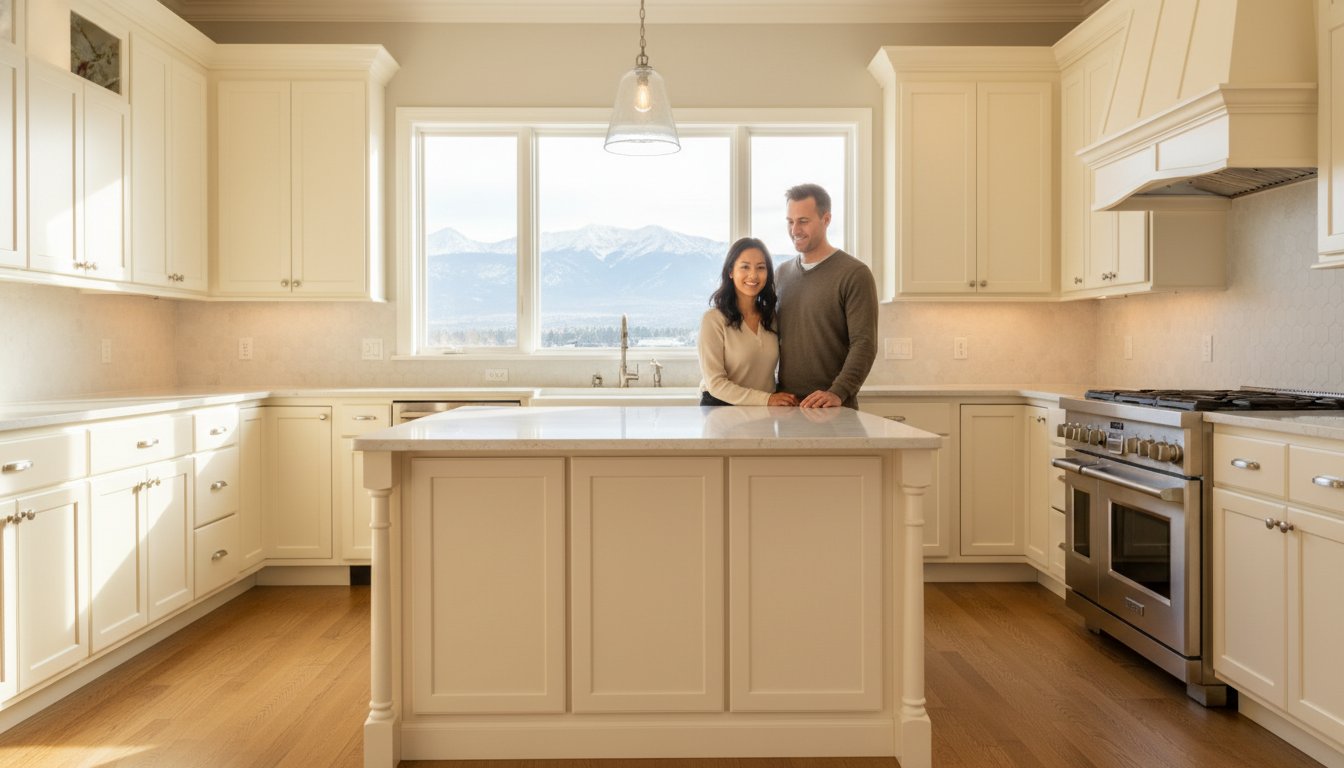
For move-up homeowners preparing to list within one to three years, cabinet painting typically sits in the “high ROI, moderate cost” bucket. Pairing cabinet painting with quartz countertops and new pulls creates MLS photos that stand out in crowded Denver listings.
For more detailed pricing and service breakdowns, see Professional Cabinet Painting Services In Denver Metro Area.
Choosing between painting, refinishing, and refacing
Not every cabinet is a good candidate for paint only. The right approach depends on your cabinet material, condition, and design goals.
When cabinet painting is ideal
Cabinet painting works best when:
- Your boxes are structurally sound with no water damage or sagging
- Doors are a style you can live with, such as shaker, raised panel, or slab
- You want a color change, especially from wood to white, greige, or dark tones
- You need to stretch budget for other updates like appliances or tile
Good candidates:
- 1990s and 2000s builder-grade oak or maple
- Older solid-wood cabinets with dated stain but sturdy construction
- Rental properties where durability and turnaround time matter more than custom millwork
When refinishing or staining makes more sense
Cabinet refinishing means stripping or sanding existing finishes and re-staining or clear-coating. It is often better if:
- You have high-quality hardwood cabinets you want to preserve
- Your home has a mountain, rustic, or mid-century aesthetic where wood grain is an asset
- You dislike the idea of covering solid wood with paint
Refinishing can be especially appealing for long-term homeowners and empty nesters planning to stay, where preserving natural materials is part of the design intent. Learn more at Expert Cabinet Refinishing Painting Services In Denver Metro Area.
When refacing or replacing is the better call
Consider refacing or full replacement if:
- Cabinet boxes are warped, water-damaged, or sagging
- The layout is inefficient and you want islands, pantries, or bigger openings
- Doors are severely damaged or an outdated arched style you truly dislike
In those situations, paint will only disguise structural or functional problems. Short-term investors sometimes still paint marginal cabinets for a quick flip, but for primary residences this is usually false economy.
Products, finishes, and low-VOC options for Denver homes
Environmentally conscious homeowners in the Denver metro areas often care about indoor air quality, especially at altitude and during winter, when homes stay closed up.
Paint types suited to Denver cabinets
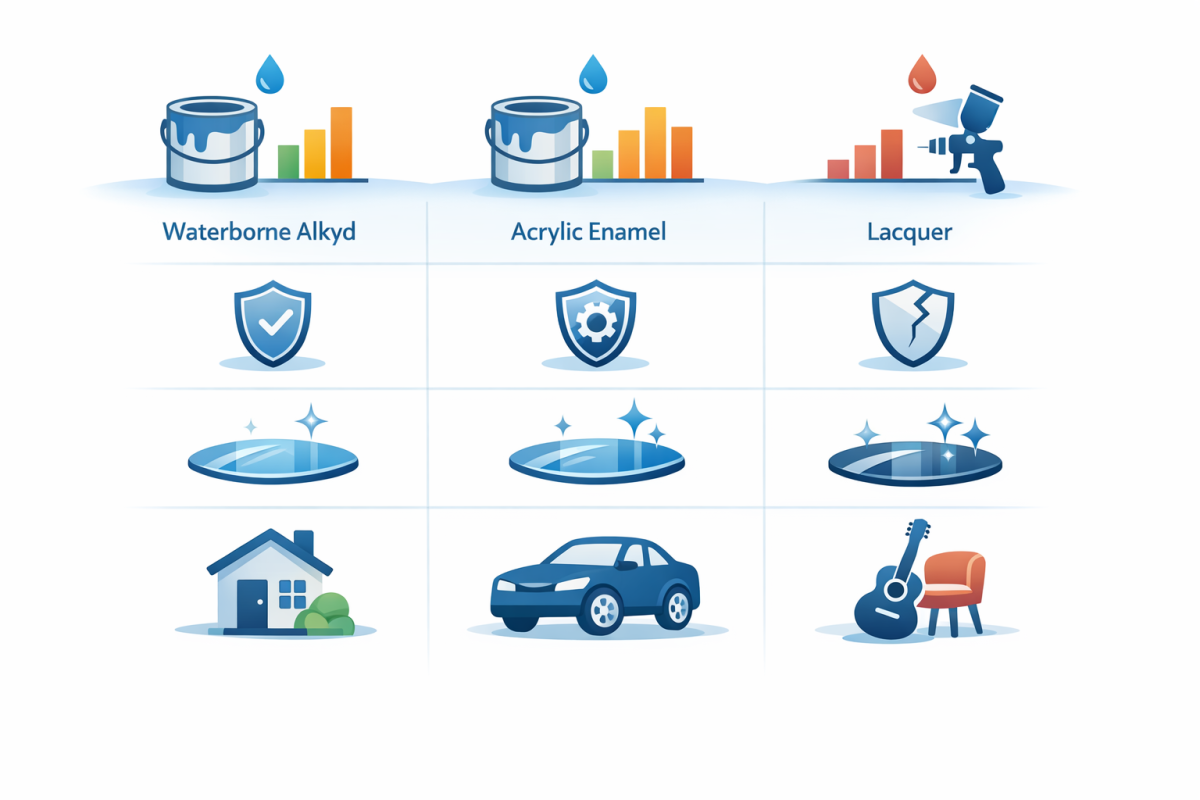
Common options:
- Waterborne alkyd enamels
- Good balance of hardness and low VOC
- Level well on doors and trim
- Popular with pros for residential use
- Acrylic cabinet enamels
- True water-based, often lower odor
- Slightly softer than alkyds but adequate for many homes
- Lacquer and catalyzed finishes
- Very hard and smooth, common in shop environments
- Higher VOC and more demanding safety requirements
Important: Standard wall paint is not appropriate for cabinets in Denver or anywhere. It will chip, stain, and fail under kitchen use.
Low-VOC and eco-conscious options
For homeowners sensitive to chemicals or who prioritize green choices:
- Ask for low or zero VOC primers and topcoats where possible.
- Plan for extra ventilation, especially for the first 72 hours.
- Schedule work for shoulder seasons so windows can remain open.
Low-VOC products often have slightly longer cure times, but that trade is worthwhile for many families and empty nesters planning to age in place.
Finish levels and color choices that work in Denver light
Denver’s strong natural light can make whites look brighter and cool tones feel cold. To avoid a sterile look:
- Use soft, warm whites with neutral undertones rather than stark blue whites.
- Consider two-tone designs, such as white uppers and a deeper island or lower cabinets, which works particularly well in bigger suburban kitchens in Aurora, Littleton, and Arvada.
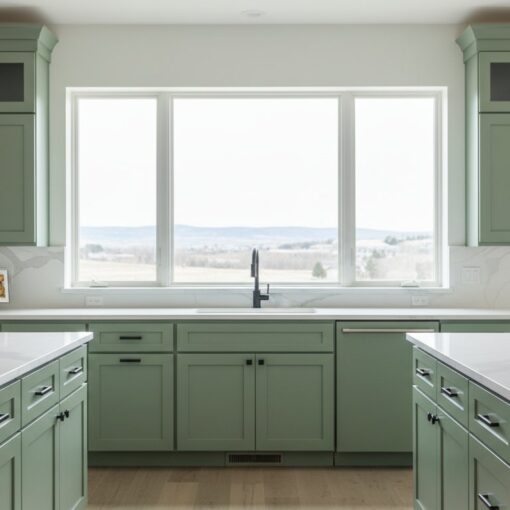
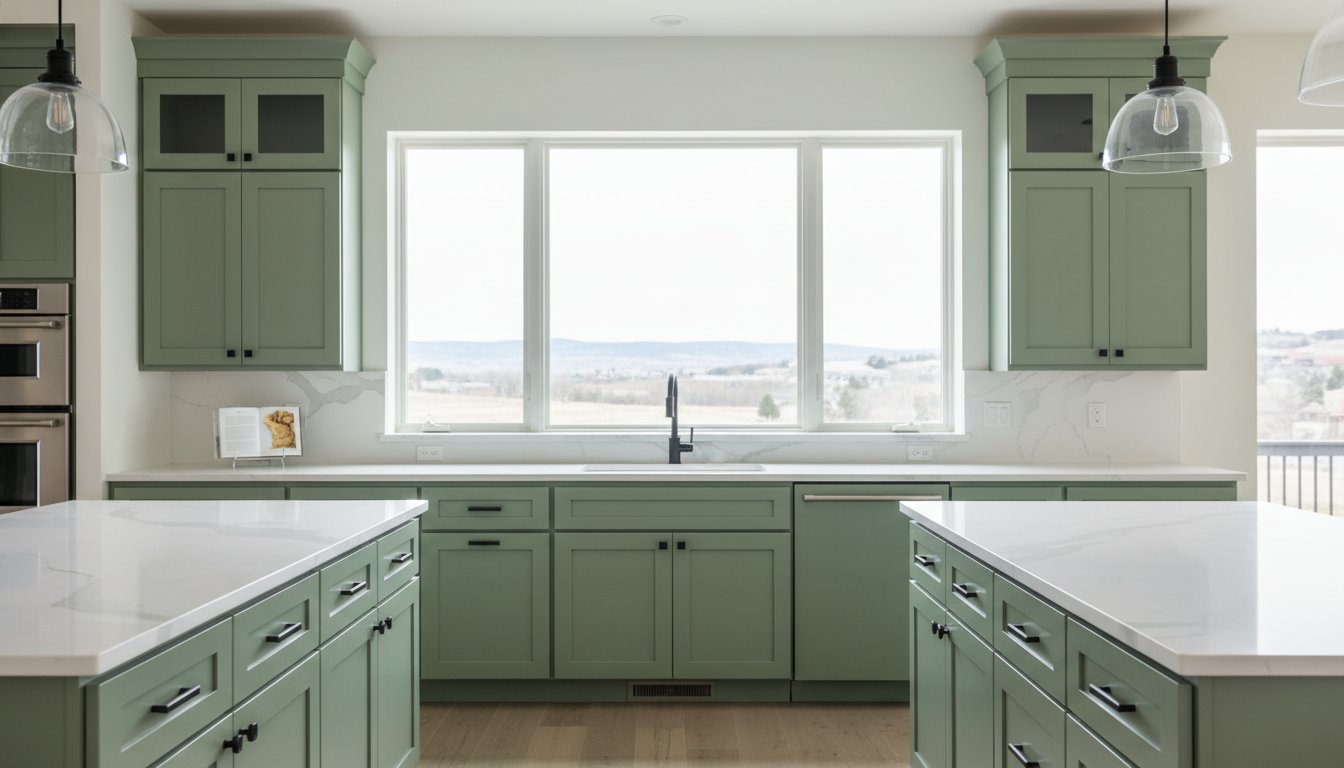
- For long-term residences, muted blues, greens, and greiges feel timeless and pair well with both existing and future countertops.
Step-by-step: how a professional cabinet painting project runs in Denver
Understanding the process helps you evaluate quotes and timelines realistically. A professional workflow for cabinet painting in the Denver metro areas usually looks like this.
Preparation: protection and cleaning
- Site protection: Masking off floors, countertops, appliances, backsplashes, and often building a plastic “spray booth” in part of the home or garage.
- Degreasing: Thoroughly cleaning doors and frames with degreaser to remove cooking oils which are common in heavily used Denver family kitchens.
- Labeling: Numbering doors and drawers, which avoids misalignment during reassembly.
Sanding, repairs, and priming
- Sanding: Scuff-sanding all surfaces to promote adhesion, paying special attention to edges and handle areas.
- Repairs: Filling dents, old hardware holes, and hairline cracks, then sanding smooth.
- Priming: Using a bonding primer that blocks tannins (important with oak and knotty woods) and adheres well at low humidity.
Key Takeaway: In Denver, shortchanging the cleaning and priming steps is the fastest route to peeling or chipping within a year. Most failures are preparation issues, not product failures.
Spraying, brushing, and curing
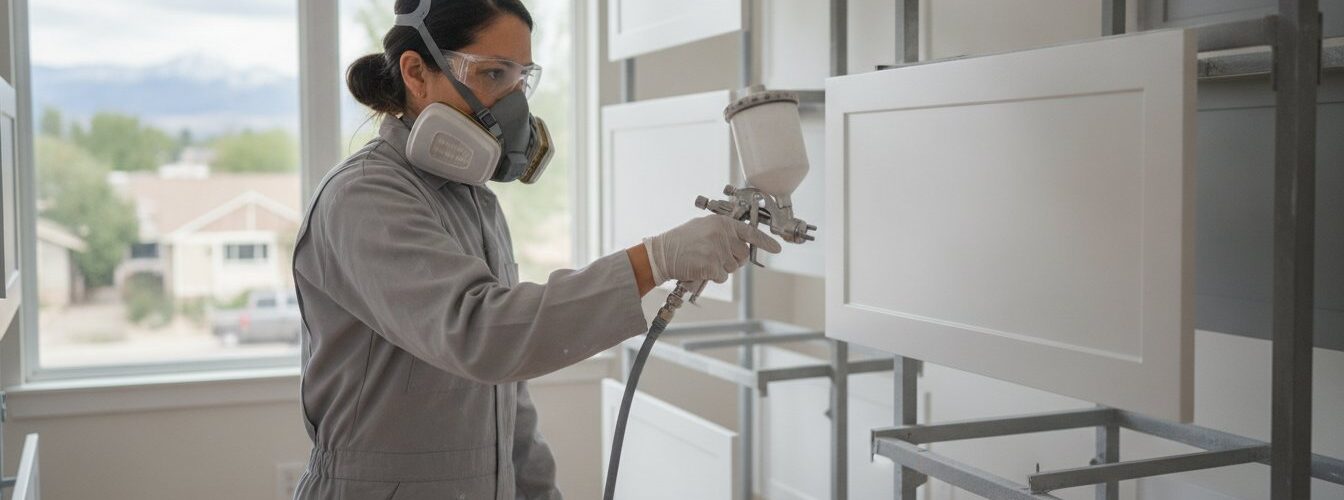
- Spraying: Most pros spray doors and drawers for a smooth, factory-like finish, and often spray frames as well.
- Multiple coats: Usually two primer coats and two topcoats, lightly sanded between.
- Curing: After reinstall, doors may be “dry,” but light use only is recommended for a week or more.
If you are considering DIY, watching professional workflows can help set expectations:
For service-specific process details, see Cabinet Painting In Denver Metro Area.
[IMAGE: Illustration of a kitchen partially masked and prepped for cabinet painting, with plastic sheeting, labeled doors, and tools laid out]
Special considerations by homeowner type
Different Denver-area homeowners approach cabinet painting with different priorities. Tailor your plan based on your situation.
Budget-focused homeowners and new buyers
For first-time or budget-conscious buyers who just closed on an older Denver home:
- Prioritize cabinet painting before move-in to avoid living through masking and odors.
- Focus on a simple, durable color scheme that works with existing countertops.
- Consider upgrading hardware at the same time for maximum visual impact.
Move-up homeowners and empty nesters
If you plan to stay for 10 or more years:
- Invest in higher-end products and possibly custom colors.
- Coordinate with future upgrades, such as planned quartz counters or new flooring.
- Explore refinishing options if you have high-quality wood you like.
Real estate investors and house flippers
For flippers operating on tight timelines:
- Use standardized color palettes that photograph well and appeal broadly.
- Choose products with fast recoat times but do not skip proper priming.
- Schedule cabinet work early in your rehab timeline so other trades do not damage fresh finishes.
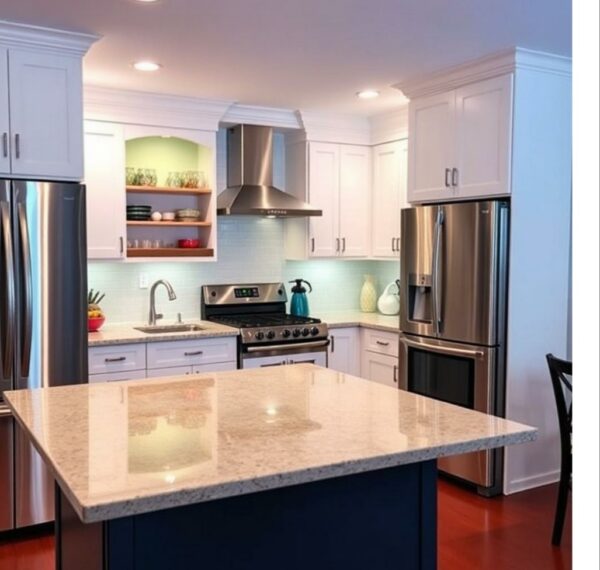
[IMAGE: Illustration of before-and-after comparison of a dated oak kitchen transformed into a modern white-and-navy two-tone kitchen]
When to call in specialists: cabinet painting and refinishing Denver
Cabinet projects touch multiple pain points for Denver homeowners: climate, indoor air quality, budget, and resale expectations. For many, hiring specialists is less about avoiding work and more about avoiding expensive mistakes.
Cabinet Painting and Cabinet Refinishing Denver focuses specifically on cabinetry in the Denver metro areas, which means:
- Processes and products are tuned for local climate and elevation.
- Crews are familiar with older Denver housing stock, from mid-century homes to 1990s suburbs.
- Projects can be scoped to your goals, whether that is a pre-list cosmetic upgrade, a long-term retirement kitchen refresh, or an investor-friendly turnaround.
If you want expert guidance on whether painting, refinishing, or a hybrid approach is right for your cabinets and your neighborhood resale expectations, visit Cabinet Painting and Cabinet Refinishing Denver and Learn more about available options, scheduling, and examples of local projects.
Putting your Denver cabinet project into motion
Cabinet painting in the Denver metro areas can change how your kitchen feels and performs without tearing your house apart or draining your equity. The most successful projects share a few traits: realistic expectations, climate-aware product choices, and proper preparation.
Your next steps:
- Assess your existing cabinets for structural soundness and style.
- Decide whether painting, refinishing, or partial updates align with your goals and budget.
- Gather two to three quotes from Denver-area specialists who focus on cabinet work, not just general painting.
- Plan timing around your move-in, listing date, or broader remodel so you get the most benefit with the least disruption.
Handled thoughtfully, cabinet painting can bridge the gap between “dated but functional” and “market-ready” or “forever home” without the cost of a full gut renovation.
Frequently Asked Questions
How long does cabinet painting take in the Denver metro areas?
Most standard Denver kitchens take 4 to 7 working days, depending on size, number of doors, and whether spraying happens on-site or partially in a shop. The visible work usually wraps within a week, but full cure time for the coatings is longer. Plan on gentle use for at least 7 to 14 days after completion, especially around heavily used doors and trash pull-outs.
How long will painted cabinets last in Denver’s climate?
When correctly prepped and coated with professional-grade products, painted cabinets in Denver often last 8 to 15 years before needing touch-ups or a refresh. Durability depends on cabinet material, household traffic, and cleaning habits. Avoid harsh cleaners, and use soft cloths rather than abrasive pads. In rental properties and busy family homes, minor touch-ups may be needed sooner on high-use doors.
Are low-VOC paints durable enough for kitchen cabinets?
Modern low-VOC waterborne alkyds and cabinet enamels are significantly more durable than older generations. For most Denver households, they provide an excellent balance of hardness, stain resistance, and indoor air quality. Proper cleaning, sanding, and priming are still critical. In high-abuse environments, such as short-term rentals, some pros may combine low-VOC primers with slightly stronger topcoats to maximize durability.
Is cabinet painting a good idea before selling my Denver home?
Yes, as long as cabinets are structurally sound and layout is reasonable. Painted cabinets can make dated kitchens in Denver, Lakewood, or Thornton feel aligned with buyer expectations at a lower cost than full replacement. Pair cabinet painting with fresh wall color, updated hardware, and staged countertops. Always coordinate timing with your listing agent so professional photos capture the completed update.
Can I stay in my home while cabinets are being painted?
Most Denver homeowners do stay in place during cabinet projects, although the kitchen will be partially or fully out of service for several days. Expect masking, limited access to sinks and appliances, and some odor, especially during priming. Plan simple meals, use small appliances in another room, and discuss containment and ventilation with your contractor in advance, particularly if anyone in the home has sensitivities or respiratory concerns.