Why Denver Homeowners Are Turning To Cabinet Refinishing
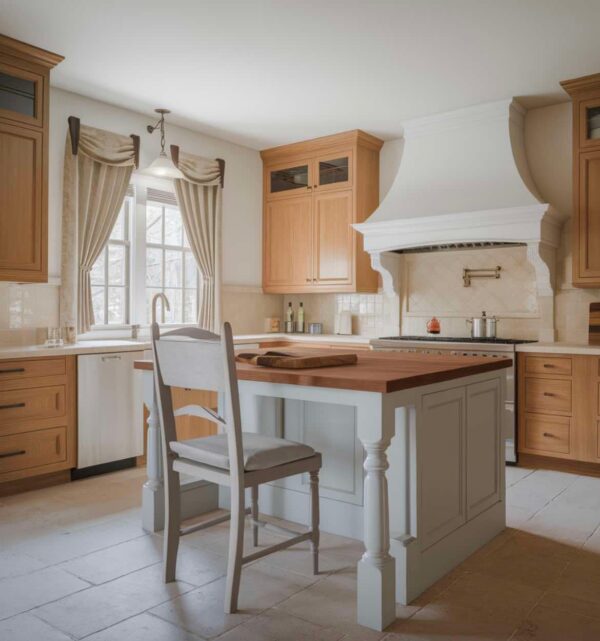
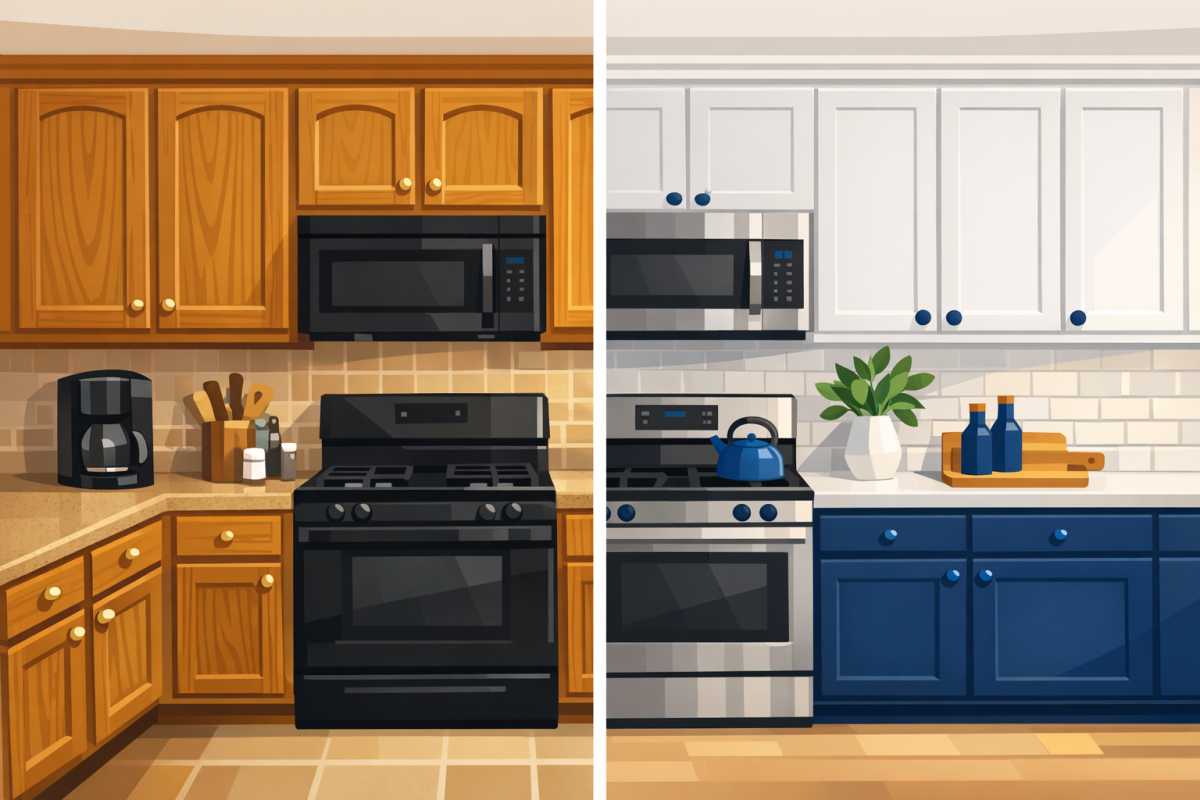
In the Denver metro area, dated oak, worn maple, and orange-toned builder cabinets are common in otherwise solid homes. Many kitchens function well but feel stuck in the 1990s. Full replacement can easily run $20,000 to $40,000 for an average kitchen, which often does not fit the budget of move‑up buyers, new homeowners, or investors.
Professional cabinet refinishing offers a middle path. You keep your existing boxes and layout, but upgrade the color, sheen, and style for a fraction of full replacement. For Denver homeowners planning to list in the next 1 to 3 years, or empty nesters investing in a long‑term home, that balance of cost, impact, and timeline is critical.
This guide breaks down what professional cabinet refinishing in the Denver metro area really involves, how it compares to other options, typical pricing and timelines, and how to choose the right contractor for your project and your goals.
What “Professional Cabinet Refinishing” Really Means
Many services get lumped together under the label “cabinet painting.” In the Denver metro area, true professional cabinet refinishing has a very specific process that separates it from handyman‑level or DIY work.
Core steps of a professional refinishing process
A reputable refinisher in Denver will typically:
- Remove doors, drawers, and hardware
- Label and map each component for precise reassembly
- Create a contained work area with plastic sheeting and ventilation
- Clean and de‑grease surfaces to remove cooking residues
- Sand and/or chemically de‑gloss existing finishes
- Repair minor dings, chips, and cracks
- Apply adhesion primer suited to the existing finish
- Spray or brush professional‑grade coatings in multiple thin layers
- Sand between coats for a smooth, furniture‑like finish
- Reinstall doors, drawers, and hardware, and make final adjustments
Key Takeaway: If a contractor’s “prep” sounds like a quick wipe and one coat of paint, it is not professional cabinet refinishing. Prep quality is what determines if your finish lasts 2 years or 10.
Refinishing vs. painting vs. refacing
Use this comparison to clarify which service you actually need:
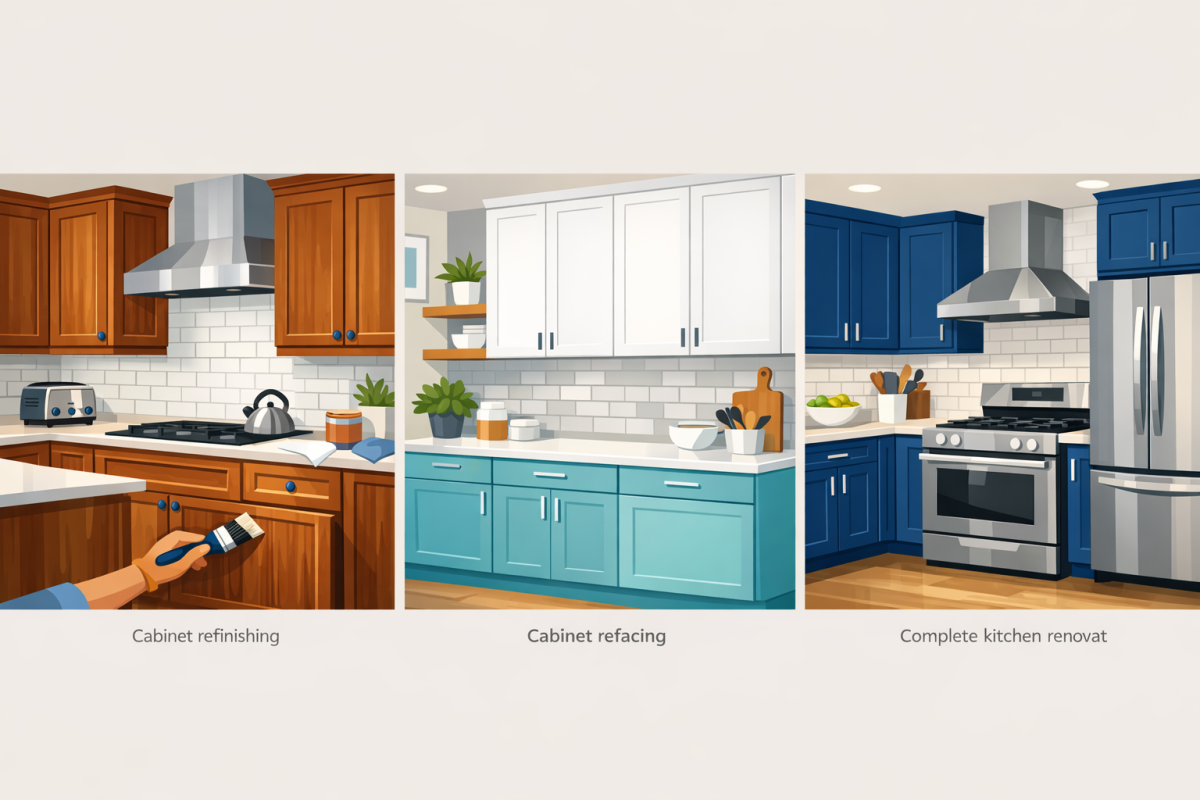
| Option | What It Is | Best For | Typical Cost* (Denver) |
|---|---|---|---|
| Refinishing | Sanding/prepping existing finish, then new paint or stain | Solid, structurally sound cabinets | $3,500–$8,000 |
| Painting only | Light prep and paint, often with lower‑grade products | Very short‑term fix, low‑use spaces | $2,000–$4,500 |
| Refacing | New doors/veneers on existing boxes | When door style is outdated or damaged | $8,000–$18,000 |
| Full replacement | New cabinets and layout | Major remodels and layout changes | $20,000+ |
*For a typical 10×12 kitchen, as of 2024, not including counters or appliances.
For many Denver kitchens, refinishing strikes the best balance of cost, durability, and visual impact, especially when you like your current layout but not the color or style.
Cost, Timelines, And ROI In The Denver Metro Area
Pricing for professional cabinet refinishing varies across Denver, Aurora, Lakewood, Littleton, Highlands Ranch, and surrounding cities, but there are consistent ranges and drivers.
Typical cost ranges you can expect
For an average‑size kitchen (25 to 35 doors and drawers), most homeowners see:
- Budget‑conscious refinishing: $3,000 to $4,500
- Often brush/roll application, limited repair work
- Mid‑range professional refinishing: $4,500 to $7,000
- Spray finishes, higher‑grade products, moderate repairs
- High‑end refinishing: $7,000 to $10,000+
- Extensive prep, color changes from dark to light, glaze or multi‑step finishes, or complex layouts
Key cost drivers in the Denver metro area include:
- Number of doors/drawers and linear feet of cabinetry
- Existing finish (heavy varnish or dark stain requires more prep)
- Desired finish type (simple solid color vs. custom colors or stains)
- Need for repairs, trim upgrades, or new hardware
- Whether boxes are sprayed on‑site or only doors are sprayed off‑site
How long refinishing really takes
In most Denver‑area homes, expect:
- In‑home disruption: 3 to 6 working days
- Total project timeline (including curing): 1 to 2 weeks
A typical schedule might look like:
- Day 1: Setup, masking, cleaning, and removal of doors and hardware
- Days 2–3: Sanding, priming, and first topcoat on boxes
- Days 4–5: Spray finishing of doors/drawers at shop
- Day 6: Reinstallation, touch‑ups, and cleanup
You can usually use your kitchen (with some limitations) throughout the process, which is a major advantage compared with full replacement or gut remodels.
Return on investment in Denver’s market
For resale‑oriented projects, refinishing can offer strong ROI:
- A professionally refinished kitchen often photographs like a full remodel, which can increase showing traffic.
- Agents in Denver frequently report kitchens with updated cabinets selling faster than similar homes with dated oak, even when counters and floors are unchanged.
- Compared with a $25,000 cabinet replacement, a $6,000 refinishing job can free budget for other high‑impact updates, such as lighting and counters.
Choosing The Right Finish And Color For Denver Homes
Finishes are not just about aesthetics. In the dry, sunny Colorado climate, the right products and colors help ensure your cabinets age gracefully.
Paint vs. stain vs. clear finishes
Each finish type fits different goals:
| Finish Type | Look & Feel | Best For | Considerations in Denver climate |
|---|---|---|---|
| Painted | Opaque, modern, can be any color | Dated oak, mixed woods, trend‑driven updates | Hides grain but shows chips more readily |
| Stained | Highlights wood grain, classic or rustic | Quality hardwoods you want to showcase | Shows wear gradually, good for long‑term homes |
| Clear/toned | Subtle color shift, preserves natural look | Newer maple or cherry in good condition | Works well in bright spaces with good lighting |
Environmentally conscious homeowners should ask specifically about low‑VOC and waterborne finishes. Many high‑performance, waterborne cabinet coatings now offer factory‑like durability with significantly reduced odor and off‑gassing, which is a major plus for families and empty nesters planning to stay in the home during work.
Color strategies for different Denver neighborhoods
Color choices should reflect both your taste and your neighborhood’s buyer profile:
- Central Denver bungalows and older homes
- Soft whites, greige, and warm taupes pair well with original trim and flooring.
- Suburban homes in Highlands Ranch, Parker, or Arvada
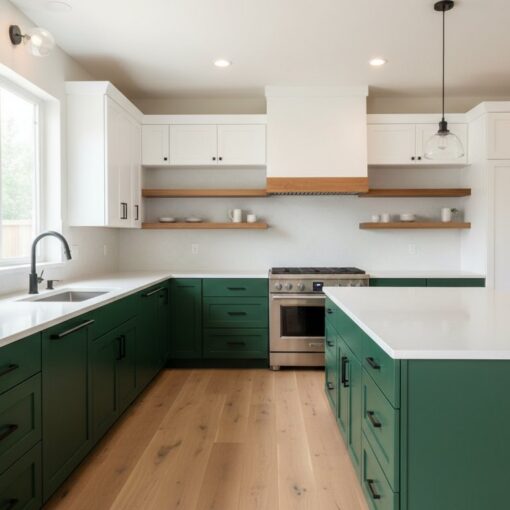
- White uppers with darker island or lowers, such as navy or deep green, are popular with move‑up buyers.
- Condos and townhomes near downtown
- Deeper colors such as charcoal or black, combined with sleek hardware, can feel high‑end without major structural work.
Pro Tip: If resale is on the horizon within 3 years, choose a neutral cabinet color and express personality with hardware, lighting, and decor. Those are easy to change, but cabinets are not.
For a deeper dive into how color choices interact with other kitchen elements, see: Transform Your Kitchen With Professional Cabinet Painting And Cabinet Refinishing In Denver Metro Area.
Professional Refinishing vs. DIY And Other Alternatives
Before you commit to professional cabinet refinishing, it helps to compare it with common alternatives.
Professional refinishing vs. DIY painting
Professional refinishing is typically better when:
- You plan to sell and need a finish that looks good in listing photos and in person
- You want a sprayed, factory‑like surface with minimal brush marks
- Time is limited, or you cannot have a major DIY project stretched across several weekends
- You have complex door profiles, heavy grain oak, or existing clear coats that require serious prep
DIY may be acceptable when:
- The kitchen is small or lightly used, such as a basement bar
- You have realistic expectations about minor flaws
- Budget is extremely tight, and your main goal is short‑term improvement
In practice, many Denver homeowners start as potential DIYers, then choose professional refinishing after pricing out tools, products, and potential rework.
Refinishing vs. full remodel for different buyer types
- Move‑up homeowners: Refinishing is often enough to bring an early‑2000s kitchen up to current expectations, especially when paired with new counters and a backsplash.
- New buyers in older homes: Refinishing can be a smart first project that makes the home livable and attractive while you plan bigger renovations.
- Investors and flippers: Professional refinishing delivers a high perceived value at a manageable cost, which is ideal for tight timelines and profit margins.
- Empty nesters: If cabinets are structurally sound, refinishing gives you an updated look without losing storage during a more invasive remodel.
For a broader view of related services that might work alongside refinishing, review: Transform Your Kitchen With Professional Cabinet Services Throughout The Denver Metro Area.
What To Look For In A Denver Metro Cabinet Refinishing Pro
Because “cabinet painting” covers everything from handyman touch‑ups to specialized finishing shops, vetting your contractor carefully is essential.
Credentials and experience that matter
Ask specific, pointed questions, such as:
- How many cabinet refinishing projects have you completed in the Denver metro area in the last 12 months?
- Do you have a dedicated spray booth or controlled environment for doors and drawers?
- Which products and systems do you use for cabinets, and why?
- Can you provide addresses or photo sets of similar projects in my city or neighborhood?
A specialist who can explain product choices and process clearly is usually a safer bet than a general painter who “also does cabinets.”
Process, protection, and clean‑up standards
Clarify details of the work environment:
- How will you protect floors, counters, appliances, and adjacent rooms?
- What ventilation strategies will you use, especially in winter or during poor air quality days?
- What is the daily clean‑up standard so my kitchen remains usable?
In the Denver climate, where windows may be closed for cold or wildfire smoke, containment and ventilation need extra attention, particularly for families and eco‑conscious homeowners.
Warranty and aftercare
Look for:
- A clear written warranty for peeling, cracking, or adhesion failure
- Guidance on cleaning and maintenance, including product recommendations
- A protocol for addressing minor touch‑ups that may arise within the first year
Important: A reputable refinisher will be honest about what even the best finish cannot prevent, such as knife gouges, heavy water damage under sinks, or impact from children’s toys. Transparency here is a strong trust signal.
For an example of a comprehensive, professional‑grade approach, you can explore: Professional Cabinet Painting Refinishing Denver Metro.
Step‑By‑Step: How To Plan Your Cabinet Refinishing Project
To move from idea to completed project efficiently, treat refinishing like a mini‑remodel with clear decisions and timelines.
Define your goals and constraints
Start by answering:
- How long do you expect to stay in the home?
- Is your priority resale, personal enjoyment, or both?
- What is your realistic all‑in budget, including hardware and any counter or backsplash changes?
- When would you like the work completed, and are there immovable dates such as listing or move‑in?
Make key design decisions early
Before you get quotes, outline:
- Finish type: paint versus stain
- General color direction: light, medium, or dark
- Hardware changes: new pulls/knobs, and hole spacing if you plan to change styles
- Any layout or trim changes, such as adding crown molding or closing open shelves
This allows contractors to provide more accurate pricing and helps you compare “apples to apples.”
Get and compare detailed quotes
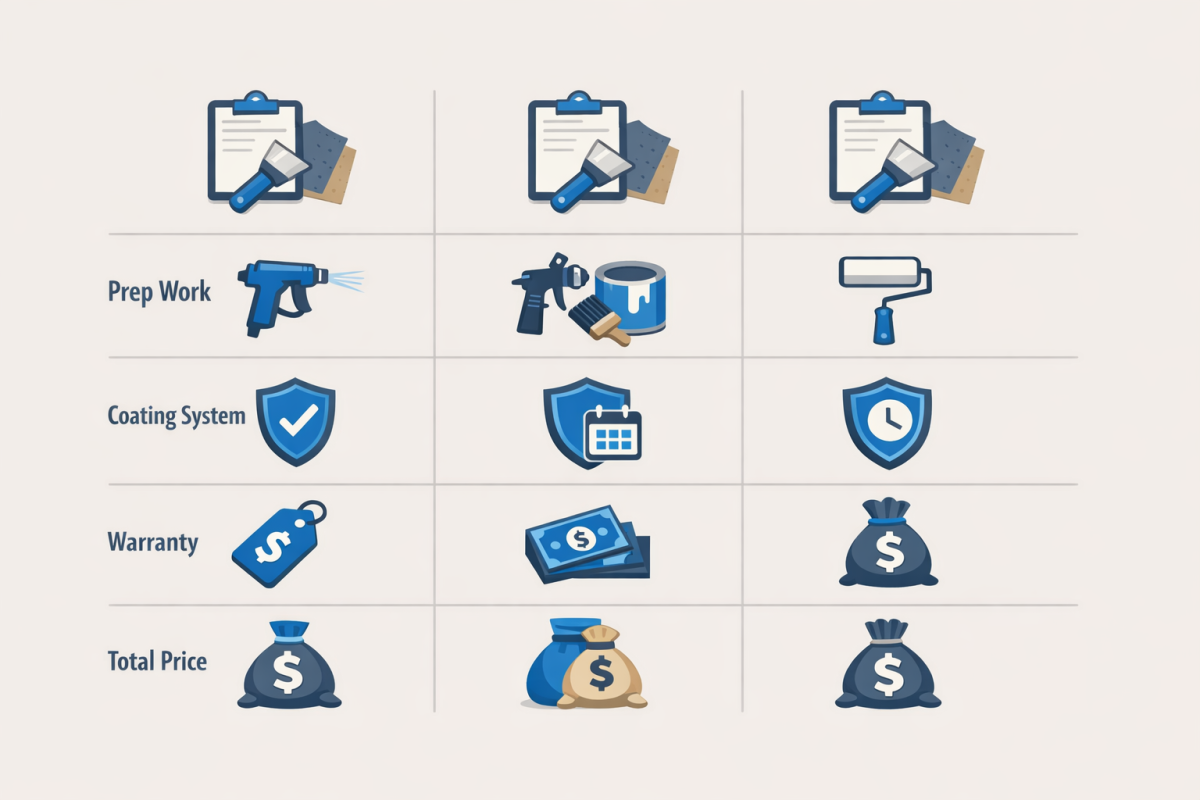
When you request estimates, ask each refinisher to break out:
- Prep scope, including repairs and grain filling if relevant
- Number of coats of primer and finish
- Product brands and specific lines
- On‑site vs. off‑site work
- Warranty details
- Approximate start and completion dates
How “Cabinet Painting And Cabinet Refinishing Denver” Can Help
For Denver‑area homeowners who want experienced, specialized help, Cabinet Painting and Cabinet Refinishing Denver focuses specifically on cabinet surfaces rather than broad general painting.
They can assist with:
- Detailed assessments of your existing cabinets and whether refinishing is appropriate
- Guidance on low‑VOC and waterborne finish options for families and environmentally conscious clients
- Color consultations tailored to your neighborhood and resale goals
- Professional scheduling that works around move‑in dates, listing timelines, or major life events
If you are weighing professional cabinet refinishing in the Denver metro area and want a clear, straightforward proposal, visit Cabinet Painting and Cabinet Refinishing Denver to explore services and project galleries.
Call‑to‑action: Learn more
Putting Your Cabinet Refinishing Plan Into Action
Professional cabinet refinishing in the Denver metro area can modernize a worn or dated kitchen without the cost and disruption of a full remodel. By clarifying your goals, understanding costs and timelines, choosing the right finish, and carefully vetting contractors, you can achieve a durable, attractive result that fits your budget and your plans for the home.
Use this guide as a checklist while you research, gather quotes, and refine your design decisions. With a structured approach, refinishing can transform your existing cabinets into a feature that supports both daily life and long‑term value.
Frequently Asked Questions
How long does professional cabinet refinishing last?
With proper prep and high‑quality products, professionally refinished cabinets in the Denver metro area typically last 8 to 12 years before needing more than touch‑ups. Longevity depends on daily use, humidity near sinks and dishwashers, and how you clean surfaces. Using mild cleaners, avoiding abrasive pads, and addressing water leaks quickly will significantly extend the life of the finish.
Can all cabinets be refinished, or are some a bad fit?
Most solid wood and quality veneer cabinets refinish well. Cabinets that are severely water‑damaged, structurally failing, or made from delaminating particle board may not be good candidates. Very low‑quality thermofoil doors are also problematic. A professional refinisher can evaluate door construction, hinge condition, and box integrity to confirm whether refinishing is a smart investment.
How disruptive is cabinet refinishing to daily kitchen use?
Expect some disruption, but not a full shutdown. You will likely have limited access to cabinet contents and may need to move items temporarily. There will be masking, plastic containment, and some noise from sanding and equipment. However, you can usually still use major appliances and prepare simple meals. Reputable pros manage daily clean‑up so you are not living in a work zone after hours.
Is cabinet refinishing safe for families and pets?
When low‑VOC or waterborne products are used and proper ventilation is in place, cabinet refinishing can be completed safely with families and pets at home. Discuss product choices and ventilation plans before work begins. You may choose to be out of the house during heavy spraying hours, but overnight stays elsewhere are rarely necessary if the contractor prioritizes air quality and containment.
How should I clean and maintain refinished cabinets?
Use a soft cloth with mild dish soap diluted in warm water for routine cleaning. Avoid harsh chemicals, bleach, ammonia cleaners, and abrasive pads, which can dull or damage the finish. Wipe up spills promptly, especially around sink bases and dishwashers. Periodically check high‑use areas, such as trash pull‑outs and utensil drawers, for early wear so small touch‑ups can be addressed before damage spreads.