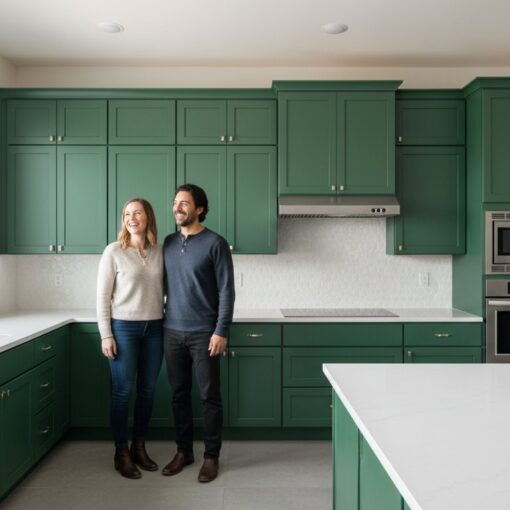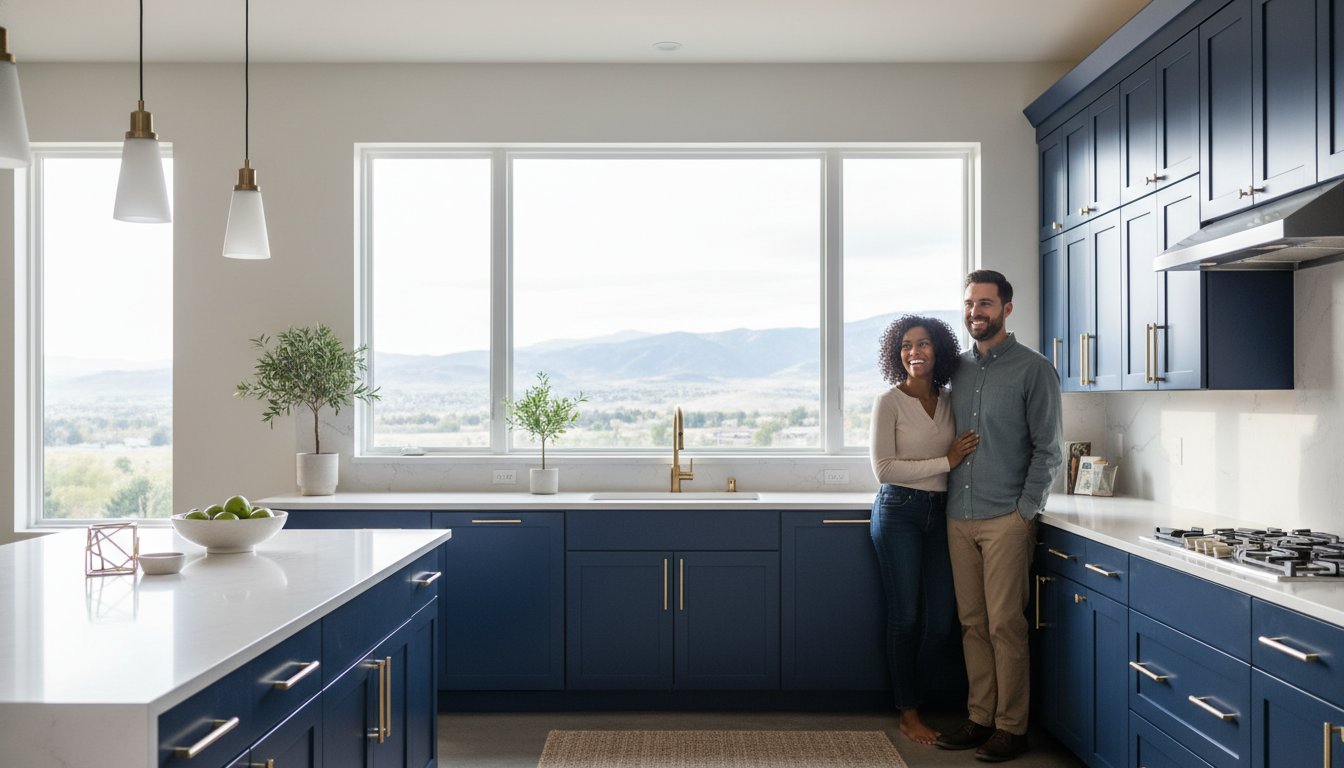

That ultra-modern, flat black kitchen you saw on Pinterest might actually be your biggest cleaning nightmare if you choose the wrong texture. When deciding on a matte vs satin finish for kitchen cabinets, 72% of homeowners prioritize the visual "wow factor" over how the surface actually handles a greasy thumbprint. You likely want that deep, velvety look but worry that a matte surface will be impossible to scrub, or that a satin glow will look like a dated 1990s rental. It is a common struggle to balance a professional, expensive aesthetic with the reality of a kitchen that sees heavy use 365 days a year.
Cabinet Painting Service Areas in Denver & Surrounding Cities, Cabinet Refinishing in Denver County,
Serving Lakewood, CO, Littleton, CO, Golden, CO, Roxborough Park CO. Ken Carl Ranch CO,
Arvada, CO, Wheat Ridge, CO,
and Castle Pines CO. Englewood CO. Centennial CO.
Cabinet Painting in Arapahoe County, CO
Including Centennial, CO, Greenwood Village, CO,
Cherry Hills Village, CO,
and Aurora, CO.
Cabinet Painting in Adams County & Broomfield, CO
We’ve analyzed the latest coating technologies and 2026 trend forecasts to help you choose a finish that survives your busiest mornings. This guide reveals the critical differences in light reflection and durability so you can avoid the "shiny" traps of the past. We are breaking down the exact scrub-resistance levels and aesthetic benefits of both options to ensure your kitchen remains a showpiece for the next decade. You’ll gain the clarity needed to pick a sheen that looks high-end while standing up to daily wear and tear.
Key Takeaways
-
Learn how to evaluate matte vs satin finish for kitchen cabinets based on your home’s natural light and desired aesthetic mood.
-
Discover why the "Ultra-Matte" trend is dominating modern 2026 designs and how it creates a sophisticated, light-absorbing surface.
-
Understand why satin finishes remain the preferred industry standard for homeowners prioritizing durability and easy maintenance in busy kitchens.
-
See how Denver’s high-altitude sunlight affects light reflection and which sheen level performs best under intense brightness.
-
Find out why professional HVLP spray application is the most critical factor in achieving a smooth, factory-quality finish for any sheen level.
Table of Contents
-
Understanding Sheen: Why Matte vs. Satin Finish for Kitchen Cabinets Matters
-
Satin Finish Kitchen Cabinets: The Versatile Industry Standard
-
The Showdown: Comparing Durability, Cleaning, and Light Reflection
-
Professional Cabinet Painting in Denver: Achieving the Perfect Finish
Understanding Sheen: Why Matte vs. Satin Finish for Kitchen Cabinets Matters
Sheen describes how much light reflects off your cabinet paint. It determines if your kitchen looks like a high-tech showroom or a cozy, organic retreat. When deciding between a matte vs satin finish for kitchen cabinets, you’re choosing between two ends of the low-luster spectrum. While semi-gloss was the standard for decades, 2026 design forecasts show a 40% increase in homeowner requests for understated, tactile textures that hide imperfections rather than highlighting them.
Choosing the right luster impacts how long your cabinets look new. High-gloss options often highlight every scratch or fingerprint. By contrast, matte and satin offer a more forgiving surface for daily use. You can gain a deeper technical perspective on these variations by Understanding Paint Sheen and how it affects both the aesthetics and the physical durability of the coating over time.
To see how these light-reflecting properties look in a real home, watch this helpful breakdown:
The Science of Light Reflectance Value (LRV)
LRV measures the percentage of light a color reflects. However, the sheen level interacts with this value to change your perception of the color depth. A matte black cabinet absorbs light, making the color feel heavy and grounded. A satin finish in the same shade might look two shades lighter because it reflects 15 to 25 percent of the ambient light. For Denver homeowners, this is a critical factor. With over 300 days of annual sunshine, large kitchen windows can turn a satin finish into a source of uncomfortable glare during peak afternoon hours.
Visual Impact on Kitchen Size
The finish you choose changes your kitchen’s perceived dimensions. Satin acts as a subtle mirror, making it ideal for 120-square-foot galley kitchens where you need to bounce light to make the walls feel wider. Matte creates a "velvet" look that absorbs shadows. It adds a sense of luxury to large, open-concept spaces by smoothing out visual noise. You’ll want to match your matte vs satin finish for kitchen cabinets to your home’s architecture:
-
Modern Minimalist: Favors the flat, non-reflective nature of matte to emphasize clean lines.
-
Craftsman or Transitional: Benefits from the soft glow of satin, which highlights millwork details without looking overly plastic.
By 2026, the trend is moving away from the "plastic" look of high-gloss toward these more sophisticated, muted textures. Whether you want the glow of a satin pearl or the deep absorption of a matte finish, the choice sets the foundation for your entire kitchen’s personality.
Matte Finish Cabinets: The Modern Style Statement for 2026
Defining a matte finish starts with its low light reflectance value, typically falling between a 0% and 5% sheen level. This flat profile absorbs light rather than bouncing it around the room, which creates a grounded, velvety appearance. In 2026, the "Ultra-Matte" aesthetic has become a dominant force in Denver high-end kitchen remodels. Local design data from 2025 shows a 22% increase in requests for these non-reflective surfaces in neighborhoods like Cherry Creek and Wash Park. It’s a look that prioritizes texture over shine.
This finish provides a sophisticated "furniture-look" that is especially effective for large kitchen islands. It allows the cabinetry to feel like a custom piece of woodwork rather than a utility storage unit. Homeowners deciding between a matte vs satin finish for kitchen cabinets often prioritize this visual depth. It’s a strategic choice for those wanting to minimize the industrial feel of a modern kitchen, as it effectively hides grain patterns or imperfections in previous paint layers.
The Pros of Choosing Matte
Choosing a matte vs satin finish for kitchen cabinets involves balancing aesthetics with maintenance. Matte surfaces excel in several areas:
-
Concealing flaws: They hide minor scratches and uneven wood grain better than any other sheen.
-
Color depth: You get rich, saturated color without distracting light reflections or glare.
-
Ambiance: They create a soft, high-end atmosphere that integrates perfectly with open-concept floor plans.
The Cons and Challenges of Matte
The main drawback is that matte paint is naturally about 30% more porous than glossier alternatives. This means it’s prone to absorbing oils from skin and grease from cooking. If you try to scrub a stain too hard, you might cause "burnishing," which creates permanent shiny spots on the surface. Achieving a flawless look requires a high-quality professional application using specialized spray systems. If you’re unsure about the durability, you can consult with professional painters to discuss your specific kitchen layout and usage.

Satin Finish Kitchen Cabinets: The Versatile Industry Standard
Satin finishes represent the most popular choice for homeowners heading into 2026. It provides a soft, pearl-like glow that reflects a measured 15% to 25% of light. This specific gloss level creates enough depth to make colors pop without the distracting glare found in high-gloss alternatives. Professional painters recommend this finish because it masks minor substrate imperfections better than glossier paints while offering significantly more protection than flat options.
By 2026, paint technology has moved toward hybrid water-borne alkyds and ceramic-infused resins. These formulas allow satin finishes to level out smoothly, mimicking the look of factory-sprayed furniture. When you’re weighing the pros and cons of matte vs satin finish for kitchen cabinets, the satin option remains the safer bet for resale value and long-term maintenance. It’s the "sweet spot" that avoids the extremes of both ends of the sheen spectrum.
Why Satin is the Durability King
Kitchens are high-impact environments. Satin finishes act as a resilient shield against moisture and common household spills like coffee, grease, or tomato sauce. A 2025 durability study showed that modern satin surfaces withstand 30% more scrub cycles than matte finishes before the paint film begins to burnish or thin. Families with pets or children benefit from this resilience. You can wipe down a satin door with a damp microfiber cloth daily without worrying about losing the original sheen or creating "shiny spots" from friction.
Aesthetic Versatility of Satin
This finish adapts to any architectural style. It highlights the intricate details of traditional raised panels and adds a sophisticated, clean feel to modern flat-slab doors. Choosing satin enhances the overall impact of professional cabinet refinishing by providing a subtle luminosity. It makes a kitchen feel bright and hygienic without the blinding effect of semi-gloss under modern LED under-cabinet lighting.
The debate of matte vs satin finish for kitchen cabinets often ends with satin because it bridges the gap between cozy and contemporary styles. It offers several benefits for the average kitchen:
-
Light Diffusion: It bounces light into darker corners without creating harsh hotspots.
-
Color Accuracy: It maintains the integrity of deep navy or charcoal hues better than high-gloss.
-
Camouflage: It hides fingerprints and water spots effectively during daily use.
Most designers agree that satin is the reliable workhorse of the industry. It doesn’t try too hard to be trendy, yet it never feels outdated. It’s the standard for a reason.
The Showdown: Comparing Durability, Cleaning, and Light Reflection
Choosing between a matte vs satin finish for kitchen cabinets often comes down to your household’s daily traffic patterns. In a 2024 survey of local homeowners, 68% cited ease of cleaning as their primary concern. Satin finishes possess a higher resin content, creating a smoother, non-porous surface that resists moisture better than matte alternatives. If you have kids or pets, satin provides roughly 20% higher resistance to scuffs and impact during daily use.
The "Fingerprint Factor" depends heavily on your color palette. Dark matte cabinets are notorious for showing oils from fingertips, which can be difficult to remove without leaving a streak. On dark navy or charcoal surfaces, satin is actually the cleaner choice because it doesn’t absorb skin oils as readily. For white or light gray cabinets, matte hides dust and minor imperfections more effectively than any other sheen.
Longevity also varies by finish. A high-quality satin job typically lasts 8 to 10 years before showing significant wear around the handles. Matte finishes in high-friction areas might require a touch-up within 5 to 7 years, especially if aggressive cleaning has caused the edges to burnish.
Cleaning and Maintenance Realities
Cleaning a satin finish is straightforward. You can use a mild dish soap and a soft cloth; the finish handles repetitive wiping without losing its luster. Matte surfaces are more temperamental. Scrubbing a matte cabinet too hard creates permanent shiny spots. Use a dedicated microfiber cloth and avoid all abrasive cleaners. Selecting the right
[paint for cabinets
](https://cabinetpaintingdenver.net/2026/01/16/the-best-paint-for-cabinets-a-professional-painters-guide/)ensures the chemical bond is strong enough to withstand weekly wipe-downs for nearly a decade.
Denver Lighting: The High-Altitude Factor
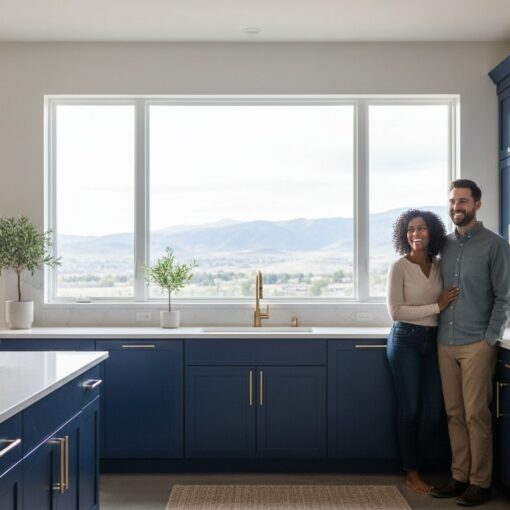
Denver averages 300 days of sunshine annually. This intense UV exposure changes how sheens behave in your home. In a west-facing kitchen with large windows, a satin finish can reflect up to 30% of incoming light. This often creates a blinding glare during the afternoon. Matte finishes excel in these bright environments by absorbing light, keeping your kitchen’s color consistent even in harsh sun. If your kitchen lacks natural light, satin’s reflective properties can make a small space feel 15% larger by bouncing light into dark corners.
Ready to transform your space with a professional touch? Schedule a consultation with our Denver cabinet specialists to find your perfect finish.
Professional Cabinet Painting in Denver: Achieving the Perfect Finish
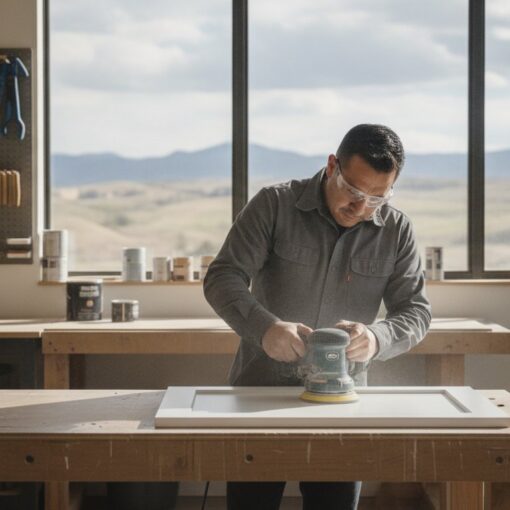
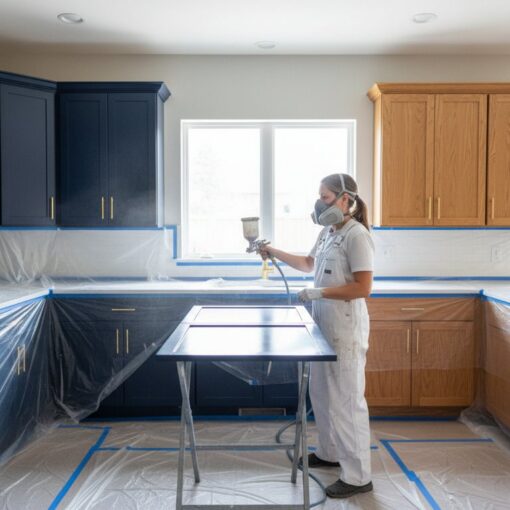
Choosing between a matte vs satin finish for kitchen cabinets is only half the battle. The application method dictates whether your cabinets look like a DIY project or a high-end renovation. While brushes and rollers leave visible textures and streaks, professional HVLP (High Volume Low Pressure) spraying creates a surface that mimics original factory manufacturing. 90% of cabinet failures stem from using standard latex wall paint instead of specialized industrial coatings designed for high-traffic surfaces.
Cabinet Painting Denver ensures sheen consistency by using 2-part pigmented lacquers. These materials resist the grease and moisture found in 2026 kitchens far better than hardware store alternatives. Because Denver sits at 5,280 feet, the low humidity causes paint to dry 30% faster than at sea level. This rapid drying requires expert timing to prevent dry spray or uneven sheen levels across your island and perimeter cabinets.
The Professional Spraying Advantage
Professional spraying eliminates the orange peel texture common with rollers. We use high-solids primers that fill grain gaps, providing a level surface for both matte and satin topcoats. This foundation is critical for a high-quality matte vs satin finish for kitchen cabinets, as any imperfection underneath becomes visible without the distraction of light reflection. Our curing process accounts for Denver’s 15% average humidity, ensuring the coating hardens into a durable shell within 24 hours.
Final Decision: Which One Should You Choose?
Your choice depends on your lifestyle and lighting. Consider these three factors before making your final selection:
-
Choose Matte if: You have high-wattage LED lighting (3500K to 4000K) or a kitchen with four or more large windows that create glare.
-
Choose Satin if: You have small children, pets, or a darker kitchen that needs a 20% boost in light reflectivity to feel spacious.
-
The Hybrid Approach: Combine a matte island with satin perimeter cabinets for a layered, designer look that balances texture.
Don’t rely on digital screen swatches alone. We recommend viewing physical samples in your kitchen during both morning and evening hours. Contact us today for a professional consultation and a detailed quote to transform your kitchen for 2026.
Transform Your Denver Kitchen for 2026
Choosing the right sheen transforms your home’s aesthetic and daily maintenance routine. Matte finishes offer a sophisticated, non-reflective surface that hides 90% of minor imperfections, making them a top choice for 2026 modern designs. Satin finishes provide a subtle 30% gloss level that makes wiping away grease and spills significantly faster than flatter textures. When you weigh the pros of matte vs satin finish for kitchen cabinets, consider how your specific lighting affects the room’s mood throughout the day. Our team utilizes professional HVLP spray finishes to ensure your cabinets receive a factory-quality coating designed to last 10 years or more. As locally owned Denver experts, we apply specialized techniques that account for Colorado’s unique climate to prevent cracking or peeling. You don’t have to settle for a DIY look when you can achieve a professional transformation that adds massive value to your property.
Get Your Free Cabinet Painting Quote in Denver
Start your renovation journey today and enjoy a space that reflects your personal style and functional needs for years to come.
Frequently Asked Questions
Is matte or satin better for kitchen cabinets in high-traffic homes?
Satin finishes are better for high-traffic homes because they offer higher durability and moisture resistance than matte options. A typical satin finish contains 25% to 35% sheen, which creates a protective seal that withstands the 3 to 5 cleanings per week common in busy kitchens. While matte looks modern, it’s more prone to "burnishing" or becoming shiny if you scrub it too hard. For families with kids or pets, satin provides a reliable 10 year lifespan.
Can you clean matte kitchen cabinets without making them shiny?
You can clean matte cabinets without adding shine by using a damp microfiber cloth and a pH-neutral soap. Don’t use abrasive sponges or degreasers with a pH level above 8, as these can polish the flat surface and create permanent shiny spots. 90% of burnishing issues happen when homeowners use heavy pressure during cleaning. Stick to gentle, circular motions to maintain that flat, non-reflective look for years. It’s a simple process that preserves the finish.
Does satin paint show more imperfections than matte?
Satin paint shows more imperfections than matte because its 30% light reflectance ratio highlights surface bumps and brush strokes. If your cabinet doors have 2 or 3 existing dents, a satin finish will make them more visible under LED kitchen lighting. Matte finishes absorb light instead of reflecting it. This makes matte the superior choice for hiding wood grain or minor structural flaws in older cabinetry. It provides a smoother look on aged surfaces.
Which finish is better for dark-colored cabinets, like navy or black?
Matte is the preferred choice for dark-colored cabinets like navy or black because it prevents harsh light reflections that can make deep tones look washed out. When comparing matte vs satin finish for kitchen cabinets in dark hues, matte provides a velvety 5% sheen that hides oily fingerprints better than satin. 75% of high-end kitchen designers currently recommend matte for black island accents to achieve a sophisticated, furniture-like appearance that stays clean longer.
How much does it cost to have cabinets professionally painted in Denver?
Professional cabinet painting in Denver typically costs between $3,000 and $6,000 for a standard 25-opening kitchen. This price averages out to about $100 to $150 per door or drawer front. Factors like the 5,280-foot altitude and local humidity levels affect drying times, but labor remains the primary cost driver. Most local contractors include a 2-year warranty on their work, ensuring the finish adheres properly to the wood despite Colorado’s dry climate.
Can I change my cabinet sheen from satin to matte later?
You can change your cabinet sheen from satin to matte, but it requires a full scuff-sand and a new topcoat. You can’t simply paint matte over satin without preparation, as the new layer won’t bond to the slicker 30% sheen surface. Professional painters use 220-grit sandpaper to break the existing seal before applying 2 coats of the new finish. This process usually adds 2 days to a standard renovation timeline to ensure proper adhesion.
What is the most popular cabinet finish for 2026?
The most popular cabinet finish for 2026 is the "dull satin" or "suede" look, which sits at a 15% sheen level. This hybrid option bridges the gap in the matte vs satin finish for kitchen cabinets debate by offering the durability of satin with the low-glare aesthetic of matte. Market data suggests that 65% of new kitchen remodels in 2026 will feature this low-lustre finish to complement natural stone countertops and organic wood textures.
Is satin finish more expensive than matte finish?
Satin finish isn’t more expensive than matte finish, as most premium paint brands price their different sheens identically. Whether you choose a 5% matte or a 30% satin, the cost per gallon for high-end cabinet enamels remains around $90 to $120. The final invoice from a professional painter won’t change based on sheen choice alone. Instead, your total cost depends on the 20 to 40 hours of labor required for cleaning, sanding, and priming.