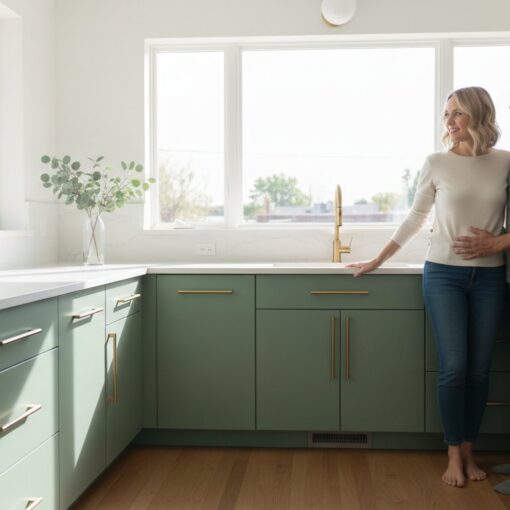
A minor kitchen remodel currently yields a 113% return on investment, while a major upscale renovation recovers as little as 30.6% of its cost. It’s natural to feel hesitant about the initial investment required for a professional transformation. Many homeowners find that presenting cabinet painting costs to spouse leads to friction because the conversation focuses on the immediate price tag rather than the long-term financial strategy. You’re likely concerned about sticker shock or the perceived difficulty of justifying professional labor over a DIY approach.
Serving Lakewood, CO, Littleton, CO, Golden, CO, Roxborough Park CO. Ken Carl Ranch CO, Washington Park Area,
Cabinet Painting Service Areas in Denver & Surrounding Cities, Cabinet Refinishing in Denver County,
Arvada, CO, Wheat Ridge, CO,
and Castle Pines CO. Englewood CO. Centennial CO.
Cabinet Painting in Arapahoe County, CO
Including Centennial, CO, Greenwood Village, CO,
Cherry Hills Village, CO,
and Aurora, CO.
Cabinet Painting in Adams County & Broomfield, CO
This guide provides a strategic framework to help you frame Kitchen Cabinet Painting as a high-yield asset improvement. You’ll learn how to communicate the value of a finish that lasts up to 15 years and how this choice saves between 60% and 80% compared to a full cabinet replacement. We’ll outline a plan to address downtime concerns and present a clear ROI case that turns a stressful budget talk into a collaborative home upgrade strategy.
Key Takeaways
- Frame the project as a high-yield investment by highlighting the 113% national average ROI associated with minor kitchen updates.
- Compare the significant cost savings of Kitchen Cabinet Painting against the high expense and structural disruption of full cabinet replacement.
- Gather professional quotes and portfolio examples before presenting cabinet painting costs to spouse to provide concrete evidence of value.
- Address concerns regarding durability and household impact by citing the 8-to-15-year lifespan of professional industrial finishes.
Table of Contents
The Strategy of the Kitchen Remodel Conversation
Successful home improvements begin with a clear, objective proposal rather than a casual suggestion. When you’re presenting cabinet painting costs to spouse, you’re acting as a project manager pitching a high-yield investment. The kitchen remains the highest-value room for joint investment because it serves as the functional heart of the home. By understanding the value of renovation as a tool for equity growth, you can shift the dialogue from a simple expense to a strategic asset upgrade. This transition is essential for moving the project from a personal desire to a shared household priority.
Spousal triggers often center on three specific areas: the total budget, the project timeline, and the impact on daily quality of life. Professional Kitchen Cabinet Painting addresses these by offering a faster turnaround and lower cost than a full tear-out. To better understand how these variables influence the final price, watch this helpful video:
Using a data-driven approach helps neutralize the emotional friction often associated with home spending. It’s helpful to document current kitchen limitations, such as poor lighting or worn surfaces, before starting the discussion. This creates a baseline for the improvements the project will deliver.
Understanding Your Partner’s Primary Concern
Partners usually prioritize different aspects of a home upgrade. A "Budget-First" spouse needs to see the 80% cost savings versus replacement. You should provide data showing that professional Kitchen Cabinet Painting avoids the need for new countertops or plumbing work. Conversely, a "Quality-First" spouse needs assurance that the finish is factory-grade and durable. Identifying whether the concern is the upfront cost or the potential for household mess allows you to tailor your pitch. This level of preparation is vital when presenting cabinet painting costs to spouse, as it shows you’ve considered their specific anxieties.
-
Financial Triggers: Total project cost, ROI, and alternative spending priorities.
-
Logistical Triggers: Length of time the kitchen will be unusable and the level of dust or fumes.
-
Aesthetic Triggers: Color choices and how the new look integrates with the rest of the home.
The Emotional ROI of a Modern Kitchen
Beyond the financial data, the daily psychological impact of a bright, clean cooking space is significant. Professional finishes eliminate the "shabby" feel of worn wood, which often contributes to a sense of household stagnation. A modernized kitchen improves the home’s hospitality potential and creates a more inviting environment for family gatherings. This emotional return on investment is a powerful argument because it addresses the lived experience of the home. When the kitchen feels updated, the entire house feels more cohesive. A successful presentation focuses on how the project solves daily frustrations and enhances the long-term enjoyment of the property.
Building Your Case: Replacement vs. Professional Painting
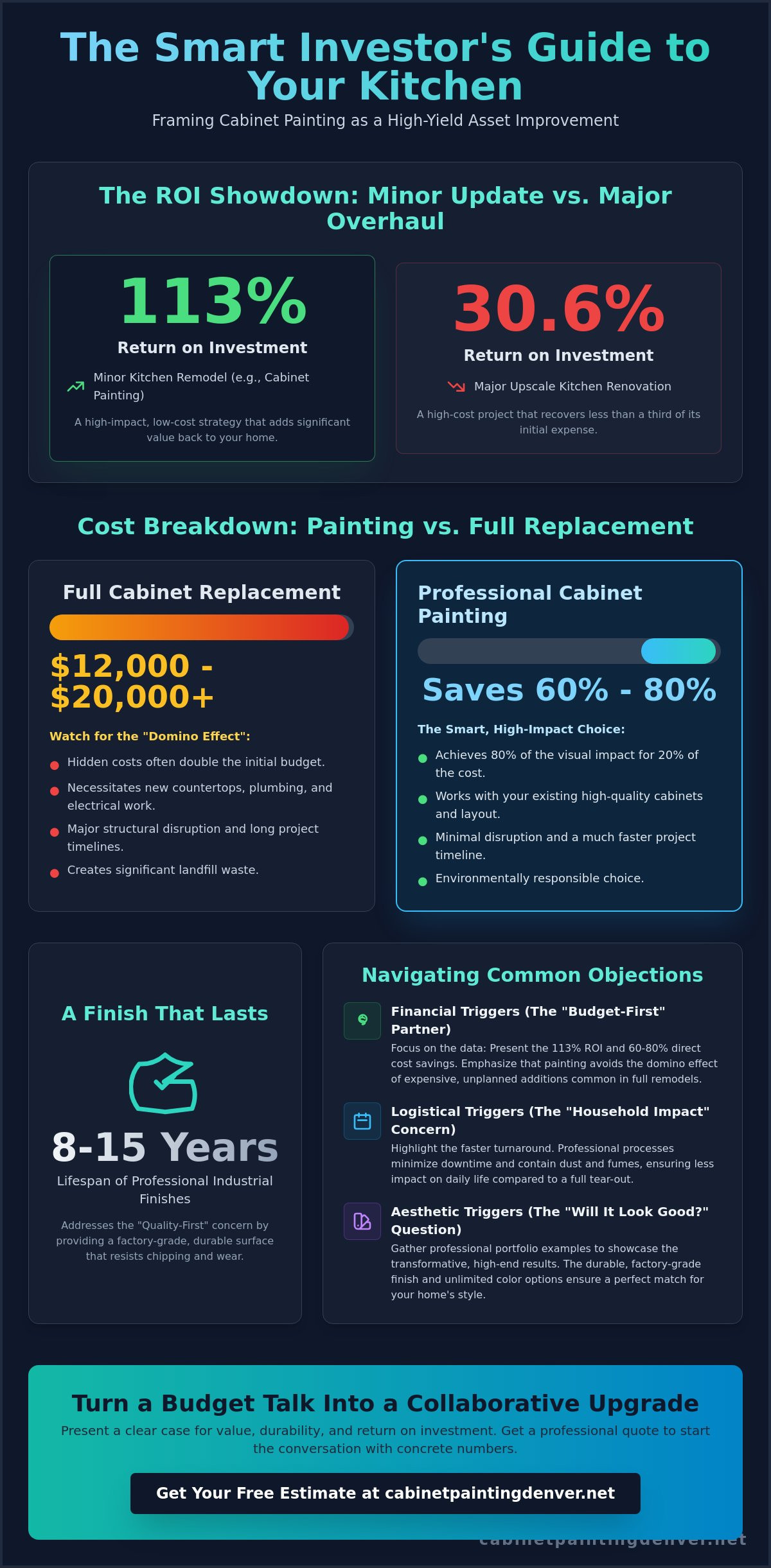
The financial argument for Kitchen Cabinet Painting is rooted in the massive cost disparity between restoration and replacement. While a full cabinet replacement typically ranges from $12,000 to $20,000, professional painting provides a similar aesthetic result for a fraction of that expenditure. When presenting cabinet painting costs to spouse, it’s vital to account for the "domino effect" of a full remodel. Replacing cabinets often necessitates new countertops, updated plumbing, and electrical modifications, which can double the initial estimate. By opting for painting, you preserve high-quality existing wood and avoid the environmental waste of sending structurally sound materials to a landfill.
According to the latest Cost vs. Value Report, minor kitchen updates yield a significantly higher return than major overhauls. Data from 2026 indicates that a minor remodel has a national average ROI of 113%, compared to just 30.6% for an upscale renovation. This makes the case for painting a matter of fiscal responsibility. You’re securing the primary visual impact of a new kitchen while maintaining liquidity for other home priorities.
The 20% Rule for Cabinet Transformation
A strategic way to frame this is the "20% Rule." You can achieve 80% of a kitchen’s visual transformation for roughly 20% of a remodel’s cost. Timeline is also a factor. A full replacement often takes three months of planning and execution, whereas professional painting is usually completed in under three weeks. Painting is the objectively better choice if your cabinet boxes are structurally sound and you’re satisfied with your current kitchen layout. To see how this looks in practice, you can explore professional cabinet painting services that specialize in high-durability finishes.
Professional Spraying vs. The DIY "Brush and Roller" Trap
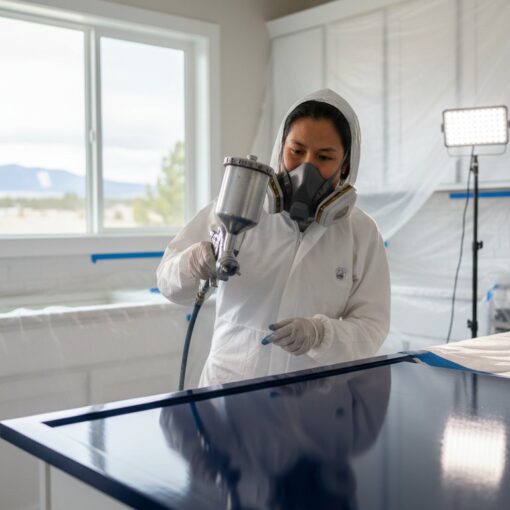
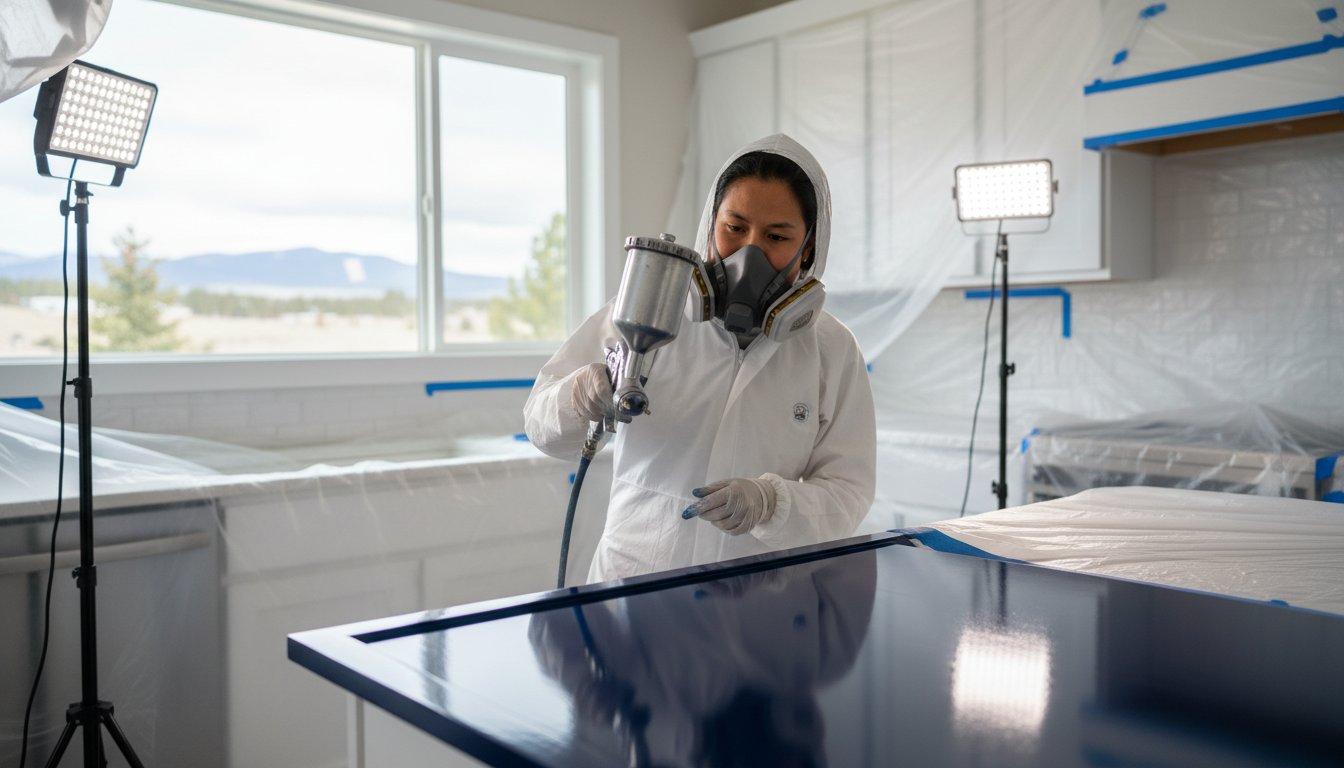
Many homeowners consider a DIY project to save money, but this often leads to "spouse-regret." A DIY job costs between $200 and $600 but requires 40+ hours of labor and rarely achieves a smooth finish. Professional spraying utilizes industrial coatings that are far more durable than store-bought latex paint. These KCMA-rated finishes are designed to last 8 to 15 years. Additionally, pros spray doors off-site, ensuring your home remains free of dust and heavy overspray. This technical superiority is a key talking point when presenting cabinet painting costs to spouse, as it guarantees a result that looks factory-new rather than "hand-painted."
Gathering Competitive Data and ROI Estimates
Before presenting cabinet painting costs to spouse, secure a written professional estimate. National averages often fail to reflect the high-demand Denver market. Relying on figures from general websites creates unrealistic expectations and potential budget conflicts. For a detailed analysis of current market rates, consult our cost to paint kitchen cabinets guide. This resource provides a granular breakdown of 2026 pricing. It ensures your proposal is rooted in fiscal reality. Professional quotes also include warranties. These are essential for protecting your investment in a high-value real estate environment. A written quote also allows you to discuss specific line items, such as Bathroom Cabinet Painting or Bookshelves cabinet painting, if you’re considering a multi-room update.
Why Denver Home Values Mandate Professional Finishes
Denver homebuyers increasingly demand turn-key properties. In a competitive market, a dated kitchen can lead to lower offers. It can also lead to more days on the market. A professional Kitchen Cabinet Painting project can generate an estimated $15,000 in perceived home value. This is particularly true for popular local styles like mountain modern or urban sleek finishes. High-quality industrial coatings provide the smooth, factory-grade look that local buyers expect. Following expert advice on remodeling helps ensure your updates align with current industry standards and buyer preferences. These finishes are designed to withstand the dry Colorado climate, preventing the cracking or peeling often seen with inferior products.
The Cost of Doing Nothing
Delaying a kitchen update carries hidden financial risks. Deferred maintenance often leads to wood degradation. Oils and moisture eventually penetrate worn-out finishes. This can result in permanent damage to cabinet doors, making a future replacement necessary. An outdated kitchen may also cause your home to sit longer on the market. This often leads to price reductions that far exceed the cost of professional painting. Securing 2026 pricing now protects you against future labor and material inflation. This level of preparation is a key component when presenting cabinet painting costs to spouse effectively. Framing the project as a preventative measure makes it a more compelling proposal for a cautious partner.
A Step-by-Step Guide to Presenting Costs to Your Spouse
Approaching the topic of home investment requires a structured communication plan. When presenting cabinet painting costs to spouse, avoid a casual mention of price. Instead, schedule a specific time to review the project details. This professional approach reduces emotional friction and allows for a focused discussion on household assets. Use the following five steps to guide your presentation.
-
Step 1: Lead with the Bottom Line. Start by comparing the cost of Kitchen Cabinet Painting against the $12,000 to $20,000 national average for full replacement. Highlighting the 60% to 80% savings establishes immediate financial context.
-
Step 2: Show, Don’t Just Tell. Use a portfolio of high-resolution transformations. Visual evidence of a factory-grade finish is more persuasive than a verbal description of the process.
-
Step 3: Present a Fixed Quote. Uncertainty causes anxiety. Providing a professional, written estimate eliminates the fear of hidden fees or budget creep often associated with renovations.
-
Step 4: Outline the Logistics. Explain the timeline clearly. Most professional projects are completed significantly faster than a full kitchen tear-out, ensuring your home remains functional.
-
Step 5: Ask for a Decision Date. Pressure often leads to a "no." Request that your partner reviews the data and agrees to a follow-up conversation on a specific date.
The Visual Presentation
Gathering visual references is a critical part of presenting cabinet painting costs to spouse successfully. Select three to five photos of kitchens that share your current layout. This helps your partner visualize the final result without needing to imagine structural changes. It’s also important to distinguish between cabinet refinishing and painting, as the processes and aesthetic outcomes differ. Create a style board that includes your chosen paint color and updated hardware. This comprehensive view shows that you’ve considered the entire aesthetic impact of the project.
Answering the "Why Can’t We DIY?" Question
The suggestion to DIY is often a reaction to the initial cost. Address this by presenting a realistic timeline. A medium-sized kitchen typically requires 40 or more hours of labor for a proper DIY job, often stretching across four to six weekends. Contrast this with the efficiency of a professional crew. Explain that industrial-grade sprayers and specialized ventilation equipment are required for a smooth finish. DIY attempts often result in an "orange peel" texture or visible brush strokes. Investing in professional expertise ensures a durable, KCMA-rated finish that resists the wear of daily use. To move forward with a professional plan, request a detailed project consultation to secure your spot on the 2026 calendar.
Navigating Objections and Finalizing the Decision
The final stage of presenting cabinet painting costs to spouse often involves addressing specific technical concerns. Durability is usually the primary hurdle. Unlike standard wall paint, professional industrial coatings meet KCMA (Kitchen Cabinet Manufacturers Association) standards. These finishes are specifically engineered to resist moisture, heat, and household chemicals. They’re highly scrubbable and designed to withstand the rigors of a high-traffic kitchen for 8 to 15 years. Modern industrial products also solve the "smell" concern. Low-VOC (Volatile Organic Compound) coatings ensure that off-gassing is minimized, making the process safe for families and pets.
Handling the "wait until next year" objection requires a look at current economic trends. Material and labor inflation continue to impact the home improvement sector in 2026. Securing a project now locks in current rates and prevents the higher costs associated with deferred maintenance. When wood is left unprotected, grease and moisture eventually cause structural degradation. Addressing these objections with facts helps transition the conversation from a debate to a final decision. To ensure both partners are on the same page, it’s often best to hire a cabinet painter for a formal joint consultation.
The "Joint Consultation" Strategy
A joint consultation prevents miscommunication between partners and the contractor. It’s an opportunity for the "Quality-First" spouse to ask technical questions about prep work and finish types. Having a professional conduct a walkthrough validates the project’s necessity by identifying areas of wear that a casual observer might miss. Prepare a list of hard questions regarding warranty coverage and surface preparation. This transparency builds trust and ensures that the final quote is understood as a comprehensive, fixed investment for the home.
Closing the Deal with a Timeline
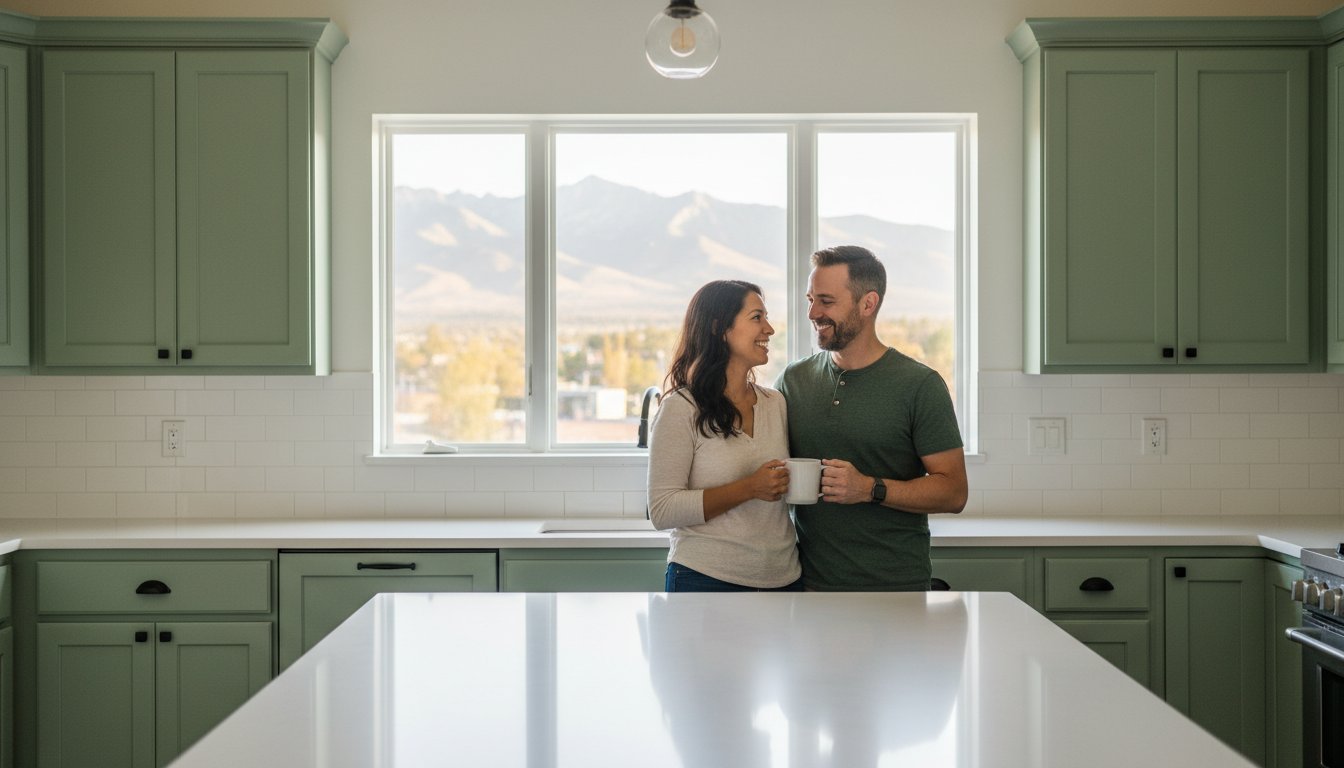
Finalizing the decision is easier when you have a clear logistical plan. Propose a "Kitchen-Free Week" to manage expectations regarding household disruption. You can plan a series of dining-out nights or a short family getaway to coincide with the on-site phase of the project. Choosing a specialist for cabinet painting denver provides the security of a local guarantee and a proven track record in the Colorado climate. Focus the final discussion on the "Grand Reveal." The long-term pride of ownership and the immediate increase in home equity make professional Kitchen Cabinet Painting a sound financial move. Once the timeline is set, the anxiety of the "sticker shock" is replaced by the excitement of a modernized home.
Securing Your 2026 Kitchen Transformation
Successful home upgrades rely on objective data and clear communication. By prioritizing Kitchen Cabinet Painting, you secure the visual impact of a full remodel while protecting your household’s financial liquidity. We’ve explored how minor kitchen updates deliver a 113% return on investment. Professional industrial coatings provide a factory finish that is expected to last 8 to 15 years.
When you’re presenting cabinet painting costs to spouse, focus on the long-term value and the 60% to 80% savings compared to full cabinet replacement. Professional execution ensures a durable result without the months of disruption typical of a major renovation. Our team utilizes professional off-site spraying and KCMA-rated finishes to deliver a high-performance surface that stands up to daily use.
Ready to move from planning to execution? Book a Joint Consultation with Denver’s Cabinet Experts to review our 5-star Denver reviews and start your project. A modernized, high-value kitchen is within your reach.
Frequently Asked Questions
How do I justify the cost of professional cabinet painting over DIY?
Professional painting guarantees a factory-grade finish that DIY cannot replicate. Most DIY projects require 40 to 60 hours of labor and often result in visible brush strokes or uneven textures. Professionals use high-volume, low-pressure sprayers and industrial-strength coatings. This ensures a durable, scrubbable surface that lasts 8 to 15 years, protecting your investment from the common failures of home-applied latex paints.
Will painting my cabinets actually increase our home’s resale value in Denver?
Yes, a professional kitchen update significantly boosts perceived value in the competitive Denver real estate market. Realtors report that minor kitchen remodels have a national average ROI of 113%. In a market where buyers seek move-in-ready homes, updated cabinets prevent price reductions and help properties sell faster. A professionally painted kitchen acts as a visual anchor that justifies a higher listing price.
How long will our kitchen be out of commission during the painting process?
Most professional projects are completed within 7 to 10 business days. The process is efficient because doors and drawer fronts are removed and sprayed in an off-site facility. Your kitchen remains functional for basic tasks during much of this time. This is a primary benefit when presenting cabinet painting costs to spouse, as it contrasts sharply with the three-month disruption of a full cabinet replacement.
What is the best way to handle a spouse who thinks we should just replace the cabinets?
Present a side-by-side cost analysis showing that painting saves 60% to 80% compared to replacement. If the cabinet boxes are structurally sound, replacing them is often an unnecessary expense. Frame the savings as a way to fund other upgrades, such as new appliances or countertops. This strategy is effective when presenting cabinet painting costs to spouse because it highlights fiscal responsibility while achieving the same aesthetic goal.
Are professional cabinet paints more durable than what I can buy at a hardware store?
Professional industrial coatings are far superior to standard retail paints. These products are KCMA-rated, meaning they pass rigorous tests for heat, moisture, and chemical resistance. Retail latex or acrylic paints are softer and prone to peeling or chipping in a kitchen environment. Industrial finishes cure to a hard, furniture-grade shell that resists the oils and daily wear that cause hardware store products to fail prematurely.
How can I show my spouse what the finished cabinets will actually look like?
Utilize physical color samples and professional portfolios. A reputable contractor provides samples of the actual industrial coating on wood pieces so you can feel the texture and see the sheen. You should also present high-resolution before and after photos of kitchens with similar layouts. This visual evidence removes the guesswork and helps your partner visualize the high-quality, factory-new appearance that professional spraying provides.