
Staring at an endless sea of paint swatches can be paralyzing. You’ve decided to refresh your space, but the fear of choosing the wrong color-one that will look dated in a year or clash with your countertops-is very real. The decision to paint kitchen cabinets is one of the most impactful you can make, and the pressure to get it right can leave you feeling stuck. You aren’t just picking a color; you’re setting the entire mood for the heart of your home, and you deserve to love the result.
Breathe a sigh of relief, because we’re here to eliminate the guesswork. This guide will walk you through the top kitchen cabinet paint colors poised to define 2026, blending emerging trends with timeless classics. We’ll go beyond just inspiration, giving you expert advice on how to choose the perfect shade for your home’s unique lighting, countertops, and hardware. By the end, you’ll feel confident and equipped to select a color that transforms your kitchen into a space that feels fresh, modern, and perfectly you.
The Enduring Appeal: Timeless White & Off-White Kitchen Cabinets
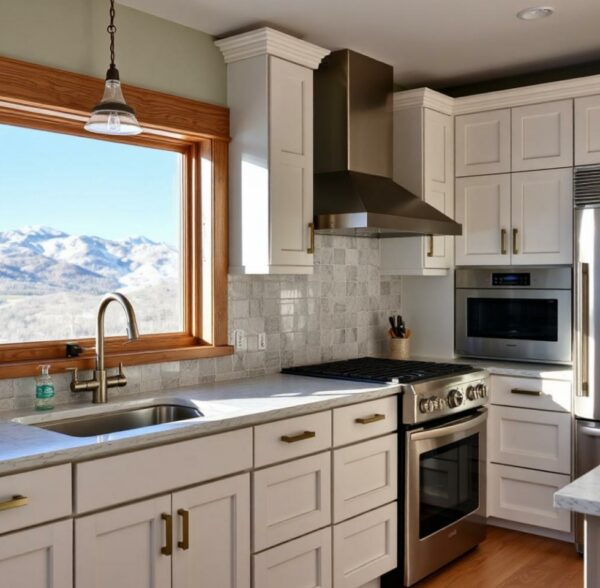
Year after year, white remains the undefeated champion of kitchen cabinet colors, and for good reason. When homeowners decide to paint kitchen cabinets, they often turn to white for its transformative power. A fresh coat of white paint can make even the smallest kitchen feel more spacious, bright, and impeccably clean. Its universal appeal lies in its versatility; it serves as a perfect neutral backdrop for any design style, from rustic farmhouse to sleek, minimalist modern. This adaptability not only creates a beautiful living space but also positively impacts resale value, as a white kitchen is a safe and highly desirable feature for potential buyers. A quality paint job enhances any style of Kitchen cabinetry construction, making it look new and timeless.
For a visual guide on the process, this video offers an excellent step-by-step tutorial:
Choosing Your Perfect White: Cool vs. Warm Tones
Not all whites are created equal. Cool whites, like Benjamin Moore’s Chantilly Lace, have blue, gray, or green undertones that create a crisp, clean, and modern aesthetic. They work beautifully in kitchens with abundant natural light and pair well with stainless steel and silver-toned hardware. In contrast, warm whites, such as Benjamin Moore’s White Dove, feature yellow, beige, or red undertones. These shades evoke a cozier, more inviting atmosphere perfect for traditional or farmhouse-style kitchens.
Pairing Hardware and Countertops with White Cabinets
The beauty of choosing to paint kitchen cabinets white is that they provide a blank canvas for your other design elements. This neutrality allows you to create a custom look through hardware, countertops, and backsplashes.
- Hardware Finishes: Create striking contrast with matte black pulls, add a touch of luxury with brushed brass or gold, or maintain a sleek look with polished chrome or nickel.
- Countertop Materials: For timeless elegance, pair white cabinets with marble or quartz countertops. For a warmer, more rustic feel, a butcher block countertop provides a beautiful, natural element.
- Statement Backsplashes: With a neutral cabinet color, you can be bold with your backsplash. Think patterned tiles, a slab of dramatic stone, or a pop of vibrant color.
Sophisticated Neutrals: Exploring Grays and Greiges
While white kitchens remain timeless, homeowners are increasingly seeking neutrals with more depth and personality. Enter gray and its warmer cousin, greige. These sophisticated hues offer a modern alternative, providing a calm, balanced backdrop that works beautifully in both contemporary and traditional spaces. If you want to paint kitchen cabinets a color that is both on-trend and has lasting power, you can’t go wrong with this versatile color family. It’s no surprise that design experts are highlighting these adaptable neutrals in their forecasts for 2026 kitchen cabinet color trends, citing their ability to ground a space while still feeling fresh and new.
Finding the Right Shade: Light Grays vs. Charcoal
The key to using gray successfully is selecting the right undertone and depth for your space. Light grays, like pale pewter or dove gray, create an airy, elegant look that feels more nuanced than pure white. For a bold, dramatic statement, consider dark charcoal or slate gray. These deeper tones are excellent for grounding a kitchen, especially when used on lower cabinets or a central island. Always remember that lighting is critical; a gray that looks perfect in the store can appear completely different under your kitchen’s natural and artificial light, so be sure to test samples first.
Design Ideas for Gray and Greige Cabinets
Gray and greige are true chameleons, capable of anchoring a wide range of design styles depending on their pairings. When you decide to paint kitchen cabinets in these shades, consider the overall aesthetic you want to achieve. Here are a few popular combinations:
- Warm and Inviting: Pair greige cabinets with warm wood tones, such as a butcher block countertop or open shelving. Finish the look with brushed brass or champagne bronze hardware to create a cozy, organic feel.
- Sleek and Modern: For a crisp, contemporary kitchen, match cool-toned light gray cabinets with stainless steel appliances, polished nickel hardware, and a clean white quartz countertop with subtle gray veining.
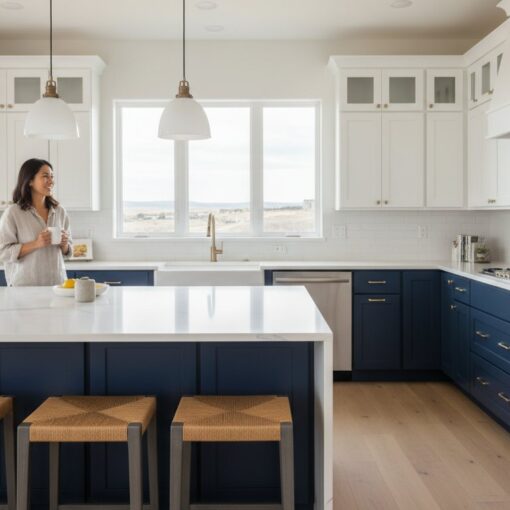
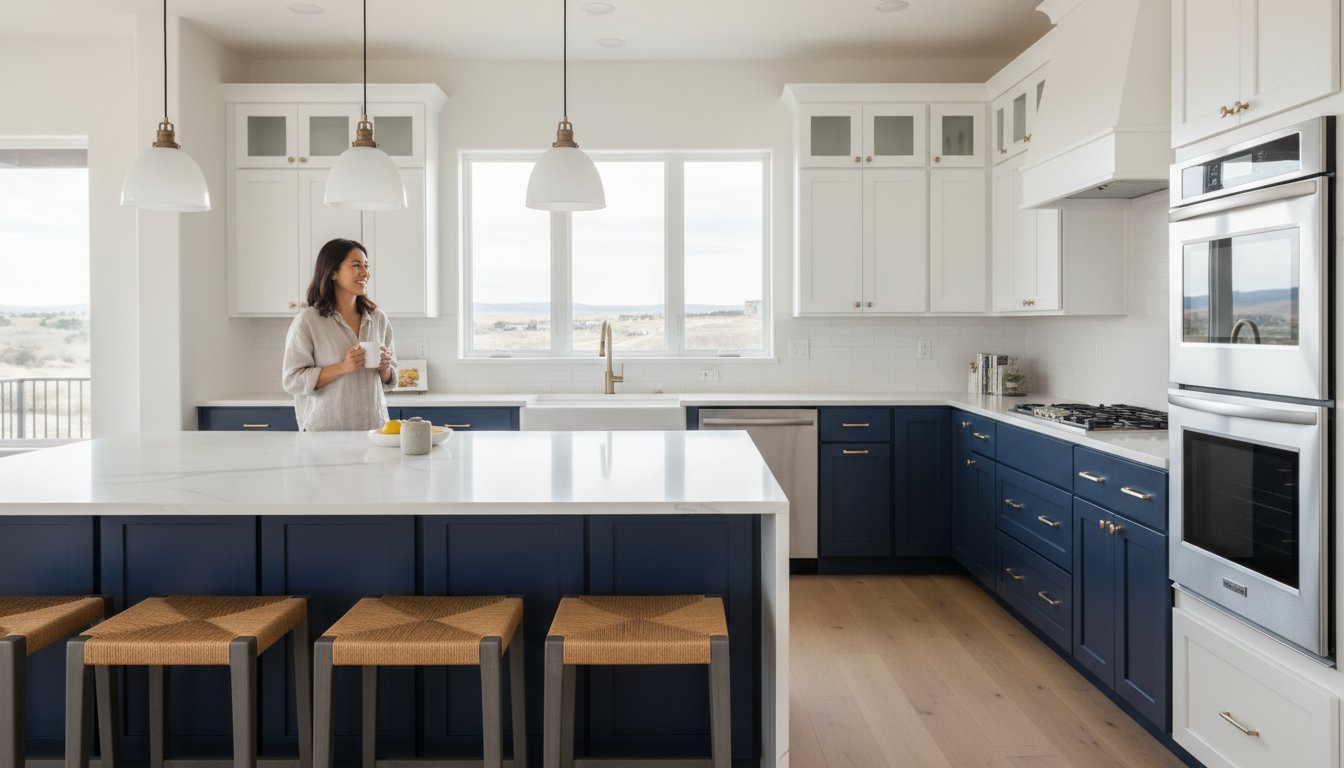
- Dynamic and Balanced: Embrace the two-toned trend by using a dark charcoal on your lower cabinets or island and a soft white or very light gray on the upper cabinets. This technique adds visual interest and weight without overwhelming the room.
Inspired by Nature: The Rise of Earthy Greens and Calming Blues
Moving beyond the classic whites and grays, homeowners are embracing color to infuse their kitchens with personality and tranquility. In 2026, earthy greens and calming blues are leading the charge, offering a direct connection to the natural world. This trend resonates deeply in places like Denver, where the outdoors is an integral part of life. These nature-inspired hues transform the heart of your home into a serene, welcoming retreat, grounding the space with an organic yet sophisticated feel. The decision to paint kitchen cabinets in these shades is about more than just aesthetics; it’s about creating an atmosphere of calm and well-being.
Popular Shades: From Sage Green to Navy Blue
The versatility of greens and blues means there’s a perfect shade for every style. Whether you’re aiming for a subtle touch of color or a bold, dramatic statement, these palettes deliver. Consider these popular choices:
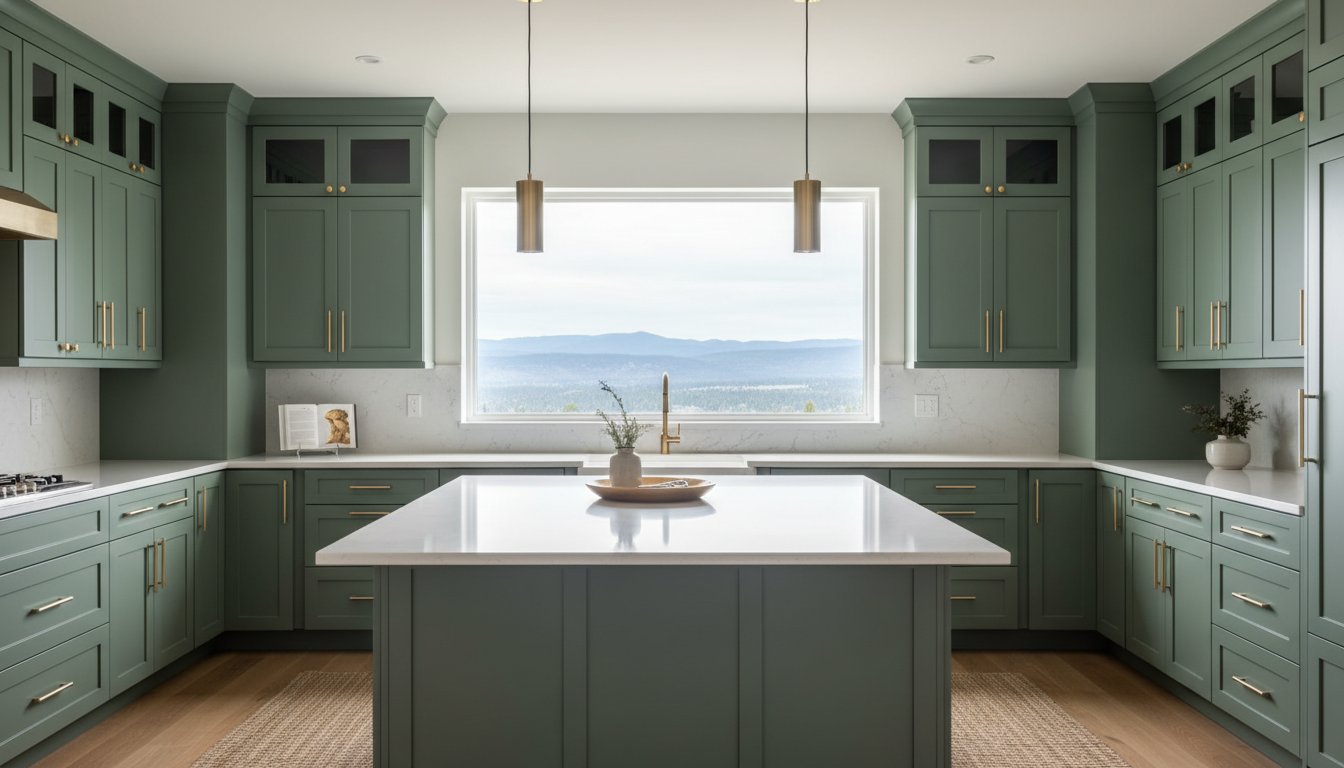
- Sage and Mossy Greens: These muted, earthy tones bring a soft, organic feel to the kitchen. They are incredibly versatile, pairing well with natural wood tones and creating a peaceful, restorative ambiance.
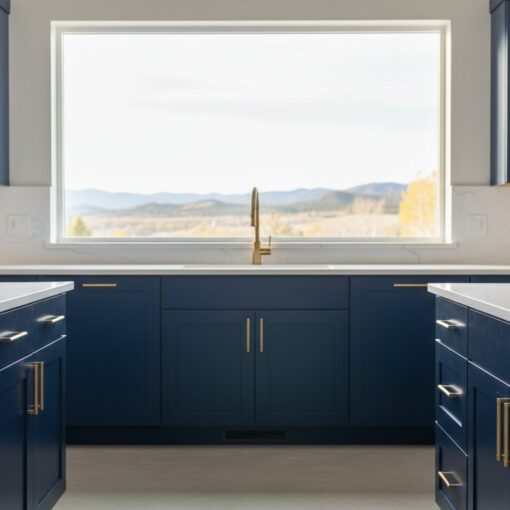
- Navy and Deep Blues: For a touch of timeless luxury, you can’t go wrong with a deep blue. Navy acts as a “new neutral,” offering depth and sophistication that feels both classic and modern.
- Dusty and Sky Blues: Lighter, muted blues evoke an airy, coastal vibe. They are perfect for making smaller kitchens feel more open and bright, creating a crisp and refreshing look.
How to Style Blue and Green Cabinets
Pairing these beautiful colors with the right accents is crucial for a cohesive design. To make your newly painted cabinets shine, focus on complementary finishes and strategic placement. We recommend pairing them with warm metals like gold or brass for hardware and fixtures to create a rich, elegant contrast. To keep the room feeling bright and balanced, especially with darker shades, opt for white or light-colored countertops and backsplashes, such as quartz or marble. If you want to paint kitchen cabinets with a bold color but are hesitant to commit to the entire room, consider using a deep green or navy on just the kitchen island. This creates a stunning focal point without overwhelming the space. A professional finish is key for achieving a smooth, durable look with rich colors like these. Get your free Denver painting quote.

Making a Statement: Bold and Moody Cabinet Colors
While light and airy kitchens remain timeless, 2026 is seeing a dramatic shift towards bold, moody hues that exude sophistication. Think deep charcoal, near-black, and rich, wine-inspired shades like burgundy or merlot. These colors transform standard cabinetry into a stunning focal point, creating a high-end, custom look that feels both luxurious and inviting. This trend is perfect for homeowners looking to make a confident design statement.
A common concern with dark colors is that they might make a space feel small or gloomy. However, when executed correctly, the opposite is true. Moody tones are most effective in kitchens blessed with ample natural light, where the sun can play off the rich surfaces. In large, open-concept homes, a dark kitchen can create a sense of intimacy and definition, anchoring the space and making it feel more contained and cozy.
Tips for Using Dark Colors Successfully
To ensure your dark kitchen feels elegant rather than oppressive, balance is key. Follow these essential guidelines:
- Create Contrast: Pair dark cabinets with light-colored countertops (like quartz or marble), a bright backsplash, and pale wall colors to prevent the room from feeling heavy.
- Layer Your Lighting: Beyond natural light, incorporate a layered lighting plan. This includes ambient overhead lights, task lighting under the cabinets, and decorative pendants or sconces.
- Choose the Right Sheen: A satin or semi-gloss finish is ideal for dark paint. It will subtly reflect light around the room, adding dimension and making the surfaces easier to clean.
Pairing and Styling Moody Kitchens
The right accessories will elevate your design. Metallic hardware in brushed brass, copper, or champagne bronze pops beautifully against a dark backdrop, acting like jewelry for your cabinets. To add warmth and prevent the space from feeling too stark, incorporate natural wood elements through open shelving, bar stools, or a butcher block island. Finally, when you decide to paint kitchen cabinets a dramatic color, the application is critical. A professional spray finish is non-negotiable to achieve a smooth, durable surface free of brush marks, ensuring a truly high-end result.
How to Choose the Perfect Paint Color for Your Kitchen
While trend reports offer fantastic inspiration, the perfect color for your cabinets is ultimately a personal choice that harmonizes with your home’s unique character. A little strategic thinking ensures the color you love on a paint chip looks just as stunning in your space. Before you commit, follow this simple checklist to find a shade you’ll adore for years to come.
Factor in Your Kitchen’s Fixed Elements
Look at the elements you aren’t changing: your countertops, backsplash, and flooring. These items have underlying tones that will influence your paint color. For example, granite with warm gold and brown flecks will complement creamy off-whites or earthy greens, while a cool-toned quartz with blue or gray veining pairs better with crisp whites, deep blues, or modern grays. Hold paint swatches directly against these surfaces to see if they clash or connect.
Assess Your Natural and Artificial Lighting
Light is the single most important factor in how a color is perceived. A color can look completely different in the morning than it does at night. North-facing rooms receive cooler, indirect light that can wash out colors, while south-facing rooms get warm, bright light all day. Pay attention to your artificial lighting, too. Warm-toned LED bulbs will cast a yellowish glow, while cool-toned bulbs will bring out blue undertones.
The Final Decision: Sampling and Sheen
Never, ever choose a color from a small paper chip at the hardware store. Instead, buy sample pots and paint them onto large poster boards. Move these sample boards around your kitchen throughout the day, placing them next to your backsplash, countertops, and appliances to see how they look in different light and contexts. For the finish, a satin sheen is the industry standard when you paint kitchen cabinets. It offers excellent durability and washability with a subtle glow that isn’t overly shiny.
Choosing to paint kitchen cabinets is one of the most transformative updates you can make. When you’re ready to see your chosen color come to life with a flawless, professional finish, let our experts help.
Your Dream Kitchen is Just a Coat of Paint Away
As we’ve explored, 2026 is all about personal expression, from the timeless elegance of classic whites to the rich, moody drama of deep greens and charcoals. The decision to paint kitchen cabinets is one of the most impactful and cost-effective ways to completely transform the heart of your home. It’s your chance to create a space that truly reflects your style and feels brand new.
If you’re ready to bring that vision to life, our team is here to help. Trusted by homeowners across the Denver area, we provide an expert color consultation to help you choose the perfect shade. We then deliver a flawless, durable look with our professional spray finish, ensuring your cabinets look absolutely stunning.
Don’t wait another year to love your kitchen. Take the next step today!
Get a Free, No-Obligation Quote for Your Denver Cabinet Painting Project!
Frequently Asked Questions About Painting Kitchen Cabinets
What is the most durable paint finish for kitchen cabinets?
For kitchen cabinets, a satin or semi-gloss finish is the most durable choice. These finishes create a hard, washable surface that stands up well to the daily wear and tear of a busy kitchen, resisting stains and moisture. While matte finishes can look modern, they are harder to clean. High-gloss is also durable but can highlight every fingerprint and imperfection. A semi-gloss finish offers the best balance of durability and aesthetic appeal for a lasting result.
Should my upper and lower kitchen cabinets be the same color?
No, your upper and lower cabinets don’t have to match! The two-tone look is a popular and stylish trend. Using a darker color for the lower cabinets and a lighter shade for the uppers can make the room feel more spacious and open. For example, pairing deep navy or forest green lowers with soft white or cream uppers creates a grounded yet airy aesthetic. This approach adds visual interest and personality to your kitchen design.
What cabinet paint colors are going out of style?
While personal taste is always in style, we are seeing a shift away from stark, all-white kitchens. Homeowners are now favoring warmer off-whites, creams, and taupes for a cozier feel. Also, the overly bright, saturated accent colors of the past are being replaced by more muted and sophisticated earth tones like sage green, dusty blue, and terracotta. The goal is a more natural, lived-in look rather than a sterile, clinical appearance.
How does my kitchen’s lighting affect my paint color choice?
Lighting has a huge impact on how paint color appears. North-facing rooms receive cool, indirect light, which can make cool colors like gray feel sterile. In contrast, warm southern light can intensify bold colors. It is crucial to test paint swatches directly on your cabinets. Observe them throughout the day-in the bright morning sun, under artificial evening light, and on a cloudy day-to ensure you love the color in all conditions before committing.
Can I paint dark wood cabinets a light color?
Absolutely! You can paint dark wood cabinets a light color, but proper preparation is non-negotiable. The key is to thoroughly clean, sand, and then apply a high-quality, stain-blocking primer. This crucial step prevents the dark wood grain and tannins from bleeding through your new light paint. Skipping the primer will almost certainly lead to a blotchy, discolored finish. With the right prep, you can successfully transform and brighten your entire kitchen.
Is it better to hire a professional to paint my cabinets for a perfect color finish?
While DIY can save money, hiring a professional is often the best way to achieve a flawless, long-lasting finish. Professionals have the specialized equipment, like sprayers, and experience to properly prep surfaces for a smooth, factory-like result. When you want to paint kitchen cabinets perfectly, an expert ensures durability and saves you from a very time-consuming and technically challenging project. It’s an investment in quality and longevity for a central part of your home.