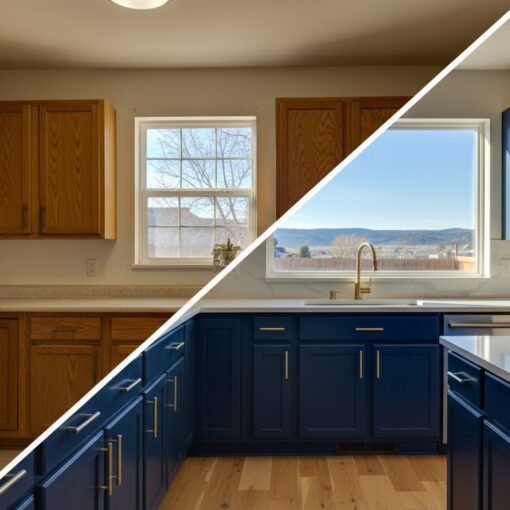

Your kitchen cabinets are the heart of your home, and the thought of a botched paint job is enough to keep any homeowner up at night. The fear is real: what if the paint chips, peels, or looks amateurish in just a few months? The difference between a stunning, durable finish and a costly mistake often comes down to the professional you choose. That’s why we’ve created the ultimate hiring cabinet painters checklist-to take the guesswork and anxiety out of the process and put you in complete control.
This step-by-step guide is your roadmap to finding a true cabinet specialist, not just a general painter. We’ll walk you through exactly what questions to ask, how to spot a red flag, and what a proper quote should always include. By following this checklist, you’ll feel confident and empowered to select a trustworthy expert who can deliver that flawless, factory-like finish you’re dreaming of, ensuring a smooth, clean, and predictable transformation for your kitchen.
Key Takeaways
- Learn how to identify true cabinet painting specialists, not just general house painters, to ensure a durable, factory-like finish.
- Discover the most important questions to ask during the consultation that go beyond price and reveal a painter’s true expertise.
- Our hiring cabinet painters checklist guides you through evaluating detailed quotes and verifying insurance to protect your investment.
- Spot the critical red flags in a contract or estimate that could signal inexperience or a low-quality outcome before you sign.
Phase 1: Initial Research – Vetting Painters Before You Call
Before you pick up the phone, the most crucial step in your hiring cabinet painters checklist is thorough online research. The goal is to separate true cabinet refinishing specialists from general house painters who happen to paint cabinets. A dedicated professional will showcase cabinet work as their primary service, not just another item on a long list. This pre-screening saves you immense time by weeding out unqualified candidates before they even have a chance to give you a quote.
To get a sense of the materials and attention to detail required for a professional job, this video offers a helpful overview.
Scrutinize Their Portfolio
A portfolio is a painter’s resume. Look for a gallery filled with high-resolution before-and-after photos of recent projects. Zoom in on the details-are the finishes smooth and factory-like, or can you see brush strokes and drips? A top-tier painter will proudly display close-up shots of corners, hardware, and drawer fronts. A diverse portfolio featuring various styles is also a great sign, as it demonstrates their experience and deepens their understanding of cabinet types and the unique preparation each requires.
Analyze Online Reviews
Go beyond the curated testimonials on their website. Dig into third-party platforms like Google, Yelp, and Houzz to get an unfiltered view of customer experiences. Pay attention to recurring themes in the comments. Look for mentions of:
- Durability: How is the finish holding up months or years later?
- Process: Were they clean, punctual, and professional in the home?
- Communication: Did they keep the client informed throughout the project?
Also, note how the company responds to feedback. A professional and constructive response to a negative review can be more telling than a dozen five-star ratings.
Evaluate Their Website and Social Media
In today’s market, a painter’s online presence is a direct reflection of their professionalism. Their website should be modern, easy to navigate, and clearly outline their specific cabinet painting process. Look for transparency: do they explain the products they use and the steps they take for preparation and application? A legitimate business will list a physical address and a local phone number. An active social media profile can also provide a behind-the-scenes look at their current projects, work quality, and company culture.
Phase 2: The Consultation – Critical Questions to Ask
The initial estimate is more than just a price quote; it’s your opportunity to interview a potential painter and assess their expertise. While cost is a factor, the contractor’s process is what truly determines the durability and beauty of your finished cabinets. A true professional will be transparent and eager to explain their methods. Using this part of your hiring cabinet painters checklist ensures you can compare different companies on an apples-to-apples basis, focusing on the quality you’ll receive, not just the bottom line.
Questions About Their Process
A flawless finish begins with meticulous preparation. The difference between a paint job that lasts three years and one that lasts ten is often hidden in these details. Ask specifically:
- What are all the steps in your preparation process? (Look for answers like degreasing, cleaning, sanding, and caulking.)
- Do you remove cabinet doors and drawers to spray them off-site? (This is the professional standard for a factory-smooth finish.)
- How do you protect my kitchen, including floors, counters, and appliances?
- What is your process for painting the cabinet boxes and frames on-site?
Questions About Materials
The type of paint used is non-negotiable for a long-lasting result. Cabinets endure heavy use, and standard wall paint will quickly chip and fail. Get into the specifics of what they use and why.
- What specific brand and type of primer and paint do you use?
- Why do you choose that particular product for cabinets? (They should talk about durability, adhesion, and self-leveling properties.)
- Is it a high-quality urethane enamel or just a standard latex paint?
- Do you offer different sheens, such as satin or semi-gloss?
Questions About Logistics and Timeline
Understanding the project’s flow helps you manage expectations and minimize disruption to your home life. A well-organized company will have clear answers to these questions, which are an essential part of any thorough hiring cabinet painters checklist.
- How long will the entire project take from start to finish?
- How long will I be without full access to my kitchen?
- Who will be on the project team, and are they employees or subcontractors?
- What is the paint’s cure time before we can use the cabinets normally? (Note: “dry to the touch” is different from “fully cured.”)

Phase 3: Evaluating the Quote and Contract
Once you’ve received estimates, the next critical step in your hiring cabinet painters checklist is the detailed review. A verbal quote or a single-line email with a price is a major red flag. A professional, itemized quote protects you from unexpected costs and ensures the painter is committed to a specific scope of work. Treat this document as the blueprint for your project; it should leave no room for interpretation.
What a Professional Quote Must Include
A legitimate quote is more than just a number-it’s a statement of work. Insist on a document that breaks down every aspect of the job. It should clearly list:
- Labor and Materials: A detailed breakdown showing where your money is going.
- Specific Products: The exact brand and line of primer and paint to be used (e.g., “Sherwin-Williams Emerald Urethane Trim Enamel”).
- The Full Process: A step-by-step description of the preparation, including cleaning, sanding, priming, and the number of top coats.
- Item Count: The total number of cabinet doors, drawer fronts, and cabinet boxes included in the price.
Key Items to Verify in the Contract
The contract formalizes the quote and protects both parties. Before signing, read the fine print and confirm it contains these essential elements:
- Project Timeline: A firm start date and a realistic, estimated completion date.
- Payment Schedule: A clear schedule of payments. Avoid any contractor who asks for more than 30% upfront. The final payment should only be due upon satisfactory completion.
- Workmanship Warranty: Details on the guarantee covering issues like chipping or peeling paint, and for how long.
- Change Order Clause: A section explaining how additional work or unforeseen issues will be priced and approved.
Comparing Multiple Quotes
When you have several quotes in hand, resist the urge to simply choose the lowest price. A quote that is significantly cheaper than others often indicates that the contractor is cutting corners on crucial prep work or using inferior materials. Compare each estimate line-by-line to ensure you are evaluating the same level of service and quality. A lower price today can lead to a costly repaint project tomorrow.
Ready for a detailed, transparent quote from professional cabinet painters you can trust? Get your free estimate from us.
Phase 4: Final Verification – Insurance, References, and Red Flags
You’ve reviewed portfolios, discussed your vision, and received detailed quotes. Before you sign any contract, this final verification phase acts as your ultimate safety net. Performing these last-minute checks protects you from potential liability, confirms the company’s professional reputation, and ensures your peace of mind. A legitimate business will expect these questions and provide the necessary documentation without hesitation; any reluctance should be taken seriously.
Confirm Insurance and Licensing
Never hire a painter without proof of current insurance. This isn’t just a formality-it protects you from financial disaster if a worker is injured in your home or if your property is accidentally damaged during the project. Ask for a copy of their Certificate of Insurance (COI) and verify that it includes:
- General Liability Insurance: Covers damage to your property.
- Workers’ Compensation: Covers injuries to the painter’s employees, so you aren’t held liable.
Ensure the policies are not expired. Additionally, check your local city or state regulations, as some areas require painters to hold a specific license to operate legally.
Effectively Check Their References
A portfolio showcases a company’s best work, but references reveal the typical customer experience. Ask for contact information for 2-3 recent clients and prepare a few specific questions that go beyond, “Were you happy with the job?”
- How did the crew handle your home? Were they professional, punctual, and clean?
- How has the paint finish held up to daily use?
- Was the project completed on time and within the agreed-upon budget?
- Would you hire this company again for another project?
Common Red Flags to Avoid
Trust your intuition. This final step in your hiring cabinet painters checklist is to watch for warning signs that might indicate an unprofessional or unreliable operation. Walk away from any company that:
- Demands a large cash deposit upfront (more than 20-30% is a major red flag).
- Uses high-pressure sales tactics or offers a “today only” price to rush your decision.
- Gives vague answers about their preparation process, the specific materials they use, or the project timeline.
- Is unwilling or unable to provide a detailed written contract, proof of insurance, or client references.
A professional team, like the experts at Cabinet Painting Denver, understands that transparency builds trust and will gladly provide everything you need to hire with complete confidence.
Transform Your Kitchen with Confidence: The Final Step
Choosing the right cabinet painter is about more than just a price quote. It’s about verifying their process, from the critical questions you ask during the consultation to meticulously reviewing the contract for every detail. This due diligence is what separates a stressful renovation from a stunning, lasting result. By following this comprehensive hiring cabinet painters checklist, you’re not just hiring a service; you’re investing in a smooth, professional experience and a flawless kitchen transformation.
If you’re in Denver and ready to partner with a team that ticks all the boxes, we’re here to help. As specialists in durable, sprayed cabinet finishes, we are a fully insured, locally owned company dedicated to a detailed and transparent quoting process. Get a Free, No-Obligation Quote for Your Denver Cabinet Painting Project today and see the difference a true professional makes.
Your dream kitchen is just one great decision away.
Frequently Asked Questions
What’s the difference between a cabinet painter and a regular house painter?
A cabinet painter is a specialist focused on achieving a durable, factory-like finish on high-touch surfaces. They use specific techniques like spray application and industrial-grade coatings, such as lacquers or conversion varnishes. A regular house painter typically uses brushes and rollers with standard latex paints, which are not designed to withstand the daily wear and tear that kitchen cabinets endure. The preparation and materials are fundamentally different for a lasting result.
Why is spraying cabinets better than brushing or rolling them?
Spraying atomizes the paint into a fine mist, creating a perfectly smooth, even layer that looks like it came from the factory. This method eliminates the brush strokes and roller texture that are unavoidable with manual application. It also ensures flawless coverage on intricate details like raised panels or routed edges. For a truly professional and durable finish, spraying is the superior technique and the industry standard for high-quality cabinet refinishing.
How long should a professional cabinet paint job last?
A professionally applied, high-quality cabinet paint job should last between 8 and 15 years. The ultimate lifespan depends heavily on the thoroughness of the prep work, the quality of the primers and topcoats used, and the amount of daily use your kitchen sees. Proper curing time is also critical. Rushing the process or using inferior products can lead to premature chipping, peeling, and wear, significantly shortening the paint job’s durability.
Is it disruptive to have my kitchen cabinets painted?
While any home project has some level of disruption, professionals work to minimize it. Your kitchen will be carefully masked off, but the space will be largely unusable for a few days during on-site prep and painting of the cabinet boxes. However, the most time-consuming work-sanding, priming, and painting the doors and drawers-is typically done off-site in a controlled environment. This drastically reduces the dust, fumes, and overall time the crew is in your home.
Do I need to empty all of my cabinets before the painters arrive?
Yes, you will need to completely empty your cabinets and drawers before the painters begin their work. This is a crucial step to protect your dishes, food, and other items from dust and paint overspray. It also gives the painters clear access to clean, sand, and paint the interior edges of the cabinet frames properly. Having everything cleared out beforehand helps the project run smoothly and ensures a thorough, high-quality result.
What is a fair price to pay for professional cabinet painting?
The cost for professional cabinet painting typically ranges from $3,000 to $8,000, though it can vary based on your kitchen’s size and the number of cabinets. Factors like the current condition of the wood and the complexity of the layout also influence the price. A detailed quote should reflect extensive prep work and high-quality materials. Using a comprehensive hiring cabinet painters checklist will help you compare quotes and understand what is included for the price.
Can you paint any type of cabinet material, like laminate or thermofoil?
Yes, materials like laminate and thermofoil can be painted, but it requires a very specific process. These non-porous surfaces must be thoroughly cleaned and then scuff-sanded to create a profile for paint to grip. The most critical step is using a high-adhesion bonding primer designed for slick surfaces. Without this specialized primer, the topcoat will inevitably fail and peel. Always confirm a painter has proven experience with these challenging materials.