
You’re dreaming of a kitchen transformation—a fresh, modern look without the cost and chaos of a full remodel. But that dream can quickly become a homeowner’s nightmare. The fear of hiring an amateur, only to be left with peeling paint, obvious brush marks, and cabinets that look worse than before, is a very real concern. Add in worries about a messy, prolonged process and confusing quotes, and it’s easy to feel overwhelmed before you even begin.
This is where confidence comes from knowing exactly how to choose a cabinet painter you can trust. Consider this your complete vetting guide. We’ll break down the crucial steps to identify a true professional, from analyzing their preparation process to understanding what a fair quote actually includes. By the end, you’ll have the knowledge to hire an expert who will deliver that flawless, factory-like finish your kitchen deserves, ensuring a durable result and a smooth, professional experience from start to finish.
Key Takeaways
- Understand why cabinet refinishing is a specialized trade and not a job for a general house painter to achieve a factory-like finish.
- Mastering how to choose a cabinet painter starts with asking a specific checklist of questions about their preparation process, experience, and insurance.
- Learn which professional-grade coatings are essential for a durable, long-lasting cabinet finish that resists daily wear and chipping.
- Discover how to accurately compare quotes by looking beyond the bottom-line price to identify the best long-term value for your investment.
Not All Painters Are Equal: Why Cabinet Painting is a Specialty
When planning a kitchen update, many homeowners assume the painter who did a great job on their walls can handle the cabinets. However, this is a common and costly misconception. Cabinet painting is not just another paint job—it’s a specialized finishing trade that demands a unique set of skills, tools, and processes. A general house painter is skilled at covering large, static surfaces, but a cabinet refinisher is an expert in creating a durable, glass-smooth finish on high-touch, detailed woodwork. Understanding this difference is the first step in learning how to choose a cabinet painter who will deliver a factory-quality result.
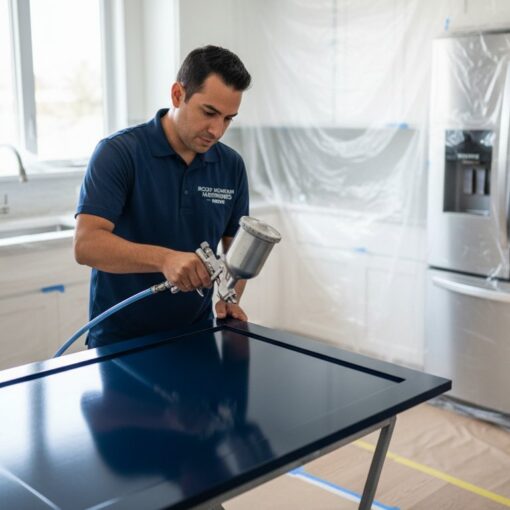
To see the level of detail that goes into professional spray application, watch this helpful overview:
The Skillset of a True Cabinet Professional
A flawless cabinet finish is the direct result of a meticulous, multi-step process that a generalist is often not equipped to perform. A true cabinet professional’s expertise includes:
- Detailed Surface Preparation: This goes far beyond a quick scuff-sand. It involves thorough degreasing to remove years of kitchen grime, followed by precision sanding to create the perfect adhesive surface. The right prep method often depends on understanding cabinet materials, as solid wood, MDF, and laminates all react differently.
- Advanced Product Knowledge: Specialists use high-adhesion bonding primers and industrial-grade coatings designed to withstand the daily wear and tear of a kitchen environment—something standard latex wall paint can’t do.
- Mastery of Spray Application: Achieving a smooth, unblemished surface is impossible with a brush or roller. Professionals use High-Volume, Low-Pressure (HVLP) spray systems to apply thin, even coats for a flawless, factory-like finish.
- Proper Curing for Durability: A specialist knows that paint must fully cure, not just dry to the touch. They manage temperature and humidity to ensure the finish hardens completely for maximum long-term durability.
Equipment and Environment Matter
The tools and workspace are just as critical as the technique. A dedicated cabinet painter invests in specialized equipment and controlled environments to guarantee a perfect outcome. Many top-tier professionals remove cabinet doors and drawer fronts to be finished in an off-site spray booth. This eliminates the risk of dust, pet hair, or household debris contaminating the wet coating, ensuring a pristine finish.
For the cabinet boxes that remain in your home, a professional will create a fully contained and sealed workspace. This involves masking off the entire kitchen with plastic, setting up dust extraction systems, and ensuring proper ventilation. This meticulous containment protects your home from overspray and fumes while creating the clean environment needed for a high-quality application.
Step 1: Finding and Shortlisting Potential Cabinet Painters
The journey to a beautifully transformed kitchen begins with finding the right craftsperson. The first step in learning how to choose a cabinet painter is to cast a wide, yet targeted, net to identify the best local professionals. Your goal is to move from a sea of options to a focused list of highly qualified candidates you can later contact for quotes.
Where to Look for Reputable Companies
A great cabinet painter won’t be a secret. They’ll have a visible presence in the community and online, making them easy to find if you know where to look. Start your search by tapping into these reliable resources:
- Hyper-Local Google Searches: Go beyond a generic search. Use specific phrases like “cabinet refinishing Denver” or “kitchen cabinet painters near me” to find specialists who serve your exact area and are optimized for local work.
- Trusted Review Platforms: Websites like Google Maps, Yelp, and Houzz are invaluable. They offer a mix of project photo galleries and, most importantly, unfiltered reviews from past clients in your city.
- Word-of-Mouth Referrals: Don’t underestimate the power of a personal recommendation. Ask friends, family, or neighbors for referrals. Local social media groups on platforms like Facebook or Nextdoor can also be a goldmine for honest feedback on local contractors.
Analyzing Their Online Presence
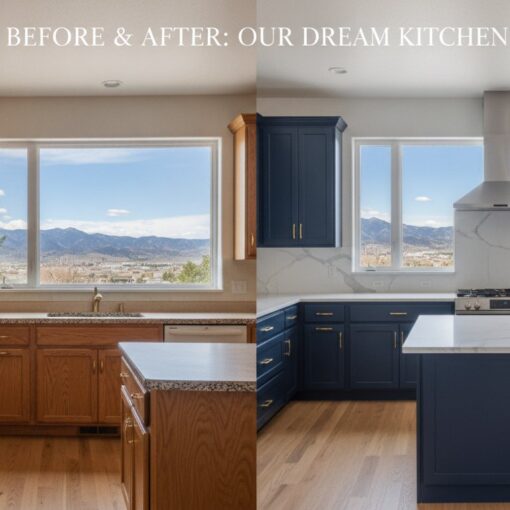
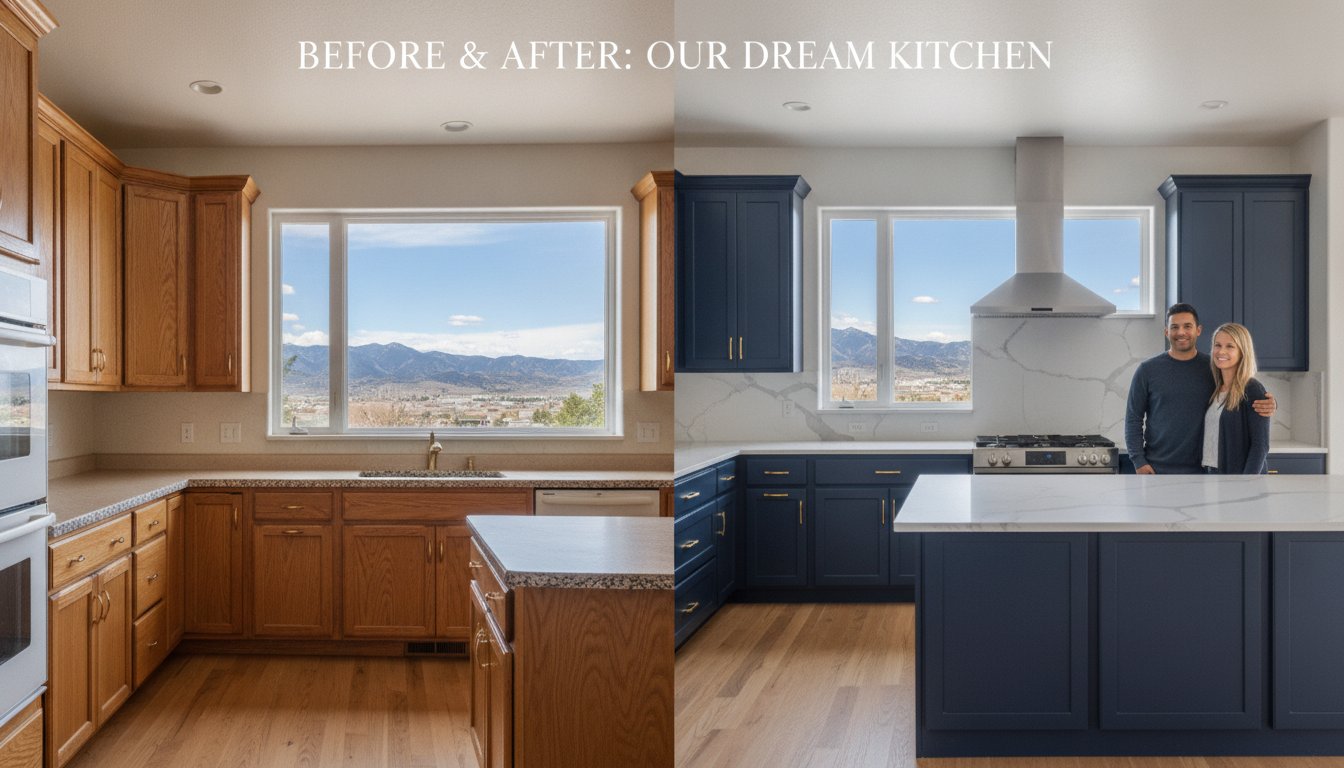
Once you have a preliminary list, it’s time to become a digital detective. A painter’s online footprint speaks volumes about their professionalism and the quality of their work. Scrutinize their portfolio of before-and-after photos. Are the images high-quality? Do they showcase clean lines, a smooth finish, and consistent results across different projects?
A professional painter’s website should also clearly detail their process. Look for a step-by-step description covering preparation, priming, painting, and cleanup. A transparent process shows expertise and helps set clear expectations. They should also list credentials, such as being fully insured and, for older homes, EPA Lead-Safe Certified to handle potential lead paint hazards safely.
Finally, dive into recent reviews. Look past the star ratings and read the actual comments. Are clients praising the painter’s communication, punctuality, and respect for their home? Consistent positive remarks on professionalism are just as important as comments on the beautiful finish. By following these steps, you can confidently narrow your search down to 3-4 top contenders for the next step: requesting quotes.
Step 2: The Vetting Checklist – Critical Questions to Ask
Once you have a shortlist, the consultation phase begins. This is your opportunity to interview each candidate and move beyond their online portfolio. Treat it like a job interview—because it is. Come prepared with a list of questions and take notes during each conversation. A true professional will welcome your diligence. A key part of learning how to choose a cabinet painter is knowing what to ask, a sentiment echoed in many expert tips for hiring a painter.
Questions About Their Business and Legitimacy
- Are you licensed and insured?
Green Flag: A confident “Yes,” immediately followed by an offer to provide their license number and a Certificate of Insurance. Proper liability insurance is non-negotiable to protect your home.
Red Flag: Hesitation, or claiming insurance isn’t necessary for a paint job. This is a major liability risk for you. - How long have you specialized in cabinet painting?
Green Flag: “We’ve focused exclusively on cabinet refinishing for over five years.” Specialization indicates mastery of the unique processes involved.
Red Flag: “I’m a general painter; I can paint anything.” While possibly true, cabinet work requires different skills, tools, and materials than wall painting. - Can you provide recent, local references?
Green Flag: “Absolutely. Here are three clients from the last six months that you can call.” This shows they have a consistent history of satisfied customers.
Red Flag: Only providing old references or being unable to produce any.
Questions About Their Team and Process
- Who will be doing the work—employees or subcontractors?
Green Flag: “Our in-house team of trained employees handles every project.” This ensures consistency and accountability.
Red Flag: Uncertainty about who will be in your home. If they use subs, they should be able to explain how they are vetted and managed. - What is your full step-by-step process from prep to cleanup?
Green Flag: A detailed answer covering cleaning, degreasing, sanding, priming with a bonding primer, and applying multiple finish coats with professional spray equipment. The thoroughness of this answer is a critical factor in how to choose a cabinet painter.
Red Flag: A vague, rushed answer like, “We’ll sand and paint them.” This signals a shortcut-prone approach that leads to poor results.
Questions About the Project and Logistics
- What is the estimated timeline for the entire project?
Green Flag: A realistic timeline (typically 5-7 days) that allows for proper prep and crucial curing time between coats.
Red Flag: Promising to be “done in two days.” A quality cabinet finish cannot be rushed. - What kind of warranty or guarantee do you offer?
Green Flag: A clear, written warranty covering workmanship defects like peeling or flaking for a reasonable period (e.g., 2+ years).
Red Flag: A vague verbal promise or no warranty at all. Always get it in writing.

Step 3: Understanding the Materials and Finish
The difference between a cabinet paint job that looks great for a decade and one that starts chipping in a year often comes down to two things: the preparation process and the products used. A crucial part of knowing how to choose a cabinet painter is understanding what they’re applying to your cabinets. A true professional will be transparent about their materials and why they use them.
The Anatomy of a Professional Paint Job
A durable, flawless finish isn’t achieved by simply slapping on a coat of paint. It’s a meticulous, multi-step process that ensures adhesion and longevity. Expect a professional to detail a plan that includes:
- Prep: Thoroughly cleaning and degreasing all surfaces to remove years of kitchen grime, followed by scuff-sanding to create a profile for the primer to grip.
- Prime: Applying the correct high-adhesion, stain-blocking bonding primer for your specific cabinet material (e.g., wood, laminate, or thermofoil).
- Finish Coats: Spraying multiple, thin coats of a premium topcoat. This method avoids drips and brush marks, creating a smooth, even, factory-like finish that is far more durable than one thick coat.
Types of Professional Cabinet Coatings
The paint aisle at a big-box store is not where professionals shop for cabinet coatings. Ask your potential painter what specific product line they use. If they mention standard latex wall paint, consider it a major red flag. High-quality cabinet painters use specialized products designed for high-touch surfaces:
- Alkyd Urethanes: These advanced water-based formulas offer the hard, durable finish of traditional oil-based paints but with low VOCs and non-yellowing properties. They have excellent self-leveling capabilities for a smooth surface.
- Conversion Varnish / Lacquers: Often considered the gold standard, these are catalyzed products that cure to an extremely hard, chemical-resistant finish. They require professional spray equipment and ventilation.
Sheen and Washability
The final sheen impacts both the look and the practicality of your cabinets. The most common and recommended choices are satin and semi-gloss. A satin finish offers a subtle, modern glow with good washability, hiding minor imperfections well. A semi-gloss finish provides higher reflectivity and maximum durability, making it incredibly easy to wipe clean. During your consultation, discuss which sheen best fits your lifestyle and aesthetic. Proper long-term care simply involves regular cleaning with a mild, non-abrasive soap and water solution.
Step 4: Decoding Quotes and Making Your Final Decision
You’ve gathered several estimates, and now it’s time to compare them. This is the final and most critical step in learning how to choose a cabinet painter. It’s tempting to simply pick the lowest number, but the cheapest bid is rarely the best value. A professional quote is a roadmap for your project, and its level of detail speaks volumes about the contractor’s process and professionalism.
A vague quote leaves room for unexpected costs and subpar work. Conversely, a detailed, transparent estimate ensures you and the painter are on the same page, protecting your investment and guaranteeing a beautiful, long-lasting finish for your kitchen.
What a Good Quote Looks Like
A professional estimate should leave no room for questions. It demonstrates that the painter has thoroughly assessed the job and is confident in their process. Look for a document that clearly outlines the following:
- Itemized Costs: A clear breakdown separating the cost of labor from the cost of materials.
- Specific Products: The exact brand, line, and finish of the primer and paint to be used (e.g., “Sherwin-Williams Emerald Urethane Trim Enamel in Satin”). It should also specify the number of primer and top coats.
- Detailed Scope of Work: A step-by-step description of the entire process, including disassembly, cleaning, sanding, priming, painting, and reinstallation of hardware and doors.
- Project Timeline & Payment Schedule: Clear start and estimated completion dates, along with a payment schedule that aligns with project milestones.
Red Flags to Watch Out For
An unprofessional or suspiciously cheap quote can be a sign of trouble ahead. Be cautious if you encounter any of these warning signs, as they often point to inexperience, cut corners, or a lack of proper business practices.
- Vague, One-Line Pricing: A single price like “Paint kitchen cabinets: $3,500” with no further detail is a major red flag.
- An Unusually Low Price: If one quote is significantly lower than others, the painter may be using inferior materials, skipping crucial prep steps, or lacking proper insurance.
- Large Upfront Deposit: A reputable painter typically asks for 10-30% to secure a date and purchase materials. A demand for 50% or more before any work begins is cause for concern.
- High-Pressure Sales Tactics: Be wary of “today only” deals or pressure to sign a contract on the spot. A confident professional will give you time to make an informed decision.
Ready for a detailed, transparent quote that outlines every step of our proven process? Get your free estimate from Cabinet Painting Denver.
Your Final Step to a Flawless Kitchen Finish
Choosing a cabinet painter is the most critical decision for your kitchen’s transformation. Remember that cabinet refinishing is a specialized skill; not every painter can deliver a durable, factory-like finish. By thoroughly vetting candidates, asking detailed questions about their process and materials, and comparing quotes based on value rather than just price, you empower yourself to make a confident choice.
Ultimately, knowing how to choose a cabinet painter means partnering with a true professional you can trust. For homeowners in the Denver metro area, our team is ready to demonstrate the difference. We are fully licensed and insured specialists who deliver stunning, factory-finish sprayed cabinets that stand the test of time. With our proven results, you can feel secure in your investment.
Ready to bring your vision to life? Get a Free, No-Obligation Quote from Denver’s Cabinet Experts! Your dream kitchen is closer than you think.
Frequently Asked Questions
What’s the difference between cabinet painting and refinishing?
Cabinet painting involves applying a new, solid color over your existing cabinets, which is ideal for a complete style transformation. Refinishing, on the other hand, is about restoring the wood’s natural beauty. This process involves stripping the old finish, sanding, and applying a new stain and clear topcoat to enhance the original wood grain. Painting changes the color, while refinishing preserves and revitalizes the existing wood look and feel.
How long should a professional cabinet paint job last?
A high-quality, professional cabinet paint job should last 8 to 15 years. The lifespan depends heavily on the thoroughness of the prep work, the quality of the products used (like industrial-strength primers and urethane enamels), and the level of daily household use. Proper cleaning, sanding, and priming are the most critical steps for ensuring a durable finish that resists chipping and peeling, making your investment worthwhile for years to come.
Is it worth it to hire a professional instead of doing it myself?
While a DIY project can seem cost-effective, hiring a professional ensures a durable, factory-like finish. Professionals use specialized equipment, like HVLP sprayers, to achieve a flawless, smooth surface that’s nearly impossible to replicate with a brush or roller. A crucial part of knowing how to choose a cabinet painter is recognizing the value of their meticulous prep work, which is the true key to a beautiful and long-lasting result.
How much disruption should I expect in my kitchen during the project?
You should expect minimal disruption. Most professionals remove your cabinet doors and drawer fronts to be painted in their off-site spray shop. The work inside your home, which involves masking off the kitchen and painting the cabinet frames, typically only takes 2-3 days. During this time, you can usually still access your appliances in the evenings. The entire process, from removal to final reinstallation, generally takes one to two weeks.
What kind of warranty is standard for cabinet painting?
A standard industry warranty for professional cabinet painting typically ranges from 2 to 5 years. This warranty should cover defects in workmanship, such as premature peeling, bubbling, or chipping that results from improper product application. It’s important to clarify that this usually does not cover damage caused by homeowner use, like scratches or dings. Always request the warranty terms in writing before committing to a painter for your project.
Do I need to empty all of my cabinets before the painters arrive?
Yes, it is highly recommended that you empty all of your cabinets and drawers before the crew arrives. This serves two important purposes. First, it protects your dishes, food, and other belongings from the fine dust created during the sanding and preparation phases. Second, it gives the painters clear access to properly clean and mask the interior of the cabinet boxes, ensuring a clean and professional finish where the frame meets the interior.