
The most dangerous time for your newly painted surfaces isn’t during the application, but the thirty days immediately following the project. While your cabinets might feel dry to the touch within hours, they haven’t reached their full chemical hardness. Following precise cabinet painting aftercare instructions is the only way to ensure your kitchen, bathroom, or bookshelf cabinets maintain their durability. It’s common to feel anxious about using your space again, especially when you’re worried about accidental chips or using the wrong cleaner on a fresh finish. Don’t rush the process.
We understand that you want to return to your normal routine without risking your investment. This guide provides the professional protocols you need to master cleaning and maintenance for a factory-fresh result that lasts. You’ll learn the critical difference between dry time and cure time, discover which household products are safe for your finish, and get a clear timeline for when it’s safe to restack your heavy dishes. By adhering to these functional requirements, you can protect the integrity of your cabinets and enjoy a professional finish for up to fifteen years.
Key Takeaways
- Distinguish between dry time and the full 30-day chemical curing process to prevent premature wear or surface damage.
- Establish a strict cleaning protocol using only microfiber cloths and approved solutions to protect the paint’s integrity.
- Apply professional cabinet painting aftercare instructions to manage kitchen use during the critical first month of ownership.
- Regulate indoor humidity and temperature to ensure the coating maintains its flexibility and resistance to chipping.
- Learn how to use provided touch-up kits correctly to address minor wear while identifying when professional maintenance is required.
Understanding the Curing Process: Dry vs. Cure Time
Distinguishing between dry time and cure time is the most critical aspect of following your cabinet painting aftercare instructions. Many homeowners assume that because a door feels smooth and non-tacky after a few hours, it’s ready for heavy use. This is a misconception. Dry time refers only to the evaporation of liquid solvents from the surface of the paint. While the cabinets look finished, the underlying structure of the coating remains soft and susceptible to permanent damage from fingernails, cleaning cloths, or even the steam from a coffee maker.
To visualize the complexity of professional coatings and why they require specific handling, watch this full process video:
The Science of Paint Hardening
Professional grade finishes rely on a process called Curing (chemistry). Unlike standard wall paint, high-performance cabinet coatings undergo a chemical reaction where polymer chains cross-link to form a rigid, protective film. This isn’t just about water leaving the paint; it’s about the paint transforming into a durable plastic-like shield. In Denver’s semi-arid climate, low indoor humidity can cause the surface to dry very quickly. While this helps prevent dust from settling, it doesn’t bypass the need for chemical hardening. If the environment is too dry or temperatures fluctuate, the finish might become brittle before it fully settles. During the first week, the paint is specifically vulnerable to blocking. This occurs when two painted surfaces, like a door and a frame, stick together and peel when they’re opened.
Typical Curing Timelines for Professional Finishes
Adhering to a strict timeline ensures your kitchen cabinet painting project remains pristine. These milestones are the foundation of all professional cabinet painting aftercare instructions:
- 24 Hours: The surface is dry to the touch. You can carefully reattach hardware, but avoid hanging heavy towels on doors or putting appliances back on the counter.
- 7 Days: The finish has achieved roughly 75% of its final hardness. You can begin light use of the kitchen, but you should still avoid any chemical cleaners or scrubbing.
- 30 Days: The coating is fully cured. This is the point where the paint reaches its maximum scratch resistance and stain protection.
Hybrid alkyds and waterborne lacquers often have different care requirements. Hybrid alkyds may take slightly longer to lose their “new paint” scent, while modern waterborne lacquers might feel harder faster. Regardless of the product used, the first 30 days represent the cure window. This is the period of maximum vulnerability for your new investment.
The First 30 Days: A Strict Aftercare Timeline
The first 30 days represent the most critical period for your new finish. While the surface feels dry, the chemical bond is still maturing through the curing process. Adhering to these cabinet painting aftercare instructions ensures that your project reaches its full durability without accidental damage. You must treat the cabinets with extreme care during this window. This is not the time for deep cleaning or heavy kitchen activity. Instead, follow a hierarchy of activity that prioritizes the integrity of the paint film over convenience.
Days 1-7: The “No-Touch” Zone
During the first week, the paint film is at its most vulnerable. You should keep cabinet doors slightly ajar whenever possible. This prevents “blocking,” a condition where the finish on the door sticks to the frame and causes peeling when opened. You must avoid all cleaning agents during this time. Even plain water can soften the film before it has properly cross-linked. If you must reload your cabinets, wait at least 48 to 72 hours after the project is finished. Place items gently on the shelves. Do not slide heavy plates or stacks across the surface, as the friction can mar the soft finish. If you are planning a kitchen cabinet painting project, schedule your meal prep to minimize cabinet interaction during this initial week.
Days 8-30: Gradual Return to Use
As you enter the second week, you can begin using your kitchen more normally, but caution is still required. You can test the hardness of the paint in an inconspicuous area, such as the back of a door, using a subtle fingernail test. If your nail leaves a slight impression, the paint is still soft and requires more time. Be particularly mindful of appliances that generate heat or moisture. Coffee makers, tea kettles, and toaster ovens should be moved to the edge of the counter. Ensure steam doesn’t rise directly into the upper cabinets, as excessive moisture can cause the curing paint to swell or lose its bond. Additionally, avoid using shelf liners with adhesive backings. These can bond permanently to the curing paint, leading to significant surface damage if you ever attempt to remove or reposition them.
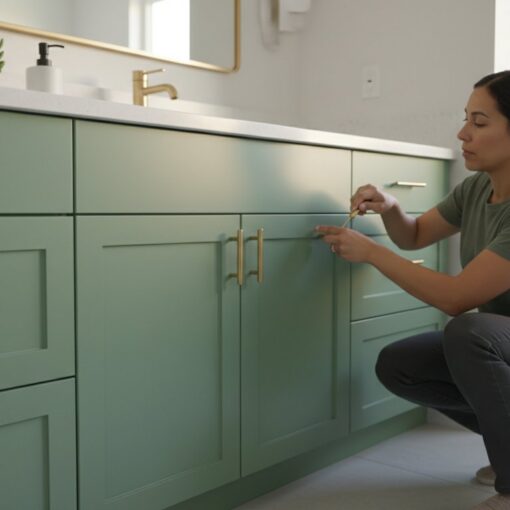
Your handling of hardware is also vital during this period. Do not over-tighten knobs or pulls. If the screws are turned too tightly, they can crush the soft paint film or cause it to pucker around the base of the handle. This type of damage is often permanent and cannot be easily buffed out. Establishing these habits now sets the stage for long-term care and preventive maintenance, ensuring your investment remains in factory-fresh condition for years to come. Professional results require professional patience.

Safe Cleaning Procedures for Painted Cabinets
Maintaining a factory-fresh finish requires a disciplined approach. You shouldn’t treat professional coatings like standard wall paint. Establishing a routine cleaning cadence prevents the buildup of oils and food residue that can permanently stain the surface. For daily maintenance, focus on immediate spill removal. Weekly care should involve dusting with a dry microfiber cloth to remove airborne particles. Once a month, a light wipe-down with a damp cloth and a mild solution is sufficient. Adhering to these cabinet painting aftercare instructions will prevent the finish from becoming dull or tacky over time.
Approved Cleaning Solutions and Tools
The choice of cleaning agent is vital for the longevity of your finish. You must use pH-neutral soaps. Harsh detergents, petroleum-based cleaners, or citrus-based solvents can chemically react with the topcoat. These reactions often cause the sheen to become uneven, cloudy, or even soft to the touch. A safe, effective cleaning solution consists of one drop of mild dish soap mixed into one quart of warm water. This dilute mixture is powerful enough to lift surface dirt but gentle enough to preserve the chemical bonds of the paint film.
Microfiber is the only material that should touch your cabinets. Its soft, synthetic fibers are designed to trap dust and moisture without scratching the delicate surface. You must avoid the following tools and chemicals:
- Ammonia or bleach-based products, which strip the protective topcoat.
- Scrub sponges, steel wool, or stiff-bristled brushes.
- “Magic” erasers, which are fine-grit abrasives that will sand away the paint sheen.
- Furniture polish or waxes, as these create a greasy buildup that attracts more dirt.
Dealing with Spills and Grease Splatter
Kitchens are high-grease environments. When a spill occurs, use the “blot, don’t rub” technique. Rubbing a liquid can push it deeper into the grain or micro-cracks of the paint. Instead, press a clean microfiber cloth against the spill to absorb the moisture. For stubborn grease splatters near the stove, mix a solution of one part white vinegar to ten parts warm water. This provides enough acidity to break down lipids without damaging the paint film. Apply the solution to your cloth, not directly to the cabinet, and wipe gently.
Pay special attention to high-touch areas like handles and trash pull-outs. These spots accumulate skin oils and perspiration that can eventually soften the finish. A quick, targeted wipe in these zones ensures your kitchen cabinet painting or bathroom cabinet painting project remains durable. Consistent maintenance is easier than correcting years of neglect. Following these procedural steps ensures your investment remains protected against the daily rigors of a functional home.
Environmental Controls and Preventive Maintenance
The environment inside your home dictates the longevity of the finish. In Denver, the climate presents unique challenges that are not present in more humid regions. High altitude and low moisture levels can accelerate the drying of the surface while leaving the underlying layers soft. This imbalance requires specific environmental management to avoid finish failure. Following these cabinet painting aftercare instructions involves more than just cleaning; it requires active climate control.
Managing Humidity and Temperature in Colorado
Denver winters are notoriously dry. This low indoor humidity causes wood to contract. If your cabinets are newly painted, this contraction can lead to hairline fractures at the joints of the doors. Using a whole-home humidifier helps maintain a stable environment. Aim for a consistent indoor temperature between 68 and 72 degrees Fahrenheit during the first 30 days. Extreme temperature fluctuations can cause “spider-webbing” in the fresh paint film. Cabinet Painting Denver accounts for these local climate variables during the application process to ensure maximum adhesion. Keep your thermostat steady to allow the chemical hardening to proceed without interruption.
Heat and moisture are the primary enemies of a curing finish. The “Steam Trap” occurs when appliances like dishwashers or slow cookers are used directly under or adjacent to new cabinets. Modern dishwashers release a concentrated burst of steam during the drying cycle. If this steam hits the bottom edge of a door that hasn’t fully cured, it can cause the paint to swell or delaminate. Pull slow cookers away from the upper cabinets and keep the dishwasher door closed until the unit has cooled down. This simple adjustment prevents moisture from penetrating the finish before it reaches maximum density.
Protecting High-Traffic Areas
Mechanical damage often occurs during daily use. Installing new felt bumpers is a functional requirement for any project involving kitchen cabinet painting or bathroom cabinet painting. These bumpers prevent the vibration and impact of closing doors from cracking the paint at the contact points. You should also emphasize a “gentle-use” policy with family and guests. Ensure hands are dry before touching handles. Water and natural skin oils can degrade the finish if allowed to sit on the surface repeatedly. Consistent hand hygiene prevents the buildup of corrosive oils around knobs and pulls.
Check your hardware regularly. Loose knobs can rotate and cause “finger-nail” scratches on the door surface. Tighten them just enough to be secure, but avoid over-tightening as discussed in the curing timeline. If you notice any issues with your finish due to local environmental stress, contact us for professional kitchen cabinet painting or bathroom updates to restore your investment.
Long-Term Care and Professional Touch-Ups
After the initial 30-day curing period, your cabinets enter the long-term maintenance phase. While the finish has reached its maximum chemical hardness, it isn’t indestructible. You must distinguish between normal wear-and-tear and potential warranty issues. Normal wear includes tiny nicks on the edges of high-use drawers or doors from daily impact. Warranty issues typically involve bond failure, which appears as the paint peeling away in large sheets or bubbling without any signs of impact. If you notice widespread peeling, this indicates a preparation or application error rather than a failure of your cabinet painting aftercare instructions.
Conduct a yearly audit of your cabinetry to catch minor issues before they escalate. Pay close attention to the areas surrounding the kitchen sink, dishwasher, and trash pull-out. These zones are frequently exposed to moisture and cleaning chemicals. Look for signs of wood swelling or paint softening. Catch these issues early. A small touch-up can prevent the need for a full door replacement later. Maintaining your kitchen cabinet painting or bathroom cabinet painting project requires this proactive status check.
Handling Minor Chips and Scratches
Your professional painter should provide a touch-up kit containing the exact coating used during the project. For tiny nicks, use a fine-tip artist brush rather than a large household brush. Clean the area with a damp microfiber cloth first to remove oils. Apply a very small amount of paint directly into the chip. You should never attempt to “feather” or blend the paint out onto the surrounding surface. Professional finishes are often sprayed. A brushed-on touch-up will have a different texture. Keeping the repair localized to the chip ensures it remains invisible from a distance. If your surfaces are older and showing significant structural wear, you may need to consider cabinet refinishing to restore the underlying wood before a new finish can be applied.
Maintaining the Sheen and Luster
Avoid the temptation to use furniture polishes, waxes, or “shining” agents on your painted surfaces. These products contain oils and silicones that create a sticky residue. This residue attracts dust and makes future touch-ups impossible because new paint won’t bond to the wax. If you notice water spots near the sink, buff them out using a dry, clean microfiber cloth. The mechanical action of the soft cloth is usually enough to restore the luster without the need for chemicals. For bookshelf cabinet painting, occasional dusting is all that’s required to maintain the aesthetic.
When you encounter a large-scale issue or want to update your color palette, professional intervention is the safest route. Attempting a DIY fix on a high-end sprayed finish often results in visible brush marks and uneven sheens. Contact Cabinet Painting Denver for a professional refresh or a new project quote to ensure your cabinetry continues to meet the highest performance standards.
Securing Your Long-Term Cabinet Investment
Mastering the 30-day cure window and sticking to pH-neutral cleaning protocols ensures your cabinets remain in factory-fresh condition for years. These cabinet painting aftercare instructions are the final step in a successful renovation project. By managing your home’s environment and treating the new finish with patience, you protect the chemical integrity of the coating against daily wear. Proper maintenance isn’t difficult, but it does require consistency and the right tools like microfiber cloths and gentle detergents.
We provide professional spray finishes designed for factory-quality results on kitchen, bathroom, and bookshelf cabinets. Our specialized prep process is specifically tailored for the unique climate challenges found in Denver homes. Every project includes detailed aftercare support to help you maintain your investment with confidence. Get a Free Estimate for Professional Cabinet Painting in Denver today. Your kitchen is the heart of your home, and with the right care, your new finish will stay beautiful and durable for a decade or more.
Frequently Asked Questions
How long after painting cabinets can I put my dishes back?
You should wait at least 48 to 72 hours before placing light items back inside your cabinets. However, heavy stacks of dishes or appliances should stay out for the full 30-day curing period. Placing heavy weights on the shelves too early can cause the paint to indent or stick. Always place items gently rather than sliding them to avoid marring the soft film while it hardens.
Can I use Windex or ammonia-based cleaners on my painted cabinets?
You must avoid Windex, ammonia, and bleach-based cleaners entirely. These chemicals are too aggressive and will eventually strip the protective topcoat or cause the sheen to become cloudy. Instead, use a pH-neutral solution of mild dish soap and warm water. This combination effectively cleans the surface without compromising the chemical bond of your professional kitchen cabinet painting or bathroom finish.
Why do my cabinet doors feel sticky even after they are dry?
Stickiness usually indicates that the paint is dry to the touch but hasn’t finished its chemical curing process. This phenomenon is known as blocking. It’s common in high-performance coatings during the first week of a project. To prevent the doors from bonding to the frames, keep them slightly ajar. High humidity or poor airflow can also slow down this process, so maintain a steady temperature.
What is the best way to remove grease from painted kitchen cabinets?
The most effective way to remove grease is by using a solution of one part white vinegar to ten parts warm water. Apply the mixture to a microfiber cloth and blot the grease splatter gently. Avoid scrubbing, as abrasive movements can damage the paint’s luster. This mild acid breaks down kitchen oils safely without the need for harsh degreasers that might soften the paint film.
Should I use a humidifier if I have painted cabinets in Denver?
You should use a whole-home humidifier during the dry Denver winters to prevent wood contraction. Keeping indoor humidity levels stable prevents the wood from shrinking, which can cause the paint to crack at the joints. Consistent environmental control is a vital part of cabinet painting aftercare instructions in semi-arid climates. Aim for a humidity range that prevents extreme dryness while avoiding excessive moisture.
How do I fix a small chip in my newly painted cabinet door?
Use a small, fine-tip artist brush to apply a tiny amount of matching paint directly into the chip. Don’t try to brush over a large area or feather the edges, as this will be visible on a sprayed finish. Clean the spot first with a damp cloth to ensure proper adhesion. If the chip is large or widespread, it’s better to contact a professional for a repair.
Is it safe to use a dishwasher near newly painted cabinets?
It’s safe to use your dishwasher, but you must keep the door closed until the drying cycle is completely finished and the unit has cooled. Releasing a burst of hot steam against curing paint can cause the finish to swell or peel. During the first 30 days, move portable appliances like coffee makers away from the upper cabinets to prevent steam damage to the coating.
What kind of cloth is safest for cleaning a sprayed cabinet finish?
A clean, high-quality microfiber cloth is the only tool you should use for cleaning. Its synthetic fibers trap dust and oils without scratching the delicate paint surface. Avoid paper towels, sponges, or old rags, as these can be abrasive or leave behind lint. Using the correct cloth is a fundamental requirement of professional cabinet painting aftercare instructions to maintain a smooth, factory-quality appearance over time.