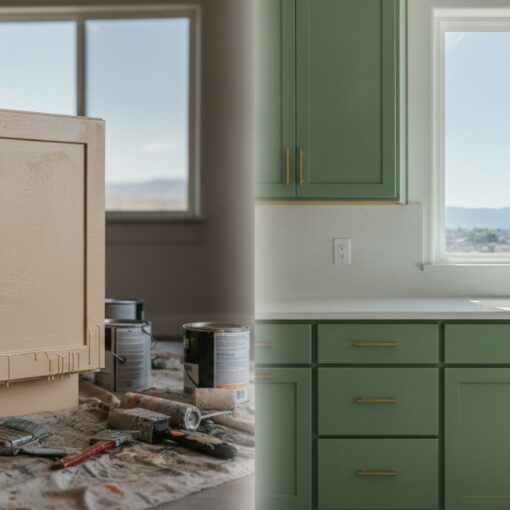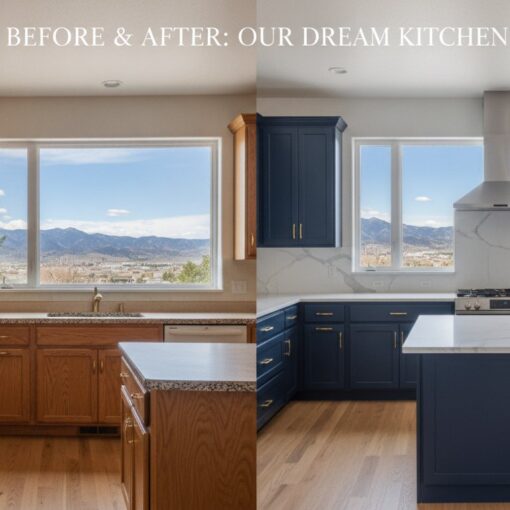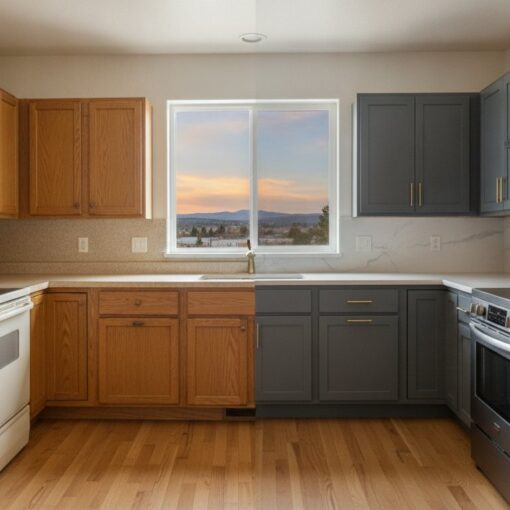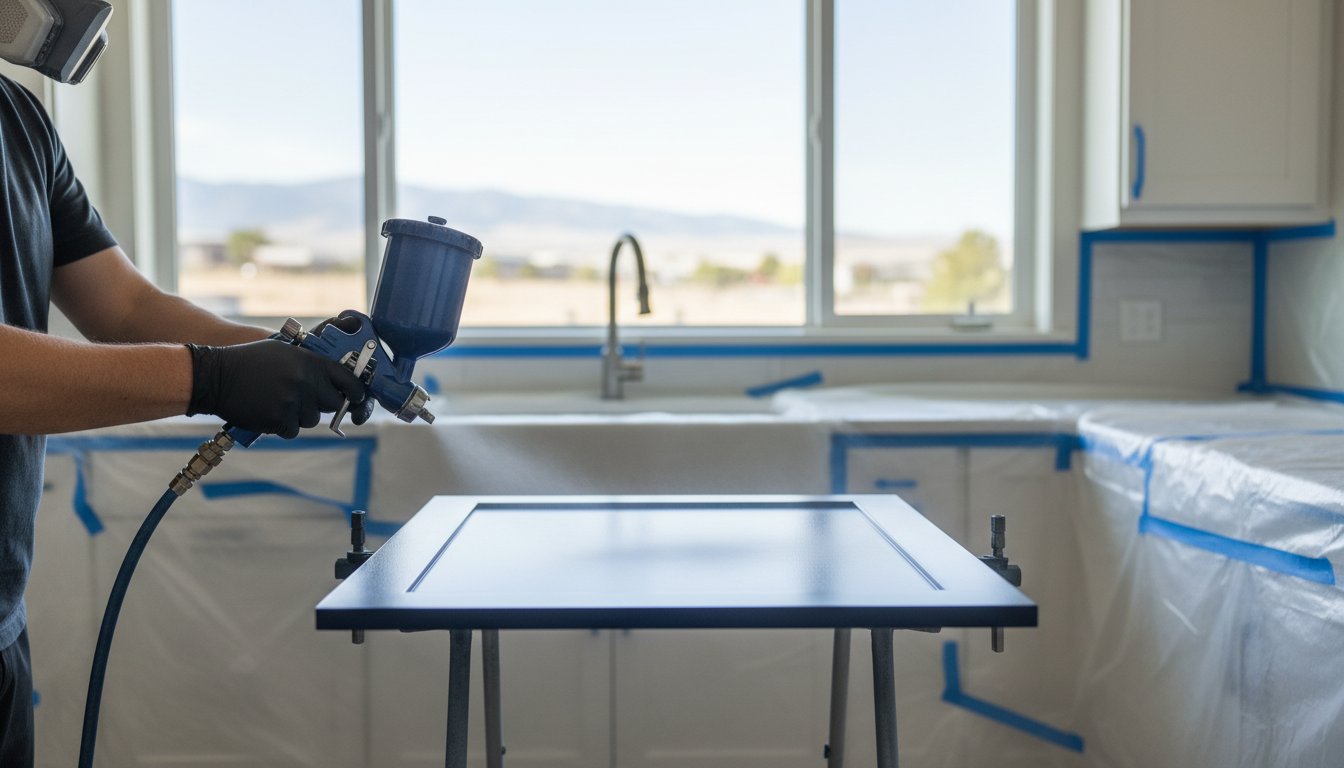
A standard home appraisal focuses heavily on the “Effective Age” and “Condition” rating of your property rather than just the year it was built. Most Denver homeowners understand that a dated kitchen is a significant liability during a sale or refinance, but the $12,000 to $35,000 cost for full cabinet replacement is often a barrier. Learning how cabinet painting impacts home appraisal provides a strategic way to increase your property’s value while avoiding the high costs of a full remodel.
You deserve to know exactly which upgrades move the needle for lenders and which ones are merely cosmetic. This guide explains how professional kitchen cabinet painting can yield an ROI of up to 113% by modernizing your space and improving your home’s marketability. We’ll examine the specific criteria appraisers use to evaluate kitchen finishes and why neutral, professionally executed updates are essential for a higher valuation in 2026.
Key Takeaways
- Learn why appraisers use the kitchen as a primary indicator of a home’s overall condition and maintenance status.
- Understand how modernizing your cabinets reduces the “Effective Age” of your kitchen on official lender reports.
- Discover how cabinet painting impacts home appraisal by delivering a high ROI without the cost of a full replacement.
- Identify the specific neutral color palettes and professional finish standards that maximize property marketability.
- Recognize the importance of a factory quality finish to avoid the appraisal penalties associated with amateur DIY projects.
Understanding the Link Between Cabinet Painting and Home Appraisal
Homeowners often confuse market value with appraised value. Market value represents what a buyer is willing to pay in the open Denver real estate market; however, appraised value is a formal estimate used by lenders to mitigate risk. While a buyer might fall in love with a specific aesthetic, an appraiser looks at the kitchen as a primary indicator of the property’s overall condition. For a foundational Understanding the Link Between Cabinet Painting and Home Appraisal, it’s necessary to recognize that appraisers prioritize objective maintenance over subjective trends.
The kitchen is the most expensive room to renovate, so it carries the most weight during a valuation walkthrough. If cabinets are structurally sound but visually dated, they can negatively influence the final report. In 2026, the Denver market consensus is clear: modern, neutral finishes are the baseline expectation for residential properties. Analyzing how cabinet painting impacts home appraisal reveals that this update targets the “Condition” and “Improvements” sections of the Uniform Residential Appraisal Report.
To better understand the fundamentals of the valuation process, watch this helpful video:
Appraisal “Condition” Ratings and Your Kitchen
Appraisers use a standardized scale from C1 to C6 to rate a property’s condition. A C1 rating applies to brand new construction, while a C6 indicates severe structural issues. Most lived-in homes fall into the C4 category, which denotes “standard maintenance” but includes dated features. Dated, worn cabinets often trap a home in this average C4 bracket. Professional Kitchen Cabinet Painting can help elevate a property to C3 status. This rating is reserved for homes that have received significant updates to their primary systems and finishes. Moving from C4 to C3 doesn’t just improve aesthetics; it changes the lender’s risk profile for the entire asset.
The Psychology of the Appraiser During a Walkthrough
First impressions matter during a professional inspection. The kitchen sets the tone for the entire interior walkthrough because it’s the most scrutinized area. When an appraiser sees high quality, clean lines on cabinets, it signals that the home is well-maintained. This perception reduces “subjective friction” during the valuation. If the cabinets look neglected, the appraiser is more likely to hunt for other signs of deferred maintenance. A modern finish suggests that the homeowner has invested in the property’s longevity, which supports a higher final valuation.
How Professional Refinishing Impacts Your Home’s “Effective Age”
Appraisers distinguish between the actual age of a structure and its effective age. While your home’s chronological age is fixed, its effective age is a subjective measurement of its condition and utility. For example, a kitchen installed in 2006 has an actual age of 20 years. If the surfaces are worn and dated, the appraiser applies heavy depreciation. However, a high-quality finish can make that same kitchen function as if it were only five years old. Understanding how cabinet painting impacts home appraisal involves recognizing this specific shift in the depreciation schedule.
When you update surfaces without altering the footprint, you maintain functional utility while stripping away years of visible wear. This is a primary reason why Comparing ROI: Cabinet Painting vs. Full Kitchen Replacement often favors refinishing for homeowners seeking a quick valuation boost. By resetting the visual clock of the most important room in the house, you effectively lower the age of the entire interior in the eyes of a lender.
Reducing Depreciation Through Surface Updates
Depreciation is a direct deduction from a home’s value based on physical deterioration. Appraisers look for signs of wear such as chipped wood, fading stains, or grease buildup on door fronts. A factory-quality finish effectively resets this clock. It hides the actual age of solid wood frames, allowing the appraiser to categorize the kitchen as “updated” rather than “original.” Professional kitchen cabinet painting is more effective for ROI than minor repairs alone because it provides a uniform, modern appearance that suggests a complete renovation of the cabinetry system.
Aesthetics vs. Structural Integrity in Valuations
Paint is technically an aesthetic update, but it signals a “renovated” status to lenders. This is critical for refinancing or sales. If your cabinet boxes are structurally sound, replacing them is often a waste of capital. Painting is the most strategic move to hide chronological age when the layout remains functional. It allows you to present a modern kitchen that meets 2026 market standards without the $12,000 to $35,000 price tag of new cabinetry. The appraiser focuses on the result: a kitchen that looks and feels new, which justifies a higher condition rating on the final report.
Comparing ROI: Cabinet Painting vs. Full Kitchen Replacement
A full cabinet replacement typically costs between $12,000 and $35,000. For many Denver homeowners, this high entry price does not translate to a dollar-for-dollar increase in property value. Understanding how cabinet painting impacts home appraisal requires an analysis of the Law of Diminishing Returns. In real estate valuation, there’s a ceiling on how much a specific upgrade can add to a home’s worth based on comparable properties in the area. A professional paint job often achieves the same “Condition” rating improvement as new cabinetry but at a significantly lower cost, protecting your equity.
The time-to-completion factor also influences the selling process. A full kitchen tear-out can render a home unusable for weeks or months, which is a major deterrent for sellers who need to move quickly. Professional spraying provides a “new cabinet” look in a matter of days. This efficiency allows homeowners to update their space immediately before an appraisal or listing, ensuring the property shows at its highest potential value without the logistical burden of a construction site.
The Cost-to-Value Ratio of Refinishing
Data from 2026 indicates that minor kitchen remodels, which include refinishing existing structures, can yield an ROI of up to 113%. This is significantly higher than major upscale remodels, which often recoup less than 60% of their initial cost. Appraisers prioritize “visible value” and functional utility. If the layout is sound, a $50,000 kitchen replacement may not be valued significantly higher than a professional paint job in a standard residential appraisal. Focusing your budget on the surface finish provides the highest percentage of return for every dollar spent.
Sustainability and Market Trends in 2026
Sustainable home improvements are a major market trend in 2026. Both appraisers and buyers increasingly value the upcycling of high-quality existing materials over the waste of a full remodel. If your cabinet boxes are solid wood, removing them is often an unnecessary expense that risks “over-improvement” for your specific neighborhood. Avoiding this trap ensures your home remains competitive without pricing itself out of the local market. For detailed budget planning, you should consult our Cabinet Painting Cost guide to see how these savings compare to full-scale construction.

Selection Criteria for Maximizing Appraisal Value
Strategic selection of colors and finishes determines the final valuation outcome. Appraisers look for broad market appeal rather than personal expression. When examining how cabinet painting impacts home appraisal, the goal is to eliminate any visual barriers that might lead a lender to categorize the kitchen as niche or dated. High quality materials and professional grade finishes ensure the property meets the current “Marketability” standards required for a top tier appraisal report.
The choice of finish also matters. Satin is preferred over semi-gloss in 2026 because it offers a sophisticated, smooth appearance that hides minor wood grain textures better than high shine alternatives. While semi-gloss is durable, it often highlights surface flaws under bright kitchen lighting, which can detract from the perceived quality of the cabinetry.
Choosing Market-Ready Colors for Denver Homes
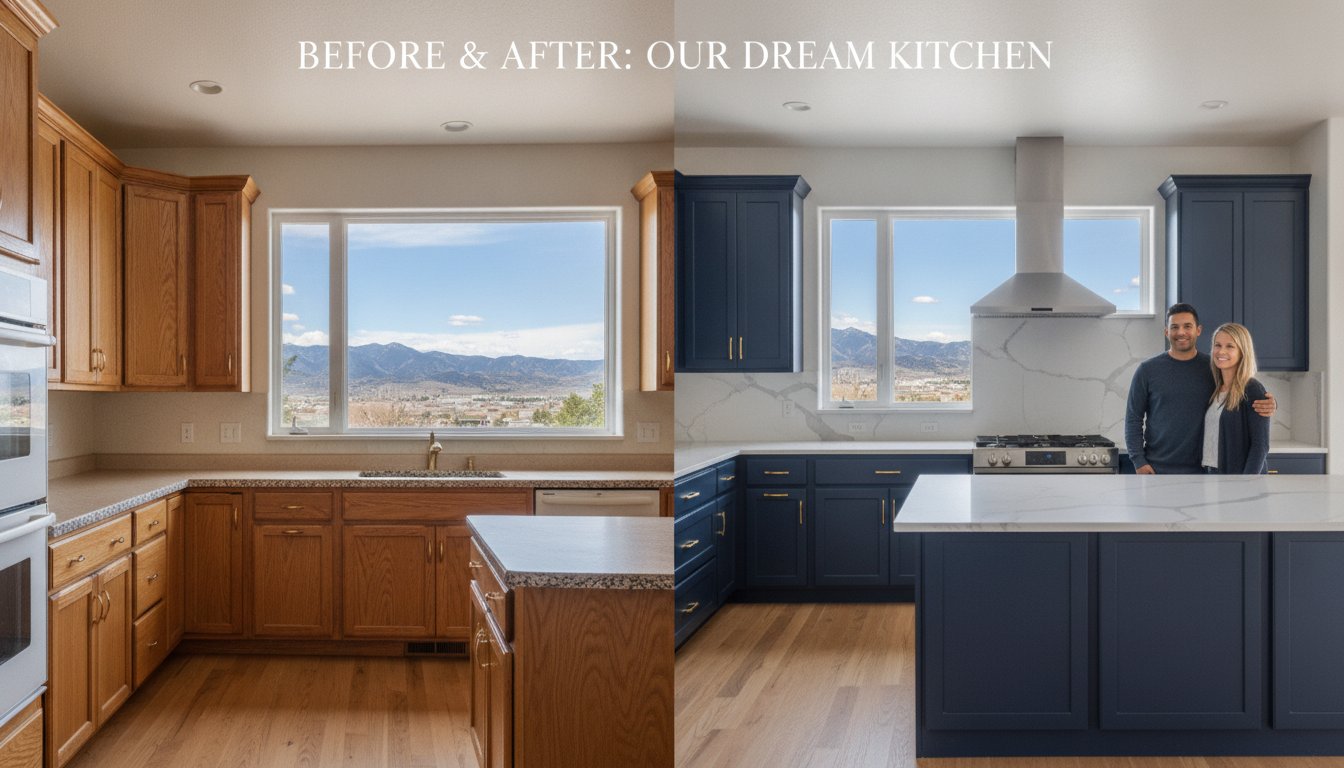
The 2026 Denver real estate market has shifted toward warm neutrals and earthy tones. While stark white was once the default, homeowners are now seeing better results with soft creams, light taupes, and warm grays. These colors complement the natural light and interior styles common in Colorado homes. White and light gray remain the safest bets for appraisal consistency because they provide a clean, expansive feel. Bold or trendy colors like deep emerald or navy may look striking, but they often detract from appraised value because they limit the pool of potential buyers. Neutral tones reduce buyer resistance by allowing appraisers to view the kitchen as a versatile space that appeals to a wide demographic.
The Role of Hardware and Details
Paint alone is often insufficient to signal a full renovation to an appraiser. The hardware serves as the finishing touch that validates the quality of the work. Replacing dated hinges and pulls is a requirement for maximizing your return. In Denver, matte black and brushed gold are the dominant hardware finishes that signal a modern, high value interior. Adding soft-close conversions is another tactical move that increases “functional utility,” a specific metric appraisers use to judge kitchen quality. These mechanical upgrades, when paired with a fresh finish, convince an appraiser that the kitchen has been fully modernized rather than just touched up.
If you’re ready to select a palette that secures your home’s value, you can view our professional kitchen cabinet painting services to see which finishes are currently leading the market.
Why Professional Execution is Required for Appraisal Gains
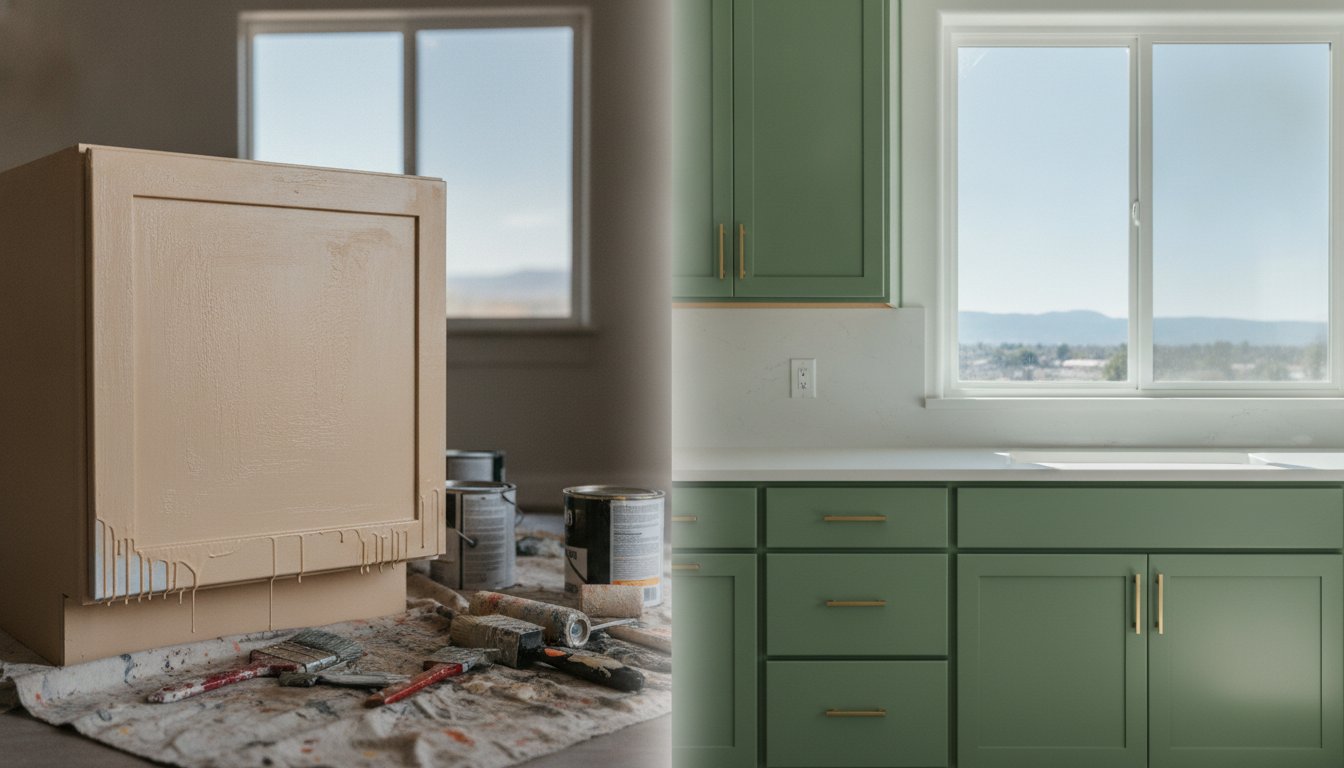
The quality of the finish is the most critical variable when determining how cabinet painting impacts home appraisal. While a professional update can elevate a property’s condition rating, a poorly executed DIY project often results in a “DIY penalty.” Appraisers are trained to identify signs of amateur workmanship, such as visible brush marks, uneven coverage, or paint drips. These flaws signal to a bank that the renovation was an unprofessional repair rather than a capital improvement. Consequently, a low-quality paint job may lead an appraiser to maintain a lower condition rating, effectively neutralizing any potential ROI.
Lenders and appraisers look for a “Factory Finish” standard. This means the cabinetry appears as though it were finished in a controlled manufacturing environment rather than in a residential kitchen. This level of precision is only achievable through professional spraying techniques. For those interested in the technical details of this approach, Cabinet Painting Denver utilizes a specialized process to ensure every surface meets these rigorous valuation standards.
The Danger of Visible Brush Marks and Drips
Visible brush marks and drips are immediate red flags during a valuation walkthrough. They suggest that the underlying material wasn’t properly prepared, which leads to concerns about long-term durability. DIY attempts often suffer from paint peeling or chipping shortly after completion because consumer-grade paints aren’t designed for the high-traffic environment of a kitchen. A smooth, sprayed finish is the only way to mimic the appearance of new cabinetry and convince an appraiser that the kitchen has been truly modernized.
The Professional Process: Preparation and Durability
Appraisers evaluate “Good Condition” ratings based on the expected longevity of the finishes. Professional execution requires industrial-grade primers and topcoats that resist heat, moisture, and grease. The invisible drivers of appraised value are the cleaning and sanding phases of the project. Without removing years of accumulated kitchen oils, even the highest quality paint won’t bond correctly. This meticulous preparation ensures the finish remains durable for years, which justifies a higher property valuation. You can find more details on these critical steps in our Ultimate Guide to Kitchen Cabinet Painting.
Secure Your Home’s Valuation with Professional Refinishing
Understanding how cabinet painting impacts home appraisal is a strategic advantage for any Denver homeowner. By focusing on the kitchen’s effective age and condition rating, you can achieve a valuation typically reserved for expensive full remodels. Professional execution ensures your home avoids the DIY penalty and meets the high standards required by lenders in 2026. This approach protects your equity while delivering a modern aesthetic that appeals to both appraisers and buyers.
We specialize in kitchen and bathroom transformations across the entire Denver metro area. Our team utilizes professional HVLP spraying to deliver a factory-smooth finish that satisfies the most rigorous appraisal walkthroughs. If you’re ready to modernize your space with transparent pricing and expert results, you can Get Your Free Cabinet Painting Quote in Denver today. Taking this step ensures your property remains competitive and highly valued in today’s market.
Frequently Asked Questions
Does painting kitchen cabinets really increase home value?
Painting cabinets increases home value by improving the kitchen’s condition rating from “average” to “good” or “excellent.” Since 80% of homebuyers prioritize the kitchen, a modernized look leads to higher offers and faster sales. This update ensures the home meets 2026 market standards without the heavy expense of a full renovation or tear-out.
What is the average ROI for cabinet painting in 2026?
The average ROI for a minor kitchen remodel, which includes professional cabinet painting, can reach up to 113%. Well-executed refinishing specifically yields a return of 80% to 100%. These figures exceed the ROI of major upscale remodels, which often recoup less than 60% of their initial cost according to 2026 real estate data.
Will an appraiser notice if I painted the cabinets myself?
Appraisers identify DIY projects by looking for visible brush marks, drips, or uneven textures on the door fronts. A poor finish signals an “unprofessional repair” and can result in a lower condition rating on the appraisal report. Professional spraying is required to achieve the factory-smooth look that lenders associate with a high-value, modernized kitchen.
What are the best cabinet colors for home appraisal value?
Neutral and timeless colors are the best choices for maximizing appraisal value. Popular selections in 2026 include soft whites, creams, warm grays, and light taupes. These colors make the space appear larger and more inviting, which reduces buyer resistance and supports a higher valuation compared to bold or trendy colors that might not appeal to everyone.
Is it better to refinish or replace cabinets before a home sale?
It’s better to refinish cabinets if the boxes are structurally sound and the layout is functional. Replacing cabinets costs between $12,000 and $35,000, which often leads to over-improvement for the neighborhood. Refinishing provides a similar visual impact at a fraction of the cost, ensuring a higher net return when the property finally sells.
How much does cabinet painting impact the “Effective Age” of a home?
Professional refinishing can reduce the effective age of a kitchen by 10 to 15 years. An appraiser might view a 20-year-old kitchen as having an effective age of only 5 years if the surfaces are modern and well-maintained. This shift is a key factor in how cabinet painting impacts home appraisal by lowering the lender’s perceived risk.
Can I paint my bathroom cabinets to increase home value as well?
Painting bathroom cabinets is an effective way to maintain a consistent condition rating throughout the home. Appraisers evaluate the property holistically, and updated bathrooms contribute to the overall “well-maintained” status of the interior. This secondary update reinforces the perception of a fully modernized property without requiring a full bathroom gut or expensive plumbing changes.
How long does a professional cabinet painting project take to complete?
A professional cabinet painting project typically takes three to five days to complete. This is significantly faster than the weeks or months required for a full cabinet replacement. The speed of completion allows homeowners to update their kitchens immediately before listing the property or scheduling a final appraisal walkthrough without disrupting their daily lives for long.