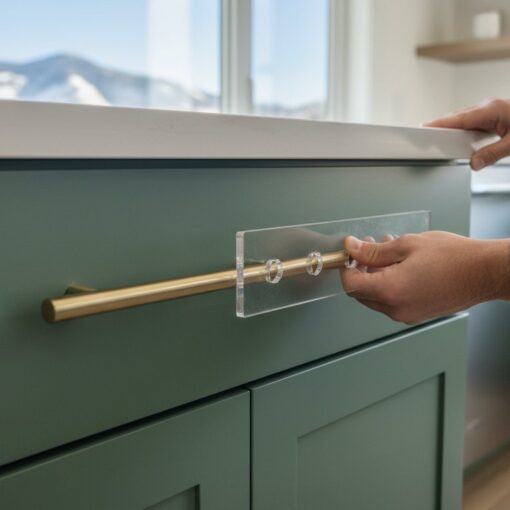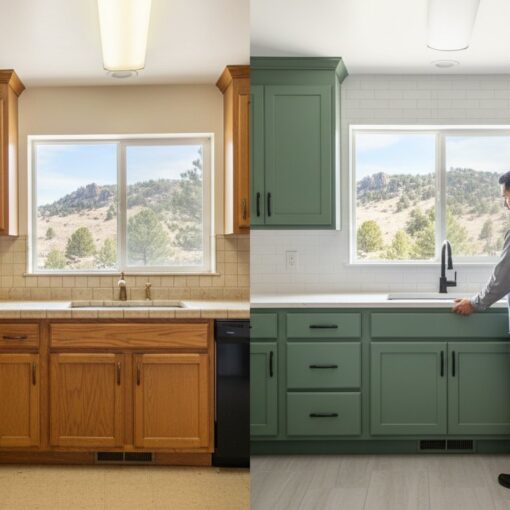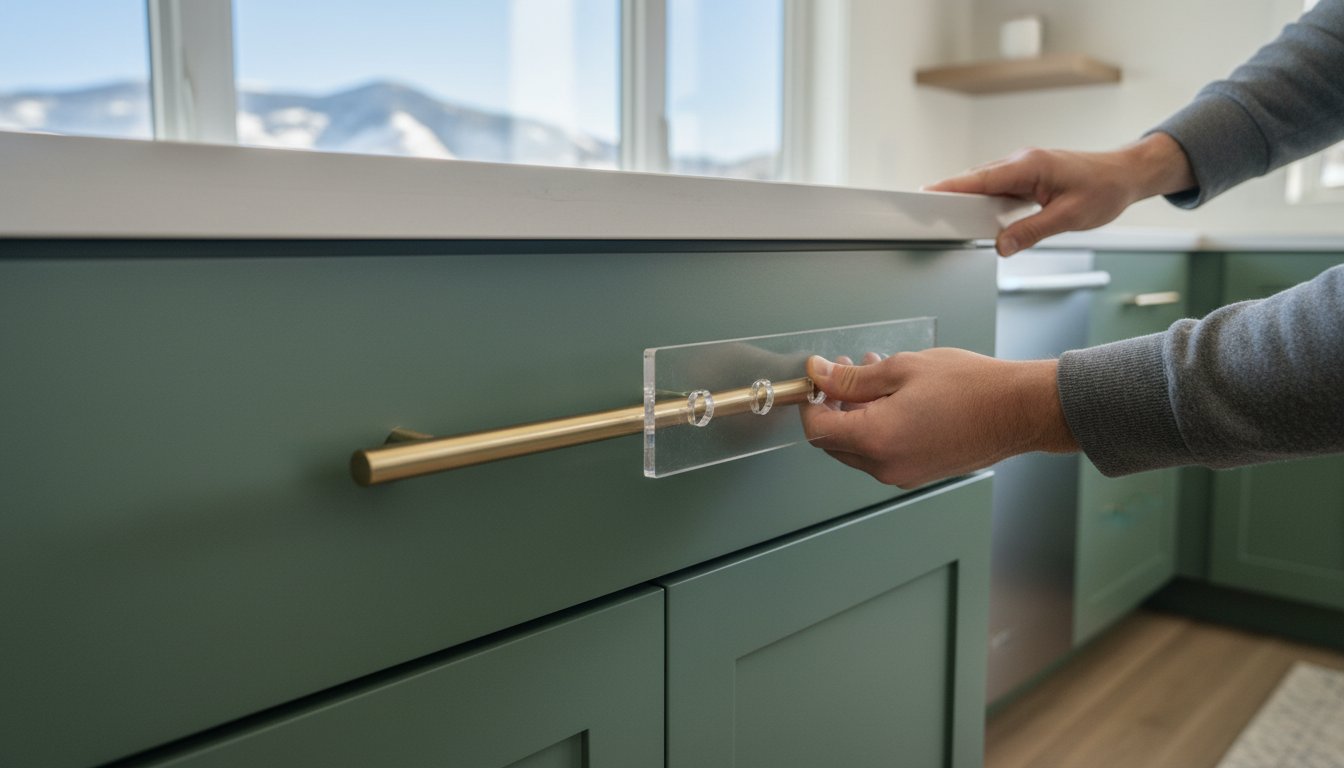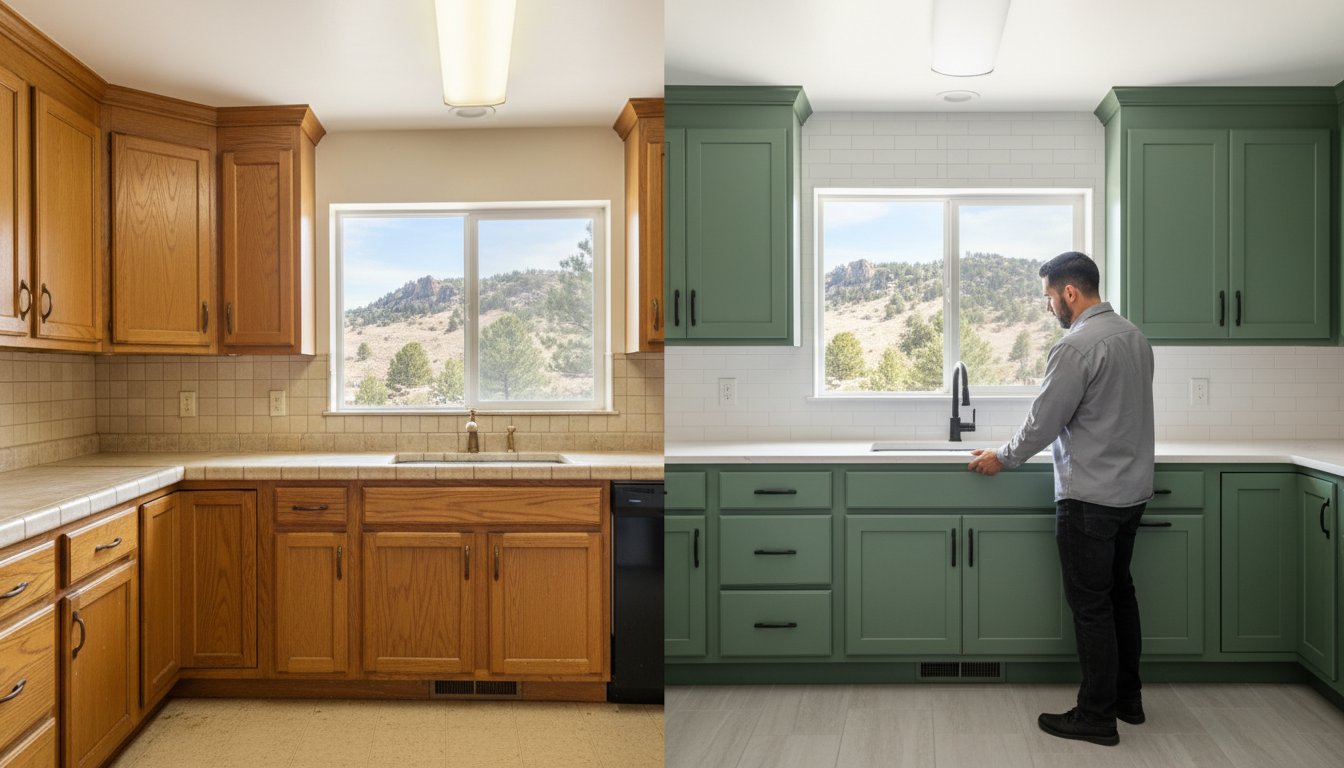
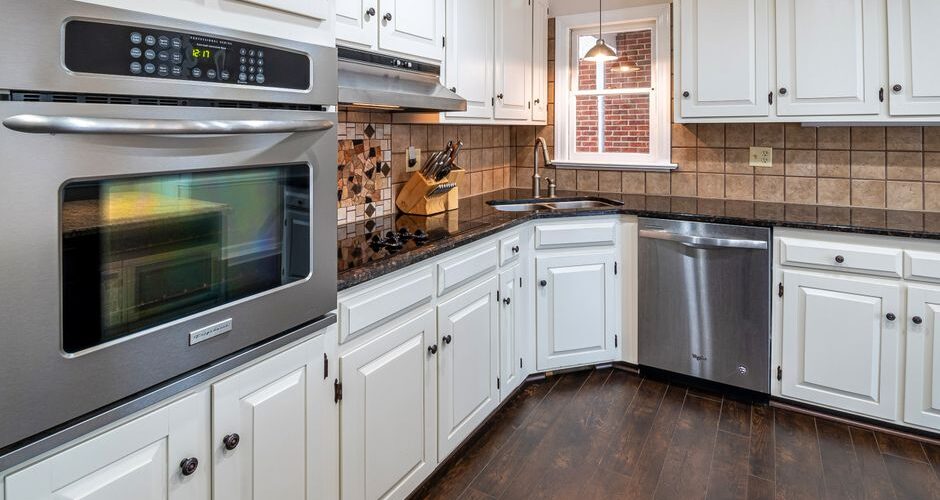
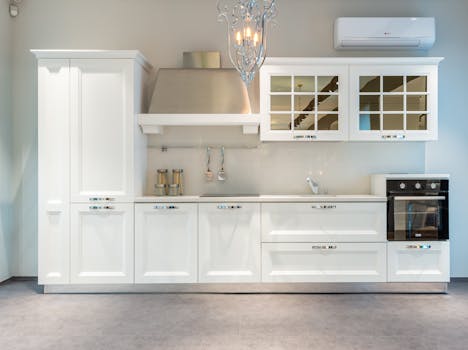
Two kitchens, two different projects, one shared decision: keep the boxes or replace them. Refacing and refinishing both sit on the keep-the-boxes side of that line, which is why both beat full replacement on cost and disruption. What separates them is how many new parts get involved. Refinishing reworks the cabinets and doors already hanging in your kitchen. Refacing buys new doors and drawer fronts and updates the visible surfaces around them, so the face of the kitchen changes while the structure behind it stays exactly where it is.
Knowing where that line falls tells you what each option can and cannot deliver, and it explains why the two land at noticeably different price points.
Refinishing and Refacing in Plain Terms
Refinishing changes the coating on the cabinets and doors you already own. Refacing keeps your cabinet boxes but installs new doors and drawer fronts along with updated visible cabinet surfaces. That one distinction drives the cost gap, the design freedom, and the amount of material that has to be ordered, delivered, and fitted.
Both approaches leave the cabinet boxes, the countertop, the plumbing, and the floor plan untouched. Neither is a remodel. They are finish-level upgrades that change how a kitchen reads without moving a wall or rerouting a drain.
What Refinishing Actually Involves
Refinishing restores and recolors the cabinets and doors you already have. Doors and drawer fronts come off, surfaces get cleaned and prepped, the existing finish is sanded or otherwise prepared, and the whole set is recoated and reassembled. When the new finish is a stain rather than an opaque paint, the original wood and grain stay visible.
What stays original
- Cabinet boxes, shelves, and the existing layout
- Door and drawer front profiles, including raised panels and moulding details
- The original wood species and grain if the finish is a stain
- Hardware positions, unless you ask for them to be filled and moved
That last point cuts both ways. Reusing the existing hardware holes saves time and money. It also limits you to hardware that matches the current spacing, which is worth knowing before you fall in love with a different pull.
Where refinishing shows its limits
Refinishing cannot change the shape of a door. A raised panel stays raised, a slab stays a slab, and you cannot switch from wood to another door material. Color, sheen, and any repair work you request are the levers available. The coating also needs a sound surface underneath, so fronts that are cracked, swollen, or delaminating may need replacing no matter which route you take. Have a contractor inspect the actual doors before assuming a recoat will cover everything.
What Refacing Actually Involves
With refacing, the boxes stay anchored to the wall and everything a person sees and touches at the front of the cabinet is new. Depending on the project, the update also covers the face frames and the exposed ends of the cabinetry, which is why a refacing quote should spell out exactly which surfaces are included. The word means different scopes from one contractor to the next, and that variation is where budget assumptions go sideways.
Hidden surfaces are where estimates go wrong
One contractor write-up describes a familiar sequence: a refacing job gets quoted after a quick look, the old fronts come off, and only then does a swollen sink base or a loose face-frame joint show up, with the component order already moving. The repair conversation then happens after the client has approved a price, which is the wrong order.
The fix is simple. Insist on an inspection before the quote, not after. A soft spot near the dishwasher, water staining under the sink, or a face frame that has pulled away from the box all change the scope. Both refinishing and refacing assume boxes worth keeping, so walk the kitchen with a flashlight and look along the base of the cabinets before you spend time comparing finishes.

Refacing vs Refinishing Costs, Using Ratios
Published estimates point to two useful ratios. Refinishing cabinets is often estimated at about two thirds the cost of refacing, and refacing is often estimated at about 70 to 80 percent of the cost of installing new cabinets. Refacing is also described as more expensive than painting but cheaper than a full replacement.
Those are planning ratios, not quotes. Refinishing generally costs less because it reuses more of the existing cabinetry, while refacing requires more new materials. Real pricing depends on the number of doors and drawers, the door style and material chosen, the condition of the boxes, and local labor. Use the ratios to sanity-check a bid, then verify actual numbers with estimates from contractors who have looked at your kitchen.
| Factor | Refinishing | Refacing |
|---|---|---|
| What gets replaced | Nothing structural; existing doors, drawer fronts, and boxes are recoated | Doors and drawer fronts replaced; visible surfaces updated |
| New materials required | Minimal | Significant |
| Relative cost | About two thirds the cost of refacing | About 70 to 80 percent of the cost of installing new cabinets |
| Door style change | Not an option | Door style and material can change |
| Condition needed | Sound, intact fronts and boxes | Sound boxes, since the fronts are new |
Door Style, Materials, and Design Freedom
Refacing offers more flexibility in door style and materials. If the goal is to move from an ornate raised panel to something flatter and quieter, or to change the door material entirely, refacing is the only one of the two that gets you there. The boxes stay and the face of the kitchen changes.
Refinishing goes the other way on purpose. It keeps the geometry you already have and changes how that geometry reads. Homeowners who like their door profile but not its color usually get what they want from refinishing, without paying for new fronts and the material handling that comes with them.
Which Finish Holds Up Longer
Trade sources describe refacing as providing a longer-lasting finish, which follows from what each option starts with. New doors begin life with a clean, uniform surface. Refinished doors begin with whatever is already there, so the outcome leans heavily on prep work and on the coating system used. A sprayed finish applied over properly prepared surfaces behaves very differently from a brushed-on coating over a scuffed door.
Ask what finish system is going on your cabinets, how it will be applied, and what warranty covers the work. A written warranty is the clearest signal that the contractor expects the finish to last.
What the Work Looks Like Day to Day
Both projects start the same way: doors and drawer fronts come off, get labeled, and lose their hardware. From there the paths split.
- Refinishing: prep, repair, spray or apply the new finish, allow it to cure, then reinstall the original fronts.
- Refacing: measure and order new fronts and surface material, prep and update the visible surfaces on the boxes, then install the new doors and drawer fronts.
Refacing depends on new components arriving correctly sized and finished, so material lead time becomes part of the schedule in a way it does not for refinishing. Refinishing leans more on prep and cure time. In both cases the kitchen is out of normal service while work is underway, and both should come with a written schedule plus a clear process for handling box repairs discovered along the way. Ask for those details in the estimate rather than assuming them.
Questions Worth Asking Before You Choose
- Did you inspect the boxes, face frames, and sink base before giving me this number?
- For refacing, exactly which surfaces are included: doors, drawer fronts, face frames, exposed ends, toe kick?
- What finish system are you using, and is it sprayed or applied by hand?
- What does the warranty cover, and for how long?
- If the boxes need repair after the fronts come off, how is that priced and approved?
Those five answers separate a contractor who has thought through your kitchen from one who is quoting a template.
How This Plays Out for Denver Homeowners
Cabinet Painting Denver provides kitchen cabinet painting, refinishing, and staining across the Denver metro area, with a sprayed finish and a 3-year workmanship warranty, along with free estimates and on-site consultations. That on-site visit is usually where the refacing versus refinishing question answers itself. If the doors and boxes are sound and the change you want is color, refinishing reuses what you own and gets you there. If the doors are worn, the profile is dated, or you want different materials on the face of the kitchen, refacing is the path that delivers it.
Either way, the decision is not about which option wins in the abstract. It is about how much of your existing cabinetry you want to keep, how much you want to change, and what condition the parts you are keeping are actually in.
Frequently Asked Questions
Is refinishing cheaper than refacing?
Yes, generally. Refinishing costs less because it reuses more of the existing cabinetry and requires minimal new material. Published estimates put refinishing at roughly two thirds the cost of refacing, and refacing at roughly 70 to 80 percent of the cost of installing new cabinets. Get local estimates before committing to a budget.
Can refinishing change my cabinet door style?
No. Refinishing only changes the coating on the cabinets and doors you already have, so the door profile, material, and shape of the drawer fronts stay the same. If you want a different door style or a different door material, refacing is the option that replaces the fronts and updates the visible surfaces around them.
Will refinishing cover my wood grain?
That depends on the finish you choose. Refinishing keeps the original wood and grain visible when a stain is used, since the goal is restoring and recoloring what is there. An opaque painted finish covers the grain instead. Ask your contractor to show you samples of both so you can see how the grain reads in your kitchen lighting.
How do I know if my cabinet boxes can be kept?
Have them inspected before anyone quotes a price. Swollen sink bases, soft wood near the dishwasher, water staining, and face frames that have pulled loose from the boxes all change the scope. Those problems often surface only after the old fronts come off, so an inspection up front keeps the approved price and the final price close together.
Which option lasts longer?
Trade sources describe refacing as providing a longer-lasting finish, largely because new doors start with a clean, uniform surface. Refinished cabinets depend more heavily on prep work and on the coating system used. Ask what finish will be sprayed, how it is applied, and what warranty covers the workmanship.