What if you could achieve a showroom-ready kitchen without the five-figure price tag or the weeks of construction dust that usually come with a remodel? Many Denver homeowners feel stuck between the high cost of new materials and the fear that a standard paint job will start peeling in our dry, 15% humidity climate. It’s a common frustration to want a modern look but worry about the long-term durability of the finish. This guide clarifies the cabinet painting vs refacing denver debate by analyzing current market data on ROI, durability, and modern style trends for 2026.
You’ll discover why professional factory-spray techniques offer a superior alternative to traditional methods and how to maximize your home’s resale value with minimal household disruption. We provide a direct comparison of these two popular update methods to help you choose the most efficient path to a high-end kitchen. From understanding the impact of Colorado’s climate on wood coatings to identifying which project delivers the best return on investment, this comparison ensures you make an informed decision for your property.
Key Takeaways
- Understand the technical differences between refinishing existing surfaces with industrial coatings and the more invasive process of replacing cabinet doors and drawer fronts.
- Learn why a professional cabinet painting vs refacing denver comparison typically reveals a 40-60% cost savings when opting for factory-quality painting.
- Identify how specialized industrial coatings protect your cabinetry against Denver’s low humidity, preventing the cracking and peeling associated with standard house paints.
- Compare renovation timelines to see how professional painting can restore your kitchen in 5-7 days, significantly faster than the multi-week lead times required for refacing.
- Assess the structural integrity of your current cabinets to determine if they are candidates for a high-ROI factory finish or if they require full component replacement.
Defining Cabinet Painting vs. Refacing for Denver Homeowners
Choosing between cabinet painting vs refacing denver requires a clear understanding of how each process impacts your kitchen’s structure and aesthetics. While both methods avoid the high cost of a full tear-out, they differ significantly in execution and final result. Professional painting renews the existing surfaces of your cabinetry; in contrast, refacing replaces the doors and drawer fronts entirely while covering the frames in a matching veneer.
To better understand the specific differences in these two renovation paths, watch this detailed explanation from a local expert:
What is Professional Cabinet Painting?
Professional cabinet painting is a precision refinishing process. It’s not comparable to a standard DIY project or a typical house painting job. The procedure begins with a rigorous cleaning and sanding phase to remove oils and existing finishes. Technicians then apply industrial-grade coatings using high-volume low-pressure (HVLP) sprayers. This equipment ensures a smooth, factory-quality surface that’s free of brush marks or roller textures. This process is particularly effective for high-quality wood like oak. While some homeowners dislike the heavy grain, professional fillers and industrial coatings can smooth the surface for a modern look.
A key distinction lies in the materials used. Professional services utilize industrial lacquers or conversion varnishes rather than standard retail latex paints. These coatings are specifically engineered for Kitchen cabinet materials and finishes to withstand heat, moisture, and frequent cleaning. For Denver homes, this is critical. These specialized coatings are flexible enough to move with the wood as it responds to our local climate, preventing the peeling often seen with inferior products.
What is Cabinet Refacing?
Cabinet refacing is a hybrid approach between painting and full replacement. In this process, the existing cabinet boxes remain in place. Workers apply thin wood or laminate veneers to the exterior frames of these boxes. The original doors and drawer fronts are discarded and replaced with entirely new custom-manufactured components. Refacing is often the only solution for damaged thermofoil cabinets where the plastic coating has melted or pulled away from the underlying fiberboard.
This method is often chosen when the existing door style is outdated. However, refacing is more cost-intensive due to the manufacturing and shipping of new parts. Homeowners should also consider the “Mile High” effect. Denver’s 15% average humidity can cause veneers to delaminate or peel at the edges if the adhesive fails. While refacing offers a total style change, it requires high-quality installation to ensure the veneers remain bonded to the frames over time.
Cost and ROI: The Financial Breakdown for Denver Kitchens
Analyzing the financial impact of cabinet painting vs refacing denver reveals a significant gap in both initial investment and long-term value. Industry data for the 2026 Denver market indicates that professional cabinet painting typically costs between 50% and 70% less than refacing. While refacing requires the purchase of new custom-made doors and drawer fronts, painting utilizes your existing structural components. This difference allows homeowners to reallocate thousands of dollars toward other high-impact updates like new quartz countertops or modern backsplashes.
Refacing often carries hidden expenses that aren’t immediately apparent in a basic quote. These include the cost of manufacturing custom components, specialized shipping fees, and the extended labor required for precise veneer application. Understanding the Replacement Cost Value of your kitchen assets helps you determine if the incremental expense of refacing is justified by the potential increase in home equity. For most Denver properties, the high cost of refacing doesn’t translate to a proportionally higher appraisal when compared to a factory-grade paint finish.
Upfront Investment Comparison
For a standard Denver kitchen with 15 to 25 openings, professional painting costs generally range from $3,500 to $7,500. In contrast, refacing the same space often requires a budget between $9,000 and $17,000. Painting costs are primarily driven by the labor involved in preparation. For example, oak cabinets require additional grain filling to achieve a smooth surface. Refacing costs escalate quickly when homeowners select premium wood species or intricate door styles, which can push the total project cost toward the price of a full cabinet replacement.
Long-Term Resale Value in Colorado
In neighborhoods like Arvada, Lakewood, and Littleton, the 2026 real estate market prioritizes clean, modern aesthetics over traditional wood textures. Reports show that a minor kitchen remodel in the Denver metro area can deliver an average ROI of up to 96.1%. Because cabinetry is the largest expense in these renovations, keeping costs low is vital for profit. Finding the actual cost to paint kitchen cabinets maximizes ROI for sellers by keeping the initial investment low while achieving a high-end look. For homeowners seeking a transparent assessment of their project, professional painting services provide a clear path to a modernized kitchen without the financial strain of refacing.
When calculating the “Cost per Year,” painting often emerges as the smarter choice. If a professional paint job lasts 8 to 10 years, the annual cost of the update is significantly lower than a refacing project that may only offer a slightly longer lifespan. In Denver’s fast-moving market, the ability to update a kitchen’s color palette every decade for a fraction of the cost of new materials provides greater long-term flexibility.
Durability and the Denver Climate: Which Finish Lasts Longer?
When evaluating cabinet painting vs refacing denver, durability isn’t just about surface hardness; it’s about how the finish handles Colorado’s arid environment. Denver’s average humidity of 15% creates a challenging landscape for wood products. Natural timber is hygroscopic, meaning it constantly gains and loses moisture to match its surroundings. In our dry climate, this leads to significant expansion and contraction. While professional painting and refacing both offer refreshed aesthetics, their ability to withstand these structural shifts varies greatly.
Refacing introduces a sustainability concern that many homeowners overlook. This process involves discarding existing doors and drawer fronts, which are often made of high-quality solid wood, and sending them to local landfills. Professional painting is the more environmentally responsible choice. It preserves the structural integrity of your original cabinetry while using modern coatings to update the style. By refinishing rather than replacing, you reduce the carbon footprint associated with manufacturing and transporting new components.
Low Humidity and Wood Movement
Professional painters manage the “Mile High” effect by focusing on the joinery. They pay specific attention to the bridge between the center panel and the frame of the door. Industrial coatings are engineered with high elasticity, allowing the finish to flex as the wood grain moves. This prevents the cracking often seen with standard retail paints. In contrast, refacing relies on contact cement to bond thin veneers to the cabinet boxes. In Denver’s dry air, these adhesives can become brittle over time. If the underlying wood shrinks, the veneer may lose its bond, leading to delamination or peeling at the edges of the cabinet frames.
Maintenance and Longevity
Maintaining the appearance of your kitchen requires a surface that stands up to frequent cleaning and household chemicals. Industrial lacquers used in professional painting create a non-porous barrier that resists grease and moisture better than many laminate veneers. Repairability is another critical factor. If a painted cabinet is chipped by a heavy pot, a professional can often perform a seamless touch-up. A tear or scratch in a refaced veneer is much more difficult to fix and often requires the entire panel to be replaced. Professional cabinets refinishing typically provides a durable service life of 8 to 10 years when executed with industrial-grade coatings. This longevity makes it a reliable choice for high-traffic kitchens in the Denver metro area.
Process and Timeline: Managing Your Kitchen Renovation
Managing a kitchen renovation in the Denver metro area requires balancing aesthetic goals with household functionality. When analyzing cabinet painting vs refacing denver, the timeline and level of disruption are often the deciding factors for busy homeowners. Professional cabinet painting is a streamlined process that typically restores your kitchen to full use within 5 to 7 days. In contrast, cabinet refacing is a more invasive construction project that often extends over 2 to 4 weeks due to the manufacturing lead times for custom doors and the labor-intensive installation of veneers.
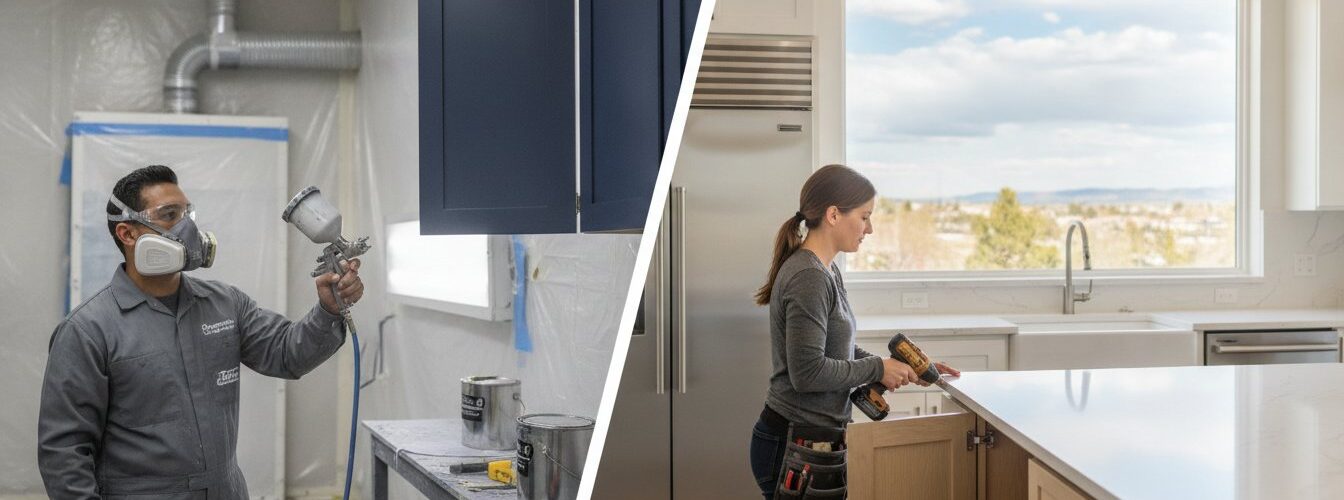
The primary advantage of professional painting lies in its off-site workflow. By removing doors and drawer fronts and transporting them to a controlled spray booth, technicians minimize the amount of work performed inside your home. This approach significantly reduces the presence of dust, noise, and airborne particles. Refacing requires extensive on-site labor, as each cabinet frame must be stripped and veneered manually. This often leads to a higher volume of construction debris and a longer period where your kitchen remains a workspace rather than a living space.
The Professional Painting Workflow
- Step 1: On-site masking and protection. Technicians seal off the kitchen area using industrial-grade plastic sheeting. They protect floors, appliances, and countertops to ensure zero overspray.
- Step 2: Off-site processing. Doors and drawer fronts are moved to a specialized facility. Here, they undergo rigorous cleaning, mechanical sanding, and multiple rounds of factory-spraying in a dust-free environment.
- Step 3: On-site refinishing and assembly. The cabinet frames are refinished in the home using the same industrial coatings. Once cured, the doors are re-installed with precision, and the workspace is fully cleaned.
The Refacing Workflow and Disruption
Cabinet refacing begins with a detailed measurement phase. Any errors during this stage can lead to significant delays as new components must be re-ordered and manufactured. Once materials arrive, installers spend several days in your kitchen cutting veneers and applying adhesives to the frames. This process generates fine dust and requires the use of high-strength contact cements. While modern adhesives have improved, homeowners sensitive to odors should account for the VOCs released during the bonding process. The noise from constant cutting and pneumatic tools is also considerably higher than the quiet operation of an HVLP spray system.
Homeowners who prioritize a fast, clean, and professional result often find that refinishing provides the best balance of quality and convenience. If you want to see how this efficient process can transform your space, you can view our professional cabinet painting services to see the factory-finish difference. By choosing a method that prioritizes off-site work, you ensure your kitchen remains the heart of your home rather than a long-term construction zone.
Choosing the Right Path for Your Denver Home
Finalizing your decision between cabinet painting vs refacing denver requires a critical assessment of your kitchen’s current condition and your long-term design goals. While previous sections detailed the cost and durability advantages of refinishing, the physical state of your cabinetry ultimately dictates the best path forward. A “structural test” is the first step. Open your cabinet doors and inspect the box frames. If the frames are solid, level, and free of significant water damage, they are ideal candidates for a factory-quality paint finish. Even oak cabinets, which some contractors suggest must be refaced, can be transformed into a modern “organic” aesthetic through professional grain filling and industrial coatings.
Aesthetic flexibility is a major differentiator. Professional painting offers an unlimited color palette, allowing you to match specific designer shades from brands like Benjamin Moore or Sherwin Williams. Refacing limits your choices to the specific veneer and door catalogs provided by the manufacturer. If your goal is a highly customized look that aligns with 2026’s earthy tones or soft-matte finishes, painting provides the necessary creative freedom. The verdict for most Denver homeowners is clear: choose painting for maximum ROI and style customization, but consider refacing if you need to change the physical door style or the kitchen layout.
When to Choose Professional Painting
Professional painting is the optimal choice for structurally sound wood cabinets, including Maple, Cherry, and Oak. It is specifically beneficial for homeowners who want to modernize their space without the waste of discarding perfectly good wood components. If you are preparing a home for sale in high-value areas like Cherry Creek or Highlands Ranch, a professional paint job provides a fast, high-impact update that appeals to modern buyers. This method allows you to achieve a “clean and modern” look while preserving the high-quality original construction of your home.
When to Consider Refacing
Refacing becomes a necessary consideration when your existing doors are physically compromised. This includes warped wood, significant water damage near the sink, or failing thermofoil coatings that have begun to peel or melt. You should also choose refacing if you want to change the door profile entirely, such as moving from a traditional Raised Panel to a minimalist Shaker style. However, be cautious of warning signs like crumbling particle board or sagging frames. If the cabinet boxes themselves are failing, they may not provide enough support for the heavy new doors and hinges used in the refacing process.
Selecting the right professional is the final step in ensuring a successful kitchen update. It is essential to hire a cabinet painter who understands the specific challenges of the Denver market, from humidity management to the use of industrial-grade lacquers. By choosing a specialist who prioritizes factory-spray techniques and procedural transparency, you ensure a durable, high-end finish that stands the test of time in Colorado’s unique climate.
Transforming Your Denver Kitchen with Confidence
The decision between cabinet painting vs refacing denver ultimately centers on your budget and the structural health of your cabinets. Professional painting provides a high-ROI alternative that preserves your original cabinetry while delivering a factory-quality spray finish that rivals new installations. By opting for a process that includes professional off-site door refinishing, you ensure a flawless surface that withstands Colorado’s dry climate without the risk of veneer delamination.
Choosing the right update method allows you to modernize your home’s aesthetic with minimal disruption to your daily routine. We serve the entire Denver Metro area with transparent pricing and a commitment to procedural clarity. Whether you want to refresh your kitchen for personal enjoyment or maximize resale value, a precision refinishing project offers the most efficient path to success.
Ready to start your kitchen transformation? Get Your Free Professional Cabinet Painting Quote in Denver Today and discover how our specialized techniques provide maximum durability for your home. Your dream kitchen is closer than you think.
Frequently Asked Questions
Is cabinet painting or refacing cheaper in Denver?
Professional painting is the more cost-effective option for Denver homeowners. In our local market, painting typically costs 50% to 70% less than refacing. This price difference exists because painting utilizes your existing doors and frames, whereas refacing requires purchasing new custom components and paying for the specialized labor needed to apply veneers.
How long does professional cabinet painting last compared to refacing?
A professional paint job using industrial-grade coatings typically lasts 8 to 10 years. While refacing materials can be durable, Denver’s low humidity often causes refaced veneers to peel or delaminate at the edges over time. Professional painting offers a seamless finish that is easier to repair if a chip occurs during daily use.
Can you paint over previously refaced cabinets?
You can paint over refaced cabinets if the underlying veneer is structurally sound and firmly bonded to the frame. The surface requires specialized industrial primers to ensure the new coating adheres to the laminate or wood veneer. If the veneer is already peeling, it must be removed or repaired before the painting process begins.
Will painting my oak cabinets hide the wood grain?
Standard professional painting will not completely hide the deep texture of oak grain without additional steps. To achieve a smooth, factory-like surface, technicians must apply a specialized grain filler before the priming phase. This is a popular choice for Denver homeowners who want a modern look without the expense of replacing their solid wood cabinets.
What is the most popular kitchen cabinet color in Denver for 2026?
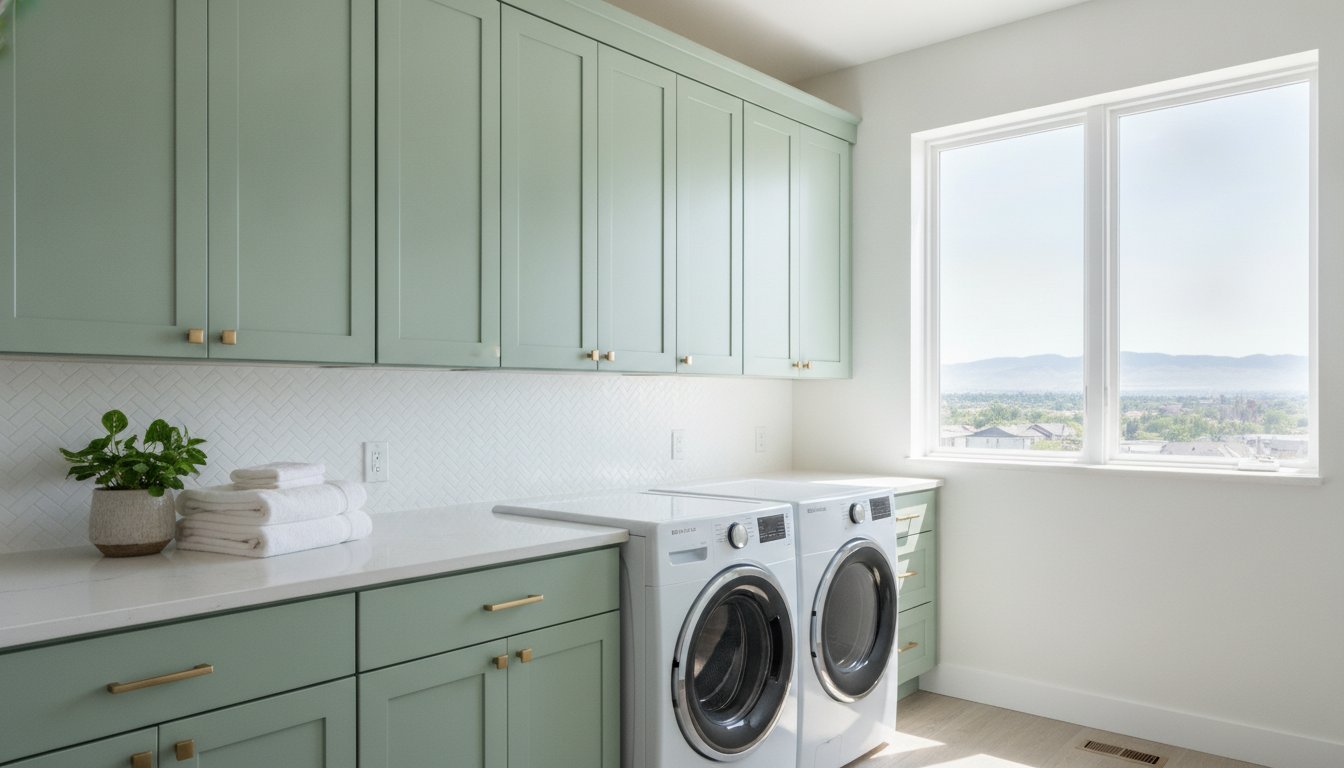
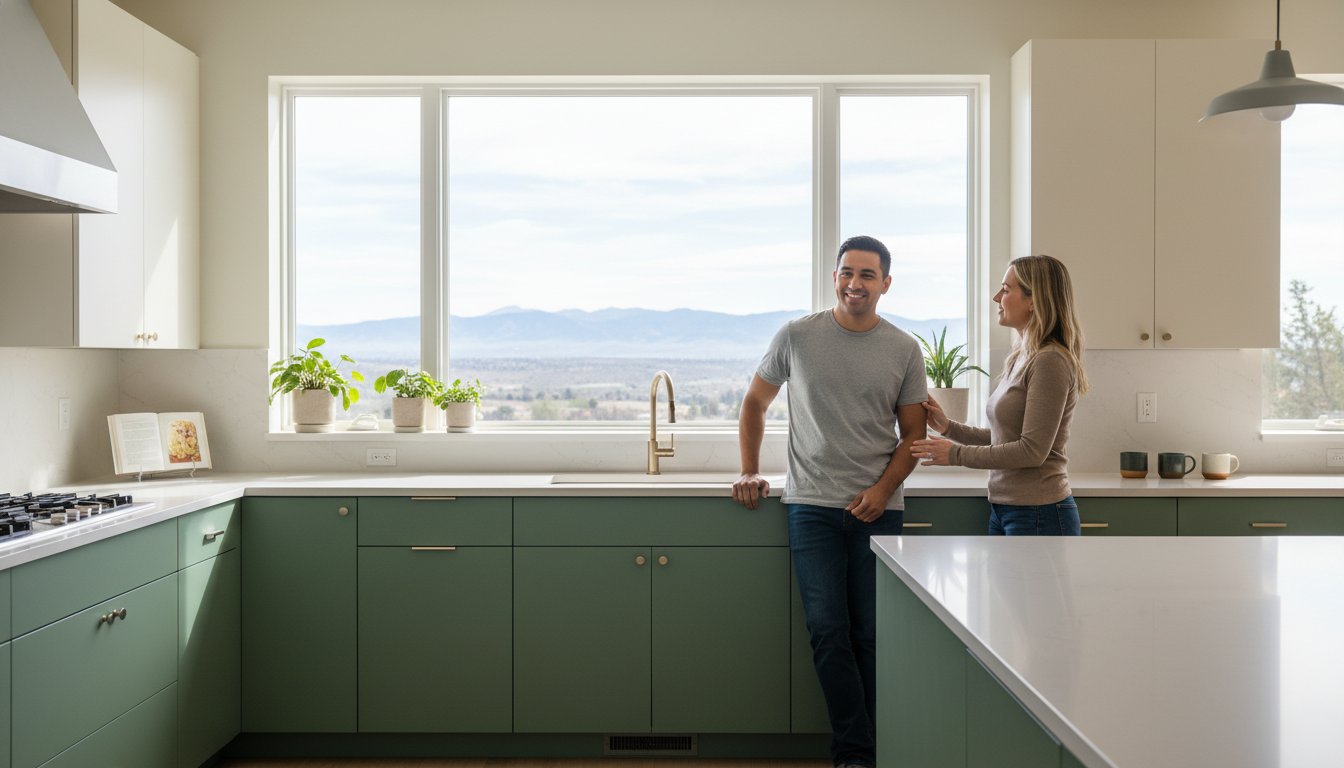
Denver homeowners are currently moving away from stark white in favor of earthy, nature-inspired tones. Sage green, soft terracotta, and rich taupe are the most requested colors for 2026. These shades reflect the Colorado landscape and provide a warmer, more organic feel than the clinical palettes used in previous years.
How much disruption should I expect during a cabinet painting project?
Disruption is minimal when compared to a full remodel. The cabinet painting vs refacing denver comparison shows that painting keeps your kitchen functional for the majority of the project. Since doors are processed at an off-site facility, the in-home work is usually completed within 2 to 3 days of a 5 to 7 day total timeline.
Do I need to empty my cabinets before they are painted or refaced?
You must empty all cabinets before the project begins. This protects your dishes and cookware from fine dust and allows technicians unobstructed access to the frames. Removing all items ensures that cleaning, sanding, and coating can be performed with procedural clarity, resulting in a cleaner and more professional final result.
Is refacing or painting better for the environment?
Professional painting is the more sustainable choice for a kitchen update. It prevents high-quality wood doors and drawer fronts from entering Denver landfills. Refacing generates significant waste by discarding original components and requires the energy-intensive manufacturing and shipping of new materials. Refinishing maximizes the lifespan of your existing cabinets while reducing your home’s carbon footprint.