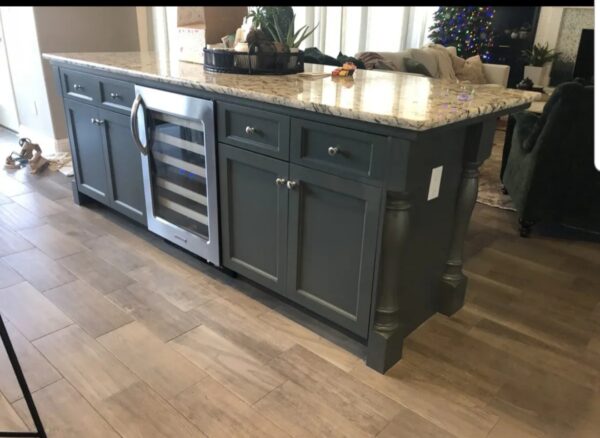

Did you know that a minor kitchen update like Kitchen Cabinet Painting can deliver a return on investment of over 100%? In 2026, many Denver homeowners are choosing this route to refresh their space without the high cost of a full replacement. However, initial estimates can often feel opaque or inconsistent. Understanding the specific factors affecting cabinet painting cost is the first step toward a successful renovation that stays within your budget.
It’s common to feel concerned about hidden fees or the long-term durability of a lower-priced job. You require a finish that resists wear, but you also need a transparent breakdown of how your budget is allocated. This guide provides a clear overview of the variables that influence professional estimates. We’ll examine how cabinet condition, kitchen layout, and application methods determine the final requirements for your project.
Key Takeaways
- Learn why professional estimates move beyond simple per-door pricing to include total component counts and labor complexity.
- Identify the specific physical and technical factors affecting cabinet painting cost, including cabinet condition and ornate trim styles.
- Understand how the Denver labor market and local climate conditions influence professional rates and project timelines.
- Evaluate the high return on investment for Kitchen Cabinet Painting compared to the costs of full kitchen replacements.
- Discover how installment options can provide financial flexibility for your kitchen or bathroom cabinet projects.
The Primary Drivers of Professional Cabinet Painting Costs
Professional cabinet painting estimates aren’t arbitrary. They rely on specific metrics that reflect the time and materials required for a high-quality result. The core factors affecting cabinet painting cost include linear footage, total component count, and the overall complexity of the labor involved. While some homeowners look for a simple “per door” price, Denver contractors typically use this as a baseline rather than a final figure. It’s a starting point that doesn’t account for the intricacies of your specific kitchen layout.
A factory-grade refinish differs significantly from a standard re-paint. It utilizes industrial coatings and professional HVLP (High Volume Low Pressure) sprayers to achieve a smooth, durable surface. The type of kitchen cabinet materials also dictates the specific primers and preparation steps needed. Wood, MDF, and laminate each react differently to professional coatings, which influences the technical requirements and equipment baseline for the job.
To better understand how these variables influence your estimate, watch this helpful video:
Linear Footage vs. Component Count
Estimating by the number of doors and drawer fronts provides the most accurate reflection of shop-time labor. Each piece must be removed, cleaned, sanded, and sprayed individually. Linear footage in cabinet painting refers to the horizontal measurement of the cabinet boxes along the wall. However, this metric alone doesn’t account for the density of drawers or the presence of large pantry units. Custom islands or specialized projects like Bookshelves cabinet painting often require more intensive detailing, which increases the total component count beyond standard kitchen expectations.
Kitchen Layout and Accessibility
The physical environment of your kitchen impacts the final quote. Tight spaces make masking and containment more difficult for technicians. If your cabinets reach the ceiling, labor time increases because of necessary ladder work and the precision required for crown molding. Additionally, working in an occupied home requires daily cleanup and strict dust containment. This differs from the workflow in an empty, unoccupied space where technicians can move more freely. These logistical details are essential factors affecting cabinet painting cost that ensure the project remains organized and efficient.
Physical Factors: Doors, Drawers, and Detailed Trim
The quantity of doors and drawers in your kitchen is the most accurate way to measure labor. Each individual component requires its own cycle of cleaning, sanding, and spraying. While square footage might work for flooring, it fails to capture the complexity of cabinetry. A kitchen with 40 small doors requires significantly more labor than a kitchen with 20 large doors. This inventory serves as one of the primary factors affecting cabinet painting cost because it dictates total shop time.
Homeowners must also decide on the specific scope of the project. This involves choosing whether to paint only the exterior frames and door faces or to include the interior of the cabinet boxes. Painting interiors increases the surface area and requires more masking. Most standard projects focus on the visible surfaces. If you have glass-front cabinets, painting the interior is usually necessary to maintain visual consistency. These decisions should be made during the initial planning phase to ensure your requirements are clear.
Cabinet Style and Surface Complexity
Cabinet design affects the speed of the preparation phase. Flat-panel “Euro” style cabinets feature smooth surfaces that are quick to sand and spray. In contrast, ornate styles like raised panel or “shaker” cabinets have recessed edges and corners. These areas collect dust and grease, requiring more detailed hand-cleaning and careful spray angles. Intricate crown moldings or light valances also add to the workload. These elements often require hand-finishing or extra masking to protect adjacent ceilings and walls. Specialized units like built-in wine racks or open shelving require more time than a standard door. These details ensure a professional look but increase the labor hours required for the project.
Hardware and Accessory Upgrades
Updating hardware is a common part of Kitchen Cabinet Painting or Bathroom Cabinet Painting. If you choose to replace traditional hinges with soft-close concealed hinges, additional labor is required for drilling new cup holes. Changing handle sizes also impacts the workflow. Technicians must fill existing holes with specialized wood filler, sand them flush, and drill new holes for modern hardware. The Cost vs. Value Report highlights that these minor kitchen updates provide substantial aesthetic and functional benefits. Selecting the right pulls and knobs is a critical step; you can read more about how to choose cabinet hardware to ensure your new finish is complemented by modern accents. If you are planning a refresh, assessing these details early helps establish a realistic cabinet painting budget for your home.
Technical Factors: Condition, Prep, and Material Quality
Technical variables often represent the largest portion of labor hours in a professional quote. The current state of your cabinetry determines the baseline for preparation requirements. If your cabinets have peeling thermofoil or a failing factory lacquer, they require extensive stripping before new coatings can be applied. This restoration work is one of the critical factors affecting cabinet painting cost because it involves chemical or mechanical removal of old material that simple sanding won’t fix.
Kitchens are high-activity areas where cooking residue and oils accumulate on surfaces over time. This “grease factor” necessitates a rigorous cleaning and de-glossing phase to ensure the new finish adheres correctly. Without this step, even the highest quality paint will eventually bubble or peel. Professional teams spend hours on this phase to guarantee a finish that withstands daily use. For those considering a refresh, these technical requirements apply equally to Kitchen Cabinet Painting, Bathroom Cabinet Painting, and specialized projects like Bookshelves cabinet painting.
The Invisible Costs of Proper Preparation
Professional preparation follows a strict 3-step cleaning process: degreasing, de-glossing, and tack-cloth wiping. Each step is vital for removing contaminants and creating a “mechanical tooth” for the primer. Sanding protocols also drive labor costs. Machine-sanding with integrated dust extraction is superior to hand-sanding as it provides a more uniform surface profile while keeping your home clean. Grain filling transforms porous wood like oak by sealing the deep natural pits in the timber to create a perfectly level surface for a factory-like finish. This specialized service is essential for homeowners who want to eliminate the dated look of heavy wood grain.
Primer and Topcoat Selection
Material quality is another area where professional services differ from DIY efforts. High-adhesion primers are necessary for kitchen environments where high heat and moisture are constant. These primers create a chemical bond with the substrate that standard hardware store products can’t match. Additionally, the chemistry of the topcoat impacts the final price. Professional 2K polyurethanes provide a harder, more durable surface than DIY-grade latex. We prioritize products with low VOC levels to protect your in-home air quality during the project. For a deeper dive into the products we use, see our guide on the best paint for cabinets. Selecting the right materials is one of the most important factors affecting cabinet painting cost and long-term durability.

Denver Market Dynamics and Professional Labor
Regional economic conditions in Colorado directly influence professional rates. High demand for skilled labor in the Denver Metro area means labor costs reflect the local cost of living. Since labor typically represents 70% to 80% of a total project, these market dynamics are significant factors affecting cabinet painting cost. Professional contractors also maintain insurance and bonding. This overhead protects your property and ensures compliance with safety standards, providing a level of security that unlicensed labor cannot offer.
Denver’s semi-arid climate offers specific advantages for coating applications. Low humidity levels accelerate curing times, which can shorten the overall project duration. However, this dry air requires technicians to use specialized product handling. Coatings can dry too quickly in the spray gun if not managed correctly, resulting in surface texture defects. Professionals adjust their equipment and additives to compensate for these local atmospheric conditions. This expertise prevents the “orange peel” texture often found in amateur applications.
Why Denver Homeowners Choose Professional Spraying
A factory-quality finish is a priority for homeowners focused on resale value. In the Denver real estate market, buyers look for durable, smooth surfaces that mimic new cabinetry. We employ a shop-based model where doors and drawers are finished in a dust-free, controlled environment. This method yields superior results compared to on-site brushing or rolling. It’s vital to hire experienced cabinet painting contractors who understand the technical requirements of industrial spray equipment.
Logistics and Project Management
Logistical details like travel and containment also impact the final estimate. Costs may vary based on your distance from the central Denver area or the complexity of the setup. Professional project management includes the installation of Zip-wall containment systems to isolate the work area. This prevents overspray from reaching other parts of your home and maintains air quality. The timeline factor is also a consideration; while a DIY job can shut down a kitchen for weeks, a professional crew streamlines the process to minimize your home’s downtime. If you want to move forward with your renovation, contact our team to discuss your project requirements.
Managing the Investment: ROI and Installment Options
Cabinet painting is a high-yield investment for your home. While a full kitchen remodel typically offers a return on investment of 15% to 20%, a minor update like Kitchen Cabinet Painting can deliver a return of over 100% based on 2026 market data. This efficiency makes it a preferred choice for Denver homeowners who want to refresh their space or prepare for a home sale. A professional finish prevents potential buyers from demanding large credits for a full kitchen renovation. Understanding the specific factors affecting cabinet painting cost helps you distinguish between a superficial coating and a durable finish that adds genuine equity to your property.
The “cheap quote trap” is a common risk in the local market. The lowest price often reflects a lack of insurance, inferior materials, or skipped preparation steps. A budget job may look acceptable initially but often fails within a year due to poor adhesion. These hidden costs eventually exceed the price of a professional application. We focus on procedural clarity and transparency, ensuring our clients understand the value of industrial-grade coatings and rigorous labor standards. This commitment to quality applies to all our services, including Bathroom Cabinet Painting and Bookshelves cabinet painting.
Financing and Installment Plans
Installment plans allow you to begin your renovation project without a significant upfront cash burden. These plans break down the total investment into manageable monthly payments. This financial flexibility enables you to choose a high-end factory finish that fits your long-term goals. We provide detailed line-item estimates so you can see exactly how your budget is allocated. Transparent pricing eliminates the confusion often found in vague, one-page quotes. By leveraging financing, you can address the technical requirements of your cabinetry now rather than delaying the project and risking further surface degradation.
Long-Term Value and Durability
Durability is a critical consideration in the Denver climate. Professional refinishing ensures the coating remains stable during extreme temperature fluctuations and low humidity levels. A professional application uses specialized primers that bond chemically to the wood, preventing the cracking and peeling common in DIY-grade projects. While a lower-tier job might save money today, a professional finish lasts significantly longer and maintains its aesthetic appeal under heavy daily use. We structure our service levels to provide the best possible protection for your cabinetry. To see a clear breakdown of the factors affecting cabinet painting cost for your specific project, you can get your transparent, line-item cabinet painting quote today.
Achieve a Professional Finish for Your Denver Home
Successful kitchen updates depend on a clear understanding of the technical and physical requirements involved. You’ve seen how component counts, surface prep, and material selection serve as the primary factors affecting cabinet painting cost. While entry-level options might seem attractive, a factory-grade spray finish provides the long-term durability required for the Denver climate. Choosing professional application ensures your home receives a high return on investment while avoiding the pitfalls of a failing DIY project.
Our team specializes in Kitchen Cabinet Painting, Bathroom Cabinet Painting, and Bookshelves cabinet painting with a focus on procedural clarity. We offer flexible payment and installment plans to help you start your transformation sooner without the upfront financial burden. As Denver’s local cabinet experts, we provide the technical precision needed for a smooth, resilient surface.
Request Your Free, Transparent Cabinet Painting Estimate today and move forward with a professional plan for your renovation.
Frequently Asked Questions
How much does it cost to paint kitchen cabinets on average in Denver?
The average cost to hire a professional for Kitchen Cabinet Painting in Denver is approximately $800. This figure represents the local baseline for labor and materials as of March 2026. Final quotes depend on your specific kitchen size and the total count of components requiring treatment. Most homeowners find this significantly more affordable than a full replacement which can cost between $8,000 and $20,000.
Can I pay for my cabinet painting project in installments?
Yes, flexible payment and installment plans are available to help manage your home improvement budget. This option allows you to proceed with a professional factory-grade finish without the requirement for a full upfront payment. It provides financial flexibility while ensuring your project is completed using high-quality industrial coatings. We provide detailed estimates so you can see how these payments align with your project scope.
Why is professional cabinet painting more expensive than DIY?
Professional services carry a higher price because labor accounts for 70% to 80% of the total investment. This includes specialized preparation, machine sanding with dust extraction, and the use of industrial HVLP spray equipment. A DIY project typically requires 20 to 40 hours of labor and lacks the durability of shop-grade coatings. Professionals ensure a smooth, resilient finish that DIY efforts cannot replicate.
Does the color of the paint affect the total cost?
Color selection influences the final estimate because certain pigments require more labor and material. Darker colors or vibrant tones often need additional coats to achieve full opacity and consistent depth. Transitioning from a dark wood to a light neutral also requires specific high-hide primers. These requirements are technical factors affecting cabinet painting cost that technicians evaluate during the initial inspection of your cabinetry.
What happens if my cabinets are in poor condition or have peeling paint?
Cabinets in poor condition require mechanical or chemical stripping to remove failing material before new coatings are applied. Peeling paint or failing lacquer creates an unstable substrate that prevents proper adhesion. While this restoration work increases the total labor hours, it’s a critical requirement for a long-lasting result. This intensive preparation ensures that your Kitchen Cabinet Painting or Bathroom Cabinet Painting project remains durable for years.
Is grain filling for oak cabinets worth the extra cost?
Grain filling is a high-value option for homeowners who want to modernize dated oak cabinets. This process involves applying a specialized filler to seal the deep natural pits in the wood grain before the priming stage. It creates a perfectly smooth, level surface that mimics the look of new, modern cabinetry. While it increases the labor cost, the aesthetic improvement significantly boosts the overall appeal of the space.
How long does a professional cabinet painting job typically take?
A professional project typically requires three to five business days to complete from start to finish. The process involves on-site masking and box painting combined with shop-based spraying for the doors and drawers. This streamlined timeline minimizes the downtime in your home compared to DIY projects that can take several weeks. Larger kitchens or those with intricate moldings may require additional time for detailed hand-finishing.
Will painting my cabinets increase the resale value of my home?
Updating your cabinetry is an effective way to increase resale value, often providing a return on investment of over 100%. Modernizing the kitchen attracts more buyers and can prevent them from requesting large price reductions for a full remodel. A professional finish provides a clean, updated look that significantly improves the first impression of your home. This makes it a strategic choice for homeowners preparing to enter the real estate market.