Is your kitchen renovation a strategic investment in your home’s value or a countdown to peeling paint and warped wood? In Colorado’s unique environment, the decision between cabinet staining vs painting denver is a technical choice that directly impacts both aesthetics and long-term durability. You likely recognize that the kitchen is the heart of the home, and you want a finish that reflects high-end quality without the risk of a "cheap" appearance. Denver’s high altitude and low humidity create specific challenges for woodwork that standard retail products often fail to address.
Cabinet Painting Service Areas in Denver & Surrounding Cities, Cabinet Refinishing in Denver County, Boulder CO,
Arvada, CO, Wheat Ridge, CO,
and Castle Pines CO. Englewood CO. Castle Rock CO, Centennial CO.
Cabinet Painting in Arapahoe County, CO
Including Centennial, CO, Greenwood Village, CO,
Cherry Hills Village, CO,
and Aurora, CO.
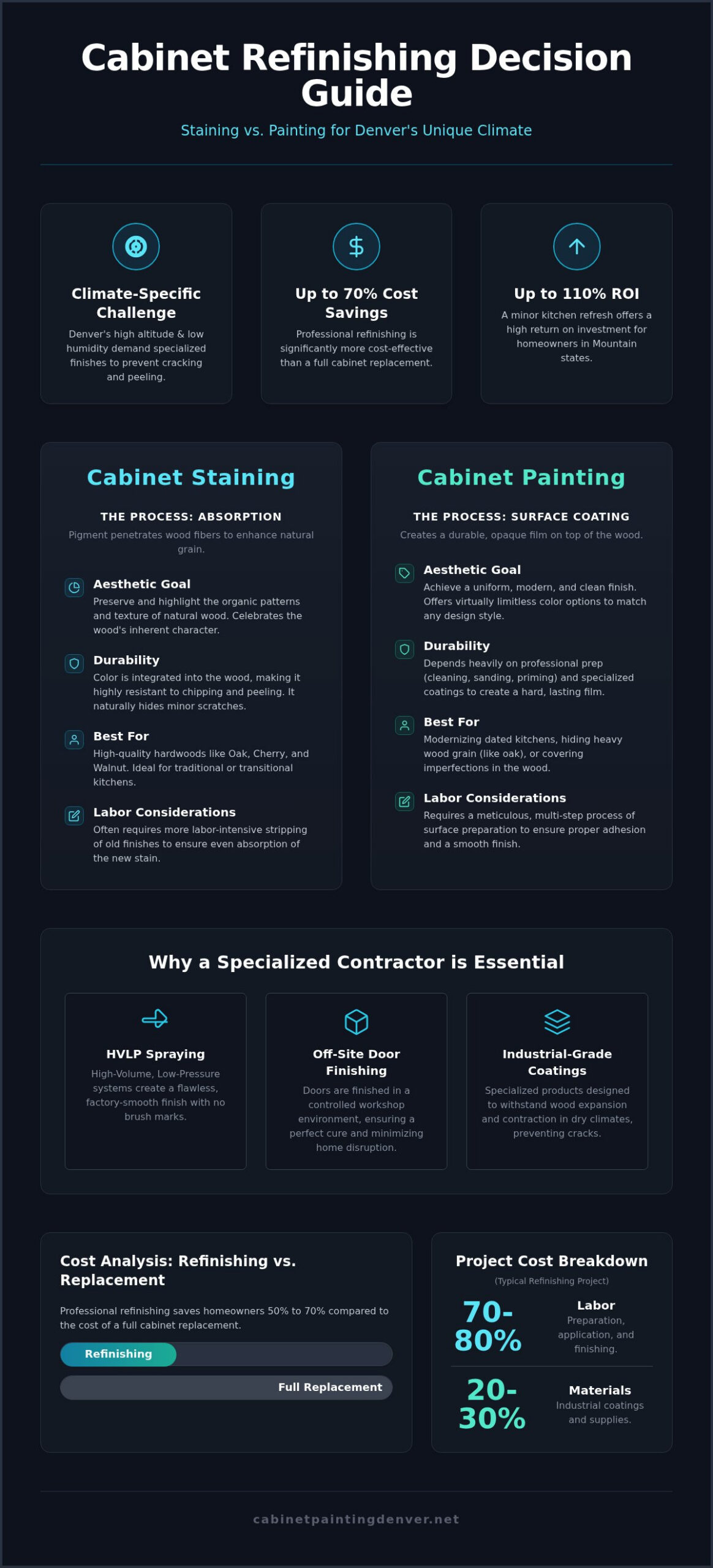
This expert guide clarifies the functional differences between staining and painting to help you determine which method best suits your cabinetry. You’ll learn how professional HVLP spraying and specialized industrial coatings provide a factory-smooth finish that resists the cracking common in dry climates. We also preview the cost-to-value ratio of each method, showing how professional refinishing can save up to 70% compared to full replacement while offering a potential ROI of up to 110% for homeowners in the Mountain states.
Key Takeaways
- Understand how the technical choice between cabinet staining vs painting denver affects long-term durability in Colorado’s dry, high-altitude climate.
- Learn why professional refinishing offers up to 70% cost savings compared to cabinet replacement while providing a potential ROI of 110%.
- Discover the importance of HVLP spraying and off-site door finishing for achieving a factory-smooth result that resists peeling and cracking.
- Identify which finish best suits your specific wood species, whether you want to highlight natural grain or modernize a dated kitchen with solid color.
- Recognize the procedural requirements that differentiate a specialized cabinet contractor from a general house painter.
Cabinet Staining vs. Painting: Defining the Best Path for Your Kitchen
Choosing between cabinet staining vs painting denver requires an understanding of how different materials interact with wood fibers. Staining is an absorption process where the pigment penetrates the wood to enhance the existing grain. Painting acts as a surface coating, creating a durable film on top of the substrate. It’s a technical choice. Cabinet refinishing is the professional process of revitalizing surfaces while changing color or sheen.
The technical success of your project depends on your specific wood species and its current condition. Open-grain woods like oak respond differently to coatings than tight-grain woods like maple. These wood finishing techniques must account for Denver’s dry climate to prevent future failure. Investing in high-end kitchen cabinet painting or staining significantly impacts your home’s ROI. Grain matters when deciding on the final look.
To better understand this concept, watch this helpful video:
The Aesthetic Impact of Each Choice
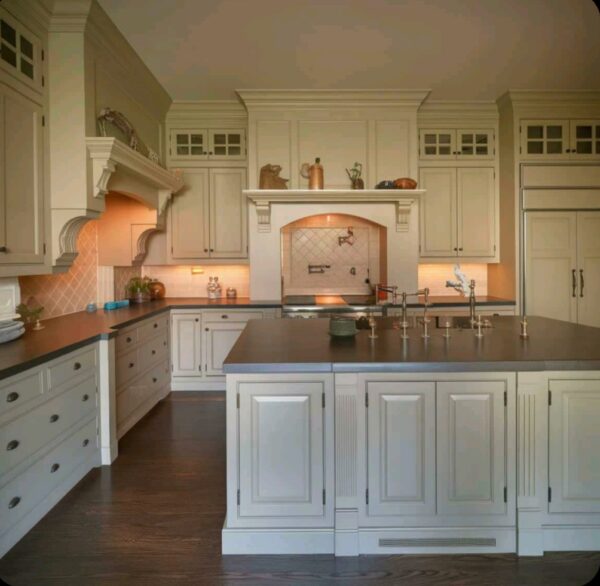
Staining highlights organic patterns and natural wood textures. It’s the preferred route for homeowners with premium hardwoods like cherry or walnut who want to showcase the wood’s inherent character. Painting provides a uniform, modern aesthetic with virtually limitless color options. It’s the most effective way to hide heavy grain or dated wood tones. In 2026, Denver design trends favor white oak cabinets with natural or honey stains. For painted finishes, muted sage greens and warm whites dominate the local market. Your home’s architectural style often dictates which finish feels most authentic.
Financial Considerations for Homeowners
Labor accounts for 70% to 80% of the total project cost for cabinet refinishing. Staining often requires more labor-intensive stripping of existing finishes to ensure the new stain absorbs evenly. Painting involves a detailed multi-step process of cleaning, sanding, and priming to ensure adhesion. Despite the labor, professional cabinet staining vs painting denver remains highly cost-effective. It typically costs 50% to 70% less than a full cabinet replacement. For homeowners in the Mountain states, a minor kitchen refresh can yield an ROI of up to 110%. Choosing the right finish ensures your investment holds up against Denver’s high altitude and fluctuating temperatures. Costs stay low while value increases.
The Case for Cabinet Staining: Preserving Natural Wood Beauty
Staining is the preferred choice when the goal is to maintain the organic warmth of a traditional or transitional kitchen. Unlike paint, which sits on top of the surface, stain penetrates the wood fibers to enhance the existing grain. This method is ideal for high-quality hardwoods such as Oak, Cherry, and Walnut. In the context of cabinet staining vs painting denver, staining offers a forgiving finish. It naturally resists visible scratches and chips because the color is integrated into the material rather than layered over it. The result is a tactile, durable surface that celebrates the wood’s history and unique character.
Professional cabinet refinishing allows homeowners to deepen existing tones or shift the color palette while preserving the wood’s character. If you’re unsure if your wood species is a candidate for this process, consulting with a specialist at Cabinet Painting Denver can provide technical clarity on your kitchen’s potential. Our team evaluates the density and condition of your substrate to ensure the stain absorbs uniformly across all surfaces.
Pros of Stained Cabinetry
- Durability: Stain seeps into the cellular structure of the wood. This penetration makes it less prone to peeling than surface-level coatings, especially in fluctuating environments where wood naturally expands and contracts.
- Ease of touch-ups: Minor damage often blends into the existing grain. Repairs are typically simpler because you don’t have to worry about matching a perfectly smooth, opaque film that might highlight the patch.
- Grain visibility: According to the USDA guide to wood finishing, the performance of a finish depends heavily on the wood’s physical properties. Staining showcases these natural characteristics without obscuring the unique patterns of the piece.
Cons and Limitations of Staining
Staining does not hide imperfections. If the wood has mismatched grain patterns, mineral streaks, or structural repairs, a translucent stain will reveal them. This makes it a poor choice for lower-quality cabinets where the wood was never intended to be seen. Color transitions are also limited. Moving from a dark stain to a lighter shade is extremely labor-intensive. It requires deep stripping and sanding that can potentially damage thin veneers. Finally, material constraints are absolute. Staining is not recommended for MDF or low-grade plywood cabinets. These materials lack the natural grain required for an attractive result and often absorb stain unevenly, leading to a blotchy appearance that lacks the high-end feel of solid hardwood.
The Power of Professional Cabinet Painting: A Modern Transformation
Professional painting is the primary method for modernizing dated kitchens, particularly those featuring 90s-era honey oak. While staining preserves the existing character, painting provides a complete aesthetic reset. In the debate of cabinet staining vs painting denver, homeowners often choose paint for its ability to hide heavy wood grain and create a uniform surface. Success depends on using industrial-grade coatings rather than standard retail latex. Industrial coatings provide the chemical resistance and hardness required to withstand daily kitchen use without softening or peeling. Standard house paint lacks the resin density needed for high-touch surfaces like cabinet doors.
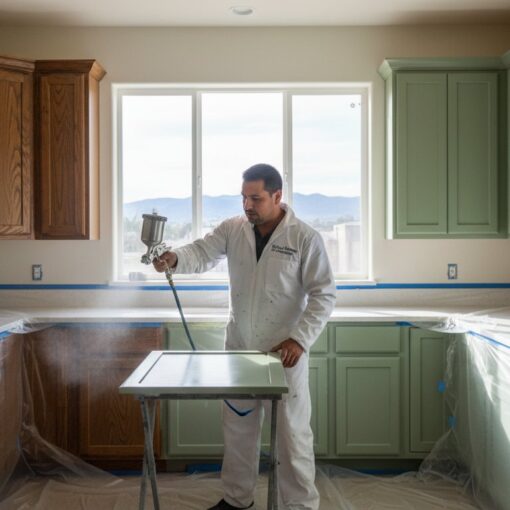
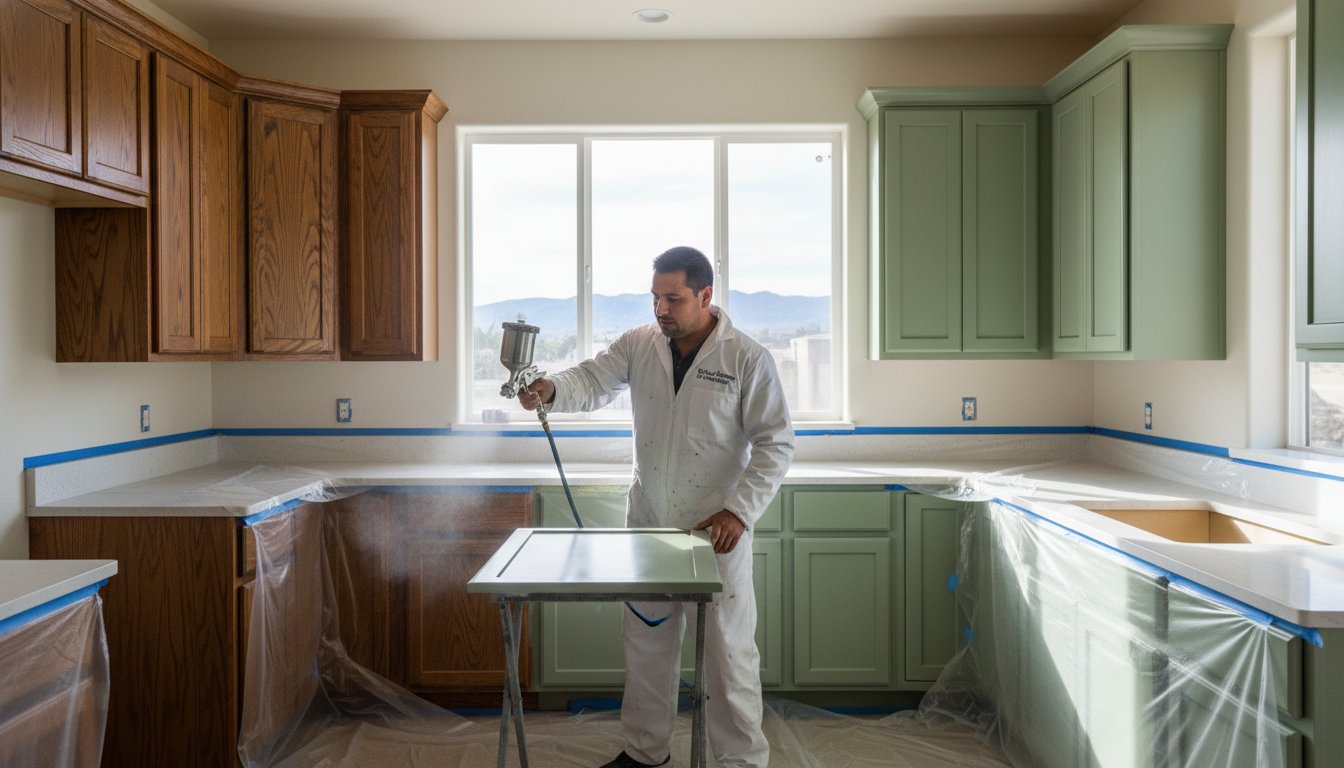
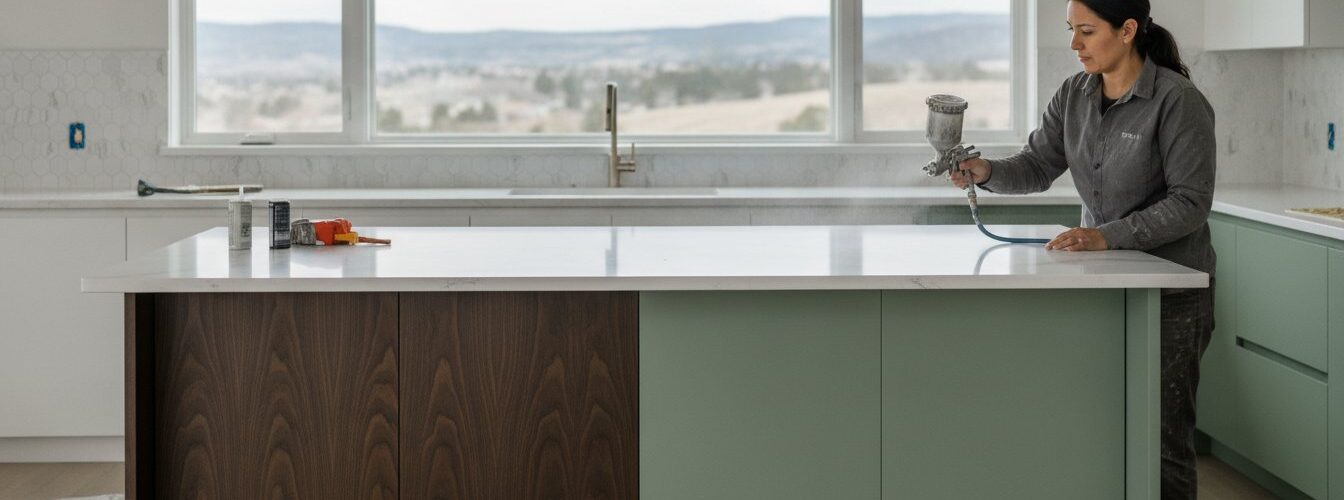
Achieving a factory-like result requires High Volume Low Pressure (HVLP) spraying. This technology applies material at a lower pressure, which reduces overspray and ensures a smooth, even film. Understanding the cost to paint kitchen cabinets in 2026 is essential for planning your renovation budget. While the initial investment for professional spraying is higher than a brush-and-roll DIY project, the durability and finish quality provide a significantly higher return on investment. A professional finish ensures the coating adheres correctly to the substrate, preventing the common failure points seen in general painting projects.
The "Factory-Smooth" Advantage
Professional spraying eliminates the brush marks, drips, and texture common with standard painting methods. High-build primers play a critical role in this process by filling in minor imperfections and leveling the surface. For woods with deep grain, like oak, these primers help create a mirror-like finish that mimics new, high-end cabinetry. This level of precision is what differentiates a specialized contractor from a general house painter. The goal is a surface that looks like it was manufactured in a factory, not painted in a home. Proper sanding between coats ensures a tactile smoothness that retail paints cannot achieve.
Color Versatility and Design Freedom
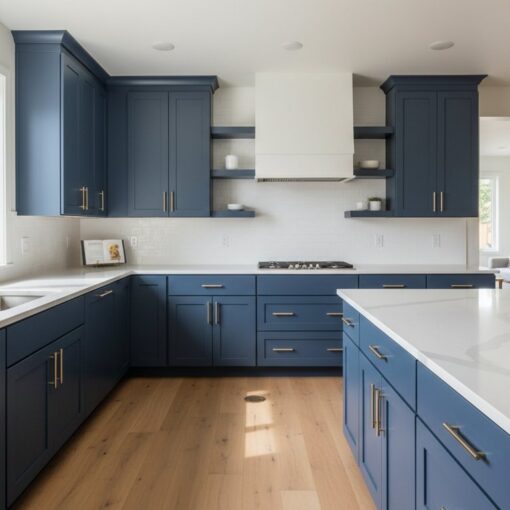
Painting offers design flexibility that stain cannot match. While white remains a classic choice, 2026 trends in Denver show a shift toward bold, moody tones like charcoal gray, navy blue, and muted sage greens. Two-tone kitchens are also highly popular, often featuring a painted island paired with stained perimeter cabinets. This combination allows you to enjoy the modern feel of paint while retaining some natural wood warmth. Additionally, light-colored paint is the most effective solution for brightening kitchens that lack sufficient natural light. It reflects light throughout the space, making small or dark kitchens feel significantly more open and functional.
Decision Framework: Staining vs. Painting for Denver Homes
Selecting the right finish requires evaluating the substrate and the local environment. When weighing cabinet staining vs painting denver, the density of the wood grain is the first technical hurdle. Your choice must align with the physical properties of the wood to ensure a finish that doesn’t fail prematurely. Beyond aesthetics, the architectural style of your home and the specific requirements of the Colorado climate dictate the most viable path for long-term value. Technical assessment precedes color selection.
Wood Species Selection Guide
The success of your refinishing project starts with the material. Oak is a versatile species but features a deep, open grain. If you choose to paint oak, the texture will remain visible unless you use high-build primers to fill the pores. Conversely, oak is ideal for staining if you appreciate tactile wood patterns. Maple is considered the gold standard for a smooth, painted finish due to its tight grain and uniform density. It allows for a level surface that looks like factory-new cabinetry. MDF and other engineered woods are strictly for painting. These materials lack the natural cell structure to absorb stain evenly, making them unsuitable for anything other than opaque coatings.
The Denver Climate Factor
Denver’s low humidity significantly impacts how coatings cure. Dry air accelerates the evaporation of solvents in industrial coatings, which can lead to "checking" or fine cracks if the material is applied too thickly. Specialized cabinet painters must adjust their spray mix and technique to account for both the low humidity and the high altitude. Altitude affects the atomization of the coating as it leaves the HVLP nozzle, requiring precise adjustments to air pressure and fluid flow. These technical calibrations prevent the finish from becoming brittle during dry Colorado winters. If you are ready to determine the best technical path for your kitchen, request a professional finish evaluation today.
Budgeting for prep work is the final piece of the framework. Stripping cabinets back to bare wood for a new stain is a labor-intensive process that typically costs more than the preparation required for painting. Painting requires thorough cleaning and sanding to create a mechanical bond for the primer. While painting is generally more budget-friendly for a total color change, staining offers a higher degree of scratch resistance in high-traffic kitchens. Your decision should balance the initial cost of preparation against the desired longevity of the aesthetic. Match the process to your home’s architectural vibe for the best results.
Why a Specialized Cabinet Contractor is Essential for Both Finishes
The technical execution of cabinet staining vs painting denver requires a workflow that standard house painters simply aren’t equipped to handle. While a general contractor might use brushes or rollers on-site, a specialized cabinet painter utilizes a controlled shop environment for all removable components. This off-site finishing is non-negotiable for achieving a factory-quality result. It prevents household contaminants, such as pet hair or kitchen dust, from settling into the wet coating. By moving the most intensive part of the project to a dedicated facility, we also minimize the duration of the disruption in your home.
Proper re-installation is the final, critical step in the refinishing process. Even the most beautiful finish fails to impress if the doors are misaligned or the hardware doesn’t function smoothly. We ensure every door hangs straight and every hinge is calibrated for perfect clearance. This precision prevents the rubbing and chipping that often occurs with amateur installations. The Cabinet Painting Denver guarantee ensures that your kitchen looks and functions like new. We focus on procedural clarity to deliver a durable, high-end surface every time.
Our Specialized Refinishing Process
Adhesion is the most common failure point in kitchen refinishing. We begin with industrial degreasing to remove years of accumulated cooking oils and residues that a standard cleaning would miss. This creates a chemically clean surface for our coatings to bond with. We also prioritize the safety and cleanliness of your living space during the on-site portion of the job. Professional dust containment involves heavy-duty plastic sheeting and HEPA-filtered air scrubbers. This setup protects your home’s air quality while we spray the fixed cabinet boxes, ensuring a clean application that matches the quality of the off-site doors.
Ready to Transform Your Kitchen?
If you’re ready to update your space, we provide a transparent path forward. You can begin by viewing our Cabinet Painting Denver portfolio to see the results of our specialized spraying process. We offer free, detailed estimates that outline the specific requirements for your wood species and layout. This ensures there are no surprises regarding the status or cost of your renovation. Our team is dedicated to providing a finish that stands up to daily use while significantly increasing your home’s aesthetic appeal. Contact Cabinet Painting Denver today for your free quote!
Invest in a Factory-Quality Kitchen Transformation
Selecting the right finish for your home is a technical decision that balances wood species with long-term durability. Whether you prefer the organic warmth of a natural stain or the sleek, modern aesthetic of professional painting, the execution determines the longevity of your investment. In the context of cabinet staining vs painting denver, the dry climate and high altitude necessitate industrial-grade coatings and precise application methods. Standard retail paints and DIY techniques cannot match the resilience of a shop-applied finish.
By choosing a specialized local contractor, you ensure your cabinetry receives professional HVLP spraying for a factory-smooth result. This procedural clarity minimizes disruption in your home while maximizing the return on your renovation budget. We provide the expertise needed to navigate Denver’s environmental challenges, delivering a finish that resists cracking and peeling. It’s time to revitalize your kitchen with a surface that looks and performs like new.
Get a Free Quote from Denver’s Cabinet Refinishing Experts
We look forward to helping you achieve a high-end look that adds lasting value to your home.
Frequently Asked Questions
Is it cheaper to stain or paint kitchen cabinets?
Kitchen Cabinet Painting is typically more cost-effective than staining for a complete color change. Staining often requires stripping the wood back to its raw state, which is a labor-intensive process. Painting relies on thorough cleaning, sanding, and priming to achieve a durable bond. Both options offer significant savings compared to full cabinet replacement, which can cost twice as much as professional refinishing. The choice ultimately depends on your existing wood and desired outcome.
Can you stain over cabinets that have already been painted?
You cannot apply stain directly over painted surfaces because stain must penetrate the wood fibers to work. If your cabinets are currently painted, the existing coating must be completely stripped and the wood sanded down to its raw state. This process is complex and time-consuming. Most homeowners with previously painted cabinets choose to repaint them to update the look without the high labor costs associated with deep stripping and chemical removal.
How long does a professional cabinet painting job last in Denver?
A professional cabinet painting job using industrial-grade coatings typically lasts 8 to 10 years or more. In the context of cabinet staining vs painting denver, the longevity depends on the use of flexible finishes that resist cracking during seasonal humidity shifts. Proper maintenance and avoiding harsh chemicals during cleaning will help preserve the factory-smooth surface. Our specialized workflow ensures the finish adheres correctly to withstand daily wear in a busy kitchen environment.
Do painted cabinets chip more easily than stained ones?
Painted cabinets are technically more susceptible to visible chips because the color sits on the surface as a film. Stained cabinets integrate the color into the wood, making minor scratches less noticeable. However, professional industrial coatings are significantly harder and more durable than standard retail paint. When applied using HVLP sprayers, these finishes create a resilient bond that resists chipping under normal kitchen conditions better than any DIY application or general house paint.
Will I still see the wood grain if I paint my oak cabinets?
You will likely see the texture of the grain if you paint oak cabinets without specialized preparation. Oak has deep, open pores that remain visible under standard paint layers. To achieve a completely smooth, grain-free look, we use high-build primers to fill the wood’s pores before applying the topcoat. This extra step is essential for homeowners who want a sleek, modern aesthetic rather than a traditional textured wood appearance in their kitchen.
How long will my kitchen be out of commission during the process?
A standard professional cabinet painting project usually takes 5 to 7 business days to complete. Because we finish your doors and drawer fronts off-site in our controlled shop, your kitchen remains functional for most of that time. We typically spend only two to three days working inside your home to prep and spray the fixed cabinet boxes. This specialized workflow minimizes disruption and keeps your home clean while we complete the renovation.
Do I need to empty my cabinets before the painters arrive?
You must empty your cabinets before the start of the project to allow for thorough preparation and spraying of the cabinet frames. Removing all items ensures that dust and overspray don’t contaminate your belongings. It also provides our team with the necessary access to clean and degrease the interior edges of the boxes. We recommend storing your kitchen items in a safe location until the re-installation process is fully complete and the finish has cured.
Which finish adds more value to a Denver home for resale?
Both finishes add significant value, but the best choice for resale depends on current market trends and your home’s style. Professional cabinet staining vs painting denver projects can yield an ROI of up to 110% in the Mountain states. Painting is often preferred for modernizing dated kitchens to appeal to buyers. Staining is highly valued in luxury homes where premium hardwoods like walnut or cherry are a primary architectural feature. Both options maximize home value.