
Can a local kitchen transformation really achieve a factory-quality finish, or are you destined to see brush marks and drips every time the light hits your cabinets? It’s natural to feel anxious about the long-term durability of a refinishing project. Many homeowners worry that a fresh coat of paint might eventually peel or fail to withstand the daily rigors of a busy kitchen. You want the look of a brand-new space for a fraction of the cost of a full replacement, but you need certainty that the result will be professional.
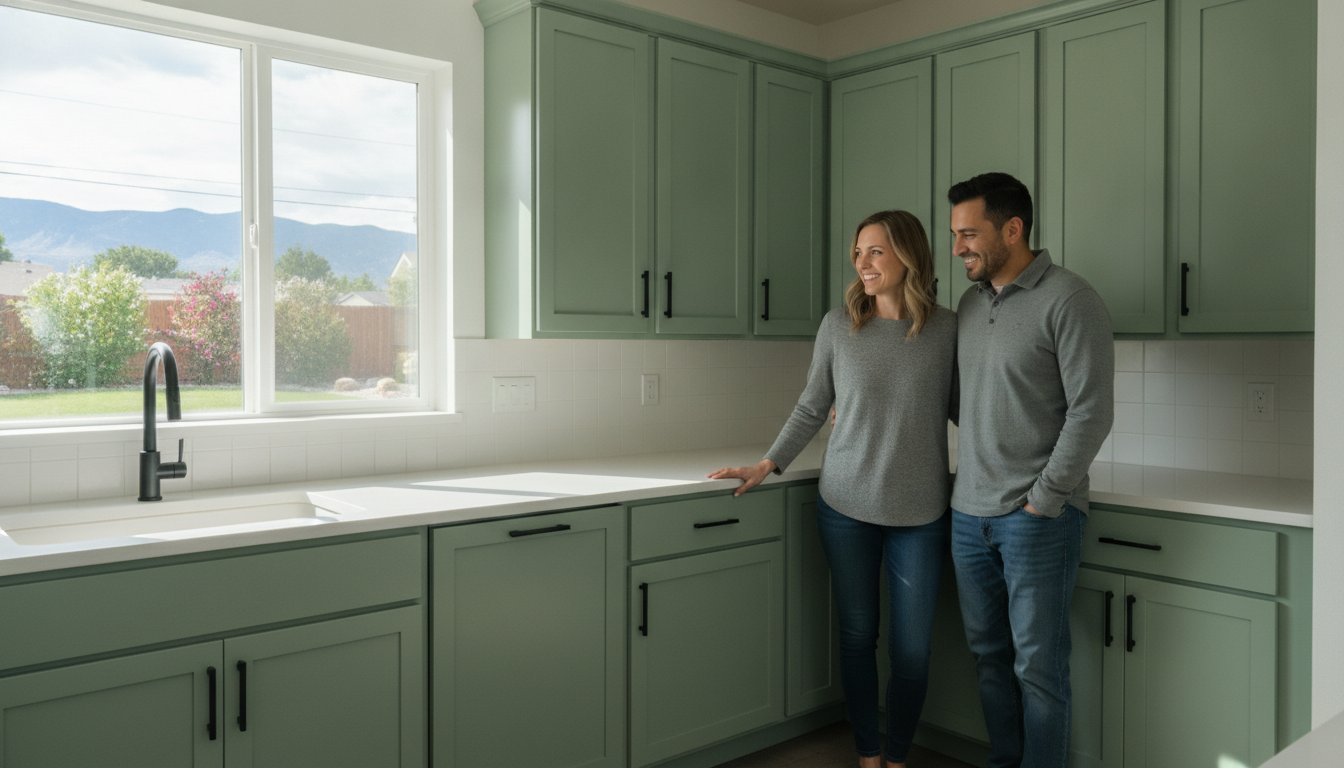
By exploring a professional cabinet painting portfolio denver residents can verify the technical standards required for a high-end result. This article demonstrates how specific procedural steps and professional coatings create a smooth-to-the-touch finish that rivals new cabinetry. We’ll examine the benchmarks of quality kitchen cabinet painting, provide guidance on 2026 color trends like white oak and sage green, and explain the standards that ensure your kitchen remains beautiful for years to come. You’ll learn how to distinguish a standard paint job from a technical refinishing project that sets the aesthetic tone for your entire home.
Key Takeaways
- Learn how to identify technical excellence by inspecting high-resolution macro shots of edges and checking for the absence of visible wood grain in a cabinet painting portfolio denver residents can trust.
- Understand the two-step clinical cleaning and mechanical sanding process required to achieve a smooth, factory-quality substrate for a chemical bond.
- Explore regional style trends, such as Mountain Modern charcoal tones and Suburban Classic whites, for kitchen, bathroom, and bookshelves cabinet painting.
- Identify the chemical differences between industrial-grade coatings and standard paint to ensure your finish resists heat, moisture, and daily kitchen use.
- Evaluate the importance of local expertise and climate-specific application techniques for ensuring a lasting finish in the Front Range environment.
How to Evaluate a Cabinet Painting Portfolio in Denver
Evaluation of a portfolio is the first step in quality control for any home renovation. A collection of images serves as a technical record of a contractor’s standard operating procedures rather than just a gallery of pretty rooms. When reviewing a cabinet painting portfolio denver homeowners should prioritize detail over distance. Look for “macro” shots that focus specifically on the corners and edges of door panels. These areas are where inferior techniques fail first. Drips, thin coverage, or “bridging” where paint pools in crevices indicate a lack of precision in the application process.
To better understand the difference between a quick cosmetic fix and a professional application, watch this helpful video:
High-quality results require a deep understanding of the wood finishing process. For materials like maple or MDF, the final surface must be entirely devoid of visible grain or texture. If a portfolio shows “orange peel” texture or a bumpy surface, the contractor likely skipped mechanical sanding or used improper spray settings. Consistency in sheen is another vital metric. Large panels should reflect light uniformly without “hot spots” or dull patches, which occur when the coating isn’t applied at a consistent wet-film thickness.
A comprehensive cabinet painting portfolio denver should also showcase a variety of cabinet types. Painting oak requires a different preparation strategy than painting cherry or thermofoil. Thermofoil, for example, requires a specialized scuff-sanding process and a high-adhesion bonding primer to prevent delamination. Seeing these diverse projects proves the contractor understands the specific chemical requirements for different substrates found in Denver homes.
Spotting the Difference Between DIY and Professional Results
Visible brush or roller marks are a major red flag in professional kitchen or bathroom cabinet painting. Professional results rely on high-end spray systems that deliver a uniform thickness. For open-grain woods like oak, a professional portfolio should demonstrate grain-filling techniques. This process levels the deep texture of the wood to create the sleek, modern aesthetic popular in current kitchen designs. If the “after” photos still show deep pits and wood pores, it’s a sign of a standard paint job rather than a factory-quality refinishing project.
The Role of Lighting in Portfolio Photos
Lighting serves as the ultimate inspector for any finished surface. We document projects using Denver’s bright, natural high-altitude light because it exposes every minor imperfection. Be wary of portfolios where photos appear overly dark or heavily filtered. These edits often hide poor coverage or uneven color. A transparent contractor will also provide “in-progress” photos. These images show the level of masking and protection used for floors and appliances, proving that the workspace was controlled to prevent dust contamination in the final finish.
The Process Behind Our Factory-Quality Finishes
Every high-resolution image in a cabinet painting portfolio denver homeowners review starts with a rigorous technical sequence. A factory finish isn’t an accident. It’s the result of chemical engineering and mechanical precision. We follow a strict five-step protocol to ensure every kitchen, bathroom, and bookshelf project meets industrial standards for durability and aesthetics. This process ensures that your cabinetry doesn’t just look painted; it looks brand new.
- Step 1: Clinical Cleaning and Degreasing. We remove all cooking oils, waxes, and skin proteins. These contaminants are the primary cause of coating failure. Total removal is mandatory to ensure a permanent chemical bond.
- Step 2: Mechanical Sanding and Dust Extraction. We use professional-grade sanders connected to high-efficiency dust extraction. This creates a smooth substrate and the necessary “tooth” for primer adhesion without leaving debris in your home.
- Step 3: Off-Site HVLP Spraying. Cabinet doors and drawer fronts are processed in our controlled, dust-free facility. This environment allows for perfect leveling and prevents airborne particles from marring the finish.
- Step 4: On-Site Precision Spraying. We apply the same high-grade coatings to your cabinet frames using meticulous masking. We protect your floors, appliances, and countertops with industrial-strength coverings.
- Step 5: Multi-Stage Curing and Re-installation. Coatings must cure properly before handling. We then perform a professional re-installation of all doors and hardware to ensure factory-level alignment.
Why We Use Professional Spraying Over Brushing
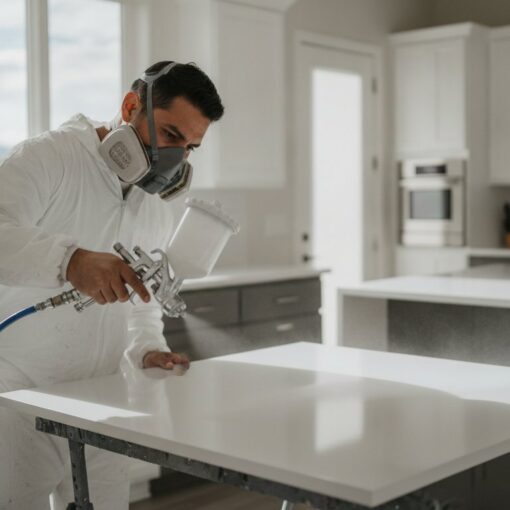
Brushing or rolling leaves visible ridges and textures that catch the light. This often results in a “painted wood” look rather than a smooth finish. Professional spraying relies on atomized paint. High-pressure air breaks the coating into microscopic droplets that flow together and level out perfectly as they dry. This creates a surface that’s smooth to the touch and significantly more durable than standard architectural paint. HVLP spraying is the gold standard for cabinet refinishing because it delivers a high volume of coating at low pressure for maximum control and a uniform finish.
Preparation: The Foundation of Every Portfolio Piece
Adhesion is the most common point of failure in low-quality work. We utilize shellac-based or high-bond primers specifically designed for non-porous surfaces like factory-finished wood or thermofoil. Skipping the de-glossing phase is a critical error. Without removing the existing topcoat’s sheen, new paint cannot form a secure bond, which leads to premature peeling. If you’re curious about how these technical steps apply to your specific layout, you can view our recent project galleries to see the results of our process. For more on our methodology, see our Pro Kitchen Cabinet Painting: The Ultimate Guide.
Trending Cabinet Styles in Denver and the Front Range
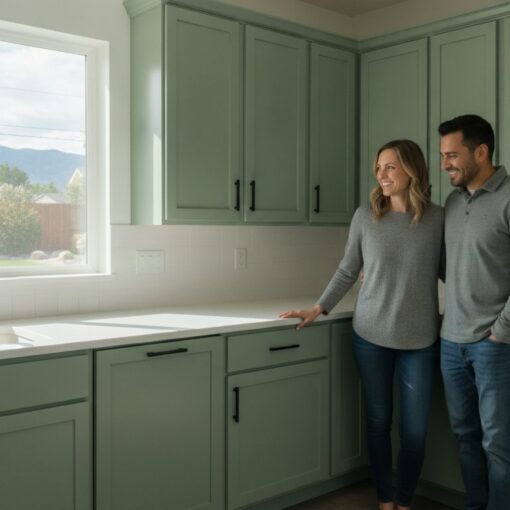
Denver’s architectural diversity requires a versatile approach to color and finish. A high-quality cabinet painting portfolio denver homeowners examine should reflect these regional preferences. In the foothills and mountain communities, “Mountain Modern” remains a dominant aesthetic. This style utilizes charcoal grays and deep blues to complement natural stone accents and rugged timber elements. These darker tones provide a sophisticated contrast that grounds large, open-concept spaces and integrates with the surrounding landscape.
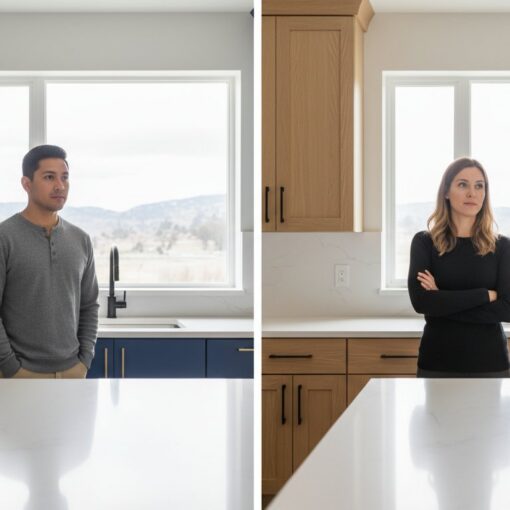
In areas like Highlands Ranch, the “Suburban Classic” look persists with enduring popularity. Homeowners frequently select warm, creamy tones like “Simply White” or “Dove White” to brighten interiors and create a timeless feel. We also see a significant rise in two-tone kitchens. This design choice pairs darker islands with lighter perimeter cabinets. It creates a visual focal point and adds depth to the room without the commitment of a single dark color throughout the entire space.
Choosing the right sheen is a technical requirement in Colorado. Our high-altitude sunlight is intense and unforgiving. High-gloss finishes often create harsh glares that highlight every fingerprint and minor surface variation. We typically recommend matte or satin finishes for Denver interiors. These sheens diffuse light more softly. They provide a sophisticated, contemporary appearance that hides minor surface wear better than glossier options, making them ideal for high-traffic kitchens.
Transforming Outdated Oak Cabinets
Many 1990s-era homes in the Denver suburbs feature honey oak cabinetry. These cabinets are structurally sound but aesthetically dated due to their yellow-orange undertones and heavy grain patterns. We use specific grain-filling techniques to transform these surfaces. By filling the deep pores of the wood before applying our factory-grade coatings, we achieve a smooth, modern look that mimics new custom cabinetry. You can view examples of these transformations in our Denver Kitchen Cabinet Painting Gallery.
Bathroom Vanities and Built-in Bookshelves
Our services extend beyond the kitchen to include bathroom cabinet painting and bookshelves cabinet painting. A master suite update often starts with the vanity. Refinishing existing bathroom cabinets provides a high-impact aesthetic change for a fraction of the cost of a full remodel. Similarly, custom built-in bookshelves and entertainment centers are expensive to replace. Applying a professional finish to these library units preserves the original craftsmanship while updating the color to match modern home aesthetics. This approach is a cost-effective way to maintain design continuity throughout the house while utilizing durable, industrial-grade coatings.

Durability and Maintenance: Beyond the Initial Photo
A high-quality cabinet painting portfolio denver gallery represents more than a visual upgrade. It serves as evidence of a coating’s ability to withstand the environmental stressors of a functional kitchen. While a photo captures the immediate aesthetic result, the true value of a professional finish lies in its chemical composition. Industrial-grade coatings are fundamentally different from the standard architectural paint used on walls. These specialized resins are engineered to resist constant exposure to grease, steam, and common household cleaning agents without softening or discoloring.
Colorado’s specific climate also plays a role in the longevity of a finish. The low humidity levels in Denver affect how coatings cure. While the dry air allows for a faster initial set time, it requires careful management to ensure the finish doesn’t dry too quickly, which can cause surface tension issues. A professional application accounts for these atmospheric conditions to ensure the coating levels perfectly. This technical precision ensures the surface remains smooth and resilient against the expansion and contraction of wood substrates during seasonal shifts.
The Myth of “Just Painting” Cabinets
Many homeowners fear that painted cabinets will inevitably chip or peel within a few months. This failure usually occurs when standard latex paint is used instead of industrial coatings. Professional finishes utilize cross-linking technology. This chemical process creates a molecular bond between the resin chains as the coating dries, resulting in a hard, durable shell. This lattice structure provides the impact resistance necessary for high-traffic areas. You can learn more about the long-term value of this professional approach in our guide on Cabinet Painting Cost.
Cleaning and Caring for Refinished Surfaces
Maintaining a gallery-ready look requires the use of non-abrasive cleaning methods. We recommend using a soft microfiber cloth and a mild, pH-neutral soap to remove surface oils. You should never use abrasive pads, steel wool, or harsh chemical degreasers on a professional finish. These materials can create microscopic scratches that dull the sheen over time. Professional cabinet finishes reach full hardness within 30 days of application. During this initial curing window, it’s vital to handle the surfaces with extra care to prevent deep marring before the coating achieves its maximum density.
If you’re ready to move beyond the photos and see these durable finishes in your own home, request a professional assessment of your cabinetry.
Start Your Kitchen Transformation with Cabinet Painting Denver
A successful kitchen transformation requires more than a visual change. It requires a commitment to procedural clarity and technical standards. The results showcased in a professional cabinet painting portfolio denver homeowners rely on are achievable for your home through a structured, transparent approach. We provide detailed project scopes so you understand every stage of the refinishing process before work begins. This transparency ensures that expectations for the final finish align with the technical capabilities of our industrial-grade coatings.
Local expertise is mandatory for a lasting finish in the Front Range. Denver’s unique climate, characterized by low humidity and intense UV exposure, dictates specific requirements for coating application and curing. We manage these environmental factors to prevent common issues like rapid drying or surface tension failures. Our off-site door spraying process further ensures quality by moving the most labor-intensive part of the project to a controlled facility. This minimizes the footprint of the work in your home while maintaining a dust-free workspace for the final factory finish on your frames.
Requesting a personalized quote is a straightforward process based on your kitchen’s specific layout. We calculate requirements based on the linear footage and the total count of doors and drawers. This objective approach prevents pricing ambiguity and allows us to provide a clear timeline for your kitchen, bathroom, or bookshelf project. We prioritize efficiency without compromising the multi-stage curing process necessary for a durable result.
What to Expect During Your Free Consultation
A successful project begins with an objective assessment of your cabinetry. During a free consultation, we evaluate the material and current condition of your kitchen, bathroom, or bookshelf units. We identify whether the substrate is solid wood, MDF, or thermofoil to determine the appropriate preparation protocol. We also provide a color consultation to ensure the new finish complements your existing flooring and countertops. You’ll have the opportunity to review physical samples of our work. This allows you to feel the smoothness of the coating and observe the sheen consistency in your home’s natural light before the project begins.
Ready to Upgrade Your Home?
We offer professional kitchen, bathroom, and bookshelf cabinet painting services across the entire Front Range. Whether you want to modernize a 1990s oak kitchen or update a master suite vanity, our team provides the technical expertise required for a professional result. We prioritize transparent communication and objective project timelines for every homeowner. Contact Cabinet Painting Denver to schedule your estimate and receive a personalized quote based on your kitchen’s specific requirements. Our goal is to help you achieve a high-end finish that looks brand new for a fraction of the cost of replacement.
Achieve Your Kitchen Vision with Technical Precision
A successful kitchen transformation requires moving beyond simple aesthetics to focus on industrial standards. We have detailed how a technical review of a cabinet painting portfolio denver homeowners trust reveals the difference between a cosmetic fix and a professional refinishing project. Success depends on the clinical cleaning of substrates, the application of specialized industrial-grade coatings, and the precision of an HVLP spray finish. These technical steps ensure your cabinetry doesn’t just look new but performs with factory-level durability for years to come.
Our local Denver family-owned and operated team understands the unique requirements of the Colorado climate. We utilize high-performance resins that bond chemically to your surfaces, providing resistance to the grease and heat of a functional kitchen. If you’re ready to modernize your space with a smooth, durable finish, we invite you to take the next step. Request Your Free Cabinet Painting Quote in Denver today. Your cabinetry represents a significant investment in your home’s value, and we’re committed to delivering a finish that meets the highest professional standards.
Frequently Asked Questions
How long does a professional cabinet painting project take in Denver?
A standard project typically takes 5 to 7 business days from start to finish. This timeline includes the on-site masking and frame spraying, as well as the off-site door processing in a controlled environment. The exact duration depends on the linear footage of the kitchen and the total number of doors and drawers being processed.
Can you paint cabinets that have already been refinished or painted before?
Yes, we can paint cabinets that have been previously finished or painted, provided the existing coating is stable. We perform a thorough adhesion test and additional mechanical sanding to remove failing old layers. This step ensures the new industrial-grade coatings bond directly to the substrate rather than a failing previous finish.
Do I need to empty my cabinets before the painting crew arrives?
You must empty all items from your cabinets and clear your countertops before the on-site phase begins. This requirement allows our technicians to mask the interior of the boxes and prevents dust or overspray from contaminating your kitchenware. It also ensures a safe and efficient workspace for the precision spraying of the frames.
What is the difference between cabinet painting and cabinet refinishing?
Cabinet painting involves applying an opaque, industrial-grade coating over the existing surface to change the color entirely. Refinishing typically refers to stripping wood back to its natural state to apply a new stain or clear coat. Our process focuses on high-end painting to achieve a smooth, factory-quality look that modernizes the room’s aesthetic.
Is it better to spray or brush kitchen cabinets for a professional look?
Professional spraying is the only way to achieve a true factory-quality finish. Brushing leaves visible texture and ridges, while an HVLP spray system atomizes the paint for a perfectly level surface. When reviewing a cabinet painting portfolio denver gallery, you’ll see the difference in the uniform sheen and smooth-to-the-touch finish that only spraying provides.
Will the paint smell or create fumes inside my home during the process?
We utilize low-VOC coatings and high-efficiency ventilation to minimize odors inside your living space. While there is a slight scent during the application and initial curing phase, it typically dissipates within 24 to 48 hours. Our off-site door processing significantly reduces the total amount of time that spraying occurs within your home.
Do you offer a warranty on your cabinet painting work?
Homeowners should check with their contractor regarding specific warranty terms for their project. Professional contractors typically provide a limited warranty covering issues like peeling or blistering caused by application errors. We prioritize procedural clarity and clinical cleaning to ensure the finish remains durable and adheres to the highest industry standards.
How much does it typically cost to paint kitchen cabinets in the Denver area?
The cost to paint cabinets in Denver depends on the kitchen’s linear footage and the condition of the existing cabinetry. Factors such as grain filling for oak or specialized priming for thermofoil will influence the final estimate. Homeowners should request a personalized quote to get an accurate figure based on their specific layout and material requirements.