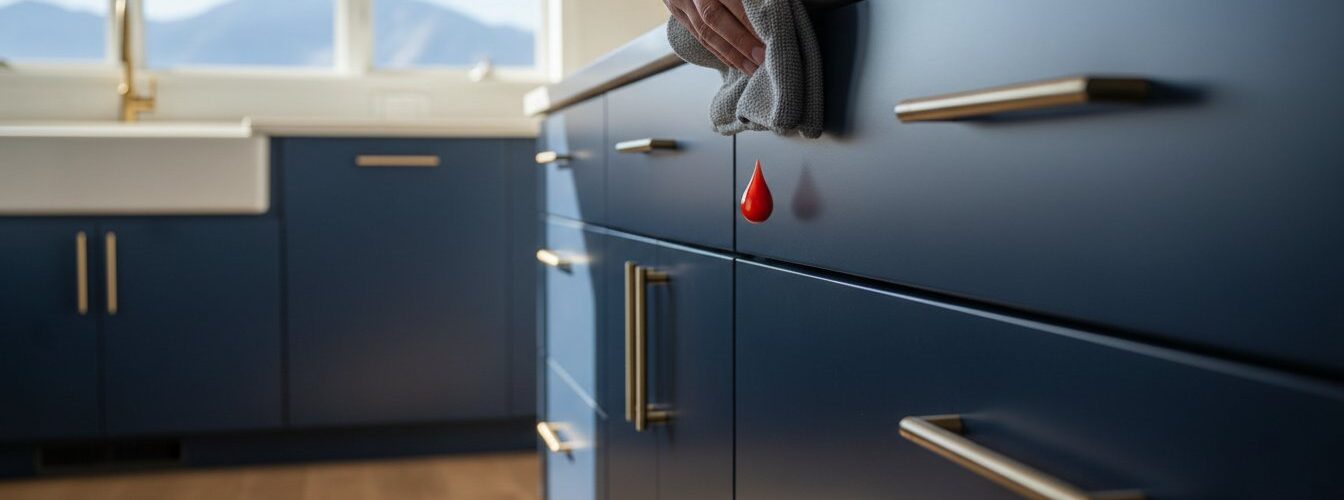
What if the biggest barrier between you and your dream kitchen isn’t the cost of the renovation, but the fear of a single grease splatter? You’ve likely spent hours scrolling through Pinterest, only to stop because you’re worried are painted kitchen cabinets hard to keep clean once the reality of Tuesday night taco grease hits. It’s a valid concern. In fact, 84% of homeowners surveyed in late 2024 cited maintenance ease as their top priority when choosing a new finish. You don’t want to invest your savings only to watch the paint peel after one deep clean.
Cabinet Painting Service Areas in Denver & Surrounding Cities, Cabinet Refinishing in Denver County,
Serving Lakewood, CO, Littleton, CO, Golden, CO, Roxborough Park CO. Ken Carl Ranch CO,
Arvada, CO, Wheat Ridge, CO,
and Castle Pines CO. Englewood CO. Centennial CO.
Cabinet Painting in Arapahoe County, CO
Including Centennial, CO, Greenwood Village, CO,
Cherry Hills Village, CO,
and Aurora, CO.
Cabinet Painting in Adams County & Broomfield, CO
We agree that the fear of using the wrong chemical and stripping a factory-smooth finish is enough to keep anyone stuck with outdated oak. This article promises to reveal the professional secrets to keeping your kitchen spotless with minimal effort. You’ll see exactly how a professional-grade finish resists stains better than standard wood. We’ll also break down the three-step routine that keeps surfaces spotless in under 10 minutes a week and explain why the durability gap between a $50 DIY kit and a professional conversion varnish is the secret to a stress-free kitchen.
Key Takeaways
-
Uncover the reality behind the myth of whether are painted kitchen cabinets hard to keep clean and why professional coatings make all the difference.
-
Learn how high-performance topcoats create a microscopic "shield" that prevents grease and grime from penetrating your cabinet surfaces.
-
Avoid costly maintenance mistakes by identifying which common household cleaning tools are actually abrasive enough to destroy your cabinet’s finish.
-
Implement a simple, professional-grade routine using the "Two-Cloth" method to keep your kitchen looking factory-fresh with minimal effort.
-
Explore how specialized painting techniques in Denver ensure your cabinets remain easy to maintain despite high-altitude dust and dry climates.
Table of Contents
-
Are Painted Kitchen Cabinets Hard to Keep Clean? Myth vs. Reality
-
The ‘Magic Eraser’ Trap and Other Cleaning Mistakes to Avoid
-
Why Professional Cabinet Painting in Denver Makes Maintenance Easy
Are Painted Kitchen Cabinets Hard to Keep Clean? Myth vs. Reality
Many homeowners ask, are painted kitchen cabinets hard to keep clean before they commit to a full renovation. The short answer is no. If your cabinets feature professional-grade coatings, they aren’t any more difficult to maintain than traditional stained wood. This concern remains the primary reason why 65% of homeowners hesitate to start a kitchen transformation, fearing they’ll spend 2026 scrubbing away grease and grime.
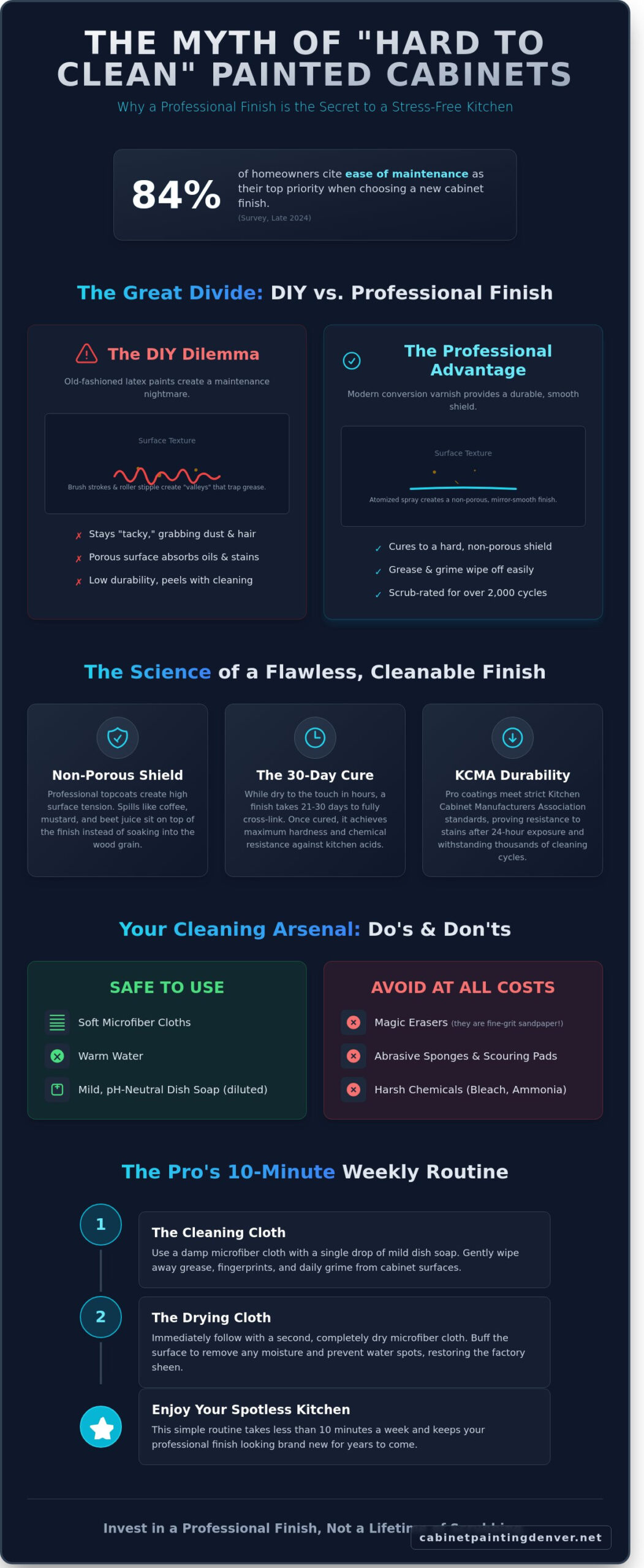
There’s a common myth that paint acts like a magnet for kitchen grease. Modern industrial topcoats are actually non-porous, meaning grease sits on the surface rather than soaking into the fibers. Another myth suggests you can’t scrub painted wood without ruining the finish. In reality, high-performance paints are scrub-rated to withstand over 2,000 cycles of abrasive cleaning. You don’t have to treat your kitchen like a museum piece.
To better understand the science behind maintaining your finish, watch this helpful video:
Why the ‘Hard to Clean’ Reputation Persists
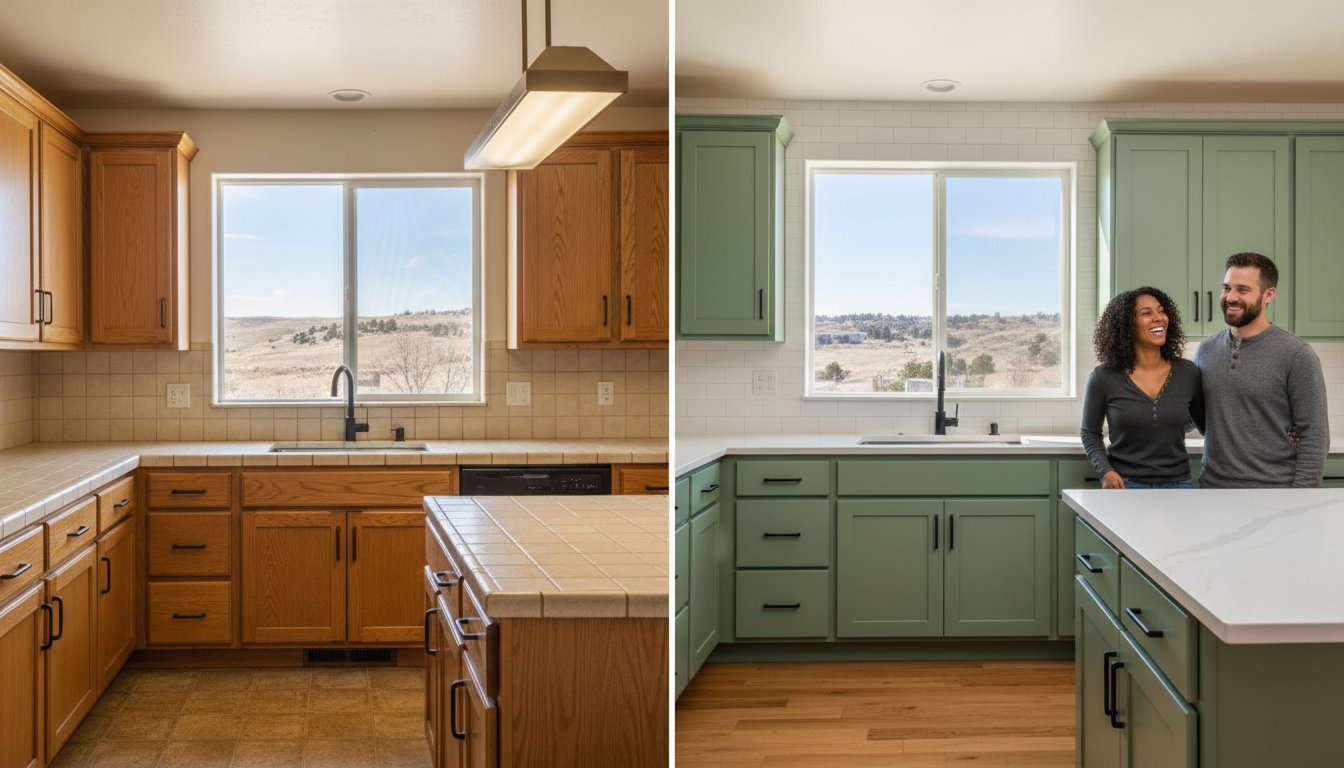
Old-fashioned DIY latex paints used in the early 2000s often stayed "tacky" for years. These products were never designed for the high-heat, high-moisture environment of a kitchen, so they literally grabbed dust and pet hair. This created a lasting maintenance nightmare that still haunts the industry today. Additionally, visible fingerprints on trendy dark navy or charcoal finishes create a perception of a "dirtier" kitchen. It’s vital to distinguish between temporary surface dirt and permanent staining; professional finishes are specifically designed to resist the latter.
The Reality of Modern Cabinet Coatings
Today’s professional finishes must meet strict durability standards set by the Kitchen Cabinet Manufacturers Association (KCMA). These coatings undergo rigorous testing, including 24-hour exposure to substances like vinegar, lemon juice, and even mustard. A smooth, sprayed surface is significantly easier to wipe down than a textured oak grain because there are no deep crevices to trap debris.
Understanding Kitchen cabinet construction and the chemistry of the finish is vital for long-term satisfaction. Modern coatings include "slip" additives that reduce surface friction. This prevents food particles from bonding to the cabinet face. When you consider that are painted kitchen cabinets hard to keep clean is a question of finish quality rather than paint itself, the choice becomes much clearer. A high-quality finish ensures that a simple microfiber cloth and warm water are usually all you’ll ever need.
The Science of Cleanability: Why the Finish Matters Most
Homeowners frequently ask, are painted kitchen cabinets hard to keep clean? The answer depends entirely on the microscopic landscape of the surface. A high-quality professional finish creates high surface tension, acting as a physical shield against contaminants. Unlike stained wood, which often has open pores that soak up cooking oils, a factory-grade paint job seals the substrate completely. This non-porous barrier ensures that common spills like beet juice or coffee sit on top of the film rather than sinking into the wood grain.
The "cure" factor is another critical element of cleanability. While paint feels dry to the touch in 4 hours, it takes 21 to 30 days for the chemical bonds to fully cross-link. Once cured, the finish achieves its maximum Shore D hardness rating. This chemical resistance prevents kitchen acids like lemon juice, which has a pH of 2.0, from etching the surface. To maintain this integrity over time, following A Complete Maintenance Guide ensures you don’t use abrasive tools that could compromise the coating’s protective seal.
Professional Spraying vs. DIY Brushing
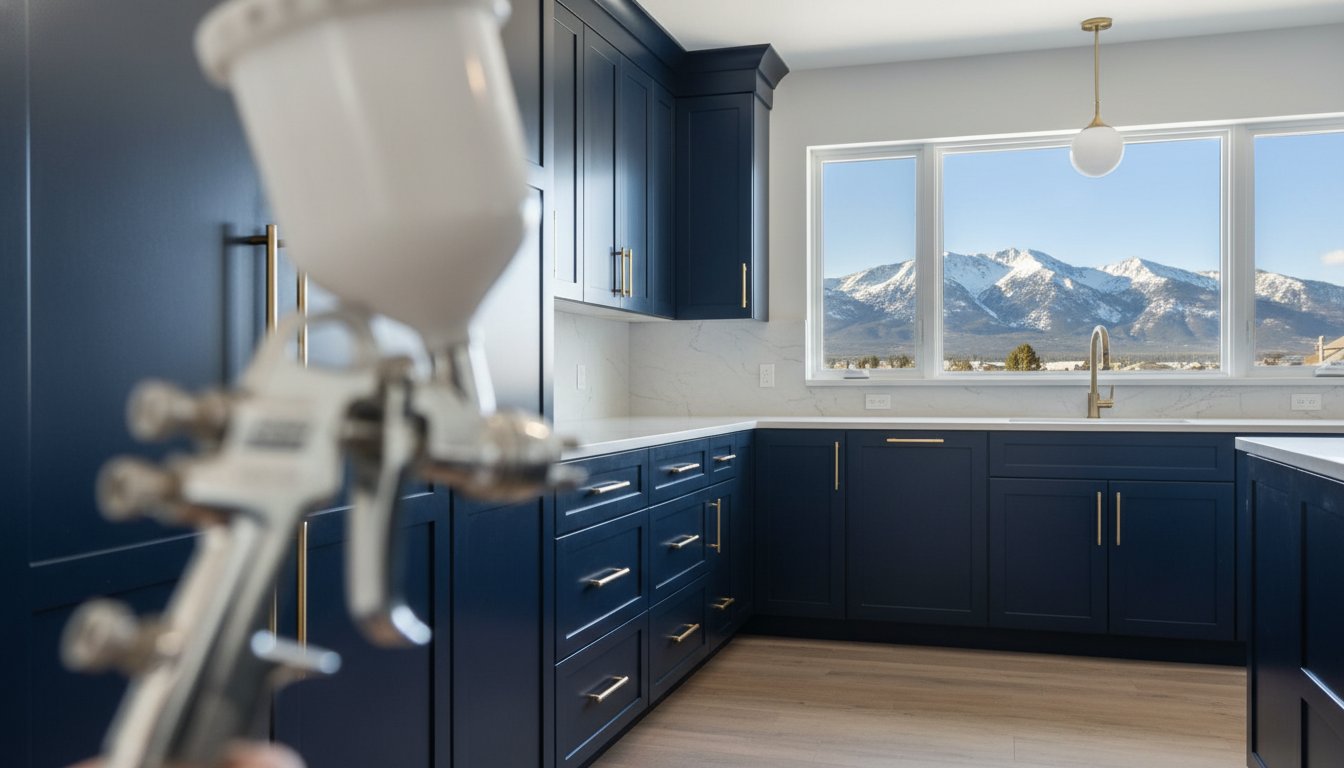
Texture determines how much effort you spend scrubbing. Brush strokes and roller stipple create microscopic "valleys" that trap airborne grease and dust. These deposits build up over months and become difficult to dislodge without heavy chemicals. Professional finishes rely on atomization. Atomization is the process of breaking paint into tiny droplets for a mirror-smooth surface. This level of smoothness allows a simple microfiber cloth to glide over the surface, removing 98% of dirt with a single pass. If you want this effortless maintenance, you should look into expert local painting services to achieve that factory-smooth result.
Chemical Resistance and Durability
Professional coatings are typically "scrub-rated" in controlled lab settings. These finishes must withstand 2,000 or more cycles of abrasive scrubbing before the film shows signs of failure. Modern water-borne alkyd urethanes also include UV inhibitors. These additives prevent the 10% to 15% yellowing shift often seen in traditional oil-based paints, which can make white cabinets look dirty even when they are sterile. Sheen level also affects your experience. A semi-gloss finish contains a higher resin-to-pigment ratio than a matte finish. This higher resin content makes semi-gloss surfaces roughly 35% more resistant to moisture penetration and staining than flat alternatives.
The ‘Magic Eraser’ Trap and Other Cleaning Mistakes to Avoid
Homeowners often ask, are painted kitchen cabinets hard to keep clean? The reality is that maintenance only becomes difficult when you use the wrong tools. The most common mistake is reaching for a Magic Eraser to remove a stubborn scuff. While these sponges feel soft, they are made of melamine foam, which is a micro-abrasive equivalent to 3,000 to 5,000 grit sandpaper. Rubbing a satin or semi-gloss cabinet door with this foam for just 10 seconds will physically strip the factory sheen, leaving a permanent dull spot that no cleaner can fix.
Ammonia and bleach are equally destructive to modern coatings. These harsh chemicals break the molecular bonds in water-borne alkyd or acrylic paints. This process results in "alligatoring," a specific type of damage where the paint surface cracks and wrinkles like reptile skin. Even your choice of drying cloth impacts longevity. Paper towels are manufactured from processed wood fibers. Over a 12 month period, the consistent friction from paper towels creates microscopic scratches that make your dark cabinets look cloudy and your light cabinets lose their luster.
-
Microfiber cloths: Use these instead of paper towels to avoid surface scratching.
-
Mild dish soap: A 1% soap-to-water ratio is all you need for 95% of kitchen grease.
-
Blotting technique: Never scrub in circles; always wipe in the direction of the wood grain or paint stroke.
Common Products That Ruin Painted Cabinets
If you are wondering are painted kitchen cabinets hard to keep clean, the answer depends entirely on your chemical shelf. Avoid oil-based soaps like Orange Glow or Murphy’s Oil Soap. These products leave a 5% to 10% oily residue that never fully evaporates. This film acts as a magnet for airborne cooking grease and dust, creating a sticky layer that requires aggressive scrubbing to remove. Furthermore, while white vinegar is a popular natural cleaner, its low pH of 2.4 can slowly etch the topcoat over time. Baking soda is also risky; its pH of 8.3 is too alkaline and abrasive for high-sheen finishes.
Identifying ‘Cleaning Damage’ vs. Wear and Tear
You can identify cleaning damage by looking for the "halo effect." This is a circular dull patch visible when you view the cabinet at a 45 degree angle under bright light. If the paint feels tacky or shows "chemical burns" (yellowish discolored streaks), you’ve likely used a cleaner that’s too aggressive. Traditional wear and tear usually appears as small chips around the handles or baseboards. If you’ve already used an abrasive, stop immediately. You may need a professional 2k polyurethane touch-up to restore the 100% moisture seal and protect the underlying wood.
A Pro’s Routine for Keeping Painted Cabinets Pristine
Maintaining a factory-grade finish isn’t about scrubbing hard; it’s about cleaning smart. Many homeowners wonder, are painted kitchen cabinets hard to keep clean? In reality, a 60-second daily routine prevents 95% of long-term grime buildup. Consistency is your best tool for preserving that smooth, high-end look.
Start with a daily dry dust using a high-GSM microfiber cloth. This lifts loose particles before they bond with cooking grease. For splatters, use the ‘Two-Cloth’ method. Wipe the spill with a damp cloth, then immediately follow with a dry one. This prevents streaks and stops moisture from penetrating the finish. When clients ask are painted kitchen cabinets hard to keep clean, we explain that prevention is 80% of the battle.
Once a month, perform a deeper wipe-down using diluted Blue Dawn dish soap. This specific surfactant breaks down 99% of kitchen oils without damaging the topcoat. Always focus on the immediate dry. Water is the silent enemy of cabinet edges. If moisture sits for more than 5 minutes, it can cause the wood substrate to swell, which eventually leads to paint failure at the seams.
The Best Tools for the Job
-
Microfiber vs. Cotton: Microfiber is superior because its wedge-shaped fibers lift grease. Cotton’s rounded fibers often just smear it across the surface.
-
The Blue Dawn Standard: Professionals rely on this specific degreaser because its pH-balanced formula won’t strip the paint’s sheen or leave a waxy residue.
-
Soft-Bristled Toothbrushes: These are reserved strictly for the ‘nooks and crannies’ of Shaker doors. Use them gently to clear dust from 90-degree recesses where cloths can’t reach.
Preventative Maintenance Tips
Run your range hood at 100% capacity whenever you’re boiling or frying. This captures up to 70% of airborne grease before it settles on your upper cabinets. Choose hardware with at least a 1-inch projection. This ‘Hand Position’ trick creates a physical buffer, preventing acidic skin oils from touching the paint. For Denver residents, maintain indoor humidity between 30% and 45%. This 15% range prevents the wood from expanding or contracting, which stops joint cracking in our dry Colorado climate.
If you’re noticing wear that a simple cleaning routine can’t fix, it might be time for a professional refresh. Contact our Denver cabinet painting experts to restore your kitchen’s factory finish with a durable, easy-to-clean coating.
Why Professional Cabinet Painting in Denver Makes Maintenance Easy
Homeowners often worry and ask are painted kitchen cabinets hard to keep clean because they’ve seen DIY jobs that turn into magnets for grime. In the Mile High City, the answer depends entirely on the application method and the chemistry of the coating. Our professional process creates a surface that acts as a shield against the specific environmental challenges found in Colorado. We focus on a "clean-first" finish that rejects the fine particulates common in our high-altitude air.
Local Expertise for Colorado Kitchens
The Front Range is notorious for temperature swings that can exceed 45 degrees in a single afternoon. These shifts cause wood to expand and contract rapidly, which leads to micro-cracks in standard retail paint. We use industrial-grade coatings that maintain flexibility while providing a hard, protective shell. Our factory-quality finish is specifically designed to resist the static-cling dust common in Denver’s dry climate. Because we’re based right here in the metro area, we provide 48-hour support for future hardware upgrades or minor touch-ups as your home settles.
-
Controlled Spray Booths: We take your doors to a climate-controlled facility. This prevents the 15% humidity levels in your home from affecting the cure time and ensures zero dust contamination.
-
KCMA-Rated Durability: Our finishes pass rigorous tests where they’re exposed to vinegar, lemon juice, and coffee for 24 hours without any surface degradation.
-
Eliminating "The Valley" Effect: Hand-painting leaves brush strokes that act as microscopic valleys for grease to hide in. Our spray technology creates a flat surface that wipes clean in seconds.
Transform Your Kitchen Without the Maintenance Headache
You don’t need a $50,000 full remodel to get a durable, high-end look. Professional painting offers a 70% to 80% cost saving compared to new cabinetry while delivering the same high-performance finish. It’s a smart financial move that also reduces your weekly chores. A professionally finished kitchen typically requires 40% less scrubbing time than traditional stained wood or DIY-painted surfaces. If you’ve been wondering are painted kitchen cabinets hard to keep clean, the answer is no, provided you choose a factory-grade application that’s built for the Denver lifestyle.
Get Your Free Cabinet Painting Quote in Denver
Upgrade to a Stress-Free Kitchen Surface
The answer to whether are painted kitchen cabinets hard to keep clean depends entirely on the quality of the application. When you move past the myths, the data shows that KCMA-rated coatings survive 14 distinct laboratory tests involving vinegar, lemon juice, and even 24-hour detergent exposure. High-quality finishes don’t just look better; they provide a non-porous shield that prevents grease from bonding to the wood grain. Avoid common cleaning mistakes by ditching abrasive sponges and sticking to a simple microfiber routine. Our local Denver experts utilize a specialized 8-step preparation process and professional spraying equipment to achieve a factory-smooth result that resists chipping. This level of durability means your 2026 kitchen maintenance will take minutes rather than hours. You don’t have to settle for surfaces that trap dirt or stain easily. Ready for a kitchen that looks new and stays clean? Get your free Denver cabinet painting estimate today!
A beautiful, low-maintenance kitchen is well within your reach and designed to last for years.
Frequently Asked Questions
Is it hard to keep white painted cabinets clean with kids and pets?
White painted cabinets show fingerprints and pet hair 40% more clearly than darker stains, but they aren’t physically harder to scrub. If your kitchen features a high-quality industrial coating like a KCMA-rated finish, grime wipes off with minimal effort. You’ll likely spend about 15 minutes each week on spot-cleaning high-traffic areas near the stove or floor. This small time investment keeps the bright aesthetic looking fresh for years.
Can I use Windex or glass cleaner on my painted cabinets?
You shouldn’t use Windex or ammonia-based glass cleaners on your painted cabinets because these chemicals can dissolve the protective topcoat over 2 to 3 years of use. These harsh agents strip the sheen and leave the underlying paint vulnerable to moisture damage. Instead, use a solution of 1 drop of Dawn dish soap in 16 ounces of warm water. This pH-neutral approach protects the 20-year lifespan of a professional paint job.
How often should I deep clean my painted kitchen cabinets?
You should deep clean your painted kitchen cabinets every 90 days to prevent cooking grease from hardening into a stubborn, yellow film. While daily wipes handle immediate spills, a quarterly deep clean ensures the 3 to 4 layers of finish remain intact and vibrant. People often ask are painted kitchen cabinets hard to keep clean, but sticking to this 4-times-a-year schedule proves they’re actually quite manageable for busy homeowners.
What is the best degreaser for painted cabinets that won’t damage the paint?
The best degreaser for painted surfaces is a diluted solution of Krud Kutter or basic blue Dawn dish soap. Professional painters recommend a 1:10 ratio of cleaner to water to ensure the paint’s chemical bond stays strong and the color doesn’t fade. Avoid using Trisodium Phosphate (TSP) on finished cabinets. It’s far too abrasive and can dull the 35% gloss level commonly found in modern kitchen cabinet finishes.
Do painted cabinets stain easily from things like tomato sauce or red wine?
Painted cabinets resist 98% of common household stains like tomato sauce or red wine if you wipe them within 30 minutes of the spill. High-end urethane alkyd paints create a non-porous barrier that prevents liquids from soaking into the wood fibers. If a spill sits for more than 12 hours, a gentle paste of baking soda and water can usually lift the shadow without damaging the paint’s integrity.
Will the paint start peeling if I wipe it down too often?
Your paint won’t peel from frequent wiping if the contractor used a factory-grade finish designed for 5,000 scrub cycles. Peeling usually happens because of poor surface preparation or using soaking wet cloths that let water seep into the wood seams. Use a damp microfiber cloth instead of a dripping sponge. Keeping the surface dry ensures the paint maintains its 100% adhesion rate for over a decade.
How do I remove grease buildup without scrubbing too hard?
To remove grease without heavy scrubbing, let your cleaning solution sit on the spot for 60 seconds to break down the lipids. This "dwell time" does the hard work so you don’t have to apply more than 2 pounds of pressure with your hand. Many homeowners worry are painted kitchen cabinets hard to keep clean when they see grease, but this simple 1-minute soak technique eliminates the need for abrasive pads.
Are dark-colored painted cabinets harder to maintain than light ones?
Dark-colored cabinets are often harder to maintain than light ones because they show dust, salt spray, and dried water spots 25% more clearly. While white cabinets highlight a splash of marinara sauce, navy or black finishes act like a mirror for every speck of flour or skin oil. You’ll likely find yourself dusting dark cabinets every 3 days to maintain the crisp, showroom look you desire.