
Why do most DIY built-in paint jobs end with shelves that permanently stick to the frame? This common frustration, known as blocking, happens when standard house paint fails to cure correctly on high-friction architectural surfaces. If you own a home in Colorado, you know that integrated trim and crown molding require a level of precision that a standard brush cannot achieve. Professional built-in cabinet painting denver services resolve these issues by using specialized equipment and factory-grade coatings.
We agree that your home office or living room deserves a finish that looks original to the structure. Our process delivers a smooth surface that resists chipping, and you won’t have to worry about dust or lingering fumes in your home. This article explains the technical requirements for professional bookshelves cabinet painting and architectural refinishing. You will discover how a modernized built-in unit increases your home value and provides the high level of satisfaction Denver homeowners expect from a professional upgrade.
Key Takeaways
- Learn how professional built-in cabinet painting denver prevents shelf sticking and ensures a durable, factory-grade finish on fixed architectural features.
- Understand the technical requirements for refinishing integrated trim and crown molding compared to modular cabinetry.
- Identify the preparation protocols necessary to protect your living space and maintain air quality during the refinishing process.
- Discover 2026 color trends for bookshelves cabinet painting, including the transition toward warm neutrals and nature-inspired tones.
- Gain insight into the project logistics required to achieve professional results with minimal disruption to your daily routine.
Transforming Your Home with Built-In Cabinet Painting in Denver
Professional built-in refinishing involves applying industrial-grade coatings to fixed architectural elements like integrated shelving and media centers. Unlike standard wall painting, this process requires specific adhesion protocols to ensure surfaces remain durable under daily use. Many residents now prioritize built-in cabinet painting denver over full replacement to modernize their interiors without the structural disruption of demolition.
The choice to paint rather than replace is a strategic decision for 2026. Custom carpentry costs remain high, making refinishing a more efficient way to update a home’s aesthetic. This approach preserves the original structural integrity while providing a contemporary look that aligns with current design preferences.
To better understand the technical precision required for these projects, watch this helpful video:
The Value of Refinishing Architectural Built-ins
Historic Denver neighborhoods like Wash Park feature original craftsmanship that is difficult to replicate. Refinishing allows homeowners to maintain these unique features while removing outdated stains or finishes. The wood finishing process used in professional applications ensures that the grain is either protected or perfectly leveled for a modern, opaque look.
Updated built-ins act as a focal point for home staging. Data from the Mountain region indicates that minor cosmetic upgrades, including cabinet painting, can yield a return on investment of up to 110%. Additionally, living area upgrades receive a 10/10 satisfaction score from homeowners. This reflects the immediate lifestyle benefit of a refreshed space.
Common Built-In Projects We Handle
Our team manages various fixed cabinetry projects beyond standard kitchen units. We specialize in built-in cabinet painting denver for high-traffic and high-visibility areas including:
- Floor-to-ceiling library shelving and home office suites.
- Fireplace surrounds and integrated media consoles.
- Custom mudroom drop zones and entryway cabinetry.
These units often feature complex trim work and crown molding. Professional refinishing ensures these details are preserved and coated evenly. We avoid the heavy paint buildup often seen in DIY attempts. This results in a clean, factory-like appearance that integrates seamlessly with the rest of the room’s architecture.
Built-Ins vs. Kitchen Cabinets: Key Technical Differences
Successful built-in cabinet painting denver projects depend on recognizing that fixed cabinetry is an architectural feature, not a modular furniture piece. Kitchen cabinets consist of individual boxes that can often be disassembled or moved. Built-ins are integrated directly into the home’s structure. This permanent installation requires a different approach to surface preparation and environmental management. While kitchen projects focus on grease removal and moisture resistance, built-in refinishing prioritizes dust control in living areas and the management of fixed trim transitions.
The environment of a living room or home office presents unique challenges compared to a kitchen. These spaces often contain textiles, carpets, and electronics that are sensitive to overspray and sanding dust. We utilize specialized containment systems to isolate the work area. This ensures the rest of your home remains clean while we apply industrial-grade coatings to your shelving units and entertainment centers.
The Challenge of Fixed Shelving and High-Friction Surfaces
Standard latex house paint is a poor choice for horizontal surfaces like bookshelves. These paints often remain thermoplastic, meaning they soften under heat or pressure. This leads to “blocking,” a condition where items like books or decor stick to the shelf and peel the paint away when moved. The selection of materials for professional architectural refinishing must comply with EPA standards for volatile organic compounds (VOCs) while providing a hard-curing surface. Blocking resistance is the ability of a coating to resist adhesion to itself or other objects under specified conditions of temperature, humidity, and pressure.
To achieve a factory-grade finish, we use industrial coatings that cure to a much higher Shore D hardness than retail products. These materials allow for heavy use without the risk of sticking or marring. If you are considering bookshelves cabinet painting, ensure the professional uses a coating specifically engineered for horizontal friction surfaces.
Architectural Integration and Caulk Lines
Built-ins interact directly with the home’s crown molding, baseboards, and drywall. These transitions are where most DIY projects fail. Over time, the house settles, causing small cracks at the seams where wood meets the wall. A professional built-in cabinet painting denver project includes a full inspection and refresh of these caulk lines. We use high-stretch elastomeric sealants that move with the home to prevent future cracking.
Managing these transitions requires precision. We treat the integrated trim as part of the cabinetry to create a seamless, unified look. This eliminates the “added-on” appearance common with poorly executed paint jobs. Proper caulking and trim management ensure that the unit looks like a permanent, high-end feature of the room’s architecture rather than a separate piece of furniture.
The Professional Process for Refinishing Fixed Cabinetry
A professional approach to built-in cabinet painting denver differs significantly from standard interior painting. Because built-ins are structurally integrated, the majority of the work occurs on-site within the living area. While removable components like doors and adjustable shelves are often transported to a controlled shop environment, the fixed frames and integrated trim remain in place. This requires a rigorous containment strategy to protect your home’s interior from overspray and debris.
The process begins with comprehensive masking. We protect floors, walls, and adjacent furniture using heavy-duty drop cloths and plastic sheeting. Unlike kitchen cabinet painting, where the workspace is often isolated by natural room transitions, built-ins often sit in open-concept living rooms or home offices. This necessitates the use of temporary physical barriers to maintain a clean environment throughout the project.
Preparation and Dust Containment
Dust management is a critical requirement for any indoor refinishing project. We utilize HEPA-filtered sanding systems that capture particles at the source. This prevents fine wood dust from settling on your electronics or upholstery. For larger projects, we install Zip-wall systems to create a sealed “clean room” around the cabinetry. This procedural clarity ensures that the sanding and deglossing phases don’t compromise the air quality of your Denver home.
Before any coating is applied, the surface must be chemically cleaned and mechanically deglossed. This step is essential for high-use areas like bookshelves cabinet painting, where the finish must adhere to existing lacquers or varnishes. We pay special attention to the seams where the unit meets crown molding and baseboards. These architectural transitions are cleaned and prepped to ensure the new finish looks like a factory-applied part of the home’s structure.
Professional Priming and Spraying
Successful refinishing depends on the primer. We select high-adhesion primers based on the specific substrate, whether it’s solid wood, veneer, or MDF. Once the primer is set, we use High-Volume Low-Pressure (HVLP) spraying equipment. This technique provides a factory-smooth finish that’s impossible to achieve with a brush or roller. It eliminates brush marks and “orange peel” texture, resulting in a professional architectural look.
Curing times are the final procedural requirement. While the paint may feel dry to the touch within hours, industrial coatings require specific windows to reach full hardness. We provide clear instructions on when you can safely return books or decor to your shelves. Typically, vertical surfaces cure faster, but horizontal shelving requires additional time to ensure maximum blocking resistance and durability.

Denver Design Trends: Choosing Colors for Your Built-Ins
Color selection for built-in cabinet painting denver in 2026 is moving away from the cool grays of previous years. Homeowners now prefer warmer, more organic tones that create a sense of comfort. Shades like mushroom, taupe, and creamy whites are becoming the new base colors for living room installations. Nature-inspired greens, such as dusty sage and forest green, are also gaining popularity as accent colors for integrated media centers. These choices reflect a broader shift toward earthy, grounded aesthetics in Colorado home design.
A popular trend involves two-tone applications for bookshelves and entertainment units. This technique often uses a darker, contrasting color on the back panel to highlight decor or book collections. We also see a high demand for matching built-in units to existing finishes from previous kitchen or bathroom projects. This creates a unified architectural flow throughout the main floor. When you coordinate the palette of your built-ins with other cabinetry, it reinforces the home’s design language and increases overall aesthetic value.
Neighborhood-Specific Style Guidance
Specific Denver neighborhoods often dictate different color directions based on local architecture. Cherry Creek estates often benefit from moody, dark hues like charcoal or rich navy. These colors provide a sophisticated, professional backdrop for home offices and libraries. In contrast, Highlands bungalows often utilize bright, airy whites and creams to maximize the perception of space in smaller, historic rooms. Mountain-modern aesthetics in the foothills favor terracotta and clay tones that reflect the natural red rock landscape of the Front Range.
The Impact of Lighting on Built-In Colors
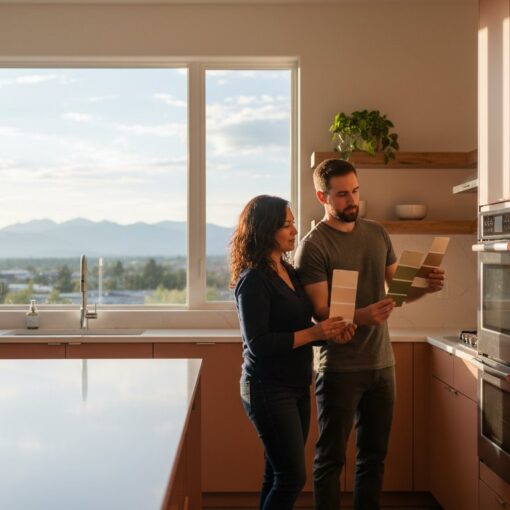
Denver’s high-altitude sunlight is intense and can significantly alter how paint looks in your home. This environment often reveals yellow or blue undertones that are invisible under standard indoor lighting. Testing samples at different times of the day is a procedural requirement to ensure the final result matches your expectations. Sheen selection also impacts the final result. Matte finishes are currently popular for dramatic, dark colors, providing a modern look that hides minor surface imperfections.
Satin remains the industry standard for durability in high-friction areas. If your unit has integrated LED shelf lighting, a Semi-gloss finish might create unwanted glare or “hot spots” on the paint surface. A flatter sheen diffuses light more evenly across horizontal shelving. If you’re ready to update your space, view our options for bookshelves cabinet painting to see how different palettes and sheens transform a room.
Why Hire Cabinet Painting Denver for Your Built-In Project?
Selecting a contractor for built-in cabinet painting denver requires an understanding of architectural refinishing technicalities. General house painters often lack the specialized equipment needed for horizontal shelf surfaces and integrated trim. Our team focuses on delivering a factory-quality finish within a residential setting. We maintain a local reputation built on procedural clarity and transparent communication. Every project begins with a clear objective statement of current conditions and follows a strict timeline to minimize disruption to your home. We prioritize the functional requirements of your living space while ensuring the final aesthetic meets professional standards.
Our service area covers the entire Denver Metro area and the Front Range. We understand the specific environmental conditions of Colorado, such as low humidity and high UV exposure, which affect how industrial coatings cure. This local expertise ensures that your built-ins remain durable for years. We prioritize functional results, ensuring that your shelving units and media centers are not only aesthetically pleasing but also resistant to daily wear and tear. Our task-oriented approach means we manage every detail from dust containment to final inspection with precision. We don’t leave a project until the finish meets our internal quality benchmarks for smoothness and durability.
Experience You Can Trust
With over 40 years of experience serving the Denver Metro area, we’ve refined the technical requirements for high-end cabinetry projects. We utilize professional HVLP spraying equipment and industrial-grade coatings that aren’t available at retail stores. These materials provide superior adhesion and blocking resistance. To see how these techniques apply to other areas of your home, Learn more about our cabinet painting services. Our status-based reporting keeps you informed throughout the duration of the project, ensuring you know exactly when each phase of the refinishing process is complete.
Ready for a Transformation?
Updating your home’s architectural features is a direct investment in your property’s value. We provide a straightforward process for obtaining a free estimate based on the specific scope of your project. We analyze the number of units, the condition of the wood, and the desired finish to provide an accurate quote. Before starting, Check our cabinet painting cost guide for budget planning. This resource offers a transparent look at the factors that influence project pricing in the 2026 market. When you’re ready to begin, Request your built-in painting quote today. We look forward to providing the professional refinishing your Denver home requires.
Begin Your Architectural Transformation
Professional built-in cabinet painting denver transforms fixed cabinetry into a modern focal point that adds significant value to your home. You now understand the technical requirements for industrial-grade coatings that prevent shelf blocking and the importance of precise trim integration. These procedures ensure your entertainment centers and shelving units look original to the home’s structure while providing a durable surface for daily use. Selecting the right palette and sheen further guarantees that your built-ins complement the natural light and architectural style of your specific neighborhood.
Our team has been serving Denver since 1984. We deliver a factory-grade HVLP spray finish that eliminates brush marks and provides a smooth, resilient surface. With 5-star local reviews and a commitment to transparent communication, we handle the complexities of architectural refinishing so you don’t have to. It’s time to give your bookshelves and integrated units the professional update they deserve.
Get Your Free Built-In Painting Estimate in Denver. We look forward to providing the expertise required to modernize your living space with clarity and precision.
Frequently Asked Questions
How long does it take to paint built-in cabinets?
Most projects require three to five business days to complete from initial preparation to final unmasking. The first day involves deep cleaning and structural masking to protect your living area. Subsequent days are dedicated to mechanical sanding, priming, and applying the final coats. Larger library installations or multi-room projects may require additional time for proper curing before the units are returned to service.
Will my books stick to the shelves after they are painted?
No, books will not stick if the project utilizes industrial-grade coatings with high blocking resistance. We avoid standard latex paints that remain thermoplastic and soft. Instead, we apply hard-curing finishes specifically engineered for horizontal friction surfaces. This ensures that your decor and book collections won’t damage the finish or adhere to the shelving once the curing period is complete.
Can you paint built-ins that are made of MDF or laminate?
Yes, both MDF and laminate surfaces are suitable for refinishing when using specialized high-adhesion primers. MDF requires specific sealing to prevent moisture absorption and swelling during the coating process. Laminate surfaces undergo a mechanical deglossing and a chemical bonding phase to ensure the topcoat does not peel. These procedural steps are a requirement for a durable, professional result on non-wood substrates.
Do I need to empty my bookshelves before the painters arrive?
Yes, homeowners must remove all items from the shelves and surrounding surfaces before the team arrives. This requirement allows for thorough cleaning, sanding, and even coating of every interior surface. Removing all electronics and decor also protects your belongings from the fine dust generated during the preparation phase. We recommend storing these items in a separate room until the final curing process is finished.
Is it better to spray or brush built-in cabinets?
Spraying is the superior method for achieving a factory-smooth finish on architectural built-ins. We utilize High-Volume Low-Pressure (HVLP) equipment to apply coatings evenly without the texture of brush marks or roller stipple. While brushes are occasionally used for minor detail work in tight corners, the primary surfaces are always sprayed. This technique provides the professional look expected from high-end built-in cabinet painting denver services.
How do you handle the dust during the painting process?
We manage dust through a combination of HEPA-filtered vacuum sanding and physical containment systems. Our sanders are connected directly to dust extractors that capture particles at the source. We also install temporary plastic barriers, often called Zip-walls, to isolate the work area from the rest of your home. These steps protect your HVAC system and upholstery from airborne debris throughout the project duration.
Can you match the color of my built-ins to my kitchen cabinets?
Yes, we can provide an exact color match to ensure design continuity throughout your home. This is a frequent request for built-in cabinet painting denver projects where the living room and kitchen share a visual plane. We utilize professional color-matching technology to replicate existing finishes. This creates a unified architectural appearance that makes your built-ins look like they were installed alongside your kitchen cabinetry.
What is the cost difference between painting and replacing built-ins?
Painting is a significantly more efficient investment than full custom replacement. Replacing fixed units involves demolition, potential drywall repair, and the high cost of new custom carpentry. Refinishing preserves the original craftsmanship while delivering a modern aesthetic. Data from the Mountain region indicates that minor cosmetic upgrades like these can yield a return on investment of over 110% upon home resale.