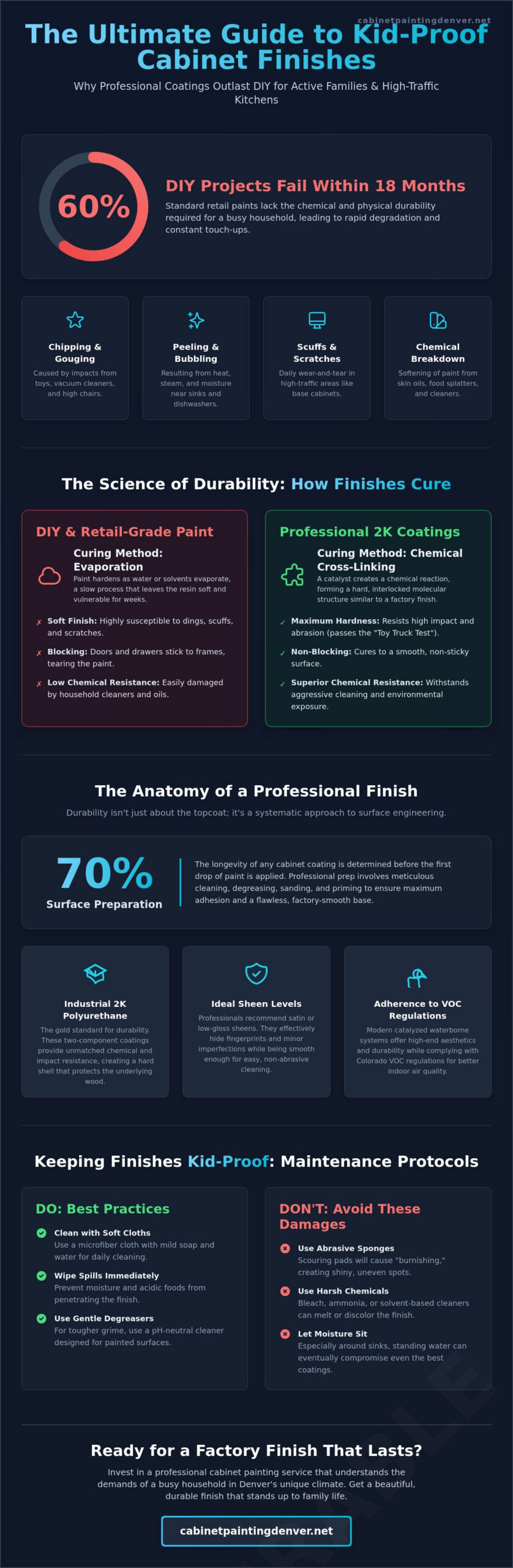
Did you know that 60 percent of DIY cabinet painting projects show signs of failure like chipping or peeling within just 18 months? For parents, this timeline is often even shorter due to the daily reality of maintaining painted cabinets in a busy kitchen. You likely feel the constant frustration of wiping away food splatters or discovering fresh scuffs from high chairs, toy trucks, and vacuum cleaners. It’s common to worry that using the necessary cleaners to remove sticky fingerprints might actually melt or degrade the finish.
True kid-proof durability is achieved through industrial-grade chemical cross-linking rather than simply applying thick layers of paint. Surface preparation accounts for 70 percent of a successful project. This guide provides the technical requirements for resilient, factory-smooth finishes that withstand high-impact use while adhering to Colorado VOC regulations. You’ll learn about the latest 2026 coating technologies, including catalyzed waterborne systems that offer high-end aesthetics without compromising indoor air quality. We provide a clear overview of the most durable finishes for Kitchen Cabinet Painting, Bathroom Cabinet Painting, and bookshelves to ensure your surfaces remain scrubbable for the long term.
Key Takeaways
- Learn why industrial-grade 2K polyurethane coatings provide the chemical and impact resistance required to withstand physical stress from toys and household equipment.
- Discover the specific cleaning protocols and prohibited tools essential for maintaining painted cabinets in a busy kitchen to prevent finish degradation.
- Identify the ideal sheen levels that effectively balance light reflection and durability to hide fingerprints while remaining easy to wipe clean.
- Understand the procedural requirements for professional Kitchen Cabinet Painting in Denver’s dry climate to ensure a factory-grade, long-lasting cure.
Why Standard Cabinet Finishes Fail Active Families
Kitchen durability is measured by three specific criteria: impact resistance, chemical stability, and moisture protection. Standard residential coatings often prioritize ease of application over these performance metrics. While a finish may look acceptable initially, it must withstand the mechanical stress of daily use and the chemical exposure of common cleaning agents. Maintaining painted cabinets in a busy kitchen requires a surface that does not soften or degrade when exposed to the rigors of family life.
The “Toy Truck Test” illustrates the physical limitations of standard latex paints. When a hard object strikes a retail-grade finish, the paint often lacks the necessary surface hardness to prevent gouging or chipping. These small failures quickly accumulate into visible damage that requires professional intervention. Standard wall paints or low-tier cabinet paints simply don’t possess the structural integrity to survive high-impact zones.
To better understand this concept, watch this helpful video:
Chemical failure is another significant concern for active households. Human skin oils contain fatty acids that gradually soften and dissolve low-quality coatings, particularly around cabinet handles and knobs. This process is often accelerated by heat and steam from dishwashers or stovetops, which can cause the finish to peel or bubble. For a comprehensive overview of wood finishing materials, it’s clear that specialized coatings are necessary to create a barrier against these organic and environmental stressors.
The Problem with DIY and Retail-Grade Paints
Retail-grade paints typically dry through evaporation. This process leaves the resin soft for several weeks, making it vulnerable to damage. In contrast, professional coatings utilize a chemical curing process that creates a cross-linked molecular structure. Without this chemical bond, cabinet doors may experience “blocking,” where the paint sticks to the frame in humid conditions. This often results in the finish tearing away from the substrate when the door is opened, a common issue when maintaining painted cabinets in a busy kitchen using inferior products.
Identifying Wear Patterns in High-Traffic Kitchens
Base cabinets are the most vulnerable zones in any household. They face constant contact from feet, pet activity, and spills. Frequent scrubbing with abrasive sponges can degrade a low-sheen finish, leading to “burnishing” where the matte surface becomes shiny and uneven. The area surrounding the sink requires specific moisture protection to prevent water from penetrating the wood grain. Utilizing a professional kitchen cabinet painting service ensures that these high-traffic areas receive the necessary industrial-grade protection to remain functional and aesthetically pleasing over time.
Top Durable Finishes: From Stains to Industrial 2K Coatings
Selecting the correct finish requires an understanding of how different materials respond to environmental stress. While traditional stains and retail paints are common, industrial-grade coatings provide the highest level of protection. Maintaining painted cabinets in a busy kitchen often depends on the chemical properties of the selected finish. Homeowners must choose between aesthetic preferences and functional longevity to ensure their investment lasts.
Stained Finishes: The Traditional Choice
Stained finishes are a long-standing option for families who prefer a natural wood appearance. These finishes penetrate the wood grain rather than sitting on top of it. This characteristic allows them to hide physical scratches effectively. They don’t chip in the same way a pigmented coating might. However, stains offer limited color options compared to modern paints. Updating the look of a kitchen with stained cabinets is a labor-intensive process that involves stripping the wood to its raw state. This finish is best for households that prioritize a classic aesthetic over modern color trends.
Industrial 2K Pigmented Coatings: The Modern Standard
Industrial 2K (two-component) polyurethane coatings are the superior choice for high-traffic family homes. This system consists of a pigmented base and a chemical hardener. When mixed, a chemical reaction called cross-linking occurs. This process creates a molecular bond that forms a dense, plastic-like shield over the wood. This chemical barrier is essential for maintaining painted cabinets in a busy kitchen where spills and impacts are frequent. Professional application ensures a factory-smooth result that resists dirt and grime better than standard products.
These coatings provide exceptional chemical resistance. They can withstand prolonged exposure to acidic or staining substances like mustard, red wine, and harsh household cleaners. While some resources list the best paint for kitchen cabinets available at retail, professional-grade paint for cabinets offers significantly higher durability. This technology allows for a high-end look that doesn’t sacrifice performance. For homeowners seeking this level of resilience, our Kitchen Cabinet Painting services utilize these exact industrial standards.
Laminates and Thermofoil: A Brief Comparison
Laminates and thermofoil are often found in entry-level homes. These materials consist of a thin plastic or paper layer glued to a particleboard core. While they’re easy to clean initially, they’re prone to delamination. Heat from ovens or dishwashers can cause the adhesive to fail. This leads to peeling edges that can’t be easily repaired. Professional refinishing is a more sustainable and durable alternative to replacing these plastic-coated units. It provides a permanent bond that resists heat and moisture far more effectively than factory laminates.
The Science of Scrub-ability: Sheen and Texture
Sheen level is a critical technical specification that determines how a surface responds to physical contact and light. While homeowners often choose a sheen based on visual preference, the choice directly impacts the ease of maintaining painted cabinets in a busy kitchen. The physics of scrub-ability relies on the ratio of pigment to binder within the coating. A higher gloss level indicates a higher resin content, which creates a tighter, less porous surface. This dense molecular structure prevents food particles and oils from penetrating the finish, making them significantly easier to wipe away.
The fingerprint factor is a primary concern for households with children. Matte finishes are popular for their modern, non-reflective appearance, but they possess a more porous surface. These microscopic pores trap skin oils and can lead to permanent staining if you don’t address them quickly. Conversely, high-gloss finishes reflect a high percentage of light. While they’re chemically resistant, they highlight every minor scratch, dent, or smudge. For families, the goal is to find a finish that balances these two extremes without sacrificing surface hardness.
Why Gloss Levels Matter for Cleanability
A semi-gloss finish is often recommended for high-utility areas like kitchen islands or base cabinets. These zones face the most physical abuse from kicks and spills. The higher resin content in semi-gloss coatings provides a harder surface that withstands frequent scrubbing without burnishing. Burnishing occurs when the friction of cleaning changes the sheen of a matte or low-satin finish, creating permanent shiny spots. However, the increased reflectivity of semi-gloss can be distracting on large, flat surfaces where every imperfection in the wood might be magnified by the light.
Satin Finishes: The Parent’s Best Friend
Satin is the most common choice for families because it typically offers a 20 to 35 degree sheen level. This specific range provides enough surface hardness for regular cleaning while diffusing light to hide dust and minor imperfections. Modern industrial coatings allow for a velvet-like texture that feels smooth to the touch but remains incredibly durable. Achieving this specific balance during cabinet refinishing requires professional equipment and precise environmental controls. It ensures the finish is resilient enough for maintaining painted cabinets in a busy kitchen without the visual distractions of a high-gloss surface. This sheen level effectively masks the daily wear and tear that occurs in high-traffic zones.
Maintenance and Protection: Keeping Finishes Kid-Proof
The golden rule for maintaining painted cabinets in a busy kitchen is to avoid abrasive cleaning tools. While some sources suggest using Magic Erasers for tough stains, these are actually made of melamine foam which acts like extremely fine sandpaper. Using them will eventually strip the sheen from your cabinets, creating dull spots that cannot be repaired without a full respray. Instead, professional kitchen cabinet painting requires a gentle approach to preserve the industrial-grade barrier.
Emergency spills like tomato sauce, ink, or permanent marker require immediate action. For acidic spills like tomato sauce, blot the area with a damp microfiber cloth to prevent the acid from etching the finish. If you encounter permanent marker, a small amount of isopropyl alcohol on a cotton swab can often lift the pigment from a 2K polyurethane coating without damaging the cross-linked shield. Always test a small, inconspicuous area first to ensure the finish remains stable. This prevents minor accidents from becoming permanent eyesores.
Daily and Weekly Cleaning Protocols
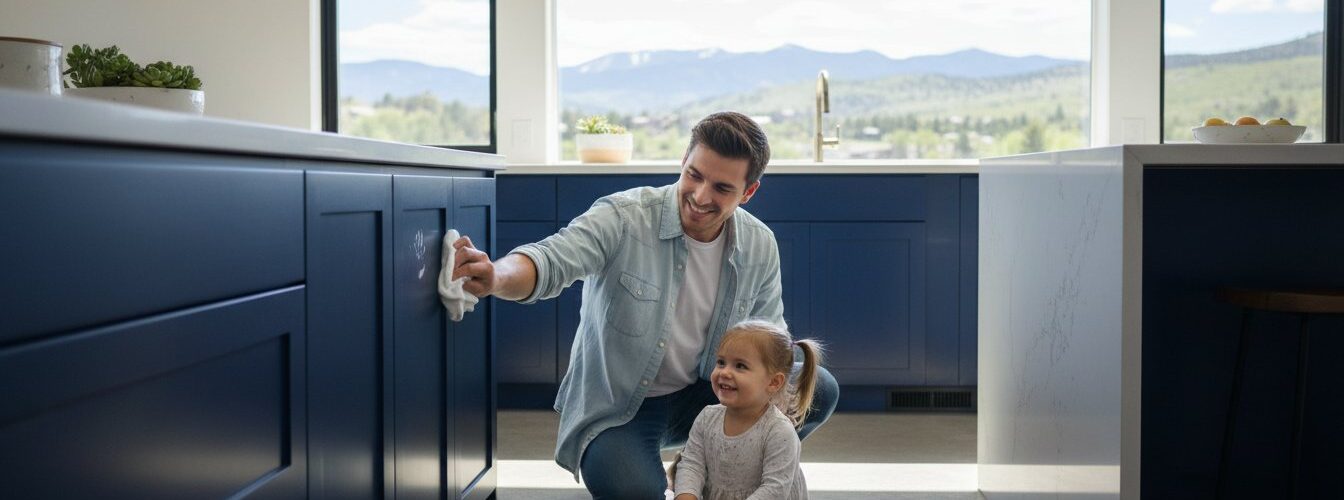
Effective maintenance relies on simplicity. A mixture of warm water and a few drops of mild, grease-cutting dish soap is sufficient for 99 percent of household messes. Use a high-quality microfiber cloth to wipe down surfaces, focusing on the areas around handles where skin oils accumulate. Drying the cabinets after cleaning is just as critical as the wash itself. Standing water can eventually seep into joints or the wood substrate, causing the finish to lift. You should never use lemon oil, wax-based polishes, or “cabinet food” products. These leave a greasy residue that attracts dust and makes future maintenance significantly more difficult.
Long-Term Protection Strategies
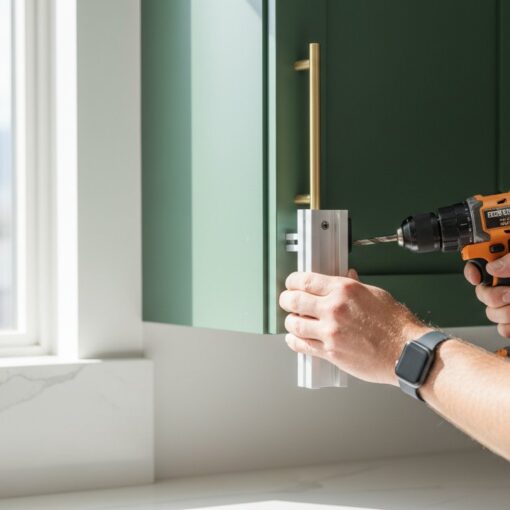
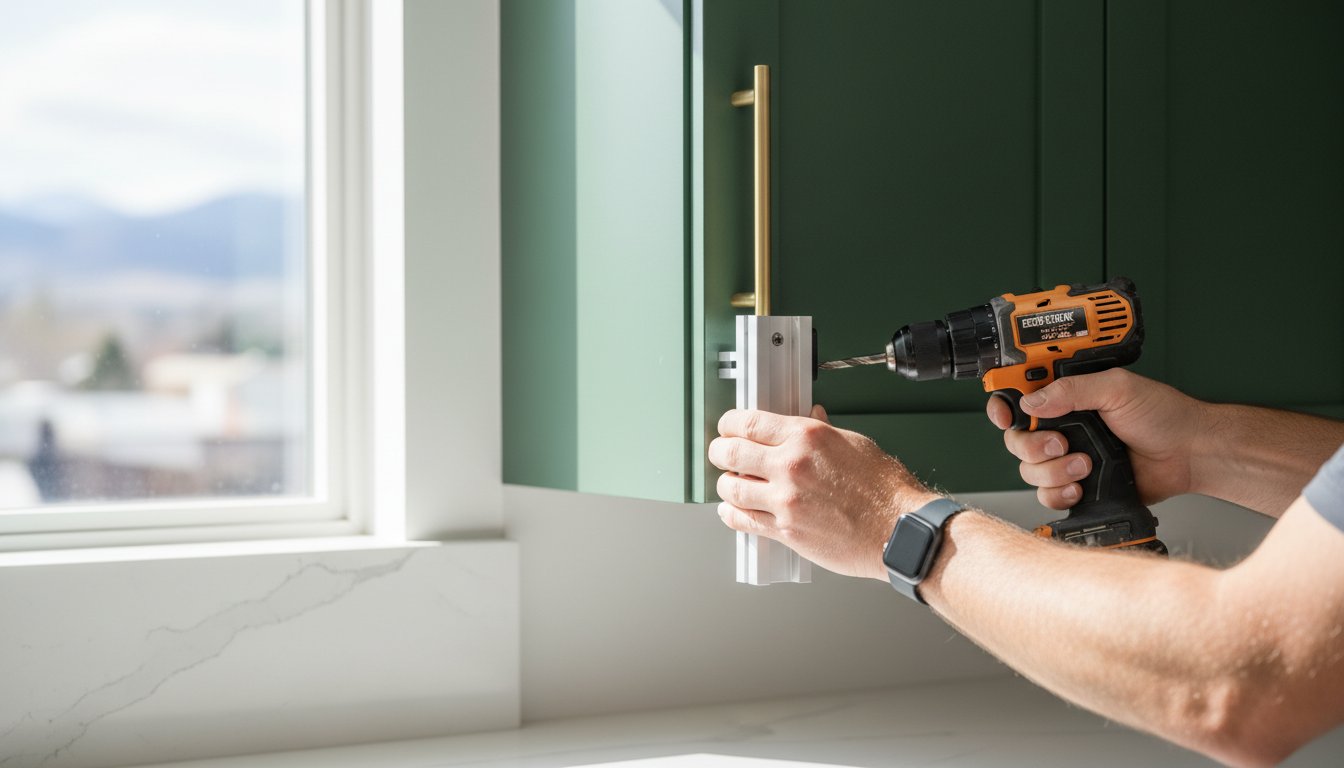
Mechanical wear is often overlooked in active households. Installing soft-close hinges and drawer slides significantly reduces the vibration and impact that leads to finish failure. Clear silicone bumper pads should also be applied to the inside corners of doors to prevent direct contact with the cabinet frame. In Denver’s dry climate, managing indoor humidity is essential. Aim to keep your home between 30 and 50 percent humidity to prevent the wood from expanding and contracting, which can stress the paint at the joints. If you need professional assistance to restore your surfaces, contact us for expert Kitchen Cabinet Painting services.
A basic touch-up kit should include a small container of the original coating and a fine-tipped artist brush. This allows you to seal minor scuffs before moisture can reach the wood. By following these procedural steps, you ensure that your kitchen remains a high-performing environment for your family while protecting your long-term investment.
Professional Cabinet Painting in Denver for Busy Households
Denver’s environmental conditions present specific challenges for maintaining painted cabinets in a busy kitchen. The region’s low humidity and high altitude cause standard retail paints to evaporate too quickly during application. This rapid drying often results in visible brush strokes and an uneven surface that is difficult to clean. Professional application methods account for these atmospheric variables by using specialized additives and controlled environments. This technical approach ensures the finish remains flexible enough to handle the expansion and contraction of wood without cracking at the joints.
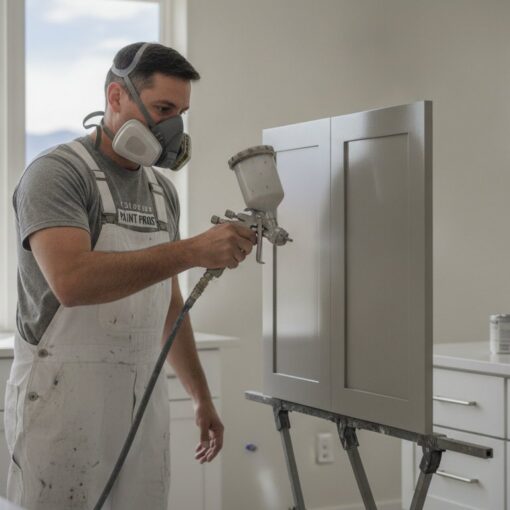
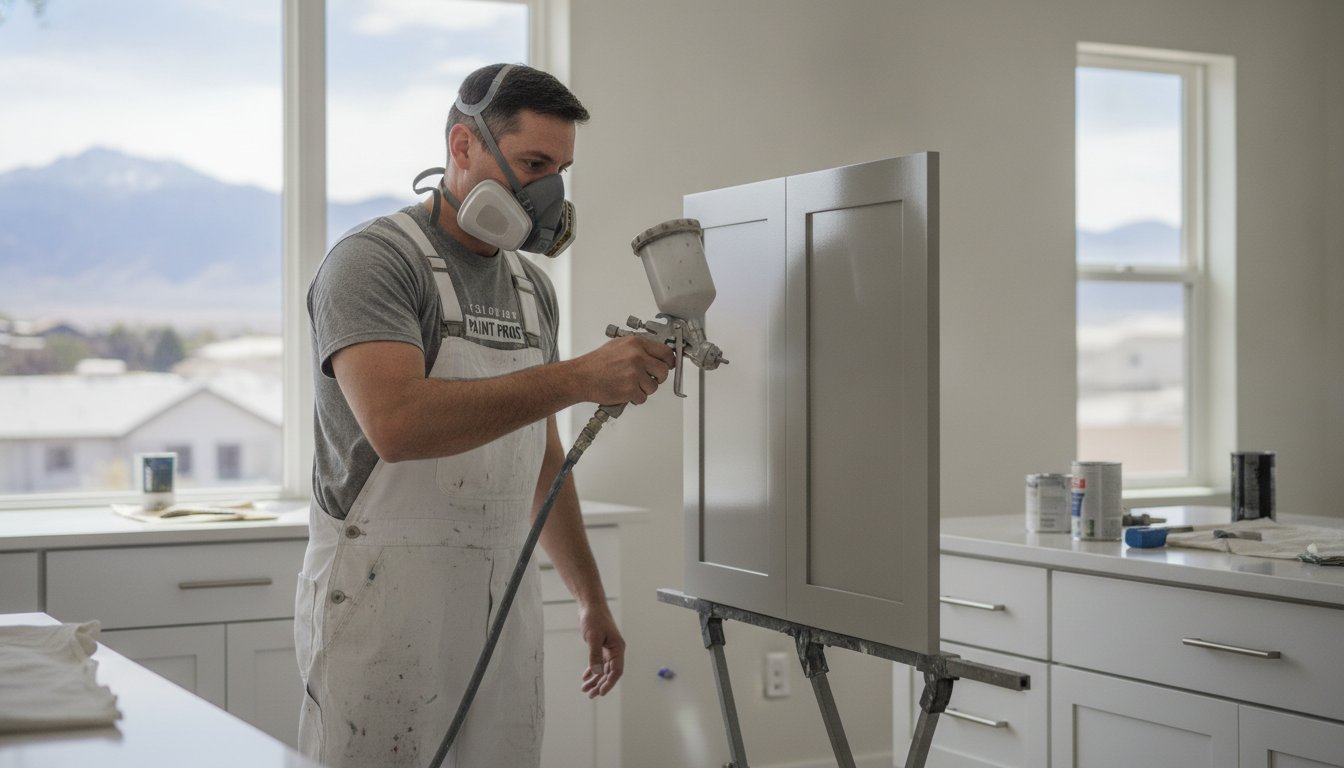
A professional project is designed to minimize household disruption. While the cabinet frames are painted on-site using rigorous masking and ventilation protocols, the doors and drawer fronts are processed in a dedicated facility. This separation allows families to continue using their kitchen for basic needs during the project. It also ensures that the most handled surfaces receive a superior level of protection that isn’t possible with on-site DIY methods. Investing in a professional finish provides a long-term solution that withstands the daily physical demands of an active household.
The Denver Advantage: Climate-Controlled Curing
Our off-site facility provides a climate-controlled environment that is essential for a factory-grade cure. In a typical Denver home, dust and pet hair can easily settle into wet paint, creating a textured surface that traps dirt. By moving the most critical components to a shop, we ensure a dust-free application. This process is vital for cabinet painting denver because it allows the 2K coatings to cross-link perfectly under ideal temperature and humidity levels. Local expertise is required to manage the Mile High altitude’s effect on drying times, ensuring the finish doesn’t become brittle or fail prematurely.
Ready for a Kid-Proof Kitchen?
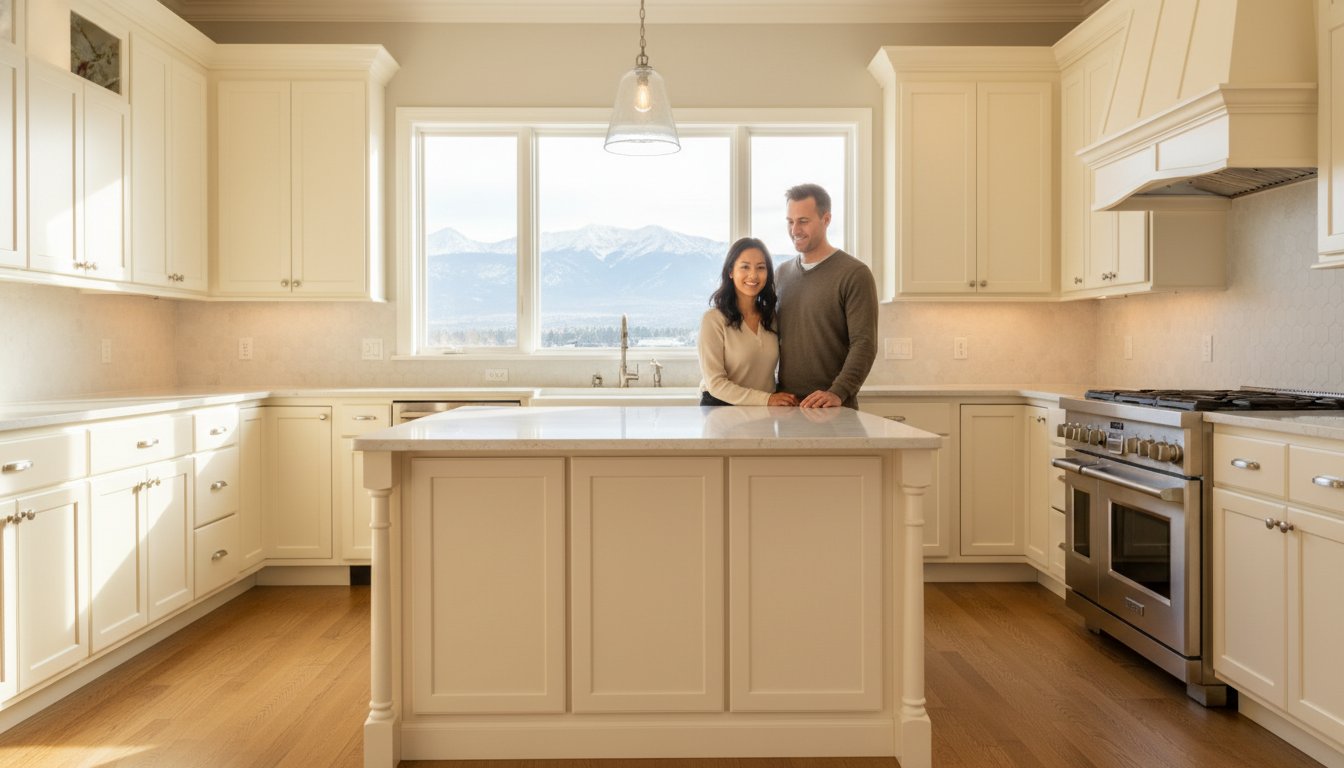
Achieving a kid-proof kitchen requires more than just a new color. It requires the chemical resilience of industrial 2K coatings that resist impact, moisture, and common household stains. These systems provide the easiest path for maintaining painted cabinets in a busy kitchen because they don’t require specialized waxes or frequent touch-ups. When you choose a professional service, you receive a surface that is as durable as it is aesthetically pleasing.
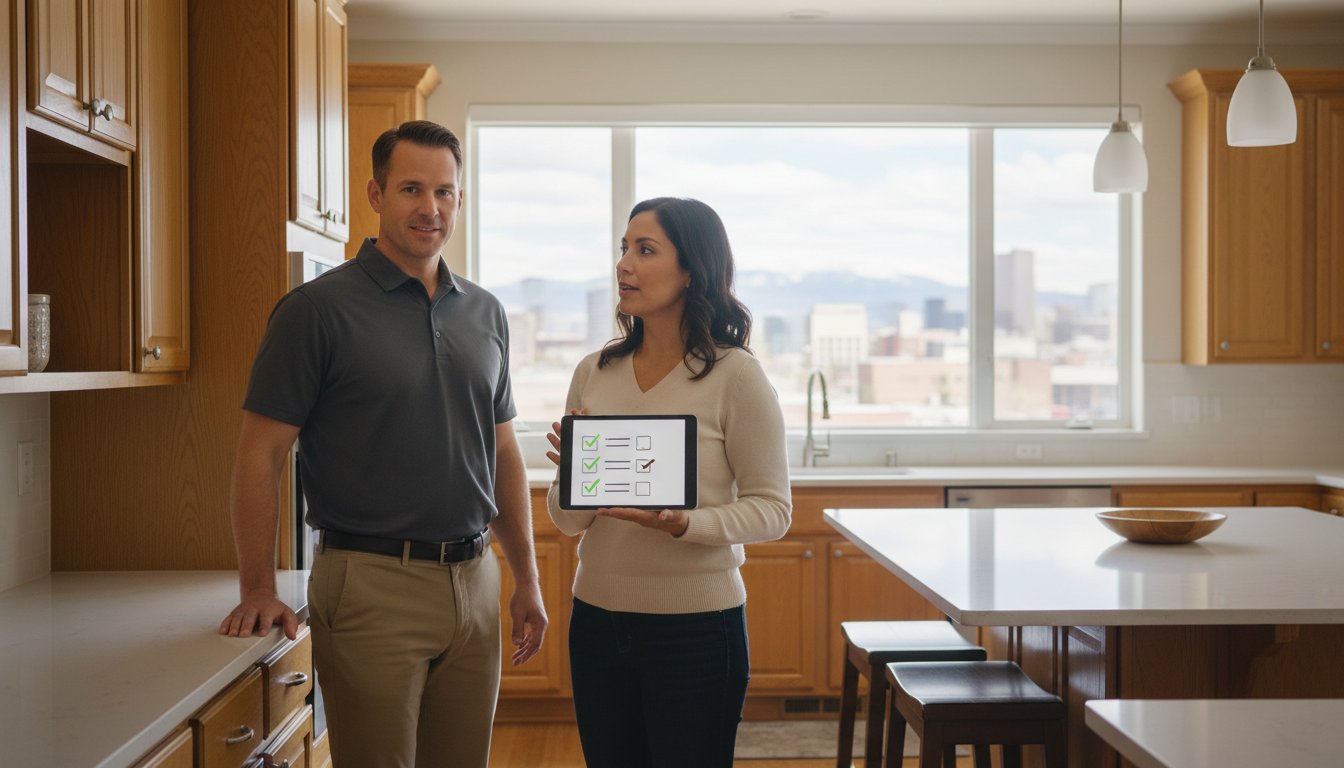
If you’re planning a project, it’s important to understand the variables that influence the cost to paint kitchen cabinets for your specific layout. Factors like the number of doors, the condition of the wood, and the chosen sheen level all play a role in the final requirements. For more information on how to protect your kitchen surfaces, Contact Cabinet Painting Denver for a free durability consultation. We provide expert Kitchen Cabinet Painting, Bathroom Cabinet Painting, and bookshelves cabinet painting services designed for longevity.
Protect Your Kitchen Investment with Industrial Durability
Achieving a resilient kitchen environment requires moving beyond retail-grade paints toward factory-smooth, 2K industrial coatings. These systems provide the chemical cross-linking necessary to withstand physical impact and frequent cleaning. Selecting a satin sheen effectively balances light diffusion with surface hardness. This ensures that fingerprints and scuffs remain hidden. By following professional cleaning protocols and managing indoor humidity, maintaining painted cabinets in a busy kitchen becomes a manageable task rather than a constant source of stress.
As a family-owned and operated local business, we understand the specific challenges Denver homeowners face. We provide Denver’s highest-rated professional spray finish using factory-grade 2K industrial coatings. Whether you require Kitchen Cabinet Painting, Bathroom Cabinet Painting, or bookshelves cabinet painting, our process ensures a long-lasting result that meets Colorado VOC regulations. Get Your Free Kid-Proof Cabinet Painting Quote in Denver today to secure a finish that stands up to the rigors of daily family life. You can enjoy a beautiful, high-performance kitchen without sacrificing style or air quality.
Frequently Asked Questions
What is the most durable paint finish for kitchen cabinets with kids?
The most durable finish is an industrial-grade 2K (two-component) polyurethane coating. This system utilizes a chemical hardener to create a cross-linked molecular structure that is significantly harder than standard retail paints. It provides superior impact and chemical resistance against daily household stress and physical contact from toys or kitchen equipment.
Are painted cabinets more likely to chip than stained ones?
Historically, stained cabinets hidden damage better because the color is absorbed into the wood grain. However, modern industrial pigmented coatings are engineered for high impact resistance. While standard latex paints chip easily under stress, professional 2K systems provide a plastic-like shield that resists mechanical wear far more effectively than traditional retail products.
How do I clean sticky fingerprints off painted cabinets without damaging the finish?
You should use a mixture of warm water and mild, grease-cutting dish soap applied with a soft microfiber cloth. This method is the safest way of maintaining painted cabinets in a busy kitchen without degrading the protective topcoat. Always dry the surface immediately with a separate clean cloth to prevent moisture from settling into the wood joints.
Is professional cabinet painting safe for homes with infants and pets (VOCs)?
Professional coatings are safe for homes with infants and pets because they must comply with strict environmental regulations. In Colorado, coatings adhere to the SCAQMD Rule 1113 which limits Volatile Organic Compounds (VOCs) to under 50 g/L for most architectural finishes. This ensures high indoor air quality while providing a furniture-grade finish that is safe for all family members.
Can I use a Magic Eraser on my painted cabinets?
No, you should never use a Magic Eraser on painted cabinets. These sponges are made of melamine foam, which is an abrasive material that acts like fine-grit sandpaper. Using them will permanently dull the sheen and remove the protective industrial coating, leading to uneven spots that require a professional respray to fix properly.
How long does a professional industrial cabinet finish last?
A professional industrial finish can last 10 years or more when properly maintained. This is significantly longer than DIY projects, which see a 60 percent failure rate within the first 18 months. The longevity depends on the use of catalyzed waterborne systems and proper surface preparation, which accounts for 70 percent of a successful project.
What sheen is best for hiding fingerprints and scratches?
A satin sheen, typically between 20 and 35 degrees, is the best option for hiding fingerprints and scratches. It provides enough surface hardness for regular cleaning while diffusing light to mask minor imperfections. Higher gloss levels highlight every smudge, while matte finishes can be more difficult to scrub without burnishing the surface and creating shiny spots.
Do I need to wait for my kids to be older before painting my cabinets?
You don’t need to wait for your children to grow older before investing in Kitchen Cabinet Painting. Modern industrial coatings are specifically designed for high-traffic family environments and high-impact zones. By choosing a finish with high chemical and impact resistance now, you protect your cabinetry from the spills and scuffs that occur during the most active years of family life.