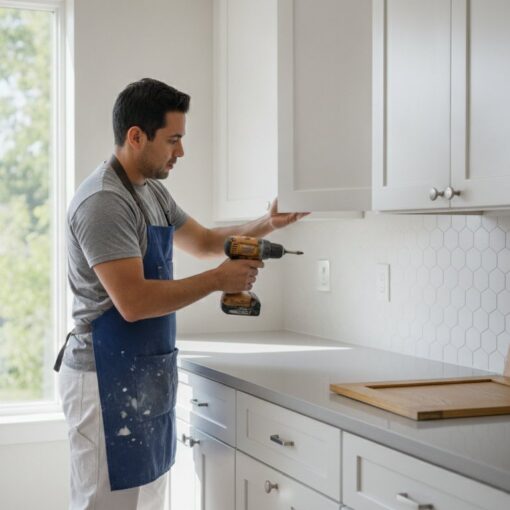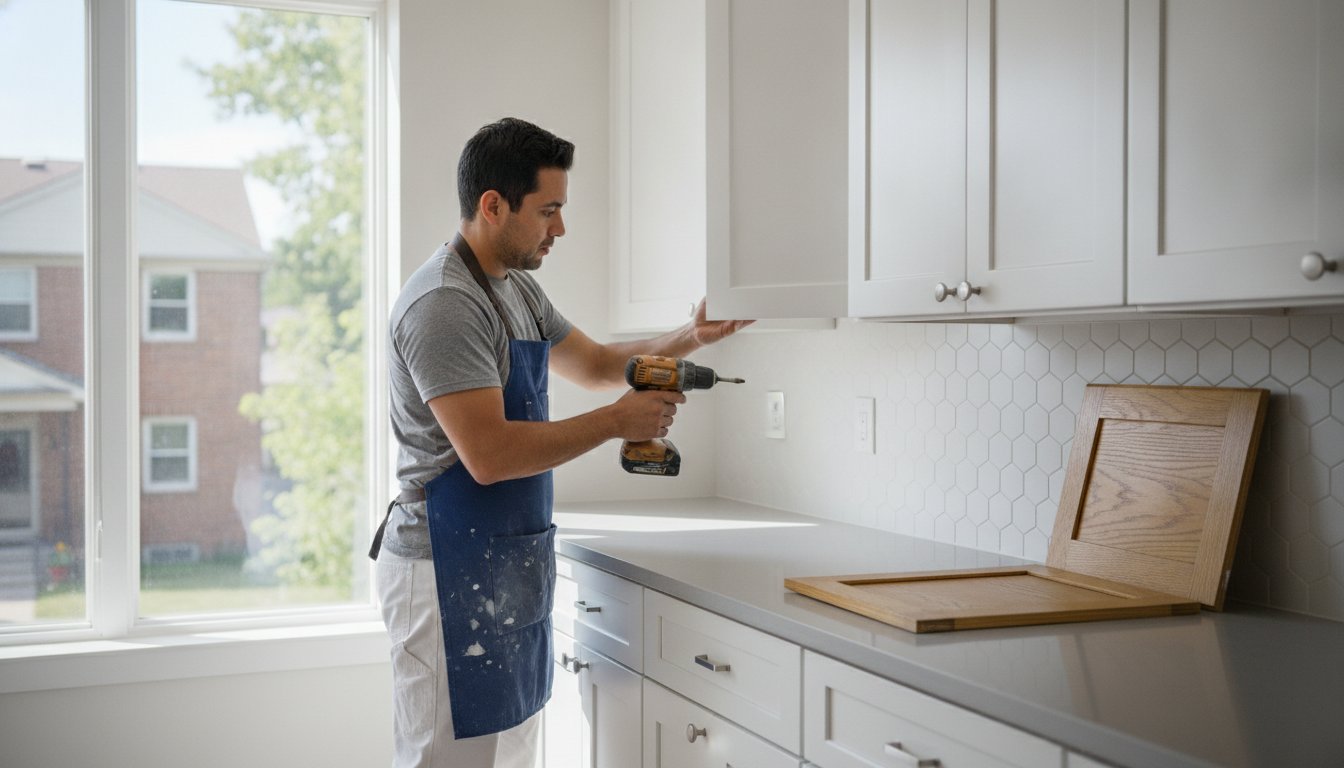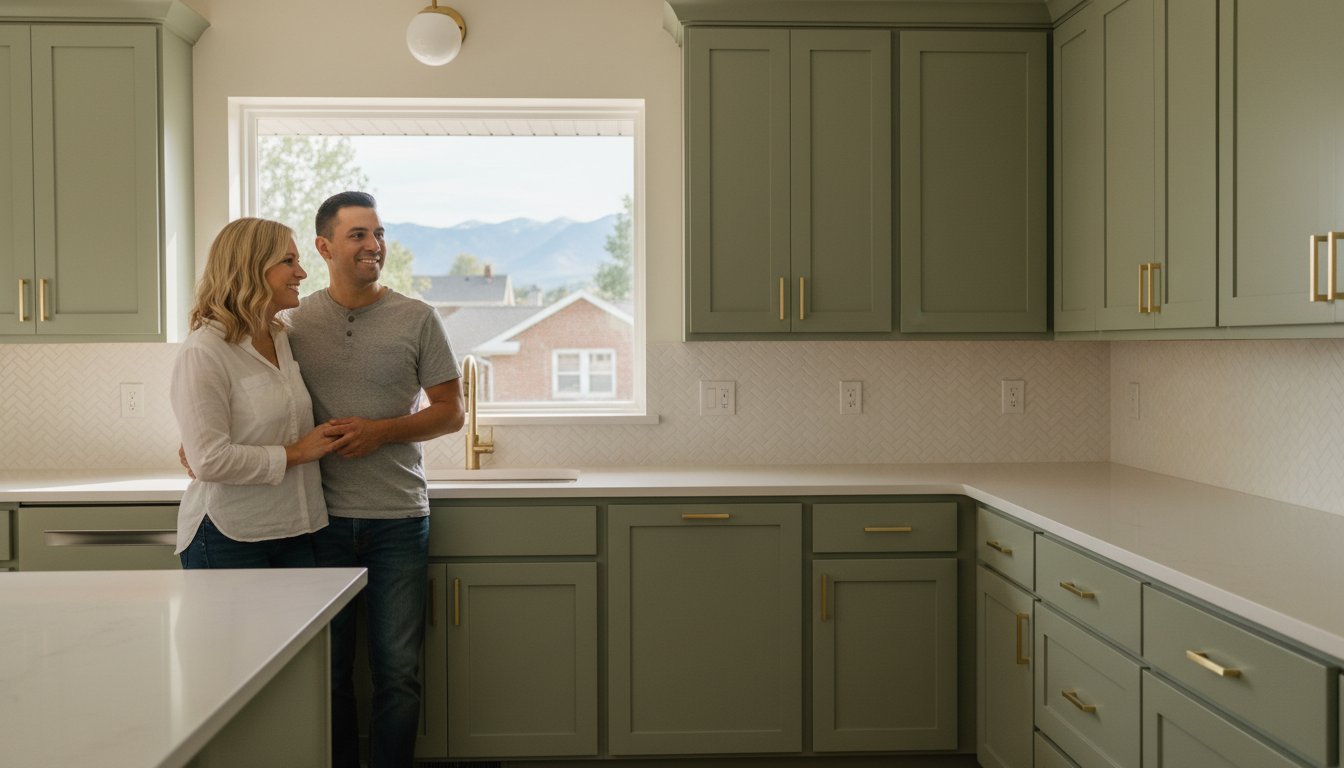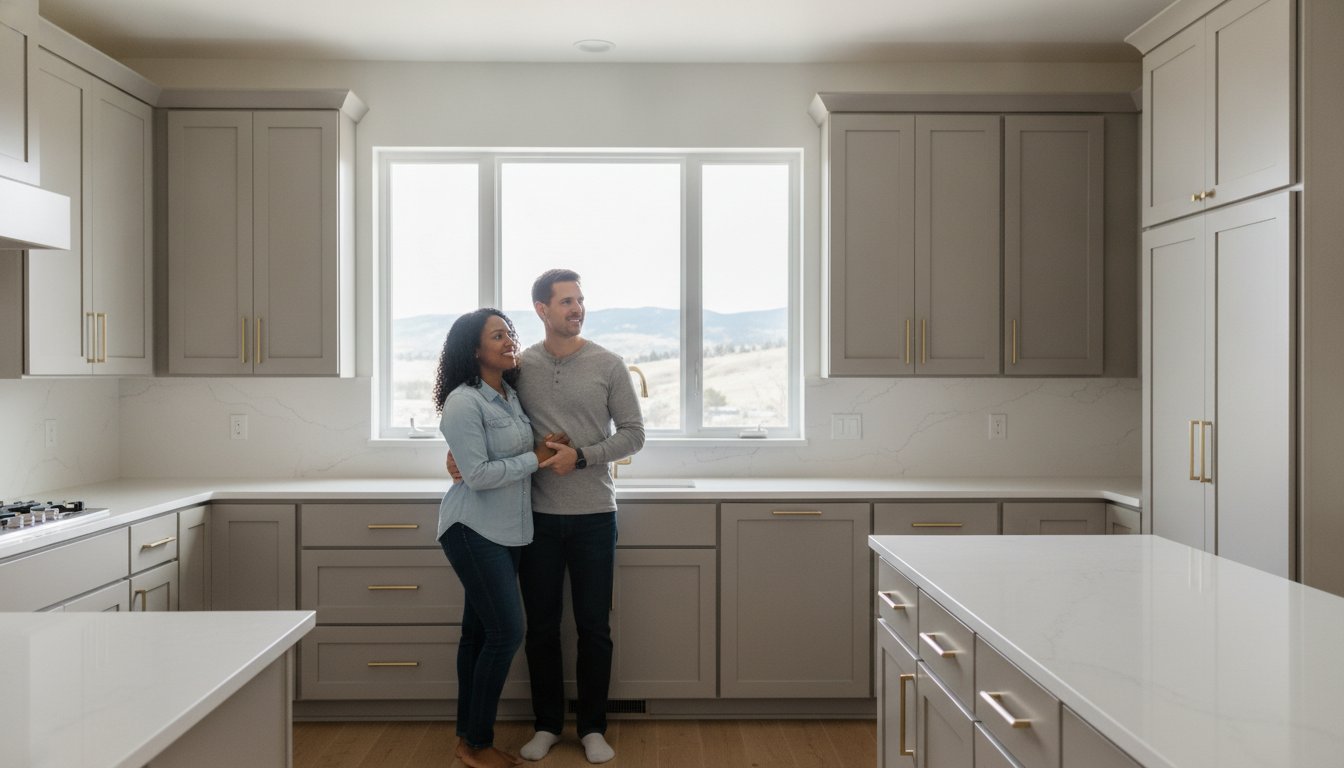

A standard cosmetic refresh is often a liability in a long-term residence where surfaces must endure years of daily use. You likely recognize that your kitchen and bathroom are high-traffic zones, and the anxiety that a new finish might chip or peel within a year is a significant concern for any homeowner. Professional cabinet painting for a forever home requires a shift in perspective, moving away from temporary DIY solutions toward architectural-grade finishes that function as a permanent structural upgrade.
This guide explains how to achieve a factory-smooth result that stands the test of time while increasing your property value. You’ll discover the technical requirements for high-performance durability against heat and moisture, including the importance of meeting KCMA A161.1 performance standards for 24-hour resistance to common kitchen spills. We will also outline how to select timeless, saturated hues that remain relevant as trends move toward warmer, earthy tones. By understanding the procedural differences between consumer-grade products and industrial coatings, you can ensure your kitchen cabinet painting, bathroom cabinet painting, or bookshelf project results in a resilient finish that lasts for over a decade.
Key Takeaways
- Identify why industrial-grade chemistry is necessary to meet the durability and cleanability requirements of a long-term residence.
- Understand the clinical decontamination and surface profiling steps required to achieve a factory-grade finish that resists kitchen oils.
- Evaluate the long-term ROI of professional cabinet painting for a forever home compared to the high failure rates of DIY applications.
- Discover how to select timeless color palettes and satin sheen levels that maintain aesthetic relevance for over a decade.
- Learn how local environmental factors like low humidity and high-altitude UV exposure affect finish stability in the Denver area.
What Defines Cabinet Painting for a Forever Home?
For many homeowners, the kitchen is the most utilized room in the house. When considering cabinet painting for a forever home, the objective shifts from a temporary cosmetic update to an architectural-grade transformation. This standard requires a finish that prioritizes extreme durability, ease of maintenance, and aesthetic longevity. Unlike a rental property or a house intended for resale, a forever home demands surfaces that can withstand decades of repetitive use without degrading or losing their structural integrity.
Standard residential latex or acrylic paints are designed for walls, not high-contact cabinetry. These coatings often lack the molecular density required to resist the absorption of kitchen oils and the softening effects of constant steam. Over time, these consumer-grade products become tacky or begin to peel. Achieving a permanent result requires industrial-grade chemistry that provides superior chemical resistance against grease and household cleaners. This level of protection ensures the finish remains bonded to the substrate despite the environmental stressors of a functional kitchen.
To better understand the technical requirements of high-performance coatings, watch this professional application overview:
Durability vs. Aesthetics: Why You Need Both
A visually appealing kitchen loses its value if the coating chips within the first 24 months. In a high-traffic family environment, cabinets face physical impacts, moisture from dishwashers, and heat from stovetops. Professional finishes are engineered to mimic the physical properties of original factory coatings. This involves understanding Kitchen cabinet construction and how different materials, such as solid wood or MDF, expand and contract. Without a finish that accommodates these movements, the paint will inevitably crack at the joints.
The Investment Perspective of a Forever Home
Choosing high-quality finishes is a strategic financial decision. While a full cabinet replacement is a massive undertaking, professional kitchen cabinet painting or bathroom cabinet painting preserves the structural integrity of your existing solid wood boxes. This approach offers a significant return on investment by providing a factory-grade result at a fraction of the replacement cost. However, “forever” quality is not achieved through a standard brush-and-roller application. It requires a specialized procedural approach involving clinical decontamination and precision spray equipment to ensure the bond is permanent. When you invest in cabinet painting for a forever home, you’re choosing a solution that treats cabinetry as a permanent architectural feature rather than a temporary trend.
The Industrial Process: How to Achieve a Factory Finish
A factory finish is defined by its molecular bond and physical smoothness. When performing cabinet painting for a forever home, the process follows a strict industrial protocol. It begins with clinical-level decontamination. This step utilizes specialized chemical agents to strip away years of embedded kitchen oils, waxes, and silicones that standard cleaners cannot touch. Without this, even the most expensive paint will fail to adhere. You can’t simply sand over grease; you must remove it at a chemical level.
Following decontamination, the surface undergoes mechanical and chemical profiling. This involves creating a specific surface profile that allows the coating to “bite” into the substrate. Once profiled, high-solids, industrial-grade bonding primers are applied. These primers serve as a bridge between the wood and the topcoat, blocking tannins and preventing future bleed-through. The final application uses High Volume Low Pressure (HVLP) spray technology. This multi-stage spraying technique delivers a glass-smooth surface that’s impossible to replicate with a brush or roller. Finally, the components enter a controlled curing environment. This ensures the coating reaches its maximum hardness and chemical resistance before being reinstalled in your home.
Industrial Coatings vs. Consumer Paint
Most “box store” paints are single-component products that air-dry. In contrast, professionals use 2K polyurethanes or acid-catalyzed finishes. These are two-component systems that undergo a chemical reaction to harden. This chemistry allows a finish to meet the KCMA A161.1 standards for durability against heat and moisture. These coatings also feature high blocking resistance. This technical property prevents cabinet doors from sticking to the frames after they’ve been closed for long periods, which is a common failure in DIY projects. If you’re planning a project, you can explore professional specifications to see how these materials compare.
The Superiority of Off-Site Spraying
For a permanent residence, the quality of the environment is just as important as the paint itself. Finishing doors and drawers in a controlled shop environment is essential for longevity. A professional spray booth is a dust-free zone that prevents contaminants from landing in the wet coating. This off-site approach allows for horizontal spraying, which results in a thicker, more even film build without the risk of runs or sags. The difference between a hand-painted look and a factory-smooth finish is often the difference between a project that lasts three years and one that lasts fifteen.
Professional vs. DIY: Risk Assessment for Your Permanent Residence
Choosing between a DIY approach and professional services is a critical decision for your long-term residence. While a DIY project might cost between $200 and $600 for supplies, the lifespan of the finish is significantly shorter than an industrial application. Industry data suggests a DIY brush-painted finish typically lasts 5 to 8 years. In contrast, a professional, spray-applied finish can last between 8 and 15 years. For homeowners prioritizing cabinet painting for a forever home, this gap in longevity is significant. A failed DIY project often requires a complete chemical strip to fix. This process is far more labor-intensive and expensive than doing it right the first time.
The equipment used also dictates the final outcome. Most DIYers rely on brushes and rollers, which leave textures and brush marks. Professionals utilize industrial sprayers that provide a uniform film thickness. This precision is vital for creating the blocking resistance that prevents doors from sticking. Beyond tools, professional services provide accountability. If a finish fails due to a technical error, the responsibility lies with the provider. This peace of mind is invaluable when you don’t plan on moving for decades.
Common DIY Failures in Long-Term Homes
Adhesion failure is the most common issue in long-term homes. It usually starts around handles or near the dishwasher where moisture and oils are prevalent. Without industrial decontamination, the paint simply sits on top of the wood rather than bonding to it. Grain raise is another concern. Water-based consumer paints can cause wood fibers to swell, resulting in a rough, “fuzzy” texture. Finally, inadequate curing is a hidden danger. While paint may feel dry to the touch in hours, it can take weeks to reach full chemical hardness. Putting cabinets back into service too early leads to permanent indentations.
When to Hire a Professional Cabinet Painter
Evaluating the quality of your existing cabinetry is the first step. If your kitchen features high-quality solid wood boxes, it’s worth the investment in a professional finish to preserve that structural value. Different wood species require different treatments. Open-grain woods like Oak need specific filling techniques to achieve a smooth look. Maple requires precise sanding to ensure adhesion. Hiring specialized cabinet painters ensures that these technical complexities are managed correctly. This results in a finish that matches the quality of your permanent residence, whether you are focusing on kitchen cabinet painting, bathroom cabinet painting, or bookshelf projects.

Designing for Longevity: Timeless Colors and Hardware
A successful project involving cabinet painting for a forever home requires a balance between physical durability and visual endurance. While industrial-grade chemistry ensures the coating remains bonded, the choice of color and sheen determines whether the design remains relevant in 2036 and beyond. Avoiding “fast fashion” trends is essential. Instead, homeowners should focus on a palette that complements permanent architectural elements like stone countertops and hardwood flooring. These high-cost items are rarely replaced, so the cabinetry finish must act as a cohesive bridge within the space.
Sheen selection is a critical functional decision. Satin and semi-gloss finishes are the industry standard for high-use areas because they offer the best balance of light reflectivity and cleanability. A matte finish might look modern, but it often lacks the “scrubability” required for a kitchen that sees daily use. Higher sheen levels provide a smoother surface that resists the penetration of moisture and kitchen grease, directly contributing to the lifespan of the architectural upgrade.
The 2026 Palette for Forever Homes
Current design trends for 2026 show a significant shift toward warmer, more grounded environments. While cool grays were dominant in previous years, the “forever home” standard now favors warm whites, smoky jades, and muted olive greens. These “new neutrals” offer sophistication without being tied to a specific passing fad. Deep navies and forest greens are also gaining traction as long-term choices for islands or bathroom vanities. Before finalizing a selection, consulting a professional painter’s guide can help you understand how light reflectivity values (LRV) will affect the color in your specific environment.
Hardware and Functional Upgrades
Hardware is the primary point of contact between a user and the painted surface. From a structural perspective, handles and knobs are essential for preventing the transfer of acidic finger oils to the paint finish. For a permanent residence, upgrading to soft-close hinges and drawer slides is a necessary functional improvement. These components reduce the physical impact of doors slamming against the frames, which preserves the integrity of the coating over time. Popular hardware finishes for 2026 include antique brass, brushed gold, and matte black. These metals pair effectively with the warm, saturated colors currently trending in high-end cabinetry. If you are ready to modernize your space, you can view our color and hardware options to align your finish choices with your home’s architecture.
Professional Cabinet Painting in Denver: Local Considerations
Denver’s environmental conditions present specific technical challenges for architectural finishes. The low humidity levels characteristic of the Front Range accelerate surface drying but can complicate the deeper curing process. While a coating may feel dry to the touch within an hour, the chemical cross-linking required for maximum hardness takes significantly longer in arid climates. When executing cabinet painting for a forever home in Colorado, the application process must account for these atmospheric variables to prevent premature failure. High-altitude UV radiation also poses a risk to color stability. Standard residential paints often degrade or yellow when exposed to the intense sunlight common in high-elevation homes. Industrial-grade coatings are formulated with UV inhibitors to ensure the aesthetic remains consistent for over a decade.
Preparing your residence for a professional crew requires managing the indoor environment. It’s often necessary to maintain a stable temperature and humidity level during the application and initial curing phases. This stability prevents the wood from moving too rapidly while the coating is still reaching its peak resilience. Local expertise is essential for navigating these factors, as a technician familiar with cabinet painting in Denver will adjust their methodology based on current seasonal conditions.
The Denver Climate Advantage and Challenge
Wood is a hygroscopic material that expands and contracts based on moisture content. In Denver, the extreme dryness can cause wood panels to shrink, potentially exposing unfinished “lines” at the joints if the cabinets were originally finished in a more humid environment. A professional approach involves treating these joints specifically to ensure complete coverage. It’s vital to distinguish between dry time and cure time. A project that is rushed back into service before the coating has fully cured in our dry air is susceptible to permanent damage. Consulting a detailed cabinet refinishing guide can help you understand how these environmental factors dictate the project timeline.
Finding the Right Partner for Your Forever Home
Selecting a contractor for a long-term residence requires a focus on procedural transparency. You should review a contract that clearly outlines the decontamination, profiling, and multi-stage spraying steps discussed in previous sections. Requesting to see a local gallery of projects that are at least five years old provides evidence of how their finishes withstand Denver’s climate over time. Finally, ensure you receive a full price breakdown tailored to your specific kitchen cabinet painting, bathroom cabinet painting, or bookshelf project. This clarity prevents unexpected costs and ensures the scope of work aligns with the requirements of a forever home standard.
Secure Your Long-Term Investment with Professional Precision
Transitioning your kitchen or bathroom into a permanent architectural feature requires more than a simple color change. Industrial-grade coatings and clinical surface preparation are the only ways to ensure your cabinetry resists oils, moisture, and UV degradation for years to come. By prioritizing technical specifications over temporary DIY trends, you protect the structural integrity of your home’s most used surfaces. High-performance finishes aren’t just about aesthetics; they’re about maintaining functional value in your residence for the long term.
Achieving cabinet painting for a forever home is a strategic upgrade that combines industrial chemistry with specialized local knowledge. Our team utilizes specialized industrial spray finishes and maintains KCMA-equivalent durability standards to ensure your kitchen cabinet painting, bathroom cabinet painting, or bookshelf project remains resilient. We’ve provided local Denver expertise since 2026 to help homeowners navigate the specific challenges of the Colorado climate. Get Your Free Forever-Home Cabinet Consultation in Denver to start your transformation. It’s time to build a space that functions as beautifully in a decade as it does today.
Frequently Asked Questions
Is cabinet painting durable enough for a home I plan to stay in forever?
Professional cabinet painting for a forever home is highly durable when industrial-grade coatings are applied. These finishes are engineered to withstand the constant heat and moisture levels found in a high-use kitchen. Unlike consumer-grade paints, professional systems create a hard, chemical bond that resists daily wear and impact. This ensures the cabinetry remains a permanent feature of your residence rather than a temporary cosmetic fix.
How long does a professional cabinet painting project actually last?
A professional, spray-applied cabinet finish typically lasts between 8 and 15 years. This longevity depends on the quality of the initial surface profiling and the chemical composition of the industrial topcoat. In a stable environment with proper maintenance, these finishes often exceed a decade of use. Proper care ensures the coating maintains its structural integrity and aesthetic appeal throughout your long-term residency.
Will the paint chip around the handles or high-use areas?
Chipping is effectively prevented through the use of high-solids bonding primers and clinical decontamination. These steps ensure the coating adheres at a molecular level to the high-contact areas around handles and drawers. Installing proper hardware also acts as a physical barrier between acidic finger oils and the paint finish. When applied correctly, the finish resists the mechanical stress of opening and closing doors thousands of times.
What is the difference between cabinet painting and cabinet refinishing?
Cabinet painting involves the application of a high-performance opaque coating to the surface of the wood. This process completely changes the color while maintaining the texture of the wood grain. Cabinet refinishing, which this business does not offer, typically refers to stripping existing finishes to apply a new stain or glaze. Painting is the preferred choice for a forever home when seeking a modern, durable, and uniform architectural finish.
How do I clean my painted cabinets without damaging the finish?
Clean your painted surfaces using a soft microfiber cloth and a solution of mild dish soap and warm water. Avoid using abrasive sponges or harsh chemical cleaners that can degrade the protective topcoat over time. Drying the surface immediately after cleaning prevents moisture from sitting on the cabinet joints. This simple maintenance routine preserves the sheen and longevity of your kitchen cabinet painting or bathroom cabinet painting project.
Can you paint over previously painted or stained cabinets in a forever home?
You can successfully apply a new finish over previously painted or stained cabinets. The process requires mechanical profiling and chemical agents to remove existing waxes or failing coatings. This creates a fresh substrate for industrial primers to bond with. Ensuring a clean foundation is the most critical step for cabinet painting for a forever home when dealing with older, existing finishes that may have lost their adhesion.
How long will my kitchen be out of commission during the painting process?
Most professional projects require the kitchen to be partially out of commission for 5 to 10 days. This timeline accounts for the off-site spraying of doors and the on-site preparation of the cabinet frames. While the frames are being processed, you will have limited access to the cooking area to maintain a dust-free environment. A structured schedule ensures the environment remains controlled for the curing of the industrial-grade coatings.
Is it better to replace cabinets or paint them if I am staying long-term?
Painting is often the superior choice if your existing cabinet boxes are made of high-quality solid wood or plywood. Professional painting provides a factory-grade finish at a fraction of the cost of full replacement. This allows you to invest in other permanent upgrades like countertops or high-end appliances. Preserving structurally sound cabinetry is a sustainable and cost-effective way to modernize a long-term residence without the disruption of a full demolition.