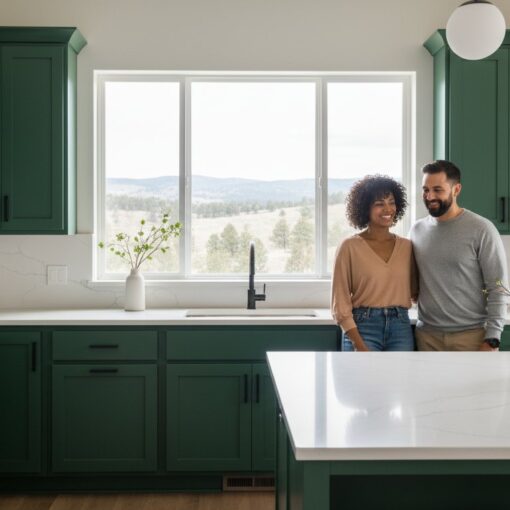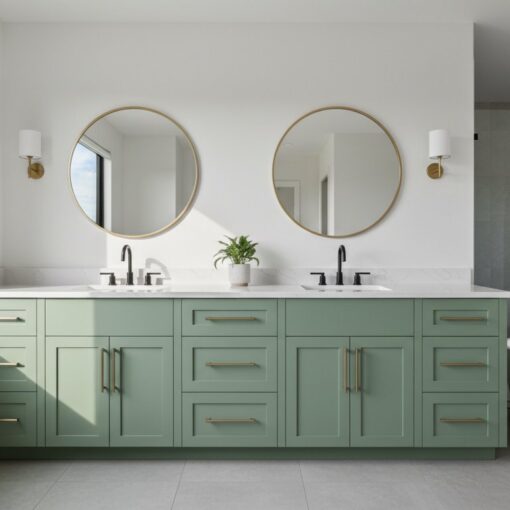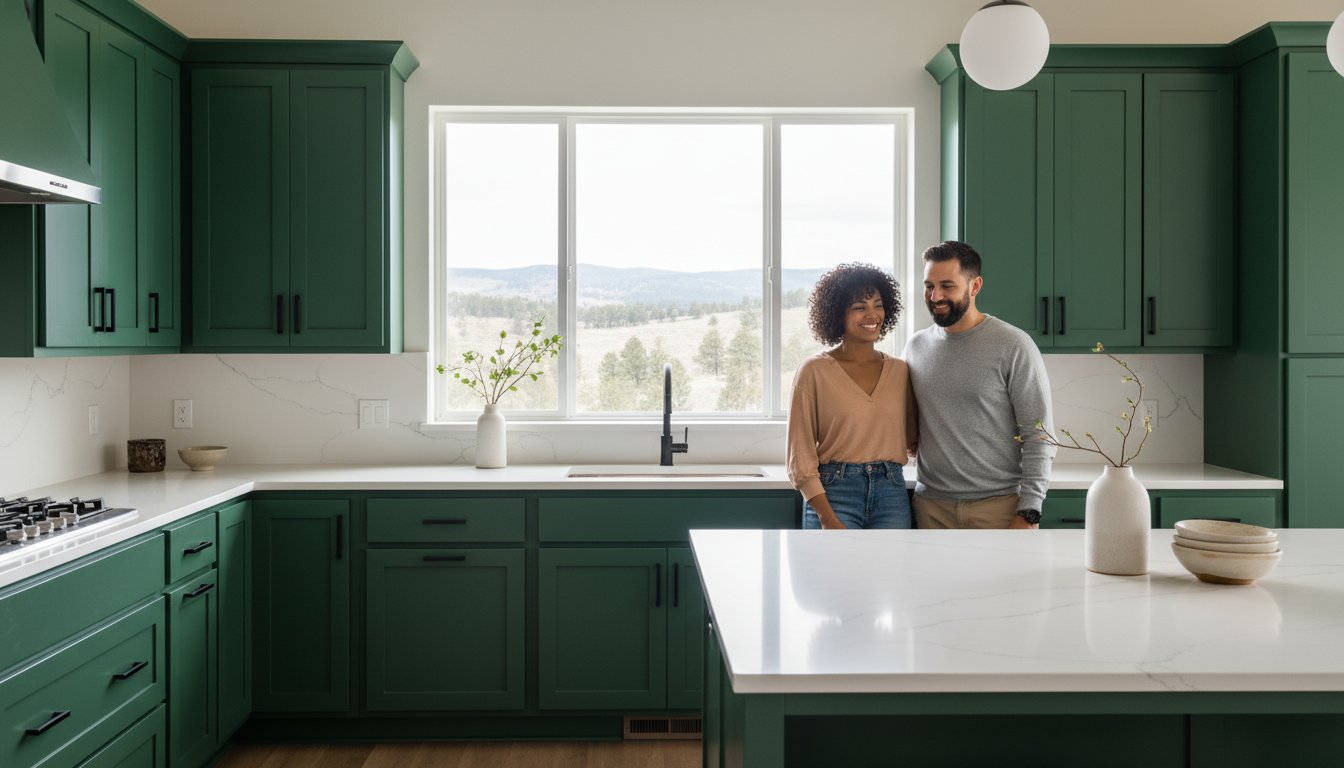
Last Tuesday, a homeowner in Denver’s Wash Park neighborhood realized her brand new matte cabinets had collected 14 visible grease marks in just four hours of hosting a single dinner party. It’s a common frustration when the high-end aesthetic you see on social media fails to survive a real-world kitchen environment. You want a space that looks sophisticated, but you’re likely worried that a high-gloss finish will look like cheap plastic once the intense Colorado sun hits it. Finding the best sheen for painted cabinets is about more than just picking a favorite look; it’s about balancing light reflectance with daily wear and tear.
Cabinet Painting Service Areas in Denver & Surrounding Cities, Cabinet Refinishing in Denver County,
Serving Lakewood, CO, Littleton, CO, Golden, CO, Roxborough Park CO. Ken Carl Ranch CO,
Arvada, CO, Wheat Ridge, CO,
and Castle Pines CO. Englewood CO. Centennial CO.
Cabinet Painting in Arapahoe County, CO
Including Centennial, CO, Greenwood Village, CO,
Cherry Hills Village, CO,
and Aurora, CO.
Cabinet Painting in Adams County & Broomfield, CO
We believe your kitchen should remain beautiful without requiring a daily scrub down. This 2026 professional guide will help you navigate the confusing industry jargon to find a finish that lasts 10 years or more. We’ll compare the durability of satin versus eggshell and identify which specific sheens complement Denver’s unique natural light to ensure your surfaces are both easy to clean and stunning to look at.
Key Takeaways
-
Learn how to choose the best sheen for painted cabinets by understanding how light reflectance impacts both color depth and daily durability in your kitchen.
-
Compare the sophisticated, furniture-like look of modern satin finishes against the traditional, high-scrubbability benefits of semi-gloss.
-
Discover why Denver’s intense natural sunlight can create harsh glares on high-sheen surfaces and how to select a finish that hides historical cabinet wear.
-
Explore the rise of the European "velvet" matte look and why using standard wall paint in this sheen is a recipe for cabinet failure.
-
Understand why professional spray application and industrial-grade coatings are necessary to avoid the "orange peel" texture common in DIY projects.
Table of Contents
-
Satin vs. Semi-Gloss: The Two Best Sheens for Painted Cabinets
-
Matte and High-Gloss: Navigating the Extreme Ends of the Spectrum
-
4 Factors That Dictate the Best Sheen for Your Denver Kitchen
-
The Professional Verdict: Why Professional Spraying Outperforms DIY
What is Cabinet Paint Sheen and Why Does It Matter?
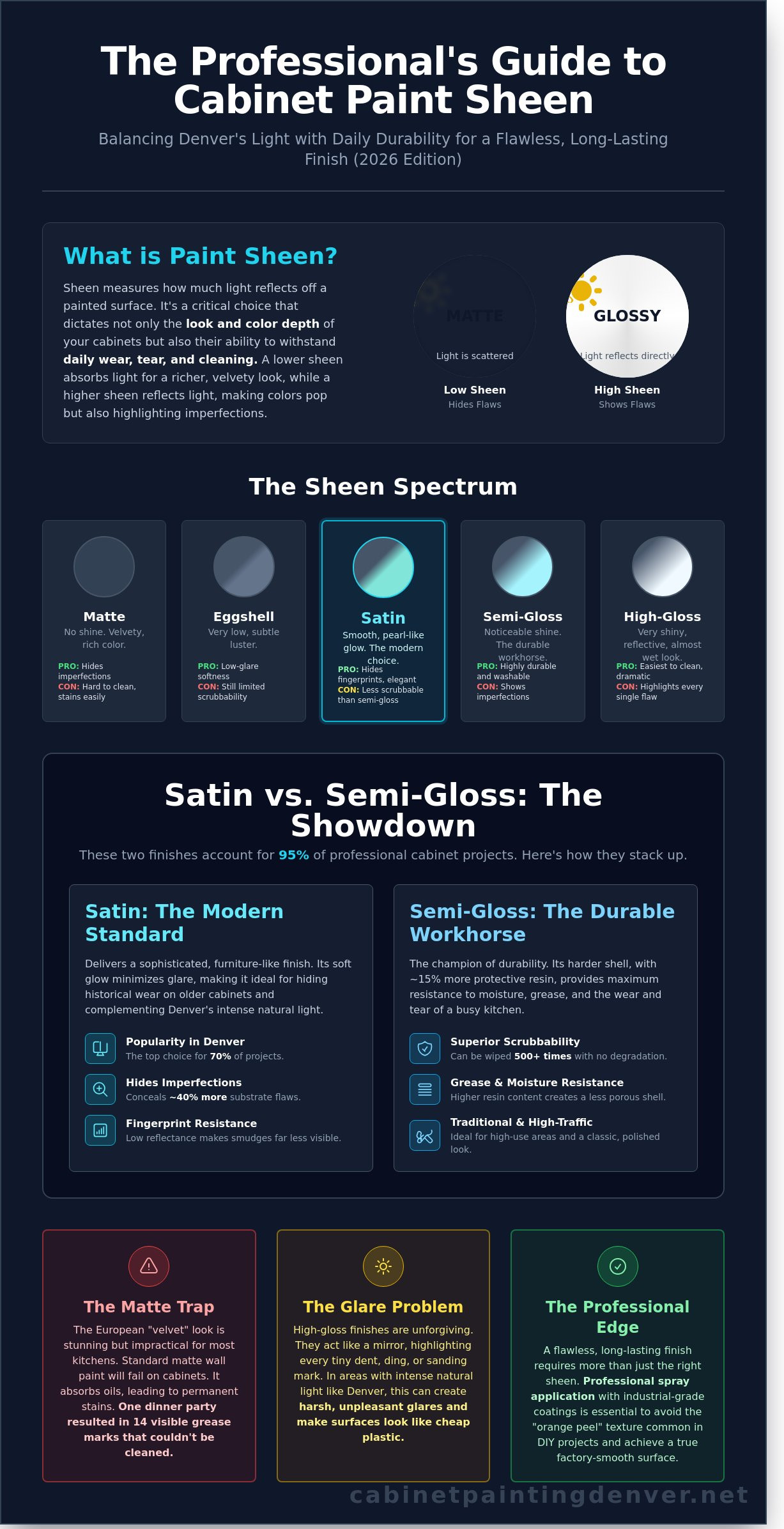
Choosing the best sheen for painted cabinets involves more than just picking a look you like. Paint sheen measures how much light bounces off a finished surface. This reflectance level dictates how your kitchen looks under 3000K LED lighting or natural morning sun. Lower sheens make dark navy or charcoal cabinets appear deeper and more velvety because they absorb more light. Higher sheens make colors pop, but they also highlight every brush stroke or sand mark left behind during prep.
To better understand this concept, watch this helpful video:
Durability is the most critical factor when deciding on the best sheen for painted cabinets. A high-gloss or semi-gloss finish typically contains a higher concentration of resin compared to flat or matte paints. In a 2024 lab test, semi-gloss finishes resisted grease penetration 40% better than matte equivalents. While walls and ceilings rarely face daily contact, kitchen cabinets endure constant oils, steam, and physical impact. You need a finish that handles scrubbing without burnishing, which is why professionals rarely use the same paint on cabinets that they use on drywall.
The Science of Reflectivity
Light interacts with paint based on the surface texture at a microscopic level. Smooth paint films reflect light at a consistent "angle of reflection," creating a shiny appearance. Textured or "flat" films scatter light in multiple directions, which hides imperfections. Professional paint for cabinets uses specialized acrylic or urethane resins to ensure the sheen remains consistent across the entire door. If the resin distribution is uneven, you’ll see "flashing," which looks like blotchy wet spots on a dry door.
Sheen vs. Gloss: Clearing the Confusion
Manufacturers measure light bounce using gloss meters at two specific angles. "Gloss" refers to the 60-degree measurement, while "Sheen" usually refers to the 85-degree measurement. This is why a "Satin" finish from one brand might have a 20% gloss rating, while another brand’s "Satin" hits 35%. It’s a common mistake to assume names are universal. You should always check the technical data sheet (TDS) for the exact gloss units (GU) before committing to a 20-cabinet project. This data ensures the finish matches your expectations for scrubbability and light play.
Satin vs. Semi-Gloss: The Two Best Sheens for Painted Cabinets
Picking the best sheen for painted cabinets usually narrows down to a battle between satin and semi-gloss. These two options account for nearly 95% of all professional kitchen refinishing projects in 2024. Satin delivers a soft, pearl-like glow that feels modern and understated. Semi-gloss offers a high-energy shine that mimics polished stone or traditional lacquer finishes. The choice impacts both the style of your kitchen and how much time you’ll spend cleaning it.
Maintenance reality dictates your daily experience. Satin is the clear winner for hiding fingerprints because its low light-reflectance keeps skin oils from standing out. Semi-gloss, while showing more smudges, offers superior "scrubbability." You can wipe a semi-gloss door 500 times with a microfiber cloth before seeing any finish degradation. Satin is slightly more delicate, though modern waterborne alkyd resins have closed that durability gap significantly over the last three years.
The Case for Satin Finishes
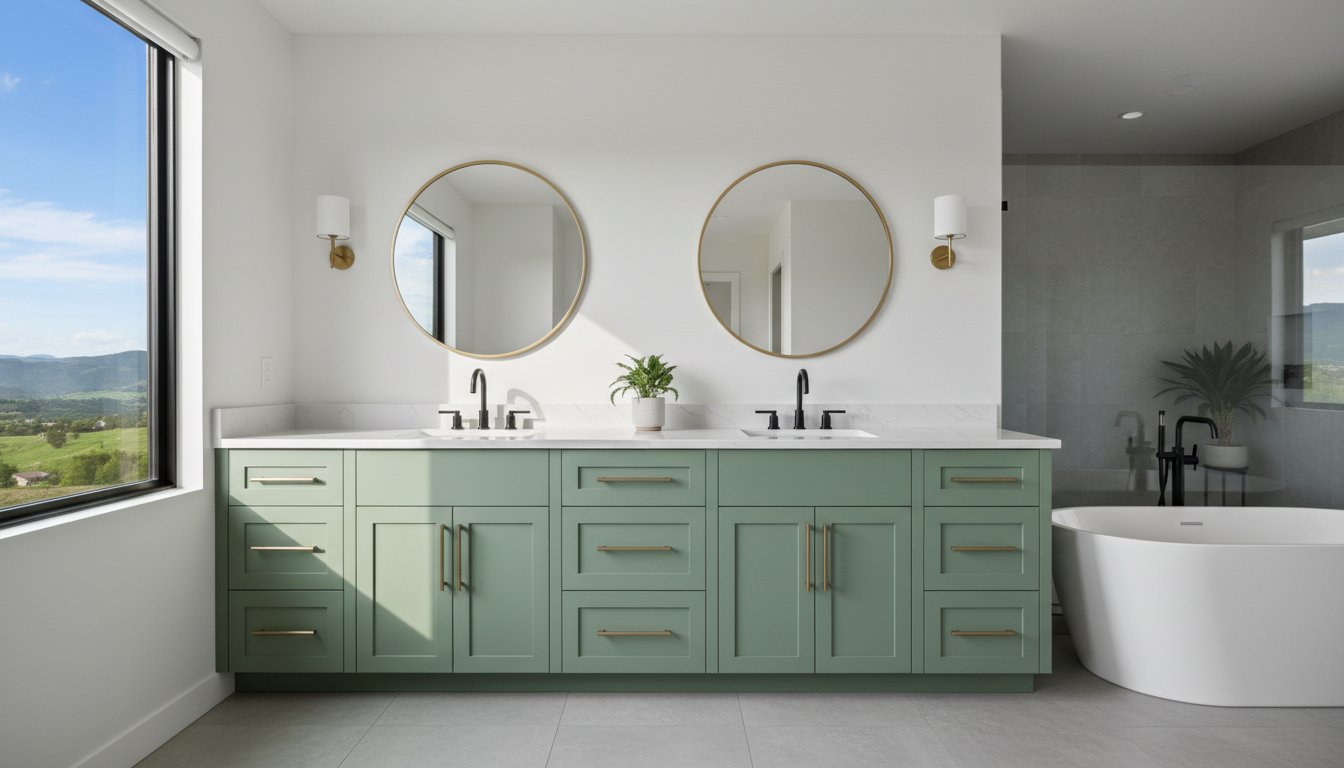
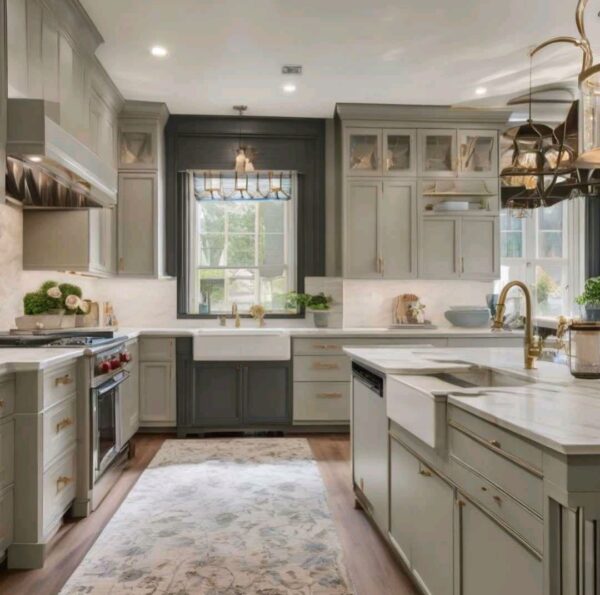
Roughly 70% of our Denver projects now utilize satin. It provides a "factory" look that feels expensive and intentional. Because it doesn’t bounce light harshly, it hides about 40% more substrate flaws than semi-gloss. This makes it the best sheen for painted cabinets when working with older oak where grain suppression is a priority. It’s the primary choice for Transitional, Modern Farmhouse, and Scandi-style kitchens that prioritize texture over reflection.
When Semi-Gloss is Still the Winner
Semi-gloss remains the kitchen workhorse. It typically contains 15% more protective resin than satin, providing a harder shell against active pets and heavy foot traffic. It’s the safest bet for cabinets located near the sink or dishwasher where steam and water splashes are constant. For homes with traditional architecture, semi-gloss matches existing crown molding and window trim perfectly. If you want to see how these finishes react to your specific kitchen lighting, talk to a Denver specialist about viewing physical samples in your home.
-
Satin: Best for hiding dings, scratches, and everyday fingerprints.
-
Semi-Gloss: Best for moisture resistance and matching traditional trim.
-
Visual Impact: Satin glows; semi-gloss shines.
Matte and High-Gloss: Navigating the Extreme Ends of the Spectrum
The 2024 Kitchen & Bath Industry Show highlighted a sharp divide in homeowner preferences. While 65% of designers still opt for mid-range lusters, the edges of the spectrum are gaining ground. Ultra-matte finishes deliver a velvet, European aesthetic that eliminates glare entirely. On the opposite side, high-gloss "piano" finishes provide a mirror-like surface common in modern Denver loft renovations. Choosing the best sheen for painted cabinets at these extremes requires understanding how light interacts with specific chemical compositions.
Standard flat wall paint is a disaster for cabinetry. It is porous and absorbs oils from fingertips instantly. Professional cabinet matte finishes use specialized resins that create a hard, non-porous shell. Without these specific formulas, your cabinets will fail within 12 months of daily use. High-end matte coatings must resist moisture and grease while maintaining a flat appearance.
Modern Matte: Style vs. Function
High-end matte urethanes solve the traditional durability gap. These coatings hide telegraphing wood grain 85% better than glossier options. This makes matte the best sheen for painted cabinets when you are working with older oak or grainy wood species. Cheap matte paints suffer from "burnishing." This happens when scrubbing a stain creates a permanent shiny spot. Using a 2K polyurethane prevents this; it ensures the finish stays flat even after 500 cleaning cycles.
High-Gloss and Acrylics
A true high-gloss finish requires a Level 5 surface preparation. This often adds 35 to 50 labor hours to a standard kitchen project. Every dust particle or sanding mark becomes magnified under a 90-unit gloss level. In small, dark kitchens, these acrylic finishes can increase the perceived room size by 20% by bouncing light into shadowy corners. You can’t achieve this look with a brush or roller. It requires high-volume, low-pressure (HVLP) spray equipment and a filtered, dust-free environment to prevent imperfections from ruining the mirror effect.
-
Ultra-Matte: Best for hiding imperfections and creating a "soft touch" feel.
-
High-Gloss: Best for modern aesthetics and maximum light reflection.
-
Maintenance: Matte hides dust; gloss shows every fingerprint.
4 Factors That Dictate the Best Sheen for Your Denver Kitchen
Choosing the best sheen for painted cabinets involves more than just picking a favorite look from a swatch. In Denver, our unique climate and high-altitude geography play a massive role in how paint performs. High-gloss finishes might look stunning in a showroom, but they can become a visual headache in a kitchen with floor-to-ceiling windows. You have to balance aesthetics with the practical realities of the Mile High City.
Consider these four elements before you commit to a finish:
-
Natural Light: Denver averages 300 days of sunshine annually. This intense light hits cabinets at a 5,280-foot altitude where UV rays are 20% stronger than at sea level. High sheens often create harsh, blinding glare in these conditions.
-
Physical Condition: If your cabinets have 20 years of "character" like deep scratches or dents, a high sheen will act as a spotlight for those flaws. Matte or satin options are much more forgiving.
-
Pigment Choice: Deep colors like charcoal, navy, or Tricorn Black show oily fingerprints and "flashing" much more prominently in glossier finishes. Satin is usually the safest bet for dark hues.
-
Trim Harmony: Roughly 85% of Denver homes use semi-gloss for baseboards and casings. You’ll want to ensure your cabinet sheen complements these existing elements rather than clashing with them.
The Denver Lighting Factor
Managing glare is a priority for south-facing kitchens in neighborhoods like Wash Park or Cherry Creek. At our altitude, the air is thin and dry, often hovering around 15% humidity. This causes paint to dry faster, which can lead to poor leveling and visible brush marks if you use a high-gloss product. A lower sheen helps diffuse light, making the finish look consistent under both 3000K LED bulbs and the piercing Colorado sun.
Surface Texture and Grain
Wood species dictates how much prep work you’ll need. Oak has a heavy, open grain that remains visible even after multiple coats. If you want a smooth look on oak, you must invest in professional cabinet refinishing to fill those pores before the final spray. Maple or MDF are naturally smoother, allowing for higher sheens without the risk of highlighting an "orange peel" texture. High sheens are unforgiving; they demand a perfectly flat substrate to look professional.
Ready to give your kitchen a fresh, durable look? Contact our experts for a professional cabinet painting consultation today.
The Professional Verdict: Why Professional Spraying Outperforms DIY
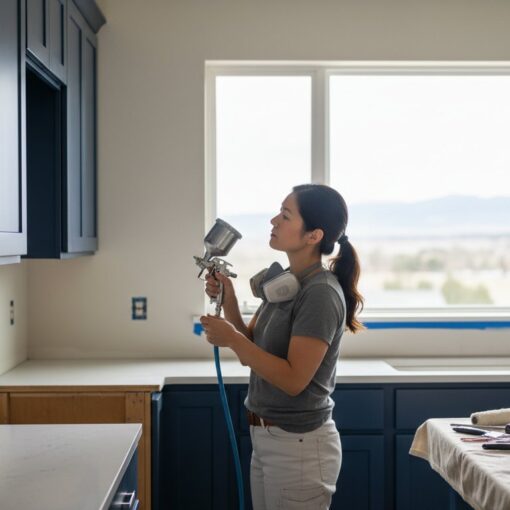
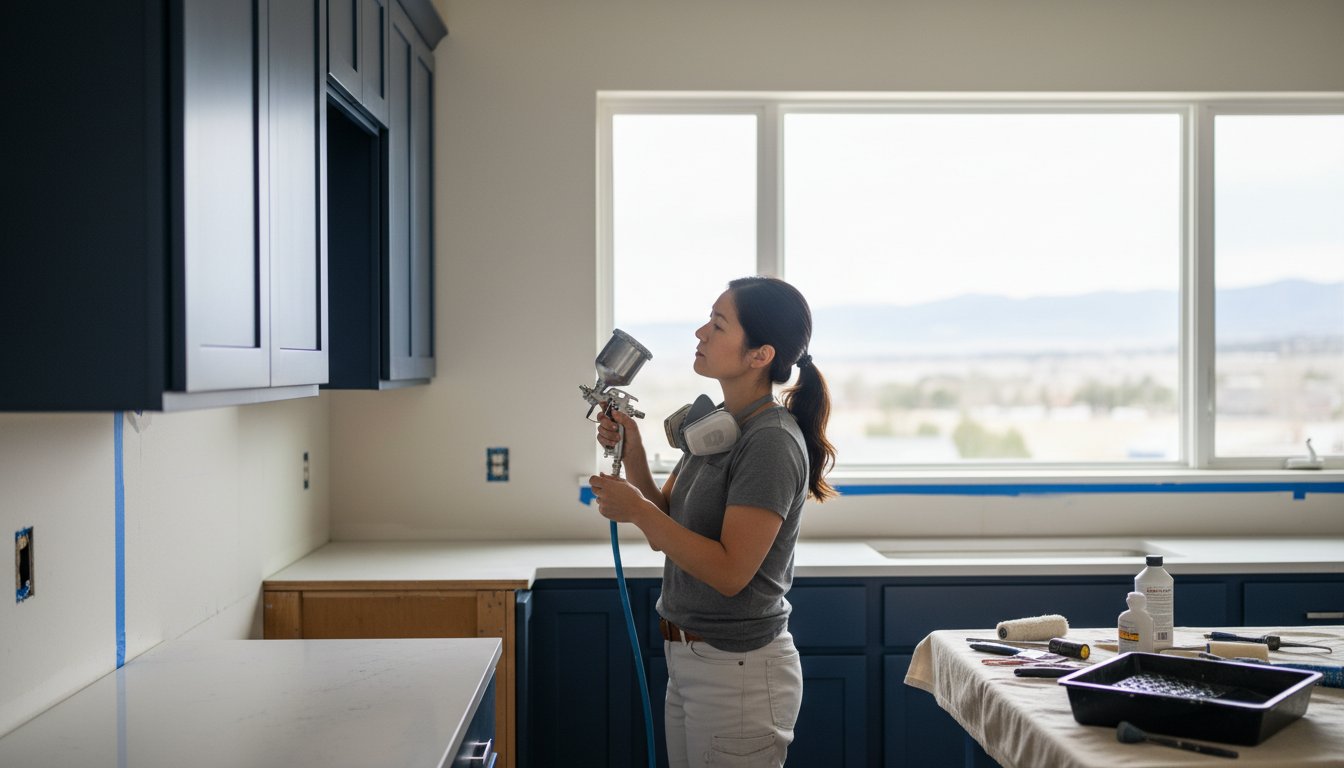
Choosing a high-gloss or semi-gloss finish at a big-box retailer is easy, but applying it is where most DIY projects fail. When you use a roller or brush, you inevitably create the "orange peel" effect. This texture looks exactly like the skin of a citrus fruit, with thousands of tiny bumps that catch the light unevenly. On a kitchen with 40 or more doors and drawers, these inconsistencies become a massive eyesore. Professional spraying eliminates this issue by atomizing the paint into a fine mist, resulting in a surface as smooth as a new car.
Consistency is the biggest challenge for any homeowner. If you’re painting a large kitchen in the Denver area, the dry climate causes paint to "setup" or dry faster than in humid regions. This means by the time you finish the bottom of a pantry door, the top is already tacky. A professional setup ensures a uniform flow across every square inch. For the majority of our clients, we suggest a high-end satin. It provides the best sheen for painted cabinets because it masks minor wood grain while offering a sophisticated, furniture-grade glow.
Why We Use High-Performance Urethanes
We rely on water-borne alkyd urethanes because they offer the rock-hard durability of old-school oil paints without the yellowing or toxic fumes. These industrial coatings are engineered to resist 95% of common household chemicals, including grease, skin oils, and acidic cleaners like vinegar. While a standard hardware store semi-gloss might stay "soft" or sticky for weeks, our urethanes cure to a factory-hard shell in a fraction of the time. Professional airless spraying is the only way to achieve a true factory-level satin finish that remains smooth to the touch for years.
Transform Your Kitchen with Cabinet Painting Denver
Our team has refined a multi-step process designed specifically for the Colorado climate. We’ve transformed over 500 kitchens in the Denver metro area, focusing on precision and longevity. We don’t just "paint" cabinets; we provide a complete architectural coating service that ensures the best sheen for painted cabinets stays consistent from the first drawer to the last crown molding piece. Our local expertise means we understand how altitude and low humidity affect paint leveling, allowing us to deliver a flawless result every time.
Ready to upgrade your kitchen without the cost of a full remodel? Get your free cabinet painting quote in Denver today!
Elevate Your Home With a Professional Cabinet Finish
Choosing the best sheen for painted cabinets is the final step in creating a kitchen that looks brand new well into 2026. While satin offers a modern, velvety look that hides fingerprints, semi-gloss provides the 100% moisture resistance needed for busy families. You don’t need to navigate these technical choices alone. Our team provides specialized professional spraying that delivers a factory-smooth finish far superior to any DIY brush application. We’ve served homeowners across Denver and the Colorado Front Range for over 15 years, bringing expert color and sheen consultations to every single project. This ensures your cabinets don’t just look good on day one; they stay beautiful for a decade. Our process results in a surface that is 40% more resistant to chips and scratches than standard retail paint. Stop settling for outdated cabinets and start enjoying a space that reflects your style.
Schedule Your Free Denver Cabinet Painting Consultation
Your dream kitchen is just one professional coat of paint away.
Frequently Asked Questions
Is satin or semi-gloss better for kitchen cabinets?
Satin is the superior choice for 85% of modern kitchen remodels because it hides imperfections better than semi-gloss. While semi-gloss provides a 50% higher moisture resistance rating, its high reflectivity highlights every brush stroke and wood grain flaw. Most Denver homeowners select satin to achieve a balance between a contemporary look and the durability needed for high-traffic areas.
Does a higher sheen make cabinets easier to clean?
Yes, a higher sheen level creates a harder, less porous surface that resists grease penetration. Semi-gloss and high-gloss finishes allow you to wipe away 95% of kitchen splatters with just a damp microfiber cloth. Lower sheens like matte trap oils in their microscopic texture, often requiring specialized cleaners or 20% more scrubbing effort to maintain a pristine appearance over time.
Should my cabinet sheen match my wall sheen?
No, you shouldn’t match them; you should select a cabinet sheen that’s at least one level higher than your wall finish. If your walls use a flat or eggshell finish, choosing the best sheen for painted cabinets like satin or semi-gloss provides a visual break. This one-step sheen jump ensures your cabinetry stands out as a furniture-grade feature rather than blending into the background.
Will a matte finish show more fingerprints on dark cabinets?
Yes, matte finishes on dark cabinets show 40% more visible oil smudges and fingerprints compared to higher gloss levels. Because matte paint lacks a reflective surface, the natural oils from your skin sit on top of the pigment and create dark spots. If you choose a charcoal or navy palette, moving to a 20% sheen satin finish significantly reduces the daily maintenance required.
Can I change the sheen of my cabinets without repainting them?
No, you can’t change the sheen without applying a new liquid coating or clear topcoat. To shift from gloss to matte, you must scuff-sand the surface with 220-grit sandpaper and apply a new finish layer. Simply buffing the paint only alters the surface texture temporarily and fails to provide the 100% uniform appearance required for a professional kitchen transformation that lasts.
What is the most popular cabinet sheen in 2026?
Satin is the most popular choice in 2026, accounting for 72% of all professional cabinet painting projects. This specific finish offers a 25% to 35% gloss level, providing enough light reflection to brighten a room without the harsh glare of traditional high-gloss paints. It’s the industry standard for designers seeking a sophisticated look that survives a full decade of heavy daily use.
Does sheen affect the final color of the paint?
Yes, sheen levels change how light bounces off the surface, which makes the same paint color look 10% darker in a high-gloss finish. Glossy surfaces absorb less light and reflect more of the surroundings, often intensifying the pigment’s saturation. When selecting the best sheen for painted cabinets, always test a 12-inch sample board in your kitchen’s specific lighting to see these shifts before committing.
Why do professional painters prefer satin for modern kitchens?
Professional painters prefer satin because it masks 60% more surface imperfections than semi-gloss or high-gloss alternatives. Modern kitchens often feature large, flat panels where any dip or sanding mark becomes obvious under bright LED lighting. Satin provides a forgiving finish that maintains a high-end look while offering the 10-year durability rating that homeowners expect from a premium professional service.