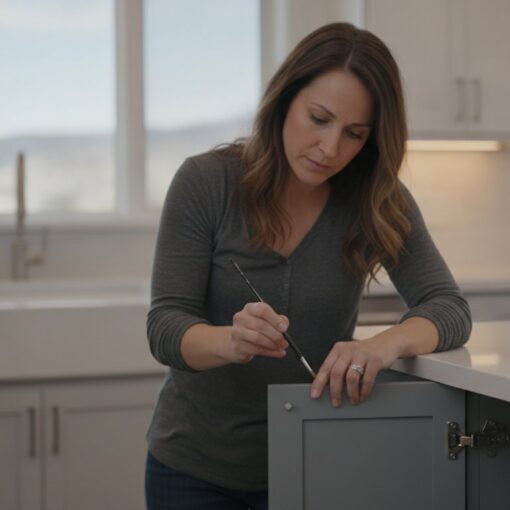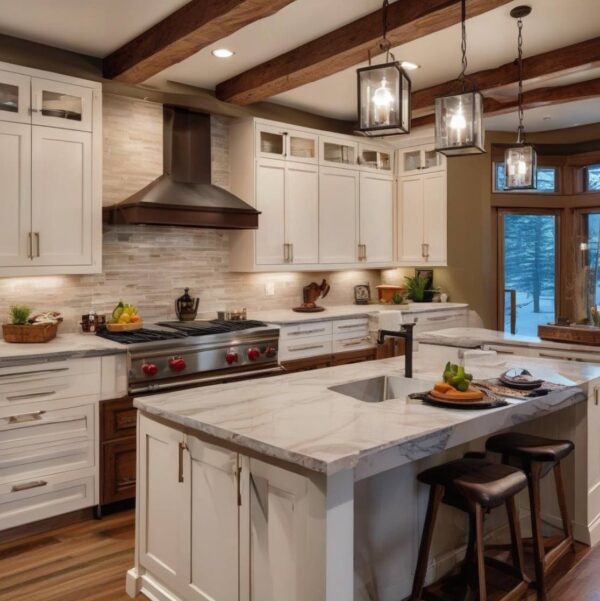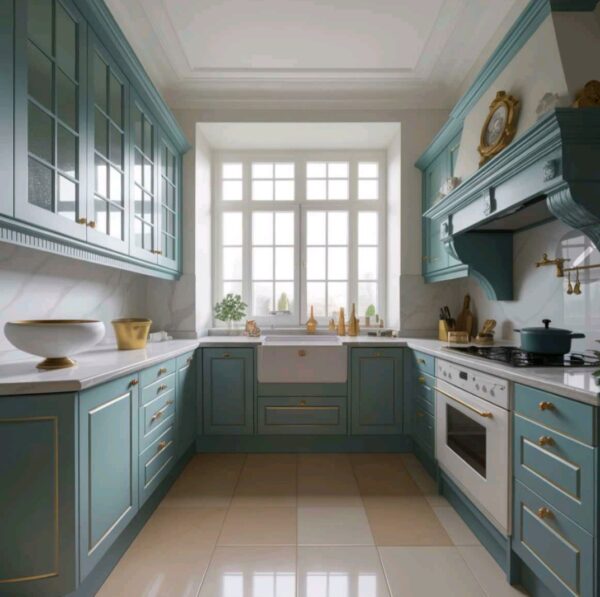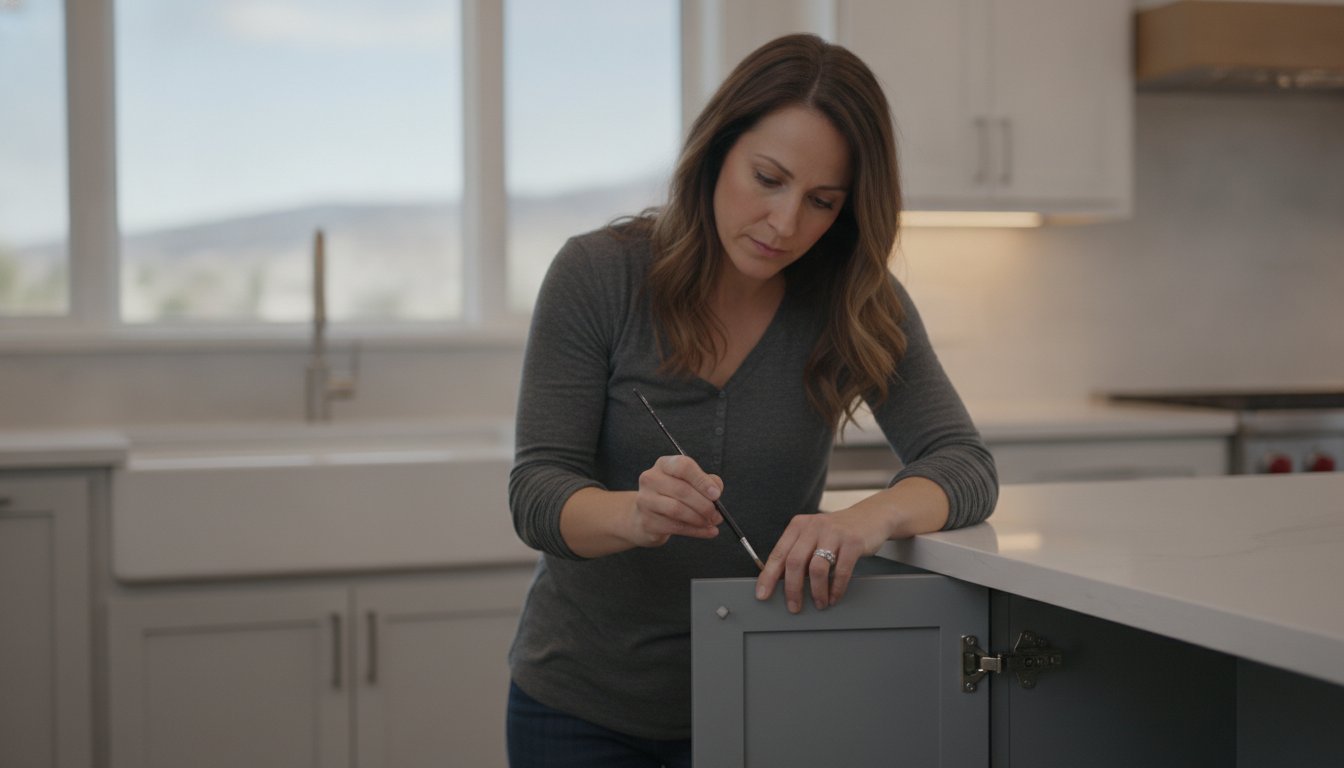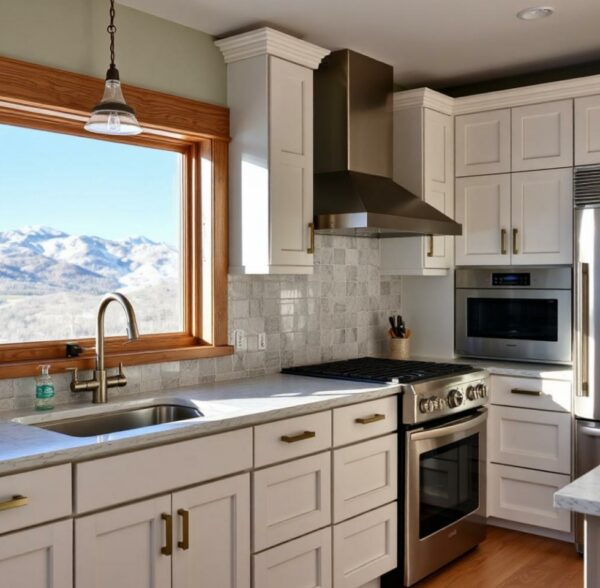

An estimated 60% of DIY cabinet painting projects show signs of failure, such as chipping or peeling, within 18 months. This data point highlights the risk of treating a high-traffic focal point like a simple weekend craft. You might be asking yourself, “should I paint my kitchen island” to resolve a clash between outdated wood finishes and your new flooring. It’s a common dilemma for homeowners who want a modern update but fear the result won’t survive daily kitchen use. A painted island is a strategic architectural anchor, not just a color change, and it requires professional-grade application to succeed.
You’re right to worry about the durability of coatings on a surface that handles constant contact and cleaning. This guide helps you decide if painting your island is the right move for your home’s resale value and design goals. We’ll explore the shift toward moody 2026 palettes like deep greens and warm neutrals. You’ll also learn about the professional Kitchen Cabinet Painting processes and industrial coatings, such as catalyzed 2K polyurethanes, required to achieve a factory-quality finish. Please review these technical requirements to determine which finish best suits your current kitchen conditions.
Key Takeaways
- Define the kitchen island as a strategic architectural anchor that creates an intentional focal point in open-concept homes.
- Assess your specific floor plan and lighting to decide if you should I paint my kitchen island to resolve design clashes.
- Select from 2026 trends like organic neutrals and deep jewel tones that provide high-impact design without creating visual clutter.
- Identify the multi-step preparation requirements, including professional degreasing and scuff-sanding, necessary for a durable result.
- Understand the procedural advantages of professional Kitchen Cabinet Painting, such as HVLP spraying, to achieve a factory-quality finish.
Evaluating the Impact of a Painted Kitchen Island
The kitchen island serves as the primary architectural anchor in the modern open-concept home. It acts as a bridge between the functional cooking zone and the living area. Many homeowners in the Denver area currently struggle with dated oak or cherry wood finishes that clash with updated flooring or countertops. When you ask, “should I paint my kitchen island,” you’re really asking how to transform a monochromatic block into an intentional design feature. A contrasting color on the island base provides a visual weight that grounds the room, making the entire space feel more deliberate and custom.
Understanding the history and construction of kitchen cabinets is essential when evaluating if your current island base can support a high-performance coating. Most islands are constructed from solid wood or wood veneers, both of which are excellent candidates for professional painting. By shifting away from uniform wood tones, you create a focal point that breaks up the visual monotony of a large kitchen. This strategy allows the island to stand alone as a piece of furniture rather than just another row of cabinets.
To better understand this concept, watch this helpful video:
The “Focal Point” Strategy
A contrasting island draws the eye immediately upon entering the room. It defines the workspace and creates a clear boundary for the “heart of the home.” Using a darker or bolder color on the base helps bridge the gap between light cabinetry and dark hardware or flooring. The island is the safest place to experiment with design. It’s a smaller surface area than the perimeter cabinets, meaning a bold choice like navy or charcoal feels sophisticated rather than overwhelming. It allows you to introduce personality without committing to a full-room color overhaul.
Enhancing Home Value in Denver
In the 2026 Denver real estate market, updated cabinetry is a major factor in high-end appraisals. Buyers prioritize move-in-ready kitchens with modern palettes. Professional Kitchen Cabinet Painting is a cost-effective alternative to full island replacement, providing a factory-quality look for a fraction of the investment. However, Denver’s unique climate requires specific expertise. The region’s low humidity levels can cause standard retail paints to dry too quickly, leading to visible brush marks or uneven textures. Professional application ensures the coating levels correctly, resulting in the durable, smooth finish required for luxury home listings.
Pros and Cons: Is an Island Color Shift Right for Your Space?
Deciding between a full renovation and a targeted update requires a clear decision framework. When you ask, “should I paint my kitchen island,” the answer depends largely on the condition of your existing cabinetry and your long term design goals. Unlike wood refinishing, which involves stripping surfaces back to the bare grain, professional painting creates a durable, opaque finish that can completely hide dated wood patterns. It’s the most efficient way to modernize a space without the high cost and environmental impact of a total demolition. If you decide that a new custom island is a better investment for your home, you can visit CutByBEES for custom-made flat pack cabinets that provide a professional foundation for your project.
The primary concern for many homeowners is the “mismatch” fear. You don’t want the island to look like an accidental addition. To avoid visual business, use color theory to ensure the island shares an undertone with your perimeter cabinets or backsplash. For example, if your main cabinets are a warm white, choose an island color with warm, earthy bases rather than cool, blue-toned grays. This creates a cohesive look where the island feels like a deliberate architectural anchor rather than a separate, clashing entity. If you’re unsure which path fits your kitchen, consulting with a specialist in Kitchen Cabinet Painting can clarify the technical requirements for your specific cabinet type.
Durability is the most significant factor in this decision. Standard wall paint is not formulated for the mechanical stress of a kitchen island. Foot traffic, cleaning chemicals, and constant contact require industrial-grade coatings. During the application of these specialized products, following the EPA’s best practices for indoor air quality is essential. Professional painters utilize high-volume, low-pressure (HVLP) sprayers and proper ventilation to manage VOC levels while ensuring a smooth, factory-quality surface that outlasts any DIY attempt.
The Advantages of a Painted Island
- Immediate Modernization: You achieve a high-impact visual shift in days rather than weeks.
- Grain Suppression: Professional primers can fill and hide heavy oak or hickory grain for a sleek, contemporary look.
- Superior Maintenance: Modern urethane-based coatings are non-porous, making them easier to wipe clean than traditional stained wood.
Potential Drawbacks to Consider
- Visibility of Wear: Very dark, matte finishes tend to show dust and fingerprints more readily than mid-tone wood stains.
- Visual Clutter: In extremely small kitchens, a contrasting island might make the floor plan feel fragmented rather than open.
- Trend Sensitivity: Highly specific “color of the year” choices may require an update sooner than classic neutrals like navy or charcoal.
Choosing the Perfect Palette and Finish for 2026
Selecting a color for your island requires a strategic assessment of how the shade interacts with your existing kitchen cabinet painting on the perimeter walls. If your main cabinets are a light neutral, the island should provide enough contrast to look intentional rather than accidental. By 2026, the trend has moved decisively away from the stark, cool grays of the last decade toward warmer, organic palettes. These shades provide a sophisticated anchor that feels grounded in the home’s architecture. When you ask, “should I paint my kitchen island,” consider the lighting and the surrounding textures to ensure the new palette enhances the overall flow of the room.
Trending Colors for the Modern Island
The 2026 palette is dominated by “organic neutrals” like greige and mushroom. These tones offer a timeless quality that bridges the gap between traditional and contemporary styles. For those seeking a bolder statement, deep navy and forest green remain classic anchor colors. These jewel tones provide a rich backdrop that pairs exceptionally well with brass or matte black hardware. In modern minimalist Denver homes, black islands are making a significant comeback. A black base creates a sharp, high-contrast look that works effectively with marble or quartz countertops, providing a clear visual boundary in open floor plans.
Understanding Sheen and Texture
The choice of sheen is just as critical as the color itself. Most professional cabinet painters recommend a satin finish as the “goldilocks” choice for high-traffic surfaces. It provides enough light reflection to make the color pop without the harsh glare associated with semi-gloss or high-gloss paints. This is particularly important in Denver, where large windows and high-altitude sunlight can make shiny surfaces look plastic or highlight every imperfection. If your island is made of oak, a grain-filling process is required before the application of any coating. This procedural step transforms the heavy, dated texture into a smooth, factory-quality surface that aligns with modern design standards.
Hardware acts as the final detail that completes the island transformation. Switching to oversized pulls or mixing metals, such as aged brass on a navy island, can elevate the entire design. The hardware should tie the island back to the perimeter cabinets while allowing it to stand out as a unique piece of furniture. This coordination ensures the island doesn’t just look painted, but professionally designed to withstand the rigors of daily use. Proper hardware selection, combined with a durable finish, ensures your investment maintains its value for years to come.

The Professional Process: Achieving a Factory-Quality Finish
High-impact design requires more than a standard paint application. When you’re asking, “should I paint my kitchen island,” the primary differentiator between a successful project and a failed one is the application method. While many DIY guides suggest rolling or brushing, these methods often leave visible “orange peel” textures and brush marks. A professional finish relies on high-volume, low-pressure (HVLP) spraying to achieve a smooth, glass-like surface that mimics original factory cabinetry. This technical approach ensures the coating looks like a permanent part of the island rather than a temporary layer of paint.
Preparation: The Foundation of Durability
Proper preparation accounts for approximately 70% of the work in a professional project. Kitchen islands are high-traffic zones prone to grease, wax buildup near floor levels, and physical contact from seating. The process begins with a thorough degreasing using professional-grade cleaners to remove years of kitchen residue. Following this, the surface is scuff-sanded to create a mechanical profile for the primer to bond with. Skip these steps and you’ll likely see signs of failure within 18 months.
- Degreasing: Removal of all oils and waxes that prevent paint adhesion.
- Masking: Precise protection of floors and countertops using professional-grade tapes and papers.
- Bonding Primers: Use of high-adhesion primers specifically designed for finished wood surfaces.
The Spraying Advantage
Professional crews utilize industrial-grade coatings, such as catalyzed two-component (2K) polyurethanes. These products aren’t typically available in retail stores and offer superior resistance to chipping and chemical cleaners. By 2026, over 80% of high-end refinishing jobs use these 2K systems because they reach a level of hardness that standard enamels can’t match. This is critical for island bases that must withstand kicks from stools and vacuum cleaners. The speed and efficiency of a professional crew also mean your kitchen returns to full service faster than a multi-day DIY project.
Denver’s dry climate affects the initial flash-off time of coatings, but the full curing period remains a critical phase. While professional-grade coatings may feel dry to the touch in a few hours, they require up to 21 days to reach full chemical hardness. You don’t want to use heavy cleaners or allow high-impact contact during this window. If you want a finish that outlasts a DIY attempt and survives daily kitchen use, contact a specialist in Kitchen Cabinet Painting to ensure your island receives the industrial-grade treatment it requires.
Transforming Your Denver Kitchen with Expert Cabinet Painting
Painting the island is the most impactful single change you can make to a modern kitchen. It transforms the room’s architecture without the heavy disruption or cost of a full remodel. For homeowners in Colorado, Cabinet Painting Denver serves as the primary local specialist for these high-impact projects. Whether you’re updating a sleek LoDo loft or a traditional estate in Highlands Ranch, the procedural requirements remain the same. You need a finish that withstands the unique environmental challenges of the Front Range while serving as a durable focal point for your family.
If your island features high-quality wood grain that you want to preserve rather than cover with an opaque color, cabinet refinishing is a viable alternative. This process focuses on restoring the wood’s natural character while providing a fresh, industrial-grade topcoat. However, if your goal is to introduce the sophisticated 2026 palettes discussed earlier, professional painting is the correct choice. When deciding “should I paint my kitchen island,” evaluate the existing wood condition. High-traffic bases often have scuffs or cleaning chemical damage that an opaque coating hides more effectively than a transparent stain.
Why Local Expertise Matters
Colorado’s mountain climate presents specific challenges for paint curing and long-term adhesion. The low humidity levels can cause standard retail-grade products to dry too quickly, leading to brittle finishes that chip easily. A local specialist understands these conditions and selects industrial products specifically formulated for the high-altitude environment. Local accountability also ensures you receive a warranty and professional support that a transient contractor or a DIY attempt cannot provide. Our team understands the specific aesthetics of Denver neighborhoods, ensuring your color choice fits the local market trends.
Next Steps for Your Kitchen Makeover
Preparing for a consultation with a professional cabinet painter involves more than just picking a color. You should clear the island surface and identify any structural repairs needed for the doors or drawers before the crew arrives. It’s also helpful to review the current cost to paint kitchen cabinets to establish a realistic project budget. If you are still weighing the question, “should I paint my kitchen island,” consider that it provides the highest visual return for the lowest relative investment. Contact us today for a professional assessment and a clear path toward your dream kitchen.
Finalize Your 2026 Kitchen Transformation
A painted kitchen island is the most effective way to anchor your home’s open-concept design. It creates a deliberate focal point that bridges the gap between your existing cabinetry and modern flooring. While the question of “should I paint my kitchen island” often starts with aesthetics, the final decision depends on durability. Achieving a factory-quality finish requires more than retail paint; it demands industrial-grade coatings and technical precision to survive daily use. Proper color theory and sheen selection ensure the result looks like an intentional architectural choice rather than an afterthought.
Our team of local Denver experts specializes in high-volume, low-pressure (HVLP) spraying to ensure a smooth surface that resists the mechanical stress of a busy kitchen. We utilize detailed preparation protocols and catalyzed coatings that withstand the rigors of the Front Range environment. This professional approach provides a level of resistance to chipping and wear that standard DIY methods cannot match. You don’t have to settle for a mismatched or fragile finish when a factory-grade result is within reach for your home. Get Your Free Kitchen Island Painting Quote in Denver to start your project. We look forward to helping you create a modern, resilient space that adds lasting value to your kitchen.
Frequently Asked Questions
Will painting my kitchen island make it chip easily from barstools?
Professional-grade coatings are designed specifically to withstand the mechanical stress of barstools and foot traffic. Using a catalyzed two-component (2K) polyurethane provides a durable surface that resists impact better than standard retail paints. To ensure the finish doesn’t fail, you must allow for the full 21-day curing period before allowing heavy contact or frequent cleaning with chemicals.
Do I need to paint my island the same color as my other cabinets?
You don’t need to match your island to your perimeter cabinets. Creating a two-tone kitchen is a strategic design choice that establishes the island as an intentional focal point. When homeowners ask, “should I paint my kitchen island,” they’re often looking for ways to introduce a contrasting anchor color like navy, charcoal, or mushroom to ground the space and add visual interest.
How long does it take for a professional to paint a kitchen island?
A professional island painting project typically requires three to five business days to complete correctly. This timeline includes the necessary phases for degreasing, scuff-sanding, priming, and applying multiple coats of cabinet-grade enamel. While the spraying itself is efficient, the procedural steps for preparation and initial flash-off times cannot be rushed without compromising the final durability and smoothness of the finish.
Can I paint a kitchen island that is made of laminate or MDF?
You can paint kitchen islands made of laminate or MDF if you use the correct bonding primers. These non-porous materials require a high-adhesion primer designed to create a mechanical bond with the surface. Without professional-grade preparation, paint applied to laminate is likely to peel within months. Once primed correctly, these surfaces accept industrial coatings as effectively as solid wood or wood veneers, which Kitchen Renovations Perfected highlights as top-performing substrates for high-end kitchen transformations.
Should the island be darker or lighter than the perimeter cabinets?
Most modern designs utilize a darker color for the island to ground the center of the room. A darker base provides a visual weight that anchors the space, especially in kitchens with white or light-colored perimeter cabinets. In smaller kitchens with dark perimeter walls, a lighter island can help brighten the workspace and prevent the floor plan from feeling too enclosed or monochromatic.
What is the best paint finish for a kitchen island base?
Satin is the most recommended finish for a kitchen island base. It offers a balance between durability and aesthetic appeal by providing enough sheen to resist moisture while hiding minor surface imperfections. High-gloss finishes tend to highlight every scuff, kick mark, and fingerprint. This makes them less practical for high-traffic surfaces that experience constant contact from seating and daily kitchen activities.
Is it better to spray or brush a kitchen island?
Spraying is the superior method for achieving a factory-quality finish on a kitchen island. Professional HVLP spraying eliminates the brush marks and roller stipple associated with manual application. This method provides a smooth, uniform coating that is essential for modern, high-end designs. Brushing is generally reserved for minor touch-ups rather than full-scale island transformations where a level, durable surface is the primary goal.
How much does it typically cost to have a kitchen island professionally painted in Denver?
The cost for professional island painting in Denver varies based on the size of the unit and the complexity of the preparation required. Industry data for July 2026 suggests that painting a kitchen island typically costs between $3 and $6 per square foot. Factors such as the requirement for grain-filling on oak or the use of specialized 2K polyurethane coatings will influence the final project estimate.