
Spending $40,000 on new custom cabinetry is an unnecessary investment when your existing frames are structurally sound. Most homeowners want a modern look but worry that a standard paint job will peel or show unsightly brush marks within months. It’s a valid concern; the technical distinction between cabinet refinishing vs painting determines whether your kitchen looks like a DIY project or a professional showroom. This 2026 guide provides the procedural clarity you need to choose a restoration method that delivers a smooth, factory-grade finish. You’ll learn how industrial-grade coatings resist kitchen grease and heat while providing long-term durability that lasts for years.
We’ll examine the specific requirements for a successful cabinet painting project, including clinical degreasing and off-site HVLP spraying. Since professional cabinet painting can be 70% to 80% cheaper than a full replacement, understanding these technical differences is essential for a cost-effective remodel. This article previews the essential steps to achieve a modernized kitchen style without the disruption of a full demolition.
Key Takeaways
- Learn how clinical degreasing and mechanical etching create a microscopic profile for superior coating adhesion.
- Understand the technical distinction between cabinet refinishing vs painting to ensure a factory-grade restoration that resists heat and grease.
- Compare the total investment of refinishing against the high costs of full replacement and related kitchen updates.
- Navigate 2026 design trends by selecting colors and sheens that offer both modern style and high “scrubbability.”
- Discover how to manage wood expansion and contraction in the specific Mile High climate of Denver for a durable result.
What is Cabinet Refinishing? Defining the Professional Standard
Cabinet refinishing is an industrial restoration process. It utilizes specialized chemistry to bond new finishes to existing wood surfaces. This method involves a clinical cleaning of the original surface to ensure the new layer integrates with the wood’s structure. It is a technical restoration rather than a simple cosmetic touch-up. This approach preserves the structural integrity of high-quality cabinetry while providing a factory-fresh appearance that standard paints cannot match.
To better understand the differences between these restoration methods, watch this helpful video:
When evaluating cabinet refinishing vs painting, the primary distinction lies in the application methods and materials used. Standard house painting typically involves water-based latex paints applied with brushes or rollers. Professional refinishing utilizes high-volume, low-pressure (HVLP) spraying and industrial-grade coatings. These materials are specifically engineered to withstand kitchen stresses like heat, moisture, and frequent cleaning.
Refinishing vs. Painting: The Technical Breakdown
The technical Wood finishing process changes based on the desired aesthetic. Staining alters the wood’s color while highlighting the natural grain. Opaque refinishing creates a non-porous, solid-color surface. Because the finish is sprayed, it lacks the texture and brush marks common in manual painting. This results in a sleek surface that mimics the look of new, factory-made cabinets. Professional results avoid the “painted look” by creating a durable film that resists chipping.
The 2026 Homeowner Perspective: Why Restoration Wins
In 2026, restoration is the preferred choice for homeowners who value quality and environmental responsibility. Reusing existing cabinet boxes reduces landfill waste. It’s also a financially sound decision. Professional cabinet painting can be 70% to 80% cheaper than a full cabinet replacement. This allows homeowners to update their space without the high cost of new custom cabinetry. Furthermore, industrial coatings used in professional refinishing are far superior to standard interior paints. They bond to the wood to prevent peeling, ensuring the kitchen remains functional and attractive for years.
The Professional Refinishing Process: Engineering a Flawless Finish
Achieving a factory-grade result requires more than a standard brush and bucket. The technical debate of cabinet refinishing vs painting is often settled by the level of preparation involved. Professional restoration follows a strict sequence of chemical and mechanical steps to ensure the new finish doesn’t just sit on top of the wood but becomes part of it. This procedural clarity is what separates a long-lasting restoration from a temporary cosmetic fix.
The process begins with clinical degreasing. Kitchen cabinets accumulate years of cooking oils and microscopic grease that standard household cleaners cannot fully remove. Failure to strip these contaminants leads to premature coating failure and peeling. Once the surfaces are chemically clean, they undergo mechanical etching. This step creates a microscopic profile on the wood, providing the necessary “tooth” for industrial coatings to bond permanently to the substrate.
Doors and drawer fronts are removed for off-site spraying. This ensures they are finished in a controlled, dust-free environment where coatings can cure without interference from household activity or airborne particles. After the fixed frames are completed on-site, the project concludes with precision re-installation. Technicians align hardware and doors to ensure a custom-fit feel and smooth, consistent operation throughout the kitchen.
The Science of Adhesion and Priming
Standard paints often fail to stick to non-porous surfaces like factory-finished oak or maple. Professionals utilize specialized bonding primers to bridge the gap between the original wood and the new topcoat. High-build primers serve to fill the natural wood grain, creating a level and uniform substrate for the final color application. Proper drying times between these stages are critical. Allowing each layer to cure fully ensures long-term chip resistance and a finish that remains durable under heavy use. If you’re planning a remodel, you can explore professional kitchen cabinet painting options to see how these technical steps transform a space.
Achieving the Factory Look with HVLP Technology
High Volume Low Pressure (HVLP) sprayers are the industry standard for high-end restoration. This technology delivers a fine, controlled mist that prevents “orange peel” textures, which are common with low-end airless sprayers or manual rollers. A mirror-smooth finish requires a dust-free drying zone, as even small particles can ruin the final aesthetic. During the frame refinishing phase, technicians manage overspray by masking the entire kitchen area. This protects your appliances, floors, and countertops while the fixed components receive their factory-grade treatment.
Refinishing vs. Replacing: A 2026 Value Comparison
The decision between cabinet refinishing vs painting often comes down to budget and long-term value. Kitchen cabinets typically account for 40% to 50% of the total project cost in a kitchen renovation. Choosing professional restoration over a full gutting can be 70% to 80% cheaper than purchasing new cabinetry. This cost gap has widened in 2026 due to a 25% tariff on imported cabinets, which has significantly increased the price of stock and semi-custom lines. For Denver homeowners, a minor kitchen update centered on high-quality cabinet painting recoups approximately 77% of its cost in home equity.
Full replacement often triggers a chain reaction of hidden expenses. When you remove existing cabinet boxes, you frequently destroy the countertops and backsplash. This necessitates new stone fabrication, plumbing updates, and tile work, adding thousands to the final bill. The timeline also differs drastically. Professional restoration is completed in days, while a full kitchen remodel often lasts months. This procedural efficiency minimizes household disruption while delivering a modernized aesthetic that rivals new installations.
If you determine that your project requires more than just a surface update, engaging a specialist for high-end residential renovations like Brekhus Remodeling can ensure a seamless transition during a full home or custom kitchen remodel.
When to Choose Professional Refinishing
Homeowners should assess the structural health of their cabinet boxes and drawer glides before committing to a replacement. The “Golden Rule” of kitchen restoration is simple: if the layout is functional and the boxes are solid, painting is the logical choice. This approach preserves high-quality wood that is often superior to modern particle board alternatives. You can find more details on wood preservation in Cabinet Refinishing: The Ultimate Guide to Revitalizing Your Kitchen. If your frames are level and the wood is intact, professional-grade coatings will provide the factory finish you desire.
When Replacement is Necessary
Restoration cannot fix fundamental structural failure. If you identify deep structural rot or significant water damage in sink bases, replacement is the only safe option. Cabinets made of low-quality particle board that has lost its structural integrity or started to crumble will not hold a new finish effectively. Additionally, if your current kitchen layout is inefficient or prevents proper workflow, a full remodel is required to change the footprint of the room. In these specific cases, the investment in new cabinetry is justified to ensure the long-term safety and functionality of the home, often involving a full-service specialist like X Cabinet & Stone to manage both materials and construction.

Planning Your Project: Colors, Sheens, and 2026 Trends
Design choices are as critical as the technical application. When deciding on cabinet refinishing vs painting, the aesthetic goal dictates the material choice. Translucent stains highlight the grain of white oak or walnut, which are returning to favor in 2026. Conversely, solid opaque finishes provide a modern, uniform look that hides wood patterns completely. Coordinating these selections with local Denver favorites, like granite or quartzite countertops and wide-plank hardwood floors, ensures a cohesive kitchen environment. New hardware serves as the final step in this transformation. Swapping dated hinges and pulls for matte black or brushed brass complements the factory-smooth finish provided by HVLP spraying.
Top Color Trends for 2026 Kitchens
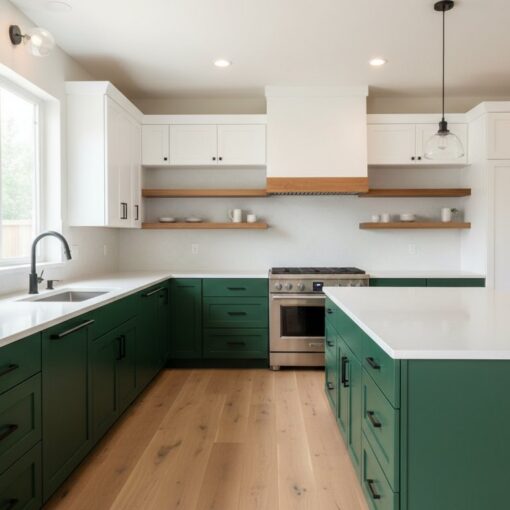
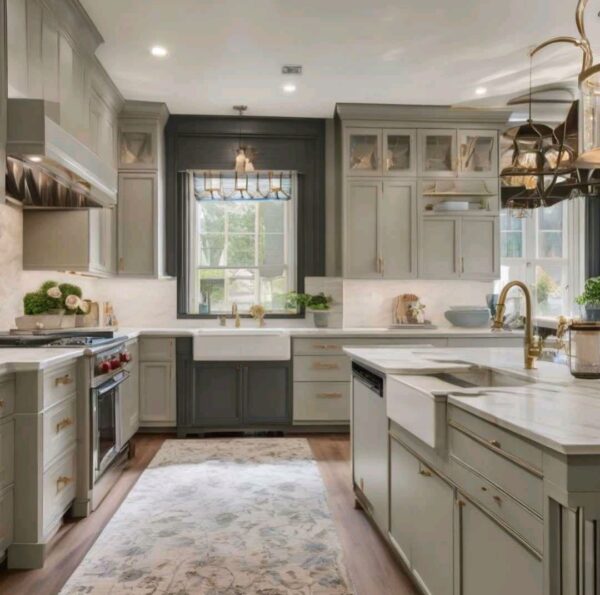
2026 marks a departure from clinical, stark whites. Homeowners now favor Warm Neutrals like almond, mushroom, and greige. Earthy greens such as sage and olive are also trending, creating an organic atmosphere. Two-tone designs remain a popular choice, often featuring darker navy or charcoal base cabinets paired with lighter upper units to ground the room. When comparing cabinet refinishing vs painting trends for 2026, the preference for matte and low-sheen finishes is clear. For detailed advice on color palettes, consult The Best Paint for Cabinets: A Professional Painter’s Guide.
This shift toward warmer tones reflects a desire for kitchens that feel comfortable yet sophisticated. Contact us today to request a quote for your kitchen cabinet painting project and start your design journey.
Selecting a Topcoat for Maximum Durability
Durability is non-negotiable in high-traffic kitchens. Urethane-modified alkyds are the industry standard because they combine the application ease of water-based coatings with the scratch and chemical resistance of traditional oils. These modern finishes have lower VOC levels, reducing environmental impact while maintaining a hard, protective shell. Satin remains the most popular sheen for its balance of light reflection and durability. This finish provides enough glow to highlight the cabinetry while remaining easy to scrub and maintain against kitchen grease.
Matching sheens to Denver’s natural lighting is essential. Low-sheen matte finishes are trending for their modern, understated look, but they require higher-quality coatings to resist fingerprints. Satin offers a compromise, providing a slight luster that hides imperfections while allowing for easy cleaning. When coordinating with natural stone, warm-toned cabinets pair effectively with gold-veined quartz or traditional granite. Hardwood floors in chestnut or espresso tones provide a grounding element for kitchens using earthy green or muted blue cabinetry. This holistic approach ensures the restoration feels like a complete remodel rather than a simple color change.
Professional Results in Denver: The Local Advantage
Denver’s semi-arid climate and high altitude create specific environmental variables that affect coating performance. The region’s low humidity causes finishes to dehydrate rapidly. While this can speed up project timelines, it requires specialized application techniques to prevent the coating from drying before it can level properly. This is a primary reason why the technical distinction of cabinet refinishing vs painting matters in Colorado. Standard interior paints often fail to accommodate the rapid moisture loss, leading to visible textures or poor adhesion. Industrial-grade coatings are engineered to cure correctly even in these dry conditions.
Wood expansion and contraction are also more pronounced in the Mile High City. Significant humidity swings between seasons cause cabinet doors to move. Professional restoration teams manage these shifts by using flexible, industrial-grade coatings that move with the wood rather than cracking at the joints. Local accountability is essential for these projects. Working with a Denver-based team ensures your kitchen is protected by professional service warranties that account for these regional challenges. This local expertise prevents the common failures associated with generic, national painting services.
Before the crew arrives, homeowners must take specific preparation steps to ensure a smooth workflow. All countertops should be cleared of appliances and decor. While the cabinet boxes remain in place during the restoration, drawers and cabinets must be emptied. This allows for clinical degreasing and interior masking without contaminating your kitchenware. This preparation ensures the site is ready for the professional refinishing sequence to begin without delays.
The Cabinet Painting Denver Difference
The Cabinet Painting Denver team follows a transparent, task-oriented process for every restoration project. We utilize specialized off-site spray booths for all doors and drawer fronts. This controlled environment eliminates household dust and allows for optimal curing conditions, ensuring a factory-grade finish that is impossible to achieve with on-site brushing. Our focus remains on providing cost-effective alternatives to full remodels while maintaining procedural clarity. For a deeper look at our specific methodology, read Cabinet Painting Denver: Your Ultimate Guide to a Flawless Finish.
Next Steps for Your Kitchen Transformation
The first step toward a modernized kitchen is a professional assessment of your current cabinetry. We evaluate the structural integrity of your boxes and the condition of the existing finish to ensure restoration is the right path. To provide an accurate, no-surprises quote, we require the total count of doors and drawers, along with photos of the current kitchen layout. This information allows us to determine the exact material requirements and labor hours needed for your project. Transform your kitchen today-get a professional refinishing quote from Cabinet Painting Denver.
Modernize Your Kitchen with Professional Restoration
Choosing between cabinet refinishing vs painting is about more than just color; it’s about engineering a surface that survives the demands of a high-traffic kitchen. Professional restoration provides a factory-smooth finish that standard wall paints cannot duplicate. By opting for this industrial process, you avoid the high costs and long timelines associated with a full kitchen remodel. You’ve learned how specialized preparation and 2026 design trends can transform your existing cabinetry into a high-end focal point. As a locally owned and operated business in Denver, CO, we understand how our unique climate affects wood stability and coating dehydration. We are experts in both kitchen and bathroom cabinet restoration, utilizing professional HVLP spraying for a mirror-smooth result. We maintain procedural clarity from the initial cleaning to the final re-installation of your hardware.
Request a professional cabinet refinishing quote from Cabinet Painting Denver to start your project. We look forward to helping you achieve a durable, factory-grade finish that revitalizes your home.
Frequently Asked Questions
How long does the professional cabinet refinishing process take?
A standard professional project typically requires five to seven business days for completion. This timeline includes on-site frame preparation and off-site spraying for doors and drawer fronts. Larger kitchens or those requiring extensive grain filling might extend the schedule. We maintain procedural clarity by providing a specific project timeline before the work begins.
Will my kitchen be usable during the refinishing project?
Your kitchen remains accessible, but its functionality is limited during the restoration. We mask off the cabinet frames and surrounding surfaces, which restricts access to the interior of the boxes. Cooking is generally discouraged during the active spraying and drying phases to prevent airborne particles from settling on the wet finish. Once the frames are dry, you can access the counters and appliances.
Is there a strong odor associated with professional-grade cabinet coatings?
Industrial-grade coatings produce a noticeable odor during the application and initial curing phases. We use high-performance exhaust fans and containment systems to minimize the spread of fumes throughout your home. Most odors dissipate within 24 to 48 hours as the finish hardens. We recommend keeping pets and sensitive individuals away from the work zone during the active spraying period.
Can you refinish cabinets that have been previously painted by a homeowner?
We can restore cabinets previously painted by a homeowner, provided the underlying wood is still structurally sound. This process requires additional labor to strip or sand away the existing layers of consumer-grade paint. When evaluating cabinet refinishing vs painting, removing old, failing layers is essential to ensure the new industrial coating bonds correctly. We assess the condition of the previous finish during the initial consultation.
How do I clean and maintain my refinished cabinets to ensure they last?
Use a soft microfiber cloth and a solution of mild dish soap and warm water for routine cleaning. Avoid abrasive sponges, ammonia-based cleaners, or wax products, as these can degrade the protective topcoat over time. Drying the surfaces immediately after cleaning prevents moisture from sitting on the joints. Regular maintenance ensures the factory-grade finish remains resistant to kitchen grease and grime.
What is the average lifespan of a professionally refinished cabinet surface?
A professionally applied finish typically lasts between 8 and 10 years with proper care. The durability of the coating depends on the quality of the industrial materials used and the precision of the preparation steps. High-traffic areas around handles and sink bases may show wear sooner if they aren’t kept dry and clean. This lifespan significantly exceeds that of standard DIY painting projects.
Do I need to remove my items from the cabinets before the team arrives?
You must remove all items from your cabinets and drawers before the project begins. This allows our team to degrease the interior edges and mask the frames without risk of contaminating your belongings. Clearing the countertops is also required to provide a safe work area for our technicians. Having the space prepared ensures we can maintain our project schedule and procedural standards.
How does Denver’s dry climate affect the durability of the new finish?
Denver’s low humidity causes coatings to cure faster, which helps prevent dust contamination. However, the dry climate also leads to significant wood contraction and expansion. We use specialized coatings that remain flexible to prevent cracking at the door joints during seasonal humidity shifts. Understanding how local conditions impact cabinet refinishing vs painting ensures the final result remains durable in the Mile High climate.